

Zoom the image with the mouse
Petite Pinkie Crape Myrtle
SKU:
1830110-P
UPC:
014949556016
$19.99 - $54.99
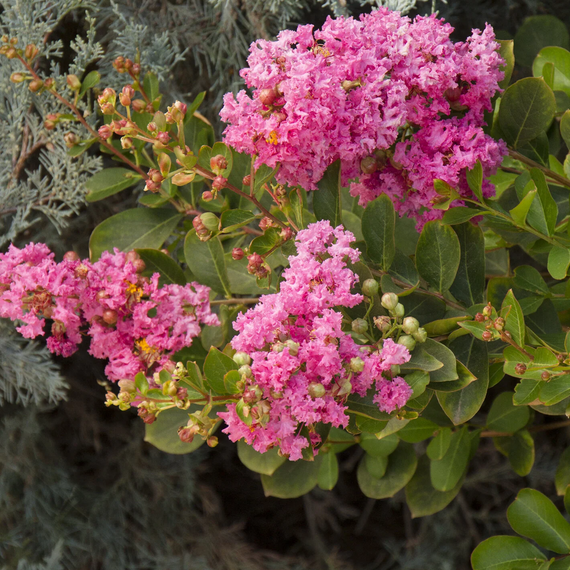
- Vibrant, clear-pink, crepe-like blooms from summer into fall for long-lasting color.
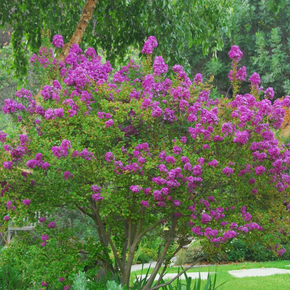
- Compact dwarf crape myrtle—stays around 5 ft. tall and 4 ft. wide, ideal for small spaces.
- Beautiful smooth bark plus yellow fall color for multi-season interest.
- Easy-care and waterwise once established; great for borders, containers, and low hedges.
Petite Pinkie Crape Myrtle (Lagerstroemia indica ‘Monkie’) brings big, showy flower power to sunny gardens in a perfectly compact size. This popular dwarf variety produces profuse clusters of clear pink, crepe-like blossoms from summer into fall, paired with exceptionally attractive, smooth bark for year-round appeal. Reaching about 5 feet tall and 4 feet wide with an upright habit, Petite Pinkie is a fantastic choice for smaller landscapes, patio containers, raised terraces, and even planted in a row for a colorful, blooming hedge. Plant in full sun and average, well-drained soil for best flowering, and enjoy a low-fuss, high-impact accent that also supports pollinators.
At-a-Glance
- Botanical name: Lagerstroemia indica ‘Monkie’
- Common name: Petite Pinkie Crape Myrtle
- Plant type: Deciduous flowering shrub
- USDA Zones: 7–9
- Light: Full sun
Size & Growth Habit
- Mature size: About 5 ft. tall and 4 ft. wide
- Growth rate: Moderate
- Growth habit: Upright
Petite Pinkie is designed for small-space gardening—perfect where you want crape myrtle color without the size of larger varieties.
Bloom Time & Flower Details
- Bloom time: Summer to fall
- Flower color: Pink
- Flower style: Crepe-like blossoms in profuse clusters
- Flower traits: Showy flowers
Expect a strong late-summer show—especially valuable when many other shrubs have finished blooming.
Bark, Foliage & Fall Color
- Bark: Extremely attractive, smooth texture
- Foliage: Green (deciduous)
- Fall color: Yellow
Even when flowers fade, the handsome bark and seasonal foliage help keep your landscape looking polished.
Light Requirements
Plant in full sun for the best flowering and a dense, tidy habit. More sun typically means more blooms.
Watering
- Routine: Water deeply when soil is dry
- First season: Water regularly to establish an extensive root system
- After establishment: Reduce frequency; more drought tolerant once rooted in
Soil & Planting Tips
Petite Pinkie thrives in average, well-drained soil. Avoid planting in areas that stay soggy after rain.
- Dig a hole 2–3x wider than the root ball and plant at the same depth as in the nursery pot.
- Water thoroughly after planting and add mulch to help hold moisture (keep mulch off the trunk).
- Give it space to reach full width for better airflow and an evenly filled-out shape.
Feeding & Seasonal Care
- Feeding: Feed in early spring
- General care: Easy care with simple seasonal maintenance
- Urban settings: Tolerates urban pollution
This is a reliable, low-maintenance bloomer—perfect for busy gardeners who still want standout color.
Pruning & Training
Petite Pinkie can be enjoyed as a naturally compact shrub, or selectively trained for structure.
- Shaping: Light pruning as needed to maintain a tidy outline.
- Training option: Thin young plants in late winter to early spring, leaving 3–7 main trunks or canopy branches.
- Maintenance tip: Remove suckers from the base of older plants.
Landscape Uses & Design Ideas
- Landscape uses: Border, container, hedge, privacy screen
- Great for: Sunny beds, raised terraces, driveways, and compact foundation plantings
- Design tip: Mass several together for a dramatic late-summer color block
Planted alone, it’s a showy focal point. Planted in multiples, it becomes a stunning, cohesive statement.
Special Features
- Attractive bark
- Easy care
- Fall color
- Waterwise (once established)
- Compact form
- Attracts pollinators
- Non-toxic to cats and dogs
Quick Companion Plant Ideas
Pair Petite Pinkie with sun-loving plants that complement its pink blooms and tidy shape:
- California lilac (Ceanothus)
- Agapanthus
- False heather (Cuphea)
- Indian hawthorn (Rhaphiolepis)
- Pink jasmine (Jasminum)
- Daylily (Hemerocallis)
- Vibrant, clear-pink, crepe-like blooms from summer into fall for long-lasting color.
- Compact dwarf crape myrtle—stays around 5 ft. tall and 4 ft. wide, ideal for small spaces.
- Beautiful smooth bark plus yellow fall color for multi-season interest.
- Easy-care and waterwise once established; great for borders, containers, and low hedges.
Petite Pinkie Crape Myrtle (Lagerstroemia indica ‘Monkie’) brings big, showy flower power to sunny gardens in a perfectly compact size. This popular dwarf variety produces profuse clusters of clear pink, crepe-like blossoms from summer into fall, paired with exceptionally attractive, smooth bark for year-round appeal. Reaching about 5 feet tall and 4 feet wide with an upright habit, Petite Pinkie is a fantastic choice for smaller landscapes, patio containers, raised terraces, and even planted in a row for a colorful, blooming hedge. Plant in full sun and average, well-drained soil for best flowering, and enjoy a low-fuss, high-impact accent that also supports pollinators.
At-a-Glance
- Botanical name: Lagerstroemia indica ‘Monkie’
- Common name: Petite Pinkie Crape Myrtle
- Plant type: Deciduous flowering shrub
- USDA Zones: 7–9
- Light: Full sun
Size & Growth Habit
- Mature size: About 5 ft. tall and 4 ft. wide
- Growth rate: Moderate
- Growth habit: Upright
Petite Pinkie is designed for small-space gardening—perfect where you want crape myrtle color without the size of larger varieties.
Bloom Time & Flower Details
- Bloom time: Summer to fall
- Flower color: Pink
- Flower style: Crepe-like blossoms in profuse clusters
- Flower traits: Showy flowers
Expect a strong late-summer show—especially valuable when many other shrubs have finished blooming.
Bark, Foliage & Fall Color
- Bark: Extremely attractive, smooth texture
- Foliage: Green (deciduous)
- Fall color: Yellow
Even when flowers fade, the handsome bark and seasonal foliage help keep your landscape looking polished.
Light Requirements
Plant in full sun for the best flowering and a dense, tidy habit. More sun typically means more blooms.
Watering
- Routine: Water deeply when soil is dry
- First season: Water regularly to establish an extensive root system
- After establishment: Reduce frequency; more drought tolerant once rooted in
Soil & Planting Tips
Petite Pinkie thrives in average, well-drained soil. Avoid planting in areas that stay soggy after rain.
- Dig a hole 2–3x wider than the root ball and plant at the same depth as in the nursery pot.
- Water thoroughly after planting and add mulch to help hold moisture (keep mulch off the trunk).
- Give it space to reach full width for better airflow and an evenly filled-out shape.
Feeding & Seasonal Care
- Feeding: Feed in early spring
- General care: Easy care with simple seasonal maintenance
- Urban settings: Tolerates urban pollution
This is a reliable, low-maintenance bloomer—perfect for busy gardeners who still want standout color.
Pruning & Training
Petite Pinkie can be enjoyed as a naturally compact shrub, or selectively trained for structure.
- Shaping: Light pruning as needed to maintain a tidy outline.
- Training option: Thin young plants in late winter to early spring, leaving 3–7 main trunks or canopy branches.
- Maintenance tip: Remove suckers from the base of older plants.
Landscape Uses & Design Ideas
- Landscape uses: Border, container, hedge, privacy screen
- Great for: Sunny beds, raised terraces, driveways, and compact foundation plantings
- Design tip: Mass several together for a dramatic late-summer color block
Planted alone, it’s a showy focal point. Planted in multiples, it becomes a stunning, cohesive statement.
Special Features
- Attractive bark
- Easy care
- Fall color
- Waterwise (once established)
- Compact form
- Attracts pollinators
- Non-toxic to cats and dogs
Quick Companion Plant Ideas
Pair Petite Pinkie with sun-loving plants that complement its pink blooms and tidy shape:
- California lilac (Ceanothus)
- Agapanthus
- False heather (Cuphea)
- Indian hawthorn (Rhaphiolepis)
- Pink jasmine (Jasminum)
- Daylily (Hemerocallis)
Related Products