

Zoom the image with the mouse
Northern Exposure Amber Heuchera - 1 Gallon
SKU:
2018055
UPC:
014949462225
$12.99
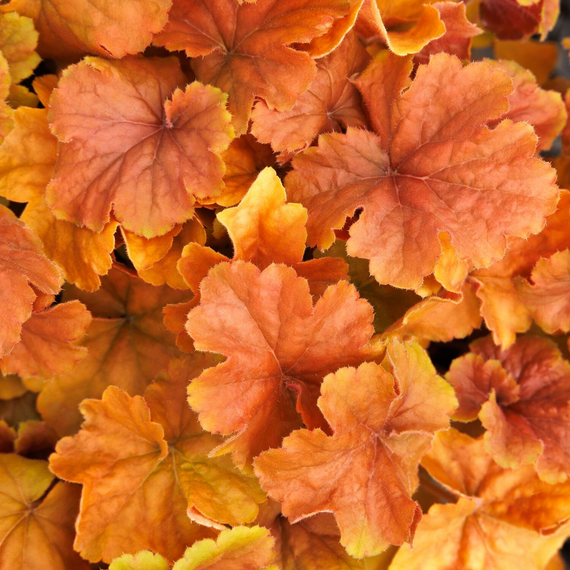
- Exceptionally cold-hardy evergreen perennial with richly textured, clear amber, round leaves that form a tidy, dense mound and hold their color longer into the season than other Heuchera varieties
- Bred from hardy Heuchera richardsonii for outstanding rust resistance, superior longevity, and reliable performance across a wide range of conditions from full sun to full shade
- Delicate sprays of small greenish-yellow, bell-shaped flowers rise up to 18 inches above the foliage in late spring to early summer, attracting bees, butterflies, and hummingbirds
- A low-maintenance, deer-resistant landscape workhorse equally at home in mixed borders, mass plantings, woodland gardens, container displays, and as a colorful edging plant
Northern Exposure Amber Coral Bells (Heuchera x 'TNHEUNEA' PP#29,397) is one of the most versatile and dependable foliage perennials available to gardeners today, offering season-long color in a compact, well-behaved mound that tops out at approximately 14 inches tall and 20 inches wide. Part of the Northern Exposure series that was deliberately bred from the hardy North American species Heuchera richardsonii, this cultivar delivers extraordinary cold hardiness down to USDA Zone 3, making it one of the toughest coral bells on the market while remaining equally at home in the mild winters of Zone 10. The broad, rounded leaves are distinctly clear amber in color with lightly fluted edges, creating a warm, luminous effect in the landscape that pairs beautifully with deep purples, rich greens, and chartreuse foliage plants. In late spring and into early summer the plant sends up slender, hairy reddish-purple stems topped with airy, bell-shaped greenish-yellow flowers that are magnets for pollinators and hummingbirds. Once established, Northern Exposure Amber is surprisingly drought tolerant, thrives in dry shade, shows excellent resistance to rust and other foliar diseases, and requires minimal intervention to look its best year after year - making it an outstanding choice for low-maintenance borders, cottage and woodland gardens, coastal landscapes, rock gardens, and container arrangements throughout Southern Oregon and Northern California.
Plant Description
Northern Exposure Amber Coral Bells is a clump-forming, broadleaf evergreen perennial in the saxifrage family (Saxifragaceae). It produces a dense, tidy basal mound of round to cordate, lobed leaves in a distinctive clear amber color with lightly fluted, ruffled edges. The leaves measure 3 to 6 inches in length and width and are borne on hairy, reddish-purple stems. In late spring to early summer, slender flowering stems rise up to 18 inches above the foliage and carry loose, airy sprays of small bell-shaped, greenish-yellow flowers. The foliage is the primary ornamental feature of this variety, maintaining its warm amber coloring over a longer season than most other Heuchera cultivars. Bred from the hardy native species Heuchera richardsonii, this cultivar carries a US Plant Patent (#29,397) under the selection name 'TNHEUNEA' and is a product of the Northern Exposure breeding program engineered specifically for cold hardiness, rust resistance, and garden longevity.
Mature Size
| Attribute | Measurement |
|---|---|
| Foliage Height | Approximately 14 inches (35 cm) |
| Spread / Width | Approximately 20 inches (50 cm) |
| Flower Stem Height | Up to 18 inches (45 cm) above foliage |
| Recommended Spacing | 20 inches (50 cm) on center |
| Growth Habit | Mounding, clump-forming |
| Growth Rate | Moderate |
Hardiness and Climate
Northern Exposure Amber is exceptionally cold hardy, rated for USDA Hardiness Zones 3 through 10, making it suitable for an extraordinarily wide geographic range. Its parentage from Heuchera richardsonii - a species native to the northern United States and Canada - gives it the ability to survive harsh winters that would damage or kill many other Heuchera cultivars. It is also listed for AHS Heat Zones 1 through 8. In the mild-winter climates of Southern Oregon and Northern California (typically Zones 7-9), the foliage remains evergreen or semi-evergreen through winter, providing year-round garden interest. In colder areas it may be semi-evergreen. It performs well in coastal gardens and shows good salt tolerance.
Sunlight Requirements
Northern Exposure Amber adapts to a broad range of light conditions, one of the hallmarks of the Northern Exposure series. It performs well in full sun, partial shade (4 to 6 hours of direct sunlight per day), and full shade. For the best foliage color and plant vigor, partial shade or morning sun with afternoon protection is ideal, particularly in warmer climates. Because this is a lighter-colored amber variety, it benefits from protection from harsh, intense afternoon sun, which can cause leaf scorch or fading. In cooler climates with consistent moisture, it handles full sun admirably. Full shade is tolerated, especially once the plant is established, making it an excellent choice for difficult shaded areas under trees or along north-facing walls.
Soil and pH Preferences
This coral bells variety thrives in rich, humus-rich, moderately well-drained soil. It tolerates clay, loam, and sandy soil types, but performs best when soil has been amended with organic matter to improve fertility and drainage. Overly wet, waterlogged soils - especially during winter - are the primary cause of failure and should be avoided. If your native soil is heavy clay, amend with compost or plant in a raised bed. For container culture, use a high-quality, well-draining potting mix. The preferred soil pH range is slightly acidic to neutral, between 5.5 and 6.5. Northern Exposure Amber also exhibits good salt tolerance, making it suitable for coastal or roadside plantings. Good drainage is essential; this plant follows the general rule of preferring conditions that are slightly too dry rather than too wet once established.
Watering Guide
Consistent, even moisture is ideal during the establishment period - generally the first growing season after planting. Water regularly to keep the soil moist but never waterlogged. Once established, Northern Exposure Amber develops good drought tolerance and actually prefers conditions that lean slightly dry rather than overly moist. Overwatering is one of the most common mistakes with Heuchera and can lead to crown rot or root rot. During hot spells, provide supplemental irrigation to prevent foliage stress. Where possible, use drip irrigation or soaker hoses to deliver water directly to the root zone, keeping foliage dry - this practice also helps minimize the spread of foliar diseases and pests such as foliar nematodes and slugs. Soggy soil over winter is particularly harmful and kills more coral bells than cold temperatures alone.
Fertilizing
Northern Exposure Amber is not a heavy feeder and thrives with minimal fertilization. In early spring, apply a thin layer of compost around the base of the plant or work in a balanced, slow-release granular fertilizer to support healthy new growth. Avoid excessive nitrogen, as high-nitrogen fertilizers promote soft, lush growth that can be more susceptible to pests such as mealybugs and aphids, and may also contribute to crown rot in humid conditions. For container-grown plants, supplement once or twice during the growing season with a diluted balanced water-soluble fertilizer. A fertilizer with a relatively low phosphorus content is recommended for optimal performance. Do not fertilize in late summer or fall, as this can stimulate tender new growth that is vulnerable to early frost damage.
Pruning and Maintenance
Northern Exposure Amber is a low-maintenance plant that requires very little pruning. Follow these guidelines to keep it looking its best:
- In early spring, trim back any tattered, winter-damaged, or ragged foliage using clean, sharp shears to encourage fresh new growth from the crown.
- Remove spent flower stems after blooming to keep the plant tidy; this may also encourage some additional rebloom.
- Deadhead faded flowers throughout the season to promote continued performance.
- Avoid cutting back healthy foliage in fall - the leaves help insulate the crown and provide energy reserves through winter dormancy.
- Every 3 to 4 years, divide clumps in spring or early fall to rejuvenate the plant, improve vigor, and create additional plants for the garden.
- If the crown begins to heave out of the soil after winter freeze-thaw cycles, gently press it back into the ground and top-dress with compost.
- Apply a light winter mulch after the ground freezes in colder zones to prevent frost heaving and protect the crown.
- Always disinfect pruning shears with rubbing alcohol between plants to prevent the spread of disease.
Planting Instructions
Northern Exposure Amber can be planted in spring or fall. Follow these steps for the best results:
- Choose a site with well-draining soil and appropriate light - partial shade is ideal, though full sun and full shade are both tolerated.
- Amend the planting area with compost or other organic matter if the native soil is poor, compacted, or heavy clay.
- Dig a hole slightly wider than the root ball and no deeper than the top of the root ball.
- Place the plant in the hole, taking care NOT to bury the crown - the growing point must remain at or slightly above the soil surface. Burying the crown is a common mistake that leads to plant failure.
- Backfill with amended soil, gently firm, and water thoroughly to settle the roots.
- Space plants approximately 20 inches apart for a full, massed planting effect.
- Apply a 1 to 2 inch layer of mulch around (but not directly on) the crown to conserve moisture and regulate soil temperature.
- Water consistently during the first season to encourage establishment.
Seasonal Interest
Northern Exposure Amber provides multi-season interest that few perennials can match. The warm amber foliage emerges in early spring and maintains strong color through spring and into early summer. In late spring through early summer (typically May and June), slender stems rise above the mound bearing airy sprays of small greenish-yellow bell-shaped flowers that create a soft, feathery effect above the bold foliage. The foliage remains attractive and holds its color better into the season than most other Heuchera varieties - a key trait of the Northern Exposure breeding program. Through fall, the amber tones may deepen or shift slightly depending on temperatures, adding to the warm palette of an autumn garden. In the mild-winter climates of the Pacific Coast, the plant remains evergreen or semi-evergreen, providing persistent color and texture through the winter months when much of the garden is dormant.
Landscape Uses
The clean mounding habit and warm amber foliage of Northern Exposure Amber make it an extremely versatile landscape plant. It is well-suited for a wide range of applications:
- Mixed borders: Use as a colorful foliage anchor among flowering perennials and ornamental grasses.
- Mass planting and groundcover: Plant in groups for a bold, weed-suppressing carpet of color on banks, slopes, and open areas.
- Edging: Its compact, tidy habit makes it ideal for defining the edges of paths, walkways, and garden beds.
- Woodland and shade gardens: Thrives under deciduous trees and in dappled light, adding warmth to shaded spaces.
- Container planting: An outstanding choice for patio pots, window boxes, and mixed container arrangements.
- Underplanting: Works beautifully beneath roses, shrubs, and small ornamental trees.
- Coastal and rock gardens: Its salt tolerance and adaptability suit it to coastal and rocky site plantings.
- Cut flower use: Both the flower stems and individual leaves can be used in fresh floral arrangements.
Container Growing
Northern Exposure Amber is an excellent choice for container and patio gardening. Its compact mounding form, striking amber foliage, and adaptability to a range of light conditions make it a standout specimen in pots, urns, and mixed planters. Use a high-quality, well-draining potting mix and ensure the container has drainage holes to prevent waterlogging. Water when the top inch of soil feels dry, but allow the mix to dry moderately between waterings - never allow the pot to sit in standing water. Feed container plants once or twice during the growing season with a diluted balanced water-soluble fertilizer. In the mild-winter climates of USDA Zones 7 and warmer (including much of Southern Oregon and Northern California), Northern Exposure Amber can be overwintered outdoors in containers. Move containers to a sheltered location in colder zones to protect the root zone from hard freezes. Repot every 2 to 3 years to refresh the growing medium and accommodate the expanding root system.
Wildlife Value
Northern Exposure Amber is a valuable addition to pollinator and wildlife-friendly gardens. The delicate bell-shaped flowers produced in late spring and early summer are attractive to a variety of beneficial insects and wildlife:
- Hummingbirds: The tubular, bell-shaped flowers are a reliable nectar source that draws hummingbirds to the garden.
- Bees: Both native bees and honey bees visit the flowers for nectar and pollen.
- Butterflies: Various butterfly species are attracted to the flower sprays.
- Songbirds: The plant provides cover and habitat value for small birds.
- Deer and rabbit resistance: Northern Exposure Amber is generally avoided by deer and rabbits, making it a reliable choice in areas with browsing pressure.
Companion Plants
The warm amber foliage of Northern Exposure Amber pairs beautifully with a wide range of companion plants, creating striking color and textural contrasts. Consider these combinations:
- Astilbe: The feathery plumes and fine-textured foliage of astilbe complement the bold, rounded leaves of Heuchera in shaded borders.
- Bleeding Heart (Dicentra): The delicate, arching foliage and pendant flowers of bleeding heart create an elegant pairing in woodland settings.
- Hakone Grass (Hakonechloa macra): The fine, graceful texture of Japanese forest grass provides a beautiful contrast to the broad, mounding Heuchera foliage.
- Hellebores: These winter-spring bloomers share similar shade preferences and create layered interest throughout the cool seasons.
- Hosta: Bold hosta leaves and amber Heuchera foliage offer a classic, dramatic shade-garden combination.
- Ferns: The delicate, arching fronds of ferns provide a wonderful textural foil to the smooth, rounded Heuchera leaves.
- Other Northern Exposure Heuchera varieties: Pairing Northern Exposure Amber with sibling varieties in purple, black, red, lime, and sienna creates a vivid multi-toned foliage tapestry.
- Ornamental grasses: On sunnier sites, combine with fine-textured grasses such as blue fescue or prairie dropseed for contrast.
Pests and Diseases
Northern Exposure Amber is notably more resistant to pests and diseases than many other Heuchera cultivars, particularly with regard to rust - a key attribute of the Northern Exposure breeding program. However, there are a few potential issues to monitor:
- Heuchera Rust (Puccinia heucherae): Northern Exposure Amber has excellent bred-in rust resistance. If rust does appear, remove and dispose of affected foliage immediately - do not compost it. Rust is spread by wind and rain splash.
- Vine Weevil: Adults notch the leaf margins; larvae (white, C-shaped grubs) feed on roots and crowns in fall and winter. Treat with beneficial nematodes in summer. Avoid dense mulching directly around the crown.
- Foliar Nematodes: Appear as yellow-brown lesions between leaf veins. Prevent by avoiding overhead watering and maintaining good garden hygiene. Remove and discard severely affected plants.
- Slugs: May nibble on young foliage, especially in moist, shaded locations. Handpick at dusk, use beer traps, or apply diatomaceous earth around the crown.
- Mealybugs: Soft, cottony white insects that cluster on leaf undersides. Treat with insecticidal soap, neem oil, or horticultural oil. Avoid excess nitrogen fertilization, which encourages outbreaks.
- Root Rot / Crown Rot (Phytophthora): Caused by overwatering or poorly drained soil. Ensure excellent drainage and avoid burying the crown at planting. Better too dry than too wet.
- Leaf Scorch: Can occur in intense afternoon sun, particularly in hot, dry conditions. Provide afternoon shade and consistent moisture to prevent.
- Exceptionally cold-hardy evergreen perennial with richly textured, clear amber, round leaves that form a tidy, dense mound and hold their color longer into the season than other Heuchera varieties
- Bred from hardy Heuchera richardsonii for outstanding rust resistance, superior longevity, and reliable performance across a wide range of conditions from full sun to full shade
- Delicate sprays of small greenish-yellow, bell-shaped flowers rise up to 18 inches above the foliage in late spring to early summer, attracting bees, butterflies, and hummingbirds
- A low-maintenance, deer-resistant landscape workhorse equally at home in mixed borders, mass plantings, woodland gardens, container displays, and as a colorful edging plant
Northern Exposure Amber Coral Bells (Heuchera x 'TNHEUNEA' PP#29,397) is one of the most versatile and dependable foliage perennials available to gardeners today, offering season-long color in a compact, well-behaved mound that tops out at approximately 14 inches tall and 20 inches wide. Part of the Northern Exposure series that was deliberately bred from the hardy North American species Heuchera richardsonii, this cultivar delivers extraordinary cold hardiness down to USDA Zone 3, making it one of the toughest coral bells on the market while remaining equally at home in the mild winters of Zone 10. The broad, rounded leaves are distinctly clear amber in color with lightly fluted edges, creating a warm, luminous effect in the landscape that pairs beautifully with deep purples, rich greens, and chartreuse foliage plants. In late spring and into early summer the plant sends up slender, hairy reddish-purple stems topped with airy, bell-shaped greenish-yellow flowers that are magnets for pollinators and hummingbirds. Once established, Northern Exposure Amber is surprisingly drought tolerant, thrives in dry shade, shows excellent resistance to rust and other foliar diseases, and requires minimal intervention to look its best year after year - making it an outstanding choice for low-maintenance borders, cottage and woodland gardens, coastal landscapes, rock gardens, and container arrangements throughout Southern Oregon and Northern California.
Plant Description
Northern Exposure Amber Coral Bells is a clump-forming, broadleaf evergreen perennial in the saxifrage family (Saxifragaceae). It produces a dense, tidy basal mound of round to cordate, lobed leaves in a distinctive clear amber color with lightly fluted, ruffled edges. The leaves measure 3 to 6 inches in length and width and are borne on hairy, reddish-purple stems. In late spring to early summer, slender flowering stems rise up to 18 inches above the foliage and carry loose, airy sprays of small bell-shaped, greenish-yellow flowers. The foliage is the primary ornamental feature of this variety, maintaining its warm amber coloring over a longer season than most other Heuchera cultivars. Bred from the hardy native species Heuchera richardsonii, this cultivar carries a US Plant Patent (#29,397) under the selection name 'TNHEUNEA' and is a product of the Northern Exposure breeding program engineered specifically for cold hardiness, rust resistance, and garden longevity.
Mature Size
| Attribute | Measurement |
|---|---|
| Foliage Height | Approximately 14 inches (35 cm) |
| Spread / Width | Approximately 20 inches (50 cm) |
| Flower Stem Height | Up to 18 inches (45 cm) above foliage |
| Recommended Spacing | 20 inches (50 cm) on center |
| Growth Habit | Mounding, clump-forming |
| Growth Rate | Moderate |
Hardiness and Climate
Northern Exposure Amber is exceptionally cold hardy, rated for USDA Hardiness Zones 3 through 10, making it suitable for an extraordinarily wide geographic range. Its parentage from Heuchera richardsonii - a species native to the northern United States and Canada - gives it the ability to survive harsh winters that would damage or kill many other Heuchera cultivars. It is also listed for AHS Heat Zones 1 through 8. In the mild-winter climates of Southern Oregon and Northern California (typically Zones 7-9), the foliage remains evergreen or semi-evergreen through winter, providing year-round garden interest. In colder areas it may be semi-evergreen. It performs well in coastal gardens and shows good salt tolerance.
Sunlight Requirements
Northern Exposure Amber adapts to a broad range of light conditions, one of the hallmarks of the Northern Exposure series. It performs well in full sun, partial shade (4 to 6 hours of direct sunlight per day), and full shade. For the best foliage color and plant vigor, partial shade or morning sun with afternoon protection is ideal, particularly in warmer climates. Because this is a lighter-colored amber variety, it benefits from protection from harsh, intense afternoon sun, which can cause leaf scorch or fading. In cooler climates with consistent moisture, it handles full sun admirably. Full shade is tolerated, especially once the plant is established, making it an excellent choice for difficult shaded areas under trees or along north-facing walls.
Soil and pH Preferences
This coral bells variety thrives in rich, humus-rich, moderately well-drained soil. It tolerates clay, loam, and sandy soil types, but performs best when soil has been amended with organic matter to improve fertility and drainage. Overly wet, waterlogged soils - especially during winter - are the primary cause of failure and should be avoided. If your native soil is heavy clay, amend with compost or plant in a raised bed. For container culture, use a high-quality, well-draining potting mix. The preferred soil pH range is slightly acidic to neutral, between 5.5 and 6.5. Northern Exposure Amber also exhibits good salt tolerance, making it suitable for coastal or roadside plantings. Good drainage is essential; this plant follows the general rule of preferring conditions that are slightly too dry rather than too wet once established.
Watering Guide
Consistent, even moisture is ideal during the establishment period - generally the first growing season after planting. Water regularly to keep the soil moist but never waterlogged. Once established, Northern Exposure Amber develops good drought tolerance and actually prefers conditions that lean slightly dry rather than overly moist. Overwatering is one of the most common mistakes with Heuchera and can lead to crown rot or root rot. During hot spells, provide supplemental irrigation to prevent foliage stress. Where possible, use drip irrigation or soaker hoses to deliver water directly to the root zone, keeping foliage dry - this practice also helps minimize the spread of foliar diseases and pests such as foliar nematodes and slugs. Soggy soil over winter is particularly harmful and kills more coral bells than cold temperatures alone.
Fertilizing
Northern Exposure Amber is not a heavy feeder and thrives with minimal fertilization. In early spring, apply a thin layer of compost around the base of the plant or work in a balanced, slow-release granular fertilizer to support healthy new growth. Avoid excessive nitrogen, as high-nitrogen fertilizers promote soft, lush growth that can be more susceptible to pests such as mealybugs and aphids, and may also contribute to crown rot in humid conditions. For container-grown plants, supplement once or twice during the growing season with a diluted balanced water-soluble fertilizer. A fertilizer with a relatively low phosphorus content is recommended for optimal performance. Do not fertilize in late summer or fall, as this can stimulate tender new growth that is vulnerable to early frost damage.
Pruning and Maintenance
Northern Exposure Amber is a low-maintenance plant that requires very little pruning. Follow these guidelines to keep it looking its best:
- In early spring, trim back any tattered, winter-damaged, or ragged foliage using clean, sharp shears to encourage fresh new growth from the crown.
- Remove spent flower stems after blooming to keep the plant tidy; this may also encourage some additional rebloom.
- Deadhead faded flowers throughout the season to promote continued performance.
- Avoid cutting back healthy foliage in fall - the leaves help insulate the crown and provide energy reserves through winter dormancy.
- Every 3 to 4 years, divide clumps in spring or early fall to rejuvenate the plant, improve vigor, and create additional plants for the garden.
- If the crown begins to heave out of the soil after winter freeze-thaw cycles, gently press it back into the ground and top-dress with compost.
- Apply a light winter mulch after the ground freezes in colder zones to prevent frost heaving and protect the crown.
- Always disinfect pruning shears with rubbing alcohol between plants to prevent the spread of disease.
Planting Instructions
Northern Exposure Amber can be planted in spring or fall. Follow these steps for the best results:
- Choose a site with well-draining soil and appropriate light - partial shade is ideal, though full sun and full shade are both tolerated.
- Amend the planting area with compost or other organic matter if the native soil is poor, compacted, or heavy clay.
- Dig a hole slightly wider than the root ball and no deeper than the top of the root ball.
- Place the plant in the hole, taking care NOT to bury the crown - the growing point must remain at or slightly above the soil surface. Burying the crown is a common mistake that leads to plant failure.
- Backfill with amended soil, gently firm, and water thoroughly to settle the roots.
- Space plants approximately 20 inches apart for a full, massed planting effect.
- Apply a 1 to 2 inch layer of mulch around (but not directly on) the crown to conserve moisture and regulate soil temperature.
- Water consistently during the first season to encourage establishment.
Seasonal Interest
Northern Exposure Amber provides multi-season interest that few perennials can match. The warm amber foliage emerges in early spring and maintains strong color through spring and into early summer. In late spring through early summer (typically May and June), slender stems rise above the mound bearing airy sprays of small greenish-yellow bell-shaped flowers that create a soft, feathery effect above the bold foliage. The foliage remains attractive and holds its color better into the season than most other Heuchera varieties - a key trait of the Northern Exposure breeding program. Through fall, the amber tones may deepen or shift slightly depending on temperatures, adding to the warm palette of an autumn garden. In the mild-winter climates of the Pacific Coast, the plant remains evergreen or semi-evergreen, providing persistent color and texture through the winter months when much of the garden is dormant.
Landscape Uses
The clean mounding habit and warm amber foliage of Northern Exposure Amber make it an extremely versatile landscape plant. It is well-suited for a wide range of applications:
- Mixed borders: Use as a colorful foliage anchor among flowering perennials and ornamental grasses.
- Mass planting and groundcover: Plant in groups for a bold, weed-suppressing carpet of color on banks, slopes, and open areas.
- Edging: Its compact, tidy habit makes it ideal for defining the edges of paths, walkways, and garden beds.
- Woodland and shade gardens: Thrives under deciduous trees and in dappled light, adding warmth to shaded spaces.
- Container planting: An outstanding choice for patio pots, window boxes, and mixed container arrangements.
- Underplanting: Works beautifully beneath roses, shrubs, and small ornamental trees.
- Coastal and rock gardens: Its salt tolerance and adaptability suit it to coastal and rocky site plantings.
- Cut flower use: Both the flower stems and individual leaves can be used in fresh floral arrangements.
Container Growing
Northern Exposure Amber is an excellent choice for container and patio gardening. Its compact mounding form, striking amber foliage, and adaptability to a range of light conditions make it a standout specimen in pots, urns, and mixed planters. Use a high-quality, well-draining potting mix and ensure the container has drainage holes to prevent waterlogging. Water when the top inch of soil feels dry, but allow the mix to dry moderately between waterings - never allow the pot to sit in standing water. Feed container plants once or twice during the growing season with a diluted balanced water-soluble fertilizer. In the mild-winter climates of USDA Zones 7 and warmer (including much of Southern Oregon and Northern California), Northern Exposure Amber can be overwintered outdoors in containers. Move containers to a sheltered location in colder zones to protect the root zone from hard freezes. Repot every 2 to 3 years to refresh the growing medium and accommodate the expanding root system.
Wildlife Value
Northern Exposure Amber is a valuable addition to pollinator and wildlife-friendly gardens. The delicate bell-shaped flowers produced in late spring and early summer are attractive to a variety of beneficial insects and wildlife:
- Hummingbirds: The tubular, bell-shaped flowers are a reliable nectar source that draws hummingbirds to the garden.
- Bees: Both native bees and honey bees visit the flowers for nectar and pollen.
- Butterflies: Various butterfly species are attracted to the flower sprays.
- Songbirds: The plant provides cover and habitat value for small birds.
- Deer and rabbit resistance: Northern Exposure Amber is generally avoided by deer and rabbits, making it a reliable choice in areas with browsing pressure.
Companion Plants
The warm amber foliage of Northern Exposure Amber pairs beautifully with a wide range of companion plants, creating striking color and textural contrasts. Consider these combinations:
- Astilbe: The feathery plumes and fine-textured foliage of astilbe complement the bold, rounded leaves of Heuchera in shaded borders.
- Bleeding Heart (Dicentra): The delicate, arching foliage and pendant flowers of bleeding heart create an elegant pairing in woodland settings.
- Hakone Grass (Hakonechloa macra): The fine, graceful texture of Japanese forest grass provides a beautiful contrast to the broad, mounding Heuchera foliage.
- Hellebores: These winter-spring bloomers share similar shade preferences and create layered interest throughout the cool seasons.
- Hosta: Bold hosta leaves and amber Heuchera foliage offer a classic, dramatic shade-garden combination.
- Ferns: The delicate, arching fronds of ferns provide a wonderful textural foil to the smooth, rounded Heuchera leaves.
- Other Northern Exposure Heuchera varieties: Pairing Northern Exposure Amber with sibling varieties in purple, black, red, lime, and sienna creates a vivid multi-toned foliage tapestry.
- Ornamental grasses: On sunnier sites, combine with fine-textured grasses such as blue fescue or prairie dropseed for contrast.
Pests and Diseases
Northern Exposure Amber is notably more resistant to pests and diseases than many other Heuchera cultivars, particularly with regard to rust - a key attribute of the Northern Exposure breeding program. However, there are a few potential issues to monitor:
- Heuchera Rust (Puccinia heucherae): Northern Exposure Amber has excellent bred-in rust resistance. If rust does appear, remove and dispose of affected foliage immediately - do not compost it. Rust is spread by wind and rain splash.
- Vine Weevil: Adults notch the leaf margins; larvae (white, C-shaped grubs) feed on roots and crowns in fall and winter. Treat with beneficial nematodes in summer. Avoid dense mulching directly around the crown.
- Foliar Nematodes: Appear as yellow-brown lesions between leaf veins. Prevent by avoiding overhead watering and maintaining good garden hygiene. Remove and discard severely affected plants.
- Slugs: May nibble on young foliage, especially in moist, shaded locations. Handpick at dusk, use beer traps, or apply diatomaceous earth around the crown.
- Mealybugs: Soft, cottony white insects that cluster on leaf undersides. Treat with insecticidal soap, neem oil, or horticultural oil. Avoid excess nitrogen fertilization, which encourages outbreaks.
- Root Rot / Crown Rot (Phytophthora): Caused by overwatering or poorly drained soil. Ensure excellent drainage and avoid burying the crown at planting. Better too dry than too wet.
- Leaf Scorch: Can occur in intense afternoon sun, particularly in hot, dry conditions. Provide afternoon shade and consistent moisture to prevent.