
Zoom the image with the mouse
Sienna Sunrise Heuchera - 1 Gallon
SKU:
2059610
UPC:
014949000946
$12.99
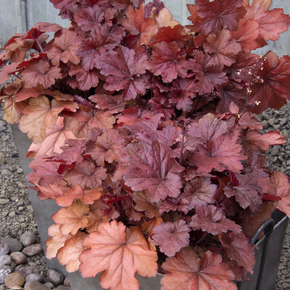
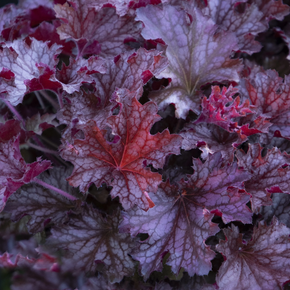
- Dramatic, season-long foliage that transitions from bright green in spring to warm sienna orange and deep red by fall, with eye-catching gray-green leaves blushed orange on top and vivid pink undersides revealed by their delightfully wavy, cupped shape
- Compact, tidy mounding habit reaches just 8 to 18 inches tall and 12 to 21 inches wide, making it a perfect front-of-border accent or a standout performer in patio containers
- Airy spires of delicate bell-shaped pink flowers rise above the foliage in summer, attracting hummingbirds and butterflies while remaining naturally deer and rabbit resistant
- Exceptionally versatile and low-maintenance, thriving in partial shade to partial sun across a wide range of climates (USDA Zones 4-9) and tolerating conditions near black walnut trees
Heuchera Sienna Sunrise (Heuchera 'DOHEUGABERU') is a stunning herbaceous perennial coral bells that earns its place in the garden through sheer four-season charisma. Belonging to the Saxifragaceae family, this North American native hybrid forms a neat, low mound of round-lobed, wavy-edged leaves that open bright green in spring, deepen to warm gray-green with rich orange blushes through summer, and develop striking copper, bronze, and sienna tones as fall arrives — all while flaunting their vivid bright pink undersides whenever a breeze curls a leaf upward. In summer, slender flower stems rise above the foliage carrying clusters of tiny, airy pink bell-shaped blooms that reliably attract hummingbirds and pollinators to the garden. Its compact, well-behaved stature makes Sienna Sunrise a natural choice for edging borders, underplanting trees and shrubs, brightening shaded walkways, or creating a bold foliar centerpiece in mixed containers. Hardy from USDA Zones 4 through 9, this deer-resistant and rabbit-resistant perennial is equally at home in the dappled shade of Southern Oregon's Klamath forests or the sun-dappled gardens of Northern California's foothills, rewarding gardeners with minimal maintenance and maximum seasonal color year after year.
Plant Description
Sienna Sunrise is an herbaceous perennial coral bells prized above all for its extraordinary foliage. The rounded, shallowly lobed leaves feature delightfully wavy and cupped margins that naturally reveal their vivid bright pink undersides, adding a two-toned quality unlike most other perennials. The upper leaf surface is a warm gray-green overlaid with rich orange blushes that intensify through the growing season. Slender, upright flower stems emerge in summer bearing loose, airy clusters of tiny bell-shaped pink blooms. The overall plant forms a dense, tidy mound with moderate growth rate, making it one of the more restrained and well-mannered coral bells available. As a deciduous herbaceous perennial, foliage will die back in winter in colder climates, returning reliably each spring with fresh new growth.
Mature Size
| Attribute | Measurement |
|---|---|
| Foliage Height | 8 to 18 inches |
| Spread / Width | 12 to 21 inches |
| Flower Stem Height | Up to approximately 24 inches above foliage when in bloom |
| Growth Habit | Compact, low mounding |
| Growth Rate | Moderate |
Hardiness Zones and Climate
Sienna Sunrise coral bells is hardy in USDA Zones 4 through 9, making it a reliable perennial for a very wide range of climates including the Pacific Northwest, Northern California, and the inland valleys of Southern Oregon. It tolerates cold winters well and performs admirably in the heat of warmer zones when sited with afternoon shade and consistent moisture. In the coldest zones (4-5), applying a 2 to 3 inch layer of mulch around the base in late fall helps protect the crown from severe freeze-thaw cycles. In hotter inland climates of Zone 8 and 9, planting in a spot with morning sun and afternoon shade prevents leaf scorch and keeps foliage colors vibrant. It is notably tolerant of cold and has demonstrated tolerance to juglone, the chemical released by black walnut trees, which can harm many other garden plants.
Sunlight Requirements
Sienna Sunrise performs best in partial shade to partial sun, with filtered or dappled light being the ideal sweet spot. A location that receives bright morning sun and is shielded from hot afternoon rays is perfect, particularly in warmer growing zones. Eastern exposures are excellent. In cooler coastal climates, it can handle more sun exposure without issue. In hotter, drier inland conditions such as those found in parts of Southern Oregon and Northern California, afternoon shade is important to prevent leaf burn and maintain the intensity of the foliage's warm color tones. Full, deep shade is tolerated but tends to slow growth and can mute the foliage color. Avoid prolonged exposure to direct afternoon sun in summer, especially in Zones 7 through 9.
Soil and pH Preferences
Sienna Sunrise thrives in loose, well-drained soil enriched with organic matter such as compost, aged bark, or humus. Good drainage is critical — the crown of the plant is particularly sensitive to sitting in waterlogged conditions, especially through winter, which can lead to crown rot. Heavy clay soils should be amended with compost and coarse material to improve drainage and aeration before planting. A slightly acidic to neutral soil pH between 6.0 and 7.0 supports healthy growth and strong foliage color. Sandy soils benefit from the addition of compost to improve moisture retention. Raised beds and containers are excellent solutions where native soil drainage is questionable. This cultivar is also notably tolerant of soils near black walnut trees, which produce the growth-inhibiting compound juglone.
Watering Guide
Water Sienna Sunrise when the top 2 inches of soil feel dry to the touch. Consistent, moderate moisture produces the most vigorous growth and the best foliage color. Newly planted specimens should be watered more frequently during the first growing season to help roots establish — approximately every 2 to 3 days during warm, dry spells. Once established, the plant is moderately drought tolerant but will show stress (wilting, crispy leaf edges) during extended dry periods. Aim to water deeply and infrequently rather than with shallow, frequent applications. Where possible, direct water at the soil line rather than overhead to prevent foliage from staying wet, which can encourage fungal diseases such as powdery mildew or rust. Container-grown plants dry out faster and will need more frequent monitoring. Avoid overwatering or allowing the root zone to remain soggy, as this is the most common cause of plant decline.
Fertilizing
Sienna Sunrise coral bells does not require heavy feeding and responds best to light, balanced nutrition. In early spring as new growth emerges, apply a slow-release granular fertilizer such as a balanced 10-10-10 formulation, sprinkling it lightly around the base of the plant and watering it in. Alternatively, top-dress the root zone with a 1 to 2 inch layer of quality compost each spring or fall to naturally replenish soil nutrients. Avoid fertilizers with excess nitrogen, which can stimulate oversized, weak foliage that loses its characteristic color intensity and structural integrity. For container-grown plants, apply a diluted balanced liquid fertilizer every 6 to 8 weeks during the active growing season (spring through summer). Reduce feeding in late summer and stop entirely in fall to allow the plant to harden off before winter dormancy.
Pruning and Maintenance
Sienna Sunrise is a low-maintenance perennial that requires very little pruning. Throughout the growing season, remove any damaged, yellowing, or browning leaves at their base to keep the plant looking tidy and to improve air circulation. Spent flower stalks can be deadheaded after blooming to maintain a clean appearance, though some gardeners prefer to leave them as they retain a degree of ornamental interest. In early spring, trim back any winter-worn or frost-damaged foliage to make way for fresh new growth. Over time, the woody crown of the plant may gradually heave upward above the soil surface — simply mound a small amount of fresh, well-drained soil around the base to keep the roots protected. Every 3 to 4 years, divide mature clumps in spring or early fall to rejuvenate the plant, prevent the center from becoming sparse or woody, and maintain strong foliage color and vigorous growth.
Planting Instructions
- Choose a site with partial shade to partial sun and well-drained soil. Avoid low-lying areas prone to standing water.
- Amend the planting area with compost or aged organic matter, working it 8 to 10 inches deep to improve drainage and soil structure.
- Dig a planting hole as deep as the root ball and approximately twice as wide.
- Remove the plant from its container and gently loosen any circling or compacted roots so they can spread outward.
- Set the plant in the hole so the crown (where stems meet roots) sits level with or just slightly above the surrounding soil surface. Never bury the crown, as this promotes rot.
- Backfill with the amended soil, firming gently around the roots to eliminate air pockets.
- Water the plant thoroughly immediately after planting.
- Apply a 1 to 2 inch layer of mulch around the plant (kept a few inches away from the crown itself) to retain moisture, moderate soil temperature, and suppress weeds.
- Space multiple plants approximately 12 to 18 inches apart to allow for mature spread and adequate air circulation.
- Water regularly for the first growing season to help establish a strong root system.
Seasonal Interest
One of the standout qualities of Sienna Sunrise is its evolving, multi-season foliage display. In spring, emerging leaves open as a fresh, welcoming bright green that gradually acquires warm orange and sienna tones through the summer months. The gray-green upper leaf surface with its orange blush is complemented by striking bright pink undersides, visible whenever the wavy, cupped leaves catch a breeze. By autumn, the foliage deepens further into rich copper, bronze, and burnished red hues that add warmth to the cooling landscape. Delicate pink bell-shaped flowers appear on airy stems in summer, providing additional interest above the colorful foliage mound. Because it is a deciduous herbaceous perennial, the foliage recedes in winter before returning reliably each spring with the seasonal color show starting anew. This four-season progression of color makes Sienna Sunrise a garden plant that earns its spot in the landscape all year long.
Landscape Uses
Sienna Sunrise's compact size, bold foliage color, and tidy mounding habit make it highly versatile in the landscape. Its most popular uses include:
- Front-of-border accent: The low, rounded form creates a neat, colorful edge along garden beds and mixed borders without crowding neighboring plants.
- Container planting: An outstanding choice for pots, window boxes, and mixed planters on patios or entryways, where the vivid foliage and pink undersides can be appreciated up close.
- Woodland and shade garden: Excellent beneath deciduous trees or in dappled shade alongside ferns, hostas, and astilbes, where its warm-toned foliage brightens dim corners.
- Pathway and walkway edging: The defined mound shape naturally softens the edges of stone, brick, or gravel paths.
- Underplanting trees and shrubs: Works beautifully at the feet of ornamental trees, azaleas, rhododendrons, and hydrangeas as a colorful living mulch layer.
- Mass planting: Planted in groupings of three or more, Sienna Sunrise creates a flowing tapestry of warm, shifting color across shaded slopes or garden beds.
Companion Plants
Sienna Sunrise's warm sienna, orange, and pink tones pair beautifully with a wide range of shade and partial-shade perennials. For the most harmonious combinations, choose companions that share its preference for moist, well-drained, organically rich soil in partial shade.
- Hosta: Bold, broad hosta foliage provides strong textural contrast and complements Sienna Sunrise's more refined leaf shape. Deep blue or chartreuse hostas are especially striking pairings.
- Astilbe: Feathery plumes of astilbe rise above the low coral bells mounds, providing upward vertical interest and a soft, romantic flower display in complementary shades of pink, white, or red.
- Japanese Painted Fern: The silvery, arching fronds of painted fern echo the metallic quality of the Sienna Sunrise foliage and provide graceful textural contrast.
- Brunnera: Heart-shaped leaves with silver patterning pair elegantly with the warm tones of Sienna Sunrise, and the spring forget-me-not-like blue flowers offer a beautiful color contrast.
- Hellebore (Lenten Rose): Deeply divided, leathery hellebore foliage provides year-round structure and early spring flowers that complement the emerging coral bells growth.
- Bleeding Heart (Dicentra): Finely cut, airy foliage and arching stems of pendant flowers create an elegant companion in shaded borders alongside Sienna Sunrise.
- Foamflower (Tiarella): As a close botanical relative, tiarella shares very similar growing preferences and its white spring flower spikes pair naturally with the coral bells.
- Lungwort (Pulmonaria): Silver-spotted foliage and early blue or pink flowers offer season-long contrast and complement the warm tones of the heuchera.
Pests and Diseases
Sienna Sunrise coral bells is generally a robust, pest-resistant plant when grown in appropriate conditions. However, a few issues are worth monitoring:
- Vine Weevil (Black Vine Weevil): The most notable pest of heucheras. Adult weevils chew irregular notches along leaf margins at night, while larvae feed on roots below the soil line. Severe root feeding can cause the plant to collapse. Treat with beneficial nematodes applied to the soil in early spring to disrupt the larval cycle.
- Aphids: Can appear on tender new growth during hot, dry weather. Knock off with a strong spray of water or treat with insecticidal soap or neem oil.
- Spider Mites: May appear during hot, dry summer conditions, causing stippled foliage. Increase humidity and apply insecticidal soap or neem oil as needed.
- Voles: These small rodents may tunnel through garden beds and feed on roots and crowns. Thorough fall garden cleanup reduces overwintering habitat.
- Root and Crown Rot: The most common disease problem, almost always caused by overwatering or poor soil drainage. Ensure the crown sits at or slightly above the soil surface and that water drains freely.
- Powdery Mildew / Heuchera Rust: Fungal diseases encouraged by high humidity, poor airflow, and overhead watering. Space plants adequately, water at the soil line, and remove affected foliage promptly. Fungicides can be applied in severe cases.
Container Growing
Sienna Sunrise is an exceptional container plant and one of the best coral bells selections for pots, planters, and mixed arrangements. Its compact footprint, showy foliage, and season-long color make it ideal for patios, decks, entryways, and balconies. When growing in containers, keep the following in mind:
- Use a high-quality, well-draining potting mix. Avoid heavy, moisture-retaining mixes that stay soggy.
- Choose a container with adequate drainage holes — the crown must never sit in standing water.
- Water more frequently than in-ground plantings, as containers dry out faster. Check soil moisture every 1 to 2 days during hot weather.
- Feed container plants with a diluted balanced liquid fertilizer every 6 to 8 weeks during the growing season.
- In Zones 4 to 6, move containers to a sheltered, frost-protected location such as an unheated garage or covered porch over winter to prevent the root ball from repeatedly freezing and thawing.
- Repot every 2 to 3 years or when the plant becomes root-bound to maintain vigorous growth and strong foliage color.
- For mixed containers, pair with sweet potato vine, begonias, caladiums, coleus, or impatiens for stunning seasonal combinations that celebrate the warm tones of the Sienna Sunrise foliage.
Wildlife Value
Sienna Sunrise coral bells offers meaningful wildlife value in the garden despite its modest size. The airy spires of bell-shaped summer flowers are perfectly suited to hummingbirds, whose long bills can access the tubular blooms with ease. The flowers also attract butterflies and a variety of beneficial native bees and other pollinators, supporting garden biodiversity during the summer bloom period. Unlike many ornamental perennials, Sienna Sunrise is both deer resistant and rabbit resistant, making it a dependable choice for gardens in areas of Southern Oregon and Northern California where deer browsing is a persistent challenge. Its dense, low mounding foliage can provide light ground-level cover for small beneficial insects. The plant does not produce significant seed crops that attract birds, but its overall contribution to a pollinator-friendly garden ecosystem makes it a valued addition to wildlife-conscious landscape plantings.
- Dramatic, season-long foliage that transitions from bright green in spring to warm sienna orange and deep red by fall, with eye-catching gray-green leaves blushed orange on top and vivid pink undersides revealed by their delightfully wavy, cupped shape
- Compact, tidy mounding habit reaches just 8 to 18 inches tall and 12 to 21 inches wide, making it a perfect front-of-border accent or a standout performer in patio containers
- Airy spires of delicate bell-shaped pink flowers rise above the foliage in summer, attracting hummingbirds and butterflies while remaining naturally deer and rabbit resistant
- Exceptionally versatile and low-maintenance, thriving in partial shade to partial sun across a wide range of climates (USDA Zones 4-9) and tolerating conditions near black walnut trees
Heuchera Sienna Sunrise (Heuchera 'DOHEUGABERU') is a stunning herbaceous perennial coral bells that earns its place in the garden through sheer four-season charisma. Belonging to the Saxifragaceae family, this North American native hybrid forms a neat, low mound of round-lobed, wavy-edged leaves that open bright green in spring, deepen to warm gray-green with rich orange blushes through summer, and develop striking copper, bronze, and sienna tones as fall arrives — all while flaunting their vivid bright pink undersides whenever a breeze curls a leaf upward. In summer, slender flower stems rise above the foliage carrying clusters of tiny, airy pink bell-shaped blooms that reliably attract hummingbirds and pollinators to the garden. Its compact, well-behaved stature makes Sienna Sunrise a natural choice for edging borders, underplanting trees and shrubs, brightening shaded walkways, or creating a bold foliar centerpiece in mixed containers. Hardy from USDA Zones 4 through 9, this deer-resistant and rabbit-resistant perennial is equally at home in the dappled shade of Southern Oregon's Klamath forests or the sun-dappled gardens of Northern California's foothills, rewarding gardeners with minimal maintenance and maximum seasonal color year after year.
Plant Description
Sienna Sunrise is an herbaceous perennial coral bells prized above all for its extraordinary foliage. The rounded, shallowly lobed leaves feature delightfully wavy and cupped margins that naturally reveal their vivid bright pink undersides, adding a two-toned quality unlike most other perennials. The upper leaf surface is a warm gray-green overlaid with rich orange blushes that intensify through the growing season. Slender, upright flower stems emerge in summer bearing loose, airy clusters of tiny bell-shaped pink blooms. The overall plant forms a dense, tidy mound with moderate growth rate, making it one of the more restrained and well-mannered coral bells available. As a deciduous herbaceous perennial, foliage will die back in winter in colder climates, returning reliably each spring with fresh new growth.
Mature Size
| Attribute | Measurement |
|---|---|
| Foliage Height | 8 to 18 inches |
| Spread / Width | 12 to 21 inches |
| Flower Stem Height | Up to approximately 24 inches above foliage when in bloom |
| Growth Habit | Compact, low mounding |
| Growth Rate | Moderate |
Hardiness Zones and Climate
Sienna Sunrise coral bells is hardy in USDA Zones 4 through 9, making it a reliable perennial for a very wide range of climates including the Pacific Northwest, Northern California, and the inland valleys of Southern Oregon. It tolerates cold winters well and performs admirably in the heat of warmer zones when sited with afternoon shade and consistent moisture. In the coldest zones (4-5), applying a 2 to 3 inch layer of mulch around the base in late fall helps protect the crown from severe freeze-thaw cycles. In hotter inland climates of Zone 8 and 9, planting in a spot with morning sun and afternoon shade prevents leaf scorch and keeps foliage colors vibrant. It is notably tolerant of cold and has demonstrated tolerance to juglone, the chemical released by black walnut trees, which can harm many other garden plants.
Sunlight Requirements
Sienna Sunrise performs best in partial shade to partial sun, with filtered or dappled light being the ideal sweet spot. A location that receives bright morning sun and is shielded from hot afternoon rays is perfect, particularly in warmer growing zones. Eastern exposures are excellent. In cooler coastal climates, it can handle more sun exposure without issue. In hotter, drier inland conditions such as those found in parts of Southern Oregon and Northern California, afternoon shade is important to prevent leaf burn and maintain the intensity of the foliage's warm color tones. Full, deep shade is tolerated but tends to slow growth and can mute the foliage color. Avoid prolonged exposure to direct afternoon sun in summer, especially in Zones 7 through 9.
Soil and pH Preferences
Sienna Sunrise thrives in loose, well-drained soil enriched with organic matter such as compost, aged bark, or humus. Good drainage is critical — the crown of the plant is particularly sensitive to sitting in waterlogged conditions, especially through winter, which can lead to crown rot. Heavy clay soils should be amended with compost and coarse material to improve drainage and aeration before planting. A slightly acidic to neutral soil pH between 6.0 and 7.0 supports healthy growth and strong foliage color. Sandy soils benefit from the addition of compost to improve moisture retention. Raised beds and containers are excellent solutions where native soil drainage is questionable. This cultivar is also notably tolerant of soils near black walnut trees, which produce the growth-inhibiting compound juglone.
Watering Guide
Water Sienna Sunrise when the top 2 inches of soil feel dry to the touch. Consistent, moderate moisture produces the most vigorous growth and the best foliage color. Newly planted specimens should be watered more frequently during the first growing season to help roots establish — approximately every 2 to 3 days during warm, dry spells. Once established, the plant is moderately drought tolerant but will show stress (wilting, crispy leaf edges) during extended dry periods. Aim to water deeply and infrequently rather than with shallow, frequent applications. Where possible, direct water at the soil line rather than overhead to prevent foliage from staying wet, which can encourage fungal diseases such as powdery mildew or rust. Container-grown plants dry out faster and will need more frequent monitoring. Avoid overwatering or allowing the root zone to remain soggy, as this is the most common cause of plant decline.
Fertilizing
Sienna Sunrise coral bells does not require heavy feeding and responds best to light, balanced nutrition. In early spring as new growth emerges, apply a slow-release granular fertilizer such as a balanced 10-10-10 formulation, sprinkling it lightly around the base of the plant and watering it in. Alternatively, top-dress the root zone with a 1 to 2 inch layer of quality compost each spring or fall to naturally replenish soil nutrients. Avoid fertilizers with excess nitrogen, which can stimulate oversized, weak foliage that loses its characteristic color intensity and structural integrity. For container-grown plants, apply a diluted balanced liquid fertilizer every 6 to 8 weeks during the active growing season (spring through summer). Reduce feeding in late summer and stop entirely in fall to allow the plant to harden off before winter dormancy.
Pruning and Maintenance
Sienna Sunrise is a low-maintenance perennial that requires very little pruning. Throughout the growing season, remove any damaged, yellowing, or browning leaves at their base to keep the plant looking tidy and to improve air circulation. Spent flower stalks can be deadheaded after blooming to maintain a clean appearance, though some gardeners prefer to leave them as they retain a degree of ornamental interest. In early spring, trim back any winter-worn or frost-damaged foliage to make way for fresh new growth. Over time, the woody crown of the plant may gradually heave upward above the soil surface — simply mound a small amount of fresh, well-drained soil around the base to keep the roots protected. Every 3 to 4 years, divide mature clumps in spring or early fall to rejuvenate the plant, prevent the center from becoming sparse or woody, and maintain strong foliage color and vigorous growth.
Planting Instructions
- Choose a site with partial shade to partial sun and well-drained soil. Avoid low-lying areas prone to standing water.
- Amend the planting area with compost or aged organic matter, working it 8 to 10 inches deep to improve drainage and soil structure.
- Dig a planting hole as deep as the root ball and approximately twice as wide.
- Remove the plant from its container and gently loosen any circling or compacted roots so they can spread outward.
- Set the plant in the hole so the crown (where stems meet roots) sits level with or just slightly above the surrounding soil surface. Never bury the crown, as this promotes rot.
- Backfill with the amended soil, firming gently around the roots to eliminate air pockets.
- Water the plant thoroughly immediately after planting.
- Apply a 1 to 2 inch layer of mulch around the plant (kept a few inches away from the crown itself) to retain moisture, moderate soil temperature, and suppress weeds.
- Space multiple plants approximately 12 to 18 inches apart to allow for mature spread and adequate air circulation.
- Water regularly for the first growing season to help establish a strong root system.
Seasonal Interest
One of the standout qualities of Sienna Sunrise is its evolving, multi-season foliage display. In spring, emerging leaves open as a fresh, welcoming bright green that gradually acquires warm orange and sienna tones through the summer months. The gray-green upper leaf surface with its orange blush is complemented by striking bright pink undersides, visible whenever the wavy, cupped leaves catch a breeze. By autumn, the foliage deepens further into rich copper, bronze, and burnished red hues that add warmth to the cooling landscape. Delicate pink bell-shaped flowers appear on airy stems in summer, providing additional interest above the colorful foliage mound. Because it is a deciduous herbaceous perennial, the foliage recedes in winter before returning reliably each spring with the seasonal color show starting anew. This four-season progression of color makes Sienna Sunrise a garden plant that earns its spot in the landscape all year long.
Landscape Uses
Sienna Sunrise's compact size, bold foliage color, and tidy mounding habit make it highly versatile in the landscape. Its most popular uses include:
- Front-of-border accent: The low, rounded form creates a neat, colorful edge along garden beds and mixed borders without crowding neighboring plants.
- Container planting: An outstanding choice for pots, window boxes, and mixed planters on patios or entryways, where the vivid foliage and pink undersides can be appreciated up close.
- Woodland and shade garden: Excellent beneath deciduous trees or in dappled shade alongside ferns, hostas, and astilbes, where its warm-toned foliage brightens dim corners.
- Pathway and walkway edging: The defined mound shape naturally softens the edges of stone, brick, or gravel paths.
- Underplanting trees and shrubs: Works beautifully at the feet of ornamental trees, azaleas, rhododendrons, and hydrangeas as a colorful living mulch layer.
- Mass planting: Planted in groupings of three or more, Sienna Sunrise creates a flowing tapestry of warm, shifting color across shaded slopes or garden beds.
Companion Plants
Sienna Sunrise's warm sienna, orange, and pink tones pair beautifully with a wide range of shade and partial-shade perennials. For the most harmonious combinations, choose companions that share its preference for moist, well-drained, organically rich soil in partial shade.
- Hosta: Bold, broad hosta foliage provides strong textural contrast and complements Sienna Sunrise's more refined leaf shape. Deep blue or chartreuse hostas are especially striking pairings.
- Astilbe: Feathery plumes of astilbe rise above the low coral bells mounds, providing upward vertical interest and a soft, romantic flower display in complementary shades of pink, white, or red.
- Japanese Painted Fern: The silvery, arching fronds of painted fern echo the metallic quality of the Sienna Sunrise foliage and provide graceful textural contrast.
- Brunnera: Heart-shaped leaves with silver patterning pair elegantly with the warm tones of Sienna Sunrise, and the spring forget-me-not-like blue flowers offer a beautiful color contrast.
- Hellebore (Lenten Rose): Deeply divided, leathery hellebore foliage provides year-round structure and early spring flowers that complement the emerging coral bells growth.
- Bleeding Heart (Dicentra): Finely cut, airy foliage and arching stems of pendant flowers create an elegant companion in shaded borders alongside Sienna Sunrise.
- Foamflower (Tiarella): As a close botanical relative, tiarella shares very similar growing preferences and its white spring flower spikes pair naturally with the coral bells.
- Lungwort (Pulmonaria): Silver-spotted foliage and early blue or pink flowers offer season-long contrast and complement the warm tones of the heuchera.
Pests and Diseases
Sienna Sunrise coral bells is generally a robust, pest-resistant plant when grown in appropriate conditions. However, a few issues are worth monitoring:
- Vine Weevil (Black Vine Weevil): The most notable pest of heucheras. Adult weevils chew irregular notches along leaf margins at night, while larvae feed on roots below the soil line. Severe root feeding can cause the plant to collapse. Treat with beneficial nematodes applied to the soil in early spring to disrupt the larval cycle.
- Aphids: Can appear on tender new growth during hot, dry weather. Knock off with a strong spray of water or treat with insecticidal soap or neem oil.
- Spider Mites: May appear during hot, dry summer conditions, causing stippled foliage. Increase humidity and apply insecticidal soap or neem oil as needed.
- Voles: These small rodents may tunnel through garden beds and feed on roots and crowns. Thorough fall garden cleanup reduces overwintering habitat.
- Root and Crown Rot: The most common disease problem, almost always caused by overwatering or poor soil drainage. Ensure the crown sits at or slightly above the soil surface and that water drains freely.
- Powdery Mildew / Heuchera Rust: Fungal diseases encouraged by high humidity, poor airflow, and overhead watering. Space plants adequately, water at the soil line, and remove affected foliage promptly. Fungicides can be applied in severe cases.
Container Growing
Sienna Sunrise is an exceptional container plant and one of the best coral bells selections for pots, planters, and mixed arrangements. Its compact footprint, showy foliage, and season-long color make it ideal for patios, decks, entryways, and balconies. When growing in containers, keep the following in mind:
- Use a high-quality, well-draining potting mix. Avoid heavy, moisture-retaining mixes that stay soggy.
- Choose a container with adequate drainage holes — the crown must never sit in standing water.
- Water more frequently than in-ground plantings, as containers dry out faster. Check soil moisture every 1 to 2 days during hot weather.
- Feed container plants with a diluted balanced liquid fertilizer every 6 to 8 weeks during the growing season.
- In Zones 4 to 6, move containers to a sheltered, frost-protected location such as an unheated garage or covered porch over winter to prevent the root ball from repeatedly freezing and thawing.
- Repot every 2 to 3 years or when the plant becomes root-bound to maintain vigorous growth and strong foliage color.
- For mixed containers, pair with sweet potato vine, begonias, caladiums, coleus, or impatiens for stunning seasonal combinations that celebrate the warm tones of the Sienna Sunrise foliage.
Wildlife Value
Sienna Sunrise coral bells offers meaningful wildlife value in the garden despite its modest size. The airy spires of bell-shaped summer flowers are perfectly suited to hummingbirds, whose long bills can access the tubular blooms with ease. The flowers also attract butterflies and a variety of beneficial native bees and other pollinators, supporting garden biodiversity during the summer bloom period. Unlike many ornamental perennials, Sienna Sunrise is both deer resistant and rabbit resistant, making it a dependable choice for gardens in areas of Southern Oregon and Northern California where deer browsing is a persistent challenge. Its dense, low mounding foliage can provide light ground-level cover for small beneficial insects. The plant does not produce significant seed crops that attract birds, but its overall contribution to a pollinator-friendly garden ecosystem makes it a valued addition to wildlife-conscious landscape plantings.