
Zoom the image with the mouse
Lemon Puff Shasta Daisy - 3 Gallon
SKU:
2018340
UPC:
014949006900
$24.99
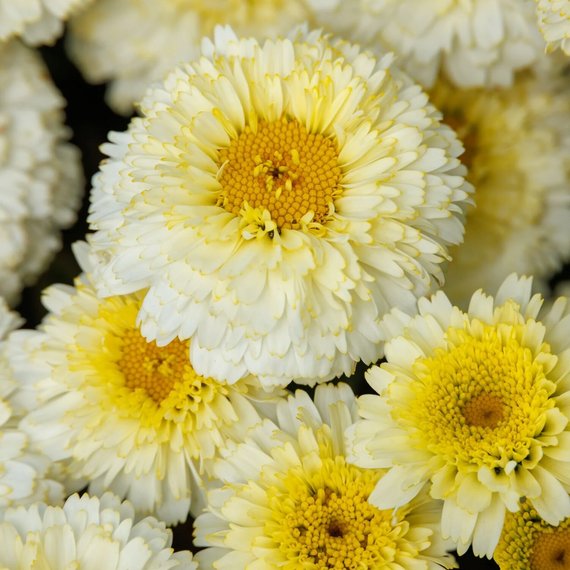
- Masses of fully double, dome-shaped blooms in soft lemon yellow with deeper golden centers bloom freely from June through August on an exceptionally compact, mounding plant that stays tight and low all season.
- A standout in the perennial border, cottage garden, or container, this patented Shasta daisy selection (PP#31455) produces multiple flowers in its very first year and returns reliably each season in USDA Zones 5-9.
- Deer resistant, drought tolerant once established, and a magnet for butterflies and other pollinators, making it as practical as it is beautiful for low-maintenance Pacific Coast gardens.
- Long-stemmed blooms have excellent vase life, making Lemon Puff Shasta Daisy a top pick for fresh-cut flower arrangements straight from the garden all summer long.
Lemon Puff Shasta Daisy (Leucanthemum x superbum 'TNLEUKC' PP#31455) is a delightfully compact, mounding perennial that reimagines the classic Shasta daisy with cheerful, fully double, dome-shaped blooms measuring approximately 1.75 inches across. Each flower presents notched, pale lemon yellow petals surrounding a richer golden yellow center, creating a warm, luminous effect that brightens borders and beds from early June through late August. Unlike many taller Shasta daisy varieties, Lemon Puff maintains a notably low and tidy habit, reaching only about 10 inches tall while spreading up to 22 inches wide, with flower stems rising to roughly 16 inches. This patented cultivar was carefully selected from seed-grown plants to achieve its consistent compact form and prolific flowering, producing an impressive flush of blooms even in its first growing season. Its glossy, dark green, coarsely toothed foliage remains attractive throughout the season and provides a lush backdrop for the cheerful flowers. Hardy in USDA Zones 5 through 9, Lemon Puff Shasta Daisy thrives in full sun with average, well-drained soil and tolerates periods of drought once established, making it an excellent choice for the water-conscious gardens of Southern Oregon and Northern California. Whether planted in mass groupings, mixed perennial borders, cottage garden beds, or patio containers, this low-maintenance, deer resistant perennial rewards gardeners with weeks of continuous color, abundant pollinator activity, and a generous supply of long-lasting cut flowers.
Plant Description
Lemon Puff is a patented, hybrid Shasta daisy (Leucanthemum x superbum) selected specifically for its compact, mounding growth habit and exceptional flower production. The blooms are fully double and dome-shaped, approximately 1.75 inches wide, with soft pale lemon yellow, notched petals surrounding a deeper golden yellow center. This warm color combination sets it apart from the traditional white-and-yellow Shasta daisy. The foliage is glossy, dark green, and lance-shaped with coarsely toothed margins, forming an attractive, dense clump that remains tidy throughout the growing season. Unlike the species, which can grow quite tall and floppy, Lemon Puff stays distinctly low and tight, making it one of the most well-behaved Shasta daisy cultivars available. It is a freely flowering selection that begins blooming in early summer and continues through late summer with proper deadheading. US Plant Patent PP31455 applies to this cultivar.
Mature Size
| Attribute | Measurement |
|---|---|
| Plant Height (foliage) | Approximately 10 inches |
| Plant Spread | Up to 22 inches wide |
| Flowering Stem Height | Approximately 16 inches |
| Flower Diameter | Approximately 1.75 inches |
| Growth Habit | Compact, mounding |
| Growth Rate | Fast once established |
Lemon Puff is one of the most compact Shasta daisy selections available. Its low, spreading habit makes it well suited for the front of a border, edging along pathways, or filling containers without overwhelming neighboring plants.
Hardiness Zones and Climate
Lemon Puff Shasta Daisy is rated hardy in USDA Zones 5 through 9, making it an excellent perennial for gardens throughout Southern Oregon and Northern California. It handles summer heat well when provided with adequate moisture and good air circulation. In the mildest parts of Zone 9, the foliage may remain semi-evergreen through the winter. In colder zones or during unusually hard freezes, a light layer of mulch applied over the crown after fall cleanup provides added insulation. The plant is winter dormant and will re-emerge from the crown each spring. Good soil drainage is critical during winter months, as consistently wet or waterlogged soil in cold weather can be fatal to the plant.
Sunlight Requirements
Lemon Puff Shasta Daisy performs best in full sun, requiring at least 6 to 8 hours of direct sunlight per day for the strongest growth and most prolific flowering. In hotter inland climates such as those found in parts of Southern Oregon and Northern California, some light afternoon shade can help protect the blooms from fading and reduce heat stress during the hottest weeks of summer. Insufficient sunlight results in weakened, leggy stems, reduced flower production, and a more open, less tidy growth habit. Avoid planting in deep shade or under overhanging structures where air circulation is poor, as this can also encourage fungal issues.
Soil and pH Preferences
This Shasta daisy thrives in average to moderately fertile, well-drained garden soil. Rich, overly amended soil can actually encourage excessive foliage growth at the expense of flowering. Good drainage is the single most important soil factor — poorly draining or constantly wet soils, especially during winter, can lead to root and crown rot. Lemon Puff tolerates a range of soil textures including loam, clay loam, and sandy soils, provided drainage is adequate. The ideal soil pH range is 6.0 to 7.0 (slightly acidic to neutral). When planting in native clay soils common to the Pacific Coast region, incorporate organic matter such as compost to improve both drainage and aeration without over-enriching the soil.
Watering Guide
Water Lemon Puff Shasta Daisy regularly during its first growing season to help it establish a strong root system. Once established, it becomes moderately drought tolerant and generally performs well on average garden moisture. Allow the soil to dry slightly between waterings rather than keeping it consistently wet. Avoid overhead watering when possible, as wet foliage can encourage fungal diseases such as powdery mildew and leaf spot. During extended heat waves or periods of drought, increase watering frequency to prevent wilting and bloom drop. In containers, check soil moisture more frequently, as pots dry out faster than garden beds — allow the top inch of potting mix to dry before watering thoroughly.
Fertilizing
Lemon Puff Shasta Daisy is a moderate feeder and does not require heavy fertilization. In early spring as new growth emerges, apply a thin layer of compost around the base of the plant or use a balanced, slow-release granular fertilizer formulated for flowering perennials. If using a water-soluble fertilizer, apply monthly from spring through midsummer at the recommended label rate. Avoid high-nitrogen fertilizers, which promote lush leafy growth at the expense of flowers. Stop feeding by late summer to allow the plant to begin hardening off for fall and winter. Over-fertilizing can shorten the lifespan of this already somewhat short-lived perennial, so a light hand is best.
Pruning and Maintenance
- Deadheading: Remove spent blooms regularly throughout the summer to encourage the plant to set new buds and extend the blooming season as long as possible.
- Mid-season cutback: After the main flush of summer bloom, cutting stems back to the basal foliage can rejuvenate the plant, conserve its energy, and may trigger a second, lighter flush of flowers in late summer or early fall.
- Fall cleanup: In autumn after flowering is complete, cut the plant back to its basal rosette of leaves. This is also an ideal time to apply a light layer of mulch over the crown in colder gardens.
- Division: Divide clumps every 2 to 3 years in early spring to maintain vigor and flowering. Discard the woody center of old clumps and replant the healthy outer sections. This practice helps prolong the life of this short-lived perennial.
- General tidiness: Remove any yellowing or damaged foliage as needed throughout the season to improve air circulation and plant appearance.
Planting Instructions
- Select a planting site that receives a minimum of 6 hours of full sun daily with well-drained soil.
- Loosen the soil in the planting area to a depth of 10 to 12 inches. If your native soil is heavy clay, incorporate compost to improve drainage and aeration.
- Dig a planting hole twice as wide as the root ball and roughly the same depth.
- Remove the plant from its nursery container and gently loosen any circling or potbound roots.
- Set the plant so that the top of the root ball is level with the surrounding soil surface. Avoid burying the crown, as this can encourage rot.
- Backfill with native soil, firming gently around the roots to eliminate air pockets.
- Water thoroughly after planting and keep the soil consistently moist for the first 4 to 6 weeks while the plant establishes.
- Space multiple plants approximately 18 to 22 inches apart to allow room for their mature spread.
- Apply 2 to 3 inches of organic mulch around the base of the plant (keeping it away from the crown) to help retain moisture and suppress weeds.
Seasonal Interest
Lemon Puff Shasta Daisy provides its most dramatic display from June through August, when the plant is covered in cheerful, double lemon-yellow blooms above a mound of glossy dark green foliage. In Southern Oregon and Northern California gardens, blooming often begins in late May or early June and can extend well into September with consistent deadheading. Outside of the bloom period, the tidy, low mound of deep green, toothed foliage remains a neat and attractive presence in the border or container. The plant enters winter dormancy after the first hard frosts, retreating to a basal rosette that re-emerges fresh in early spring, offering a season-long arc of garden interest from the first spring foliage through late summer color.
Landscape Uses
- Front of the border: The compact, low habit is perfectly proportioned for the front row of a perennial border, where it won't obscure neighboring plants.
- Edging: Use along pathways, driveways, or garden beds for a clean, colorful edge all summer long.
- Cottage garden: A natural fit for the informal, cheerful aesthetic of cottage-style plantings.
- Mass planting: Plant in groups of three or more for a bold, eye-catching sweep of lemon yellow through the landscape.
- Mixed beds: Combines beautifully with other sun-loving perennials and ornamental grasses in mixed planting schemes.
- Cutting garden: The long stems and excellent vase life make Lemon Puff a standout in any dedicated cutting garden.
- Container planting: Its compact, mounding form is ideal for patio pots, window boxes, and mixed container arrangements.
- Pollinator garden: An outstanding addition to any garden designed to attract and support butterflies, bees, and other beneficial insects.
- Rock gardens: Tolerates drier, well-drained conditions and fits the scale of a rock garden beautifully.
Companion Plants
Lemon Puff Shasta Daisy pairs beautifully with a wide range of sun-loving perennials and annuals that share its preference for full sun and well-drained soil. Consider these companion combinations for the Pacific Coast garden:
- Salvia (ornamental sage): The upright spikes of blue, purple, or red salvia create a striking contrast in both form and color alongside the rounded, lemon-toned Lemon Puff blooms. Both are pollinator favorites.
- Echinacea (coneflower): Shares similar cultural requirements and provides complementary summer color in pinks, purples, and oranges while extending wildlife value.
- Nepeta (catmint): A low, spreading companion with soft lavender-blue flowers that echoes the easygoing habit of Lemon Puff and deters certain insect pests.
- Russian sage (Perovskia): The silvery stems and airy violet-blue flowers of Russian sage create a beautiful foil for the sunny yellow blooms of Lemon Puff.
- Coreopsis (tickseed): Another compact, golden-toned summer bloomer that complements the warm color palette and attracts butterflies.
- Ornamental grasses: Fine-textured grasses such as blue fescue or Karl Foerster feather reed grass provide movement and structural contrast.
- Agastache (hyssop): Tall, fragrant spikes in shades of orange, purple, or pink pair well with the compact form of Lemon Puff and share its heat and drought tolerance.
- Yarrow (Achillea): Flat-topped flower clusters in gold, red, or pink provide complementary summer color and similarly low water needs.
Pests and Diseases
Lemon Puff Shasta Daisy is generally a robust and trouble-free perennial, but gardeners should be aware of the following potential issues:
- Aphids: Small, soft-bodied insects that cluster on new growth and flower buds. Knock them off with a strong stream of water or treat with insecticidal soap if populations are heavy.
- Spider mites: Tiny pests that cause stippled, discolored foliage and fine webbing, particularly during hot, dry weather. Increase humidity around plants and treat with neem oil or insecticidal soap.
- Leaf miners: Larvae that tunnel through leaf tissue, leaving visible winding trails. Remove and dispose of affected leaves; avoid using broad-spectrum insecticides that kill beneficial insects.
- Powdery mildew: A fungal disease that appears as a white powdery coating on leaves, most common in conditions of poor air circulation or humidity swings. Plant in well-ventilated areas and avoid overhead watering.
- Leaf spot: Fungal spots on foliage, often encouraged by wet conditions. Remove affected foliage and improve air circulation.
- Verticillium wilt: A soil-borne fungal disease that causes wilting and decline. Avoid planting in previously affected soil and ensure excellent drainage.
- Crown and root rot: The most serious threat to Shasta daisies, almost always caused by poorly draining soil or overwatering. Ensure excellent drainage, particularly during winter.
Container Growing
The compact, mounding habit and modest mature size of Lemon Puff Shasta Daisy make it an outstanding choice for patio and deck containers. Choose a pot at least 12 to 14 inches in diameter with generous drainage holes to prevent waterlogging. Fill with a high-quality, well-draining all-purpose potting mix rather than heavy garden soil. Position containers in a full-sun location receiving at least 6 hours of direct sunlight daily. Container-grown plants dry out more quickly than those in the ground, so check soil moisture regularly and water when the top inch of potting mix feels dry. Feed container plants with a balanced, water-soluble fertilizer every 3 to 4 weeks from spring through midsummer. Deadhead spent blooms faithfully to keep the display going as long as possible. In winter, containers can be moved to a sheltered but unheated location to protect the roots from hard freezing, or the plant can be overwintered in the ground by transplanting in fall.
Wildlife Value
Lemon Puff Shasta Daisy is a meaningful addition to any pollinator-friendly or wildlife garden. The open center of each double bloom, while more compact than a single daisy, still provides accessible nectar and pollen for a variety of beneficial insects. Butterflies are particularly attracted to the blooms throughout the summer season, and bees and other native pollinators will visit regularly. As a deer resistant plant with bitter-tasting, slightly prickly foliage, it holds up well in gardens where deer pressure is a concern, a common situation throughout Southern Oregon and Northern California. While not a host plant for native caterpillars, it contributes to a healthy garden ecosystem by supporting adult pollinators and the broader food web they sustain.
Cut Flower Use
Lemon Puff Shasta Daisy is an excellent choice for the cutting garden. The upright flower stems rise to approximately 16 inches, providing a useful stem length for fresh arrangements. The fully double blooms are showy and long-lasting in the vase, with individual cut flowers remaining fresh for 7 to 10 days when properly conditioned. For longest vase life, harvest stems in the early morning when blooms are just fully open, cutting at a 45-degree angle. Strip the lower leaves that would fall below the waterline, and place immediately in clean, cool water with a floral preservative. Refresh the water every two days and re-cut the stems. The soft lemon yellow color coordinates beautifully with whites, oranges, purples, and blues, making Lemon Puff a versatile and charming addition to summer bouquets.
- Masses of fully double, dome-shaped blooms in soft lemon yellow with deeper golden centers bloom freely from June through August on an exceptionally compact, mounding plant that stays tight and low all season.
- A standout in the perennial border, cottage garden, or container, this patented Shasta daisy selection (PP#31455) produces multiple flowers in its very first year and returns reliably each season in USDA Zones 5-9.
- Deer resistant, drought tolerant once established, and a magnet for butterflies and other pollinators, making it as practical as it is beautiful for low-maintenance Pacific Coast gardens.
- Long-stemmed blooms have excellent vase life, making Lemon Puff Shasta Daisy a top pick for fresh-cut flower arrangements straight from the garden all summer long.
Lemon Puff Shasta Daisy (Leucanthemum x superbum 'TNLEUKC' PP#31455) is a delightfully compact, mounding perennial that reimagines the classic Shasta daisy with cheerful, fully double, dome-shaped blooms measuring approximately 1.75 inches across. Each flower presents notched, pale lemon yellow petals surrounding a richer golden yellow center, creating a warm, luminous effect that brightens borders and beds from early June through late August. Unlike many taller Shasta daisy varieties, Lemon Puff maintains a notably low and tidy habit, reaching only about 10 inches tall while spreading up to 22 inches wide, with flower stems rising to roughly 16 inches. This patented cultivar was carefully selected from seed-grown plants to achieve its consistent compact form and prolific flowering, producing an impressive flush of blooms even in its first growing season. Its glossy, dark green, coarsely toothed foliage remains attractive throughout the season and provides a lush backdrop for the cheerful flowers. Hardy in USDA Zones 5 through 9, Lemon Puff Shasta Daisy thrives in full sun with average, well-drained soil and tolerates periods of drought once established, making it an excellent choice for the water-conscious gardens of Southern Oregon and Northern California. Whether planted in mass groupings, mixed perennial borders, cottage garden beds, or patio containers, this low-maintenance, deer resistant perennial rewards gardeners with weeks of continuous color, abundant pollinator activity, and a generous supply of long-lasting cut flowers.
Plant Description
Lemon Puff is a patented, hybrid Shasta daisy (Leucanthemum x superbum) selected specifically for its compact, mounding growth habit and exceptional flower production. The blooms are fully double and dome-shaped, approximately 1.75 inches wide, with soft pale lemon yellow, notched petals surrounding a deeper golden yellow center. This warm color combination sets it apart from the traditional white-and-yellow Shasta daisy. The foliage is glossy, dark green, and lance-shaped with coarsely toothed margins, forming an attractive, dense clump that remains tidy throughout the growing season. Unlike the species, which can grow quite tall and floppy, Lemon Puff stays distinctly low and tight, making it one of the most well-behaved Shasta daisy cultivars available. It is a freely flowering selection that begins blooming in early summer and continues through late summer with proper deadheading. US Plant Patent PP31455 applies to this cultivar.
Mature Size
| Attribute | Measurement |
|---|---|
| Plant Height (foliage) | Approximately 10 inches |
| Plant Spread | Up to 22 inches wide |
| Flowering Stem Height | Approximately 16 inches |
| Flower Diameter | Approximately 1.75 inches |
| Growth Habit | Compact, mounding |
| Growth Rate | Fast once established |
Lemon Puff is one of the most compact Shasta daisy selections available. Its low, spreading habit makes it well suited for the front of a border, edging along pathways, or filling containers without overwhelming neighboring plants.
Hardiness Zones and Climate
Lemon Puff Shasta Daisy is rated hardy in USDA Zones 5 through 9, making it an excellent perennial for gardens throughout Southern Oregon and Northern California. It handles summer heat well when provided with adequate moisture and good air circulation. In the mildest parts of Zone 9, the foliage may remain semi-evergreen through the winter. In colder zones or during unusually hard freezes, a light layer of mulch applied over the crown after fall cleanup provides added insulation. The plant is winter dormant and will re-emerge from the crown each spring. Good soil drainage is critical during winter months, as consistently wet or waterlogged soil in cold weather can be fatal to the plant.
Sunlight Requirements
Lemon Puff Shasta Daisy performs best in full sun, requiring at least 6 to 8 hours of direct sunlight per day for the strongest growth and most prolific flowering. In hotter inland climates such as those found in parts of Southern Oregon and Northern California, some light afternoon shade can help protect the blooms from fading and reduce heat stress during the hottest weeks of summer. Insufficient sunlight results in weakened, leggy stems, reduced flower production, and a more open, less tidy growth habit. Avoid planting in deep shade or under overhanging structures where air circulation is poor, as this can also encourage fungal issues.
Soil and pH Preferences
This Shasta daisy thrives in average to moderately fertile, well-drained garden soil. Rich, overly amended soil can actually encourage excessive foliage growth at the expense of flowering. Good drainage is the single most important soil factor — poorly draining or constantly wet soils, especially during winter, can lead to root and crown rot. Lemon Puff tolerates a range of soil textures including loam, clay loam, and sandy soils, provided drainage is adequate. The ideal soil pH range is 6.0 to 7.0 (slightly acidic to neutral). When planting in native clay soils common to the Pacific Coast region, incorporate organic matter such as compost to improve both drainage and aeration without over-enriching the soil.
Watering Guide
Water Lemon Puff Shasta Daisy regularly during its first growing season to help it establish a strong root system. Once established, it becomes moderately drought tolerant and generally performs well on average garden moisture. Allow the soil to dry slightly between waterings rather than keeping it consistently wet. Avoid overhead watering when possible, as wet foliage can encourage fungal diseases such as powdery mildew and leaf spot. During extended heat waves or periods of drought, increase watering frequency to prevent wilting and bloom drop. In containers, check soil moisture more frequently, as pots dry out faster than garden beds — allow the top inch of potting mix to dry before watering thoroughly.
Fertilizing
Lemon Puff Shasta Daisy is a moderate feeder and does not require heavy fertilization. In early spring as new growth emerges, apply a thin layer of compost around the base of the plant or use a balanced, slow-release granular fertilizer formulated for flowering perennials. If using a water-soluble fertilizer, apply monthly from spring through midsummer at the recommended label rate. Avoid high-nitrogen fertilizers, which promote lush leafy growth at the expense of flowers. Stop feeding by late summer to allow the plant to begin hardening off for fall and winter. Over-fertilizing can shorten the lifespan of this already somewhat short-lived perennial, so a light hand is best.
Pruning and Maintenance
- Deadheading: Remove spent blooms regularly throughout the summer to encourage the plant to set new buds and extend the blooming season as long as possible.
- Mid-season cutback: After the main flush of summer bloom, cutting stems back to the basal foliage can rejuvenate the plant, conserve its energy, and may trigger a second, lighter flush of flowers in late summer or early fall.
- Fall cleanup: In autumn after flowering is complete, cut the plant back to its basal rosette of leaves. This is also an ideal time to apply a light layer of mulch over the crown in colder gardens.
- Division: Divide clumps every 2 to 3 years in early spring to maintain vigor and flowering. Discard the woody center of old clumps and replant the healthy outer sections. This practice helps prolong the life of this short-lived perennial.
- General tidiness: Remove any yellowing or damaged foliage as needed throughout the season to improve air circulation and plant appearance.
Planting Instructions
- Select a planting site that receives a minimum of 6 hours of full sun daily with well-drained soil.
- Loosen the soil in the planting area to a depth of 10 to 12 inches. If your native soil is heavy clay, incorporate compost to improve drainage and aeration.
- Dig a planting hole twice as wide as the root ball and roughly the same depth.
- Remove the plant from its nursery container and gently loosen any circling or potbound roots.
- Set the plant so that the top of the root ball is level with the surrounding soil surface. Avoid burying the crown, as this can encourage rot.
- Backfill with native soil, firming gently around the roots to eliminate air pockets.
- Water thoroughly after planting and keep the soil consistently moist for the first 4 to 6 weeks while the plant establishes.
- Space multiple plants approximately 18 to 22 inches apart to allow room for their mature spread.
- Apply 2 to 3 inches of organic mulch around the base of the plant (keeping it away from the crown) to help retain moisture and suppress weeds.
Seasonal Interest
Lemon Puff Shasta Daisy provides its most dramatic display from June through August, when the plant is covered in cheerful, double lemon-yellow blooms above a mound of glossy dark green foliage. In Southern Oregon and Northern California gardens, blooming often begins in late May or early June and can extend well into September with consistent deadheading. Outside of the bloom period, the tidy, low mound of deep green, toothed foliage remains a neat and attractive presence in the border or container. The plant enters winter dormancy after the first hard frosts, retreating to a basal rosette that re-emerges fresh in early spring, offering a season-long arc of garden interest from the first spring foliage through late summer color.
Landscape Uses
- Front of the border: The compact, low habit is perfectly proportioned for the front row of a perennial border, where it won't obscure neighboring plants.
- Edging: Use along pathways, driveways, or garden beds for a clean, colorful edge all summer long.
- Cottage garden: A natural fit for the informal, cheerful aesthetic of cottage-style plantings.
- Mass planting: Plant in groups of three or more for a bold, eye-catching sweep of lemon yellow through the landscape.
- Mixed beds: Combines beautifully with other sun-loving perennials and ornamental grasses in mixed planting schemes.
- Cutting garden: The long stems and excellent vase life make Lemon Puff a standout in any dedicated cutting garden.
- Container planting: Its compact, mounding form is ideal for patio pots, window boxes, and mixed container arrangements.
- Pollinator garden: An outstanding addition to any garden designed to attract and support butterflies, bees, and other beneficial insects.
- Rock gardens: Tolerates drier, well-drained conditions and fits the scale of a rock garden beautifully.
Companion Plants
Lemon Puff Shasta Daisy pairs beautifully with a wide range of sun-loving perennials and annuals that share its preference for full sun and well-drained soil. Consider these companion combinations for the Pacific Coast garden:
- Salvia (ornamental sage): The upright spikes of blue, purple, or red salvia create a striking contrast in both form and color alongside the rounded, lemon-toned Lemon Puff blooms. Both are pollinator favorites.
- Echinacea (coneflower): Shares similar cultural requirements and provides complementary summer color in pinks, purples, and oranges while extending wildlife value.
- Nepeta (catmint): A low, spreading companion with soft lavender-blue flowers that echoes the easygoing habit of Lemon Puff and deters certain insect pests.
- Russian sage (Perovskia): The silvery stems and airy violet-blue flowers of Russian sage create a beautiful foil for the sunny yellow blooms of Lemon Puff.
- Coreopsis (tickseed): Another compact, golden-toned summer bloomer that complements the warm color palette and attracts butterflies.
- Ornamental grasses: Fine-textured grasses such as blue fescue or Karl Foerster feather reed grass provide movement and structural contrast.
- Agastache (hyssop): Tall, fragrant spikes in shades of orange, purple, or pink pair well with the compact form of Lemon Puff and share its heat and drought tolerance.
- Yarrow (Achillea): Flat-topped flower clusters in gold, red, or pink provide complementary summer color and similarly low water needs.
Pests and Diseases
Lemon Puff Shasta Daisy is generally a robust and trouble-free perennial, but gardeners should be aware of the following potential issues:
- Aphids: Small, soft-bodied insects that cluster on new growth and flower buds. Knock them off with a strong stream of water or treat with insecticidal soap if populations are heavy.
- Spider mites: Tiny pests that cause stippled, discolored foliage and fine webbing, particularly during hot, dry weather. Increase humidity around plants and treat with neem oil or insecticidal soap.
- Leaf miners: Larvae that tunnel through leaf tissue, leaving visible winding trails. Remove and dispose of affected leaves; avoid using broad-spectrum insecticides that kill beneficial insects.
- Powdery mildew: A fungal disease that appears as a white powdery coating on leaves, most common in conditions of poor air circulation or humidity swings. Plant in well-ventilated areas and avoid overhead watering.
- Leaf spot: Fungal spots on foliage, often encouraged by wet conditions. Remove affected foliage and improve air circulation.
- Verticillium wilt: A soil-borne fungal disease that causes wilting and decline. Avoid planting in previously affected soil and ensure excellent drainage.
- Crown and root rot: The most serious threat to Shasta daisies, almost always caused by poorly draining soil or overwatering. Ensure excellent drainage, particularly during winter.
Container Growing
The compact, mounding habit and modest mature size of Lemon Puff Shasta Daisy make it an outstanding choice for patio and deck containers. Choose a pot at least 12 to 14 inches in diameter with generous drainage holes to prevent waterlogging. Fill with a high-quality, well-draining all-purpose potting mix rather than heavy garden soil. Position containers in a full-sun location receiving at least 6 hours of direct sunlight daily. Container-grown plants dry out more quickly than those in the ground, so check soil moisture regularly and water when the top inch of potting mix feels dry. Feed container plants with a balanced, water-soluble fertilizer every 3 to 4 weeks from spring through midsummer. Deadhead spent blooms faithfully to keep the display going as long as possible. In winter, containers can be moved to a sheltered but unheated location to protect the roots from hard freezing, or the plant can be overwintered in the ground by transplanting in fall.
Wildlife Value
Lemon Puff Shasta Daisy is a meaningful addition to any pollinator-friendly or wildlife garden. The open center of each double bloom, while more compact than a single daisy, still provides accessible nectar and pollen for a variety of beneficial insects. Butterflies are particularly attracted to the blooms throughout the summer season, and bees and other native pollinators will visit regularly. As a deer resistant plant with bitter-tasting, slightly prickly foliage, it holds up well in gardens where deer pressure is a concern, a common situation throughout Southern Oregon and Northern California. While not a host plant for native caterpillars, it contributes to a healthy garden ecosystem by supporting adult pollinators and the broader food web they sustain.
Cut Flower Use
Lemon Puff Shasta Daisy is an excellent choice for the cutting garden. The upright flower stems rise to approximately 16 inches, providing a useful stem length for fresh arrangements. The fully double blooms are showy and long-lasting in the vase, with individual cut flowers remaining fresh for 7 to 10 days when properly conditioned. For longest vase life, harvest stems in the early morning when blooms are just fully open, cutting at a 45-degree angle. Strip the lower leaves that would fall below the waterline, and place immediately in clean, cool water with a floral preservative. Refresh the water every two days and re-cut the stems. The soft lemon yellow color coordinates beautifully with whites, oranges, purples, and blues, making Lemon Puff a versatile and charming addition to summer bouquets.