
Zoom the image with the mouse
Pipa's Red Chinese Fringe Flower - 2 Gallon
SKU:
1932300
UPC:
014949202692
$41.99
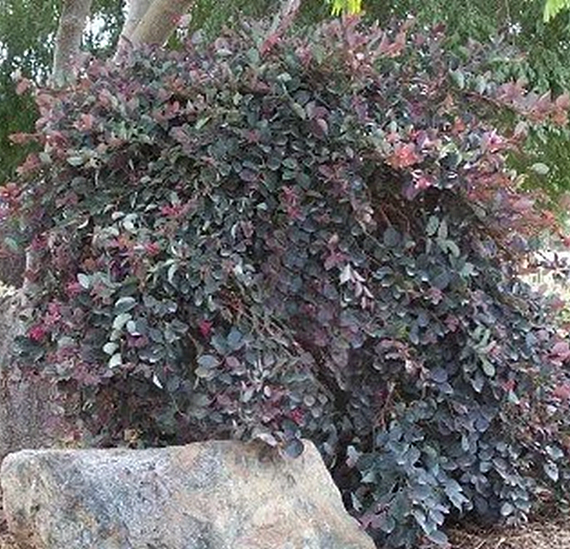
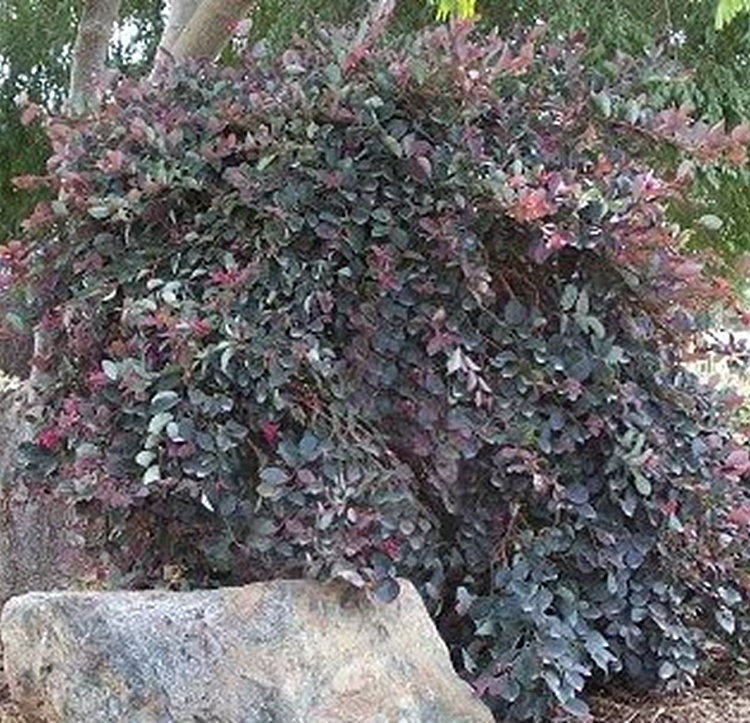
- Dramatically dark, narrow burgundy-to-near-black foliage on gracefully tiered, fountain-like branches delivers year-round color impact unlike any other landscape shrub
- Bursts into a spectacular display of lightly fragrant, hot-pink fringe flowers in spring, with sporadic repeat blooms continuing through summer and into fall
- Adaptable and low-maintenance evergreen that thrives in full sun to partial shade and tolerates heat, humidity, and drought once established
- Versatile landscape performer equally suited as a bold specimen accent, a dense hedge or screen, a foundation planting, or a dramatic focal point in large containers
Loropetalum chinense 'Pipa's Red' — commonly called Pipa's Red Chinese Fringe Flower — is one of the most visually captivating evergreen shrubs available for Pacific Coast and Southern gardens, offering a rare combination of intense foliage color and vibrant floral display across multiple seasons. Belonging to the witch hazel family (Hamamelidaceae), this Chinese native variety stands out as arguably the darkest-leaved cultivar of its species, producing long, narrow, oval leaves in a rich, deep burgundy to near-black purple that hold striking color throughout the entire year. Against this moody foliage backdrop, clusters of lightly fragrant, spider-like hot-pink flowers burst forth with energy in early spring, their strap-shaped, ribbon-like twisted petals creating a feathery, fringe effect along tiered, gracefully arching branches. Blooming repeats sporadically through summer and into fall, keeping the garden interesting well beyond the primary spring flush. Growing at a fast rate to a mature height of roughly 6 to 10 feet tall with a 5 to 8 foot spread, 'Pipa's Red' develops a beautifully layered, multi-stemmed, rounded to vase-shaped habit that becomes a true landscape anchor. It thrives in USDA Hardiness Zones 7a through 10b, is cold-hardy to approximately 0 degrees F, and performs reliably across a wide range of Pacific Northwest, Northern California, and Southern Oregon garden settings. Whether massed along a property border for bold color screening, planted as a dramatic specimen in a mixed shrub bed, trained into an open small tree form, or showcased as a thriller element in a large container, Pipa's Red Chinese Fringe Flower delivers an unmatched combination of color, texture, and four-season interest with minimal care requirements.
Plant Description
Pipa's Red Chinese Fringe Flower (Loropetalum chinense 'Pipa's Red') is a broadleaf evergreen to semi-evergreen shrub in the witch hazel family (Hamamelidaceae), native to woodlands and thickets of China, Southeast Asia, and Japan. It is widely regarded as one of the darkest-foliaged cultivars within the rubrum group, producing long, narrow, oval to elliptical leaves with an asymmetrical base in a rich deep burgundy to near-black purple tone that is maintained throughout the year. The foliage has a slightly rough, papery texture with fine pubescence on both surfaces. New growth emerges especially vivid in spring, intensifying the overall color display.
In early spring, the branches become heavily adorned with clusters of 3 to 6 lightly fragrant flowers per head, each composed of four narrow, strap-shaped, downward-drooping petals in hot cerise-pink to magenta. These twisted, ribbon-like petals create the signature fringe or spider flower appearance for which the species is named — the genus Loropetalum derives from the Greek words for "strap" and "petal." Blooming is profuse in spring and recurs sporadically through the growing season. The multi-stemmed plant develops gracefully tiered, arching branches with a naturally rounded to vase-shaped form that requires little corrective pruning to remain attractive.
Mature Size and Growth Rate
| Characteristic | Details |
|---|---|
| Mature Height | 6 to 10 feet (can reach up to 8 to 10 feet over many years; easily maintained smaller with pruning) |
| Mature Spread | 5 to 8 feet wide |
| Growth Rate | Fast; vigorous grower under favorable conditions |
| Plant Form | Rounded to vase-shaped, multi-stemmed, tiered arching branches |
| Canopy Height | Low to moderate; suitable for planting under power lines at typical maintained sizes |
| Longevity | 40 years or more under ideal conditions |
Thanks to its fast growth rate, 'Pipa's Red' can quickly establish itself as a landscape presence. It responds very well to selective pruning for size control and can also be trained over time into an attractive small specimen tree by removing lower branches to reveal the attractive multi-stemmed structure.
Hardiness Zones and Climate Tolerance
| Attribute | Details |
|---|---|
| USDA Hardiness Zones | 7a through 10b |
| Cold Hardiness | Evergreen above approximately 0 degrees F; semi-evergreen in colder portions of range |
| Heat Tolerance | Yes; heat tolerant and humidity tolerant |
| Drought Tolerance | Moderate to good once established; performs best with consistent moisture |
| Wind Exposure | Plant in a protected location away from harsh winter winds in cooler zones (6b-7b) |
In cooler microclimates at the edge of its hardiness range, applying a thick layer of mulch over the root zone each fall provides meaningful winter protection. In Zones 7a and 7b, spring planting is preferred over fall planting to allow the shrub to become well established before winter arrives. Pipa's Red performs excellently across Southern Oregon and Northern California landscapes.
Sunlight Requirements
Pipa's Red Chinese Fringe Flower performs best in full sun to partial shade, generally defined as receiving 4 to 6 or more hours of direct sunlight per day. While it tolerates full sun well, some protection from intense afternoon sun — particularly in hotter, drier inland locations — will help preserve the richest foliage color and reduce the risk of leaf scorch during midsummer heat. Morning sun with afternoon dappled shade is considered ideal for maximizing both the depth of burgundy foliage color and the frequency of repeat bloom cycles.
- Full Sun (6+ hours): Acceptable; ensure consistent moisture during hot, dry periods
- Partial Sun / Partial Shade (4-6 hours): Ideal; best foliage color saturation and bloom performance
- Heavy Shade: Not recommended; will result in reduced foliage color and diminished blooming
Soil and pH Preferences
'Pipa's Red' has a strong preference for rich, moist, well-drained, acidic soils. Soil pH should ideally fall between 4.5 and 6.0. It is intolerant of alkaline or excessively high-pH conditions, which can cause chlorosis — a yellowing of the foliage due to iron deficiency induced by high soil pH. It is also intolerant of poorly drained or consistently waterlogged soils, which can promote root rot.
| Soil Factor | Ideal Conditions |
|---|---|
| Texture | Loam, sandy loam, or clay with good amendment; high organic matter preferred |
| Drainage | Good drainage required; does not tolerate standing water |
| pH Range | Acidic; 4.5 to 6.0 optimal |
| Organic Matter | Rich soils with high organic content strongly preferred |
| Alkaline Soils | Avoid; risk of chlorosis and poor vigor |
If your native soil trends toward neutral or alkaline, amend the planting hole generously with acidifying materials such as pine bark fines, sulfur, or composted pine needles, and use an acid-forming fertilizer to help maintain appropriate pH over time.
Watering Guide
While 'Pipa's Red' becomes reasonably drought tolerant once fully established, it performs at its best — with the richest foliage color and most reliable repeat blooming — when soil moisture is kept consistently even throughout the growing season. Avoid both drought stress and waterlogged conditions.
- Newly Planted (Year 1-2): Water deeply and regularly, approximately 2 to 3 times per week during warm, dry weather, ensuring the root zone stays evenly moist as the plant establishes.
- Established Plants: Water deeply once or twice per week during the heat of summer; allow the top few inches of soil to partially dry between waterings. Reduce frequency significantly during cool or rainy periods.
- Midsummer Heat: Pay particular attention during peak summer heat — this is when plants are most vulnerable to moisture stress, which can reduce foliage color quality and repeat bloom performance.
- Container Plants: Containers dry out more rapidly than in-ground plantings; check soil moisture more frequently and water when the top inch feels dry.
- Drainage Caution: Never allow the root zone to sit in standing water; root rot is the primary disease risk associated with overwatering or poorly drained sites.
Fertilizing
Feed 'Pipa's Red' with a fertilizer formulated for acid-loving plants — such as a camellia and azalea formula — to simultaneously deliver nutrients and help maintain the ideal acidic soil pH. A balanced, slow-release granular fertilizer is well suited as the primary application.
- Early Spring: Apply a slow-release, balanced acid-forming fertilizer as new growth begins to emerge. This supports the energy demands of spring flowering and fresh foliage development.
- Midsummer (Optional): A light supplemental feeding in early to midsummer can support continued vigor and encourage repeat bloom cycles into fall.
- Fall / Late Summer: Avoid heavy fertilization late in the season, as stimulating soft new growth heading into cooler weather can reduce cold hardiness.
- Soil pH Management: If soil tests indicate pH creeping above 6.0, incorporate soil sulfur or use an acidifying fertilizer consistently to correct the trend before chlorosis develops.
- Over-Fertilizing: Avoid excessive nitrogen, which promotes lush leafy growth at the expense of flowers and can weaken the plant's natural structure.
Pruning and Maintenance
Pipa's Red Chinese Fringe Flower is a low-maintenance shrub by nature. Its graceful, tiered branching structure is attractive without intervention, and routine pruning should be kept light to preserve its naturally elegant form.
- When to Prune: The most important rule is to prune after the main spring flowering flush has finished. Pruning before bloom will remove the current season's flower buds and significantly reduce the spring display.
- Shaping and Size Control: Light shaping immediately after spring bloom is the best time to reduce size, tighten the form, or remove any wayward branches. The plant responds well to pruning and will quickly flush out with fresh, richly colored new growth.
- Late Winter Tidy-Up: In late winter before new growth begins, remove any dead, damaged, or crossing branches to open up air circulation and encourage a healthy framework.
- Small Tree Training: For those wishing to develop 'Pipa's Red' into an open-canopied small specimen tree, selectively remove lower branches over several seasons to gradually expose the attractive multi-stemmed trunk structure.
- Mulching: Refresh a 2- to 3-inch layer of acidic organic mulch (such as pine bark or shredded leaves) around the root zone annually, keeping mulch a few inches away from the base of the stems to prevent rot.
Planting Instructions
For best results, follow these planting guidelines to give your Pipa's Red the ideal start in its new location:
- Timing: Plant in spring or early fall in most climates. In cooler Zone 7 locations, spring planting is strongly preferred to allow establishment before winter.
- Site Selection: Choose a location with full sun to partial shade, well-drained soil, and protection from harsh afternoon sun in hot inland areas or from drying winter winds in cooler microclimates.
- Hole Preparation: Dig a planting hole at least twice as wide as the root ball and equal in depth. Amend heavy clay or alkaline soils generously with acidic organic matter such as pine bark fines, composted pine needles, or peat moss.
- Planting Depth: Set the plant so the top of the root ball is level with or very slightly above the surrounding soil grade. Never plant too deeply, as this can lead to crown rot.
- Backfilling: Backfill with the amended native soil, gently firming to eliminate air pockets. Do not overpack.
- Watering In: Water deeply and thoroughly immediately after planting to settle the soil around the roots.
- Mulching: Apply a 2- to 3-inch layer of acidic organic mulch over the root zone, keeping it a few inches away from the stem base. Mulch conserves moisture, moderates soil temperature, and gradually improves soil acidity as it breaks down.
- Post-Planting Care: Keep the soil evenly moist for the first one to two growing seasons while the root system establishes fully.
Seasonal Interest
| Season | What to Expect |
|---|---|
| Spring | Peak ornamental season: profuse, lightly fragrant hot-pink fringe flowers smother tiered branches; vivid new burgundy foliage growth emerges with exceptional color intensity |
| Summer | Deep burgundy to near-black purple foliage provides bold, dramatic color contrast in the landscape; sporadic repeat blooms continue under favorable moisture conditions |
| Fall | Rich foliage color persists; another round of sporadic flowering may occur; small woody seed capsules are inconspicuous |
| Winter | Remains evergreen above approximately 0 degrees F, holding its deep foliage color and providing year-round structural interest; attractive bark visible on older stems |
Landscape Uses
'Pipa's Red' is one of the most versatile shrubs in the landscape palette, offering compelling design possibilities across a wide range of applications:
- Specimen or Focal Point: Use as a dramatic standalone accent where its dark foliage and vivid blooms can command full attention
- Foundation Planting: Excellent against walls and building foundations where its bold color provides year-round visual interest
- Mixed Shrub Border: Pairs beautifully with plants of contrasting foliage color and texture to create layered, dynamic borders
- Hedge and Privacy Screen: Fast growth and dense branching make it effective as an informal or lightly pruned formal hedge or screening plant
- Mass Planting: When planted in groups, the uniformly dark foliage creates a powerful, cohesive groundplane of rich color
- Small Tree Form: Can be trained by selective pruning into an open-canopied small ornamental tree with striking multi-stemmed structure
- Container Planting: Outstanding as the dramatic "thriller" centerpiece in large container combinations; can also be grown alone in a suitably sized pot
- Espalier: Responds well to espalier training against a wall or fence for a striking two-dimensional display
- Asian-Inspired and Cottage Gardens: Naturally suited to Asian garden themes; also works beautifully in cottage-style mixed plantings
- Woodland Garden Edges: The plant's shade tolerance and preference for acidic, humus-rich soils makes it ideal at the edges of dappled-shade garden areas
Companion Plants
The deep burgundy to near-black foliage of 'Pipa's Red' creates some of the most striking combinations when paired with plants of contrasting or harmonizing color, texture, and scale:
- Japanese Maples (Acer palmatum): Dissected or lacy-leafed varieties in gold, green, or complementary red tones create layered texture with a shared Asian garden aesthetic
- Camellias: Share the same acidic soil requirements and offer winter to spring bloom color in pinks, reds, and whites that harmonize beautifully with Loropetalum's spring flowering season
- Azaleas and Rhododendrons: Perfect acid-soil companions that extend the spring bloom display with compatible colors; their lighter flower tones contrast elegantly against the dark foliage backdrop
- Ornamental Grasses: Fine-textured varieties such as blue fescue (Festuca glauca) or burgundy-toned Pennisetum add airy movement and textural contrast alongside the bold shrub form
- Gardenias: Share acidic soil and partial shade preferences; the glossy dark green foliage and white fragrant blooms make a dramatic color contrast with 'Pipa's Red'
- Nandinas: Evergreen foliage companions with compatible cultural needs; red-toned nandina varieties echo the Loropetalum's color palette harmoniously
- Heucheras (Coral Bells): Low-growing companions whose range of bronze, lime, and silver foliage tones pair compellingly with the dark shrub backdrop in borders or containers
- Gardenscape Perennials with Bold Flowers: Hot-pink or magenta salvias and agastache echo the fringe flower bloom color while extending seasonal interest through summer and fall
Pests and Diseases
'Pipa's Red' is generally resistant to serious pest and disease pressure and is considered a low-problem shrub in the landscape. The following issues are occasionally encountered:
| Issue | Description and Management |
|---|---|
| Aphids | Occasional infestations on soft new growth; treat with a strong water spray, insecticidal soap, or horticultural oil |
| Spider Mites | Can appear during hot, dry weather; improve air circulation, maintain consistent watering, and treat with horticultural oil or miticide if severe |
| Scale Insects | Rare; treat with dormant horticultural oil applied in late winter or with summer-rate horticultural oil sprays |
| Root Rot (Phytophthora) | Caused by overwatering or poorly drained soils; avoid by planting in well-drained sites and never allowing roots to sit in standing water |
| Chlorosis | Yellowing of foliage caused by iron or manganese deficiency linked to alkaline soil pH; correct with soil acidification and acid-forming fertilizers |
| Powdery Mildew | Rare; ensure adequate air circulation through proper spacing and light pruning; treat with appropriate fungicide if needed |
| Bacterial Gall | An emerging disease found in some regions that can cause branch dieback; remove and destroy affected branches; do not propagate from affected plants |
'Pipa's Red' is notably deer resistant, making it an excellent choice for landscapes in areas with significant deer pressure.
Container Growing
Pipa's Red Chinese Fringe Flower makes an outstanding container specimen, bringing bold, year-round foliage color and seasonal floral drama to patios, entryways, courtyards, and deck gardens.
- Container Size: Choose a large, sturdy container with generous volume — at least 15 to 20 gallons — to accommodate the vigorous root system and reduce the frequency of repotting. Ensure the container has ample drainage holes.
- Potting Mix: Use a high-quality, well-draining potting mix formulated for acid-loving plants, or blend a standard premium mix with perlite and pine bark fines to improve drainage and acidify the medium.
- Watering: Container plants dry out faster than in-ground specimens; check moisture regularly and water when the top inch of potting mix is dry. Increase watering frequency during peak summer heat.
- Fertilizing: Container-grown plants benefit from regular feeding with a slow-release acid-forming fertilizer in spring, supplemented by a diluted liquid fertilizer for acid-loving plants every 4 to 6 weeks through the growing season.
- Sun Exposure: Position containers in a spot receiving morning sun and afternoon shade or bright indirect light in very hot climates; full sun is acceptable where summers are mild.
- Winter Protection: In Zone 7 or colder, move containers to a sheltered location — an unheated garage, covered porch, or against a south-facing wall — to protect roots from freezing, as containerized roots are more exposed to cold than in-ground roots.
- Design Use: 'Pipa's Red' serves as a superb "thriller" centerpiece in mixed container plantings; surround it with lower spillers and fillers that complement its dark foliage and hot-pink bloom color.
Wildlife Value
While Pipa's Red Chinese Fringe Flower is primarily celebrated as an ornamental landscape shrub, it does offer meaningful value to the local garden ecosystem:
- Hummingbirds: The brightly colored, nectar-bearing fringe flowers are known to attract hummingbirds, making 'Pipa's Red' a welcome addition to pollinator-friendly and wildlife garden designs.
- Pollinators: The lightly fragrant spring blooms attract various native bees and other beneficial insects during a critical early-season foraging period when fewer plants are in bloom.
- Deer Resistance: 'Pipa's Red' is considered deer resistant, reducing browsing damage and making it a reliable choice in landscapes where deer pressure is a concern.
- Shelter: The dense, tiered branching structure provides habitat and nesting opportunities for small birds seeking protected, evergreen cover year-round.
- Dramatically dark, narrow burgundy-to-near-black foliage on gracefully tiered, fountain-like branches delivers year-round color impact unlike any other landscape shrub
- Bursts into a spectacular display of lightly fragrant, hot-pink fringe flowers in spring, with sporadic repeat blooms continuing through summer and into fall
- Adaptable and low-maintenance evergreen that thrives in full sun to partial shade and tolerates heat, humidity, and drought once established
- Versatile landscape performer equally suited as a bold specimen accent, a dense hedge or screen, a foundation planting, or a dramatic focal point in large containers
Loropetalum chinense 'Pipa's Red' — commonly called Pipa's Red Chinese Fringe Flower — is one of the most visually captivating evergreen shrubs available for Pacific Coast and Southern gardens, offering a rare combination of intense foliage color and vibrant floral display across multiple seasons. Belonging to the witch hazel family (Hamamelidaceae), this Chinese native variety stands out as arguably the darkest-leaved cultivar of its species, producing long, narrow, oval leaves in a rich, deep burgundy to near-black purple that hold striking color throughout the entire year. Against this moody foliage backdrop, clusters of lightly fragrant, spider-like hot-pink flowers burst forth with energy in early spring, their strap-shaped, ribbon-like twisted petals creating a feathery, fringe effect along tiered, gracefully arching branches. Blooming repeats sporadically through summer and into fall, keeping the garden interesting well beyond the primary spring flush. Growing at a fast rate to a mature height of roughly 6 to 10 feet tall with a 5 to 8 foot spread, 'Pipa's Red' develops a beautifully layered, multi-stemmed, rounded to vase-shaped habit that becomes a true landscape anchor. It thrives in USDA Hardiness Zones 7a through 10b, is cold-hardy to approximately 0 degrees F, and performs reliably across a wide range of Pacific Northwest, Northern California, and Southern Oregon garden settings. Whether massed along a property border for bold color screening, planted as a dramatic specimen in a mixed shrub bed, trained into an open small tree form, or showcased as a thriller element in a large container, Pipa's Red Chinese Fringe Flower delivers an unmatched combination of color, texture, and four-season interest with minimal care requirements.
Plant Description
Pipa's Red Chinese Fringe Flower (Loropetalum chinense 'Pipa's Red') is a broadleaf evergreen to semi-evergreen shrub in the witch hazel family (Hamamelidaceae), native to woodlands and thickets of China, Southeast Asia, and Japan. It is widely regarded as one of the darkest-foliaged cultivars within the rubrum group, producing long, narrow, oval to elliptical leaves with an asymmetrical base in a rich deep burgundy to near-black purple tone that is maintained throughout the year. The foliage has a slightly rough, papery texture with fine pubescence on both surfaces. New growth emerges especially vivid in spring, intensifying the overall color display.
In early spring, the branches become heavily adorned with clusters of 3 to 6 lightly fragrant flowers per head, each composed of four narrow, strap-shaped, downward-drooping petals in hot cerise-pink to magenta. These twisted, ribbon-like petals create the signature fringe or spider flower appearance for which the species is named — the genus Loropetalum derives from the Greek words for "strap" and "petal." Blooming is profuse in spring and recurs sporadically through the growing season. The multi-stemmed plant develops gracefully tiered, arching branches with a naturally rounded to vase-shaped form that requires little corrective pruning to remain attractive.
Mature Size and Growth Rate
| Characteristic | Details |
|---|---|
| Mature Height | 6 to 10 feet (can reach up to 8 to 10 feet over many years; easily maintained smaller with pruning) |
| Mature Spread | 5 to 8 feet wide |
| Growth Rate | Fast; vigorous grower under favorable conditions |
| Plant Form | Rounded to vase-shaped, multi-stemmed, tiered arching branches |
| Canopy Height | Low to moderate; suitable for planting under power lines at typical maintained sizes |
| Longevity | 40 years or more under ideal conditions |
Thanks to its fast growth rate, 'Pipa's Red' can quickly establish itself as a landscape presence. It responds very well to selective pruning for size control and can also be trained over time into an attractive small specimen tree by removing lower branches to reveal the attractive multi-stemmed structure.
Hardiness Zones and Climate Tolerance
| Attribute | Details |
|---|---|
| USDA Hardiness Zones | 7a through 10b |
| Cold Hardiness | Evergreen above approximately 0 degrees F; semi-evergreen in colder portions of range |
| Heat Tolerance | Yes; heat tolerant and humidity tolerant |
| Drought Tolerance | Moderate to good once established; performs best with consistent moisture |
| Wind Exposure | Plant in a protected location away from harsh winter winds in cooler zones (6b-7b) |
In cooler microclimates at the edge of its hardiness range, applying a thick layer of mulch over the root zone each fall provides meaningful winter protection. In Zones 7a and 7b, spring planting is preferred over fall planting to allow the shrub to become well established before winter arrives. Pipa's Red performs excellently across Southern Oregon and Northern California landscapes.
Sunlight Requirements
Pipa's Red Chinese Fringe Flower performs best in full sun to partial shade, generally defined as receiving 4 to 6 or more hours of direct sunlight per day. While it tolerates full sun well, some protection from intense afternoon sun — particularly in hotter, drier inland locations — will help preserve the richest foliage color and reduce the risk of leaf scorch during midsummer heat. Morning sun with afternoon dappled shade is considered ideal for maximizing both the depth of burgundy foliage color and the frequency of repeat bloom cycles.
- Full Sun (6+ hours): Acceptable; ensure consistent moisture during hot, dry periods
- Partial Sun / Partial Shade (4-6 hours): Ideal; best foliage color saturation and bloom performance
- Heavy Shade: Not recommended; will result in reduced foliage color and diminished blooming
Soil and pH Preferences
'Pipa's Red' has a strong preference for rich, moist, well-drained, acidic soils. Soil pH should ideally fall between 4.5 and 6.0. It is intolerant of alkaline or excessively high-pH conditions, which can cause chlorosis — a yellowing of the foliage due to iron deficiency induced by high soil pH. It is also intolerant of poorly drained or consistently waterlogged soils, which can promote root rot.
| Soil Factor | Ideal Conditions |
|---|---|
| Texture | Loam, sandy loam, or clay with good amendment; high organic matter preferred |
| Drainage | Good drainage required; does not tolerate standing water |
| pH Range | Acidic; 4.5 to 6.0 optimal |
| Organic Matter | Rich soils with high organic content strongly preferred |
| Alkaline Soils | Avoid; risk of chlorosis and poor vigor |
If your native soil trends toward neutral or alkaline, amend the planting hole generously with acidifying materials such as pine bark fines, sulfur, or composted pine needles, and use an acid-forming fertilizer to help maintain appropriate pH over time.
Watering Guide
While 'Pipa's Red' becomes reasonably drought tolerant once fully established, it performs at its best — with the richest foliage color and most reliable repeat blooming — when soil moisture is kept consistently even throughout the growing season. Avoid both drought stress and waterlogged conditions.
- Newly Planted (Year 1-2): Water deeply and regularly, approximately 2 to 3 times per week during warm, dry weather, ensuring the root zone stays evenly moist as the plant establishes.
- Established Plants: Water deeply once or twice per week during the heat of summer; allow the top few inches of soil to partially dry between waterings. Reduce frequency significantly during cool or rainy periods.
- Midsummer Heat: Pay particular attention during peak summer heat — this is when plants are most vulnerable to moisture stress, which can reduce foliage color quality and repeat bloom performance.
- Container Plants: Containers dry out more rapidly than in-ground plantings; check soil moisture more frequently and water when the top inch feels dry.
- Drainage Caution: Never allow the root zone to sit in standing water; root rot is the primary disease risk associated with overwatering or poorly drained sites.
Fertilizing
Feed 'Pipa's Red' with a fertilizer formulated for acid-loving plants — such as a camellia and azalea formula — to simultaneously deliver nutrients and help maintain the ideal acidic soil pH. A balanced, slow-release granular fertilizer is well suited as the primary application.
- Early Spring: Apply a slow-release, balanced acid-forming fertilizer as new growth begins to emerge. This supports the energy demands of spring flowering and fresh foliage development.
- Midsummer (Optional): A light supplemental feeding in early to midsummer can support continued vigor and encourage repeat bloom cycles into fall.
- Fall / Late Summer: Avoid heavy fertilization late in the season, as stimulating soft new growth heading into cooler weather can reduce cold hardiness.
- Soil pH Management: If soil tests indicate pH creeping above 6.0, incorporate soil sulfur or use an acidifying fertilizer consistently to correct the trend before chlorosis develops.
- Over-Fertilizing: Avoid excessive nitrogen, which promotes lush leafy growth at the expense of flowers and can weaken the plant's natural structure.
Pruning and Maintenance
Pipa's Red Chinese Fringe Flower is a low-maintenance shrub by nature. Its graceful, tiered branching structure is attractive without intervention, and routine pruning should be kept light to preserve its naturally elegant form.
- When to Prune: The most important rule is to prune after the main spring flowering flush has finished. Pruning before bloom will remove the current season's flower buds and significantly reduce the spring display.
- Shaping and Size Control: Light shaping immediately after spring bloom is the best time to reduce size, tighten the form, or remove any wayward branches. The plant responds well to pruning and will quickly flush out with fresh, richly colored new growth.
- Late Winter Tidy-Up: In late winter before new growth begins, remove any dead, damaged, or crossing branches to open up air circulation and encourage a healthy framework.
- Small Tree Training: For those wishing to develop 'Pipa's Red' into an open-canopied small specimen tree, selectively remove lower branches over several seasons to gradually expose the attractive multi-stemmed trunk structure.
- Mulching: Refresh a 2- to 3-inch layer of acidic organic mulch (such as pine bark or shredded leaves) around the root zone annually, keeping mulch a few inches away from the base of the stems to prevent rot.
Planting Instructions
For best results, follow these planting guidelines to give your Pipa's Red the ideal start in its new location:
- Timing: Plant in spring or early fall in most climates. In cooler Zone 7 locations, spring planting is strongly preferred to allow establishment before winter.
- Site Selection: Choose a location with full sun to partial shade, well-drained soil, and protection from harsh afternoon sun in hot inland areas or from drying winter winds in cooler microclimates.
- Hole Preparation: Dig a planting hole at least twice as wide as the root ball and equal in depth. Amend heavy clay or alkaline soils generously with acidic organic matter such as pine bark fines, composted pine needles, or peat moss.
- Planting Depth: Set the plant so the top of the root ball is level with or very slightly above the surrounding soil grade. Never plant too deeply, as this can lead to crown rot.
- Backfilling: Backfill with the amended native soil, gently firming to eliminate air pockets. Do not overpack.
- Watering In: Water deeply and thoroughly immediately after planting to settle the soil around the roots.
- Mulching: Apply a 2- to 3-inch layer of acidic organic mulch over the root zone, keeping it a few inches away from the stem base. Mulch conserves moisture, moderates soil temperature, and gradually improves soil acidity as it breaks down.
- Post-Planting Care: Keep the soil evenly moist for the first one to two growing seasons while the root system establishes fully.
Seasonal Interest
| Season | What to Expect |
|---|---|
| Spring | Peak ornamental season: profuse, lightly fragrant hot-pink fringe flowers smother tiered branches; vivid new burgundy foliage growth emerges with exceptional color intensity |
| Summer | Deep burgundy to near-black purple foliage provides bold, dramatic color contrast in the landscape; sporadic repeat blooms continue under favorable moisture conditions |
| Fall | Rich foliage color persists; another round of sporadic flowering may occur; small woody seed capsules are inconspicuous |
| Winter | Remains evergreen above approximately 0 degrees F, holding its deep foliage color and providing year-round structural interest; attractive bark visible on older stems |
Landscape Uses
'Pipa's Red' is one of the most versatile shrubs in the landscape palette, offering compelling design possibilities across a wide range of applications:
- Specimen or Focal Point: Use as a dramatic standalone accent where its dark foliage and vivid blooms can command full attention
- Foundation Planting: Excellent against walls and building foundations where its bold color provides year-round visual interest
- Mixed Shrub Border: Pairs beautifully with plants of contrasting foliage color and texture to create layered, dynamic borders
- Hedge and Privacy Screen: Fast growth and dense branching make it effective as an informal or lightly pruned formal hedge or screening plant
- Mass Planting: When planted in groups, the uniformly dark foliage creates a powerful, cohesive groundplane of rich color
- Small Tree Form: Can be trained by selective pruning into an open-canopied small ornamental tree with striking multi-stemmed structure
- Container Planting: Outstanding as the dramatic "thriller" centerpiece in large container combinations; can also be grown alone in a suitably sized pot
- Espalier: Responds well to espalier training against a wall or fence for a striking two-dimensional display
- Asian-Inspired and Cottage Gardens: Naturally suited to Asian garden themes; also works beautifully in cottage-style mixed plantings
- Woodland Garden Edges: The plant's shade tolerance and preference for acidic, humus-rich soils makes it ideal at the edges of dappled-shade garden areas
Companion Plants
The deep burgundy to near-black foliage of 'Pipa's Red' creates some of the most striking combinations when paired with plants of contrasting or harmonizing color, texture, and scale:
- Japanese Maples (Acer palmatum): Dissected or lacy-leafed varieties in gold, green, or complementary red tones create layered texture with a shared Asian garden aesthetic
- Camellias: Share the same acidic soil requirements and offer winter to spring bloom color in pinks, reds, and whites that harmonize beautifully with Loropetalum's spring flowering season
- Azaleas and Rhododendrons: Perfect acid-soil companions that extend the spring bloom display with compatible colors; their lighter flower tones contrast elegantly against the dark foliage backdrop
- Ornamental Grasses: Fine-textured varieties such as blue fescue (Festuca glauca) or burgundy-toned Pennisetum add airy movement and textural contrast alongside the bold shrub form
- Gardenias: Share acidic soil and partial shade preferences; the glossy dark green foliage and white fragrant blooms make a dramatic color contrast with 'Pipa's Red'
- Nandinas: Evergreen foliage companions with compatible cultural needs; red-toned nandina varieties echo the Loropetalum's color palette harmoniously
- Heucheras (Coral Bells): Low-growing companions whose range of bronze, lime, and silver foliage tones pair compellingly with the dark shrub backdrop in borders or containers
- Gardenscape Perennials with Bold Flowers: Hot-pink or magenta salvias and agastache echo the fringe flower bloom color while extending seasonal interest through summer and fall
Pests and Diseases
'Pipa's Red' is generally resistant to serious pest and disease pressure and is considered a low-problem shrub in the landscape. The following issues are occasionally encountered:
| Issue | Description and Management |
|---|---|
| Aphids | Occasional infestations on soft new growth; treat with a strong water spray, insecticidal soap, or horticultural oil |
| Spider Mites | Can appear during hot, dry weather; improve air circulation, maintain consistent watering, and treat with horticultural oil or miticide if severe |
| Scale Insects | Rare; treat with dormant horticultural oil applied in late winter or with summer-rate horticultural oil sprays |
| Root Rot (Phytophthora) | Caused by overwatering or poorly drained soils; avoid by planting in well-drained sites and never allowing roots to sit in standing water |
| Chlorosis | Yellowing of foliage caused by iron or manganese deficiency linked to alkaline soil pH; correct with soil acidification and acid-forming fertilizers |
| Powdery Mildew | Rare; ensure adequate air circulation through proper spacing and light pruning; treat with appropriate fungicide if needed |
| Bacterial Gall | An emerging disease found in some regions that can cause branch dieback; remove and destroy affected branches; do not propagate from affected plants |
'Pipa's Red' is notably deer resistant, making it an excellent choice for landscapes in areas with significant deer pressure.
Container Growing
Pipa's Red Chinese Fringe Flower makes an outstanding container specimen, bringing bold, year-round foliage color and seasonal floral drama to patios, entryways, courtyards, and deck gardens.
- Container Size: Choose a large, sturdy container with generous volume — at least 15 to 20 gallons — to accommodate the vigorous root system and reduce the frequency of repotting. Ensure the container has ample drainage holes.
- Potting Mix: Use a high-quality, well-draining potting mix formulated for acid-loving plants, or blend a standard premium mix with perlite and pine bark fines to improve drainage and acidify the medium.
- Watering: Container plants dry out faster than in-ground specimens; check moisture regularly and water when the top inch of potting mix is dry. Increase watering frequency during peak summer heat.
- Fertilizing: Container-grown plants benefit from regular feeding with a slow-release acid-forming fertilizer in spring, supplemented by a diluted liquid fertilizer for acid-loving plants every 4 to 6 weeks through the growing season.
- Sun Exposure: Position containers in a spot receiving morning sun and afternoon shade or bright indirect light in very hot climates; full sun is acceptable where summers are mild.
- Winter Protection: In Zone 7 or colder, move containers to a sheltered location — an unheated garage, covered porch, or against a south-facing wall — to protect roots from freezing, as containerized roots are more exposed to cold than in-ground roots.
- Design Use: 'Pipa's Red' serves as a superb "thriller" centerpiece in mixed container plantings; surround it with lower spillers and fillers that complement its dark foliage and hot-pink bloom color.
Wildlife Value
While Pipa's Red Chinese Fringe Flower is primarily celebrated as an ornamental landscape shrub, it does offer meaningful value to the local garden ecosystem:
- Hummingbirds: The brightly colored, nectar-bearing fringe flowers are known to attract hummingbirds, making 'Pipa's Red' a welcome addition to pollinator-friendly and wildlife garden designs.
- Pollinators: The lightly fragrant spring blooms attract various native bees and other beneficial insects during a critical early-season foraging period when fewer plants are in bloom.
- Deer Resistance: 'Pipa's Red' is considered deer resistant, reducing browsing damage and making it a reliable choice in landscapes where deer pressure is a concern.
- Shelter: The dense, tiered branching structure provides habitat and nesting opportunities for small birds seeking protected, evergreen cover year-round.