
Zoom the image with the mouse
Dark Matter Meadow Sage - 1 Gallon
SKU:
2096235
UPC:
014949490624
$12.99
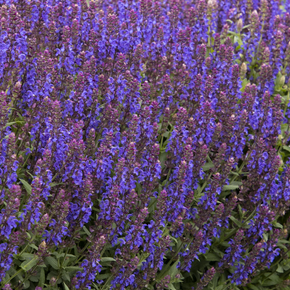
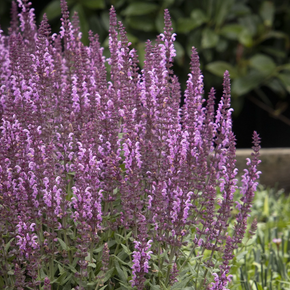
- Intense deep purple flower spikes with rich burgundy calyces and dark burgundy stems bloom from late spring and rebloom persistently through summer, delivering bold, long-lasting color in the garden.
- A magnet for butterflies, hummingbirds, and bees, Dark Matter Meadow Sage is a top-performing pollinator perennial that is also strongly resistant to deer and rabbits.
- Exceptionally hardy across USDA Zones 4-9, this compact, well-branched herbaceous perennial offers outstanding cold and heat tolerance combined with very low maintenance requirements.
- Versatile and garden-ready, Dark Matter thrives in sunny borders, mass plantings, rock gardens, cottage gardens, and containers, and its flower spikes make excellent fresh or dried cut arrangements.
Salvia Dark Matter Meadow Sage (Salvia nemorosa 'Dark Matter') is a standout herbaceous perennial that earns its dramatic name with breathtaking spikes of deep purple-blue flowers rising above compact mounds of aromatic grey-green foliage on striking dark burgundy stems. Bred for exceptional uniformity and strong radial branching, Dark Matter begins blooming in late spring — earlier than many of its counterparts — and reblooms reliably throughout summer when spent flower spikes are removed, delivering uninterrupted garden color for months. The tubular flowers open from deep burgundy-purple buds, creating a mesmerizing two-tone effect that adds depth and richness to any planting scheme. A vigorous grower with a naturally tidy, upright mounding habit, this perennial is equally at home as a bold focal point in a mixed perennial border, as a mass-planted groundcover of sweeping purple color, or as a striking thriller or filler in large patio containers. Extraordinarily hardy across USDA Zones 4 through 9, Dark Matter Meadow Sage is drought-tolerant once established, resistant to deer and rabbits, and performs beautifully in the warm, sun-drenched conditions of Southern Oregon and Northern California summers, making it one of the most reliable and rewarding perennials available for western gardeners.
Plant Description
Dark Matter Meadow Sage is a compact, upright-mounding herbaceous perennial belonging to the mint family (Lamiaceae). It produces dense, well-branched flower spikes packed with small, tubular deep purple-blue flowers that open from rich burgundy-purple buds, creating a stunning two-toned floral display. The calyces remain a deep burgundy even as individual flowers fade, extending the ornamental interest of each spike well beyond peak bloom. The foliage is narrow, slightly textured, and aromatic — a characteristic grey-green common to the Salvia nemorosa species — and the stems themselves carry a distinctive dark burgundy pigmentation that makes the plant attractive even when viewed up close. Dark Matter is a patented cultivar (U.S. Plant Patent PP34,731) developed by Danziger, selected specifically for its uniform habit, exceptionally early bloom time, strong branching structure, and superior rebloom performance compared to older meadow sage varieties.
Mature Size
| Attribute | Measurement |
|---|---|
| Foliage Height at Maturity | 12-16 inches |
| Height in Bloom | 16-20 inches |
| Spread at Maturity | 18-24 inches |
| Growth Rate | Moderate to fast |
| Growth Habit | Upright, mounding, bushy |
| Recommended Spacing (mass planting) | 18 inches on center |
| Recommended Spacing (specimen) | 24-36 inches apart |
Hardiness Zones
Dark Matter Meadow Sage is a reliably hardy perennial suited to a wide range of climates. It is rated for USDA Plant Hardiness Zones 4a through 9b, tolerating winter lows down to approximately -30 degrees Fahrenheit and performing well through the hot summers typical of Zones 8 and 9. This makes it an excellent choice for the diverse climate range experienced across Southern Oregon and Northern California, from cooler inland valleys and higher elevations to warmer, lower-elevation sites. In the hottest zones, positioning the plant where it receives some relief from harsh afternoon sun can help sustain bloom quality through the peak of summer heat.
Sunlight Requirements
Dark Matter Meadow Sage performs best in full sun, requiring a minimum of 6 hours of direct sunlight per day. Maximum sun exposure produces the densest flower spikes, the most vigorous branching, and the most prolific rebloom. While the plant can tolerate mostly sunny or lightly shaded conditions (4-6 hours of direct sun), reduced light typically results in looser, less upright growth, fewer flower spikes, and a greater risk of flopping. In very hot inland locations in Zones 8 and 9, light afternoon shade can help moderate heat stress without significantly reducing flowering performance. Always avoid planting in deep or prolonged shade, as this severely diminishes bloom and overall plant vigor.
Soil and pH Preferences
Dark Matter Meadow Sage is adaptable to a variety of soil types but performs best in well-drained soils. It tolerates loam, sandy loam, silty, and even clay soils provided drainage is adequate — clay soils should be amended with compost or other organic matter to improve drainage and soil structure before planting. Consistently waterlogged or poorly drained soils, especially in winter, can lead to root rot and should be avoided. The preferred soil pH range is 6.0 to 7.5 (moderately acidic to slightly alkaline). Dark Matter is notably adaptable and not overly demanding about soil fertility; in fact, overly rich or highly amended soils can encourage lush, floppy foliage at the expense of flowering. A moderately lean, well-drained soil is ideal for the most floriferous and compact plants.
Watering Guide
During the first growing season after planting, water Dark Matter Meadow Sage regularly — approximately once per week or whenever the top inch of soil feels dry — to help the root system establish. Once fully established, this perennial develops excellent drought tolerance and requires only occasional deep watering during prolonged hot, dry periods. Overwatering is a more common problem than underwatering; the plant does not tolerate constantly wet or soggy soils and is particularly sensitive to excess moisture around the crown during winter. In container plantings, monitor soil moisture more frequently as pots dry out faster than ground beds, and always ensure containers have adequate drainage holes. A general rule of thumb: water deeply and infrequently rather than lightly and often, encouraging roots to grow deep into the soil profile.
Fertilizing
Dark Matter Meadow Sage is a naturally light feeder that does not require heavy fertilization. Over-fertilizing, particularly with nitrogen-rich products, promotes excessive leafy growth at the expense of flowers and can cause plants to become floppy. Follow these simple guidelines for best results:
- Apply a balanced, slow-release granular fertilizer (such as a 10-10-10 or 15-15-15 formulation) in early spring as new growth emerges from the crown.
- A second, lighter application of a balanced fertilizer in early summer can help support and extend rebloom.
- Avoid high-nitrogen fertilizers, which push green growth over flower production.
- In well-amended soils, a single spring application of compost worked into the soil surface may be all that is needed.
- Container-grown plants benefit from a diluted balanced liquid fertilizer applied every 4-6 weeks through the blooming season, as nutrients leach out more quickly from pots.
Pruning and Maintenance
Dark Matter Meadow Sage is a low-maintenance perennial, but a little timely pruning goes a long way toward maximizing its blooming potential and keeping plants looking tidy and attractive all season long.
- Deadheading for rebloom: After the first main flush of flowers fades and flower spikes begin to brown, cut the stems back by approximately one-third of the plant's total height. New flowering shoots will emerge within a few weeks, triggering a fresh flush of blooms. Repeat this process throughout the growing season for continuous color.
- Mid-season cutback: If plants begin to look tired or overly open by midsummer, a harder cutback to basal growth will rejuvenate the plant and encourage a strong late-summer flush of new flowers and fresh foliage.
- Fall and winter: In most climates, it is best to leave the plant's stems and foliage in place through winter, as they provide some insulation to the crown and valuable habitat and seed food for birds. Cut old stems back to near ground level in late winter or early spring before new growth emerges.
- Division: Divide mature clumps every 3-5 years in early spring to rejuvenate vigor and manage spread. Each divided section should include a healthy portion of roots and crown.
Planting Instructions
- Select a planting site that receives at least 6 hours of full sun daily and has well-drained soil. Avoid low spots where water may pool.
- Prepare the planting bed by loosening the soil to a depth of 12 inches. Incorporate 2-3 inches of compost or organic matter to improve soil structure, especially in clay or sandy soils.
- Dig a planting hole slightly wider than and equal in depth to the root ball. The top of the root ball should sit level with or very slightly above the surrounding soil surface to promote drainage away from the crown.
- Remove the plant from its container and gently loosen any circling roots at the base of the root ball.
- Place the plant in the hole, backfill with native soil, and firm the soil gently around the roots to eliminate air pockets.
- Water thoroughly immediately after planting to settle the soil around the roots.
- Apply a 2-inch layer of organic mulch (such as shredded bark or compost) around the plant, keeping mulch a couple of inches away from the crown to prevent rot and promote good air circulation.
- For mass plantings, space plants 18 inches apart on center. Water regularly for the first 4-6 weeks until new growth confirms establishment.
Seasonal Interest
Dark Matter Meadow Sage delivers extended ornamental interest across multiple seasons, making it a high-value addition to any garden:
- Spring: Fresh grey-green foliage emerges from the crown in early spring, forming a neat, compact mound. Flower buds in deep burgundy-purple begin to develop earlier than most meadow sage varieties, with blooms typically opening by mid to late spring.
- Early to Midsummer: The primary bloom flush reaches its peak, with tall, densely packed spikes of deep purple-blue flowers on dark burgundy stems covering the plant. This is the most dramatic period of display and peak time for hummingbird and butterfly activity.
- Late Summer: With deadheading, Dark Matter continues to produce successive flushes of bloom through summer, maintaining color in the garden when many other perennials have finished flowering.
- Fall: As temperatures cool, the aromatic foliage remains attractive. Persistent calyces on spent spikes retain burgundy coloration, adding subtle interest.
- Winter: The plant dies back to the crown as a true herbaceous perennial. Dried stems can be left for winter structure and wildlife value before being cut back in late winter.
Landscape Uses
Dark Matter Meadow Sage is a versatile perennial with a wide range of practical and aesthetic applications in the landscape:
- Perennial borders: Excellent as a mid-border plant providing strong vertical flower spikes and a bold splash of purple-blue color from late spring through summer.
- Mass plantings: Particularly impressive when planted in sweeping drifts or large groupings, creating dramatic waves of deep purple that are especially effective from a distance.
- Pollinator and wildlife gardens: A premier choice for dedicated pollinator gardens, attracting bees, butterflies, and hummingbirds reliably throughout the blooming season.
- Cottage and informal gardens: Its soft, naturalistic flower spikes blend beautifully into romantic cottage-style plantings alongside roses, delphiniums, and lavender.
- Rock gardens and dry borders: Once established, Dark Matter's drought tolerance makes it well suited to rock garden settings or water-wise xeriscape landscapes.
- Container gardens: An excellent filler plant in large patio pots and planters; pairs dramatically with yellow, white, or orange-flowered companions for a striking color contrast.
- Cut flower gardens: Spikes can be cut fresh for striking floral arrangements or dried for long-lasting dried arrangements.
- Edging and pathway planting: The compact, well-behaved habit makes it suitable as a bold edging plant along garden paths, driveways, or the front of mixed borders.
Companion Plants
The deep purple-blue tones and upright spike form of Dark Matter Meadow Sage pair beautifully with a wide range of perennials, ornamental grasses, and shrubs. Some of the best companions include:
- English Lavender (Lavandula angustifolia): A classic pairing of similar color tones and complementary textures; both share a love of full sun and well-drained soil.
- Coneflower (Echinacea purpurea): The bold, daisy-like blooms of coneflowers provide a rounded form that beautifully contrasts with the vertical spikes of Dark Matter.
- Catmint (Nepeta spp.): Soft, billowy catmint echoes the purple-blue color scheme while providing a contrasting, mounding habit that spills forward in the border.
- Yarrow (Achillea millefolium): Flat-topped clusters in golden yellow or soft pastel tones provide striking color contrast and thrive in the same sunny, well-drained conditions.
- Russian Sage (Perovskia atriplicifolia): The airy, silver-blue wands of Russian sage complement Dark Matter's denser purple spikes and together they create a dramatic late-summer display.
- Agastache (Hyssop): Upright, nectar-rich spikes in orange, pink, or purple tones pair well both visually and ecologically, drawing the same pollinators to the garden.
- Ornamental Grasses: Fine-textured grasses such as Blue Oat Grass (Helictotrichon sempervirens) or Karl Foerster Feather Reed Grass provide movement and contrast in texture and form.
- Roses: The intense purple-blue of Dark Matter is a timeless complement to pink, cream, or white shrub roses, especially in cottage-garden-style plantings.
Pests and Diseases
Dark Matter Meadow Sage is notably resistant to most common garden pests and diseases, especially when grown in its preferred conditions of full sun with well-drained soil and good air circulation. However, the following issues can occasionally arise:
- Aphids: Small, soft-bodied insects may cluster on new growth and flower stems. Control with a strong spray of water, insecticidal soap, or neem oil. Ladybugs and lacewings are natural predators that help keep populations in check.
- Spider Mites: More common in hot, dry conditions. Signs include fine webbing and stippled, discolored foliage. Treat with neem oil or a miticide, and improve air circulation.
- Whiteflies and Scale: Occasional in warm climates. Treat with horticultural oil or insecticidal soap.
- Slugs and Snails: In moist conditions or cool, shaded spots, slugs may feed on young foliage. Use organic slug baits or diatomaceous earth around plants as a deterrent.
- Powdery Mildew: A white powdery coating on leaves can develop in humid conditions or when plants are crowded with poor air circulation. Improve spacing and air flow; treat with a labeled fungicide or a dilute baking soda solution if needed.
- Root Rot: Caused by overwatering or poorly drained soil. Prevent by ensuring excellent drainage and avoiding excessive irrigation.
- Gray Mold (Botrytis): Can affect stems and foliage in cool, wet conditions. Remove affected plant parts promptly and avoid overhead watering.
Dark Matter is strongly resistant to deer and rabbit browsing due to its aromatic foliage, making it an excellent choice for gardens in areas with high wildlife pressure.
Container Growing
Dark Matter Meadow Sage is an excellent choice for container gardening, offering bold color and long bloom time on patios, decks, and entryways. Follow these tips for success in pots:
- Choose a container at least 12 inches in diameter with adequate drainage holes. Larger containers of 14-18 inches allow the plant to reach its full spread and provide more stable moisture levels.
- Use a high-quality, well-draining potting mix. Avoid heavy garden soils in containers, as they compact and restrict drainage.
- Position containers in a full-sun location for the best flowering performance.
- Container plants require more frequent watering than in-ground plantings — check soil moisture every 1-2 days in hot weather and water when the top inch of soil is dry.
- Feed container-grown plants with a diluted balanced liquid fertilizer every 4-6 weeks through the growing season to replace nutrients lost through regular watering.
- Deadhead spent flower spikes regularly to keep plants tidy and encourage continuous reblooming.
- In regions that experience hard freezes in winter, move containers to a protected, frost-free location or insulate the pot with burlap or bubble wrap to protect roots through the coldest months.
- Dark Matter makes an exceptional "filler" plant in mixed patio container combinations, pairing beautifully with yellow Lantana, white Calibrachoa, orange Gaillardia, or silver-leaved Dusty Miller as contrasting companions.
Wildlife Value
Dark Matter Meadow Sage is a premier wildlife garden plant, earning high marks for its ecological contributions throughout the blooming season:
- Hummingbirds: The tubular, nectar-rich flowers are perfectly shaped for hummingbird feeding. The bold purple color is highly attractive to these birds, and a mass planting of Dark Matter near a patio or window can provide stunning opportunities to watch hummingbirds feed up close.
- Butterflies: A wide variety of butterfly species, including swallowtails, painted ladies, and skippers, are drawn to the nectar-rich blooms. Dark Matter is a particularly valuable butterfly plant because it blooms heavily from late spring through summer — a critical feeding season.
- Bees: Both honeybees and native bumblebees, mason bees, and other native bee species are prolific visitors to the flowers, making Dark Matter an important plant for supporting local pollinator populations and the overall health of the garden ecosystem.
- Deer and Rabbit Resistance: The aromatic foliage of Salvia nemorosa is strongly unappealing to deer and rabbits, making Dark Matter a reliable choice in landscapes where browsing pressure is a persistent problem.
- Birds: While the plant does not produce berries, leaving dried seed heads and stems standing through autumn and winter can provide cover and foraging habitat for small songbirds.
- Intense deep purple flower spikes with rich burgundy calyces and dark burgundy stems bloom from late spring and rebloom persistently through summer, delivering bold, long-lasting color in the garden.
- A magnet for butterflies, hummingbirds, and bees, Dark Matter Meadow Sage is a top-performing pollinator perennial that is also strongly resistant to deer and rabbits.
- Exceptionally hardy across USDA Zones 4-9, this compact, well-branched herbaceous perennial offers outstanding cold and heat tolerance combined with very low maintenance requirements.
- Versatile and garden-ready, Dark Matter thrives in sunny borders, mass plantings, rock gardens, cottage gardens, and containers, and its flower spikes make excellent fresh or dried cut arrangements.
Salvia Dark Matter Meadow Sage (Salvia nemorosa 'Dark Matter') is a standout herbaceous perennial that earns its dramatic name with breathtaking spikes of deep purple-blue flowers rising above compact mounds of aromatic grey-green foliage on striking dark burgundy stems. Bred for exceptional uniformity and strong radial branching, Dark Matter begins blooming in late spring — earlier than many of its counterparts — and reblooms reliably throughout summer when spent flower spikes are removed, delivering uninterrupted garden color for months. The tubular flowers open from deep burgundy-purple buds, creating a mesmerizing two-tone effect that adds depth and richness to any planting scheme. A vigorous grower with a naturally tidy, upright mounding habit, this perennial is equally at home as a bold focal point in a mixed perennial border, as a mass-planted groundcover of sweeping purple color, or as a striking thriller or filler in large patio containers. Extraordinarily hardy across USDA Zones 4 through 9, Dark Matter Meadow Sage is drought-tolerant once established, resistant to deer and rabbits, and performs beautifully in the warm, sun-drenched conditions of Southern Oregon and Northern California summers, making it one of the most reliable and rewarding perennials available for western gardeners.
Plant Description
Dark Matter Meadow Sage is a compact, upright-mounding herbaceous perennial belonging to the mint family (Lamiaceae). It produces dense, well-branched flower spikes packed with small, tubular deep purple-blue flowers that open from rich burgundy-purple buds, creating a stunning two-toned floral display. The calyces remain a deep burgundy even as individual flowers fade, extending the ornamental interest of each spike well beyond peak bloom. The foliage is narrow, slightly textured, and aromatic — a characteristic grey-green common to the Salvia nemorosa species — and the stems themselves carry a distinctive dark burgundy pigmentation that makes the plant attractive even when viewed up close. Dark Matter is a patented cultivar (U.S. Plant Patent PP34,731) developed by Danziger, selected specifically for its uniform habit, exceptionally early bloom time, strong branching structure, and superior rebloom performance compared to older meadow sage varieties.
Mature Size
| Attribute | Measurement |
|---|---|
| Foliage Height at Maturity | 12-16 inches |
| Height in Bloom | 16-20 inches |
| Spread at Maturity | 18-24 inches |
| Growth Rate | Moderate to fast |
| Growth Habit | Upright, mounding, bushy |
| Recommended Spacing (mass planting) | 18 inches on center |
| Recommended Spacing (specimen) | 24-36 inches apart |
Hardiness Zones
Dark Matter Meadow Sage is a reliably hardy perennial suited to a wide range of climates. It is rated for USDA Plant Hardiness Zones 4a through 9b, tolerating winter lows down to approximately -30 degrees Fahrenheit and performing well through the hot summers typical of Zones 8 and 9. This makes it an excellent choice for the diverse climate range experienced across Southern Oregon and Northern California, from cooler inland valleys and higher elevations to warmer, lower-elevation sites. In the hottest zones, positioning the plant where it receives some relief from harsh afternoon sun can help sustain bloom quality through the peak of summer heat.
Sunlight Requirements
Dark Matter Meadow Sage performs best in full sun, requiring a minimum of 6 hours of direct sunlight per day. Maximum sun exposure produces the densest flower spikes, the most vigorous branching, and the most prolific rebloom. While the plant can tolerate mostly sunny or lightly shaded conditions (4-6 hours of direct sun), reduced light typically results in looser, less upright growth, fewer flower spikes, and a greater risk of flopping. In very hot inland locations in Zones 8 and 9, light afternoon shade can help moderate heat stress without significantly reducing flowering performance. Always avoid planting in deep or prolonged shade, as this severely diminishes bloom and overall plant vigor.
Soil and pH Preferences
Dark Matter Meadow Sage is adaptable to a variety of soil types but performs best in well-drained soils. It tolerates loam, sandy loam, silty, and even clay soils provided drainage is adequate — clay soils should be amended with compost or other organic matter to improve drainage and soil structure before planting. Consistently waterlogged or poorly drained soils, especially in winter, can lead to root rot and should be avoided. The preferred soil pH range is 6.0 to 7.5 (moderately acidic to slightly alkaline). Dark Matter is notably adaptable and not overly demanding about soil fertility; in fact, overly rich or highly amended soils can encourage lush, floppy foliage at the expense of flowering. A moderately lean, well-drained soil is ideal for the most floriferous and compact plants.
Watering Guide
During the first growing season after planting, water Dark Matter Meadow Sage regularly — approximately once per week or whenever the top inch of soil feels dry — to help the root system establish. Once fully established, this perennial develops excellent drought tolerance and requires only occasional deep watering during prolonged hot, dry periods. Overwatering is a more common problem than underwatering; the plant does not tolerate constantly wet or soggy soils and is particularly sensitive to excess moisture around the crown during winter. In container plantings, monitor soil moisture more frequently as pots dry out faster than ground beds, and always ensure containers have adequate drainage holes. A general rule of thumb: water deeply and infrequently rather than lightly and often, encouraging roots to grow deep into the soil profile.
Fertilizing
Dark Matter Meadow Sage is a naturally light feeder that does not require heavy fertilization. Over-fertilizing, particularly with nitrogen-rich products, promotes excessive leafy growth at the expense of flowers and can cause plants to become floppy. Follow these simple guidelines for best results:
- Apply a balanced, slow-release granular fertilizer (such as a 10-10-10 or 15-15-15 formulation) in early spring as new growth emerges from the crown.
- A second, lighter application of a balanced fertilizer in early summer can help support and extend rebloom.
- Avoid high-nitrogen fertilizers, which push green growth over flower production.
- In well-amended soils, a single spring application of compost worked into the soil surface may be all that is needed.
- Container-grown plants benefit from a diluted balanced liquid fertilizer applied every 4-6 weeks through the blooming season, as nutrients leach out more quickly from pots.
Pruning and Maintenance
Dark Matter Meadow Sage is a low-maintenance perennial, but a little timely pruning goes a long way toward maximizing its blooming potential and keeping plants looking tidy and attractive all season long.
- Deadheading for rebloom: After the first main flush of flowers fades and flower spikes begin to brown, cut the stems back by approximately one-third of the plant's total height. New flowering shoots will emerge within a few weeks, triggering a fresh flush of blooms. Repeat this process throughout the growing season for continuous color.
- Mid-season cutback: If plants begin to look tired or overly open by midsummer, a harder cutback to basal growth will rejuvenate the plant and encourage a strong late-summer flush of new flowers and fresh foliage.
- Fall and winter: In most climates, it is best to leave the plant's stems and foliage in place through winter, as they provide some insulation to the crown and valuable habitat and seed food for birds. Cut old stems back to near ground level in late winter or early spring before new growth emerges.
- Division: Divide mature clumps every 3-5 years in early spring to rejuvenate vigor and manage spread. Each divided section should include a healthy portion of roots and crown.
Planting Instructions
- Select a planting site that receives at least 6 hours of full sun daily and has well-drained soil. Avoid low spots where water may pool.
- Prepare the planting bed by loosening the soil to a depth of 12 inches. Incorporate 2-3 inches of compost or organic matter to improve soil structure, especially in clay or sandy soils.
- Dig a planting hole slightly wider than and equal in depth to the root ball. The top of the root ball should sit level with or very slightly above the surrounding soil surface to promote drainage away from the crown.
- Remove the plant from its container and gently loosen any circling roots at the base of the root ball.
- Place the plant in the hole, backfill with native soil, and firm the soil gently around the roots to eliminate air pockets.
- Water thoroughly immediately after planting to settle the soil around the roots.
- Apply a 2-inch layer of organic mulch (such as shredded bark or compost) around the plant, keeping mulch a couple of inches away from the crown to prevent rot and promote good air circulation.
- For mass plantings, space plants 18 inches apart on center. Water regularly for the first 4-6 weeks until new growth confirms establishment.
Seasonal Interest
Dark Matter Meadow Sage delivers extended ornamental interest across multiple seasons, making it a high-value addition to any garden:
- Spring: Fresh grey-green foliage emerges from the crown in early spring, forming a neat, compact mound. Flower buds in deep burgundy-purple begin to develop earlier than most meadow sage varieties, with blooms typically opening by mid to late spring.
- Early to Midsummer: The primary bloom flush reaches its peak, with tall, densely packed spikes of deep purple-blue flowers on dark burgundy stems covering the plant. This is the most dramatic period of display and peak time for hummingbird and butterfly activity.
- Late Summer: With deadheading, Dark Matter continues to produce successive flushes of bloom through summer, maintaining color in the garden when many other perennials have finished flowering.
- Fall: As temperatures cool, the aromatic foliage remains attractive. Persistent calyces on spent spikes retain burgundy coloration, adding subtle interest.
- Winter: The plant dies back to the crown as a true herbaceous perennial. Dried stems can be left for winter structure and wildlife value before being cut back in late winter.
Landscape Uses
Dark Matter Meadow Sage is a versatile perennial with a wide range of practical and aesthetic applications in the landscape:
- Perennial borders: Excellent as a mid-border plant providing strong vertical flower spikes and a bold splash of purple-blue color from late spring through summer.
- Mass plantings: Particularly impressive when planted in sweeping drifts or large groupings, creating dramatic waves of deep purple that are especially effective from a distance.
- Pollinator and wildlife gardens: A premier choice for dedicated pollinator gardens, attracting bees, butterflies, and hummingbirds reliably throughout the blooming season.
- Cottage and informal gardens: Its soft, naturalistic flower spikes blend beautifully into romantic cottage-style plantings alongside roses, delphiniums, and lavender.
- Rock gardens and dry borders: Once established, Dark Matter's drought tolerance makes it well suited to rock garden settings or water-wise xeriscape landscapes.
- Container gardens: An excellent filler plant in large patio pots and planters; pairs dramatically with yellow, white, or orange-flowered companions for a striking color contrast.
- Cut flower gardens: Spikes can be cut fresh for striking floral arrangements or dried for long-lasting dried arrangements.
- Edging and pathway planting: The compact, well-behaved habit makes it suitable as a bold edging plant along garden paths, driveways, or the front of mixed borders.
Companion Plants
The deep purple-blue tones and upright spike form of Dark Matter Meadow Sage pair beautifully with a wide range of perennials, ornamental grasses, and shrubs. Some of the best companions include:
- English Lavender (Lavandula angustifolia): A classic pairing of similar color tones and complementary textures; both share a love of full sun and well-drained soil.
- Coneflower (Echinacea purpurea): The bold, daisy-like blooms of coneflowers provide a rounded form that beautifully contrasts with the vertical spikes of Dark Matter.
- Catmint (Nepeta spp.): Soft, billowy catmint echoes the purple-blue color scheme while providing a contrasting, mounding habit that spills forward in the border.
- Yarrow (Achillea millefolium): Flat-topped clusters in golden yellow or soft pastel tones provide striking color contrast and thrive in the same sunny, well-drained conditions.
- Russian Sage (Perovskia atriplicifolia): The airy, silver-blue wands of Russian sage complement Dark Matter's denser purple spikes and together they create a dramatic late-summer display.
- Agastache (Hyssop): Upright, nectar-rich spikes in orange, pink, or purple tones pair well both visually and ecologically, drawing the same pollinators to the garden.
- Ornamental Grasses: Fine-textured grasses such as Blue Oat Grass (Helictotrichon sempervirens) or Karl Foerster Feather Reed Grass provide movement and contrast in texture and form.
- Roses: The intense purple-blue of Dark Matter is a timeless complement to pink, cream, or white shrub roses, especially in cottage-garden-style plantings.
Pests and Diseases
Dark Matter Meadow Sage is notably resistant to most common garden pests and diseases, especially when grown in its preferred conditions of full sun with well-drained soil and good air circulation. However, the following issues can occasionally arise:
- Aphids: Small, soft-bodied insects may cluster on new growth and flower stems. Control with a strong spray of water, insecticidal soap, or neem oil. Ladybugs and lacewings are natural predators that help keep populations in check.
- Spider Mites: More common in hot, dry conditions. Signs include fine webbing and stippled, discolored foliage. Treat with neem oil or a miticide, and improve air circulation.
- Whiteflies and Scale: Occasional in warm climates. Treat with horticultural oil or insecticidal soap.
- Slugs and Snails: In moist conditions or cool, shaded spots, slugs may feed on young foliage. Use organic slug baits or diatomaceous earth around plants as a deterrent.
- Powdery Mildew: A white powdery coating on leaves can develop in humid conditions or when plants are crowded with poor air circulation. Improve spacing and air flow; treat with a labeled fungicide or a dilute baking soda solution if needed.
- Root Rot: Caused by overwatering or poorly drained soil. Prevent by ensuring excellent drainage and avoiding excessive irrigation.
- Gray Mold (Botrytis): Can affect stems and foliage in cool, wet conditions. Remove affected plant parts promptly and avoid overhead watering.
Dark Matter is strongly resistant to deer and rabbit browsing due to its aromatic foliage, making it an excellent choice for gardens in areas with high wildlife pressure.
Container Growing
Dark Matter Meadow Sage is an excellent choice for container gardening, offering bold color and long bloom time on patios, decks, and entryways. Follow these tips for success in pots:
- Choose a container at least 12 inches in diameter with adequate drainage holes. Larger containers of 14-18 inches allow the plant to reach its full spread and provide more stable moisture levels.
- Use a high-quality, well-draining potting mix. Avoid heavy garden soils in containers, as they compact and restrict drainage.
- Position containers in a full-sun location for the best flowering performance.
- Container plants require more frequent watering than in-ground plantings — check soil moisture every 1-2 days in hot weather and water when the top inch of soil is dry.
- Feed container-grown plants with a diluted balanced liquid fertilizer every 4-6 weeks through the growing season to replace nutrients lost through regular watering.
- Deadhead spent flower spikes regularly to keep plants tidy and encourage continuous reblooming.
- In regions that experience hard freezes in winter, move containers to a protected, frost-free location or insulate the pot with burlap or bubble wrap to protect roots through the coldest months.
- Dark Matter makes an exceptional "filler" plant in mixed patio container combinations, pairing beautifully with yellow Lantana, white Calibrachoa, orange Gaillardia, or silver-leaved Dusty Miller as contrasting companions.
Wildlife Value
Dark Matter Meadow Sage is a premier wildlife garden plant, earning high marks for its ecological contributions throughout the blooming season:
- Hummingbirds: The tubular, nectar-rich flowers are perfectly shaped for hummingbird feeding. The bold purple color is highly attractive to these birds, and a mass planting of Dark Matter near a patio or window can provide stunning opportunities to watch hummingbirds feed up close.
- Butterflies: A wide variety of butterfly species, including swallowtails, painted ladies, and skippers, are drawn to the nectar-rich blooms. Dark Matter is a particularly valuable butterfly plant because it blooms heavily from late spring through summer — a critical feeding season.
- Bees: Both honeybees and native bumblebees, mason bees, and other native bee species are prolific visitors to the flowers, making Dark Matter an important plant for supporting local pollinator populations and the overall health of the garden ecosystem.
- Deer and Rabbit Resistance: The aromatic foliage of Salvia nemorosa is strongly unappealing to deer and rabbits, making Dark Matter a reliable choice in landscapes where browsing pressure is a persistent problem.
- Birds: While the plant does not produce berries, leaving dried seed heads and stems standing through autumn and winter can provide cover and foraging habitat for small songbirds.
Related Products