Zoom the image with the mouse
Apex Blue Meadow Sage - 3 Gallon
SKU:
2018350
UPC:
014949005545
$24.99
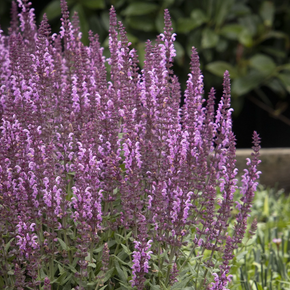
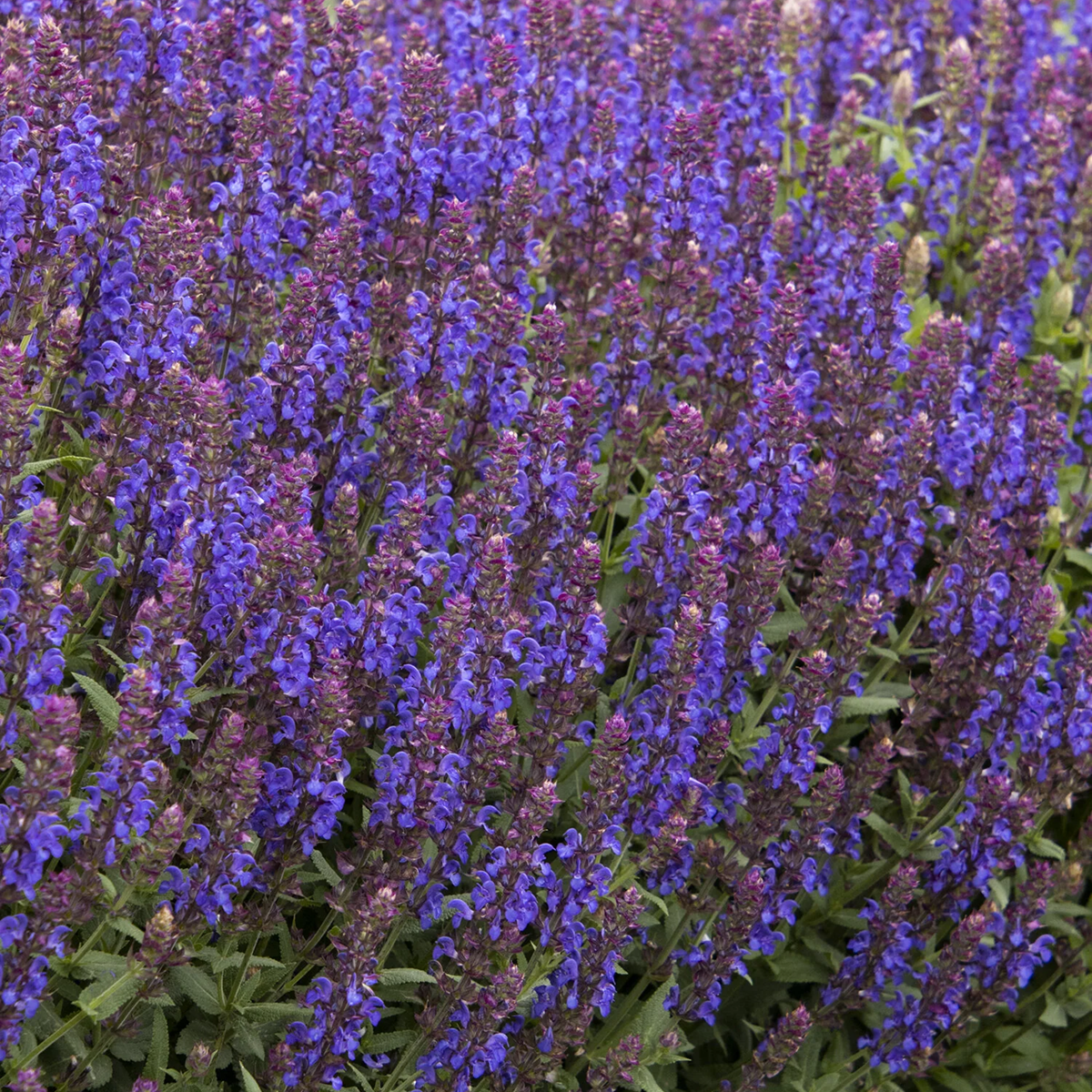
- Intensely colored blue-violet flower spikes with deep burgundy calyces bloom from mid-spring through mid-fall, offering one of the longest seasons of any perennial salvia
- Exceptionally compact and tidy mounding habit with dense, aromatic gray-green foliage that stays attractive all season long
- A reliable pollinator magnet that draws bees, butterflies, and hummingbirds while naturally resisting deer and rabbits thanks to its fragrant foliage
- Low-maintenance and drought-tolerant once established, thriving in sunny borders, rock gardens, mass plantings, and patio containers alike
Apex Blue Meadow Sage (Salvia nemorosa 'Apex Blue') is a standout compact herbaceous perennial from the Apex Series that delivers bold, long-lasting color to sunny gardens across USDA Zones 4-9. Rising above a dense, shrub-like mound of fragrant, narrow gray-green foliage, tall flower spikes showcase vivid blue blooms with violet overtones and eye-catching burgundy calyces from mid-spring all the way through mid-fall - an impressively extended season made even longer with simple deadheading. Unlike many perennial salvias, Apex Blue maintains a particularly tidy, well-branched habit that keeps the garden looking polished from the moment it breaks dormancy in spring. Its drought tolerance once established, adaptability to a wide range of well-drained soils, and strong resistance to deer, rabbits, and most common pests make it a worry-free performer suited perfectly to the sunny gardens, borders, and open landscapes of Southern Oregon and Northern California. Whether used in sweeping mass plantings for a sea of blue-violet color, tucked along pathway edges, paired with complementary perennials in a pollinator garden, or showcased in an outdoor container, Apex Blue Meadow Sage consistently earns its place as one of the most versatile and reliable perennials available to home gardeners today.
Plant Description
Apex Blue Meadow Sage is a named cultivar of Salvia nemorosa, commonly known as Meadow Sage or Woodland Sage, and belongs to the mint family (Lamiaceae). It is part of the Apex Series bred by Danziger, selected specifically for its exceptionally compact, bushy, upright-mounding habit and extraordinary abundance of flower spikes. The foliage forms a dense, shrub-like clump of small, fragrant, narrow leaves in a soft gray-green hue that remains attractive throughout the entire growing season. Flower spikes emerge well above the foliage clump, displaying densely packed, tubular, two-lipped blooms in a rich blue with distinct violet overtones, set against deep burgundy-purple calyces that maintain their color even after the petals drop, extending the visual interest of each spike. This is a true herbaceous perennial, meaning it dies back to its crown in winter and reliably regrows each spring.
Mature Size
| Measurement | Dimension |
|---|---|
| Foliage Height | Approximately 6 inches tall at maturity |
| Total Height (in flower) | 12 to 18 inches tall |
| Spread | 14 to 18 inches wide |
| Recommended Spacing | 12 to 18 inches apart |
| Growth Rate | Medium |
| Habit | Upright, mounding, clump-forming |
Hardiness and Climate
Apex Blue Meadow Sage is hardy in USDA Zones 4a through 9, making it exceptionally well-suited to the variable climates of Southern Oregon and Northern California. It tolerates cold winters down to Zone 4a (-30 degrees F) and handles the dry, warm summers typical of inland valleys with ease once established. It thrives in temperate climates and performs reliably in both coastal and inland garden settings. In the hottest inland microclimates, afternoon shade during peak summer heat can help maintain vigor and prolonged bloom. The plant's AHS Heat Zone tolerance extends to Zone 9, confirming its broad adaptability across a wide range of temperature extremes. It is also noted to tolerate urban pollution and salt spray, making it versatile across varied site conditions.
Sunlight Requirements
Apex Blue Meadow Sage performs best and blooms most prolifically in full sun, requiring a minimum of 6 hours of direct sunlight per day. Full sun exposure is strongly recommended to achieve the densest flower production and most compact growth habit. While the plant can tolerate partial shade, reduced light typically results in fewer flower spikes, a looser growth habit, and increased susceptibility to fungal issues such as powdery mildew. In Southern Oregon and Northern California gardens, a full-sun location in a south- or west-facing bed is ideal. Avoid dense shade and low-light areas where air circulation may also be restricted.
Soil and pH Preferences
One of the most adaptable aspects of Apex Blue Meadow Sage is its flexibility with soil types. It performs well in a wide range of soils, including sandy, gravelly, loamy, and chalky soils, as long as drainage is adequate. Root rot is the primary risk, so consistently wet or waterlogged conditions should be avoided. For optimal results, aim for the following:
- Soil type: Sandy, loamy, or gravelly soils with good drainage; tolerates poor soils once established
- Soil pH: Adaptable to a range from slightly acidic (6.0) to neutral to mildly alkaline; most references suggest a range of 6.0 to 7.5 is suitable
- Organic matter: Incorporating compost into the planting area improves drainage in clay soils and moisture retention in sandy soils
- Drainage: Well-drained to moist but well-drained; avoid standing water around the crown
No need to amend heavily - this plant appreciates lean to average soil conditions and often performs less vigorously when over-fertilized.
Watering Guide
During the first growing season after planting, consistent watering is important to help Apex Blue Meadow Sage develop a strong, deep root system. Water deeply about once per week, or whenever the top inch of soil feels dry to the touch. Once fully established - typically after one full growing season - this plant is considered drought-tolerant and requires only supplemental watering during extended dry spells. In the Mediterranean-like summers of Southern Oregon and Northern California, occasional deep watering every 10 to 14 days during summer is generally sufficient for established plants. Avoid frequent shallow watering, which encourages shallow roots. Do not overwater; soggy conditions around the crown or roots can lead to root rot and crown rot. Drip irrigation or soaker hoses at the base of the plant are preferred over overhead watering, which can promote fungal issues on the foliage.
Fertilizing
Apex Blue Meadow Sage is a light feeder and thrives in average to lean soil conditions. Heavy fertilization, especially with nitrogen-rich products, can encourage excessive leafy growth at the expense of flower production and may cause the plant to become floppy. For best results, follow this simple fertilizing approach:
- Apply a balanced, slow-release granular fertilizer (such as a 10-10-10 or 15-15-15 formulation) once in early spring as new growth emerges from the crown
- A second light application in early summer can encourage continued blooming through the season
- Once established and growing in healthy soil, additional fertilizing is generally not necessary
- Top-dressing with a thin layer of compost in spring serves double duty as both a mild nutrient source and a soil conditioner
- Avoid high-nitrogen fertilizers, which promote lush foliage at the expense of blooms and can weaken the plant's natural compact habit
Pruning and Maintenance
Apex Blue Meadow Sage is low-maintenance by nature but responds beautifully to a few simple pruning practices that dramatically extend its season of interest:
- Deadheading: After the first flush of flowers fades, cut spent flower spikes back by about one-third to encourage rapid reblooming. This can be repeated multiple times throughout the growing season for continuous color from mid-spring through mid-fall.
- Mid-season cutback: If the plant looks tired or flowering slows in midsummer, cut back more aggressively - up to one-half to two-thirds of the plant height - to stimulate a vigorous flush of new flower spikes within a few weeks.
- Fall cleanup: Leave the plant's crown and basal foliage intact through winter for cold protection. In milder climates like those found across Southern Oregon and Northern California, a light tidy-up in late fall is fine.
- Spring cleanup: Cut back all remaining old stems in early spring before new growth emerges from the crown. Take care not to disturb or damage the crown, which can be difficult to see in late winter.
- Division: Divide mature clumps every 3 to 4 years in early spring or early fall to maintain vigor and control spread.
Planting Instructions
Follow these steps for a successful planting of Apex Blue Meadow Sage in your garden:
- Choose a planting site with full sun and well-drained soil. Remove all weeds and debris from the area.
- Loosen the soil to a depth of 8 to 12 inches. If your native soil is heavy clay or compacted, incorporate compost or gritty amendment to improve drainage.
- Dig a planting hole as deep as the root ball and slightly wider. The top of the root ball should sit level with or just slightly above the surrounding soil surface - never plant too deeply.
- Gently loosen any circling roots before placing the plant in the hole.
- Backfill with the native soil (amended if necessary), firming lightly around the root ball to eliminate air pockets.
- Water thoroughly immediately after planting to settle the soil.
- Apply 1 to 2 inches of organic mulch around the base of the plant, keeping mulch a few inches away from the crown to prevent rot.
- Space individual plants 12 to 18 inches apart. For mass plantings, a 12-inch spacing creates a dense, cohesive display more quickly.
- For best establishment results, plant in the afternoon or on a cloudy day to reduce transplant stress.
Seasonal Interest
Apex Blue Meadow Sage offers outstanding multi-season garden interest:
- Spring: Fresh, fragrant gray-green foliage emerges from the crown and quickly fills out into a dense mounding clump. Flower spikes begin developing as early as mid-spring, making this one of the earlier-blooming perennial salvias.
- Early to Mid-Summer: Peak bloom season delivers an impressive show of vivid blue-violet flower spikes tipped with deep burgundy calyces. The effect is especially striking when planted in groups or mass plantings.
- Late Summer to Fall: With regular deadheading, reblooming continues reliably through mid-fall. Even spent calyces retain attractive burgundy coloring, extending visual interest beyond the peak bloom period.
- Winter: As an herbaceous perennial, the plant dies back to its crown after hard frost. The dried stems and seed heads can provide subtle winter texture and wildlife value before being cut back in early spring.
Landscape Uses
Apex Blue Meadow Sage is one of the most versatile perennials available for sunny garden settings. Its compact size, long bloom season, and bold color make it effective in a wide variety of applications:
- Mass Planting: Perhaps its most dramatic use - planted in groups of five or more, Apex Blue creates sweeping waves of vivid blue-violet that are stunning at a distance
- Border Edging: The compact, tidy mounding habit and modest height make it an ideal front-of-border or pathway edging plant
- Pollinator Gardens: A magnet for bees, butterflies, and hummingbirds, it is a natural choice as the backbone of any wildlife or pollinator garden planting
- Cottage and Informal Gardens: Its soft, romantic flower spikes blend beautifully into relaxed, cottage-style plantings
- Rock and Gravel Gardens: Excellent drainage tolerance makes it ideal for rock gardens, gravel gardens, and drought-themed landscapes
- Cut Flower Garden: Flower spikes are excellent for fresh-cut arrangements, adding vertical structure and rich color to bouquets
- Container Planting: Performs well as a "filler" element in mixed patio containers and outdoor planters, providing a dense mass of blue-violet blooms that complement bolder thriller plants
- Xeriscape and Water-Wise Gardens: Once established, its drought tolerance makes it a standout choice for water-conscious landscapes
Companion Plants
Apex Blue Meadow Sage pairs beautifully with a wide range of sun-loving perennials, ornamental grasses, and shrubs. Consider these complementary combinations for Southern Oregon and Northern California gardens:
- English Lavender (Lavandula angustifolia): A natural partner with similar care needs, harmonizing silver foliage, and complementary purple and blue tones
- Catmint (Nepeta spp.): Shares the same color family and bloom season; both thrive in full sun and dry to average soils
- Coneflower (Echinacea purpurea): Bold pink and purple daisy-like blooms provide beautiful contrast in form and color while attracting the same pollinators
- Yarrow (Achillea millefolium): Flat-topped yellow or white flower heads offer excellent textural contrast to the vertical spikes of meadow sage
- Russian Sage (Perovskia atriplicifolia): Wispy, silver-stemmed companion with airy lavender-blue flowers that echo Apex Blue's color palette on a larger scale
- Black-eyed Susan (Rudbeckia hirta): Golden-yellow blooms create a vibrant complementary color contrast against the blue-violet spikes
- Ornamental Grasses (Festuca, Nassella, Pennisetum): Fine-textured or wispy grasses soften the bold spikes and add movement to the planting
- Roses (Rosa spp.): The cool blue tones of Apex Blue create a classic, romantic pairing with both warm-toned and pastel-colored roses
Pests and Diseases
Apex Blue Meadow Sage is notably resistant to most common garden pests and diseases, particularly when grown in its preferred sunny, well-drained conditions. Here is what to watch for:
- Powdery Mildew: The most common issue, especially in humid conditions or when plants are crowded with poor air circulation. Prevent it by spacing plants adequately and avoiding overhead watering. Treat affected plants with an organic fungicide or a baking soda solution at the first sign of white powdery coating on leaves.
- Aphids: Soft-bodied insects that may cluster on new growth or flower stems. A strong spray of water or an application of insecticidal soap handles most infestations quickly.
- Spider Mites: May appear during hot, dry conditions, causing stippled or bronzed foliage. Improve air circulation and use neem oil or insecticidal soap if needed.
- Slugs and Snails: Can be a problem in cool, moist conditions or when plants are mulched too heavily around the crown. Use organic slug bait or diatomaceous earth as needed.
- Root and Crown Rot: Not a pest issue but the most serious cultural problem, caused by overwatering or poor drainage. Ensure proper soil drainage and avoid planting in low-lying areas.
- Whiteflies: Occasional in humid, sheltered sites. Yellow sticky traps and horticultural oil applications are effective.
Deer and rabbits consistently avoid this plant due to the aromatic, resinous quality of its foliage - a significant advantage in rural and suburban gardens across Southern Oregon and Northern California where wildlife pressure is common.
Container Growing
Apex Blue Meadow Sage is an excellent candidate for outdoor container and patio planting. Its compact, mounding habit, bold flower color, and extended bloom season make it a reliable performer in mixed planters and standalone pots. Keep the following tips in mind for container success:
- Choose a container with adequate drainage holes - at least one large hole or multiple smaller ones. Drainage is critical for this plant.
- Use a high-quality, well-draining potting mix rather than native garden soil, which can compact in containers.
- Containers dry out more quickly than in-ground plantings, especially in the warm, dry summers of Southern Oregon and Northern California. Check soil moisture more frequently and water when the top inch of the mix feels dry.
- In extreme summer heat, containers may need daily watering. Place containers where they receive full morning sun but are somewhat sheltered from the most intense late-afternoon sun to reduce moisture stress.
- Feed container-grown plants with a balanced liquid fertilizer at half strength every 3 to 4 weeks during the growing season, as nutrients leach from containers faster than from in-ground soil.
- Deadhead spent flower spikes regularly to maintain a tidy appearance and encourage continued blooming throughout the season.
- In containers, this plant may not be reliably winter-hardy in colder microclimates. In Southern Oregon and Northern California, most established plants in containers will survive average winters, but protecting containers from hard freezes is recommended.
Wildlife Value
Apex Blue Meadow Sage is a powerhouse for supporting garden wildlife, particularly pollinators, and is a natural fit for anyone interested in creating a wildlife-friendly landscape in Southern Oregon and Northern California:
- Bees: The tubular flowers are ideally shaped for bees, including both native bumblebees and honeybees. The extended bloom season from mid-spring to mid-fall provides an exceptionally long window of nectar availability.
- Butterflies: Many species of butterflies, including swallowtails and painted ladies, are attracted to the abundant nectar produced by the flower spikes throughout the growing season.
- Hummingbirds: The tubular, two-lipped flower form is a favorite feeding source for both Anna's Hummingbirds, which are year-round residents in much of Northern California, and migratory hummingbird species that move through Southern Oregon in spring and fall.
- Deer and Rabbit Resistance: The strongly aromatic, resinous foliage is unappealing to deer and rabbits, making it one of the most reliable choices for gardens where these animals are frequent visitors.
- Beneficial Insects: Beyond bees and butterflies, the flowers attract a wide range of beneficial insects, including predatory wasps and flies, contributing to overall garden health and natural pest control.
- Intensely colored blue-violet flower spikes with deep burgundy calyces bloom from mid-spring through mid-fall, offering one of the longest seasons of any perennial salvia
- Exceptionally compact and tidy mounding habit with dense, aromatic gray-green foliage that stays attractive all season long
- A reliable pollinator magnet that draws bees, butterflies, and hummingbirds while naturally resisting deer and rabbits thanks to its fragrant foliage
- Low-maintenance and drought-tolerant once established, thriving in sunny borders, rock gardens, mass plantings, and patio containers alike
Apex Blue Meadow Sage (Salvia nemorosa 'Apex Blue') is a standout compact herbaceous perennial from the Apex Series that delivers bold, long-lasting color to sunny gardens across USDA Zones 4-9. Rising above a dense, shrub-like mound of fragrant, narrow gray-green foliage, tall flower spikes showcase vivid blue blooms with violet overtones and eye-catching burgundy calyces from mid-spring all the way through mid-fall - an impressively extended season made even longer with simple deadheading. Unlike many perennial salvias, Apex Blue maintains a particularly tidy, well-branched habit that keeps the garden looking polished from the moment it breaks dormancy in spring. Its drought tolerance once established, adaptability to a wide range of well-drained soils, and strong resistance to deer, rabbits, and most common pests make it a worry-free performer suited perfectly to the sunny gardens, borders, and open landscapes of Southern Oregon and Northern California. Whether used in sweeping mass plantings for a sea of blue-violet color, tucked along pathway edges, paired with complementary perennials in a pollinator garden, or showcased in an outdoor container, Apex Blue Meadow Sage consistently earns its place as one of the most versatile and reliable perennials available to home gardeners today.
Plant Description
Apex Blue Meadow Sage is a named cultivar of Salvia nemorosa, commonly known as Meadow Sage or Woodland Sage, and belongs to the mint family (Lamiaceae). It is part of the Apex Series bred by Danziger, selected specifically for its exceptionally compact, bushy, upright-mounding habit and extraordinary abundance of flower spikes. The foliage forms a dense, shrub-like clump of small, fragrant, narrow leaves in a soft gray-green hue that remains attractive throughout the entire growing season. Flower spikes emerge well above the foliage clump, displaying densely packed, tubular, two-lipped blooms in a rich blue with distinct violet overtones, set against deep burgundy-purple calyces that maintain their color even after the petals drop, extending the visual interest of each spike. This is a true herbaceous perennial, meaning it dies back to its crown in winter and reliably regrows each spring.
Mature Size
| Measurement | Dimension |
|---|---|
| Foliage Height | Approximately 6 inches tall at maturity |
| Total Height (in flower) | 12 to 18 inches tall |
| Spread | 14 to 18 inches wide |
| Recommended Spacing | 12 to 18 inches apart |
| Growth Rate | Medium |
| Habit | Upright, mounding, clump-forming |
Hardiness and Climate
Apex Blue Meadow Sage is hardy in USDA Zones 4a through 9, making it exceptionally well-suited to the variable climates of Southern Oregon and Northern California. It tolerates cold winters down to Zone 4a (-30 degrees F) and handles the dry, warm summers typical of inland valleys with ease once established. It thrives in temperate climates and performs reliably in both coastal and inland garden settings. In the hottest inland microclimates, afternoon shade during peak summer heat can help maintain vigor and prolonged bloom. The plant's AHS Heat Zone tolerance extends to Zone 9, confirming its broad adaptability across a wide range of temperature extremes. It is also noted to tolerate urban pollution and salt spray, making it versatile across varied site conditions.
Sunlight Requirements
Apex Blue Meadow Sage performs best and blooms most prolifically in full sun, requiring a minimum of 6 hours of direct sunlight per day. Full sun exposure is strongly recommended to achieve the densest flower production and most compact growth habit. While the plant can tolerate partial shade, reduced light typically results in fewer flower spikes, a looser growth habit, and increased susceptibility to fungal issues such as powdery mildew. In Southern Oregon and Northern California gardens, a full-sun location in a south- or west-facing bed is ideal. Avoid dense shade and low-light areas where air circulation may also be restricted.
Soil and pH Preferences
One of the most adaptable aspects of Apex Blue Meadow Sage is its flexibility with soil types. It performs well in a wide range of soils, including sandy, gravelly, loamy, and chalky soils, as long as drainage is adequate. Root rot is the primary risk, so consistently wet or waterlogged conditions should be avoided. For optimal results, aim for the following:
- Soil type: Sandy, loamy, or gravelly soils with good drainage; tolerates poor soils once established
- Soil pH: Adaptable to a range from slightly acidic (6.0) to neutral to mildly alkaline; most references suggest a range of 6.0 to 7.5 is suitable
- Organic matter: Incorporating compost into the planting area improves drainage in clay soils and moisture retention in sandy soils
- Drainage: Well-drained to moist but well-drained; avoid standing water around the crown
No need to amend heavily - this plant appreciates lean to average soil conditions and often performs less vigorously when over-fertilized.
Watering Guide
During the first growing season after planting, consistent watering is important to help Apex Blue Meadow Sage develop a strong, deep root system. Water deeply about once per week, or whenever the top inch of soil feels dry to the touch. Once fully established - typically after one full growing season - this plant is considered drought-tolerant and requires only supplemental watering during extended dry spells. In the Mediterranean-like summers of Southern Oregon and Northern California, occasional deep watering every 10 to 14 days during summer is generally sufficient for established plants. Avoid frequent shallow watering, which encourages shallow roots. Do not overwater; soggy conditions around the crown or roots can lead to root rot and crown rot. Drip irrigation or soaker hoses at the base of the plant are preferred over overhead watering, which can promote fungal issues on the foliage.
Fertilizing
Apex Blue Meadow Sage is a light feeder and thrives in average to lean soil conditions. Heavy fertilization, especially with nitrogen-rich products, can encourage excessive leafy growth at the expense of flower production and may cause the plant to become floppy. For best results, follow this simple fertilizing approach:
- Apply a balanced, slow-release granular fertilizer (such as a 10-10-10 or 15-15-15 formulation) once in early spring as new growth emerges from the crown
- A second light application in early summer can encourage continued blooming through the season
- Once established and growing in healthy soil, additional fertilizing is generally not necessary
- Top-dressing with a thin layer of compost in spring serves double duty as both a mild nutrient source and a soil conditioner
- Avoid high-nitrogen fertilizers, which promote lush foliage at the expense of blooms and can weaken the plant's natural compact habit
Pruning and Maintenance
Apex Blue Meadow Sage is low-maintenance by nature but responds beautifully to a few simple pruning practices that dramatically extend its season of interest:
- Deadheading: After the first flush of flowers fades, cut spent flower spikes back by about one-third to encourage rapid reblooming. This can be repeated multiple times throughout the growing season for continuous color from mid-spring through mid-fall.
- Mid-season cutback: If the plant looks tired or flowering slows in midsummer, cut back more aggressively - up to one-half to two-thirds of the plant height - to stimulate a vigorous flush of new flower spikes within a few weeks.
- Fall cleanup: Leave the plant's crown and basal foliage intact through winter for cold protection. In milder climates like those found across Southern Oregon and Northern California, a light tidy-up in late fall is fine.
- Spring cleanup: Cut back all remaining old stems in early spring before new growth emerges from the crown. Take care not to disturb or damage the crown, which can be difficult to see in late winter.
- Division: Divide mature clumps every 3 to 4 years in early spring or early fall to maintain vigor and control spread.
Planting Instructions
Follow these steps for a successful planting of Apex Blue Meadow Sage in your garden:
- Choose a planting site with full sun and well-drained soil. Remove all weeds and debris from the area.
- Loosen the soil to a depth of 8 to 12 inches. If your native soil is heavy clay or compacted, incorporate compost or gritty amendment to improve drainage.
- Dig a planting hole as deep as the root ball and slightly wider. The top of the root ball should sit level with or just slightly above the surrounding soil surface - never plant too deeply.
- Gently loosen any circling roots before placing the plant in the hole.
- Backfill with the native soil (amended if necessary), firming lightly around the root ball to eliminate air pockets.
- Water thoroughly immediately after planting to settle the soil.
- Apply 1 to 2 inches of organic mulch around the base of the plant, keeping mulch a few inches away from the crown to prevent rot.
- Space individual plants 12 to 18 inches apart. For mass plantings, a 12-inch spacing creates a dense, cohesive display more quickly.
- For best establishment results, plant in the afternoon or on a cloudy day to reduce transplant stress.
Seasonal Interest
Apex Blue Meadow Sage offers outstanding multi-season garden interest:
- Spring: Fresh, fragrant gray-green foliage emerges from the crown and quickly fills out into a dense mounding clump. Flower spikes begin developing as early as mid-spring, making this one of the earlier-blooming perennial salvias.
- Early to Mid-Summer: Peak bloom season delivers an impressive show of vivid blue-violet flower spikes tipped with deep burgundy calyces. The effect is especially striking when planted in groups or mass plantings.
- Late Summer to Fall: With regular deadheading, reblooming continues reliably through mid-fall. Even spent calyces retain attractive burgundy coloring, extending visual interest beyond the peak bloom period.
- Winter: As an herbaceous perennial, the plant dies back to its crown after hard frost. The dried stems and seed heads can provide subtle winter texture and wildlife value before being cut back in early spring.
Landscape Uses
Apex Blue Meadow Sage is one of the most versatile perennials available for sunny garden settings. Its compact size, long bloom season, and bold color make it effective in a wide variety of applications:
- Mass Planting: Perhaps its most dramatic use - planted in groups of five or more, Apex Blue creates sweeping waves of vivid blue-violet that are stunning at a distance
- Border Edging: The compact, tidy mounding habit and modest height make it an ideal front-of-border or pathway edging plant
- Pollinator Gardens: A magnet for bees, butterflies, and hummingbirds, it is a natural choice as the backbone of any wildlife or pollinator garden planting
- Cottage and Informal Gardens: Its soft, romantic flower spikes blend beautifully into relaxed, cottage-style plantings
- Rock and Gravel Gardens: Excellent drainage tolerance makes it ideal for rock gardens, gravel gardens, and drought-themed landscapes
- Cut Flower Garden: Flower spikes are excellent for fresh-cut arrangements, adding vertical structure and rich color to bouquets
- Container Planting: Performs well as a "filler" element in mixed patio containers and outdoor planters, providing a dense mass of blue-violet blooms that complement bolder thriller plants
- Xeriscape and Water-Wise Gardens: Once established, its drought tolerance makes it a standout choice for water-conscious landscapes
Companion Plants
Apex Blue Meadow Sage pairs beautifully with a wide range of sun-loving perennials, ornamental grasses, and shrubs. Consider these complementary combinations for Southern Oregon and Northern California gardens:
- English Lavender (Lavandula angustifolia): A natural partner with similar care needs, harmonizing silver foliage, and complementary purple and blue tones
- Catmint (Nepeta spp.): Shares the same color family and bloom season; both thrive in full sun and dry to average soils
- Coneflower (Echinacea purpurea): Bold pink and purple daisy-like blooms provide beautiful contrast in form and color while attracting the same pollinators
- Yarrow (Achillea millefolium): Flat-topped yellow or white flower heads offer excellent textural contrast to the vertical spikes of meadow sage
- Russian Sage (Perovskia atriplicifolia): Wispy, silver-stemmed companion with airy lavender-blue flowers that echo Apex Blue's color palette on a larger scale
- Black-eyed Susan (Rudbeckia hirta): Golden-yellow blooms create a vibrant complementary color contrast against the blue-violet spikes
- Ornamental Grasses (Festuca, Nassella, Pennisetum): Fine-textured or wispy grasses soften the bold spikes and add movement to the planting
- Roses (Rosa spp.): The cool blue tones of Apex Blue create a classic, romantic pairing with both warm-toned and pastel-colored roses
Pests and Diseases
Apex Blue Meadow Sage is notably resistant to most common garden pests and diseases, particularly when grown in its preferred sunny, well-drained conditions. Here is what to watch for:
- Powdery Mildew: The most common issue, especially in humid conditions or when plants are crowded with poor air circulation. Prevent it by spacing plants adequately and avoiding overhead watering. Treat affected plants with an organic fungicide or a baking soda solution at the first sign of white powdery coating on leaves.
- Aphids: Soft-bodied insects that may cluster on new growth or flower stems. A strong spray of water or an application of insecticidal soap handles most infestations quickly.
- Spider Mites: May appear during hot, dry conditions, causing stippled or bronzed foliage. Improve air circulation and use neem oil or insecticidal soap if needed.
- Slugs and Snails: Can be a problem in cool, moist conditions or when plants are mulched too heavily around the crown. Use organic slug bait or diatomaceous earth as needed.
- Root and Crown Rot: Not a pest issue but the most serious cultural problem, caused by overwatering or poor drainage. Ensure proper soil drainage and avoid planting in low-lying areas.
- Whiteflies: Occasional in humid, sheltered sites. Yellow sticky traps and horticultural oil applications are effective.
Deer and rabbits consistently avoid this plant due to the aromatic, resinous quality of its foliage - a significant advantage in rural and suburban gardens across Southern Oregon and Northern California where wildlife pressure is common.
Container Growing
Apex Blue Meadow Sage is an excellent candidate for outdoor container and patio planting. Its compact, mounding habit, bold flower color, and extended bloom season make it a reliable performer in mixed planters and standalone pots. Keep the following tips in mind for container success:
- Choose a container with adequate drainage holes - at least one large hole or multiple smaller ones. Drainage is critical for this plant.
- Use a high-quality, well-draining potting mix rather than native garden soil, which can compact in containers.
- Containers dry out more quickly than in-ground plantings, especially in the warm, dry summers of Southern Oregon and Northern California. Check soil moisture more frequently and water when the top inch of the mix feels dry.
- In extreme summer heat, containers may need daily watering. Place containers where they receive full morning sun but are somewhat sheltered from the most intense late-afternoon sun to reduce moisture stress.
- Feed container-grown plants with a balanced liquid fertilizer at half strength every 3 to 4 weeks during the growing season, as nutrients leach from containers faster than from in-ground soil.
- Deadhead spent flower spikes regularly to maintain a tidy appearance and encourage continued blooming throughout the season.
- In containers, this plant may not be reliably winter-hardy in colder microclimates. In Southern Oregon and Northern California, most established plants in containers will survive average winters, but protecting containers from hard freezes is recommended.
Wildlife Value
Apex Blue Meadow Sage is a powerhouse for supporting garden wildlife, particularly pollinators, and is a natural fit for anyone interested in creating a wildlife-friendly landscape in Southern Oregon and Northern California:
- Bees: The tubular flowers are ideally shaped for bees, including both native bumblebees and honeybees. The extended bloom season from mid-spring to mid-fall provides an exceptionally long window of nectar availability.
- Butterflies: Many species of butterflies, including swallowtails and painted ladies, are attracted to the abundant nectar produced by the flower spikes throughout the growing season.
- Hummingbirds: The tubular, two-lipped flower form is a favorite feeding source for both Anna's Hummingbirds, which are year-round residents in much of Northern California, and migratory hummingbird species that move through Southern Oregon in spring and fall.
- Deer and Rabbit Resistance: The strongly aromatic, resinous foliage is unappealing to deer and rabbits, making it one of the most reliable choices for gardens where these animals are frequent visitors.
- Beneficial Insects: Beyond bees and butterflies, the flowers attract a wide range of beneficial insects, including predatory wasps and flies, contributing to overall garden health and natural pest control.
Related Products