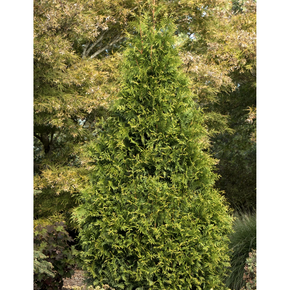


Zoom the image with the mouse
Danica Arborvitae - 5 Gallon
SKU:
201015
$89.99
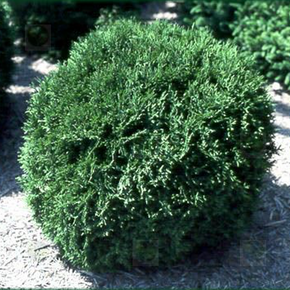
- Naturally globe-shaped dwarf evergreen with dense, vivid emerald green foliage that requires virtually no pruning to maintain its perfect rounded form
- Four-season interest: bright green from spring through fall transitions to an attractive blue-green hue in winter, providing year-round color in the landscape
- Exceptionally cold-hardy down to USDA Zone 2, yet versatile enough for borders, foundation plantings, rock gardens, and container displays
- Slow-growing, low-maintenance, and compact — reaching just 1 to 2 feet tall and wide at maturity, making it ideal for small spaces and tight gardens
Danica Arborvitae (Thuja occidentalis 'Danica') is a jewel among dwarf conifers, prized by gardeners and landscape designers alike for its tidy, self-maintaining globe shape and lush, fine-textured foliage. Originating from the Eastern Arborvitae species native to northeastern North America, this slow-growing evergreen cultivar matures to a compact 1 to 2 feet in height and width, making it one of the smallest arborvitae available and an ideal choice wherever space is at a premium. The soft, scale-like foliage emerges in vibrant emerald green in spring and holds that rich color through the warmer months before shifting to a cool blue-green in winter — giving this plant genuine four-season garden appeal. Its naturally dense, rounded habit means little to no corrective pruning is ever needed, which makes Danica Arborvitae one of the most effortlessly elegant choices for borders, rock gardens, low edging, foundation plantings, patio containers, and mass plantings. Hardy in USDA Zones 2 through 7 and adaptable to a wide range of soil types including clay, this award-winning conifer — recipient of the Royal Horticultural Society's prestigious Award of Garden Merit — thrives in full sun to partial shade and delivers reliable structure and color year after year with minimal care.
Plant Description
Danica Arborvitae is a true dwarf, globe-shaped evergreen conifer belonging to the cypress family (Cupressaceae). Its foliage consists of soft, fine-textured, overlapping scale-like leaves arranged in flattened, fan-like sprays that give the plant a pleasingly lush and dense appearance. The overall form is naturally rounded and symmetrical without any pruning required — a characteristic that sets it apart from many other conifers. Small upright seed cones, up to about 1/2 inch long, emerge green and mature to brown in autumn, adding a subtle ornamental detail. The bark is reddish-brown and relatively smooth when young, developing more texture with age. This cultivar was selected and introduced in Denmark — its name, Danica, meaning "Danish" — and has since become one of the most popular dwarf arborvitae in cultivation worldwide.
Mature Size and Growth Rate
| Characteristic | Detail |
|---|---|
| Mature Height | 1 to 2 feet |
| Mature Spread | 1 to 2 feet |
| Growth Rate | Slow (approximately 2 to 4 inches per year) |
| Growth Habit | Dwarf, dense, naturally globe-shaped |
| Recommended Spacing | 18 to 24 inches on center |
Hardiness Zones and Climate
Danica Arborvitae is exceptionally cold-hardy, rated for USDA Hardiness Zones 2 through 7 and AHS Heat Zones 1 through 7. This means it can withstand brutal winter temperatures well into the far northern United States and Canada, making it one of the hardiest dwarf globe conifers available. In warmer climates at the edge of its range — such as the hotter inland valleys of Northern California and Southern Oregon — it performs best when given a site with some light afternoon shade and consistent soil moisture to protect it from heat stress. Its compact form also makes it less susceptible to heavy snow accumulation damage than taller, columnar arborvitae varieties.
Sunlight Requirements
Danica Arborvitae thrives in full sun to partial shade. Full sun exposure (6 or more hours of direct sunlight per day) promotes the densest, most compact foliage growth and the strongest color. In partial shade (3 to 6 hours of direct sun), the plant remains healthy and attractive but may develop a slightly more open habit over time. In hotter summer climates, some light afternoon shade is actually beneficial — it helps prevent foliage scorch and reduces moisture stress. Avoid planting in deep or full shade, as this will result in sparse, open growth and a loss of the plant's naturally tidy form. Shield young plants from harsh, desiccating winter winds, which can cause foliage browning even in the presence of adequate soil moisture.
Soil and pH Preferences
One of Danica Arborvitae's most valuable traits is its soil adaptability. It performs well across a wide range of soil types including loam, sandy loam, clay, and chalky soils. While it prefers moist, well-drained conditions, it also demonstrates a notable tolerance for clay soils and periodically wet sites — a quality inherited from its native habitat of wet forests and swamp margins. For best results, amend heavy clay or sandy soils with compost at planting time to improve drainage and nutrient retention. The ideal soil pH range is slightly acidic to neutral (approximately 6.0 to 8.0), though the plant is broadly pH-adaptable. Avoid planting in poorly drained, chronically waterlogged soils, which can lead to root rot.
Watering Guide
Consistent moisture is key to keeping Danica Arborvitae looking its best, especially during the first one to two growing seasons while the plant is establishing its root system. Water deeply and thoroughly after planting and continue to provide supplemental irrigation during dry spells throughout the first growing season. Once established, the plant is moderately drought tolerant, though it performs best with regular watering during extended dry periods. Avoid allowing the soil to dry out completely in the fall — entering winter with dry soil can cause the evergreen foliage to desiccate and brown during cold, windy conditions. Applying a 2 to 3 inch layer of mulch around the root zone helps conserve soil moisture, regulate soil temperature, and reduce the frequency of supplemental watering needed. Overwatering and waterlogged conditions should be avoided to prevent root rot.
Fertilizing
Danica Arborvitae is a light feeder and does not require heavy fertilization. In average garden soils, a single application of a balanced, slow-release granular fertilizer in early spring — just as new growth begins — is typically sufficient to support healthy growth for the season. Choose a fertilizer formulated for conifers or acid-loving plants (such as a 10-10-10 or similar balanced formula), and apply it according to the package directions based on plant size. Avoid over-fertilizing, particularly with high-nitrogen fertilizers, as this can push overly lush, soft growth that may be more susceptible to pest and disease problems. In poor or sandy soils, a light second feeding in early summer can be beneficial, but always stop fertilizing by late summer to avoid stimulating new growth that may be damaged by early frosts.
Pruning and Maintenance
One of the great advantages of Danica Arborvitae is its naturally neat, globe-shaped habit — it maintains its rounded form without any regular pruning. For most gardeners, the only pruning necessary is the occasional removal of dead, damaged, or diseased branches, which can be done any time of year. If light shaping is desired to tighten the form or control size, the best time to prune is in late winter to early spring just before new growth emerges, or again lightly in mid-summer. Always use clean, sharp pruning tools, and avoid cutting back into bare, brown wood, as arborvitae does not reliably regenerate new growth from leafless stems. Apply a 2 to 3 inch layer of mulch over the root zone annually to conserve moisture and suppress weeds, keeping the mulch a couple of inches away from the trunk to promote good air circulation and prevent rot.
Planting Instructions
- Select a site with full sun to partial shade and well-drained soil. Avoid low-lying areas where water pools after rain.
- Dig a planting hole two to three times as wide as the root ball but no deeper than the root ball is tall. The top of the root ball should sit at or very slightly above the surrounding soil grade.
- If planting in clay or compacted soil, loosen a wide area and mix in compost or other organic matter to improve drainage and aeration.
- Remove the plant from its container and gently loosen any circling or matted roots before placing it in the hole.
- Backfill with the original soil (amended with compost if needed), firming it gently as you go to eliminate air pockets.
- Water thoroughly at planting and then form a shallow watering basin around the outer edge of the planting hole to direct irrigation water toward the roots.
- Apply a 2 to 3 inch layer of mulch over the root zone, keeping it a few inches away from the trunk.
- For mass plantings or low hedges, space plants 18 to 24 inches apart on center. For individual accent plants, allow at least 2 feet of clearance from structures, walkways, and other shrubs.
- The best times to plant are spring and fall when temperatures are mild and rainfall is more reliable, though container-grown plants can be planted throughout the growing season with proper watering.
Seasonal Interest
Danica Arborvitae delivers genuine four-season interest in the garden. In spring, fresh new growth emerges in a particularly vivid, bright emerald green that enlivens borders and beds after the dull winter months. Through summer, the dense, lush foliage holds that deep green color, providing a reliable and tidy anchor in mixed plantings. As temperatures cool in autumn, the foliage gradually transitions to a subtle blue-green tone that persists through winter — a unique seasonal color shift that adds quiet interest to the winter landscape when most other plants have gone dormant. The plant's compact, symmetrical globe shape also provides attractive structure and form during the leafless winter months, making it especially valuable in year-round garden designs.
Landscape Uses
- Borders and Edging: The compact, globe shape and consistent size make Danica Arborvitae an excellent choice for the front of mixed shrub borders and along garden pathways as a low, formal edging plant.
- Foundation Plantings: Its slow, controlled growth means it will not outgrow its space or crowd windows and siding, making it a worry-free choice for planting near the home's foundation.
- Low Hedges: When planted 18 to 24 inches apart, Danica forms a neat, uniform low hedge that requires virtually no shearing to maintain.
- Rock Gardens: The fine texture and compact form complement the rugged, natural aesthetic of rock and alpine gardens beautifully.
- Containers and Patio Displays: An excellent choice for large patio pots and entry container plantings, providing year-round structure and color.
- Specimen or Accent Plant: The perfectly rounded, globe form creates a striking focal point when used as a solitary specimen in a lawn or garden bed.
- Mass Plantings: Uniform size and habit make massed groupings of Danica Arborvitae particularly effective as a ground-covering shrub layer.
Companion Plants
Danica Arborvitae pairs beautifully with a wide variety of plants that share its sun and moisture requirements. Consider the following combinations for striking results:
- Sedum (Stonecrop): Low-growing, drought-tolerant sedums echo the rounded, mounding form of Danica while adding contrasting texture and seasonal flower color.
- Coral Bells (Heuchera): The richly colored foliage of coral bells provides a vibrant contrast to the evergreen green of Danica in both sun and partial shade settings.
- Blue Fescue (Festuca glauca): The silver-blue, fine-textured foliage of blue fescue creates a beautiful cool-toned complement to the emerald and blue-green hues of Danica Arborvitae.
- Lavender: A sun-loving companion that adds fragrance and purple flower color while also providing some natural pest deterrence.
- Panicle Hydrangea (Hydrangea paniculata): The large, bold flower heads of panicle hydrangeas make a dramatic textural contrast to the fine, dense foliage of Danica.
- Daylilies and Coneflowers: Colorful summer-blooming perennials that attract pollinators and provide vibrant contrast against the evergreen backdrop of Danica Arborvitae.
- Azaleas and Rhododendrons: These acid-loving flowering shrubs share compatible soil preferences and provide spectacular spring color alongside the evergreen structure of Danica.
Avoid planting Danica Arborvitae near black walnut trees, whose roots produce the compound juglone, which is toxic to many plants including arborvitae.
Pests and Diseases
Danica Arborvitae is generally a healthy, resilient plant when grown in appropriate conditions, but like all arborvitae, it can be susceptible to a few pests and diseases worth monitoring:
- Bagworms (Thyridopteryx ephemeraeformis): One of the most common arborvitae pests. Bagworms create distinctive spindle-shaped silk bags covered in foliage and can defoliate heavily infested plants. Hand-pick bags in winter or treat with an appropriate insecticide in late spring when larvae are young and feeding.
- Spider Mites: More prevalent during hot, dry weather. Infestations cause a fine, stippled yellowing of foliage. Treat with insecticidal soap or a miticide; keep plants well-watered during heat to reduce stress and susceptibility.
- Scale Insects and Mealybugs: Can colonize stems and foliage, causing yellowing and dieback. Treat with horticultural oil sprays applied in early spring.
- Phomopsis and Kabatina Twig Blight: Fungal diseases that cause branch tips to die and turn gray-brown. Prune and dispose of infected material; apply a copper-based or other labeled fungicide as a preventative. Avoid overhead irrigation to reduce moisture on foliage.
- Pestalotiopsis Tip Blight: Causes tan to brown twig tips dotted with small black fungal fruiting bodies. Stressed plants are most susceptible; minimize stress through appropriate watering, mulching, and avoiding excessive pruning.
- Root Rot (Phytophthora spp.): Occurs in poorly drained soils. Prevent by ensuring excellent soil drainage at planting time. There is no effective cure once established; affected plants should be removed.
- Deer and Rabbit Browsing: Arborvitae foliage is palatable to deer and rabbits, and plants in areas with heavy wildlife pressure may suffer browse damage, particularly in winter. Physical barriers or repellent sprays may be necessary in high-pressure areas.
Container Growing
Danica Arborvitae is well-suited to container culture and makes a striking year-round patio or entryway plant. Choose a container that is at least 12 to 16 inches wide and deep with ample drainage holes. Use a high-quality, well-draining potting mix amended with perlite or coarse grit to ensure excellent drainage. Container-grown plants dry out more quickly than those in the ground, so monitor soil moisture closely and water whenever the top inch of soil feels dry — but never allow the container to sit in standing water. Apply a slow-release granular fertilizer formulated for conifers in early spring. Because containers expose roots to greater temperature extremes than in-ground planting, choose a plant rated at least one hardiness zone colder than your actual zone (for example, if you are in Zone 7, select a plant rated to Zone 6 or below) to ensure winter survival when roots are fully exposed. In very cold climates, consider moving containers to a sheltered, unheated garage or wrapping them with burlap or bubble wrap to protect the root zone during the coldest months. Repot into a slightly larger container every two to three years as needed to prevent root crowding.
Wildlife Value
While Danica Arborvitae is not a significant wildlife plant in the way that native fruiting shrubs are, it does offer some modest ecological value in the garden. Its dense, evergreen structure provides shelter and nesting cover for small birds, particularly during winter when other protective vegetation has died back. Songbirds are occasionally observed foraging around the plant. The small cones provide a limited food source for some bird species. Danica is generally considered non-toxic to humans, dogs, cats, and other animals, making it a safe choice for households with pets. Note, however, that it is palatable to deer and rabbits, and may require protection in gardens with significant wildlife pressure.
- Naturally globe-shaped dwarf evergreen with dense, vivid emerald green foliage that requires virtually no pruning to maintain its perfect rounded form
- Four-season interest: bright green from spring through fall transitions to an attractive blue-green hue in winter, providing year-round color in the landscape
- Exceptionally cold-hardy down to USDA Zone 2, yet versatile enough for borders, foundation plantings, rock gardens, and container displays
- Slow-growing, low-maintenance, and compact — reaching just 1 to 2 feet tall and wide at maturity, making it ideal for small spaces and tight gardens
Danica Arborvitae (Thuja occidentalis 'Danica') is a jewel among dwarf conifers, prized by gardeners and landscape designers alike for its tidy, self-maintaining globe shape and lush, fine-textured foliage. Originating from the Eastern Arborvitae species native to northeastern North America, this slow-growing evergreen cultivar matures to a compact 1 to 2 feet in height and width, making it one of the smallest arborvitae available and an ideal choice wherever space is at a premium. The soft, scale-like foliage emerges in vibrant emerald green in spring and holds that rich color through the warmer months before shifting to a cool blue-green in winter — giving this plant genuine four-season garden appeal. Its naturally dense, rounded habit means little to no corrective pruning is ever needed, which makes Danica Arborvitae one of the most effortlessly elegant choices for borders, rock gardens, low edging, foundation plantings, patio containers, and mass plantings. Hardy in USDA Zones 2 through 7 and adaptable to a wide range of soil types including clay, this award-winning conifer — recipient of the Royal Horticultural Society's prestigious Award of Garden Merit — thrives in full sun to partial shade and delivers reliable structure and color year after year with minimal care.
Plant Description
Danica Arborvitae is a true dwarf, globe-shaped evergreen conifer belonging to the cypress family (Cupressaceae). Its foliage consists of soft, fine-textured, overlapping scale-like leaves arranged in flattened, fan-like sprays that give the plant a pleasingly lush and dense appearance. The overall form is naturally rounded and symmetrical without any pruning required — a characteristic that sets it apart from many other conifers. Small upright seed cones, up to about 1/2 inch long, emerge green and mature to brown in autumn, adding a subtle ornamental detail. The bark is reddish-brown and relatively smooth when young, developing more texture with age. This cultivar was selected and introduced in Denmark — its name, Danica, meaning "Danish" — and has since become one of the most popular dwarf arborvitae in cultivation worldwide.
Mature Size and Growth Rate
| Characteristic | Detail |
|---|---|
| Mature Height | 1 to 2 feet |
| Mature Spread | 1 to 2 feet |
| Growth Rate | Slow (approximately 2 to 4 inches per year) |
| Growth Habit | Dwarf, dense, naturally globe-shaped |
| Recommended Spacing | 18 to 24 inches on center |
Hardiness Zones and Climate
Danica Arborvitae is exceptionally cold-hardy, rated for USDA Hardiness Zones 2 through 7 and AHS Heat Zones 1 through 7. This means it can withstand brutal winter temperatures well into the far northern United States and Canada, making it one of the hardiest dwarf globe conifers available. In warmer climates at the edge of its range — such as the hotter inland valleys of Northern California and Southern Oregon — it performs best when given a site with some light afternoon shade and consistent soil moisture to protect it from heat stress. Its compact form also makes it less susceptible to heavy snow accumulation damage than taller, columnar arborvitae varieties.
Sunlight Requirements
Danica Arborvitae thrives in full sun to partial shade. Full sun exposure (6 or more hours of direct sunlight per day) promotes the densest, most compact foliage growth and the strongest color. In partial shade (3 to 6 hours of direct sun), the plant remains healthy and attractive but may develop a slightly more open habit over time. In hotter summer climates, some light afternoon shade is actually beneficial — it helps prevent foliage scorch and reduces moisture stress. Avoid planting in deep or full shade, as this will result in sparse, open growth and a loss of the plant's naturally tidy form. Shield young plants from harsh, desiccating winter winds, which can cause foliage browning even in the presence of adequate soil moisture.
Soil and pH Preferences
One of Danica Arborvitae's most valuable traits is its soil adaptability. It performs well across a wide range of soil types including loam, sandy loam, clay, and chalky soils. While it prefers moist, well-drained conditions, it also demonstrates a notable tolerance for clay soils and periodically wet sites — a quality inherited from its native habitat of wet forests and swamp margins. For best results, amend heavy clay or sandy soils with compost at planting time to improve drainage and nutrient retention. The ideal soil pH range is slightly acidic to neutral (approximately 6.0 to 8.0), though the plant is broadly pH-adaptable. Avoid planting in poorly drained, chronically waterlogged soils, which can lead to root rot.
Watering Guide
Consistent moisture is key to keeping Danica Arborvitae looking its best, especially during the first one to two growing seasons while the plant is establishing its root system. Water deeply and thoroughly after planting and continue to provide supplemental irrigation during dry spells throughout the first growing season. Once established, the plant is moderately drought tolerant, though it performs best with regular watering during extended dry periods. Avoid allowing the soil to dry out completely in the fall — entering winter with dry soil can cause the evergreen foliage to desiccate and brown during cold, windy conditions. Applying a 2 to 3 inch layer of mulch around the root zone helps conserve soil moisture, regulate soil temperature, and reduce the frequency of supplemental watering needed. Overwatering and waterlogged conditions should be avoided to prevent root rot.
Fertilizing
Danica Arborvitae is a light feeder and does not require heavy fertilization. In average garden soils, a single application of a balanced, slow-release granular fertilizer in early spring — just as new growth begins — is typically sufficient to support healthy growth for the season. Choose a fertilizer formulated for conifers or acid-loving plants (such as a 10-10-10 or similar balanced formula), and apply it according to the package directions based on plant size. Avoid over-fertilizing, particularly with high-nitrogen fertilizers, as this can push overly lush, soft growth that may be more susceptible to pest and disease problems. In poor or sandy soils, a light second feeding in early summer can be beneficial, but always stop fertilizing by late summer to avoid stimulating new growth that may be damaged by early frosts.
Pruning and Maintenance
One of the great advantages of Danica Arborvitae is its naturally neat, globe-shaped habit — it maintains its rounded form without any regular pruning. For most gardeners, the only pruning necessary is the occasional removal of dead, damaged, or diseased branches, which can be done any time of year. If light shaping is desired to tighten the form or control size, the best time to prune is in late winter to early spring just before new growth emerges, or again lightly in mid-summer. Always use clean, sharp pruning tools, and avoid cutting back into bare, brown wood, as arborvitae does not reliably regenerate new growth from leafless stems. Apply a 2 to 3 inch layer of mulch over the root zone annually to conserve moisture and suppress weeds, keeping the mulch a couple of inches away from the trunk to promote good air circulation and prevent rot.
Planting Instructions
- Select a site with full sun to partial shade and well-drained soil. Avoid low-lying areas where water pools after rain.
- Dig a planting hole two to three times as wide as the root ball but no deeper than the root ball is tall. The top of the root ball should sit at or very slightly above the surrounding soil grade.
- If planting in clay or compacted soil, loosen a wide area and mix in compost or other organic matter to improve drainage and aeration.
- Remove the plant from its container and gently loosen any circling or matted roots before placing it in the hole.
- Backfill with the original soil (amended with compost if needed), firming it gently as you go to eliminate air pockets.
- Water thoroughly at planting and then form a shallow watering basin around the outer edge of the planting hole to direct irrigation water toward the roots.
- Apply a 2 to 3 inch layer of mulch over the root zone, keeping it a few inches away from the trunk.
- For mass plantings or low hedges, space plants 18 to 24 inches apart on center. For individual accent plants, allow at least 2 feet of clearance from structures, walkways, and other shrubs.
- The best times to plant are spring and fall when temperatures are mild and rainfall is more reliable, though container-grown plants can be planted throughout the growing season with proper watering.
Seasonal Interest
Danica Arborvitae delivers genuine four-season interest in the garden. In spring, fresh new growth emerges in a particularly vivid, bright emerald green that enlivens borders and beds after the dull winter months. Through summer, the dense, lush foliage holds that deep green color, providing a reliable and tidy anchor in mixed plantings. As temperatures cool in autumn, the foliage gradually transitions to a subtle blue-green tone that persists through winter — a unique seasonal color shift that adds quiet interest to the winter landscape when most other plants have gone dormant. The plant's compact, symmetrical globe shape also provides attractive structure and form during the leafless winter months, making it especially valuable in year-round garden designs.
Landscape Uses
- Borders and Edging: The compact, globe shape and consistent size make Danica Arborvitae an excellent choice for the front of mixed shrub borders and along garden pathways as a low, formal edging plant.
- Foundation Plantings: Its slow, controlled growth means it will not outgrow its space or crowd windows and siding, making it a worry-free choice for planting near the home's foundation.
- Low Hedges: When planted 18 to 24 inches apart, Danica forms a neat, uniform low hedge that requires virtually no shearing to maintain.
- Rock Gardens: The fine texture and compact form complement the rugged, natural aesthetic of rock and alpine gardens beautifully.
- Containers and Patio Displays: An excellent choice for large patio pots and entry container plantings, providing year-round structure and color.
- Specimen or Accent Plant: The perfectly rounded, globe form creates a striking focal point when used as a solitary specimen in a lawn or garden bed.
- Mass Plantings: Uniform size and habit make massed groupings of Danica Arborvitae particularly effective as a ground-covering shrub layer.
Companion Plants
Danica Arborvitae pairs beautifully with a wide variety of plants that share its sun and moisture requirements. Consider the following combinations for striking results:
- Sedum (Stonecrop): Low-growing, drought-tolerant sedums echo the rounded, mounding form of Danica while adding contrasting texture and seasonal flower color.
- Coral Bells (Heuchera): The richly colored foliage of coral bells provides a vibrant contrast to the evergreen green of Danica in both sun and partial shade settings.
- Blue Fescue (Festuca glauca): The silver-blue, fine-textured foliage of blue fescue creates a beautiful cool-toned complement to the emerald and blue-green hues of Danica Arborvitae.
- Lavender: A sun-loving companion that adds fragrance and purple flower color while also providing some natural pest deterrence.
- Panicle Hydrangea (Hydrangea paniculata): The large, bold flower heads of panicle hydrangeas make a dramatic textural contrast to the fine, dense foliage of Danica.
- Daylilies and Coneflowers: Colorful summer-blooming perennials that attract pollinators and provide vibrant contrast against the evergreen backdrop of Danica Arborvitae.
- Azaleas and Rhododendrons: These acid-loving flowering shrubs share compatible soil preferences and provide spectacular spring color alongside the evergreen structure of Danica.
Avoid planting Danica Arborvitae near black walnut trees, whose roots produce the compound juglone, which is toxic to many plants including arborvitae.
Pests and Diseases
Danica Arborvitae is generally a healthy, resilient plant when grown in appropriate conditions, but like all arborvitae, it can be susceptible to a few pests and diseases worth monitoring:
- Bagworms (Thyridopteryx ephemeraeformis): One of the most common arborvitae pests. Bagworms create distinctive spindle-shaped silk bags covered in foliage and can defoliate heavily infested plants. Hand-pick bags in winter or treat with an appropriate insecticide in late spring when larvae are young and feeding.
- Spider Mites: More prevalent during hot, dry weather. Infestations cause a fine, stippled yellowing of foliage. Treat with insecticidal soap or a miticide; keep plants well-watered during heat to reduce stress and susceptibility.
- Scale Insects and Mealybugs: Can colonize stems and foliage, causing yellowing and dieback. Treat with horticultural oil sprays applied in early spring.
- Phomopsis and Kabatina Twig Blight: Fungal diseases that cause branch tips to die and turn gray-brown. Prune and dispose of infected material; apply a copper-based or other labeled fungicide as a preventative. Avoid overhead irrigation to reduce moisture on foliage.
- Pestalotiopsis Tip Blight: Causes tan to brown twig tips dotted with small black fungal fruiting bodies. Stressed plants are most susceptible; minimize stress through appropriate watering, mulching, and avoiding excessive pruning.
- Root Rot (Phytophthora spp.): Occurs in poorly drained soils. Prevent by ensuring excellent soil drainage at planting time. There is no effective cure once established; affected plants should be removed.
- Deer and Rabbit Browsing: Arborvitae foliage is palatable to deer and rabbits, and plants in areas with heavy wildlife pressure may suffer browse damage, particularly in winter. Physical barriers or repellent sprays may be necessary in high-pressure areas.
Container Growing
Danica Arborvitae is well-suited to container culture and makes a striking year-round patio or entryway plant. Choose a container that is at least 12 to 16 inches wide and deep with ample drainage holes. Use a high-quality, well-draining potting mix amended with perlite or coarse grit to ensure excellent drainage. Container-grown plants dry out more quickly than those in the ground, so monitor soil moisture closely and water whenever the top inch of soil feels dry — but never allow the container to sit in standing water. Apply a slow-release granular fertilizer formulated for conifers in early spring. Because containers expose roots to greater temperature extremes than in-ground planting, choose a plant rated at least one hardiness zone colder than your actual zone (for example, if you are in Zone 7, select a plant rated to Zone 6 or below) to ensure winter survival when roots are fully exposed. In very cold climates, consider moving containers to a sheltered, unheated garage or wrapping them with burlap or bubble wrap to protect the root zone during the coldest months. Repot into a slightly larger container every two to three years as needed to prevent root crowding.
Wildlife Value
While Danica Arborvitae is not a significant wildlife plant in the way that native fruiting shrubs are, it does offer some modest ecological value in the garden. Its dense, evergreen structure provides shelter and nesting cover for small birds, particularly during winter when other protective vegetation has died back. Songbirds are occasionally observed foraging around the plant. The small cones provide a limited food source for some bird species. Danica is generally considered non-toxic to humans, dogs, cats, and other animals, making it a safe choice for households with pets. Note, however, that it is palatable to deer and rabbits, and may require protection in gardens with significant wildlife pressure.