

Zoom the image with the mouse
Emerald Green Arborvitae - 5 Gallon
SKU:
2121080
UPC:
651469537813
$34.99
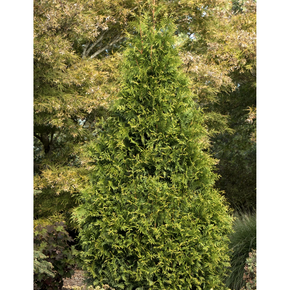
- Dense, narrow pyramidal form holds a rich emerald-green color throughout every season — including the depths of winter — delivering year-round privacy and curb appeal without bronzing.
- Exceptionally cold-hardy to -40°F (USDA Zones 3-8), yet adaptable enough for the warmer reaches of Southern Oregon and Northern California landscapes.
- Slow to moderate growth rate of 6-9 inches per year at maturity keeps maintenance manageable, making it the ideal low-upkeep choice for formal hedges, screens, and accent plantings.
- Compact mature footprint — typically 10-15 feet tall and only 3-4 feet wide — fits tight spaces where larger conifers simply won't work, from narrow side yards to urban foundation beds.
Emerald Green Arborvitae (Thuja occidentalis 'Smaragd') is the gold standard for evergreen privacy screening and formal hedging in North American landscapes, prized for its strikingly vivid, true-emerald foliage that refuses to bronze or dull even through the coldest winter months. Originally selected and named in Denmark — "Smaragd" is Danish for "emerald" — this refined cultivar of the native eastern arborvitae develops a naturally tight, upright pyramidal silhouette that requires little to no corrective pruning, maturing at 10-15 feet tall and just 3-4 feet wide in most landscape settings. Its dense, scale-like foliage is borne on flattened, fan-shaped sprays of rich green that maintain exceptional color integrity from spring through fall and straight through winter, providing reliable year-round interest in the garden. Hardy from USDA Zone 3 all the way through Zone 8 and adaptable to a wide range of soil types — from amended loam to moderately heavy clay — Emerald Green Arborvitae thrives in full sun to partial shade and becomes moderately drought-tolerant once established. Whether planted in tightly spaced rows to form a seamless living privacy wall, used as symmetrical sentinels flanking an entry, or sited as a structural evergreen anchor in a mixed border, this cultivar delivers unmatched versatility and lasting landscape value with minimal effort.
Plant Description
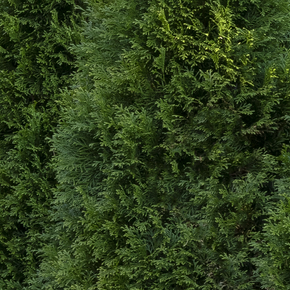
Emerald Green Arborvitae is an evergreen conifer belonging to the cypress family (Cupressaceae). Its foliage consists of tiny, overlapping, scale-like leaves arranged in dense, flattened, fan-shaped sprays that radiate along upright branching from a strongly central leader. The overall texture is fine and lush, presenting a solid wall of rich emerald green that is remarkably uniform from top to bottom. Unlike many arborvitae cultivars that take on yellow, bronze, or olive tones in cold weather, 'Smaragd' retains its brilliant true-green color year-round, which is the primary characteristic that distinguishes it from the wider species and makes it so sought after. Small, inconspicuous cones appear in spring but are ornamentally insignificant. The bark on established trunks is reddish-brown and fibrous. The cultivar's name "Smaragd" is the Danish word for "emerald," a fitting tribute to its exceptional foliage color. This plant is native to eastern North America in species form, and the 'Smaragd' cultivar was selected and introduced from Denmark, where it has been cultivated since the mid-20th century.
Mature Size and Growth Rate
| Characteristic | Detail |
|---|---|
| Typical Mature Height | 10-15 feet |
| Typical Mature Spread | 3-4 feet |
| Growth Rate (young plants) | 1-2 feet per year |
| Growth Rate (established/mature) | Approximately 6-9 inches per year |
| Habit | Narrow, upright, pyramidal |
| Lifespan | 25-150 years depending on site conditions |
Emerald Green Arborvitae is considered a slow to moderate grower compared to other arborvitae cultivars such as Green Giant. Its restrained growth rate is actually a key selling point — the tree reaches a useful screening height over several years and then requires little intervention to maintain its tidy shape. Young plants in their first few years after planting may push 1-2 feet of growth annually when sited in full sun with consistent moisture; growth naturally slows as the plant matures. The narrow, columnar form remains consistent throughout the plant's life and does not require regular pruning to maintain its shape.
Hardiness and Climate
Emerald Green Arborvitae is cold-hardy to USDA Zones 3-8, tolerating winter temperatures as low as -40°F, making it one of the most cold-tolerant evergreen screening plants available. It is well-suited for the diverse climate conditions found across Southern Oregon and Northern California, where it thrives in the cooler mountain zones as well as the milder valley floors. The plant handles summer heat up to approximately 90°F when given adequate moisture. In hot, dry climates at the warmer end of its range, consistent watering during summer is essential for maintaining foliage quality. In exposed, wind-prone locations — particularly at higher elevations — young plants benefit from burlap windbreaks during their first winter to prevent desiccation damage. Mature, well-established specimens are generally resilient enough to endure winter conditions without supplemental protection.
Sunlight Requirements
Emerald Green Arborvitae performs best in full sun, defined as a minimum of 6-8 hours of direct sunlight per day. Full sun exposure promotes the densest, most vibrant foliage and reinforces the plant's characteristic tight pyramidal form. It will tolerate partial shade (3-6 hours of direct sun), but reduced light causes the interior and lower foliage to thin out, weakens the plant's natural structure, and may result in sparse screening coverage over time. Deep or heavy shade should be avoided entirely, as it leads to significant foliage loss and an open, weak habit that undermines the plant's usefulness as a screen or specimen. For hedging applications, site rows to avoid overhanging shade from nearby large trees or structures. In Southern Oregon and Northern California, positioning plants on a south- or east-facing exposure generally provides ideal light conditions throughout the growing season.
Soil and pH Preferences
This cultivar is adaptable to a wide range of soil types but performs best in moist, fertile, well-draining loam. Good drainage is non-negotiable — standing water and chronically saturated soil lead to root rot and rapid decline. Emerald Green Arborvitae will tolerate moderately heavy clay soils provided they drain reasonably well; in dense clay, incorporating compost and coarse sand (at roughly a 2:1:1 ratio of native soil to compost to sand) prior to planting greatly improves long-term success. The preferred soil pH range is 6.0-8.0, spanning slightly acidic to mildly alkaline conditions. Most native soils across Southern Oregon and Northern California fall comfortably within this range. A basic soil test before planting is recommended if you are unsure of your local pH. Avoid planting in low spots, drainage channels, or areas where water pools after rain events.
Watering Guide
- At planting: Water deeply and thoroughly immediately after planting to settle the soil and hydrate the root ball.
- First growing season (establishment): Water 2-3 times per week, applying enough to moisten the root zone to a depth of 8-12 inches. Check soil moisture by inserting a finger 2-3 inches deep — water when the top layer begins to dry out.
- After first year (established plants): Water deeply once per week during the growing season if rainfall is insufficient. Target approximately 1 inch of water per week from rain or irrigation combined.
- During drought or extreme heat: Increase supplemental watering to 1.5 inches per week. Wilting, browning foliage tips, or dull color are signs of moisture stress.
- Fall and winter: Continue watering into late fall until the ground freezes. Evergreens lose moisture through their foliage year-round; drought stress in winter (winter desiccation) is a leading cause of browning. Water during dry winter spells when ground temperatures allow.
- Overwatering signs: Yellowing needles, soft or mushy soil, persistent wetness, and root rot. Always allow the top few inches of soil to begin drying between waterings once the plant is established.
Fertilizing
Emerald Green Arborvitae has modest fertility requirements and does not need aggressive fertilization in reasonably healthy soils. In fertile, well-amended garden soil, annual fertilization may not be necessary at all. When fertilizing is warranted — indicated by slow growth, pale or dull foliage color, or poor vigor — apply a slow-release, balanced fertilizer formulated for evergreens (such as a 10-10-10 or a specialized conifer/evergreen blend) in early spring, just as new growth begins to emerge. Follow label directions carefully; over-fertilizing encourages a flush of soft, tender new growth that is more susceptible to winter injury. Stop all fertilization by mid-summer (no later than July in most regions) to allow new growth to fully harden off before cold weather arrives. Avoid high-nitrogen fast-release fertilizers, which push rapid, weak growth. Topdressing the root zone with a 1-2 inch layer of quality compost each spring is an excellent low-input alternative that gently feeds the tree while improving soil structure and moisture retention.
Planting Instructions
- Timing: Plant in early spring or early fall when temperatures are moderate and natural rainfall is more consistent. Avoid planting during peak summer heat, which increases transplant stress.
- Site selection: Choose a location with well-draining soil and a minimum of 6 hours of direct sun. Account for the plant's mature width of 3-4 feet when spacing away from structures, fences, and other plants.
- Spacing for hedges and screens: Plant 3-4 feet apart on center for a continuous privacy screen. Space 5-6 feet apart for individual specimen plantings that will be maintained with open gaps between plants.
- Digging the hole: Excavate a hole twice as wide as the root ball but no deeper than its height. A wide, shallow hole promotes lateral root development far more effectively than a deep, narrow one.
- Positioning: Set the plant so the top of the root ball sits level with or very slightly above the surrounding soil grade. Planting too deep is one of the most common causes of arborvitae failure.
- Backfilling: Use the native soil removed from the hole, amended with compost if the soil is heavy clay or very sandy. Gently tamp backfill in layers to eliminate large air pockets without compacting the root zone.
- Watering: Water deeply and slowly immediately after planting to settle the soil. Follow the establishment watering schedule consistently for the first full growing season.
- Mulching: Apply a 2-3 inch layer of organic mulch (wood chips, shredded bark) over the root zone, extending out to the drip line. Keep mulch 2-3 inches away from the trunk to prevent moisture-related bark issues.
Pruning and Maintenance
One of the greatest assets of Emerald Green Arborvitae is its naturally tidy, self-maintaining pyramidal form, which requires little to no pruning in most landscape settings. When shaping or maintenance pruning is desired, observe the following guidelines:
- Timing: Prune in late winter to early spring before new growth emerges, or lightly in early summer after the first flush of new growth has hardened. Avoid pruning in late summer or fall, which stimulates tender new growth vulnerable to frost damage.
- Tools: Use clean, sharp bypass pruners for individual branch cuts or quality hedge shears for overall shape maintenance. Disinfect blades between plants to avoid spreading disease.
- Cut placement: Always cut back to a point with visible green, living foliage. Never cut into bare, brown interior wood — arborvitae will not regenerate foliage from old, leafless wood the way many broadleaf shrubs do.
- Interior browning: Some shedding of interior foliage is a completely normal annual process. Interior brown needles do not indicate disease or serious problems unless accompanied by branch dieback or discoloration spreading to branch tips.
- Snow and ice: After heavy snow or ice storms, gently brush accumulated snow off branches with a soft broom using upward strokes to prevent breakage and distortion of the plant's form.
Landscape Uses
Emerald Green Arborvitae is one of the most versatile structural evergreens available for residential and commercial landscapes. Its narrow, upright profile and year-round color make it suitable for a wide range of design applications:
- Privacy screens and hedges: The most popular use — plant in rows 3-4 feet apart to create a dense, year-round living fence that blocks views, noise, and wind.
- Windbreaks: Planted in staggered double rows, Emerald Green Arborvitae provides effective wind protection for gardens, patios, and structures without the massive footprint of larger windbreak species.
- Foundation plantings: Its narrow width makes it ideal for corners and edges of homes and buildings where a tall, vertical evergreen accent is desired without overgrowing the structure.
- Formal accent and specimen planting: Symmetrical pairs flanking driveways, gates, or entryways create a classic, formal impression.
- Mixed borders: Used as a structural anchor or vertical element in mixed shrub and perennial borders, providing a dark green backdrop that makes flowering plants pop.
- Property line definition: Establishes clear, attractive boundaries between properties while providing year-round screening coverage.
- Container planting: Suitable for large decorative containers on patios and decks, particularly when the plant is young, provided the container is large enough and watering is consistent.
Seasonal Interest
| Season | Landscape Contribution |
|---|---|
| Spring | Fresh, bright emerald-green new growth flushes along branch tips; small, inconspicuous pollen cones may appear briefly. |
| Summer | Dense, richly colored foliage at peak intensity; the plant's full pyramidal form is prominently displayed; provides cooling shade and screening. |
| Fall | Foliage maintains true green color as deciduous neighbors change and drop their leaves, providing essential evergreen structure and privacy throughout the transition season. |
| Winter | Exceptional winter color retention — foliage remains a genuine emerald green rather than bronzing or yellowing, making it one of the most visually reliable conifers in the dormant-season landscape; provides structure, wind protection, and visual interest when the garden is otherwise bare. |
Companion Plants
Emerald Green Arborvitae pairs beautifully with a wide range of shrubs, perennials, and grasses that share similar cultural preferences. The following selections complement its evergreen form and fine texture while adding seasonal color, variety, and layered depth to the planting:
- Boxwood (Buxus spp.): Shares similar light and soil needs; dense, rounded forms provide a pleasing structural contrast to the arborvitae's upright habit and work well at its base in formal plantings.
- Hostas (Hosta spp.): Shade-tolerant perennials that thrive in the lower-light zone beneath or alongside arborvitae; their bold, broad leaves contrast beautifully with the conifer's fine-textured needles.
- Coral Bells (Heuchera spp.): Low-growing foliage perennials in deep burgundy, silver, or lime tones that provide a striking color counterpoint at the base of the arborvitae hedge; also attract pollinators.
- Russian Sage (Salvia yangii): Drought-tolerant perennial whose airy, lavender-blue flower spikes and silver-gray stems create a soft, textural contrast against the arborvitae's solid form; reported to have some pest-repellent qualities.
- Ornamental Grasses (Pennisetum, Calamagrostis, Panicum): Their flowing, architectural habit and movement in the breeze provide striking contrast to the rigid, upright structure of the arborvitae; excellent for mixed border plantings.
- Daylilies (Hemerocallis spp.): Share similar sun and soil preferences; vibrant summer blooms provide a season of color contrast in front of the evergreen backdrop.
- Japanese Spurge (Pachysandra terminalis): A shade-tolerant ground cover suited to planting beneath arborvitae rows; helps retain soil moisture and suppress weeds without competing aggressively for nutrients.
Pests and Diseases
Emerald Green Arborvitae is generally considered a low-maintenance, pest-resistant plant when grown in appropriate conditions. However, the following issues may occasionally arise and should be monitored for:
- Bagworms (Thyridopteryx ephemeraeformis): The most serious pest concern. Larvae construct spindle-shaped silk-and-foliage bags that hang from branches; heavy infestations can cause significant defoliation. Hand-pick and destroy bags in winter before eggs hatch. For active infestations, apply Bacillus thuringiensis (Bt) or spinosad in late spring when larvae are small and feeding. Early detection is critical.
- Spider Mites: More common during hot, dry weather. Look for stippled, faded, or yellowish foliage and fine webbing between branch tips. Treat with insecticidal soap or horticultural oil, applying thoroughly and repeating every 7-10 days as needed. Adequate irrigation during dry periods reduces mite pressure.
- Aphids: Occasional visitors that feed on tender new growth; light infestations are usually controlled by natural predators. Knock off with a strong stream of water or apply insecticidal soap if populations are high.
- Root Rot (Phytophthora spp.): A serious fungal disease caused by chronically wet, poorly drained soil. Prevention through proper site selection and planting depth is far more effective than treatment. Affected plants show yellowing, wilting, and progressive dieback. Improve drainage and avoid overwatering.
- Tip Blight and Needle Blight: Fungal diseases that cause browning of branch tips, usually during periods of prolonged wet weather. Improve air circulation through appropriate plant spacing, avoid overhead irrigation, and remove infected plant material promptly. Copper-based fungicides may be applied in early spring as a preventive measure in areas with persistent fungal pressure.
- Deer Browse: Eastern arborvitae (Thuja occidentalis) is a preferred deer browse plant. In areas with significant deer pressure, physical fencing or repeated application of deer repellent sprays is the most reliable protection, especially for young plants during establishment.
Container Growing
Emerald Green Arborvitae can be successfully grown in large containers, making it a versatile option for patios, decks, entryways, and rooftop gardens where in-ground planting is not possible. For best results in container culture, follow these guidelines:
- Container size: Select a container with a minimum capacity of 15-25 gallons for young plants, and plan to pot up to a larger container every 2-3 years as the root system develops. Containers with wide, stable bases prevent tipping in wind.
- Drainage: Excellent drainage is critical. Choose containers with large drainage holes and use a high-quality, well-draining potting mix formulated for trees and shrubs. Never allow the container to sit in a saucer filled with standing water.
- Watering: Containers dry out significantly faster than in-ground plantings. Check soil moisture frequently — daily in hot summer weather — and water when the top 1-2 inches of mix feel dry. During winter, reduce watering frequency but do not allow the root zone to dry out completely.
- Fertilizing: Container-grown plants benefit from regular fertilization with a slow-release evergreen fertilizer applied in spring, as nutrients leach out of containers more quickly than garden soil.
- Winter care: In colder climates, container roots are more exposed to freezing temperatures than in-ground roots. Move containers to a sheltered location (unheated garage, covered porch) or insulate the container with burlap or bubble wrap during the coldest months.
- Long-term expectations: Container-grown specimens will remain smaller than their in-ground counterparts due to restricted root space, which can actually be desirable in tight patio or balcony settings.
Wildlife Value
While Emerald Green Arborvitae is not a major wildlife attractant in the traditional sense, it does provide meaningful ecological benefits, particularly as habitat and shelter:
- Bird habitat and nesting: The dense, sheltered interior of arborvitae hedges and specimen plants provides ideal nesting sites and protective cover for a variety of songbirds and small birds. Species such as robins, sparrows, and warblers commonly nest within the protective foliage. Dense evergreen rows offer critical thermal refuge during winter storms.
- Winter bird shelter: The year-round dense foliage provides essential windbreak and roosting cover for overwintering birds when deciduous shrubs and trees are bare, making it a valuable component of a bird-friendly landscape.
- Deer susceptibility: It is important to note that eastern arborvitae is considered highly palatable to deer, which can cause significant damage through browsing, especially to lower foliage during winter when food sources are scarce. In deer-populated areas, preventive measures are strongly recommended.
- Insect habitat: The small, inconspicuous cones and foliage provide minimal direct value to pollinators, but the sheltered microclimate created by arborvitae plantings benefits a range of beneficial insects and overwintering invertebrates.
Toxicity and Safety
Emerald Green Arborvitae (Thuja occidentalis) contains naturally occurring compounds, most notably thujone, that are toxic if ingested by humans or animals. Ingestion of foliage, bark, or other plant parts may cause gastrointestinal upset — including nausea, vomiting, and abdominal discomfort — and in larger quantities may lead to more serious neurological symptoms. Keep children and pets from chewing on foliage, twigs, or fresh pruning debris. Livestock, particularly horses and cattle, should not be allowed access to arborvitae plantings. Some individuals with sensitive skin may experience mild irritation from prolonged contact with the foliage; wearing gloves during pruning is recommended. If accidental ingestion is suspected, contact Poison Control (800-222-1222) or your veterinarian immediately.
- Dense, narrow pyramidal form holds a rich emerald-green color throughout every season — including the depths of winter — delivering year-round privacy and curb appeal without bronzing.
- Exceptionally cold-hardy to -40°F (USDA Zones 3-8), yet adaptable enough for the warmer reaches of Southern Oregon and Northern California landscapes.
- Slow to moderate growth rate of 6-9 inches per year at maturity keeps maintenance manageable, making it the ideal low-upkeep choice for formal hedges, screens, and accent plantings.
- Compact mature footprint — typically 10-15 feet tall and only 3-4 feet wide — fits tight spaces where larger conifers simply won't work, from narrow side yards to urban foundation beds.
Emerald Green Arborvitae (Thuja occidentalis 'Smaragd') is the gold standard for evergreen privacy screening and formal hedging in North American landscapes, prized for its strikingly vivid, true-emerald foliage that refuses to bronze or dull even through the coldest winter months. Originally selected and named in Denmark — "Smaragd" is Danish for "emerald" — this refined cultivar of the native eastern arborvitae develops a naturally tight, upright pyramidal silhouette that requires little to no corrective pruning, maturing at 10-15 feet tall and just 3-4 feet wide in most landscape settings. Its dense, scale-like foliage is borne on flattened, fan-shaped sprays of rich green that maintain exceptional color integrity from spring through fall and straight through winter, providing reliable year-round interest in the garden. Hardy from USDA Zone 3 all the way through Zone 8 and adaptable to a wide range of soil types — from amended loam to moderately heavy clay — Emerald Green Arborvitae thrives in full sun to partial shade and becomes moderately drought-tolerant once established. Whether planted in tightly spaced rows to form a seamless living privacy wall, used as symmetrical sentinels flanking an entry, or sited as a structural evergreen anchor in a mixed border, this cultivar delivers unmatched versatility and lasting landscape value with minimal effort.
Plant Description
Emerald Green Arborvitae is an evergreen conifer belonging to the cypress family (Cupressaceae). Its foliage consists of tiny, overlapping, scale-like leaves arranged in dense, flattened, fan-shaped sprays that radiate along upright branching from a strongly central leader. The overall texture is fine and lush, presenting a solid wall of rich emerald green that is remarkably uniform from top to bottom. Unlike many arborvitae cultivars that take on yellow, bronze, or olive tones in cold weather, 'Smaragd' retains its brilliant true-green color year-round, which is the primary characteristic that distinguishes it from the wider species and makes it so sought after. Small, inconspicuous cones appear in spring but are ornamentally insignificant. The bark on established trunks is reddish-brown and fibrous. The cultivar's name "Smaragd" is the Danish word for "emerald," a fitting tribute to its exceptional foliage color. This plant is native to eastern North America in species form, and the 'Smaragd' cultivar was selected and introduced from Denmark, where it has been cultivated since the mid-20th century.
Mature Size and Growth Rate
| Characteristic | Detail |
|---|---|
| Typical Mature Height | 10-15 feet |
| Typical Mature Spread | 3-4 feet |
| Growth Rate (young plants) | 1-2 feet per year |
| Growth Rate (established/mature) | Approximately 6-9 inches per year |
| Habit | Narrow, upright, pyramidal |
| Lifespan | 25-150 years depending on site conditions |
Emerald Green Arborvitae is considered a slow to moderate grower compared to other arborvitae cultivars such as Green Giant. Its restrained growth rate is actually a key selling point — the tree reaches a useful screening height over several years and then requires little intervention to maintain its tidy shape. Young plants in their first few years after planting may push 1-2 feet of growth annually when sited in full sun with consistent moisture; growth naturally slows as the plant matures. The narrow, columnar form remains consistent throughout the plant's life and does not require regular pruning to maintain its shape.
Hardiness and Climate
Emerald Green Arborvitae is cold-hardy to USDA Zones 3-8, tolerating winter temperatures as low as -40°F, making it one of the most cold-tolerant evergreen screening plants available. It is well-suited for the diverse climate conditions found across Southern Oregon and Northern California, where it thrives in the cooler mountain zones as well as the milder valley floors. The plant handles summer heat up to approximately 90°F when given adequate moisture. In hot, dry climates at the warmer end of its range, consistent watering during summer is essential for maintaining foliage quality. In exposed, wind-prone locations — particularly at higher elevations — young plants benefit from burlap windbreaks during their first winter to prevent desiccation damage. Mature, well-established specimens are generally resilient enough to endure winter conditions without supplemental protection.
Sunlight Requirements
Emerald Green Arborvitae performs best in full sun, defined as a minimum of 6-8 hours of direct sunlight per day. Full sun exposure promotes the densest, most vibrant foliage and reinforces the plant's characteristic tight pyramidal form. It will tolerate partial shade (3-6 hours of direct sun), but reduced light causes the interior and lower foliage to thin out, weakens the plant's natural structure, and may result in sparse screening coverage over time. Deep or heavy shade should be avoided entirely, as it leads to significant foliage loss and an open, weak habit that undermines the plant's usefulness as a screen or specimen. For hedging applications, site rows to avoid overhanging shade from nearby large trees or structures. In Southern Oregon and Northern California, positioning plants on a south- or east-facing exposure generally provides ideal light conditions throughout the growing season.
Soil and pH Preferences
This cultivar is adaptable to a wide range of soil types but performs best in moist, fertile, well-draining loam. Good drainage is non-negotiable — standing water and chronically saturated soil lead to root rot and rapid decline. Emerald Green Arborvitae will tolerate moderately heavy clay soils provided they drain reasonably well; in dense clay, incorporating compost and coarse sand (at roughly a 2:1:1 ratio of native soil to compost to sand) prior to planting greatly improves long-term success. The preferred soil pH range is 6.0-8.0, spanning slightly acidic to mildly alkaline conditions. Most native soils across Southern Oregon and Northern California fall comfortably within this range. A basic soil test before planting is recommended if you are unsure of your local pH. Avoid planting in low spots, drainage channels, or areas where water pools after rain events.
Watering Guide
- At planting: Water deeply and thoroughly immediately after planting to settle the soil and hydrate the root ball.
- First growing season (establishment): Water 2-3 times per week, applying enough to moisten the root zone to a depth of 8-12 inches. Check soil moisture by inserting a finger 2-3 inches deep — water when the top layer begins to dry out.
- After first year (established plants): Water deeply once per week during the growing season if rainfall is insufficient. Target approximately 1 inch of water per week from rain or irrigation combined.
- During drought or extreme heat: Increase supplemental watering to 1.5 inches per week. Wilting, browning foliage tips, or dull color are signs of moisture stress.
- Fall and winter: Continue watering into late fall until the ground freezes. Evergreens lose moisture through their foliage year-round; drought stress in winter (winter desiccation) is a leading cause of browning. Water during dry winter spells when ground temperatures allow.
- Overwatering signs: Yellowing needles, soft or mushy soil, persistent wetness, and root rot. Always allow the top few inches of soil to begin drying between waterings once the plant is established.
Fertilizing
Emerald Green Arborvitae has modest fertility requirements and does not need aggressive fertilization in reasonably healthy soils. In fertile, well-amended garden soil, annual fertilization may not be necessary at all. When fertilizing is warranted — indicated by slow growth, pale or dull foliage color, or poor vigor — apply a slow-release, balanced fertilizer formulated for evergreens (such as a 10-10-10 or a specialized conifer/evergreen blend) in early spring, just as new growth begins to emerge. Follow label directions carefully; over-fertilizing encourages a flush of soft, tender new growth that is more susceptible to winter injury. Stop all fertilization by mid-summer (no later than July in most regions) to allow new growth to fully harden off before cold weather arrives. Avoid high-nitrogen fast-release fertilizers, which push rapid, weak growth. Topdressing the root zone with a 1-2 inch layer of quality compost each spring is an excellent low-input alternative that gently feeds the tree while improving soil structure and moisture retention.
Planting Instructions
- Timing: Plant in early spring or early fall when temperatures are moderate and natural rainfall is more consistent. Avoid planting during peak summer heat, which increases transplant stress.
- Site selection: Choose a location with well-draining soil and a minimum of 6 hours of direct sun. Account for the plant's mature width of 3-4 feet when spacing away from structures, fences, and other plants.
- Spacing for hedges and screens: Plant 3-4 feet apart on center for a continuous privacy screen. Space 5-6 feet apart for individual specimen plantings that will be maintained with open gaps between plants.
- Digging the hole: Excavate a hole twice as wide as the root ball but no deeper than its height. A wide, shallow hole promotes lateral root development far more effectively than a deep, narrow one.
- Positioning: Set the plant so the top of the root ball sits level with or very slightly above the surrounding soil grade. Planting too deep is one of the most common causes of arborvitae failure.
- Backfilling: Use the native soil removed from the hole, amended with compost if the soil is heavy clay or very sandy. Gently tamp backfill in layers to eliminate large air pockets without compacting the root zone.
- Watering: Water deeply and slowly immediately after planting to settle the soil. Follow the establishment watering schedule consistently for the first full growing season.
- Mulching: Apply a 2-3 inch layer of organic mulch (wood chips, shredded bark) over the root zone, extending out to the drip line. Keep mulch 2-3 inches away from the trunk to prevent moisture-related bark issues.
Pruning and Maintenance
One of the greatest assets of Emerald Green Arborvitae is its naturally tidy, self-maintaining pyramidal form, which requires little to no pruning in most landscape settings. When shaping or maintenance pruning is desired, observe the following guidelines:
- Timing: Prune in late winter to early spring before new growth emerges, or lightly in early summer after the first flush of new growth has hardened. Avoid pruning in late summer or fall, which stimulates tender new growth vulnerable to frost damage.
- Tools: Use clean, sharp bypass pruners for individual branch cuts or quality hedge shears for overall shape maintenance. Disinfect blades between plants to avoid spreading disease.
- Cut placement: Always cut back to a point with visible green, living foliage. Never cut into bare, brown interior wood — arborvitae will not regenerate foliage from old, leafless wood the way many broadleaf shrubs do.
- Interior browning: Some shedding of interior foliage is a completely normal annual process. Interior brown needles do not indicate disease or serious problems unless accompanied by branch dieback or discoloration spreading to branch tips.
- Snow and ice: After heavy snow or ice storms, gently brush accumulated snow off branches with a soft broom using upward strokes to prevent breakage and distortion of the plant's form.
Landscape Uses
Emerald Green Arborvitae is one of the most versatile structural evergreens available for residential and commercial landscapes. Its narrow, upright profile and year-round color make it suitable for a wide range of design applications:
- Privacy screens and hedges: The most popular use — plant in rows 3-4 feet apart to create a dense, year-round living fence that blocks views, noise, and wind.
- Windbreaks: Planted in staggered double rows, Emerald Green Arborvitae provides effective wind protection for gardens, patios, and structures without the massive footprint of larger windbreak species.
- Foundation plantings: Its narrow width makes it ideal for corners and edges of homes and buildings where a tall, vertical evergreen accent is desired without overgrowing the structure.
- Formal accent and specimen planting: Symmetrical pairs flanking driveways, gates, or entryways create a classic, formal impression.
- Mixed borders: Used as a structural anchor or vertical element in mixed shrub and perennial borders, providing a dark green backdrop that makes flowering plants pop.
- Property line definition: Establishes clear, attractive boundaries between properties while providing year-round screening coverage.
- Container planting: Suitable for large decorative containers on patios and decks, particularly when the plant is young, provided the container is large enough and watering is consistent.
Seasonal Interest
| Season | Landscape Contribution |
|---|---|
| Spring | Fresh, bright emerald-green new growth flushes along branch tips; small, inconspicuous pollen cones may appear briefly. |
| Summer | Dense, richly colored foliage at peak intensity; the plant's full pyramidal form is prominently displayed; provides cooling shade and screening. |
| Fall | Foliage maintains true green color as deciduous neighbors change and drop their leaves, providing essential evergreen structure and privacy throughout the transition season. |
| Winter | Exceptional winter color retention — foliage remains a genuine emerald green rather than bronzing or yellowing, making it one of the most visually reliable conifers in the dormant-season landscape; provides structure, wind protection, and visual interest when the garden is otherwise bare. |
Companion Plants
Emerald Green Arborvitae pairs beautifully with a wide range of shrubs, perennials, and grasses that share similar cultural preferences. The following selections complement its evergreen form and fine texture while adding seasonal color, variety, and layered depth to the planting:
- Boxwood (Buxus spp.): Shares similar light and soil needs; dense, rounded forms provide a pleasing structural contrast to the arborvitae's upright habit and work well at its base in formal plantings.
- Hostas (Hosta spp.): Shade-tolerant perennials that thrive in the lower-light zone beneath or alongside arborvitae; their bold, broad leaves contrast beautifully with the conifer's fine-textured needles.
- Coral Bells (Heuchera spp.): Low-growing foliage perennials in deep burgundy, silver, or lime tones that provide a striking color counterpoint at the base of the arborvitae hedge; also attract pollinators.
- Russian Sage (Salvia yangii): Drought-tolerant perennial whose airy, lavender-blue flower spikes and silver-gray stems create a soft, textural contrast against the arborvitae's solid form; reported to have some pest-repellent qualities.
- Ornamental Grasses (Pennisetum, Calamagrostis, Panicum): Their flowing, architectural habit and movement in the breeze provide striking contrast to the rigid, upright structure of the arborvitae; excellent for mixed border plantings.
- Daylilies (Hemerocallis spp.): Share similar sun and soil preferences; vibrant summer blooms provide a season of color contrast in front of the evergreen backdrop.
- Japanese Spurge (Pachysandra terminalis): A shade-tolerant ground cover suited to planting beneath arborvitae rows; helps retain soil moisture and suppress weeds without competing aggressively for nutrients.
Pests and Diseases
Emerald Green Arborvitae is generally considered a low-maintenance, pest-resistant plant when grown in appropriate conditions. However, the following issues may occasionally arise and should be monitored for:
- Bagworms (Thyridopteryx ephemeraeformis): The most serious pest concern. Larvae construct spindle-shaped silk-and-foliage bags that hang from branches; heavy infestations can cause significant defoliation. Hand-pick and destroy bags in winter before eggs hatch. For active infestations, apply Bacillus thuringiensis (Bt) or spinosad in late spring when larvae are small and feeding. Early detection is critical.
- Spider Mites: More common during hot, dry weather. Look for stippled, faded, or yellowish foliage and fine webbing between branch tips. Treat with insecticidal soap or horticultural oil, applying thoroughly and repeating every 7-10 days as needed. Adequate irrigation during dry periods reduces mite pressure.
- Aphids: Occasional visitors that feed on tender new growth; light infestations are usually controlled by natural predators. Knock off with a strong stream of water or apply insecticidal soap if populations are high.
- Root Rot (Phytophthora spp.): A serious fungal disease caused by chronically wet, poorly drained soil. Prevention through proper site selection and planting depth is far more effective than treatment. Affected plants show yellowing, wilting, and progressive dieback. Improve drainage and avoid overwatering.
- Tip Blight and Needle Blight: Fungal diseases that cause browning of branch tips, usually during periods of prolonged wet weather. Improve air circulation through appropriate plant spacing, avoid overhead irrigation, and remove infected plant material promptly. Copper-based fungicides may be applied in early spring as a preventive measure in areas with persistent fungal pressure.
- Deer Browse: Eastern arborvitae (Thuja occidentalis) is a preferred deer browse plant. In areas with significant deer pressure, physical fencing or repeated application of deer repellent sprays is the most reliable protection, especially for young plants during establishment.
Container Growing
Emerald Green Arborvitae can be successfully grown in large containers, making it a versatile option for patios, decks, entryways, and rooftop gardens where in-ground planting is not possible. For best results in container culture, follow these guidelines:
- Container size: Select a container with a minimum capacity of 15-25 gallons for young plants, and plan to pot up to a larger container every 2-3 years as the root system develops. Containers with wide, stable bases prevent tipping in wind.
- Drainage: Excellent drainage is critical. Choose containers with large drainage holes and use a high-quality, well-draining potting mix formulated for trees and shrubs. Never allow the container to sit in a saucer filled with standing water.
- Watering: Containers dry out significantly faster than in-ground plantings. Check soil moisture frequently — daily in hot summer weather — and water when the top 1-2 inches of mix feel dry. During winter, reduce watering frequency but do not allow the root zone to dry out completely.
- Fertilizing: Container-grown plants benefit from regular fertilization with a slow-release evergreen fertilizer applied in spring, as nutrients leach out of containers more quickly than garden soil.
- Winter care: In colder climates, container roots are more exposed to freezing temperatures than in-ground roots. Move containers to a sheltered location (unheated garage, covered porch) or insulate the container with burlap or bubble wrap during the coldest months.
- Long-term expectations: Container-grown specimens will remain smaller than their in-ground counterparts due to restricted root space, which can actually be desirable in tight patio or balcony settings.
Wildlife Value
While Emerald Green Arborvitae is not a major wildlife attractant in the traditional sense, it does provide meaningful ecological benefits, particularly as habitat and shelter:
- Bird habitat and nesting: The dense, sheltered interior of arborvitae hedges and specimen plants provides ideal nesting sites and protective cover for a variety of songbirds and small birds. Species such as robins, sparrows, and warblers commonly nest within the protective foliage. Dense evergreen rows offer critical thermal refuge during winter storms.
- Winter bird shelter: The year-round dense foliage provides essential windbreak and roosting cover for overwintering birds when deciduous shrubs and trees are bare, making it a valuable component of a bird-friendly landscape.
- Deer susceptibility: It is important to note that eastern arborvitae is considered highly palatable to deer, which can cause significant damage through browsing, especially to lower foliage during winter when food sources are scarce. In deer-populated areas, preventive measures are strongly recommended.
- Insect habitat: The small, inconspicuous cones and foliage provide minimal direct value to pollinators, but the sheltered microclimate created by arborvitae plantings benefits a range of beneficial insects and overwintering invertebrates.
Toxicity and Safety
Emerald Green Arborvitae (Thuja occidentalis) contains naturally occurring compounds, most notably thujone, that are toxic if ingested by humans or animals. Ingestion of foliage, bark, or other plant parts may cause gastrointestinal upset — including nausea, vomiting, and abdominal discomfort — and in larger quantities may lead to more serious neurological symptoms. Keep children and pets from chewing on foliage, twigs, or fresh pruning debris. Livestock, particularly horses and cattle, should not be allowed access to arborvitae plantings. Some individuals with sensitive skin may experience mild irritation from prolonged contact with the foliage; wearing gloves during pruning is recommended. If accidental ingestion is suspected, contact Poison Control (800-222-1222) or your veterinarian immediately.