Zoom the image with the mouse
Cinderella Swamp Milkweed - 1 Gallon
SKU:
2056625
UPC:
014949043974
$13.99
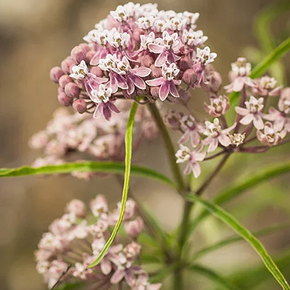
- Vanilla-scented, rose-pink flower clusters bloom continuously from midsummer through early fall, drawing monarchs, native bees, and hummingbirds in droves
- A true North American native that serves as both a nectar source and an essential host plant for monarch butterfly caterpillars, directly supporting their threatened populations
- Exceptionally versatile and low-maintenance — tolerates average to wet soils, clay, and even boggy or swampy conditions once established, making it ideal for rain gardens, pond edges, and low-lying borders
- Deer resistant and nearly pest-free with attractive lance-shaped foliage, long-stemmed blooms perfect for fresh-cut arrangements, and ornamental seed pods that extend seasonal interest into winter
Asclepias incarnata 'Cinderella' — commonly known as Cinderella Swamp Milkweed — is an upright, clump-forming herbaceous perennial that stands out as one of the most refined and garden-worthy selections of native milkweed available today. Growing 3 to 5 feet tall and 1 to 3 feet wide, its sturdy, branching stems are cloaked in stiff, lance-shaped, taper-pointed green leaves that provide a lush, tidy backdrop from spring through fall. From midsummer well into early fall, large, showy umbels of sweetly vanilla-scented, rose-pink flowers crown the upright stems in a long-lasting display that rivals any perennial border showstopper. As the blooms fade, slender, elongated seed pods develop and burst open in autumn to reveal flat brown seeds attached to long, silky white hairs — a stunning addition to dried arrangements and a valuable food and shelter source for overwintering wildlife. Hardy in USDA Zones 3 through 9, 'Cinderella' thrives in full sun and moist to wet soils, though established plants adapt remarkably well to average garden conditions. Its deep taproot system makes it drought-tolerant once settled in, while its tolerance of clay soils, boggy sites, and poorly drained areas makes it a natural fit for rain gardens, pond margins, stream banks, and wet meadows. As an irreplaceable host plant for monarch butterfly caterpillars and a rich nectar source for adult monarchs, native bees, hummingbirds, and a wide range of other pollinators, 'Cinderella' Swamp Milkweed is not just a beautiful garden perennial — it is a meaningful conservation plant for Southern Oregon and Northern California gardeners who want to make a real difference for struggling pollinator populations.
Plant Description
Asclepias incarnata 'Cinderella' is an erect, clump-forming herbaceous perennial native to North America. It produces multiple upright, branching stems densely clothed in stiff, narrow, lance-shaped leaves with tapered tips. The foliage is a rich, lustrous green throughout the growing season, giving the plant a full and lush appearance even when not in bloom. In summer, the stems are topped with large, domed umbels of small but richly colored, vanilla-scented rose-pink flowers that bloom continuously for weeks. As flowers mature, they give way to slender, upright seed pods that split open in fall to release seeds with long, silky white plumes. The plant spreads slowly via short, creeping rhizomes without becoming invasive, forming well-behaved, gradually expanding clumps. Like all milkweeds, the stems and foliage exude a milky sap when cut or damaged, which contains cardiac glycosides that make the plant unpalatable to deer and rabbits. This is a true perennial — the top growth dies back completely after frost and new shoots reliably emerge from the crown each spring.
Mature Size
| Characteristic | Measurement |
|---|---|
| Mature Height | 3 to 5 feet (90 to 150 cm) |
| Mature Spread | 1 to 3 feet (30 to 90 cm) |
| Recommended Spacing | 18 to 36 inches (45 to 90 cm) apart |
| Growth Habit | Upright, clump-forming |
| Growth Rate | Moderate; reaches full size in 2 to 3 seasons |
First-year plants are typically shorter as they focus energy on establishing their deep root system. By the second and third seasons, expect the full 3 to 5-foot height. Plants growing in rich, consistently moist soil with full sun exposure will reach the upper end of the size range. Spacing plants at least 18 to 24 inches apart promotes good airflow through the clumps and helps prevent powdery mildew in humid conditions.
Hardiness Zones
Asclepias incarnata 'Cinderella' is reliably cold hardy in USDA Hardiness Zones 3 through 9, making it one of the most widely adaptable milkweed cultivars available. It handles the deep winter freezes of Zone 3 (down to -40°F) without difficulty and performs equally well through the warm summers of Zone 9. In Southern Oregon and Northern California, it is well-suited to the broad range of conditions found across Zones 6 through 9, from the inland valleys to the higher elevation foothills. In colder zones, applying a layer of mulch over the crown in late fall provides added insulation for the root system. This plant is an herbaceous perennial, meaning the top growth dies back to the ground each winter and reliably returns from the crown each spring as soil temperatures warm.
Sunlight Requirements
'Cinderella' Swamp Milkweed performs best in full sun, defined as 6 or more hours of direct sunlight per day. Full sun exposure promotes the sturdiest, most upright stems, the most abundant flower production, and the strongest overall plant vigor. In hot inland climates, light afternoon shade can be tolerated and may actually help reduce moisture stress during peak summer heat — provided the soil is kept consistently moist. Too much shade results in fewer flowers, lankier and more floppy stems, and a generally weaker plant that is more susceptible to pests and disease. For the best combination of bloom performance and plant health in Southern Oregon and Northern California gardens, choose the sunniest available planting site.
Soil and pH Preferences
As a native wetland species, 'Cinderella' Swamp Milkweed has a natural affinity for moist to wet soils and thrives in conditions that challenge many other garden perennials. It tolerates clay soils, poorly drained areas, and even temporarily flooded or boggy spots with ease. That said, established plants are remarkably adaptable and will perform well in average garden loam as long as irrigation is consistent, particularly during dry spells. The ideal soil is humus-rich, moisture-retentive loam or clay loam. Amending the planting site with compost improves water retention in drier soils and adds the organic matter this plant thrives on. 'Cinderella' is tolerant of a wide soil pH range, growing well in acidic, neutral, and even slightly alkaline soils — roughly pH 5.5 to 7.5. Avoid planting in areas with extremely fast-draining, sandy, or gravelly soils unless supplemental irrigation can be reliably provided throughout the growing season.
Watering Guide
Consistent moisture is the single most important cultural requirement for 'Cinderella' Swamp Milkweed, especially in its first growing season while the deep taproot system is becoming established. Water newly planted specimens regularly to keep the soil evenly moist but not stagnant. Once established — typically by the second season — the deep taproot gives the plant considerably more drought tolerance, though performance is always best when moisture is maintained. In rain gardens, pond margins, stream banks, or any naturally moist area of the landscape, supplemental irrigation is rarely needed after establishment. In drier garden beds or during extended summer dry spells (which are common in Southern Oregon and Northern California), water deeply and consistently rather than with frequent shallow irrigation. Applying a 2 to 3-inch layer of organic mulch around the base of the plant helps retain soil moisture, moderate soil temperature, and reduce the frequency of watering needed during hot summer months.
Fertilizing
'Cinderella' Swamp Milkweed is a low-fertility native plant that performs beautifully without heavy fertilization. In average to good garden soil, little to no supplemental fertilizer is needed once the plant is established. Overfertilizing — particularly with high-nitrogen fertilizers — can produce lush, overly soft growth that is prone to flopping and more susceptible to aphid pressure. The best approach is to work a generous amount of compost into the planting area at the time of installation to improve soil structure and long-term organic fertility. A light top-dressing of compost in early spring as new growth emerges is generally all the supplemental nutrition this plant requires. If growing in very poor or sandy soils, a single application of a balanced, slow-release granular fertilizer in early spring can be beneficial. Avoid fertilizing after midsummer, as late-season fertilization can stimulate tender new growth that may not harden off adequately before the first frost.
Pruning and Maintenance
'Cinderella' Swamp Milkweed is a low-maintenance perennial that requires only basic seasonal care to look its best year after year.
- Spring: Cut last year's dormant stems back to 2 to 3 inches above ground level in late winter or very early spring, just before new growth emerges. New shoots will appear from the crown as soil warms. For bushier, more compact plants, a light pinch of the stem tips early in the growing season can encourage branching without significantly reducing bloom.
- Summer: Deadhead spent flower clusters after they fade to encourage a second flush of blooms and extend the flowering season. Use clean, sharp pruners when cutting stems, as the milky sap can be a skin irritant — wearing gloves is recommended.
- Fall: Allow some seed pods to mature on the plant for winter ornamental interest, wildlife value, and natural reseeding. If you wish to control self-seeding, remove the pods before they split open. The upright stems can also be left standing through winter to provide shelter for beneficial insects and visual structure in the garden.
- Self-seeding: 'Cinderella' can self-seed modestly around the planting area. Unwanted volunteer seedlings are easy to remove in spring when they are small.
Planting Instructions
- Choose a site that receives full sun (6 or more hours daily) and has access to consistent moisture — rain garden edges, low-lying beds, pond margins, and stream banks are ideal.
- Prepare the planting area by loosening the soil to a depth of 12 to 15 inches and incorporating a generous amount of compost to improve moisture retention and fertility.
- Dig a planting hole that is approximately twice as wide as the root ball and the same depth. Avoid disturbing the roots more than necessary, as swamp milkweed develops deep taproots that dislike excessive disturbance.
- Remove the plant from its container, gently loosen any circling roots at the outer edges, and set it in the hole so the top of the root ball is level with the surrounding soil surface.
- Backfill with the amended soil, firming gently around the roots to eliminate air pockets.
- Water thoroughly after planting to settle the soil and encourage initial root establishment.
- Apply a 2 to 3-inch layer of organic mulch over the root zone, keeping the mulch a few inches away from the base of the stems to prevent rot.
- Water consistently throughout the first growing season to keep the soil evenly moist while the root system becomes established. Spring or fall planting is preferred over midsummer to reduce heat stress on new transplants.
Seasonal Interest
| Season | What to Expect |
|---|---|
| Spring | New shoots emerge from the crown as soil warms; fresh, bright green lance-shaped foliage quickly develops into a full, upright clump |
| Early Summer | Lush, full foliage matures; flower buds begin to form at the tips of branching stems |
| Midsummer to Early Fall | Peak bloom period — large, domed clusters of vanilla-scented, rose-pink flowers attract a constant parade of monarch butterflies, native bees, and hummingbirds |
| Fall | Slender, ornamental seed pods develop and split open to release seeds with silky white plumes; stunning in the garden and in dried arrangements |
| Winter | Upright dried stems and lingering seed pods provide structural interest and shelter for overwintering beneficial insects; top growth dies back completely |
Landscape Uses
'Cinderella' Swamp Milkweed is an exceptionally versatile native perennial suited to a wide range of landscape applications. Its tall, upright habit and showy midsummer blooms make it a natural choice as a mid-border to back-of-border accent in cottage-style and naturalistic perennial gardens. Its remarkable tolerance for wet, poorly drained, and boggy conditions makes it one of the most valuable plants available for rain gardens, bioswales, pond edges, stream banks, and stormwater management plantings. Additional landscape uses include:
- Monarch butterfly and pollinator gardens — a must-have host and nectar plant
- Native plant and wildlife habitat gardens
- Wet meadow and prairie-style plantings
- Bog gardens and water feature surrounds
- Cutting gardens — long, sturdy stems and long-lasting blooms with excellent vase life
- Mass plantings for bold midsummer color and maximum pollinator impact
- Naturalized areas along fences, property edges, and woodland margins where soil stays moist
- Container planting as a dramatic upright "thriller" accent in large mixed pots with consistent moisture
Wildlife Value
Few garden perennials match the ecological value of 'Cinderella' Swamp Milkweed. It plays a critical and irreplaceable role in the life cycle of the monarch butterfly (Danaus plexippus), whose North American population has declined by more than 90% over the past two decades due largely to the loss of milkweed habitat. Every plant placed in a home garden contributes directly to reversing this decline. Wildlife benefits include:
- Monarch butterfly host plant: Female monarchs lay their eggs exclusively on milkweed foliage, and the emerging caterpillars feed on the leaves as their sole food source
- Monarch nectar source: The fragrant flower clusters are among the most sought-after nectar sources for adult monarch butterflies during their summer breeding season and fall migration
- Host plant for queen butterflies and milkweed tussock moths: Other specialist insects also rely on milkweed as a larval host
- Pollinator magnet: Native bees, bumblebees, honeybees, swallowtail butterflies, fritillaries, and many other beneficial pollinators visit the flowers heavily throughout the bloom season
- Hummingbirds: The rich nectar of the flower clusters is highly attractive to hummingbirds, which are common summer visitors in Southern Oregon and Northern California
- Seed dispersal wildlife: Dried seed pods and their silky plumes are used as nesting material by certain bird species
- Deer and rabbit resistant: The bitter milky sap containing cardiac glycosides makes the plant highly unpalatable to browsing mammals
Companion Plants
For maximum visual impact and pollinator value, pair 'Cinderella' Swamp Milkweed with other moisture-tolerant native perennials and ornamentals that share similar growing conditions and bloom in complementary seasons. Excellent companion plants include:
- Joe-Pye Weed (Eutrochium spp.): A towering native with dusty-rose flower heads that blooms slightly later in summer, extending the pollinator season and creating a dramatic naturalistic combination
- New England Aster (Symphyotrichum novae-angliae): Brilliant purple-pink fall blooms provide a vital late-season nectar bridge for migrating monarchs
- Dense Blazing Star (Liatris spicata): Vertical spikes of purple-pink flowers bloom in midsummer alongside the milkweed, sharing the same moisture preferences
- Purple Coneflower (Echinacea purpurea): A classic pollinator garden companion with bold rosy-purple daisy-like flowers that contrast beautifully with the milkweed's umbels
- Goldenrod (Solidago spp.): Native goldenrods provide essential late-summer and fall nectar for monarchs and migrating pollinators
- Rose Mallow (Hibiscus moscheutos): Large, showy flowers in pinks and reds thrive in the same moist to wet conditions, adding bold tropical drama to the planting
- Blue Mistflower (Conoclinium coelestinum): Soft blue-lavender fall flowers complement the milkweed's pink tones and extend the pollinator season into autumn
- Sneezeweed (Helenium autumnale): Warm gold and russet daisy-like flowers in late summer and fall pair beautifully in moisture-loving mixed borders
- Ornamental Sedges (Carex spp.): Low-growing moisture-loving grasses add fine texture and year-round interest as a foreground planting
Pests and Diseases
'Cinderella' Swamp Milkweed is generally a tough, pest-resistant native perennial that experiences few serious problems when grown in appropriate conditions. The most common issues to be aware of are:
- Oleander Aphids (Aphis nerii): Bright yellow aphids with black legs that commonly congregate on stems and flower buds in summer. In small numbers they cause little harm to established plants and serve as a food source for ladybugs, lacewings, and other beneficial predators. Large infestations can be managed by blasting plants with a strong stream of water from a garden hose. Avoid using insecticidal soaps or chemical pesticides, which can harm monarch caterpillars and other beneficial insects.
- Milkweed Bugs (Oncopeltus fasciatus): Orange and black bugs that feed on developing seed pods. Generally more of a nuisance than a serious problem; handpick or tolerate them if seed saving is not a priority.
- Milkweed Tussock Moth Caterpillars: Fuzzy black, white, and orange caterpillars that feed on foliage in groups. Rarely cause lasting harm to established plants and are part of the native ecology of milkweed.
- Powdery Mildew: Can occasionally appear on foliage in humid conditions or when plants are overcrowded and airflow is poor. Maintain proper plant spacing and choose a site with good air circulation to minimize the risk. Affected foliage is more cosmetic than harmful.
- Root Rot: Can occur in sites with stagnant water or compacted, poorly oxygenated soil. While 'Cinderella' tolerates wet soil, standing water that does not drain at all should be avoided. Ensure some degree of water movement through the root zone.
Important note: Always avoid using systemic insecticides or broad-spectrum chemical pesticides on or near milkweed plants, as these substances are highly toxic to monarch caterpillars, native bees, and all the other beneficial insects that depend on this plant.
Container Growing
While 'Cinderella' Swamp Milkweed is most at home in the open garden, it can be grown successfully in large containers where it serves as a dramatic upright "thriller" element in mixed plantings. Key considerations for container success:
- Use a large container — at least 15 to 20 gallons — to accommodate the plant's deep taproot and provide adequate root volume for moisture retention
- Choose a high-quality potting mix blended with compost for added moisture retention and fertility
- Containers dry out significantly faster than in-ground plantings, so consistent, frequent watering is essential — check moisture daily during hot summer weather
- Place containers in a full-sun location for best bloom performance
- Fertilize lightly with a balanced, slow-release granular fertilizer in early spring, as the frequent watering required for containers leaches nutrients from the potting mix more rapidly than in-ground soil
- In colder climates (Zones 6 and below), move containers to a sheltered location or unheated garage for winter to protect the root system from freeze-thaw cycles that can be damaging in above-ground containers
- Container-grown plants will generally stay somewhat more compact than in-ground specimens due to restricted root space
Cut Flower Use
Asclepias incarnata 'Cinderella' is an outstanding cut flower that is often overlooked in this role. The long, sturdy stems and large, fragrant flower clusters make beautiful, distinctive additions to fresh arrangements, and the vase life is notably long compared to many summer perennials. Tips for getting the most from 'Cinderella' as a cut flower:
- Harvest stems in the early morning when the flowers are freshly open and temperatures are cool
- Cut stems to the desired length using sharp, clean pruners or scissors
- Immediately after cutting, sear the cut end of each stem briefly in a flame or plunge into boiling water for a few seconds — this helps seal the milky sap and greatly extends vase life
- Transfer immediately to a vase of cool, clean water and place in a cool, shaded location for several hours to allow the stems to hydrate before arranging
- Change the vase water every two days and re-cut the stem ends to maintain freshness
- The vanilla fragrance of the blooms adds a subtle, delightful scent to indoor arrangements
- Dried seed pods are equally valuable in autumn and winter dried arrangements, adding unique texture and visual interest
- Vanilla-scented, rose-pink flower clusters bloom continuously from midsummer through early fall, drawing monarchs, native bees, and hummingbirds in droves
- A true North American native that serves as both a nectar source and an essential host plant for monarch butterfly caterpillars, directly supporting their threatened populations
- Exceptionally versatile and low-maintenance — tolerates average to wet soils, clay, and even boggy or swampy conditions once established, making it ideal for rain gardens, pond edges, and low-lying borders
- Deer resistant and nearly pest-free with attractive lance-shaped foliage, long-stemmed blooms perfect for fresh-cut arrangements, and ornamental seed pods that extend seasonal interest into winter
Asclepias incarnata 'Cinderella' — commonly known as Cinderella Swamp Milkweed — is an upright, clump-forming herbaceous perennial that stands out as one of the most refined and garden-worthy selections of native milkweed available today. Growing 3 to 5 feet tall and 1 to 3 feet wide, its sturdy, branching stems are cloaked in stiff, lance-shaped, taper-pointed green leaves that provide a lush, tidy backdrop from spring through fall. From midsummer well into early fall, large, showy umbels of sweetly vanilla-scented, rose-pink flowers crown the upright stems in a long-lasting display that rivals any perennial border showstopper. As the blooms fade, slender, elongated seed pods develop and burst open in autumn to reveal flat brown seeds attached to long, silky white hairs — a stunning addition to dried arrangements and a valuable food and shelter source for overwintering wildlife. Hardy in USDA Zones 3 through 9, 'Cinderella' thrives in full sun and moist to wet soils, though established plants adapt remarkably well to average garden conditions. Its deep taproot system makes it drought-tolerant once settled in, while its tolerance of clay soils, boggy sites, and poorly drained areas makes it a natural fit for rain gardens, pond margins, stream banks, and wet meadows. As an irreplaceable host plant for monarch butterfly caterpillars and a rich nectar source for adult monarchs, native bees, hummingbirds, and a wide range of other pollinators, 'Cinderella' Swamp Milkweed is not just a beautiful garden perennial — it is a meaningful conservation plant for Southern Oregon and Northern California gardeners who want to make a real difference for struggling pollinator populations.
Plant Description
Asclepias incarnata 'Cinderella' is an erect, clump-forming herbaceous perennial native to North America. It produces multiple upright, branching stems densely clothed in stiff, narrow, lance-shaped leaves with tapered tips. The foliage is a rich, lustrous green throughout the growing season, giving the plant a full and lush appearance even when not in bloom. In summer, the stems are topped with large, domed umbels of small but richly colored, vanilla-scented rose-pink flowers that bloom continuously for weeks. As flowers mature, they give way to slender, upright seed pods that split open in fall to release seeds with long, silky white plumes. The plant spreads slowly via short, creeping rhizomes without becoming invasive, forming well-behaved, gradually expanding clumps. Like all milkweeds, the stems and foliage exude a milky sap when cut or damaged, which contains cardiac glycosides that make the plant unpalatable to deer and rabbits. This is a true perennial — the top growth dies back completely after frost and new shoots reliably emerge from the crown each spring.
Mature Size
| Characteristic | Measurement |
|---|---|
| Mature Height | 3 to 5 feet (90 to 150 cm) |
| Mature Spread | 1 to 3 feet (30 to 90 cm) |
| Recommended Spacing | 18 to 36 inches (45 to 90 cm) apart |
| Growth Habit | Upright, clump-forming |
| Growth Rate | Moderate; reaches full size in 2 to 3 seasons |
First-year plants are typically shorter as they focus energy on establishing their deep root system. By the second and third seasons, expect the full 3 to 5-foot height. Plants growing in rich, consistently moist soil with full sun exposure will reach the upper end of the size range. Spacing plants at least 18 to 24 inches apart promotes good airflow through the clumps and helps prevent powdery mildew in humid conditions.
Hardiness Zones
Asclepias incarnata 'Cinderella' is reliably cold hardy in USDA Hardiness Zones 3 through 9, making it one of the most widely adaptable milkweed cultivars available. It handles the deep winter freezes of Zone 3 (down to -40°F) without difficulty and performs equally well through the warm summers of Zone 9. In Southern Oregon and Northern California, it is well-suited to the broad range of conditions found across Zones 6 through 9, from the inland valleys to the higher elevation foothills. In colder zones, applying a layer of mulch over the crown in late fall provides added insulation for the root system. This plant is an herbaceous perennial, meaning the top growth dies back to the ground each winter and reliably returns from the crown each spring as soil temperatures warm.
Sunlight Requirements
'Cinderella' Swamp Milkweed performs best in full sun, defined as 6 or more hours of direct sunlight per day. Full sun exposure promotes the sturdiest, most upright stems, the most abundant flower production, and the strongest overall plant vigor. In hot inland climates, light afternoon shade can be tolerated and may actually help reduce moisture stress during peak summer heat — provided the soil is kept consistently moist. Too much shade results in fewer flowers, lankier and more floppy stems, and a generally weaker plant that is more susceptible to pests and disease. For the best combination of bloom performance and plant health in Southern Oregon and Northern California gardens, choose the sunniest available planting site.
Soil and pH Preferences
As a native wetland species, 'Cinderella' Swamp Milkweed has a natural affinity for moist to wet soils and thrives in conditions that challenge many other garden perennials. It tolerates clay soils, poorly drained areas, and even temporarily flooded or boggy spots with ease. That said, established plants are remarkably adaptable and will perform well in average garden loam as long as irrigation is consistent, particularly during dry spells. The ideal soil is humus-rich, moisture-retentive loam or clay loam. Amending the planting site with compost improves water retention in drier soils and adds the organic matter this plant thrives on. 'Cinderella' is tolerant of a wide soil pH range, growing well in acidic, neutral, and even slightly alkaline soils — roughly pH 5.5 to 7.5. Avoid planting in areas with extremely fast-draining, sandy, or gravelly soils unless supplemental irrigation can be reliably provided throughout the growing season.
Watering Guide
Consistent moisture is the single most important cultural requirement for 'Cinderella' Swamp Milkweed, especially in its first growing season while the deep taproot system is becoming established. Water newly planted specimens regularly to keep the soil evenly moist but not stagnant. Once established — typically by the second season — the deep taproot gives the plant considerably more drought tolerance, though performance is always best when moisture is maintained. In rain gardens, pond margins, stream banks, or any naturally moist area of the landscape, supplemental irrigation is rarely needed after establishment. In drier garden beds or during extended summer dry spells (which are common in Southern Oregon and Northern California), water deeply and consistently rather than with frequent shallow irrigation. Applying a 2 to 3-inch layer of organic mulch around the base of the plant helps retain soil moisture, moderate soil temperature, and reduce the frequency of watering needed during hot summer months.
Fertilizing
'Cinderella' Swamp Milkweed is a low-fertility native plant that performs beautifully without heavy fertilization. In average to good garden soil, little to no supplemental fertilizer is needed once the plant is established. Overfertilizing — particularly with high-nitrogen fertilizers — can produce lush, overly soft growth that is prone to flopping and more susceptible to aphid pressure. The best approach is to work a generous amount of compost into the planting area at the time of installation to improve soil structure and long-term organic fertility. A light top-dressing of compost in early spring as new growth emerges is generally all the supplemental nutrition this plant requires. If growing in very poor or sandy soils, a single application of a balanced, slow-release granular fertilizer in early spring can be beneficial. Avoid fertilizing after midsummer, as late-season fertilization can stimulate tender new growth that may not harden off adequately before the first frost.
Pruning and Maintenance
'Cinderella' Swamp Milkweed is a low-maintenance perennial that requires only basic seasonal care to look its best year after year.
- Spring: Cut last year's dormant stems back to 2 to 3 inches above ground level in late winter or very early spring, just before new growth emerges. New shoots will appear from the crown as soil warms. For bushier, more compact plants, a light pinch of the stem tips early in the growing season can encourage branching without significantly reducing bloom.
- Summer: Deadhead spent flower clusters after they fade to encourage a second flush of blooms and extend the flowering season. Use clean, sharp pruners when cutting stems, as the milky sap can be a skin irritant — wearing gloves is recommended.
- Fall: Allow some seed pods to mature on the plant for winter ornamental interest, wildlife value, and natural reseeding. If you wish to control self-seeding, remove the pods before they split open. The upright stems can also be left standing through winter to provide shelter for beneficial insects and visual structure in the garden.
- Self-seeding: 'Cinderella' can self-seed modestly around the planting area. Unwanted volunteer seedlings are easy to remove in spring when they are small.
Planting Instructions
- Choose a site that receives full sun (6 or more hours daily) and has access to consistent moisture — rain garden edges, low-lying beds, pond margins, and stream banks are ideal.
- Prepare the planting area by loosening the soil to a depth of 12 to 15 inches and incorporating a generous amount of compost to improve moisture retention and fertility.
- Dig a planting hole that is approximately twice as wide as the root ball and the same depth. Avoid disturbing the roots more than necessary, as swamp milkweed develops deep taproots that dislike excessive disturbance.
- Remove the plant from its container, gently loosen any circling roots at the outer edges, and set it in the hole so the top of the root ball is level with the surrounding soil surface.
- Backfill with the amended soil, firming gently around the roots to eliminate air pockets.
- Water thoroughly after planting to settle the soil and encourage initial root establishment.
- Apply a 2 to 3-inch layer of organic mulch over the root zone, keeping the mulch a few inches away from the base of the stems to prevent rot.
- Water consistently throughout the first growing season to keep the soil evenly moist while the root system becomes established. Spring or fall planting is preferred over midsummer to reduce heat stress on new transplants.
Seasonal Interest
| Season | What to Expect |
|---|---|
| Spring | New shoots emerge from the crown as soil warms; fresh, bright green lance-shaped foliage quickly develops into a full, upright clump |
| Early Summer | Lush, full foliage matures; flower buds begin to form at the tips of branching stems |
| Midsummer to Early Fall | Peak bloom period — large, domed clusters of vanilla-scented, rose-pink flowers attract a constant parade of monarch butterflies, native bees, and hummingbirds |
| Fall | Slender, ornamental seed pods develop and split open to release seeds with silky white plumes; stunning in the garden and in dried arrangements |
| Winter | Upright dried stems and lingering seed pods provide structural interest and shelter for overwintering beneficial insects; top growth dies back completely |
Landscape Uses
'Cinderella' Swamp Milkweed is an exceptionally versatile native perennial suited to a wide range of landscape applications. Its tall, upright habit and showy midsummer blooms make it a natural choice as a mid-border to back-of-border accent in cottage-style and naturalistic perennial gardens. Its remarkable tolerance for wet, poorly drained, and boggy conditions makes it one of the most valuable plants available for rain gardens, bioswales, pond edges, stream banks, and stormwater management plantings. Additional landscape uses include:
- Monarch butterfly and pollinator gardens — a must-have host and nectar plant
- Native plant and wildlife habitat gardens
- Wet meadow and prairie-style plantings
- Bog gardens and water feature surrounds
- Cutting gardens — long, sturdy stems and long-lasting blooms with excellent vase life
- Mass plantings for bold midsummer color and maximum pollinator impact
- Naturalized areas along fences, property edges, and woodland margins where soil stays moist
- Container planting as a dramatic upright "thriller" accent in large mixed pots with consistent moisture
Wildlife Value
Few garden perennials match the ecological value of 'Cinderella' Swamp Milkweed. It plays a critical and irreplaceable role in the life cycle of the monarch butterfly (Danaus plexippus), whose North American population has declined by more than 90% over the past two decades due largely to the loss of milkweed habitat. Every plant placed in a home garden contributes directly to reversing this decline. Wildlife benefits include:
- Monarch butterfly host plant: Female monarchs lay their eggs exclusively on milkweed foliage, and the emerging caterpillars feed on the leaves as their sole food source
- Monarch nectar source: The fragrant flower clusters are among the most sought-after nectar sources for adult monarch butterflies during their summer breeding season and fall migration
- Host plant for queen butterflies and milkweed tussock moths: Other specialist insects also rely on milkweed as a larval host
- Pollinator magnet: Native bees, bumblebees, honeybees, swallowtail butterflies, fritillaries, and many other beneficial pollinators visit the flowers heavily throughout the bloom season
- Hummingbirds: The rich nectar of the flower clusters is highly attractive to hummingbirds, which are common summer visitors in Southern Oregon and Northern California
- Seed dispersal wildlife: Dried seed pods and their silky plumes are used as nesting material by certain bird species
- Deer and rabbit resistant: The bitter milky sap containing cardiac glycosides makes the plant highly unpalatable to browsing mammals
Companion Plants
For maximum visual impact and pollinator value, pair 'Cinderella' Swamp Milkweed with other moisture-tolerant native perennials and ornamentals that share similar growing conditions and bloom in complementary seasons. Excellent companion plants include:
- Joe-Pye Weed (Eutrochium spp.): A towering native with dusty-rose flower heads that blooms slightly later in summer, extending the pollinator season and creating a dramatic naturalistic combination
- New England Aster (Symphyotrichum novae-angliae): Brilliant purple-pink fall blooms provide a vital late-season nectar bridge for migrating monarchs
- Dense Blazing Star (Liatris spicata): Vertical spikes of purple-pink flowers bloom in midsummer alongside the milkweed, sharing the same moisture preferences
- Purple Coneflower (Echinacea purpurea): A classic pollinator garden companion with bold rosy-purple daisy-like flowers that contrast beautifully with the milkweed's umbels
- Goldenrod (Solidago spp.): Native goldenrods provide essential late-summer and fall nectar for monarchs and migrating pollinators
- Rose Mallow (Hibiscus moscheutos): Large, showy flowers in pinks and reds thrive in the same moist to wet conditions, adding bold tropical drama to the planting
- Blue Mistflower (Conoclinium coelestinum): Soft blue-lavender fall flowers complement the milkweed's pink tones and extend the pollinator season into autumn
- Sneezeweed (Helenium autumnale): Warm gold and russet daisy-like flowers in late summer and fall pair beautifully in moisture-loving mixed borders
- Ornamental Sedges (Carex spp.): Low-growing moisture-loving grasses add fine texture and year-round interest as a foreground planting
Pests and Diseases
'Cinderella' Swamp Milkweed is generally a tough, pest-resistant native perennial that experiences few serious problems when grown in appropriate conditions. The most common issues to be aware of are:
- Oleander Aphids (Aphis nerii): Bright yellow aphids with black legs that commonly congregate on stems and flower buds in summer. In small numbers they cause little harm to established plants and serve as a food source for ladybugs, lacewings, and other beneficial predators. Large infestations can be managed by blasting plants with a strong stream of water from a garden hose. Avoid using insecticidal soaps or chemical pesticides, which can harm monarch caterpillars and other beneficial insects.
- Milkweed Bugs (Oncopeltus fasciatus): Orange and black bugs that feed on developing seed pods. Generally more of a nuisance than a serious problem; handpick or tolerate them if seed saving is not a priority.
- Milkweed Tussock Moth Caterpillars: Fuzzy black, white, and orange caterpillars that feed on foliage in groups. Rarely cause lasting harm to established plants and are part of the native ecology of milkweed.
- Powdery Mildew: Can occasionally appear on foliage in humid conditions or when plants are overcrowded and airflow is poor. Maintain proper plant spacing and choose a site with good air circulation to minimize the risk. Affected foliage is more cosmetic than harmful.
- Root Rot: Can occur in sites with stagnant water or compacted, poorly oxygenated soil. While 'Cinderella' tolerates wet soil, standing water that does not drain at all should be avoided. Ensure some degree of water movement through the root zone.
Important note: Always avoid using systemic insecticides or broad-spectrum chemical pesticides on or near milkweed plants, as these substances are highly toxic to monarch caterpillars, native bees, and all the other beneficial insects that depend on this plant.
Container Growing
While 'Cinderella' Swamp Milkweed is most at home in the open garden, it can be grown successfully in large containers where it serves as a dramatic upright "thriller" element in mixed plantings. Key considerations for container success:
- Use a large container — at least 15 to 20 gallons — to accommodate the plant's deep taproot and provide adequate root volume for moisture retention
- Choose a high-quality potting mix blended with compost for added moisture retention and fertility
- Containers dry out significantly faster than in-ground plantings, so consistent, frequent watering is essential — check moisture daily during hot summer weather
- Place containers in a full-sun location for best bloom performance
- Fertilize lightly with a balanced, slow-release granular fertilizer in early spring, as the frequent watering required for containers leaches nutrients from the potting mix more rapidly than in-ground soil
- In colder climates (Zones 6 and below), move containers to a sheltered location or unheated garage for winter to protect the root system from freeze-thaw cycles that can be damaging in above-ground containers
- Container-grown plants will generally stay somewhat more compact than in-ground specimens due to restricted root space
Cut Flower Use
Asclepias incarnata 'Cinderella' is an outstanding cut flower that is often overlooked in this role. The long, sturdy stems and large, fragrant flower clusters make beautiful, distinctive additions to fresh arrangements, and the vase life is notably long compared to many summer perennials. Tips for getting the most from 'Cinderella' as a cut flower:
- Harvest stems in the early morning when the flowers are freshly open and temperatures are cool
- Cut stems to the desired length using sharp, clean pruners or scissors
- Immediately after cutting, sear the cut end of each stem briefly in a flame or plunge into boiling water for a few seconds — this helps seal the milky sap and greatly extends vase life
- Transfer immediately to a vase of cool, clean water and place in a cool, shaded location for several hours to allow the stems to hydrate before arranging
- Change the vase water every two days and re-cut the stem ends to maintain freshness
- The vanilla fragrance of the blooms adds a subtle, delightful scent to indoor arrangements
- Dried seed pods are equally valuable in autumn and winter dried arrangements, adding unique texture and visual interest
Related Products