Zoom the image with the mouse
Soulmate Milkweed - 1 Gallon
SKU:
2319250
UPC:
014949066386
$13.99
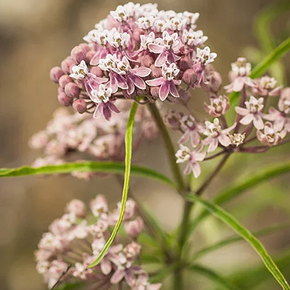
- Deep rose-pink, vanilla-scented flower clusters bloom from midsummer into early fall, attracting monarch butterflies, swallowtails, hummingbirds, and a wide range of native bees
- A critical host plant for monarch butterflies — females actively seek out this species for egg-laying, and caterpillars raised on it develop high fat reserves ideal for their long-distance migration
- Exceptionally versatile and tough: thrives in moist to wet soils, clay, and rain gardens, yet adapts well to average garden conditions once established
- A low-maintenance, deer-resistant North American native perennial that returns reliably each year, forming handsome clumps with ornamental seed pods that persist through winter
Asclepias incarnata 'Soulmate' is a standout cultivar of the beloved native swamp milkweed, delivering dense clusters of deep cherry-pink, vanilla-scented flowers atop branching stems clad in lush, lance-shaped foliage throughout summer and into early fall. Hardy from USDA Zones 3 to 9, this clump-forming herbaceous perennial reaches 3 to 4 feet tall and earns its place in sunny borders, wildflower meadows, rain gardens, and pond-side plantings where it thrives in moist, clay-based, or periodically wet soils that would defeat most ornamentals. Unlike tropical milkweed varieties that persist year-round and can disrupt monarch migration patterns, 'Soulmate' follows a natural dormancy cycle — dying back each fall and re-emerging in spring with a clean slate that resets parasite populations and provides the environmental cue monarchs rely on to initiate their migration. USDA research confirms that monarch females preferentially choose swamp milkweed for egg-laying above most other native milkweed species, and caterpillars raised on it develop some of the highest fat reserves of any milkweed-fed larvae, giving them the fuel needed for the 2,000-mile journey to overwintering sites in Mexico. Decorative spindle-shaped seed pods follow the blooms and split open in autumn, releasing silky-tailed seeds on the breeze while adding late-season texture to the landscape. With its forgiving, low-maintenance nature, remarkable wildlife value, and showy summer-long floral display, 'Soulmate' milkweed is an essential addition to any pollinator-focused or ecologically minded garden in Southern Oregon and Northern California.
Plant Description
Soulmate Milkweed (Asclepias incarnata 'Soulmate') is a cultivated selection of the North American native swamp milkweed, distinguished by its exceptionally deep cherry-rose flower color and reliably compact, upright habit. The plant forms sturdy, branching stems clothed in narrow, lance-shaped, medium-green leaves measuring 3 to 6 inches long. In midsummer, the stem tips produce rounded, umbel-like flower clusters approximately 2 inches across, packed with small but intricately structured blossoms, each with five reflexed petals and a raised central crown. The flowers emit a pleasing light vanilla fragrance that carries on warm summer air. After blooming, elongated, pointed seed pods up to 4 inches long develop and persist well into winter, eventually splitting to release seeds attached to silky white floss that drifts on the wind. The stems and foliage exude a milky sap when cut or broken, which is characteristic of the Asclepias genus and is part of what makes the plant so valuable to monarch butterflies. 'Soulmate' is an herbaceous perennial, dying back completely to the ground each winter and re-emerging — often quite late — in spring.
Mature Size
| Attribute | Measurement |
|---|---|
| Mature Height | 3 to 4 feet (occasionally to 5 feet in ideal conditions) |
| Mature Spread | 2 to 3 feet |
| Growth Rate | Moderate |
| Plant Form | Upright, clump-forming |
| Spacing (garden bed) | 18 to 24 inches apart |
| Spacing (rain garden) | 24 to 36 inches apart |
Hardiness and Climate
Soulmate Milkweed is hardy in USDA Zones 3 through 9, tolerating winter temperatures as low as -40°F, making it one of the most cold-hardy milkweed cultivars available. It thrives across a wide range of climates, from the frigid Upper Midwest to the warm Pacific Coast and the humid Southeast. In Southern Oregon and Northern California, it performs exceptionally well in Zones 7 through 9, producing lush growth and abundant blooms throughout summer. Unlike tropical milkweed, 'Soulmate' undergoes true winter dormancy in all climates, going completely dormant in fall and re-emerging in spring. This natural dormancy cycle is ecologically important — it resets OE (Ophryocystis elektroscirrha) parasite populations on the plant and provides the environmental signal that triggers monarch butterfly migration behavior. Note that emergence in spring can be very late, sometimes not appearing until May or even early June in colder zones, so patience is advised.
Sunlight Requirements
Soulmate Milkweed performs best in full sun, requiring a minimum of 6 hours of direct sunlight per day. Full sun exposure encourages the densest flowering, the most upright stems, and the greatest attractiveness to pollinators. While the plant can tolerate partial shade (2 to 4 hours of direct sun), reduced light results in fewer flower clusters, a slightly looser habit, and potentially the need for staking. When siting this plant in the garden, choose the sunniest available location for the most rewarding display and the greatest wildlife benefit.
Soil and pH Preferences
One of the most remarkable qualities of Soulmate Milkweed is its outstanding soil adaptability. It is native to swamps, streambanks, and wet meadows, meaning it thrives in consistently moist to wet soils, including heavy clay — conditions that would cause crown rot in most ornamental perennials. It is an excellent choice for rain gardens, low spots, and areas near water features. Ideal soil pH falls between 5.5 and 7.5, encompassing most clay and loam soils in the Pacific Northwest and Northern California without the need for significant amendment. While the plant is most at home in moist conditions, it adapts surprisingly well to average, well-drained garden soils once established. The one condition to avoid is permanently stagnant, waterlogged soil with no drainage outlet, which can cause crown rot over time. It is also salt-intolerant and should not be planted where road de-icing salts may accumulate in runoff.
Watering Guide
During the first growing season, water consistently to keep the root zone moist — approximately 1 inch of water per week in the absence of rain. This is critical for establishing the deep taproot system. Once established (typically from the second year onward), plants in clay or loam soils rarely need supplemental irrigation in most climate zones, as the deep roots access subsoil moisture even when the surface dries out. In sandy soils or during extended drought lasting more than two to three weeks, a deep weekly soak will sustain the plant. Overhead irrigation is not ideal; a deep soak at the base reduces the risk of foliar disease and does not displace the heavy mulch of oleander aphids that ladybugs and other beneficial insects manage naturally. In rain garden or pond-side settings, no supplemental watering is typically needed at all after establishment.
Fertilizing
Soulmate Milkweed is a light feeder adapted to low- to moderate-fertility soils and generally requires little to no fertilizer. Excessive nitrogen in particular promotes lush, overly vegetative growth at the expense of flowers and can make stems floppy and more susceptible to pests. In average to well-amended garden beds, no fertilizer is needed. In notably poor or sandy soils, a single light application of a balanced, slow-release fertilizer (such as 10-10-10) applied in early spring as new growth emerges is the upper limit of what is beneficial. Avoid high-nitrogen formulations and mid- or late-season feeding, which can interfere with the plant's natural hardening off process in fall.
Pruning and Seasonal Maintenance
Soulmate Milkweed requires minimal pruning and is one of the easier perennials to maintain. Follow this seasonal guide for best results:
- Early spring: Do not cut back until new growth is clearly visible at or above the soil line. This is the most important rule — the crown sits just below soil level and new shoots are invisible until late spring, especially in Zones 3 through 5. Cutting too early is the most common cause of accidental plant loss. Mark plant locations with a stake in fall to avoid digging into dormant crowns.
- Mid-spring (optional): Once shoots are 4 to 6 inches tall, pinching new stems back by one-third encourages a bushier, more branched habit and increases the number of flower clusters.
- Summer: Deadheading spent flower clusters encourages a second flush of bloom and extends the season. Leave some clusters to develop into seed pods for late-season wildlife value and natural self-seeding.
- Late summer to fall: Stop deadheading and allow seed pods to develop, mature, and split open naturally. The silky seed floss is used by birds as nesting material, and the standing stems provide winter habitat structure.
- Winter: Leave stems standing through winter. Cut them back to a few inches above the ground in late winter before new growth begins.
Planting Instructions
- Choose a site in full sun with moist to average, well-drained soil. Low spots, rain garden areas, and spots near water features are ideal.
- Dig a planting hole approximately twice as wide as the root ball and equal in depth. Avoid bending or circling roots.
- Place the plant at the same depth it was growing in its container — setting the crown at or just slightly below the soil surface.
- Backfill with the native soil, firming gently around the roots to eliminate air pockets.
- Water thoroughly after planting and keep the soil evenly moist throughout the first growing season.
- Space plants 18 to 24 inches apart in garden beds, or 24 to 36 inches apart in rain gardens or naturalized settings.
- Apply a 2-inch layer of organic mulch around the plant, keeping it a few inches away from the base of the stems to discourage crown rot.
- Note: Swamp milkweed develops a deep taproot and dislikes transplanting once established. Choose your site carefully and plan to leave the plant undisturbed for many years. Plant groupings of 3 to 6 plants or more to maximize monarch butterfly attraction.
Seasonal Interest
| Season | Features |
|---|---|
| Spring | Slow to emerge; new shoots appear late (April to May in most zones, as late as early June in colder regions); fresh lance-shaped foliage unfurls as stems rise quickly |
| Early to Midsummer | Plants reach full height; lush, branching green stems provide bold texture in the border |
| Midsummer to Early Fall | Peak bloom period — showy clusters of deep cherry-pink, vanilla-scented flowers attract monarchs, swallowtails, hummingbirds, bees, and other pollinators in abundance |
| Fall | Attractive elongated seed pods develop and begin to split, releasing silky white-tufted seeds on the wind; foliage turns yellow before the plant dies back completely |
| Winter | Upright dried stems and persistent split seed pods add winter structure and texture; stems provide bird nesting fiber and overwintering habitat for beneficial insects |
Wildlife and Ecological Value
Few plants deliver more concentrated ecological value per square foot than Soulmate Milkweed. Its contributions to garden wildlife are numerous and well documented:
- Monarch butterfly host plant: Milkweed is the exclusive larval host plant for monarch butterflies. Female monarchs preferentially select swamp milkweed over most other native milkweed species for egg-laying. Caterpillars fed on Asclepias incarnata develop some of the highest fat reserves of any milkweed-fed larvae, providing the fuel they need for the 2,000-mile migration to overwintering sites in Mexico.
- Monarch nectar source: Adult monarch butterflies, as well as migrating monarchs passing through in late summer and fall, feed on the nectar-rich flowers.
- Other butterfly species: The blooms attract swallowtails, fritillaries, skippers, sulphurs, and many other butterfly species as a nectar source.
- Hummingbirds: The dense flower clusters are a reliable nectar source for hummingbirds throughout summer.
- Native bees: Bumble bees, sweat bees, and other native bee species are frequent visitors and important pollinators.
- Birds: The silky seed floss (coma) attached to the seeds is gathered by birds, including goldfinches and orioles, as soft nesting material in spring.
- Natural chemical defense: The cardiac glycosides in the plant are sequestered by monarch caterpillars in their tissues, making adult butterflies toxic and unpalatable to most bird predators.
- Deer resistance: The milky sap and bitter taste of the foliage make this plant unattractive to deer.
Landscape Uses
Soulmate Milkweed is a versatile landscape plant suited to a wide range of settings:
- Pollinator and butterfly gardens: An absolute must-have; plant in groups of 3 to 6 or more for maximum monarch attraction
- Rain gardens: One of the best-performing ornamental perennials for rain garden use, thriving in the intermittent flooding and draining cycle
- Pond and stream edges: Ideal for moist shoreline plantings alongside ornamental grasses, Joe-Pye weed, and cardinal flower
- Sunny mixed perennial borders: Works well in the middle to back of a border alongside coneflowers, black-eyed Susans, and tall ornamental grasses
- Wildflower and native meadow gardens: Naturalizes well and self-seeds modestly without becoming invasive
- Low or wet areas of the landscape: Thrives in problem spots that stay wet after rainfall where most ornamentals fail
- Cut flower gardens: The fragrant flower clusters make beautiful, long-lasting cut flowers; harvest stems when clusters are partially open
- Conservation and restoration plantings: An ideal choice for habitat restoration projects and school or community butterfly gardens
Companion Plants
Soulmate Milkweed combines beautifully with a wide range of sun-loving perennials, particularly those that share its love of moist soils or attract similar wildlife. Consider pairing it with the following:
- Purple Coneflower (Echinacea purpurea): A classic combination — the pink and rose tones harmonize perfectly, and both plants attract monarchs and other pollinators simultaneously
- Black-Eyed Susan (Rudbeckia fulgida): Bright golden-yellow flowers provide a striking color contrast to the cherry-pink blooms of 'Soulmate' while supporting the same pollinator community
- Joe-Pye Weed (Eutrochium purpureum): A tall, moisture-loving native that blooms in late summer alongside milkweed's seed pod stage and draws migrating monarchs as a nectar source
- Swamp Milkweed 'Ice Ballet': The white-flowered counterpart to 'Soulmate' creates a beautiful pink-and-white combination while doubling the monarch habitat value
- Purple Salvia (Salvia nemorosa): The deep purple flower spikes create a striking contrast in height and color, attracting hummingbirds and bees
- Ironweed (Vernonia noveboracensis): A tall, native, moisture-tolerant perennial with vivid purple flowers that blooms in tandem and attracts monarchs on their fall migration
- Verbena bonariensis: A tall, airy see-through plant with purple flower heads that weaves naturally through milkweed without shading it and is itself an excellent monarch nectar source
- Ornamental Alliums (chives or garlic chives): Planted nearby, alliums help deter aphids from milkweed while their blooms attract additional pollinators
- Cardinal Flower (Lobelia cardinalis): A moisture-loving native that thrives in the same wet conditions as swamp milkweed while providing bold red color and hummingbird appeal
Pests and Diseases
Soulmate Milkweed is generally robust and trouble-free when grown in appropriate conditions. The following pests and issues may occasionally be encountered:
- Oleander Aphids (Aphis nerii): Bright yellow aphids with black legs are the most common pest on milkweed. They cluster on new stems and buds but are rarely a serious threat to established plants. Natural predators — ladybugs, lacewings, parasitic wasps — typically keep populations in check. If necessary, dislodge colonies with a firm stream of water. Avoid using pesticides, as any chemical treatment risks harming monarch eggs and caterpillars feeding on the same plant.
- Milkweed Bugs (Oncopeltus fasciatus): Orange-and-black seed bugs are often seen on developing seed pods. They feed on seeds, not foliage, and cause no significant harm to the plant. These are native insects and should be left undisturbed.
- Milkweed Beetle (Tetraopes tetrophthalmus): Red beetles with black spots occasionally feed on stems and foliage, but damage is typically cosmetic at normal population levels.
- Spider Mites: During hot, dry weather, spider mites may infest the undersides of leaves. A regular spray of water and good air circulation usually manages the problem without chemical intervention.
- Powdery Mildew: May occur in conditions of high humidity and poor air circulation, particularly later in the season. Proper plant spacing and avoiding overhead watering minimizes risk. By late summer, some foliage decline is normal and does not affect plant health or long-term vigor.
- Crown Rot: Can occur in permanently waterlogged sites with no drainage. Ensure there is adequate drainage and keep mulch pulled back from the base of stems.
- Aster Yellows: A phytoplasma disease transmitted by leafhoppers that causes yellowing, distorted growth, and poor flowering. Affected plants should be removed and disposed of — do not compost. There is no cure.
Important note on pesticides: Never apply systemic insecticides, soil drenches, or broad-spectrum sprays near milkweed plants. These chemicals will kill monarch eggs and caterpillars. All pest management on and around milkweed should be limited to manual removal and water sprays only.
Container Growing
While Soulmate Milkweed is best suited to in-ground planting where it can develop its deep taproot system fully, it can be grown successfully in large containers for patios, decks, or balcony pollinator gardens. For best results in containers:
- Choose a container at least 14 to 16 inches wide and 18 inches deep to accommodate the deep root system
- Use a rich, moisture-retentive potting mix; adding perlite for drainage is not necessary or desirable for this moisture-loving plant
- Container plants dry out more quickly than in-ground plants — check soil moisture frequently and water before the top 2 inches of soil dry out completely
- Feed container-grown plants with a light application of balanced slow-release fertilizer in spring, as nutrients leach out of containers more rapidly than garden beds
- In USDA Zones 7 to 9 (including Southern Oregon and Northern California), pots can be left outdoors year-round in a sheltered location; in colder areas, overwinter the container in an unheated garage or shed to protect the root zone from hard freezes
- Repot every two to three years as the plant's root mass expands, or divide and refresh the potting mix
Propagation
Soulmate Milkweed can be propagated by seed, division, or stem cuttings:
- Seed: Collect seed pods in early fall when they begin to split but before the floss fully opens and seeds disperse. Air-dry seeds for one week, then cold-stratify: place seeds in a damp paper towel inside a sealed plastic bag and refrigerate for 30 days. After stratification, sow seeds on the surface of a moist seed-starting mix at 65-70°F — do not cover with soil, as seeds require light to germinate. Germination typically occurs in 10 to 14 days. Alternatively, scatter seeds outdoors in a prepared bed in late fall and allow natural freeze-thaw cycles to provide stratification. Seed-grown plants typically bloom in their second year.
- Division: Divide established clumps in early spring when new shoots are 3 to 4 inches tall. Lift the clump carefully, discard any woody central crown, and replant vigorous outer sections with healthy root mass. Water well. Divisions typically bloom in the same season they are planted. Divide every 3 to 4 years to keep clumps vigorous.
- Stem Cuttings: Take 4- to 6-inch tip cuttings from healthy stems in spring or early summer. Remove lower leaves and allow the milky sap to dry briefly before inserting cuttings into a moist rooting medium. Maintain high humidity until roots develop.
Note: Established plants have deep taproots and do not transplant well. Plan permanent placement carefully and avoid disturbing mature plants.
Toxicity and Safety
All parts of Soulmate Milkweed contain cardiac glycosides (cardenolides) — the same compounds that make the plant so valuable as a host plant for monarch butterflies. These compounds are toxic to humans, dogs, cats, and horses if ingested. Symptoms of ingestion in pets or people may include nausea, vomiting, weakness, and in large amounts, cardiac effects. The milky sap can also cause skin and eye irritation in sensitive individuals; wear gloves when handling cut stems and wash hands thoroughly afterward. Plant in locations where children and pets are unlikely to browse the foliage or ingest plant material. Deer generally avoid the plant due to these same compounds, making it a good choice for gardens in deer-prone areas.
- Deep rose-pink, vanilla-scented flower clusters bloom from midsummer into early fall, attracting monarch butterflies, swallowtails, hummingbirds, and a wide range of native bees
- A critical host plant for monarch butterflies — females actively seek out this species for egg-laying, and caterpillars raised on it develop high fat reserves ideal for their long-distance migration
- Exceptionally versatile and tough: thrives in moist to wet soils, clay, and rain gardens, yet adapts well to average garden conditions once established
- A low-maintenance, deer-resistant North American native perennial that returns reliably each year, forming handsome clumps with ornamental seed pods that persist through winter
Asclepias incarnata 'Soulmate' is a standout cultivar of the beloved native swamp milkweed, delivering dense clusters of deep cherry-pink, vanilla-scented flowers atop branching stems clad in lush, lance-shaped foliage throughout summer and into early fall. Hardy from USDA Zones 3 to 9, this clump-forming herbaceous perennial reaches 3 to 4 feet tall and earns its place in sunny borders, wildflower meadows, rain gardens, and pond-side plantings where it thrives in moist, clay-based, or periodically wet soils that would defeat most ornamentals. Unlike tropical milkweed varieties that persist year-round and can disrupt monarch migration patterns, 'Soulmate' follows a natural dormancy cycle — dying back each fall and re-emerging in spring with a clean slate that resets parasite populations and provides the environmental cue monarchs rely on to initiate their migration. USDA research confirms that monarch females preferentially choose swamp milkweed for egg-laying above most other native milkweed species, and caterpillars raised on it develop some of the highest fat reserves of any milkweed-fed larvae, giving them the fuel needed for the 2,000-mile journey to overwintering sites in Mexico. Decorative spindle-shaped seed pods follow the blooms and split open in autumn, releasing silky-tailed seeds on the breeze while adding late-season texture to the landscape. With its forgiving, low-maintenance nature, remarkable wildlife value, and showy summer-long floral display, 'Soulmate' milkweed is an essential addition to any pollinator-focused or ecologically minded garden in Southern Oregon and Northern California.
Plant Description
Soulmate Milkweed (Asclepias incarnata 'Soulmate') is a cultivated selection of the North American native swamp milkweed, distinguished by its exceptionally deep cherry-rose flower color and reliably compact, upright habit. The plant forms sturdy, branching stems clothed in narrow, lance-shaped, medium-green leaves measuring 3 to 6 inches long. In midsummer, the stem tips produce rounded, umbel-like flower clusters approximately 2 inches across, packed with small but intricately structured blossoms, each with five reflexed petals and a raised central crown. The flowers emit a pleasing light vanilla fragrance that carries on warm summer air. After blooming, elongated, pointed seed pods up to 4 inches long develop and persist well into winter, eventually splitting to release seeds attached to silky white floss that drifts on the wind. The stems and foliage exude a milky sap when cut or broken, which is characteristic of the Asclepias genus and is part of what makes the plant so valuable to monarch butterflies. 'Soulmate' is an herbaceous perennial, dying back completely to the ground each winter and re-emerging — often quite late — in spring.
Mature Size
| Attribute | Measurement |
|---|---|
| Mature Height | 3 to 4 feet (occasionally to 5 feet in ideal conditions) |
| Mature Spread | 2 to 3 feet |
| Growth Rate | Moderate |
| Plant Form | Upright, clump-forming |
| Spacing (garden bed) | 18 to 24 inches apart |
| Spacing (rain garden) | 24 to 36 inches apart |
Hardiness and Climate
Soulmate Milkweed is hardy in USDA Zones 3 through 9, tolerating winter temperatures as low as -40°F, making it one of the most cold-hardy milkweed cultivars available. It thrives across a wide range of climates, from the frigid Upper Midwest to the warm Pacific Coast and the humid Southeast. In Southern Oregon and Northern California, it performs exceptionally well in Zones 7 through 9, producing lush growth and abundant blooms throughout summer. Unlike tropical milkweed, 'Soulmate' undergoes true winter dormancy in all climates, going completely dormant in fall and re-emerging in spring. This natural dormancy cycle is ecologically important — it resets OE (Ophryocystis elektroscirrha) parasite populations on the plant and provides the environmental signal that triggers monarch butterfly migration behavior. Note that emergence in spring can be very late, sometimes not appearing until May or even early June in colder zones, so patience is advised.
Sunlight Requirements
Soulmate Milkweed performs best in full sun, requiring a minimum of 6 hours of direct sunlight per day. Full sun exposure encourages the densest flowering, the most upright stems, and the greatest attractiveness to pollinators. While the plant can tolerate partial shade (2 to 4 hours of direct sun), reduced light results in fewer flower clusters, a slightly looser habit, and potentially the need for staking. When siting this plant in the garden, choose the sunniest available location for the most rewarding display and the greatest wildlife benefit.
Soil and pH Preferences
One of the most remarkable qualities of Soulmate Milkweed is its outstanding soil adaptability. It is native to swamps, streambanks, and wet meadows, meaning it thrives in consistently moist to wet soils, including heavy clay — conditions that would cause crown rot in most ornamental perennials. It is an excellent choice for rain gardens, low spots, and areas near water features. Ideal soil pH falls between 5.5 and 7.5, encompassing most clay and loam soils in the Pacific Northwest and Northern California without the need for significant amendment. While the plant is most at home in moist conditions, it adapts surprisingly well to average, well-drained garden soils once established. The one condition to avoid is permanently stagnant, waterlogged soil with no drainage outlet, which can cause crown rot over time. It is also salt-intolerant and should not be planted where road de-icing salts may accumulate in runoff.
Watering Guide
During the first growing season, water consistently to keep the root zone moist — approximately 1 inch of water per week in the absence of rain. This is critical for establishing the deep taproot system. Once established (typically from the second year onward), plants in clay or loam soils rarely need supplemental irrigation in most climate zones, as the deep roots access subsoil moisture even when the surface dries out. In sandy soils or during extended drought lasting more than two to three weeks, a deep weekly soak will sustain the plant. Overhead irrigation is not ideal; a deep soak at the base reduces the risk of foliar disease and does not displace the heavy mulch of oleander aphids that ladybugs and other beneficial insects manage naturally. In rain garden or pond-side settings, no supplemental watering is typically needed at all after establishment.
Fertilizing
Soulmate Milkweed is a light feeder adapted to low- to moderate-fertility soils and generally requires little to no fertilizer. Excessive nitrogen in particular promotes lush, overly vegetative growth at the expense of flowers and can make stems floppy and more susceptible to pests. In average to well-amended garden beds, no fertilizer is needed. In notably poor or sandy soils, a single light application of a balanced, slow-release fertilizer (such as 10-10-10) applied in early spring as new growth emerges is the upper limit of what is beneficial. Avoid high-nitrogen formulations and mid- or late-season feeding, which can interfere with the plant's natural hardening off process in fall.
Pruning and Seasonal Maintenance
Soulmate Milkweed requires minimal pruning and is one of the easier perennials to maintain. Follow this seasonal guide for best results:
- Early spring: Do not cut back until new growth is clearly visible at or above the soil line. This is the most important rule — the crown sits just below soil level and new shoots are invisible until late spring, especially in Zones 3 through 5. Cutting too early is the most common cause of accidental plant loss. Mark plant locations with a stake in fall to avoid digging into dormant crowns.
- Mid-spring (optional): Once shoots are 4 to 6 inches tall, pinching new stems back by one-third encourages a bushier, more branched habit and increases the number of flower clusters.
- Summer: Deadheading spent flower clusters encourages a second flush of bloom and extends the season. Leave some clusters to develop into seed pods for late-season wildlife value and natural self-seeding.
- Late summer to fall: Stop deadheading and allow seed pods to develop, mature, and split open naturally. The silky seed floss is used by birds as nesting material, and the standing stems provide winter habitat structure.
- Winter: Leave stems standing through winter. Cut them back to a few inches above the ground in late winter before new growth begins.
Planting Instructions
- Choose a site in full sun with moist to average, well-drained soil. Low spots, rain garden areas, and spots near water features are ideal.
- Dig a planting hole approximately twice as wide as the root ball and equal in depth. Avoid bending or circling roots.
- Place the plant at the same depth it was growing in its container — setting the crown at or just slightly below the soil surface.
- Backfill with the native soil, firming gently around the roots to eliminate air pockets.
- Water thoroughly after planting and keep the soil evenly moist throughout the first growing season.
- Space plants 18 to 24 inches apart in garden beds, or 24 to 36 inches apart in rain gardens or naturalized settings.
- Apply a 2-inch layer of organic mulch around the plant, keeping it a few inches away from the base of the stems to discourage crown rot.
- Note: Swamp milkweed develops a deep taproot and dislikes transplanting once established. Choose your site carefully and plan to leave the plant undisturbed for many years. Plant groupings of 3 to 6 plants or more to maximize monarch butterfly attraction.
Seasonal Interest
| Season | Features |
|---|---|
| Spring | Slow to emerge; new shoots appear late (April to May in most zones, as late as early June in colder regions); fresh lance-shaped foliage unfurls as stems rise quickly |
| Early to Midsummer | Plants reach full height; lush, branching green stems provide bold texture in the border |
| Midsummer to Early Fall | Peak bloom period — showy clusters of deep cherry-pink, vanilla-scented flowers attract monarchs, swallowtails, hummingbirds, bees, and other pollinators in abundance |
| Fall | Attractive elongated seed pods develop and begin to split, releasing silky white-tufted seeds on the wind; foliage turns yellow before the plant dies back completely |
| Winter | Upright dried stems and persistent split seed pods add winter structure and texture; stems provide bird nesting fiber and overwintering habitat for beneficial insects |
Wildlife and Ecological Value
Few plants deliver more concentrated ecological value per square foot than Soulmate Milkweed. Its contributions to garden wildlife are numerous and well documented:
- Monarch butterfly host plant: Milkweed is the exclusive larval host plant for monarch butterflies. Female monarchs preferentially select swamp milkweed over most other native milkweed species for egg-laying. Caterpillars fed on Asclepias incarnata develop some of the highest fat reserves of any milkweed-fed larvae, providing the fuel they need for the 2,000-mile migration to overwintering sites in Mexico.
- Monarch nectar source: Adult monarch butterflies, as well as migrating monarchs passing through in late summer and fall, feed on the nectar-rich flowers.
- Other butterfly species: The blooms attract swallowtails, fritillaries, skippers, sulphurs, and many other butterfly species as a nectar source.
- Hummingbirds: The dense flower clusters are a reliable nectar source for hummingbirds throughout summer.
- Native bees: Bumble bees, sweat bees, and other native bee species are frequent visitors and important pollinators.
- Birds: The silky seed floss (coma) attached to the seeds is gathered by birds, including goldfinches and orioles, as soft nesting material in spring.
- Natural chemical defense: The cardiac glycosides in the plant are sequestered by monarch caterpillars in their tissues, making adult butterflies toxic and unpalatable to most bird predators.
- Deer resistance: The milky sap and bitter taste of the foliage make this plant unattractive to deer.
Landscape Uses
Soulmate Milkweed is a versatile landscape plant suited to a wide range of settings:
- Pollinator and butterfly gardens: An absolute must-have; plant in groups of 3 to 6 or more for maximum monarch attraction
- Rain gardens: One of the best-performing ornamental perennials for rain garden use, thriving in the intermittent flooding and draining cycle
- Pond and stream edges: Ideal for moist shoreline plantings alongside ornamental grasses, Joe-Pye weed, and cardinal flower
- Sunny mixed perennial borders: Works well in the middle to back of a border alongside coneflowers, black-eyed Susans, and tall ornamental grasses
- Wildflower and native meadow gardens: Naturalizes well and self-seeds modestly without becoming invasive
- Low or wet areas of the landscape: Thrives in problem spots that stay wet after rainfall where most ornamentals fail
- Cut flower gardens: The fragrant flower clusters make beautiful, long-lasting cut flowers; harvest stems when clusters are partially open
- Conservation and restoration plantings: An ideal choice for habitat restoration projects and school or community butterfly gardens
Companion Plants
Soulmate Milkweed combines beautifully with a wide range of sun-loving perennials, particularly those that share its love of moist soils or attract similar wildlife. Consider pairing it with the following:
- Purple Coneflower (Echinacea purpurea): A classic combination — the pink and rose tones harmonize perfectly, and both plants attract monarchs and other pollinators simultaneously
- Black-Eyed Susan (Rudbeckia fulgida): Bright golden-yellow flowers provide a striking color contrast to the cherry-pink blooms of 'Soulmate' while supporting the same pollinator community
- Joe-Pye Weed (Eutrochium purpureum): A tall, moisture-loving native that blooms in late summer alongside milkweed's seed pod stage and draws migrating monarchs as a nectar source
- Swamp Milkweed 'Ice Ballet': The white-flowered counterpart to 'Soulmate' creates a beautiful pink-and-white combination while doubling the monarch habitat value
- Purple Salvia (Salvia nemorosa): The deep purple flower spikes create a striking contrast in height and color, attracting hummingbirds and bees
- Ironweed (Vernonia noveboracensis): A tall, native, moisture-tolerant perennial with vivid purple flowers that blooms in tandem and attracts monarchs on their fall migration
- Verbena bonariensis: A tall, airy see-through plant with purple flower heads that weaves naturally through milkweed without shading it and is itself an excellent monarch nectar source
- Ornamental Alliums (chives or garlic chives): Planted nearby, alliums help deter aphids from milkweed while their blooms attract additional pollinators
- Cardinal Flower (Lobelia cardinalis): A moisture-loving native that thrives in the same wet conditions as swamp milkweed while providing bold red color and hummingbird appeal
Pests and Diseases
Soulmate Milkweed is generally robust and trouble-free when grown in appropriate conditions. The following pests and issues may occasionally be encountered:
- Oleander Aphids (Aphis nerii): Bright yellow aphids with black legs are the most common pest on milkweed. They cluster on new stems and buds but are rarely a serious threat to established plants. Natural predators — ladybugs, lacewings, parasitic wasps — typically keep populations in check. If necessary, dislodge colonies with a firm stream of water. Avoid using pesticides, as any chemical treatment risks harming monarch eggs and caterpillars feeding on the same plant.
- Milkweed Bugs (Oncopeltus fasciatus): Orange-and-black seed bugs are often seen on developing seed pods. They feed on seeds, not foliage, and cause no significant harm to the plant. These are native insects and should be left undisturbed.
- Milkweed Beetle (Tetraopes tetrophthalmus): Red beetles with black spots occasionally feed on stems and foliage, but damage is typically cosmetic at normal population levels.
- Spider Mites: During hot, dry weather, spider mites may infest the undersides of leaves. A regular spray of water and good air circulation usually manages the problem without chemical intervention.
- Powdery Mildew: May occur in conditions of high humidity and poor air circulation, particularly later in the season. Proper plant spacing and avoiding overhead watering minimizes risk. By late summer, some foliage decline is normal and does not affect plant health or long-term vigor.
- Crown Rot: Can occur in permanently waterlogged sites with no drainage. Ensure there is adequate drainage and keep mulch pulled back from the base of stems.
- Aster Yellows: A phytoplasma disease transmitted by leafhoppers that causes yellowing, distorted growth, and poor flowering. Affected plants should be removed and disposed of — do not compost. There is no cure.
Important note on pesticides: Never apply systemic insecticides, soil drenches, or broad-spectrum sprays near milkweed plants. These chemicals will kill monarch eggs and caterpillars. All pest management on and around milkweed should be limited to manual removal and water sprays only.
Container Growing
While Soulmate Milkweed is best suited to in-ground planting where it can develop its deep taproot system fully, it can be grown successfully in large containers for patios, decks, or balcony pollinator gardens. For best results in containers:
- Choose a container at least 14 to 16 inches wide and 18 inches deep to accommodate the deep root system
- Use a rich, moisture-retentive potting mix; adding perlite for drainage is not necessary or desirable for this moisture-loving plant
- Container plants dry out more quickly than in-ground plants — check soil moisture frequently and water before the top 2 inches of soil dry out completely
- Feed container-grown plants with a light application of balanced slow-release fertilizer in spring, as nutrients leach out of containers more rapidly than garden beds
- In USDA Zones 7 to 9 (including Southern Oregon and Northern California), pots can be left outdoors year-round in a sheltered location; in colder areas, overwinter the container in an unheated garage or shed to protect the root zone from hard freezes
- Repot every two to three years as the plant's root mass expands, or divide and refresh the potting mix
Propagation
Soulmate Milkweed can be propagated by seed, division, or stem cuttings:
- Seed: Collect seed pods in early fall when they begin to split but before the floss fully opens and seeds disperse. Air-dry seeds for one week, then cold-stratify: place seeds in a damp paper towel inside a sealed plastic bag and refrigerate for 30 days. After stratification, sow seeds on the surface of a moist seed-starting mix at 65-70°F — do not cover with soil, as seeds require light to germinate. Germination typically occurs in 10 to 14 days. Alternatively, scatter seeds outdoors in a prepared bed in late fall and allow natural freeze-thaw cycles to provide stratification. Seed-grown plants typically bloom in their second year.
- Division: Divide established clumps in early spring when new shoots are 3 to 4 inches tall. Lift the clump carefully, discard any woody central crown, and replant vigorous outer sections with healthy root mass. Water well. Divisions typically bloom in the same season they are planted. Divide every 3 to 4 years to keep clumps vigorous.
- Stem Cuttings: Take 4- to 6-inch tip cuttings from healthy stems in spring or early summer. Remove lower leaves and allow the milky sap to dry briefly before inserting cuttings into a moist rooting medium. Maintain high humidity until roots develop.
Note: Established plants have deep taproots and do not transplant well. Plan permanent placement carefully and avoid disturbing mature plants.
Toxicity and Safety
All parts of Soulmate Milkweed contain cardiac glycosides (cardenolides) — the same compounds that make the plant so valuable as a host plant for monarch butterflies. These compounds are toxic to humans, dogs, cats, and horses if ingested. Symptoms of ingestion in pets or people may include nausea, vomiting, weakness, and in large amounts, cardiac effects. The milky sap can also cause skin and eye irritation in sensitive individuals; wear gloves when handling cut stems and wash hands thoroughly afterward. Plant in locations where children and pets are unlikely to browse the foliage or ingest plant material. Deer generally avoid the plant due to these same compounds, making it a good choice for gardens in deer-prone areas.
Related Products