
Zoom the image with the mouse
Austrian Pine - 1 Gallon
SKU:
203330
UPC:
753768010162
$11.99
- A rugged, adaptable evergreen conifer native to central and southern Europe, prized for its bold, dark blue-green needles held in pairs and its striking transition from a dense pyramidal form in youth to a broad, flat-topped crown at maturity.
- Exceptionally tough and versatile — tolerates urban pollution, road salt, clay soils, drought once established, and coastal exposure, making it one of the most reliable large conifers for challenging landscape conditions.
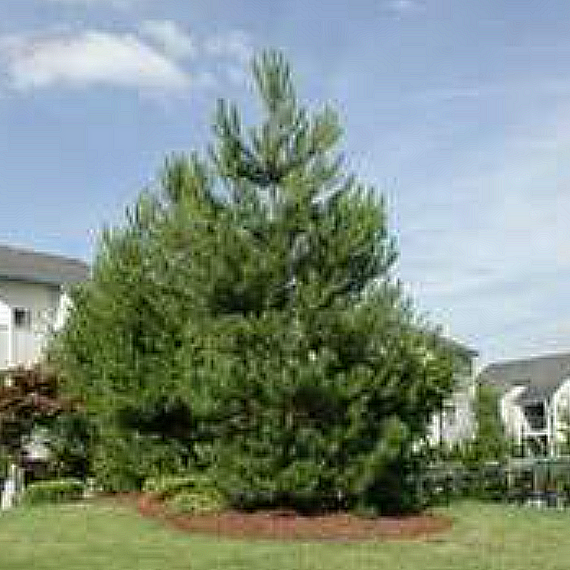
- Grows at a medium rate of 1-2 feet per year, reaching 40-60 feet tall and 20-40 feet wide, and can live 100-200 years or more, providing generations of year-round evergreen structure and wildlife habitat.
- Outstanding performer as a windbreak, privacy screen, specimen tree, or mass planting in USDA Hardiness Zones 4-7, with reported survival into Zone 8 in well-suited microclimates.
Austrian Pine (Pinus nigra), also known as European Black Pine, is a commanding and long-lived evergreen conifer that delivers bold, four-season structure and unmatched adaptability in the landscape. Its stiff, sharply-pointed dark blue-green needles, measuring 3 to 6 inches long and arranged in bundles of two, are retained for up to four years, producing an exceptionally dense, lush canopy that provides year-round privacy and wind protection. The distinctive dark gray to near-black, deeply furrowed bark adds rugged textural interest to the trunk and branches, while oval brown cones maturing at 2.5 to 3 inches bring additional ornamental appeal in fall and winter. Young trees display an upright, symmetrical pyramidal habit that gradually matures into a broad, picturesque, flat-topped silhouette — a hallmark of this species' timeless character. Austrian Pine thrives in full sun and adapts readily to a wide range of soil types, including sandy, loamy, and even clay soils, and tolerates acidic to alkaline pH. Once established, its impressive drought, salt, and pollution tolerance make it a top choice for windbreaks, privacy screens, and large-scale erosion control, as well as an elegant specimen or anchor planting in parks, rural properties, and residential landscapes throughout the Pacific Northwest, Northern California, and beyond.
Plant Description
Austrian Pine (Pinus nigra) is a medium to large evergreen conifer in the Pinaceae family, native to central and southern Europe — from Austria and the Mediterranean basin east to the Caucasus and Turkey. The species is also commonly called European Black Pine, a name referencing its distinctively dark bark. It is one of the most widely planted and valued conifers in North American landscapes for its bold appearance and exceptional toughness.
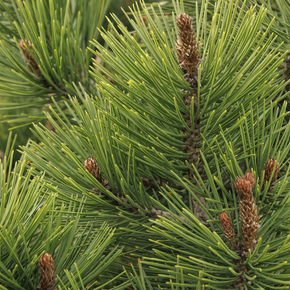
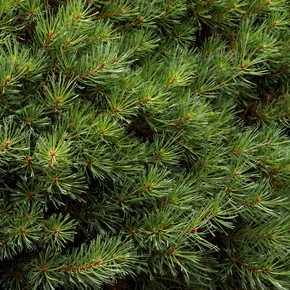
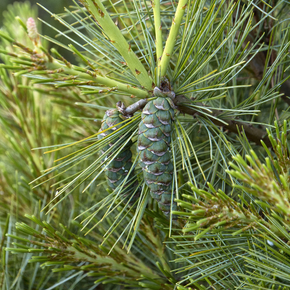
The needles are stiff, sharply-pointed, and dark blue-green, measuring 3 to 6 inches long, and emerge in bundles of two. They are retained for up to four years, contributing to the tree's exceptionally dense canopy. The bark is dark gray to black with flat vertical ridges and deep furrows, giving mature trees a powerful, architectural presence. Cones are oval, brown at maturity, and measure 2.5 to 3 inches long, appearing in clusters of 2 to 4 along the branches and pointing outward from the stem. Young stems are greenish-brown with pointed, reddish-brown buds up to 1 inch long. The overall texture of the tree is coarse and bold, making a strong visual statement in any planting.
Mature Size and Growth Rate
| Characteristic | Details |
|---|---|
| Mature Height | 40-60 feet (can reach 75-100 feet in ideal conditions) |
| Mature Spread | 20-40 feet |
| Growth Rate | Medium — approximately 12-24 inches per year once established |
| Growth Habit | Pyramidal and dense when young; broadens to flat-topped and irregular with age |
| Lifespan | 100-200 years or more with proper care |
| Texture | Coarse |
When planning your planting site, allow at least 20-30 feet of clearance from structures, other trees, and utilities to accommodate the tree's mature spread and extensive root system.
Hardiness Zones and Climate Tolerance
Austrian Pine is rated for USDA Plant Hardiness Zones 4-7, making it well-suited to the climates of Southern Oregon and Northern California, particularly inland and higher-elevation areas. Some sources report reliable performance extending into Zone 8 in favorable microclimates. Established trees can withstand temperatures down to approximately -25°F.
This species is remarkably adaptable to challenging conditions that would stress many other conifers:
- Tolerates urban pollution better than most pine species
- Withstands road salt and coastal salt spray
- Handles both high-elevation mountain conditions and low-elevation plains
- Adapts to hot, dry summers once roots are established
- Flexible branches naturally shed heavy snow and ice loads
- Young trees in exposed sites benefit from a windbreak or burlap screen during the first winter or two
Sunlight Requirements
Austrian Pine is a full-sun tree and performs best with a minimum of 6 to 8 hours of direct sunlight per day. Insufficient light, particularly on lower branches, can result in thinner, less dense foliage and increased susceptibility to fungal disease. When selecting your planting location, avoid areas shaded by buildings, fences, or other trees. Lower branches of this species naturally extend close to the ground when given a site with full, open sun — a characteristic that contributes greatly to its attractive, full-bodied natural form and its effectiveness as a windbreak and privacy screen.
Soil and pH Preferences
One of Austrian Pine's greatest strengths is its adaptability to a wide variety of soil types. It thrives in the following conditions:
- Soil types: Sandy, loamy, clay, and silty soils are all tolerated; well-draining soil is strongly preferred to prevent root rot
- Soil pH: Adaptable from acidic (below 6.0) to neutral to slightly alkaline (up to 8.0); optimal range is 5.5-7.5
- Drainage: Good drainage is essential — this tree does not tolerate waterlogged or constantly saturated soils
- Depth: Requires deep soil for full root development and long-term stability
- Clay tolerance: Tolerates clay soils better than many conifers, though amending heavy clay with coarse sand or compost at planting will improve establishment
If planting in heavy clay, amend the backfill soil with compost to improve aeration and drainage. A soil pH test prior to planting is a simple, worthwhile step to ensure the best growing environment.
Watering Guide
Newly Planted Trees (Years 1-2): Water deeply once or twice per week, targeting approximately 1 inch of water per week. The goal is to keep the root zone consistently moist but not waterlogged. Deep, infrequent watering encourages downward root growth, building a strong, resilient root system.
Establishing Trees (Years 2-3): Gradually reduce watering frequency. Continue to water deeply every 10-14 days during dry or warm periods to support root expansion.
Established Trees: Austrian Pine is drought-tolerant once fully established, typically after 3-5 years. Supplemental irrigation is only needed during extended dry spells or drought conditions. Avoid frequent shallow watering at any stage, as it encourages weak surface roots and increases stress susceptibility.
Watering Tips:
- Use a soaker hose or a slow, directed stream directed at the base of the tree — avoid overhead or sprinkler watering, which can promote fungal disease
- Check soil moisture a few inches below the surface before watering to avoid overwatering
- Apply a 2-4 inch layer of organic mulch around the tree's base to conserve moisture and reduce watering frequency
- Water the tree thoroughly in late fall before the ground freezes to reduce winter desiccation risk
Fertilizing
Austrian Pine growing in suitable soil typically requires minimal supplemental fertilizer. Over-fertilizing is more harmful than under-fertilizing, as excess nutrients produce soft, weak new growth that is highly susceptible to pests and disease.
When to fertilize: Apply in early spring, just before new growth (candles) begin to emerge.
What to use: A balanced, slow-release fertilizer with an equal NPK ratio (such as 10-10-10) is generally effective. Organic options such as top-dressed compost or aged manure provide gentle, sustained nutrition as they break down.
How to apply: Distribute the fertilizer evenly around the tree's drip line — the area directly beneath the outermost branch tips. Keep fertilizer away from the trunk to prevent root burn.
Signs your tree may benefit from fertilizing:
- Pale, yellowing (chlorotic) needles
- Noticeably slow or stunted growth compared to previous seasons
- Overall loss of vigor despite adequate water and sunlight
What to avoid: High-nitrogen lawn fertilizers can overstimulate tender new growth that is vulnerable to late frost damage. Never fertilize in fall, as this can push new growth that will be damaged by winter cold.
Planting Instructions
- Choose the right time: Plant in early spring after the last frost has passed, or in early fall while the soil is still warm. Both windows allow root establishment before temperature extremes.
- Select the site: Choose a location with full sun (6-8 hours minimum) and well-draining soil. Allow at least 20-30 feet of clearance from structures, other trees, and utility lines to accommodate mature size. Avoid low-lying areas that collect standing water.
- Prepare the hole: Dig a hole twice as wide as the root ball and no deeper than the root ball's height. Wider is more important than deeper, as it loosens the surrounding soil for easier root expansion.
- Inspect the roots: Check the root ball for circling or tightly bound roots and gently loosen them to encourage outward growth.
- Set the tree: Place the tree in the hole so the root collar — the point where the roots meet the trunk — is level with or very slightly above the surrounding soil surface. Planting too deep is a leading cause of long-term decline.
- Backfill: Fill the hole with native soil, mixing in compost if the native soil is heavy clay or very sandy. Tamp gently in layers to eliminate air pockets, then water thoroughly to settle the soil.
- Mulch: Apply a 2-4 inch layer of organic mulch (pine bark, wood chips) in a wide ring around the base of the tree. Keep mulch at least 3-4 inches away from the trunk to prevent moisture buildup and rot.
- Staking (if needed): Stake the tree for the first year if planting in a particularly windy location. Remove stakes by the second year once the root system has stabilized — leaving stakes too long can impede trunk development.
- Water in: Water deeply immediately after planting, and establish a consistent watering schedule for the first two growing seasons.
Pruning and Maintenance
Best time to prune: Late winter to very early spring, before new candles begin to emerge. Light removal of dead wood can be done at any time of year.
Routine pruning goals:
- Remove dead, diseased, or damaged branches to prevent pest entry and disease spread
- Eliminate rubbing or crossing branches to maintain an open, well-spaced structure
- Thin crowded interior branches to improve air circulation and light penetration, which significantly reduces fungal disease pressure
- Raise the canopy over time by removing the lowest branches if clearance beneath the tree is needed
Candle pinching for compact form: In late spring, when the new candle shoots are actively elongating, you can pinch or cut back candles by up to one-half to slow extension growth and encourage a denser, more compact habit. Cut back to a live bud or lateral branch.
Important pruning rules:
- Never top or shear Austrian Pine — this ruins its natural form and creates entry points for disease
- Do not cut back into old, bare wood, as pines do not reliably regenerate growth from these areas
- Avoid pruning during wet conditions, which promotes fungal spread
- Always use clean, sharp tools; disinfect blades between cuts, especially when working near diseased tissue
- Do not prune in fall, as new wounds may be exposed to winter damage before callusing over
General maintenance: Rake up fallen needles in autumn to reduce overwintering fungal spores. Keep the area around the trunk mulched and weed-free year-round.
Seasonal Interest
| Season | Ornamental Features |
|---|---|
| Spring | New candles (elongating shoot growth) emerge in a lighter green, creating fresh two-tone contrast against the dark older foliage. Yellow male pollen cones and small purplish female strobili appear from late April through May. |
| Summer | Dense, rich dark blue-green needles provide deep color and full, lush canopy. Developing cones begin to ripen. The tree provides deep shade and reliable wind protection. |
| Fall | Oval brown cones, 2.5-3 inches long, mature and become prominent on the branches. The persistent dark needles maintain excellent color as deciduous plants around it change and drop their leaves. |
| Winter | Austrian Pine is a standout in the winter landscape — evergreen foliage, bold dark bark with deep ridges and furrows, persistent cones, and strong structural form provide year-round visual interest when most other trees are bare. The dense canopy catches snow for added winter beauty. |
Landscape Uses
Austrian Pine is one of the most versatile large conifers available for the home landscape, public garden, or rural property. Its combination of bold aesthetics, adaptability, and functional performance makes it a top-tier choice for numerous applications:
- Windbreak: One of the most effective large trees for blocking and deflecting wind. Plant in single or double rows with 15-25 feet of spacing for dense, year-round wind protection of homes, orchards, and agricultural operations.
- Privacy screen: Dense foliage from base to crown provides excellent year-round visual screening. Particularly effective when planted in staggered rows or groupings.
- Specimen tree: A single Austrian Pine planted in an open lawn or prominent location becomes a commanding focal point, particularly as it matures into its broad, flat-topped form.
- Mass planting: When grouped, Austrian Pines create a bold, naturalistic woodland effect with significant wildlife value.
- Erosion control: The extensive, deep root system stabilizes soil on slopes and in areas prone to runoff.
- Urban landscapes: Tolerates pollution, compacted soils, and salt from road de-icing — one of the few large conifers suited to urban street and park environments.
- Coastal settings: Tolerates salt spray, making it suitable for coastal and near-coastal landscapes in appropriate hardiness zones.
- Nighttime and winter garden anchor: Dark needles and bold silhouette provide dramatic structure in nighttime gardens and remain visually impactful throughout winter.
Wildlife Value
Austrian Pine provides meaningful wildlife habitat and food resources throughout the year, making it a valuable ecological addition to any landscape:
- Birds: The dense, year-round canopy provides excellent nesting and roosting cover for a wide variety of songbirds. Cone seeds are a direct food source for seed-eating birds including finches, chickadees, nuthatches, and crossbills.
- Small mammals: Squirrels and other small mammals frequently forage for seeds from the fallen cones.
- Insects and moths: Austrian Pine serves as a documented larval host plant for the Imperial Moth (Eacles imperialis), a large and striking native moth species. Various native insects utilize this tree as part of their life cycles, supporting broader food web biodiversity.
- Shelter: The low, sweeping branches of mature trees create protected ground-level cover that offers thermal refuge for wildlife during harsh weather.
- Carbon sequestration: As a large, long-lived tree, Austrian Pine absorbs significant amounts of carbon dioxide over its lifetime, contributing to environmental sustainability.
Austrian Pine is also noted for its deer resistance, making it a practical choice in landscapes subject to deer pressure.
Pests and Diseases
Austrian Pine is a vigorous tree, and healthy, well-sited specimens resist most problems. However, the following pests and diseases should be monitored for, particularly in humid conditions or dense plantings with poor airflow:
Common Diseases:
- Diplodia (Sphaeropsis) Tip Blight: The most significant disease concern for Austrian Pine. Causes browning and dieback of new shoot tips, with small black fruiting bodies visible at the base of affected needles. Manage by pruning out affected tissue with disinfected tools, improving air circulation through thinning, and applying labeled fungicides during bud swell in spring if needed. Avoid pruning in wet weather.
- Dothistroma Needle Blight: Causes reddish-brown banding on needles followed by tip browning and premature needle drop. Needles show brown tips while the base remains green. Manage with proper spacing, good airflow, and fungicide applications during the growing season in severe cases.
- Pine Wilt Nematode: Microscopic roundworms spread by pine sawyer beetles that can cause rapid wilting and tree death. Infested trees should be removed and destroyed promptly to prevent spread.
Common Insect Pests:
- Pine Sawfly Larvae: Caterpillar-like larvae that feed on and defoliate needles. Hand-pick small infestations or apply insecticidal soap for larger populations.
- Zimmerman Pine Moth: Larvae bore into the trunk and main branches, causing pitch masses and structural weakness. Maintain tree vigor through proper watering and fertilizing to improve resistance.
- Pine Bark Beetle: Small beetles that bore into bark, causing branch dieback. Healthy, vigorous trees are far more resistant — avoid tree stress from drought, poor drainage, or mechanical injury.
- Pine Needle Scale: Sucks juices from needles, causing yellowing. Prune heavily infested branches and apply horticultural oil during the crawler stage in spring.
- Pine Bark Adelgid and Aphids: Can cause needle distortion and sooty mold. Monitor in spring and treat with horticultural oil or insecticidal soap as needed.
Prevention is the best management strategy: Plant in full sun with adequate spacing for airflow, water at the base rather than overhead, avoid fall pruning, and maintain overall tree health through appropriate watering and mulching practices.
Companion Plants
Austrian Pine pairs well with plants that share its preference for full sun and well-drained soils, and that complement its bold, coarse texture and dark evergreen color. Consider the following companions for cohesive landscape plantings:
- Juniperus virginiana (Eastern Red Cedar): A similarly tough native evergreen that shares salt and drought tolerance and provides contrasting columnar form alongside the broad spread of mature Austrian Pine.
- Pinus sylvestris (Scotch Pine): A complementary conifer with attractive orange-red upper bark that creates visual contrast with Austrian Pine's dark, furrowed bark when planted together in windbreak or woodland groupings.
- Ornamental grasses (Miscanthus, Panicum): Tall, airy grasses planted at the feet of Austrian Pine soften the base of the tree and provide contrasting texture and movement.
- Rudbeckia and Echinacea (Black-eyed Susan, Coneflower): Native prairie perennials that thrive in full sun and well-drained soil; their warm golden and purple tones create attractive seasonal contrast against the evergreen backdrop.
- Spiraea and Potentilla: Tough, full-sun shrubs that provide flowering interest at a lower scale beneath the canopy edge without competing heavily with pine roots.
- Cotoneaster and Juniper groundcovers: Low-growing, drought-tolerant groundcovers that fill the space beneath the tree's drip line, suppressing weeds while maintaining a cohesive evergreen planting scheme.
Avoid planting shade-dependent or moisture-loving plants directly beneath or adjacent to Austrian Pine, as the tree's root competition and canopy density will stress those companions over time.
Container Growing
While Austrian Pine is ultimately a large landscape tree, dwarf and compact cultivars are well-suited to container culture and can make handsome potted specimens for patios, entryways, or accent plantings.
Recommended dwarf cultivars for containers:
- 'Globosa' — Rounded, dwarf habit
- 'Compacta' — Dense, compact form
- 'Hornibrookiana' — Very dwarf, roughly 2 feet tall and 4-6 feet wide at maturity
- 'Black Prince' — Dwarf shrub form with very dark needles
Container growing tips:
- Select a large, sturdy container — at least 15-20 gallons — with drainage holes to prevent waterlogging
- Use a well-draining potting mix amended with pine bark fines for appropriate pH and drainage
- Situate the container in full sun for best needle color, density, and health
- Water more frequently than in-ground trees, as containers dry out faster — but allow the top inch of soil to dry between waterings to avoid root rot
- Fertilize lightly in spring with a balanced slow-release fertilizer formulated for conifers or acid-loving plants
- Repot every 2-3 years into fresh potting mix, or root-prune if a larger container is not practical
- In winter, move containers to a sheltered location or insulate the pot with mulch or burlap to protect roots from hard freezes, which are more damaging to potted roots than in-ground roots
Notable Cultivars
While the straight species is the most commonly planted form, a number of cultivars of Pinus nigra have been selected for specific ornamental traits:
| Cultivar | Distinguishing Traits |
|---|---|
| 'Arnold Sentinel' | Strongly columnar, upright habit; excellent for tight spaces or formal screens |
| 'Globosa' | Rounded, dwarf habit; well-suited to containers and smaller gardens |
| 'Compacta' | Dense, compact growth form; slower-growing than the species |
| 'Hornibrookiana' | Very dwarf; reaches only about 2 feet tall and 4-6 feet wide; ideal for rock gardens or containers |
| 'Black Prince' | Dwarf shrub form with very deep, dark green needles |
| 'Moseri' | Needles turn golden-yellow during winter, reverting to green in spring — unique seasonal color interest |
| 'Aurea' | Variegated foliage with golden tones |
- A rugged, adaptable evergreen conifer native to central and southern Europe, prized for its bold, dark blue-green needles held in pairs and its striking transition from a dense pyramidal form in youth to a broad, flat-topped crown at maturity.
- Exceptionally tough and versatile — tolerates urban pollution, road salt, clay soils, drought once established, and coastal exposure, making it one of the most reliable large conifers for challenging landscape conditions.
- Grows at a medium rate of 1-2 feet per year, reaching 40-60 feet tall and 20-40 feet wide, and can live 100-200 years or more, providing generations of year-round evergreen structure and wildlife habitat.
- Outstanding performer as a windbreak, privacy screen, specimen tree, or mass planting in USDA Hardiness Zones 4-7, with reported survival into Zone 8 in well-suited microclimates.
Austrian Pine (Pinus nigra), also known as European Black Pine, is a commanding and long-lived evergreen conifer that delivers bold, four-season structure and unmatched adaptability in the landscape. Its stiff, sharply-pointed dark blue-green needles, measuring 3 to 6 inches long and arranged in bundles of two, are retained for up to four years, producing an exceptionally dense, lush canopy that provides year-round privacy and wind protection. The distinctive dark gray to near-black, deeply furrowed bark adds rugged textural interest to the trunk and branches, while oval brown cones maturing at 2.5 to 3 inches bring additional ornamental appeal in fall and winter. Young trees display an upright, symmetrical pyramidal habit that gradually matures into a broad, picturesque, flat-topped silhouette — a hallmark of this species' timeless character. Austrian Pine thrives in full sun and adapts readily to a wide range of soil types, including sandy, loamy, and even clay soils, and tolerates acidic to alkaline pH. Once established, its impressive drought, salt, and pollution tolerance make it a top choice for windbreaks, privacy screens, and large-scale erosion control, as well as an elegant specimen or anchor planting in parks, rural properties, and residential landscapes throughout the Pacific Northwest, Northern California, and beyond.
Plant Description
Austrian Pine (Pinus nigra) is a medium to large evergreen conifer in the Pinaceae family, native to central and southern Europe — from Austria and the Mediterranean basin east to the Caucasus and Turkey. The species is also commonly called European Black Pine, a name referencing its distinctively dark bark. It is one of the most widely planted and valued conifers in North American landscapes for its bold appearance and exceptional toughness.
The needles are stiff, sharply-pointed, and dark blue-green, measuring 3 to 6 inches long, and emerge in bundles of two. They are retained for up to four years, contributing to the tree's exceptionally dense canopy. The bark is dark gray to black with flat vertical ridges and deep furrows, giving mature trees a powerful, architectural presence. Cones are oval, brown at maturity, and measure 2.5 to 3 inches long, appearing in clusters of 2 to 4 along the branches and pointing outward from the stem. Young stems are greenish-brown with pointed, reddish-brown buds up to 1 inch long. The overall texture of the tree is coarse and bold, making a strong visual statement in any planting.
Mature Size and Growth Rate
| Characteristic | Details |
|---|---|
| Mature Height | 40-60 feet (can reach 75-100 feet in ideal conditions) |
| Mature Spread | 20-40 feet |
| Growth Rate | Medium — approximately 12-24 inches per year once established |
| Growth Habit | Pyramidal and dense when young; broadens to flat-topped and irregular with age |
| Lifespan | 100-200 years or more with proper care |
| Texture | Coarse |
When planning your planting site, allow at least 20-30 feet of clearance from structures, other trees, and utilities to accommodate the tree's mature spread and extensive root system.
Hardiness Zones and Climate Tolerance
Austrian Pine is rated for USDA Plant Hardiness Zones 4-7, making it well-suited to the climates of Southern Oregon and Northern California, particularly inland and higher-elevation areas. Some sources report reliable performance extending into Zone 8 in favorable microclimates. Established trees can withstand temperatures down to approximately -25°F.
This species is remarkably adaptable to challenging conditions that would stress many other conifers:
- Tolerates urban pollution better than most pine species
- Withstands road salt and coastal salt spray
- Handles both high-elevation mountain conditions and low-elevation plains
- Adapts to hot, dry summers once roots are established
- Flexible branches naturally shed heavy snow and ice loads
- Young trees in exposed sites benefit from a windbreak or burlap screen during the first winter or two
Sunlight Requirements
Austrian Pine is a full-sun tree and performs best with a minimum of 6 to 8 hours of direct sunlight per day. Insufficient light, particularly on lower branches, can result in thinner, less dense foliage and increased susceptibility to fungal disease. When selecting your planting location, avoid areas shaded by buildings, fences, or other trees. Lower branches of this species naturally extend close to the ground when given a site with full, open sun — a characteristic that contributes greatly to its attractive, full-bodied natural form and its effectiveness as a windbreak and privacy screen.
Soil and pH Preferences
One of Austrian Pine's greatest strengths is its adaptability to a wide variety of soil types. It thrives in the following conditions:
- Soil types: Sandy, loamy, clay, and silty soils are all tolerated; well-draining soil is strongly preferred to prevent root rot
- Soil pH: Adaptable from acidic (below 6.0) to neutral to slightly alkaline (up to 8.0); optimal range is 5.5-7.5
- Drainage: Good drainage is essential — this tree does not tolerate waterlogged or constantly saturated soils
- Depth: Requires deep soil for full root development and long-term stability
- Clay tolerance: Tolerates clay soils better than many conifers, though amending heavy clay with coarse sand or compost at planting will improve establishment
If planting in heavy clay, amend the backfill soil with compost to improve aeration and drainage. A soil pH test prior to planting is a simple, worthwhile step to ensure the best growing environment.
Watering Guide
Newly Planted Trees (Years 1-2): Water deeply once or twice per week, targeting approximately 1 inch of water per week. The goal is to keep the root zone consistently moist but not waterlogged. Deep, infrequent watering encourages downward root growth, building a strong, resilient root system.
Establishing Trees (Years 2-3): Gradually reduce watering frequency. Continue to water deeply every 10-14 days during dry or warm periods to support root expansion.
Established Trees: Austrian Pine is drought-tolerant once fully established, typically after 3-5 years. Supplemental irrigation is only needed during extended dry spells or drought conditions. Avoid frequent shallow watering at any stage, as it encourages weak surface roots and increases stress susceptibility.
Watering Tips:
- Use a soaker hose or a slow, directed stream directed at the base of the tree — avoid overhead or sprinkler watering, which can promote fungal disease
- Check soil moisture a few inches below the surface before watering to avoid overwatering
- Apply a 2-4 inch layer of organic mulch around the tree's base to conserve moisture and reduce watering frequency
- Water the tree thoroughly in late fall before the ground freezes to reduce winter desiccation risk
Fertilizing
Austrian Pine growing in suitable soil typically requires minimal supplemental fertilizer. Over-fertilizing is more harmful than under-fertilizing, as excess nutrients produce soft, weak new growth that is highly susceptible to pests and disease.
When to fertilize: Apply in early spring, just before new growth (candles) begin to emerge.
What to use: A balanced, slow-release fertilizer with an equal NPK ratio (such as 10-10-10) is generally effective. Organic options such as top-dressed compost or aged manure provide gentle, sustained nutrition as they break down.
How to apply: Distribute the fertilizer evenly around the tree's drip line — the area directly beneath the outermost branch tips. Keep fertilizer away from the trunk to prevent root burn.
Signs your tree may benefit from fertilizing:
- Pale, yellowing (chlorotic) needles
- Noticeably slow or stunted growth compared to previous seasons
- Overall loss of vigor despite adequate water and sunlight
What to avoid: High-nitrogen lawn fertilizers can overstimulate tender new growth that is vulnerable to late frost damage. Never fertilize in fall, as this can push new growth that will be damaged by winter cold.
Planting Instructions
- Choose the right time: Plant in early spring after the last frost has passed, or in early fall while the soil is still warm. Both windows allow root establishment before temperature extremes.
- Select the site: Choose a location with full sun (6-8 hours minimum) and well-draining soil. Allow at least 20-30 feet of clearance from structures, other trees, and utility lines to accommodate mature size. Avoid low-lying areas that collect standing water.
- Prepare the hole: Dig a hole twice as wide as the root ball and no deeper than the root ball's height. Wider is more important than deeper, as it loosens the surrounding soil for easier root expansion.
- Inspect the roots: Check the root ball for circling or tightly bound roots and gently loosen them to encourage outward growth.
- Set the tree: Place the tree in the hole so the root collar — the point where the roots meet the trunk — is level with or very slightly above the surrounding soil surface. Planting too deep is a leading cause of long-term decline.
- Backfill: Fill the hole with native soil, mixing in compost if the native soil is heavy clay or very sandy. Tamp gently in layers to eliminate air pockets, then water thoroughly to settle the soil.
- Mulch: Apply a 2-4 inch layer of organic mulch (pine bark, wood chips) in a wide ring around the base of the tree. Keep mulch at least 3-4 inches away from the trunk to prevent moisture buildup and rot.
- Staking (if needed): Stake the tree for the first year if planting in a particularly windy location. Remove stakes by the second year once the root system has stabilized — leaving stakes too long can impede trunk development.
- Water in: Water deeply immediately after planting, and establish a consistent watering schedule for the first two growing seasons.
Pruning and Maintenance
Best time to prune: Late winter to very early spring, before new candles begin to emerge. Light removal of dead wood can be done at any time of year.
Routine pruning goals:
- Remove dead, diseased, or damaged branches to prevent pest entry and disease spread
- Eliminate rubbing or crossing branches to maintain an open, well-spaced structure
- Thin crowded interior branches to improve air circulation and light penetration, which significantly reduces fungal disease pressure
- Raise the canopy over time by removing the lowest branches if clearance beneath the tree is needed
Candle pinching for compact form: In late spring, when the new candle shoots are actively elongating, you can pinch or cut back candles by up to one-half to slow extension growth and encourage a denser, more compact habit. Cut back to a live bud or lateral branch.
Important pruning rules:
- Never top or shear Austrian Pine — this ruins its natural form and creates entry points for disease
- Do not cut back into old, bare wood, as pines do not reliably regenerate growth from these areas
- Avoid pruning during wet conditions, which promotes fungal spread
- Always use clean, sharp tools; disinfect blades between cuts, especially when working near diseased tissue
- Do not prune in fall, as new wounds may be exposed to winter damage before callusing over
General maintenance: Rake up fallen needles in autumn to reduce overwintering fungal spores. Keep the area around the trunk mulched and weed-free year-round.
Seasonal Interest
| Season | Ornamental Features |
|---|---|
| Spring | New candles (elongating shoot growth) emerge in a lighter green, creating fresh two-tone contrast against the dark older foliage. Yellow male pollen cones and small purplish female strobili appear from late April through May. |
| Summer | Dense, rich dark blue-green needles provide deep color and full, lush canopy. Developing cones begin to ripen. The tree provides deep shade and reliable wind protection. |
| Fall | Oval brown cones, 2.5-3 inches long, mature and become prominent on the branches. The persistent dark needles maintain excellent color as deciduous plants around it change and drop their leaves. |
| Winter | Austrian Pine is a standout in the winter landscape — evergreen foliage, bold dark bark with deep ridges and furrows, persistent cones, and strong structural form provide year-round visual interest when most other trees are bare. The dense canopy catches snow for added winter beauty. |
Landscape Uses
Austrian Pine is one of the most versatile large conifers available for the home landscape, public garden, or rural property. Its combination of bold aesthetics, adaptability, and functional performance makes it a top-tier choice for numerous applications:
- Windbreak: One of the most effective large trees for blocking and deflecting wind. Plant in single or double rows with 15-25 feet of spacing for dense, year-round wind protection of homes, orchards, and agricultural operations.
- Privacy screen: Dense foliage from base to crown provides excellent year-round visual screening. Particularly effective when planted in staggered rows or groupings.
- Specimen tree: A single Austrian Pine planted in an open lawn or prominent location becomes a commanding focal point, particularly as it matures into its broad, flat-topped form.
- Mass planting: When grouped, Austrian Pines create a bold, naturalistic woodland effect with significant wildlife value.
- Erosion control: The extensive, deep root system stabilizes soil on slopes and in areas prone to runoff.
- Urban landscapes: Tolerates pollution, compacted soils, and salt from road de-icing — one of the few large conifers suited to urban street and park environments.
- Coastal settings: Tolerates salt spray, making it suitable for coastal and near-coastal landscapes in appropriate hardiness zones.
- Nighttime and winter garden anchor: Dark needles and bold silhouette provide dramatic structure in nighttime gardens and remain visually impactful throughout winter.
Wildlife Value
Austrian Pine provides meaningful wildlife habitat and food resources throughout the year, making it a valuable ecological addition to any landscape:
- Birds: The dense, year-round canopy provides excellent nesting and roosting cover for a wide variety of songbirds. Cone seeds are a direct food source for seed-eating birds including finches, chickadees, nuthatches, and crossbills.
- Small mammals: Squirrels and other small mammals frequently forage for seeds from the fallen cones.
- Insects and moths: Austrian Pine serves as a documented larval host plant for the Imperial Moth (Eacles imperialis), a large and striking native moth species. Various native insects utilize this tree as part of their life cycles, supporting broader food web biodiversity.
- Shelter: The low, sweeping branches of mature trees create protected ground-level cover that offers thermal refuge for wildlife during harsh weather.
- Carbon sequestration: As a large, long-lived tree, Austrian Pine absorbs significant amounts of carbon dioxide over its lifetime, contributing to environmental sustainability.
Austrian Pine is also noted for its deer resistance, making it a practical choice in landscapes subject to deer pressure.
Pests and Diseases
Austrian Pine is a vigorous tree, and healthy, well-sited specimens resist most problems. However, the following pests and diseases should be monitored for, particularly in humid conditions or dense plantings with poor airflow:
Common Diseases:
- Diplodia (Sphaeropsis) Tip Blight: The most significant disease concern for Austrian Pine. Causes browning and dieback of new shoot tips, with small black fruiting bodies visible at the base of affected needles. Manage by pruning out affected tissue with disinfected tools, improving air circulation through thinning, and applying labeled fungicides during bud swell in spring if needed. Avoid pruning in wet weather.
- Dothistroma Needle Blight: Causes reddish-brown banding on needles followed by tip browning and premature needle drop. Needles show brown tips while the base remains green. Manage with proper spacing, good airflow, and fungicide applications during the growing season in severe cases.
- Pine Wilt Nematode: Microscopic roundworms spread by pine sawyer beetles that can cause rapid wilting and tree death. Infested trees should be removed and destroyed promptly to prevent spread.
Common Insect Pests:
- Pine Sawfly Larvae: Caterpillar-like larvae that feed on and defoliate needles. Hand-pick small infestations or apply insecticidal soap for larger populations.
- Zimmerman Pine Moth: Larvae bore into the trunk and main branches, causing pitch masses and structural weakness. Maintain tree vigor through proper watering and fertilizing to improve resistance.
- Pine Bark Beetle: Small beetles that bore into bark, causing branch dieback. Healthy, vigorous trees are far more resistant — avoid tree stress from drought, poor drainage, or mechanical injury.
- Pine Needle Scale: Sucks juices from needles, causing yellowing. Prune heavily infested branches and apply horticultural oil during the crawler stage in spring.
- Pine Bark Adelgid and Aphids: Can cause needle distortion and sooty mold. Monitor in spring and treat with horticultural oil or insecticidal soap as needed.
Prevention is the best management strategy: Plant in full sun with adequate spacing for airflow, water at the base rather than overhead, avoid fall pruning, and maintain overall tree health through appropriate watering and mulching practices.
Companion Plants
Austrian Pine pairs well with plants that share its preference for full sun and well-drained soils, and that complement its bold, coarse texture and dark evergreen color. Consider the following companions for cohesive landscape plantings:
- Juniperus virginiana (Eastern Red Cedar): A similarly tough native evergreen that shares salt and drought tolerance and provides contrasting columnar form alongside the broad spread of mature Austrian Pine.
- Pinus sylvestris (Scotch Pine): A complementary conifer with attractive orange-red upper bark that creates visual contrast with Austrian Pine's dark, furrowed bark when planted together in windbreak or woodland groupings.
- Ornamental grasses (Miscanthus, Panicum): Tall, airy grasses planted at the feet of Austrian Pine soften the base of the tree and provide contrasting texture and movement.
- Rudbeckia and Echinacea (Black-eyed Susan, Coneflower): Native prairie perennials that thrive in full sun and well-drained soil; their warm golden and purple tones create attractive seasonal contrast against the evergreen backdrop.
- Spiraea and Potentilla: Tough, full-sun shrubs that provide flowering interest at a lower scale beneath the canopy edge without competing heavily with pine roots.
- Cotoneaster and Juniper groundcovers: Low-growing, drought-tolerant groundcovers that fill the space beneath the tree's drip line, suppressing weeds while maintaining a cohesive evergreen planting scheme.
Avoid planting shade-dependent or moisture-loving plants directly beneath or adjacent to Austrian Pine, as the tree's root competition and canopy density will stress those companions over time.
Container Growing
While Austrian Pine is ultimately a large landscape tree, dwarf and compact cultivars are well-suited to container culture and can make handsome potted specimens for patios, entryways, or accent plantings.
Recommended dwarf cultivars for containers:
- 'Globosa' — Rounded, dwarf habit
- 'Compacta' — Dense, compact form
- 'Hornibrookiana' — Very dwarf, roughly 2 feet tall and 4-6 feet wide at maturity
- 'Black Prince' — Dwarf shrub form with very dark needles
Container growing tips:
- Select a large, sturdy container — at least 15-20 gallons — with drainage holes to prevent waterlogging
- Use a well-draining potting mix amended with pine bark fines for appropriate pH and drainage
- Situate the container in full sun for best needle color, density, and health
- Water more frequently than in-ground trees, as containers dry out faster — but allow the top inch of soil to dry between waterings to avoid root rot
- Fertilize lightly in spring with a balanced slow-release fertilizer formulated for conifers or acid-loving plants
- Repot every 2-3 years into fresh potting mix, or root-prune if a larger container is not practical
- In winter, move containers to a sheltered location or insulate the pot with mulch or burlap to protect roots from hard freezes, which are more damaging to potted roots than in-ground roots
Notable Cultivars
While the straight species is the most commonly planted form, a number of cultivars of Pinus nigra have been selected for specific ornamental traits:
| Cultivar | Distinguishing Traits |
|---|---|
| 'Arnold Sentinel' | Strongly columnar, upright habit; excellent for tight spaces or formal screens |
| 'Globosa' | Rounded, dwarf habit; well-suited to containers and smaller gardens |
| 'Compacta' | Dense, compact growth form; slower-growing than the species |
| 'Hornibrookiana' | Very dwarf; reaches only about 2 feet tall and 4-6 feet wide; ideal for rock gardens or containers |
| 'Black Prince' | Dwarf shrub form with very deep, dark green needles |
| 'Moseri' | Needles turn golden-yellow during winter, reverting to green in spring — unique seasonal color interest |
| 'Aurea' | Variegated foliage with golden tones |
Related Products