
Zoom the image with the mouse
Autumn Gold Ginkgo - 5 Gallon
SKU:
195880
UPC:
757316010253
$139.99
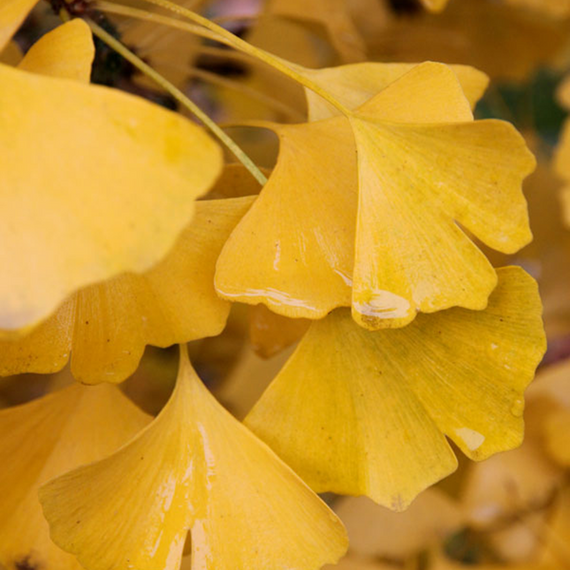
- Spectacular golden-yellow fall foliage transforms the landscape in autumn, with leaves dropping nearly all at once to create a brilliant golden carpet beneath the tree.
- A guaranteed fruitless male cultivar — no messy, foul-smelling seeds, making it an ideal choice for yards, streetscapes, and high-traffic areas.
- Exceptionally tough and low-maintenance, thriving in a wide range of soil types and tolerating air pollution, road salt, compacted soils, and urban stress with ease.
- A true living fossil with over 200 million years of evolutionary history, offering a symmetrical, broadly pyramidal form that matures into a magnificent shade tree.
Ginkgo biloba 'Autumn Gold' is one of the most iconic and enduring deciduous trees available for home and commercial landscapes, celebrated for its distinctive fan-shaped, medium-green foliage that ignites into a dazzling, uniform golden-yellow each fall. Introduced by the Saratoga Horticultural Foundation in California in the 1950s, this carefully selected male clone was specifically chosen for its consistent, reliable fall color and handsomely symmetrical form. Narrow and upright in youth, the tree gradually broadens into a broadly pyramidal to rounded canopy, ultimately reaching 40 to 50 feet tall and 25 to 35 feet wide at maturity, making it an exceptional long-term shade and specimen tree. Because it is a fruitless male selection, it produces none of the notoriously malodorous seeds associated with female ginkgoes, making it a clean, carefree choice for lawns, boulevards, parks, and urban plazas. Hardy in USDA Zones 3 through 9, Autumn Gold Ginkgo demonstrates remarkable adaptability, performing beautifully in clay, loam, sandy, or chalky soils across a wide pH range, and standing up to air pollution, road salt, drought, and deer with exceptional resilience. Its ancient lineage — tracing back more than 200 million years, making it one of the oldest surviving tree species on Earth — lends every landscape a sense of timelessness and living history. Whether planted as a bold specimen in a front lawn, used to line a driveway or boulevard, or anchored in a park or courtyard, Autumn Gold Ginkgo delivers a stunning four-season presence: graceful green texture from spring through summer, a breathtaking golden autumn display, and a striking sculptural silhouette in winter.
Plant Description
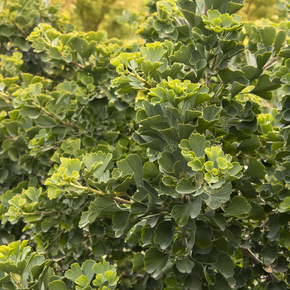
Autumn Gold Ginkgo (Ginkgo biloba 'Autumn Gold') is a deciduous, male clonal selection of one of the world's most ancient tree species. Its signature fan-shaped, two-lobed leaves emerge soft green in spring and maintain a clean, medium-green color through the growing season before transitioning to a luminous golden-yellow in autumn. The foliage is deeply veined and has a distinctive, leathery texture unlike any other commonly cultivated tree. The tree starts with a narrow, upright form in its youth and gradually develops a broadly pyramidal to rounded, symmetrical crown as it matures. In winter, the bare branch structure reveals attractive angular buds and a bold, sculptural silhouette. Because it is a selected male cultivar, it never produces the fleshy, foul-smelling seeds associated with female ginkgoes, keeping the garden and landscape clean and odor-free throughout the year.
Mature Size
| Characteristic | Measurement |
|---|---|
| Mature Height | 40 to 50 feet |
| Mature Spread | 25 to 35 feet |
| Growth Rate | Slow to moderate; typically 6 to 12 inches per year when young, increasing to 12 to 24 inches per year once established |
| Growth Habit | Narrow and upright in youth, broadening to broadly pyramidal with age |
| Longevity | Exceptionally long-lived; can survive hundreds to over a thousand years under favorable conditions |
Hardiness and Climate
Autumn Gold Ginkgo is a remarkably cold-hardy and adaptable tree, thriving across a very broad geographic range. It performs well in the full spectrum of Southern Oregon and Northern California climates, from cooler mountain valleys to warmer inland zones.
- USDA Hardiness Zones: 3 through 9
- Heat Tolerance: Performs well in heat zones 3 through 9; tolerates summer heat when provided adequate moisture during establishment
- Cold Tolerance: Extremely cold-hardy; can withstand temperatures well below 0°F once established
- Urban Tolerance: Highly tolerant of air pollution, road salt, heat islands, and other urban stresses that challenge most other trees
- Fall Color Note: Golden color display is reliable even in warmer climates, though peak brilliance and intensity are most dramatic in zones where adequate autumn chilling occurs
Sunlight Requirements
Autumn Gold Ginkgo performs best and develops its most vibrant golden fall color when grown in full sun. For the richest foliage color and the most symmetrical, dense branching structure, site this tree where it will receive a minimum of 6 hours of direct sunlight per day. While the tree will tolerate partial shade, growth may be somewhat slower and fall color intensity may be reduced. In warmer climates such as inland Northern California, a site with morning sun and light afternoon shade can help young trees establish without heat stress during their first season, but full sun is the ideal long-term condition for outstanding performance.
Soil and pH Preferences
One of the most soil-adaptable shade trees available, Autumn Gold Ginkgo performs across a remarkably wide range of soil conditions, making it a reliable choice for challenging planting sites.
- Soil Types: Adapts well to clay, loam, sand, and chalk; tolerant of compacted urban soils
- Soil pH: Highly flexible — thrives in acidic, neutral, and alkaline soils with a preferred pH range of approximately 5.0 to 8.0
- Drainage: Prefers well-drained soil; tolerates occasional drought once established but does not perform well in persistently waterlogged or poorly drained conditions
- Compaction Tolerance: Excellent — one of the few shade trees that handles urban soil compaction well, making it ideal for street medians, parking areas, and paved plazas
- Amendment: Little to no soil amendment is typically necessary; native backfill is recommended at planting to encourage roots to adapt to existing site conditions
Watering Guide
Proper watering is most critical during the establishment phase. Once fully established, Autumn Gold Ginkgo is notably drought tolerant and requires little supplemental irrigation.
- After Planting: Water deeply and thoroughly immediately after planting. Keep soil consistently moist but not waterlogged during the first growing season to encourage deep root development.
- Year 1 to 2: Water deeply once or twice per week during dry periods. Check soil moisture 4 to 6 inches below the surface before watering — if still moist, wait before watering again.
- Established Trees (3+ Years): Highly drought tolerant; deep, infrequent watering during extended dry periods is sufficient in most climates. Trees in Southern Oregon and Northern California benefit from occasional deep summer watering during hot spells.
- Avoid: Prolonged waterlogged or saturated soil conditions, which can suffocate roots and cause premature leaf drop. Ginkgo does not tolerate soggy soil or overwatering.
- Mulching Benefit: A 2 to 3 inch layer of mulch around the root zone significantly reduces moisture loss between waterings, especially during the first few summers.
Fertilizing
Autumn Gold Ginkgo is a relatively low-nutrient-demand tree, especially once it is established in the landscape. Fertilizing is optional for mature trees growing in average garden soil, but can support younger trees during establishment.
- Young Trees (Years 1 to 3): Apply a balanced, slow-release tree fertilizer (such as a 10-10-10 or similar formulation) in early spring before new growth emerges to support healthy root and canopy development.
- Mature Trees: Established trees generally require no regular fertilization unless growing in very poor or nutrient-depleted soil. If growth appears unusually slow, a light application of a balanced fertilizer in early spring is sufficient.
- Avoid Over-Fertilizing: Excessive nitrogen can push rapid, soft growth that is more susceptible to stress. Stick to spring applications only and avoid late-season fertilizing, which can interfere with dormancy preparation.
- Organic Option: A top-dressing of compost worked lightly into the root zone in spring is an excellent organic alternative to synthetic fertilizers.
Pruning and Maintenance
Autumn Gold Ginkgo is among the lowest-maintenance shade trees you can plant. Its naturally strong branch architecture requires little corrective pruning, and its exceptional resistance to pests and diseases keeps ongoing care to a minimum.
- When to Prune: Late winter to early spring, while the tree is still dormant, is the ideal time to prune. Minor cleanup can also be done in midsummer if needed.
- What to Remove: Focus pruning on dead, damaged, diseased, or crossing branches. Remove any competing leaders on young trees to establish a strong central trunk early on.
- Avoid: Heavy pruning of the central leader on young upright trees, as this disrupts the natural form and can result in multiple competing leads. Avoid pruning in fall or early spring when wounds are slow to close.
- Transplant Period: Stake young trees in windy locations for the first one to two years after planting to prevent root disturbance while the tree anchors itself.
- Mulching: Maintain a 2 to 3 inch mulch ring extending to the drip line, keeping mulch at least 4 to 6 inches away from the trunk to prevent rot and pest harborage.
- Leaf Cleanup: Expect a rapid, concentrated leaf drop in late autumn — often within just a day or two following the first hard frost — making cleanup straightforward.
Planting Instructions
- Choose the Right Location: Select a site in full sun with well-drained soil. Allow adequate space for mature spread — at least 25 to 30 feet from structures, utilities, and other large trees.
- Timing: Plant in early spring or fall for best results. Container-grown trees can be planted during any period of mild weather, but avoid planting during peak summer heat if possible.
- Dig the Hole: Dig a hole two to three times as wide as the root ball but no deeper than the root ball's height. A wide, shallow hole encourages lateral root development.
- Check the Root Flare: Make sure the root flare — where the trunk begins to widen at the base — is at or slightly above the surrounding soil grade. Planting too deep is a leading cause of long-term decline.
- Backfill: Use the native soil removed from the hole to backfill around the root ball. Tamp lightly to eliminate air pockets but avoid compacting the soil heavily.
- Water Thoroughly: Water deeply immediately after planting to settle the soil and hydrate the root ball. Continue regular deep watering throughout the first growing season.
- Mulch: Apply a 2 to 3 inch layer of mulch over the root zone in a wide ring, keeping it several inches away from the trunk.
- Staking (if needed): In windy sites, stake the tree loosely for the first year to prevent root movement, then remove stakes after the first growing season.
Seasonal Interest
Autumn Gold Ginkgo provides compelling visual interest in every season, making it one of the most rewarding long-term investments in the home landscape.
- Spring: Fresh, soft-green fan-shaped leaves emerge in mid to late spring, creating a light, airy canopy with a graceful, feathery texture unique among deciduous trees.
- Summer: Clean, medium-green foliage provides dense, cooling shade through the warmest months. The tree's broadly pyramidal form adds architectural structure to the landscape all season long.
- Fall: The crown's most spectacular moment — foliage transforms nearly overnight to a luminous, uniform golden-yellow that glows in autumn sunlight. Following the first hard frost, leaves drop suddenly and almost simultaneously, creating a brilliant golden carpet beneath the tree.
- Winter: The bare branch structure reveals a beautiful, angular silhouette with prominent buds, offering natural winter sculpture and year-round landscape presence even after leaf drop.
Landscape Uses
Autumn Gold Ginkgo is one of the most versatile large deciduous trees for both residential and commercial landscapes. Its symmetrical form, pollution tolerance, and stunning seasonal display make it suitable for a wide range of applications.
- Specimen Tree: Plant as a bold focal point in a front lawn, rear garden, or open space where its symmetrical form and golden fall color can be fully appreciated.
- Shade Tree: As it matures, its broad canopy provides generous cooling shade for patios, seating areas, and outdoor living spaces.
- Street and Boulevard Tree: Its tolerance of compacted soils, pavement, road salt, and air pollution makes it an outstanding choice for streetscape plantings, medians, and urban plazas.
- Driveway or Avenue Planting: Planted in rows along driveways or property entrances, Autumn Gold Ginkgo creates a breathtaking golden avenue each fall.
- Parks and Public Spaces: Widely used in campus plantings, parks, and civic greenspaces for its durability, long lifespan, and low maintenance needs.
- Formal Landscapes: Its naturally symmetrical crown lends itself beautifully to formal garden designs requiring balanced, architectural tree forms.
Companion Plants
Selecting the right companion plants enhances the beauty of Autumn Gold Ginkgo while ensuring healthy coexistence. Shade-tolerant plants that work well beneath the ginkgo's canopy are ideal choices, while a few competitive or allelopathic plants should be kept at a distance.
Recommended Companions:
- Hostas: Thrive in the partial shade cast by a mature ginkgo and offer a bold foliar contrast to the tree's delicate fan-shaped leaves.
- Astilbe: Enjoys dappled shade beneath the canopy and adds elegant feathery plumes in spring and early summer.
- Japanese Painted Fern: Silvery, shade-tolerant foliage provides a striking contrast to the ginkgo's green and gold leaves.
- Coral Bells (Heuchera): Colorful, shade-tolerant foliage that brightens the understory throughout the growing season.
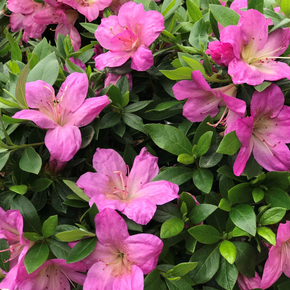
- Azaleas: Bloom in spring before the ginkgo leafs out fully, and thrive in the slightly acidic end of ginkgo's broad pH range.
- Bleeding Heart (Dicentra): A spring bloomer that appreciates cool shade and pairs elegantly with the ginkgo's ancient garden aesthetic.
- Ornamental Grasses (Hakonechloa): Japanese forest grass creates a graceful, flowing contrast at the ginkgo's feet and echoes the golden fall color beautifully.
- Spring Bulbs: Tulips, daffodils, and other spring bulbs planted beneath the canopy bloom before the ginkgo leafs out, maximizing seasonal color impact.
Plants to Avoid Nearby:
- Black Walnut: Produces juglone, a compound that can inhibit root development in nearby plants including young ginkgoes.
- Eucalyptus: Releases allelopathic compounds that can suppress the growth of surrounding plants.
- Sunflowers: Aggressive, shallow-rooted feeders that can compete for water and nutrients around establishing trees.
Pests and Diseases
Autumn Gold Ginkgo is widely regarded as one of the most pest- and disease-resistant trees in cultivation. Its ancient lineage has equipped it with natural defenses that virtually no common insect pest or fungal pathogen has overcome in modern landscapes.
- Insect Pests: No serious insect pest problems are known. The tree is not affected by common borers, aphids, scale insects, or other pests that plague many other deciduous trees. Occasional spider mite activity may occur on young trees during hot, dry summers, but consistent deep watering during establishment is the most effective preventive measure.
- Fungal Diseases: Highly resistant to anthracnose, leaf spot, canker, and other fungal diseases that commonly affect landscape trees. No serious disease issues have been documented in landscape settings.
- Deer Resistance: Excellent — deer typically avoid ginkgo foliage, making it a reliable choice in areas with high deer pressure.
- Overall Maintenance Level: Exceptionally low. No routine pest or disease management program is needed for established trees.
Wildlife Value
While Autumn Gold Ginkgo is a male cultivar that produces no fruit, it still contributes meaningfully to the landscape ecosystem in several important ways.
- Canopy Cover: The broad, dense canopy of mature trees provides valuable nesting and resting habitat for songbirds and other birds throughout the warmer months.
- Shade and Cooling: The tree's cooling shade benefits all understory plants and animals, moderating temperatures in the immediate landscape environment.
- Windbreak: Mature specimens serve as effective windbreaks that shelter smaller plants, wildlife, and structures from prevailing winds.
- Leaf Litter: The concentrated fall leaf drop provides a layer of organic material that supports soil health and can offer light cover for ground-dwelling insects and invertebrates.
- Deer Resistance: Because deer generally avoid browsing on ginkgo foliage, companion plantings in the area are less likely to be disturbed, supporting a more stable understory habitat.
Historical and Cultural Significance
Ginkgo biloba is a true living fossil — the sole surviving member of an entire plant division that thrived alongside dinosaurs more than 200 million years ago. 'Autumn Gold' carries this remarkable heritage into modern gardens, offering a direct connection to Earth's most ancient forests.
- Ancient Origins: Ginkgo biloba has remained virtually unchanged for over 200 million years. It is the only living representative of the division Ginkgophyta, with no close living relatives anywhere in the plant kingdom.
- Sacred and Cultural History: Long revered in China, Japan, and Korea, ginkgo trees are planted alongside temples and palaces as symbols of longevity, resilience, and hope. Some individual trees are estimated to be over 1,000 years old.
- Symbol of Endurance: After the bombing of Hiroshima in 1945, ginkgo trees growing near the epicenter were among the first living things to re-sprout and survive — cementing their global reputation as a symbol of enduring life and renewal.
- Cultivar Origin: 'Autumn Gold' was introduced by the Saratoga Horticultural Foundation in California during the 1950s, selected specifically for its outstanding symmetrical form, consistent golden fall color, and fruitless male character — making it one of the most widely planted ginkgo cultivars in North America.
- Spectacular golden-yellow fall foliage transforms the landscape in autumn, with leaves dropping nearly all at once to create a brilliant golden carpet beneath the tree.
- A guaranteed fruitless male cultivar — no messy, foul-smelling seeds, making it an ideal choice for yards, streetscapes, and high-traffic areas.
- Exceptionally tough and low-maintenance, thriving in a wide range of soil types and tolerating air pollution, road salt, compacted soils, and urban stress with ease.
- A true living fossil with over 200 million years of evolutionary history, offering a symmetrical, broadly pyramidal form that matures into a magnificent shade tree.
Ginkgo biloba 'Autumn Gold' is one of the most iconic and enduring deciduous trees available for home and commercial landscapes, celebrated for its distinctive fan-shaped, medium-green foliage that ignites into a dazzling, uniform golden-yellow each fall. Introduced by the Saratoga Horticultural Foundation in California in the 1950s, this carefully selected male clone was specifically chosen for its consistent, reliable fall color and handsomely symmetrical form. Narrow and upright in youth, the tree gradually broadens into a broadly pyramidal to rounded canopy, ultimately reaching 40 to 50 feet tall and 25 to 35 feet wide at maturity, making it an exceptional long-term shade and specimen tree. Because it is a fruitless male selection, it produces none of the notoriously malodorous seeds associated with female ginkgoes, making it a clean, carefree choice for lawns, boulevards, parks, and urban plazas. Hardy in USDA Zones 3 through 9, Autumn Gold Ginkgo demonstrates remarkable adaptability, performing beautifully in clay, loam, sandy, or chalky soils across a wide pH range, and standing up to air pollution, road salt, drought, and deer with exceptional resilience. Its ancient lineage — tracing back more than 200 million years, making it one of the oldest surviving tree species on Earth — lends every landscape a sense of timelessness and living history. Whether planted as a bold specimen in a front lawn, used to line a driveway or boulevard, or anchored in a park or courtyard, Autumn Gold Ginkgo delivers a stunning four-season presence: graceful green texture from spring through summer, a breathtaking golden autumn display, and a striking sculptural silhouette in winter.
Plant Description
Autumn Gold Ginkgo (Ginkgo biloba 'Autumn Gold') is a deciduous, male clonal selection of one of the world's most ancient tree species. Its signature fan-shaped, two-lobed leaves emerge soft green in spring and maintain a clean, medium-green color through the growing season before transitioning to a luminous golden-yellow in autumn. The foliage is deeply veined and has a distinctive, leathery texture unlike any other commonly cultivated tree. The tree starts with a narrow, upright form in its youth and gradually develops a broadly pyramidal to rounded, symmetrical crown as it matures. In winter, the bare branch structure reveals attractive angular buds and a bold, sculptural silhouette. Because it is a selected male cultivar, it never produces the fleshy, foul-smelling seeds associated with female ginkgoes, keeping the garden and landscape clean and odor-free throughout the year.
Mature Size
| Characteristic | Measurement |
|---|---|
| Mature Height | 40 to 50 feet |
| Mature Spread | 25 to 35 feet |
| Growth Rate | Slow to moderate; typically 6 to 12 inches per year when young, increasing to 12 to 24 inches per year once established |
| Growth Habit | Narrow and upright in youth, broadening to broadly pyramidal with age |
| Longevity | Exceptionally long-lived; can survive hundreds to over a thousand years under favorable conditions |
Hardiness and Climate
Autumn Gold Ginkgo is a remarkably cold-hardy and adaptable tree, thriving across a very broad geographic range. It performs well in the full spectrum of Southern Oregon and Northern California climates, from cooler mountain valleys to warmer inland zones.
- USDA Hardiness Zones: 3 through 9
- Heat Tolerance: Performs well in heat zones 3 through 9; tolerates summer heat when provided adequate moisture during establishment
- Cold Tolerance: Extremely cold-hardy; can withstand temperatures well below 0°F once established
- Urban Tolerance: Highly tolerant of air pollution, road salt, heat islands, and other urban stresses that challenge most other trees
- Fall Color Note: Golden color display is reliable even in warmer climates, though peak brilliance and intensity are most dramatic in zones where adequate autumn chilling occurs
Sunlight Requirements
Autumn Gold Ginkgo performs best and develops its most vibrant golden fall color when grown in full sun. For the richest foliage color and the most symmetrical, dense branching structure, site this tree where it will receive a minimum of 6 hours of direct sunlight per day. While the tree will tolerate partial shade, growth may be somewhat slower and fall color intensity may be reduced. In warmer climates such as inland Northern California, a site with morning sun and light afternoon shade can help young trees establish without heat stress during their first season, but full sun is the ideal long-term condition for outstanding performance.
Soil and pH Preferences
One of the most soil-adaptable shade trees available, Autumn Gold Ginkgo performs across a remarkably wide range of soil conditions, making it a reliable choice for challenging planting sites.
- Soil Types: Adapts well to clay, loam, sand, and chalk; tolerant of compacted urban soils
- Soil pH: Highly flexible — thrives in acidic, neutral, and alkaline soils with a preferred pH range of approximately 5.0 to 8.0
- Drainage: Prefers well-drained soil; tolerates occasional drought once established but does not perform well in persistently waterlogged or poorly drained conditions
- Compaction Tolerance: Excellent — one of the few shade trees that handles urban soil compaction well, making it ideal for street medians, parking areas, and paved plazas
- Amendment: Little to no soil amendment is typically necessary; native backfill is recommended at planting to encourage roots to adapt to existing site conditions
Watering Guide
Proper watering is most critical during the establishment phase. Once fully established, Autumn Gold Ginkgo is notably drought tolerant and requires little supplemental irrigation.
- After Planting: Water deeply and thoroughly immediately after planting. Keep soil consistently moist but not waterlogged during the first growing season to encourage deep root development.
- Year 1 to 2: Water deeply once or twice per week during dry periods. Check soil moisture 4 to 6 inches below the surface before watering — if still moist, wait before watering again.
- Established Trees (3+ Years): Highly drought tolerant; deep, infrequent watering during extended dry periods is sufficient in most climates. Trees in Southern Oregon and Northern California benefit from occasional deep summer watering during hot spells.
- Avoid: Prolonged waterlogged or saturated soil conditions, which can suffocate roots and cause premature leaf drop. Ginkgo does not tolerate soggy soil or overwatering.
- Mulching Benefit: A 2 to 3 inch layer of mulch around the root zone significantly reduces moisture loss between waterings, especially during the first few summers.
Fertilizing
Autumn Gold Ginkgo is a relatively low-nutrient-demand tree, especially once it is established in the landscape. Fertilizing is optional for mature trees growing in average garden soil, but can support younger trees during establishment.
- Young Trees (Years 1 to 3): Apply a balanced, slow-release tree fertilizer (such as a 10-10-10 or similar formulation) in early spring before new growth emerges to support healthy root and canopy development.
- Mature Trees: Established trees generally require no regular fertilization unless growing in very poor or nutrient-depleted soil. If growth appears unusually slow, a light application of a balanced fertilizer in early spring is sufficient.
- Avoid Over-Fertilizing: Excessive nitrogen can push rapid, soft growth that is more susceptible to stress. Stick to spring applications only and avoid late-season fertilizing, which can interfere with dormancy preparation.
- Organic Option: A top-dressing of compost worked lightly into the root zone in spring is an excellent organic alternative to synthetic fertilizers.
Pruning and Maintenance
Autumn Gold Ginkgo is among the lowest-maintenance shade trees you can plant. Its naturally strong branch architecture requires little corrective pruning, and its exceptional resistance to pests and diseases keeps ongoing care to a minimum.
- When to Prune: Late winter to early spring, while the tree is still dormant, is the ideal time to prune. Minor cleanup can also be done in midsummer if needed.
- What to Remove: Focus pruning on dead, damaged, diseased, or crossing branches. Remove any competing leaders on young trees to establish a strong central trunk early on.
- Avoid: Heavy pruning of the central leader on young upright trees, as this disrupts the natural form and can result in multiple competing leads. Avoid pruning in fall or early spring when wounds are slow to close.
- Transplant Period: Stake young trees in windy locations for the first one to two years after planting to prevent root disturbance while the tree anchors itself.
- Mulching: Maintain a 2 to 3 inch mulch ring extending to the drip line, keeping mulch at least 4 to 6 inches away from the trunk to prevent rot and pest harborage.
- Leaf Cleanup: Expect a rapid, concentrated leaf drop in late autumn — often within just a day or two following the first hard frost — making cleanup straightforward.
Planting Instructions
- Choose the Right Location: Select a site in full sun with well-drained soil. Allow adequate space for mature spread — at least 25 to 30 feet from structures, utilities, and other large trees.
- Timing: Plant in early spring or fall for best results. Container-grown trees can be planted during any period of mild weather, but avoid planting during peak summer heat if possible.
- Dig the Hole: Dig a hole two to three times as wide as the root ball but no deeper than the root ball's height. A wide, shallow hole encourages lateral root development.
- Check the Root Flare: Make sure the root flare — where the trunk begins to widen at the base — is at or slightly above the surrounding soil grade. Planting too deep is a leading cause of long-term decline.
- Backfill: Use the native soil removed from the hole to backfill around the root ball. Tamp lightly to eliminate air pockets but avoid compacting the soil heavily.
- Water Thoroughly: Water deeply immediately after planting to settle the soil and hydrate the root ball. Continue regular deep watering throughout the first growing season.
- Mulch: Apply a 2 to 3 inch layer of mulch over the root zone in a wide ring, keeping it several inches away from the trunk.
- Staking (if needed): In windy sites, stake the tree loosely for the first year to prevent root movement, then remove stakes after the first growing season.
Seasonal Interest
Autumn Gold Ginkgo provides compelling visual interest in every season, making it one of the most rewarding long-term investments in the home landscape.
- Spring: Fresh, soft-green fan-shaped leaves emerge in mid to late spring, creating a light, airy canopy with a graceful, feathery texture unique among deciduous trees.
- Summer: Clean, medium-green foliage provides dense, cooling shade through the warmest months. The tree's broadly pyramidal form adds architectural structure to the landscape all season long.
- Fall: The crown's most spectacular moment — foliage transforms nearly overnight to a luminous, uniform golden-yellow that glows in autumn sunlight. Following the first hard frost, leaves drop suddenly and almost simultaneously, creating a brilliant golden carpet beneath the tree.
- Winter: The bare branch structure reveals a beautiful, angular silhouette with prominent buds, offering natural winter sculpture and year-round landscape presence even after leaf drop.
Landscape Uses
Autumn Gold Ginkgo is one of the most versatile large deciduous trees for both residential and commercial landscapes. Its symmetrical form, pollution tolerance, and stunning seasonal display make it suitable for a wide range of applications.
- Specimen Tree: Plant as a bold focal point in a front lawn, rear garden, or open space where its symmetrical form and golden fall color can be fully appreciated.
- Shade Tree: As it matures, its broad canopy provides generous cooling shade for patios, seating areas, and outdoor living spaces.
- Street and Boulevard Tree: Its tolerance of compacted soils, pavement, road salt, and air pollution makes it an outstanding choice for streetscape plantings, medians, and urban plazas.
- Driveway or Avenue Planting: Planted in rows along driveways or property entrances, Autumn Gold Ginkgo creates a breathtaking golden avenue each fall.
- Parks and Public Spaces: Widely used in campus plantings, parks, and civic greenspaces for its durability, long lifespan, and low maintenance needs.
- Formal Landscapes: Its naturally symmetrical crown lends itself beautifully to formal garden designs requiring balanced, architectural tree forms.
Companion Plants
Selecting the right companion plants enhances the beauty of Autumn Gold Ginkgo while ensuring healthy coexistence. Shade-tolerant plants that work well beneath the ginkgo's canopy are ideal choices, while a few competitive or allelopathic plants should be kept at a distance.
Recommended Companions:
- Hostas: Thrive in the partial shade cast by a mature ginkgo and offer a bold foliar contrast to the tree's delicate fan-shaped leaves.
- Astilbe: Enjoys dappled shade beneath the canopy and adds elegant feathery plumes in spring and early summer.
- Japanese Painted Fern: Silvery, shade-tolerant foliage provides a striking contrast to the ginkgo's green and gold leaves.
- Coral Bells (Heuchera): Colorful, shade-tolerant foliage that brightens the understory throughout the growing season.
- Azaleas: Bloom in spring before the ginkgo leafs out fully, and thrive in the slightly acidic end of ginkgo's broad pH range.
- Bleeding Heart (Dicentra): A spring bloomer that appreciates cool shade and pairs elegantly with the ginkgo's ancient garden aesthetic.
- Ornamental Grasses (Hakonechloa): Japanese forest grass creates a graceful, flowing contrast at the ginkgo's feet and echoes the golden fall color beautifully.
- Spring Bulbs: Tulips, daffodils, and other spring bulbs planted beneath the canopy bloom before the ginkgo leafs out, maximizing seasonal color impact.
Plants to Avoid Nearby:
- Black Walnut: Produces juglone, a compound that can inhibit root development in nearby plants including young ginkgoes.
- Eucalyptus: Releases allelopathic compounds that can suppress the growth of surrounding plants.
- Sunflowers: Aggressive, shallow-rooted feeders that can compete for water and nutrients around establishing trees.
Pests and Diseases
Autumn Gold Ginkgo is widely regarded as one of the most pest- and disease-resistant trees in cultivation. Its ancient lineage has equipped it with natural defenses that virtually no common insect pest or fungal pathogen has overcome in modern landscapes.
- Insect Pests: No serious insect pest problems are known. The tree is not affected by common borers, aphids, scale insects, or other pests that plague many other deciduous trees. Occasional spider mite activity may occur on young trees during hot, dry summers, but consistent deep watering during establishment is the most effective preventive measure.
- Fungal Diseases: Highly resistant to anthracnose, leaf spot, canker, and other fungal diseases that commonly affect landscape trees. No serious disease issues have been documented in landscape settings.
- Deer Resistance: Excellent — deer typically avoid ginkgo foliage, making it a reliable choice in areas with high deer pressure.
- Overall Maintenance Level: Exceptionally low. No routine pest or disease management program is needed for established trees.
Wildlife Value
While Autumn Gold Ginkgo is a male cultivar that produces no fruit, it still contributes meaningfully to the landscape ecosystem in several important ways.
- Canopy Cover: The broad, dense canopy of mature trees provides valuable nesting and resting habitat for songbirds and other birds throughout the warmer months.
- Shade and Cooling: The tree's cooling shade benefits all understory plants and animals, moderating temperatures in the immediate landscape environment.
- Windbreak: Mature specimens serve as effective windbreaks that shelter smaller plants, wildlife, and structures from prevailing winds.
- Leaf Litter: The concentrated fall leaf drop provides a layer of organic material that supports soil health and can offer light cover for ground-dwelling insects and invertebrates.
- Deer Resistance: Because deer generally avoid browsing on ginkgo foliage, companion plantings in the area are less likely to be disturbed, supporting a more stable understory habitat.
Historical and Cultural Significance
Ginkgo biloba is a true living fossil — the sole surviving member of an entire plant division that thrived alongside dinosaurs more than 200 million years ago. 'Autumn Gold' carries this remarkable heritage into modern gardens, offering a direct connection to Earth's most ancient forests.
- Ancient Origins: Ginkgo biloba has remained virtually unchanged for over 200 million years. It is the only living representative of the division Ginkgophyta, with no close living relatives anywhere in the plant kingdom.
- Sacred and Cultural History: Long revered in China, Japan, and Korea, ginkgo trees are planted alongside temples and palaces as symbols of longevity, resilience, and hope. Some individual trees are estimated to be over 1,000 years old.
- Symbol of Endurance: After the bombing of Hiroshima in 1945, ginkgo trees growing near the epicenter were among the first living things to re-sprout and survive — cementing their global reputation as a symbol of enduring life and renewal.
- Cultivar Origin: 'Autumn Gold' was introduced by the Saratoga Horticultural Foundation in California during the 1950s, selected specifically for its outstanding symmetrical form, consistent golden fall color, and fruitless male character — making it one of the most widely planted ginkgo cultivars in North America.