

Zoom the image with the mouse
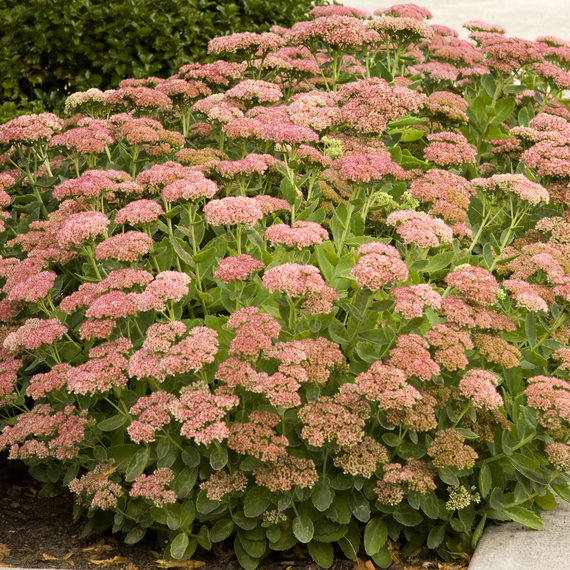
Autumn Joy Sedum -1 Gallon
SKU:
2106110
UPC:
014949707418
$13.99
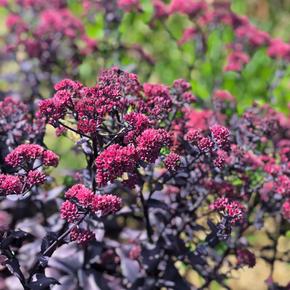
- A showstopping four-season perennial whose blooms progress from pale pink in late summer to deep rosy red, then burnished copper and mahogany in autumn and winter
- Exceptionally drought-tolerant and low-maintenance once established, thriving in poor, well-drained soils with minimal watering and no fertilizing required
- A magnet for butterflies, bees, and beneficial insects in late summer and fall when few other plants are in bloom, with dried seedheads that feed birds through winter
- Hardy in USDA Zones 3-9, tolerating extreme cold and summer heat alike, with deer and rabbit resistance that makes it virtually worry-free in the landscape
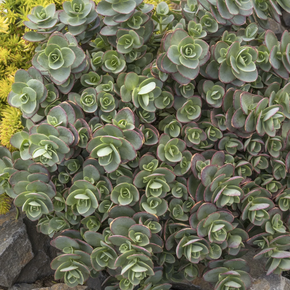
Sedum 'Autumn Joy' (Hylotelephium 'Herbstfreude') is one of the most beloved and dependable herbaceous perennials in North American gardens, and it earns that reputation every single season. In spring, charming rosettes of thick, blue-green succulent foliage emerge from the soil like tiny Brussels sprouts, quickly building into handsome, upright clumps that reach 18 to 24 inches tall and equally as wide by midsummer. As late summer arrives, flat-topped flower clusters emerge in soft, pale pink, gradually deepening to a rich rose-pink and then transitioning through coppery bronze and russet-red as autumn takes hold - delivering a dazzling, ever-changing color display right when most of the garden begins to fade. This award-winning hybrid, a cross between Hylotelephium telephium and Hylotelephium spectabile, is a true workhorse for gardens in Southern Oregon and Northern California, thriving in the region's warm, dry summers and tolerating the cold of winter with ease across USDA Hardiness Zones 3-9. The fleshy, succulent leaves store water efficiently through a specialized form of CAM photosynthesis, making 'Autumn Joy' one of the most drought-tolerant flowering perennials available. Whether planted in mixed perennial borders, rock gardens, xeriscaped beds, or containers, this low-maintenance stunner provides structure, pollinator habitat, and unmatched late-season color that bridges summer and winter interest with architectural elegance.
Plant Description
Sedum 'Autumn Joy' is a clump-forming herbaceous perennial in the Crassulaceae (stonecrop) family. In spring, spiraling rosettes of pale blue-green, paddle-shaped succulent leaves emerge from the crown, stacking up along sturdy upright stems as the season progresses. The foliage is thick and waxy with a glaucous texture, reflecting the plant's ability to store water internally. By late summer, large, domed flower heads measuring 3 to 4 inches across appear at the stem tips, opening as dense clusters of tiny star-shaped blooms. The floral color journey is one of the plant's greatest assets: blooms open in soft pale pink, mature to a deep rose, then shift to a glowing copper-bronze in early fall, finally drying to a rich mahogany-red that persists attractively through winter. The dried seedheads hold their form beautifully against frost and snow, adding sculptural interest to the dormant garden. Botanically known as Hylotelephium 'Herbstfreude' - German for "autumn joy" - this cultivar is a hybrid developed by German plant breeders and introduced to the United States in the 1950s. It may also be found under the names Sedum spectabile 'Autumn Joy' or Hylotelephium telephium 'Autumn Joy.'
Mature Size
| Characteristic | Measurement |
|---|---|
| Mature Height | 18 to 24 inches |
| Mature Spread | 18 to 24 inches |
| Growth Rate | Moderate |
| Plant Form | Upright, clump-forming |
| Recommended Spacing | 18 to 24 inches on center |
| Division Interval | Every 3 to 4 years to maintain vigor |
Hardiness Zones and Climate
Sedum 'Autumn Joy' is hardy in USDA Plant Hardiness Zones 3 through 9, tolerating winter temperatures as low as -30 to -40 degrees Fahrenheit when fully dormant. This makes it one of the most cold-hardy flowering perennials available, surviving frigid winters across the northern United States while also thriving in the warm, dry summers of Southern Oregon and Northern California. It is classified as a herbaceous perennial, meaning the above-ground growth dies back completely to the crown in winter, with robust new growth reliably returning each spring. The plant handles summer heat, low humidity, and periods of drought with excellent grace thanks to its succulent leaf structure. It also demonstrates surprising tolerance for brief periods of humidity. In mild-winter climates such as the Rogue Valley and upper Sacramento Valley, 'Autumn Joy' will often retain some foliage structure well into winter before fully resting.
Sunlight Requirements
'Autumn Joy' sedum performs best in full sun, requiring a minimum of 6 hours of direct sunlight per day. Full sun promotes the strongest, most compact stems, the most abundant flowering, and the richest fall color development. In partially shaded conditions - particularly when shade is heaviest in the afternoon - the plant will still grow and bloom but may develop weaker, more elongated stems that are prone to flopping. Deep or all-day shade should be avoided, as it leads to poor flowering performance and significantly weakens the overall structure of the plant. In the intense summer heat of Southern Oregon and Northern California, light afternoon shade can help prolong bloom quality during the hottest weeks, but morning sun is essential for optimal growth. Rock gardens, south-facing borders, and open landscape beds are ideal placements.
Soil and pH Preferences
One of the key reasons 'Autumn Joy' is so easy to grow is its tolerance for lean, infertile soils that would challenge most perennials. It actually performs better in poor to moderately fertile soil than in rich, amended beds - overly fertile or high-nitrogen soil causes lush, floppy growth and reduces the compact, upright habit the plant is prized for. The single non-negotiable requirement is excellent drainage. Waterlogged or consistently moist soil will cause root rot and rapid plant decline.
- Preferred soil types: Sandy, gravelly, rocky, or loam with excellent drainage
- Tolerates: Clay soils if amended with horticultural grit, coarse sand, or pea gravel to improve drainage
- Avoid: Heavy clay, boggy areas, or consistently moist soil
- Soil fertility: Low to moderate; avoid high-nitrogen soil amendments
- Preferred soil pH: Slightly acidic to slightly alkaline, approximately 6.0 to 7.0
- Amendment tip: When planting in heavy Southern Oregon or Northern California clay soils, incorporate coarse sand, decomposed granite, or pea gravel into the planting area to ensure the drainage this plant demands
Watering Guide
Once established in the garden, Sedum 'Autumn Joy' is highly drought-tolerant and one of the most water-efficient flowering perennials you can plant. Its thick, succulent leaves store water internally, allowing it to go extended periods without supplemental irrigation. Overwatering is far more harmful than underwatering for this plant.
- Newly planted: Water regularly for the first 4 to 6 weeks to help the root system establish, keeping the soil evenly moist but never waterlogged
- Established in the ground: Water deeply every 1 to 2 weeks during summer, or only during extended dry spells; allow the soil to dry out between waterings
- Hot, dry summers: In the intense summer heat typical of Southern Oregon and Northern California, a deep watering every 1 to 2 weeks during peak summer encourages better and longer-lasting blooms
- Container grown: Containers dry out faster; check weekly and water when the top inch or two of soil is dry
- Winter dormancy: Reduce or eliminate supplemental watering once the plant dies back in fall; rely on natural rainfall during the dormant period
- Key warning: Never allow the plant to sit in standing water or poorly drained soil, as this leads to root rot
Fertilizing
Sedum 'Autumn Joy' has very low fertility needs and is one of the rare ornamental perennials that genuinely thrives on minimal to no fertilization. Too much fertilizer - particularly nitrogen-rich products - causes weak, leggy, floppy stems and diminishes the plant's naturally compact form. The best approach is a hands-off one:
- No fertilizer is required for plants growing in average garden soil
- If soil is extremely poor or compacted, a single light application of a low-nitrogen, balanced slow-release granular fertilizer in early spring is sufficient for the entire growing season
- An annual top-dressing with a thin layer of low-nutrient, carbon-rich compost (not manure-based) is a gentle, preferred alternative to synthetic fertilizers
- Avoid high-nitrogen fertilizers entirely, as they promote soft, floppy growth that detracts from the plant's ornamental value
- Do not fertilize after midsummer, as late feeding can stimulate tender new growth susceptible to early frost damage
Pruning and Maintenance
'Autumn Joy' is a remarkably low-maintenance perennial. Its seasonal care routine is simple and rewarding, with the dried winter structure offering extended ornamental value even after the plant goes dormant.
- Early summer pinching (optional): Pinching back stem tips by one-third in late spring to early June encourages branching, bushier growth, and sturdier stems less prone to flopping - particularly useful in richer soils
- Deadheading: Not necessary or recommended; the spent flower heads transition through a beautiful sequence of copper, rust, and mahogany hues and are best left in place through winter
- Winter interest: Leave dried seedheads standing through the winter months - they catch frost and light snow beautifully and provide valuable seed for birds
- Spring cleanup: Cut back all dead stems to within a few inches of the ground in late winter or early spring, just as new growth begins to emerge from the crown
- Division: Divide clumps every 3 to 4 years in early spring to rejuvenate the plant, maintain compact form, and prevent the center of the clump from dying out. Each division should include healthy shoots and roots
- Floppy stems: If stems flop despite full sun, the cause is usually overly rich soil or insufficient light; reduce fertility and ensure at least 6 hours of direct sun daily
Planting Instructions
Follow these steps for a successful planting of Sedum 'Autumn Joy' in the garden:
- Timing: Plant in spring after the last frost date, or in early fall at least 6 weeks before the first expected frost. Spring planting allows the plant to establish before summer heat arrives.
- Site selection: Choose a location with at least 6 hours of full sun and excellent soil drainage. Avoid low spots or areas where water collects after rain.
- Soil preparation: Loosen the soil to a depth of 12 inches. If your soil is heavy clay - common in parts of the Rogue Valley and Shasta Cascade region - work in generous amounts of coarse sand, pea gravel, or decomposed granite to improve drainage. Avoid adding large quantities of rich compost or manure.
- Dig the planting hole: Make the hole approximately 1.5 times the width of the root ball and about the same depth, so the crown of the plant sits at the same level as it was in the container.
- Plant and backfill: Gently remove the plant from its container, loosen any circling roots, and set it in the hole. Backfill with the native soil, ensuring no roots are exposed and no stems are buried below the soil line.
- Water thoroughly: Water deeply immediately after planting to settle the soil around the roots and eliminate air pockets.
- Spacing: Space plants 18 to 24 inches apart to allow for their mature clumping spread and to promote good air circulation.
- Mulching: A light layer of mulch around (but not touching) the crown helps retain moisture and moderate soil temperature during the establishment period.
Seasonal Interest
| Season | What to Expect |
|---|---|
| Late Winter / Early Spring | Tight, spiraling rosettes of blue-green succulent buds emerge from the crown, resembling tiny heads of broccoli or Brussels sprouts - charming even at this early stage |
| Spring | Upright stems fill in rapidly with attractive, paddle-shaped glaucous green foliage, forming neat, symmetrical clumps with strong architectural presence |
| Midsummer | Large, flat-topped flower clusters emerge in pale, soft pink, drawing pollinators to the garden during peak summer heat |
| Late Summer | Flower heads deepen to a rich, saturated rosy-pink, providing a bold, colorful display at peak pollinator activity season |
| Fall | Blooms transition to glowing copper and bronze tones as temperatures drop, adding warm autumnal color precisely when most perennials are fading |
| Late Fall / Winter | Dried seedheads turn a rich mahogany-red and hold their form through frost and light snow, providing striking winter texture and bird food source |
Landscape Uses
Sedum 'Autumn Joy' is one of the most versatile and widely adaptable perennials for landscape design in Southern Oregon and Northern California. Its drought tolerance, bold structure, and extended seasonal interest make it a go-to choice for a wide range of design applications:
- Mixed perennial borders: Plant in the middle or front of borders where its upright form and multi-season flower display anchor the planting composition
- Rock gardens and dry slopes: Thrives in the well-drained, lean conditions of rock gardens and naturalistic hillside plantings typical of the Rogue and Klamath regions
- Xeriscape and water-wise gardens: One of the top flowering perennials for low-water landscape design; ideal for drought-tolerant garden beds in the region's dry summers
- Mass plantings: Plant in drifts of 5 or more for a sweeping, bold fall color effect along paths, driveways, or property edges
- Pollinator gardens: A critical late-season nectar source for bees, butterflies, and beneficial insects when most other flowering plants have finished
- Container gardens: Its compact, symmetrical form works beautifully in large containers on patios or decks, providing multi-season interest
- Cottage gardens: Blends naturally with informal plantings of ornamental grasses, coneflowers, and asters for a relaxed, naturalistic aesthetic
- Cut flower gardens: Flowers make excellent fresh-cut and dried arrangements, retaining their form and color as they dry on the stem
- Edging: Used in mass along pathways or the front of borders for a structured yet natural edge of rosy late-season blooms
Companion Plants
Sedum 'Autumn Joy' pairs beautifully with plants that share its preference for full sun and well-drained soil, and that complement its late-summer-to-fall bloom season. Consider these excellent companions for garden combinations that look spectacular in the Southern Oregon and Northern California landscape:
- Purple Coneflower (Echinacea purpurea): Native wildflower with bold pink-purple daisy blooms and cone-shaped seedheads that complement 'Autumn Joy' beautifully in both bloom season and dried winter form
- Black-Eyed Susan (Rudbeckia fulgida): Bright golden-yellow flowers contrast strikingly with the rosy-pink to copper tones of 'Autumn Joy,' and both share drought tolerance
- Ornamental Grasses: Varieties such as Karl Foerster feather reed grass, Blue Oat grass, or Little Bluestem provide airy, flowing contrast to the bold, flat flower heads of sedum
- Goldenrod (Solidago spp.): Yellow plumes of goldenrod echo the warm fall color palette and bloom at the same time, creating a rich autumn tapestry
- Aster (Symphyotrichum spp.): Purple, lavender, or pink asters bloom simultaneously with 'Autumn Joy' in fall, creating a classic late-season combination beloved by pollinators
- Russian Sage (Perovskia atriplicifolia): Silvery stems and airy lavender-blue flower spikes provide wonderful textural contrast to the bold, succulent foliage and flower heads of sedum
- Yarrow (Achillea millefolium): Flat-topped flowers in yellow, white, or red bloom earlier in summer and share the same sun and dry-soil preferences, extending the season
- Lavender (Lavandula spp.): Fragrant, drought-tolerant, and full-sun loving - lavender's silver-green foliage and purple flower spikes make a striking pairing with the blue-green leaves of 'Autumn Joy'
Wildlife Value
Sedum 'Autumn Joy' is an exceptionally valuable plant for supporting local wildlife, particularly because its bloom period extends well into autumn when most nectar and seed sources have disappeared from the landscape.
- Bees: One of the most significant late-season nectar plants available, 'Autumn Joy' is heavily visited by honeybees, native bumblebees, and many species of solitary bees from late summer through fall frost
- Butterflies: A magnet for monarch butterflies, painted ladies, swallowtails, and many other butterfly species seeking late-season nectar during their southward migration through the Pacific States
- Beneficial insects: Attracts hoverflies, parasitic wasps, and other beneficial insects that serve as natural pest controllers in the garden
- Hummingbirds: Occasionally visited by hummingbirds seeking nectar from the dense flower clusters
- Songbirds: The dried, persistent seedheads provide food for finches, sparrows, and other seed-eating birds throughout the winter months - a compelling reason to leave the spent flower stalks standing until spring
- Deer and rabbit resistance: The thick, slightly bitter succulent foliage is generally unpalatable to deer and rabbits, making it a smart choice for gardens in rural and semi-rural areas of Southern Oregon and Northern California
Pests and Diseases
Sedum 'Autumn Joy' is among the most pest- and disease-resistant perennials available. When problems do occur, they are almost always related to cultural conditions - especially excessive moisture or shade - rather than inherent plant vulnerability.
- Root rot: The most serious threat to this plant, caused by waterlogged or poorly drained soil. Prevent it entirely by ensuring excellent drainage at planting time. There is no cure once root rot is severe; affected plants should be removed and the drainage issue corrected before replanting
- Powdery mildew: Occasional in humid conditions or overcrowded plantings with poor air circulation; prevent by spacing plants adequately and siting in full sun. Generally cosmetic and not life-threatening to the plant
- Aphids: Occasionally cluster on new stem growth in spring; easily controlled with a strong spray of water, insecticidal soap, or food-grade diatomaceous earth. Beneficial insects attracted by the plant's blooms often keep aphid populations in check naturally
- Slugs: May feed on young foliage in very moist, shaded conditions in early spring; reduce mulch depth around the crown and improve drainage to deter them
- Mealybugs: Rare in outdoor plantings; treat with insecticidal soap or neem oil if observed
- Deer browsing: While generally deer-resistant, extremely hungry deer may occasionally sample the foliage; deer pressure tends to be low compared to other perennials
- Stem flopping: Not a disease, but a common cultural problem caused by overly rich or moist soil, or insufficient sunlight; correct by improving drainage, reducing fertilization, and ensuring full sun exposure
Container Growing
Sedum 'Autumn Joy' grows very well in containers and makes an outstanding patio or deck plant, bringing multi-season color and pollinator activity close to outdoor living spaces. Keep the following tips in mind for success in containers:
- Container size: Use a container at least 12 to 16 inches in diameter with drainage holes in the bottom; larger containers allow for a more impressive specimen and require less frequent watering
- Potting mix: Use a well-draining potting mix amended with additional perlite or coarse sand - approximately one-quarter to one-third by volume - to ensure the fast drainage this plant requires
- Watering: Containers dry out more quickly than garden beds; check weekly and water when the top 1 to 2 inches of mix are dry. Never allow the container to sit in a saucer of standing water
- Fertilizing: A single light application of a balanced, low-nitrogen slow-release granular fertilizer in spring is sufficient; avoid over-feeding, which promotes floppy growth
- Sun placement: Position containers in a full-sun location for best flowering and most compact growth
- Winter care: In USDA Zone 7 and colder, container-grown plants can be more vulnerable to freeze damage since roots are exposed to air temperatures rather than insulated by ground soil. Move containers to a protected, unheated garage or shed during the coldest weeks, or insulate the pot with burlap or bubble wrap
- Combining: Pairs beautifully in large mixed containers with ornamental grasses, lavender, or trailing sedums for a full-season display
Propagation
Sedum 'Autumn Joy' is easy to propagate and can be multiplied by division, stem cuttings, or leaf cuttings. Because it is a hybrid cultivar, it cannot be reliably grown from seed - propagate vegetatively to ensure true-to-type plants.
- Division (easiest method): In early spring, as new growth emerges, dig up an established clump and cut it into sections with a sharp, clean knife or spade. Each section should have several healthy shoots and an attached root mass. Replant divisions immediately at the same depth as the original plant, water in well, and keep moderately moist until established. Division also rejuvenates older clumps and should be done every 3 to 4 years.
- Stem cuttings: Take 3 to 6 inch cuttings of non-flowering stem growth in spring or early summer. Remove the lower leaves, allow the cut end to callous for a few hours, then insert into a moist, well-draining propagation medium such as perlite or a perlite-peat blend. Keep in bright indirect light and moderately moist. Roots typically form within 2 to 3 weeks.
- Leaf cuttings: Individual healthy leaves can be gently removed and laid shallowly in a propagation medium. Small rosettes will form at the base of each leaf over several weeks. This method is slower but produces many new plants from a single stem.
- Best season: Spring through early summer is ideal for all propagation methods. Avoid taking cuttings during the hottest part of summer or once flower buds have formed.
- A showstopping four-season perennial whose blooms progress from pale pink in late summer to deep rosy red, then burnished copper and mahogany in autumn and winter
- Exceptionally drought-tolerant and low-maintenance once established, thriving in poor, well-drained soils with minimal watering and no fertilizing required
- A magnet for butterflies, bees, and beneficial insects in late summer and fall when few other plants are in bloom, with dried seedheads that feed birds through winter
- Hardy in USDA Zones 3-9, tolerating extreme cold and summer heat alike, with deer and rabbit resistance that makes it virtually worry-free in the landscape
Sedum 'Autumn Joy' (Hylotelephium 'Herbstfreude') is one of the most beloved and dependable herbaceous perennials in North American gardens, and it earns that reputation every single season. In spring, charming rosettes of thick, blue-green succulent foliage emerge from the soil like tiny Brussels sprouts, quickly building into handsome, upright clumps that reach 18 to 24 inches tall and equally as wide by midsummer. As late summer arrives, flat-topped flower clusters emerge in soft, pale pink, gradually deepening to a rich rose-pink and then transitioning through coppery bronze and russet-red as autumn takes hold - delivering a dazzling, ever-changing color display right when most of the garden begins to fade. This award-winning hybrid, a cross between Hylotelephium telephium and Hylotelephium spectabile, is a true workhorse for gardens in Southern Oregon and Northern California, thriving in the region's warm, dry summers and tolerating the cold of winter with ease across USDA Hardiness Zones 3-9. The fleshy, succulent leaves store water efficiently through a specialized form of CAM photosynthesis, making 'Autumn Joy' one of the most drought-tolerant flowering perennials available. Whether planted in mixed perennial borders, rock gardens, xeriscaped beds, or containers, this low-maintenance stunner provides structure, pollinator habitat, and unmatched late-season color that bridges summer and winter interest with architectural elegance.
Plant Description
Sedum 'Autumn Joy' is a clump-forming herbaceous perennial in the Crassulaceae (stonecrop) family. In spring, spiraling rosettes of pale blue-green, paddle-shaped succulent leaves emerge from the crown, stacking up along sturdy upright stems as the season progresses. The foliage is thick and waxy with a glaucous texture, reflecting the plant's ability to store water internally. By late summer, large, domed flower heads measuring 3 to 4 inches across appear at the stem tips, opening as dense clusters of tiny star-shaped blooms. The floral color journey is one of the plant's greatest assets: blooms open in soft pale pink, mature to a deep rose, then shift to a glowing copper-bronze in early fall, finally drying to a rich mahogany-red that persists attractively through winter. The dried seedheads hold their form beautifully against frost and snow, adding sculptural interest to the dormant garden. Botanically known as Hylotelephium 'Herbstfreude' - German for "autumn joy" - this cultivar is a hybrid developed by German plant breeders and introduced to the United States in the 1950s. It may also be found under the names Sedum spectabile 'Autumn Joy' or Hylotelephium telephium 'Autumn Joy.'
Mature Size
| Characteristic | Measurement |
|---|---|
| Mature Height | 18 to 24 inches |
| Mature Spread | 18 to 24 inches |
| Growth Rate | Moderate |
| Plant Form | Upright, clump-forming |
| Recommended Spacing | 18 to 24 inches on center |
| Division Interval | Every 3 to 4 years to maintain vigor |
Hardiness Zones and Climate
Sedum 'Autumn Joy' is hardy in USDA Plant Hardiness Zones 3 through 9, tolerating winter temperatures as low as -30 to -40 degrees Fahrenheit when fully dormant. This makes it one of the most cold-hardy flowering perennials available, surviving frigid winters across the northern United States while also thriving in the warm, dry summers of Southern Oregon and Northern California. It is classified as a herbaceous perennial, meaning the above-ground growth dies back completely to the crown in winter, with robust new growth reliably returning each spring. The plant handles summer heat, low humidity, and periods of drought with excellent grace thanks to its succulent leaf structure. It also demonstrates surprising tolerance for brief periods of humidity. In mild-winter climates such as the Rogue Valley and upper Sacramento Valley, 'Autumn Joy' will often retain some foliage structure well into winter before fully resting.
Sunlight Requirements
'Autumn Joy' sedum performs best in full sun, requiring a minimum of 6 hours of direct sunlight per day. Full sun promotes the strongest, most compact stems, the most abundant flowering, and the richest fall color development. In partially shaded conditions - particularly when shade is heaviest in the afternoon - the plant will still grow and bloom but may develop weaker, more elongated stems that are prone to flopping. Deep or all-day shade should be avoided, as it leads to poor flowering performance and significantly weakens the overall structure of the plant. In the intense summer heat of Southern Oregon and Northern California, light afternoon shade can help prolong bloom quality during the hottest weeks, but morning sun is essential for optimal growth. Rock gardens, south-facing borders, and open landscape beds are ideal placements.
Soil and pH Preferences
One of the key reasons 'Autumn Joy' is so easy to grow is its tolerance for lean, infertile soils that would challenge most perennials. It actually performs better in poor to moderately fertile soil than in rich, amended beds - overly fertile or high-nitrogen soil causes lush, floppy growth and reduces the compact, upright habit the plant is prized for. The single non-negotiable requirement is excellent drainage. Waterlogged or consistently moist soil will cause root rot and rapid plant decline.
- Preferred soil types: Sandy, gravelly, rocky, or loam with excellent drainage
- Tolerates: Clay soils if amended with horticultural grit, coarse sand, or pea gravel to improve drainage
- Avoid: Heavy clay, boggy areas, or consistently moist soil
- Soil fertility: Low to moderate; avoid high-nitrogen soil amendments
- Preferred soil pH: Slightly acidic to slightly alkaline, approximately 6.0 to 7.0
- Amendment tip: When planting in heavy Southern Oregon or Northern California clay soils, incorporate coarse sand, decomposed granite, or pea gravel into the planting area to ensure the drainage this plant demands
Watering Guide
Once established in the garden, Sedum 'Autumn Joy' is highly drought-tolerant and one of the most water-efficient flowering perennials you can plant. Its thick, succulent leaves store water internally, allowing it to go extended periods without supplemental irrigation. Overwatering is far more harmful than underwatering for this plant.
- Newly planted: Water regularly for the first 4 to 6 weeks to help the root system establish, keeping the soil evenly moist but never waterlogged
- Established in the ground: Water deeply every 1 to 2 weeks during summer, or only during extended dry spells; allow the soil to dry out between waterings
- Hot, dry summers: In the intense summer heat typical of Southern Oregon and Northern California, a deep watering every 1 to 2 weeks during peak summer encourages better and longer-lasting blooms
- Container grown: Containers dry out faster; check weekly and water when the top inch or two of soil is dry
- Winter dormancy: Reduce or eliminate supplemental watering once the plant dies back in fall; rely on natural rainfall during the dormant period
- Key warning: Never allow the plant to sit in standing water or poorly drained soil, as this leads to root rot
Fertilizing
Sedum 'Autumn Joy' has very low fertility needs and is one of the rare ornamental perennials that genuinely thrives on minimal to no fertilization. Too much fertilizer - particularly nitrogen-rich products - causes weak, leggy, floppy stems and diminishes the plant's naturally compact form. The best approach is a hands-off one:
- No fertilizer is required for plants growing in average garden soil
- If soil is extremely poor or compacted, a single light application of a low-nitrogen, balanced slow-release granular fertilizer in early spring is sufficient for the entire growing season
- An annual top-dressing with a thin layer of low-nutrient, carbon-rich compost (not manure-based) is a gentle, preferred alternative to synthetic fertilizers
- Avoid high-nitrogen fertilizers entirely, as they promote soft, floppy growth that detracts from the plant's ornamental value
- Do not fertilize after midsummer, as late feeding can stimulate tender new growth susceptible to early frost damage
Pruning and Maintenance
'Autumn Joy' is a remarkably low-maintenance perennial. Its seasonal care routine is simple and rewarding, with the dried winter structure offering extended ornamental value even after the plant goes dormant.
- Early summer pinching (optional): Pinching back stem tips by one-third in late spring to early June encourages branching, bushier growth, and sturdier stems less prone to flopping - particularly useful in richer soils
- Deadheading: Not necessary or recommended; the spent flower heads transition through a beautiful sequence of copper, rust, and mahogany hues and are best left in place through winter
- Winter interest: Leave dried seedheads standing through the winter months - they catch frost and light snow beautifully and provide valuable seed for birds
- Spring cleanup: Cut back all dead stems to within a few inches of the ground in late winter or early spring, just as new growth begins to emerge from the crown
- Division: Divide clumps every 3 to 4 years in early spring to rejuvenate the plant, maintain compact form, and prevent the center of the clump from dying out. Each division should include healthy shoots and roots
- Floppy stems: If stems flop despite full sun, the cause is usually overly rich soil or insufficient light; reduce fertility and ensure at least 6 hours of direct sun daily
Planting Instructions
Follow these steps for a successful planting of Sedum 'Autumn Joy' in the garden:
- Timing: Plant in spring after the last frost date, or in early fall at least 6 weeks before the first expected frost. Spring planting allows the plant to establish before summer heat arrives.
- Site selection: Choose a location with at least 6 hours of full sun and excellent soil drainage. Avoid low spots or areas where water collects after rain.
- Soil preparation: Loosen the soil to a depth of 12 inches. If your soil is heavy clay - common in parts of the Rogue Valley and Shasta Cascade region - work in generous amounts of coarse sand, pea gravel, or decomposed granite to improve drainage. Avoid adding large quantities of rich compost or manure.
- Dig the planting hole: Make the hole approximately 1.5 times the width of the root ball and about the same depth, so the crown of the plant sits at the same level as it was in the container.
- Plant and backfill: Gently remove the plant from its container, loosen any circling roots, and set it in the hole. Backfill with the native soil, ensuring no roots are exposed and no stems are buried below the soil line.
- Water thoroughly: Water deeply immediately after planting to settle the soil around the roots and eliminate air pockets.
- Spacing: Space plants 18 to 24 inches apart to allow for their mature clumping spread and to promote good air circulation.
- Mulching: A light layer of mulch around (but not touching) the crown helps retain moisture and moderate soil temperature during the establishment period.
Seasonal Interest
| Season | What to Expect |
|---|---|
| Late Winter / Early Spring | Tight, spiraling rosettes of blue-green succulent buds emerge from the crown, resembling tiny heads of broccoli or Brussels sprouts - charming even at this early stage |
| Spring | Upright stems fill in rapidly with attractive, paddle-shaped glaucous green foliage, forming neat, symmetrical clumps with strong architectural presence |
| Midsummer | Large, flat-topped flower clusters emerge in pale, soft pink, drawing pollinators to the garden during peak summer heat |
| Late Summer | Flower heads deepen to a rich, saturated rosy-pink, providing a bold, colorful display at peak pollinator activity season |
| Fall | Blooms transition to glowing copper and bronze tones as temperatures drop, adding warm autumnal color precisely when most perennials are fading |
| Late Fall / Winter | Dried seedheads turn a rich mahogany-red and hold their form through frost and light snow, providing striking winter texture and bird food source |
Landscape Uses
Sedum 'Autumn Joy' is one of the most versatile and widely adaptable perennials for landscape design in Southern Oregon and Northern California. Its drought tolerance, bold structure, and extended seasonal interest make it a go-to choice for a wide range of design applications:
- Mixed perennial borders: Plant in the middle or front of borders where its upright form and multi-season flower display anchor the planting composition
- Rock gardens and dry slopes: Thrives in the well-drained, lean conditions of rock gardens and naturalistic hillside plantings typical of the Rogue and Klamath regions
- Xeriscape and water-wise gardens: One of the top flowering perennials for low-water landscape design; ideal for drought-tolerant garden beds in the region's dry summers
- Mass plantings: Plant in drifts of 5 or more for a sweeping, bold fall color effect along paths, driveways, or property edges
- Pollinator gardens: A critical late-season nectar source for bees, butterflies, and beneficial insects when most other flowering plants have finished
- Container gardens: Its compact, symmetrical form works beautifully in large containers on patios or decks, providing multi-season interest
- Cottage gardens: Blends naturally with informal plantings of ornamental grasses, coneflowers, and asters for a relaxed, naturalistic aesthetic
- Cut flower gardens: Flowers make excellent fresh-cut and dried arrangements, retaining their form and color as they dry on the stem
- Edging: Used in mass along pathways or the front of borders for a structured yet natural edge of rosy late-season blooms
Companion Plants
Sedum 'Autumn Joy' pairs beautifully with plants that share its preference for full sun and well-drained soil, and that complement its late-summer-to-fall bloom season. Consider these excellent companions for garden combinations that look spectacular in the Southern Oregon and Northern California landscape:
- Purple Coneflower (Echinacea purpurea): Native wildflower with bold pink-purple daisy blooms and cone-shaped seedheads that complement 'Autumn Joy' beautifully in both bloom season and dried winter form
- Black-Eyed Susan (Rudbeckia fulgida): Bright golden-yellow flowers contrast strikingly with the rosy-pink to copper tones of 'Autumn Joy,' and both share drought tolerance
- Ornamental Grasses: Varieties such as Karl Foerster feather reed grass, Blue Oat grass, or Little Bluestem provide airy, flowing contrast to the bold, flat flower heads of sedum
- Goldenrod (Solidago spp.): Yellow plumes of goldenrod echo the warm fall color palette and bloom at the same time, creating a rich autumn tapestry
- Aster (Symphyotrichum spp.): Purple, lavender, or pink asters bloom simultaneously with 'Autumn Joy' in fall, creating a classic late-season combination beloved by pollinators
- Russian Sage (Perovskia atriplicifolia): Silvery stems and airy lavender-blue flower spikes provide wonderful textural contrast to the bold, succulent foliage and flower heads of sedum
- Yarrow (Achillea millefolium): Flat-topped flowers in yellow, white, or red bloom earlier in summer and share the same sun and dry-soil preferences, extending the season
- Lavender (Lavandula spp.): Fragrant, drought-tolerant, and full-sun loving - lavender's silver-green foliage and purple flower spikes make a striking pairing with the blue-green leaves of 'Autumn Joy'
Wildlife Value
Sedum 'Autumn Joy' is an exceptionally valuable plant for supporting local wildlife, particularly because its bloom period extends well into autumn when most nectar and seed sources have disappeared from the landscape.
- Bees: One of the most significant late-season nectar plants available, 'Autumn Joy' is heavily visited by honeybees, native bumblebees, and many species of solitary bees from late summer through fall frost
- Butterflies: A magnet for monarch butterflies, painted ladies, swallowtails, and many other butterfly species seeking late-season nectar during their southward migration through the Pacific States
- Beneficial insects: Attracts hoverflies, parasitic wasps, and other beneficial insects that serve as natural pest controllers in the garden
- Hummingbirds: Occasionally visited by hummingbirds seeking nectar from the dense flower clusters
- Songbirds: The dried, persistent seedheads provide food for finches, sparrows, and other seed-eating birds throughout the winter months - a compelling reason to leave the spent flower stalks standing until spring
- Deer and rabbit resistance: The thick, slightly bitter succulent foliage is generally unpalatable to deer and rabbits, making it a smart choice for gardens in rural and semi-rural areas of Southern Oregon and Northern California
Pests and Diseases
Sedum 'Autumn Joy' is among the most pest- and disease-resistant perennials available. When problems do occur, they are almost always related to cultural conditions - especially excessive moisture or shade - rather than inherent plant vulnerability.
- Root rot: The most serious threat to this plant, caused by waterlogged or poorly drained soil. Prevent it entirely by ensuring excellent drainage at planting time. There is no cure once root rot is severe; affected plants should be removed and the drainage issue corrected before replanting
- Powdery mildew: Occasional in humid conditions or overcrowded plantings with poor air circulation; prevent by spacing plants adequately and siting in full sun. Generally cosmetic and not life-threatening to the plant
- Aphids: Occasionally cluster on new stem growth in spring; easily controlled with a strong spray of water, insecticidal soap, or food-grade diatomaceous earth. Beneficial insects attracted by the plant's blooms often keep aphid populations in check naturally
- Slugs: May feed on young foliage in very moist, shaded conditions in early spring; reduce mulch depth around the crown and improve drainage to deter them
- Mealybugs: Rare in outdoor plantings; treat with insecticidal soap or neem oil if observed
- Deer browsing: While generally deer-resistant, extremely hungry deer may occasionally sample the foliage; deer pressure tends to be low compared to other perennials
- Stem flopping: Not a disease, but a common cultural problem caused by overly rich or moist soil, or insufficient sunlight; correct by improving drainage, reducing fertilization, and ensuring full sun exposure
Container Growing
Sedum 'Autumn Joy' grows very well in containers and makes an outstanding patio or deck plant, bringing multi-season color and pollinator activity close to outdoor living spaces. Keep the following tips in mind for success in containers:
- Container size: Use a container at least 12 to 16 inches in diameter with drainage holes in the bottom; larger containers allow for a more impressive specimen and require less frequent watering
- Potting mix: Use a well-draining potting mix amended with additional perlite or coarse sand - approximately one-quarter to one-third by volume - to ensure the fast drainage this plant requires
- Watering: Containers dry out more quickly than garden beds; check weekly and water when the top 1 to 2 inches of mix are dry. Never allow the container to sit in a saucer of standing water
- Fertilizing: A single light application of a balanced, low-nitrogen slow-release granular fertilizer in spring is sufficient; avoid over-feeding, which promotes floppy growth
- Sun placement: Position containers in a full-sun location for best flowering and most compact growth
- Winter care: In USDA Zone 7 and colder, container-grown plants can be more vulnerable to freeze damage since roots are exposed to air temperatures rather than insulated by ground soil. Move containers to a protected, unheated garage or shed during the coldest weeks, or insulate the pot with burlap or bubble wrap
- Combining: Pairs beautifully in large mixed containers with ornamental grasses, lavender, or trailing sedums for a full-season display
Propagation
Sedum 'Autumn Joy' is easy to propagate and can be multiplied by division, stem cuttings, or leaf cuttings. Because it is a hybrid cultivar, it cannot be reliably grown from seed - propagate vegetatively to ensure true-to-type plants.
- Division (easiest method): In early spring, as new growth emerges, dig up an established clump and cut it into sections with a sharp, clean knife or spade. Each section should have several healthy shoots and an attached root mass. Replant divisions immediately at the same depth as the original plant, water in well, and keep moderately moist until established. Division also rejuvenates older clumps and should be done every 3 to 4 years.
- Stem cuttings: Take 3 to 6 inch cuttings of non-flowering stem growth in spring or early summer. Remove the lower leaves, allow the cut end to callous for a few hours, then insert into a moist, well-draining propagation medium such as perlite or a perlite-peat blend. Keep in bright indirect light and moderately moist. Roots typically form within 2 to 3 weeks.
- Leaf cuttings: Individual healthy leaves can be gently removed and laid shallowly in a propagation medium. Small rosettes will form at the base of each leaf over several weeks. This method is slower but produces many new plants from a single stem.
- Best season: Spring through early summer is ideal for all propagation methods. Avoid taking cuttings during the hottest part of summer or once flower buds have formed.