Zoom the image with the mouse
Crimson Feather False Spirea - 2 Gallon
SKU:
2321320
UPC:
014949064726
$39.99
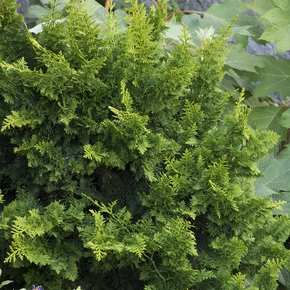
- Stunning multi-season foliage with intense scarlet-red new growth emerging against bright golden-chartreuse leaves, creating a bold, eye-catching color contrast throughout the growing season.
- Compact, well-behaved deciduous shrub that stays tidy at approximately 3 to 4 feet tall and wide, making it an outstanding choice for containers, borders, and low hedges.
- Exceptionally cold-hardy to USDA Zone 2a and virtually disease-free, this low-maintenance shrub requires little to no pruning to look its best year after year.
- Fluffy clusters of white flowers appear in July, attracting bees and other pollinators, while the feathery, fern-like foliage provides valuable cover for beneficial invertebrates.
Crimson Feather False Spirea (Sorbaria sorbifolia 'Crimson Feather' PP36,847) is a spectacular, award-winning deciduous shrub that delivers season-long ornamental drama with its ever-changing foliage display. In spring, bold new growth emerges in deep, vivid scarlet-red — the brightest red coloring in the Sorbaria family — creating a stunning contrast against the existing bright golden to chartreuse mature leaves. As summer progresses, that striking crimson gradually transitions to warm golden tones before maturing to rich lime-green, ensuring constant visual interest from the moment growth breaks in spring well into the season. In mid-summer, feathery clusters of creamy white flowers rise above the finely divided, fern-like foliage, adding a soft, airy texture that attracts pollinators and gives the planting a naturalistic, woodland charm. More compact than the well-known 'Sem' cultivar, Crimson Feather maintains a tidy, upright habit reaching roughly 3 to 4 feet tall and wide after five years, making it equally at home in a decorative patio container as it is anchoring a mixed shrub border, accenting a Japanese-style garden, or forming an impressive low hedge. It thrives in full sun to partial shade in fertile, moist, well-drained soil, and its extraordinary cold hardiness — surviving temperatures as low as -35°F — makes it a reliable performer across a wide range of climates. Recognized with a Gold Award at the HTA New Plant Awards 2022, this trouble-free, pest- and disease-resistant shrub is a truly rewarding addition to any landscape.
Plant Description
Crimson Feather False Spirea is a compact, deciduous shrub belonging to the Rosaceae family, native to central and eastern Asia. It is a cultivated variety of Sorbaria sorbifolia and is distinguished by having the most intensely colored, longest-lasting scarlet-red new growth of any Sorbaria cultivar currently available. The large, feathery leaves are pinnately compound with finely serrated leaflets that resemble fern fronds, giving the plant a light, airy texture. Foliage color cycles dramatically through the season — bursting forth in deep crimson-red in spring, shifting to golden-chartreuse as the leaves mature, and finally settling into a rich lime-green by midsummer. In July, upright panicles of small, fluffy white flowers emerge above the foliage, creating a beautiful frothy effect similar to astilbe or traditional spirea blooms. This Gold Award-winning cultivar (HTA New Plant Awards 2022) is prized for its disease resistance, compact habit, and exceptional four-season ornamental value.
Mature Size
| Attribute | Detail |
|---|---|
| Mature Height | Approximately 3 to 4 feet (up to ~40 inches after 5 years) |
| Mature Spread | Approximately 3 to 4 feet |
| Growth Habit | Compact, upright, mounding |
| Growth Rate | Moderate; more controlled than the species and 'Sem' cultivar |
| Plant Type | Deciduous shrub |
Hardiness Zones
Crimson Feather False Spirea is exceptionally cold-hardy, rated for USDA Hardiness Zones 2a through 9. It can withstand temperatures as low as -35°F to -40°F (-37°C to -40°C), making it one of the hardiest ornamental shrubs available. This remarkable cold tolerance is inherited from its origins in the harsh climates of the Ural Mountains, Siberia, and Central Asia. It is equally well-suited to the mild winters of Southern Oregon and Northern California as it is to the most frigid northern growing regions. In Southern Oregon and Northern California (generally Zones 7-9), it will thrive and put on its best foliage color display with the region's reliable sunny, warm summers.
Sunlight Requirements
Crimson Feather performs best in full sun to partial shade. A location receiving at least 4 to 6 hours of direct sunlight per day will produce the most vibrant and long-lasting scarlet-red foliage color, as the intensity of the new growth coloration is significantly enhanced by good light exposure. In the warmer climates of Southern Oregon and Northern California, a site with morning sun and light afternoon shade can help prevent leaf scorch and keep the foliage looking its best during the hottest part of summer. While the plant will grow acceptably in shadier conditions, foliage color will be less vivid and growth will be somewhat slower — which can actually be an advantage if you want a more naturally contained plant.
Soil and pH Preferences
This adaptable shrub grows well in a broad range of soil types, including loamy, sandy, and clay soils, as long as drainage is adequate. For the best performance, plant Crimson Feather in fertile, organically rich, consistently moist, well-drained soil. Amending the planting hole with compost or other organic matter at the time of planting is recommended to improve soil structure and moisture retention, particularly in sandy or heavy clay soils. Soil pH should be neutral to slightly alkaline for optimal results. Sorbaria sorbifolia also demonstrates a useful tolerance for salt and atmospheric pollution, making it a viable choice for roadsides and coastal or urban garden settings.
Watering Guide
- At planting: Water thoroughly immediately after planting to settle the soil around the roots and eliminate air pockets.
- First growing season: Keep the soil consistently moist — water deeply and regularly (approximately once or twice per week, depending on temperatures and soil type) to encourage deep root establishment.
- Established plants: Once established, Crimson Feather is moderately drought tolerant but performs best with consistent moisture. Water during extended dry spells, especially during the summer bloom period.
- Signs of water stress: Yellowing leaves, especially during hot weather, can indicate insufficient moisture. Increase watering frequency if this occurs.
- Avoid overwatering: While the plant tolerates moist soils, waterlogged or poorly draining conditions should be avoided to prevent root problems.
- Mulching tip: Apply a 2 to 3 inch layer of organic mulch around the root zone to help retain soil moisture, moderate soil temperature, and reduce the need for frequent watering.
Fertilizing
Crimson Feather False Spirea does not require heavy feeding and will thrive in average garden soils with minimal fertilization. For the best results, apply a balanced, slow-release granular fertilizer formulated for deciduous flowering shrubs (such as a 10-10-10 or 20-20-20 formula) in early spring as new growth begins. Alternatively, topdress with a 1 to 2 inch layer of compost around the root zone each spring, keeping it pulled back a few inches from the base of the stems. A second light application of liquid fertilizer can be made in early summer if desired. Avoid fertilizing after mid-summer, as late-season feeding can stimulate soft new growth that is vulnerable to early fall cold. Container-grown plants should be fertilized more regularly throughout the growing season, as nutrients are leached more quickly from pots.
Pruning and Maintenance
One of the most appealing qualities of Crimson Feather is that it requires little to no pruning to maintain a naturally attractive shape. However, light maintenance pruning can be performed to keep the plant tidy and encourage vigorous, colorful new growth:
- Best time to prune: Late winter to early spring, just before new growth emerges. Because Sorbaria blooms on new wood, pruning at this time encourages robust fresh growth with the most vivid foliage coloring.
- Deadheading: Remove spent flower panicles after blooming in late summer to keep the plant tidy and potentially encourage additional blooms.
- Dead or damaged wood: Remove at any time of year to maintain plant health.
- Hard pruning: If the plant becomes overgrown or misshapen, it can be cut back hard to near ground level in late winter. It will regrow vigorously from the base.
- Sucker management: Crimson Feather is more compact and restrained than the Sorbaria species, but may still produce occasional root suckers. Remove unwanted suckers promptly by cutting them off at ground level or digging them out to prevent unwanted spread.
Planting Instructions
- Choose a planting site that receives full sun to partial shade and has well-drained soil. Avoid low-lying areas where water pools after rain.
- Dig a planting hole approximately twice as wide and just as deep as the root ball.
- Amend the backfill soil with compost or aged organic matter to improve fertility and drainage, particularly in heavy clay or sandy soils.
- Remove the plant from its container and gently loosen any circling or matted roots.
- Set the plant in the hole so the top of the root ball sits level with or very slightly above the surrounding soil grade.
- Backfill with the amended soil, firming it gently around the roots to eliminate air pockets.
- Water thoroughly and deeply immediately after planting.
- Apply a 2 to 3 inch layer of organic mulch over the root zone, keeping mulch pulled back a few inches from the base of the stems to prevent moisture-related rot.
- Space multiple plants approximately 3 to 4 feet apart for mass plantings or hedges.
- The best planting times are early spring or fall; avoid planting during periods of extreme heat.
Seasonal Interest
| Season | Ornamental Feature |
|---|---|
| Early Spring | Brilliant scarlet-red new foliage emerges, providing the most vivid color display of the season; among the brightest new growth of any Sorbaria cultivar |
| Late Spring through Early Summer | Red foliage transitions to warm golden-chartreuse tones, creating a two-tone contrast with any remaining new red shoots; color holds well into June |
| Midsummer (July) | Frothy clusters of creamy white flowers appear above the finely textured, lime-green mature foliage; attracts bees and butterflies |
| Late Summer - Fall | Handsome fern-like green foliage provides lush texture; spent flower panicles can add subtle interest if left on the plant |
| Winter | Deciduous; attractive branch structure visible after leaf drop; roots remain dormant and extremely cold-hardy |
Landscape Uses
- Mixed shrub borders: Use as a colorful mid-border focal point where its changing foliage provides season-long contrast alongside darker-leaved or evergreen companions.
- Japanese and Asian-inspired gardens: The fern-like, feathery foliage and restrained, compact habit complement the refined aesthetic of Japanese garden design beautifully.
- Low informal hedges: Plant in a row 3 to 4 feet apart to create a colorful, low-maintenance seasonal hedge or property border.
- Container specimen: Excellent for large decorative pots on patios and decks; its compact size is well-suited to container culture, and the pot naturally limits spread.
- Woodland and naturalistic gardens: Blends naturally with ferns, hostas, and other shade-tolerant companions along woodland edges or dappled shade areas.
- Pollinator gardens: The July white flower clusters attract bees, butterflies, and other beneficial insects, making it a functional as well as beautiful addition to wildlife-focused plantings.
- Slope and erosion-prone areas: The suckering root system helps stabilize soil on slopes and banks while providing attractive seasonal foliage interest.
- Accent or specimen planting: Use as a standalone focal point in a lawn or garden bed where its bold foliage color can be appreciated in full.
Companion Plants
Crimson Feather False Spirea pairs beautifully with a wide variety of perennials, shrubs, and ornamental grasses. Consider these complementary plants for a dynamic and cohesive planting design:
- Hostas — Large-leafed hostas in blue-green or gold provide a bold textural foil for Crimson Feather's finely divided foliage.
- Japanese Forest Grass (Hakonechloa macra) — Golden or variegated forms echo Crimson Feather's chartreuse tones and soften border edges.
- Astilbe — Shares similar moisture preferences and blooms in complementary pink, red, or white plumes alongside Crimson Feather's summer flowers.
- Weigela — Dark-leaved or wine-red Weigela varieties create a dramatic color contrast with the golden-scarlet foliage display.
- Japanese Maples (Acer palmatum) — Lacy-leaved or red-leaved forms complement the feathery texture and vivid foliage colors of Crimson Feather.
- Ornamental Grasses — Blue oat grass (Helictotrichon sempervirens) or Karl Foerster feather reed grass add vertical movement and seasonal contrast.
- Coneflowers (Echinacea) — Native perennials that bloom at a similar time, attracting pollinators while providing bold color contrast in the mid-border.
- Ferns — Lady ferns or wood ferns echo the fine, feathery texture of Crimson Feather's foliage in shaded planting areas.
Container Growing
Crimson Feather False Spirea is one of the best Sorbaria cultivars for container growing and is specifically noted as being more container-suitable than the larger 'Sem' variety. Its compact, upright habit and restrained root system make it an excellent choice for large decorative pots, planter boxes, and patio containers. When growing in a container:
- Select a container at least 16 to 20 inches in diameter with adequate drainage holes.
- Use a high-quality, well-draining potting mix amended with compost for fertility.
- Container plants dry out more quickly than in-ground plants — check soil moisture regularly and water when the top inch of potting mix feels dry.
- Fertilize container-grown plants every 4 to 6 weeks during the growing season with a balanced liquid fertilizer, as nutrients are leached with frequent watering.
- Even in containers, Crimson Feather is extremely cold-hardy, but pots may benefit from being moved to a sheltered spot or wrapped in burlap during the harshest winter periods to protect the root zone from hard freeze-thaw cycles.
- Repot into a slightly larger container every 2 to 3 years, or when roots begin to emerge from the drainage holes, to maintain vigorous growth.
Wildlife Value
Crimson Feather False Spirea offers meaningful value to garden wildlife throughout the growing season. The fluffy white flower panicles that appear in July are a rich nectar source, attracting a wide range of pollinators including honeybees, bumblebees, native solitary bees, butterflies, and hoverflies. The large, feathery fan-like foliage provides essential shelter and cover for invertebrates, including beneficial insects that prey on common garden pests. The dense, layered branching habit also offers nesting cover for small birds. As a member of the Rosaceae family, it is botanically related to many native fruiting shrubs and provides an ecologically compatible planting choice for wildlife-friendly garden designs. Note: All parts of Sorbaria sorbifolia are considered toxic if ingested and should be kept away from pets and children.
Pests and Diseases
Crimson Feather False Spirea is notably resistant to pests and diseases, which is one of the key attributes that makes it such a low-maintenance landscape shrub. Under normal garden conditions, it is not susceptible to the common fungal diseases that affect many ornamental shrubs. Occasional issues to be aware of include:
- Aphids: May occasionally target tender new growth in spring. Treat with a strong jet of water or an application of insecticidal soap. Natural predators such as ladybugs and lacewings typically keep populations in check.
- Powdery mildew: Can develop in humid conditions with poor air circulation. Prune to improve airflow through the canopy and avoid overhead watering to minimize risk.
- Root rot: The most significant risk comes from consistently waterlogged soil. Plant in well-draining soil and avoid overwatering to prevent fungal root problems.
- General prevention: Remove dead, damaged, or diseased wood promptly. Maintaining good air circulation through light annual pruning will help keep the plant healthy and problem-free.
- Stunning multi-season foliage with intense scarlet-red new growth emerging against bright golden-chartreuse leaves, creating a bold, eye-catching color contrast throughout the growing season.
- Compact, well-behaved deciduous shrub that stays tidy at approximately 3 to 4 feet tall and wide, making it an outstanding choice for containers, borders, and low hedges.
- Exceptionally cold-hardy to USDA Zone 2a and virtually disease-free, this low-maintenance shrub requires little to no pruning to look its best year after year.
- Fluffy clusters of white flowers appear in July, attracting bees and other pollinators, while the feathery, fern-like foliage provides valuable cover for beneficial invertebrates.
Crimson Feather False Spirea (Sorbaria sorbifolia 'Crimson Feather' PP36,847) is a spectacular, award-winning deciduous shrub that delivers season-long ornamental drama with its ever-changing foliage display. In spring, bold new growth emerges in deep, vivid scarlet-red — the brightest red coloring in the Sorbaria family — creating a stunning contrast against the existing bright golden to chartreuse mature leaves. As summer progresses, that striking crimson gradually transitions to warm golden tones before maturing to rich lime-green, ensuring constant visual interest from the moment growth breaks in spring well into the season. In mid-summer, feathery clusters of creamy white flowers rise above the finely divided, fern-like foliage, adding a soft, airy texture that attracts pollinators and gives the planting a naturalistic, woodland charm. More compact than the well-known 'Sem' cultivar, Crimson Feather maintains a tidy, upright habit reaching roughly 3 to 4 feet tall and wide after five years, making it equally at home in a decorative patio container as it is anchoring a mixed shrub border, accenting a Japanese-style garden, or forming an impressive low hedge. It thrives in full sun to partial shade in fertile, moist, well-drained soil, and its extraordinary cold hardiness — surviving temperatures as low as -35°F — makes it a reliable performer across a wide range of climates. Recognized with a Gold Award at the HTA New Plant Awards 2022, this trouble-free, pest- and disease-resistant shrub is a truly rewarding addition to any landscape.
Plant Description
Crimson Feather False Spirea is a compact, deciduous shrub belonging to the Rosaceae family, native to central and eastern Asia. It is a cultivated variety of Sorbaria sorbifolia and is distinguished by having the most intensely colored, longest-lasting scarlet-red new growth of any Sorbaria cultivar currently available. The large, feathery leaves are pinnately compound with finely serrated leaflets that resemble fern fronds, giving the plant a light, airy texture. Foliage color cycles dramatically through the season — bursting forth in deep crimson-red in spring, shifting to golden-chartreuse as the leaves mature, and finally settling into a rich lime-green by midsummer. In July, upright panicles of small, fluffy white flowers emerge above the foliage, creating a beautiful frothy effect similar to astilbe or traditional spirea blooms. This Gold Award-winning cultivar (HTA New Plant Awards 2022) is prized for its disease resistance, compact habit, and exceptional four-season ornamental value.
Mature Size
| Attribute | Detail |
|---|---|
| Mature Height | Approximately 3 to 4 feet (up to ~40 inches after 5 years) |
| Mature Spread | Approximately 3 to 4 feet |
| Growth Habit | Compact, upright, mounding |
| Growth Rate | Moderate; more controlled than the species and 'Sem' cultivar |
| Plant Type | Deciduous shrub |
Hardiness Zones
Crimson Feather False Spirea is exceptionally cold-hardy, rated for USDA Hardiness Zones 2a through 9. It can withstand temperatures as low as -35°F to -40°F (-37°C to -40°C), making it one of the hardiest ornamental shrubs available. This remarkable cold tolerance is inherited from its origins in the harsh climates of the Ural Mountains, Siberia, and Central Asia. It is equally well-suited to the mild winters of Southern Oregon and Northern California as it is to the most frigid northern growing regions. In Southern Oregon and Northern California (generally Zones 7-9), it will thrive and put on its best foliage color display with the region's reliable sunny, warm summers.
Sunlight Requirements
Crimson Feather performs best in full sun to partial shade. A location receiving at least 4 to 6 hours of direct sunlight per day will produce the most vibrant and long-lasting scarlet-red foliage color, as the intensity of the new growth coloration is significantly enhanced by good light exposure. In the warmer climates of Southern Oregon and Northern California, a site with morning sun and light afternoon shade can help prevent leaf scorch and keep the foliage looking its best during the hottest part of summer. While the plant will grow acceptably in shadier conditions, foliage color will be less vivid and growth will be somewhat slower — which can actually be an advantage if you want a more naturally contained plant.
Soil and pH Preferences
This adaptable shrub grows well in a broad range of soil types, including loamy, sandy, and clay soils, as long as drainage is adequate. For the best performance, plant Crimson Feather in fertile, organically rich, consistently moist, well-drained soil. Amending the planting hole with compost or other organic matter at the time of planting is recommended to improve soil structure and moisture retention, particularly in sandy or heavy clay soils. Soil pH should be neutral to slightly alkaline for optimal results. Sorbaria sorbifolia also demonstrates a useful tolerance for salt and atmospheric pollution, making it a viable choice for roadsides and coastal or urban garden settings.
Watering Guide
- At planting: Water thoroughly immediately after planting to settle the soil around the roots and eliminate air pockets.
- First growing season: Keep the soil consistently moist — water deeply and regularly (approximately once or twice per week, depending on temperatures and soil type) to encourage deep root establishment.
- Established plants: Once established, Crimson Feather is moderately drought tolerant but performs best with consistent moisture. Water during extended dry spells, especially during the summer bloom period.
- Signs of water stress: Yellowing leaves, especially during hot weather, can indicate insufficient moisture. Increase watering frequency if this occurs.
- Avoid overwatering: While the plant tolerates moist soils, waterlogged or poorly draining conditions should be avoided to prevent root problems.
- Mulching tip: Apply a 2 to 3 inch layer of organic mulch around the root zone to help retain soil moisture, moderate soil temperature, and reduce the need for frequent watering.
Fertilizing
Crimson Feather False Spirea does not require heavy feeding and will thrive in average garden soils with minimal fertilization. For the best results, apply a balanced, slow-release granular fertilizer formulated for deciduous flowering shrubs (such as a 10-10-10 or 20-20-20 formula) in early spring as new growth begins. Alternatively, topdress with a 1 to 2 inch layer of compost around the root zone each spring, keeping it pulled back a few inches from the base of the stems. A second light application of liquid fertilizer can be made in early summer if desired. Avoid fertilizing after mid-summer, as late-season feeding can stimulate soft new growth that is vulnerable to early fall cold. Container-grown plants should be fertilized more regularly throughout the growing season, as nutrients are leached more quickly from pots.
Pruning and Maintenance
One of the most appealing qualities of Crimson Feather is that it requires little to no pruning to maintain a naturally attractive shape. However, light maintenance pruning can be performed to keep the plant tidy and encourage vigorous, colorful new growth:
- Best time to prune: Late winter to early spring, just before new growth emerges. Because Sorbaria blooms on new wood, pruning at this time encourages robust fresh growth with the most vivid foliage coloring.
- Deadheading: Remove spent flower panicles after blooming in late summer to keep the plant tidy and potentially encourage additional blooms.
- Dead or damaged wood: Remove at any time of year to maintain plant health.
- Hard pruning: If the plant becomes overgrown or misshapen, it can be cut back hard to near ground level in late winter. It will regrow vigorously from the base.
- Sucker management: Crimson Feather is more compact and restrained than the Sorbaria species, but may still produce occasional root suckers. Remove unwanted suckers promptly by cutting them off at ground level or digging them out to prevent unwanted spread.
Planting Instructions
- Choose a planting site that receives full sun to partial shade and has well-drained soil. Avoid low-lying areas where water pools after rain.
- Dig a planting hole approximately twice as wide and just as deep as the root ball.
- Amend the backfill soil with compost or aged organic matter to improve fertility and drainage, particularly in heavy clay or sandy soils.
- Remove the plant from its container and gently loosen any circling or matted roots.
- Set the plant in the hole so the top of the root ball sits level with or very slightly above the surrounding soil grade.
- Backfill with the amended soil, firming it gently around the roots to eliminate air pockets.
- Water thoroughly and deeply immediately after planting.
- Apply a 2 to 3 inch layer of organic mulch over the root zone, keeping mulch pulled back a few inches from the base of the stems to prevent moisture-related rot.
- Space multiple plants approximately 3 to 4 feet apart for mass plantings or hedges.
- The best planting times are early spring or fall; avoid planting during periods of extreme heat.
Seasonal Interest
| Season | Ornamental Feature |
|---|---|
| Early Spring | Brilliant scarlet-red new foliage emerges, providing the most vivid color display of the season; among the brightest new growth of any Sorbaria cultivar |
| Late Spring through Early Summer | Red foliage transitions to warm golden-chartreuse tones, creating a two-tone contrast with any remaining new red shoots; color holds well into June |
| Midsummer (July) | Frothy clusters of creamy white flowers appear above the finely textured, lime-green mature foliage; attracts bees and butterflies |
| Late Summer - Fall | Handsome fern-like green foliage provides lush texture; spent flower panicles can add subtle interest if left on the plant |
| Winter | Deciduous; attractive branch structure visible after leaf drop; roots remain dormant and extremely cold-hardy |
Landscape Uses
- Mixed shrub borders: Use as a colorful mid-border focal point where its changing foliage provides season-long contrast alongside darker-leaved or evergreen companions.
- Japanese and Asian-inspired gardens: The fern-like, feathery foliage and restrained, compact habit complement the refined aesthetic of Japanese garden design beautifully.
- Low informal hedges: Plant in a row 3 to 4 feet apart to create a colorful, low-maintenance seasonal hedge or property border.
- Container specimen: Excellent for large decorative pots on patios and decks; its compact size is well-suited to container culture, and the pot naturally limits spread.
- Woodland and naturalistic gardens: Blends naturally with ferns, hostas, and other shade-tolerant companions along woodland edges or dappled shade areas.
- Pollinator gardens: The July white flower clusters attract bees, butterflies, and other beneficial insects, making it a functional as well as beautiful addition to wildlife-focused plantings.
- Slope and erosion-prone areas: The suckering root system helps stabilize soil on slopes and banks while providing attractive seasonal foliage interest.
- Accent or specimen planting: Use as a standalone focal point in a lawn or garden bed where its bold foliage color can be appreciated in full.
Companion Plants
Crimson Feather False Spirea pairs beautifully with a wide variety of perennials, shrubs, and ornamental grasses. Consider these complementary plants for a dynamic and cohesive planting design:
- Hostas — Large-leafed hostas in blue-green or gold provide a bold textural foil for Crimson Feather's finely divided foliage.
- Japanese Forest Grass (Hakonechloa macra) — Golden or variegated forms echo Crimson Feather's chartreuse tones and soften border edges.
- Astilbe — Shares similar moisture preferences and blooms in complementary pink, red, or white plumes alongside Crimson Feather's summer flowers.
- Weigela — Dark-leaved or wine-red Weigela varieties create a dramatic color contrast with the golden-scarlet foliage display.
- Japanese Maples (Acer palmatum) — Lacy-leaved or red-leaved forms complement the feathery texture and vivid foliage colors of Crimson Feather.
- Ornamental Grasses — Blue oat grass (Helictotrichon sempervirens) or Karl Foerster feather reed grass add vertical movement and seasonal contrast.
- Coneflowers (Echinacea) — Native perennials that bloom at a similar time, attracting pollinators while providing bold color contrast in the mid-border.
- Ferns — Lady ferns or wood ferns echo the fine, feathery texture of Crimson Feather's foliage in shaded planting areas.
Container Growing
Crimson Feather False Spirea is one of the best Sorbaria cultivars for container growing and is specifically noted as being more container-suitable than the larger 'Sem' variety. Its compact, upright habit and restrained root system make it an excellent choice for large decorative pots, planter boxes, and patio containers. When growing in a container:
- Select a container at least 16 to 20 inches in diameter with adequate drainage holes.
- Use a high-quality, well-draining potting mix amended with compost for fertility.
- Container plants dry out more quickly than in-ground plants — check soil moisture regularly and water when the top inch of potting mix feels dry.
- Fertilize container-grown plants every 4 to 6 weeks during the growing season with a balanced liquid fertilizer, as nutrients are leached with frequent watering.
- Even in containers, Crimson Feather is extremely cold-hardy, but pots may benefit from being moved to a sheltered spot or wrapped in burlap during the harshest winter periods to protect the root zone from hard freeze-thaw cycles.
- Repot into a slightly larger container every 2 to 3 years, or when roots begin to emerge from the drainage holes, to maintain vigorous growth.
Wildlife Value
Crimson Feather False Spirea offers meaningful value to garden wildlife throughout the growing season. The fluffy white flower panicles that appear in July are a rich nectar source, attracting a wide range of pollinators including honeybees, bumblebees, native solitary bees, butterflies, and hoverflies. The large, feathery fan-like foliage provides essential shelter and cover for invertebrates, including beneficial insects that prey on common garden pests. The dense, layered branching habit also offers nesting cover for small birds. As a member of the Rosaceae family, it is botanically related to many native fruiting shrubs and provides an ecologically compatible planting choice for wildlife-friendly garden designs. Note: All parts of Sorbaria sorbifolia are considered toxic if ingested and should be kept away from pets and children.
Pests and Diseases
Crimson Feather False Spirea is notably resistant to pests and diseases, which is one of the key attributes that makes it such a low-maintenance landscape shrub. Under normal garden conditions, it is not susceptible to the common fungal diseases that affect many ornamental shrubs. Occasional issues to be aware of include:
- Aphids: May occasionally target tender new growth in spring. Treat with a strong jet of water or an application of insecticidal soap. Natural predators such as ladybugs and lacewings typically keep populations in check.
- Powdery mildew: Can develop in humid conditions with poor air circulation. Prune to improve airflow through the canopy and avoid overhead watering to minimize risk.
- Root rot: The most significant risk comes from consistently waterlogged soil. Plant in well-draining soil and avoid overwatering to prevent fungal root problems.
- General prevention: Remove dead, damaged, or diseased wood promptly. Maintaining good air circulation through light annual pruning will help keep the plant healthy and problem-free.