

Zoom the image with the mouse
Columnar Swedish Aspen - 1 Gallon
SKU:
196225
$6.99
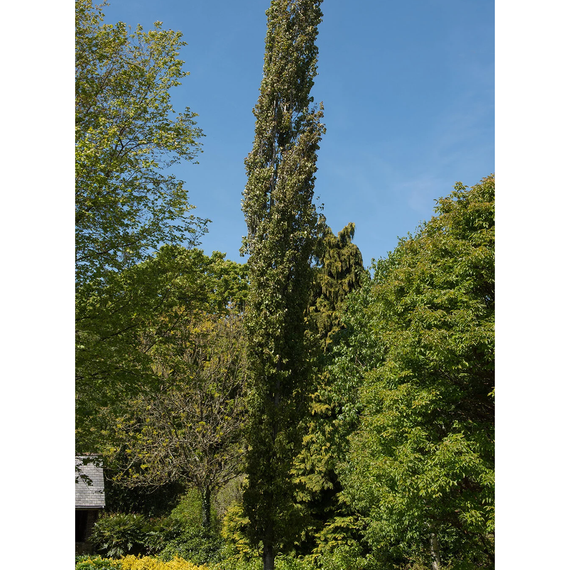
- Striking narrow, columnar form grows 30-50 feet tall but only 5-10 feet wide, making it an ideal living privacy screen or windbreak for tight spaces and property lines
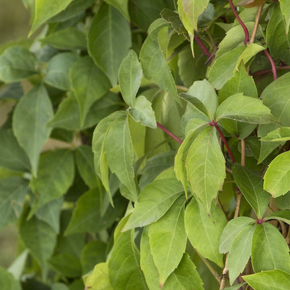
- Exceptionally fast-growing deciduous tree — gaining 2-3 feet per year — with vibrant green, round-toothed leaves that flutter and rustle musically in even the slightest breeze
- Brilliant golden-yellow fall foliage puts on a spectacular seasonal display before the tree sheds its leaves for winter dormancy
- A male cultivar that produces no cottony seed mess, with remarkable adaptability to a wide range of soil types, pH levels, and urban conditions including de-icing salt tolerance
The Columnar Swedish Aspen (Populus tremula 'Erecta') is a classic, fast-growing deciduous tree that delivers dramatic vertical form and four-season beauty to landscapes of all sizes. Originally discovered in the wild in Sweden in the 1920s, this slender fastigiate cultivar of the European Aspen has become one of the most sought-after trees for homeowners and landscapers who need maximum height with minimal horizontal footprint. Its upright branching structure — running nearly parallel to the trunk — creates a refined, architectural silhouette that stands out in any garden setting. Throughout spring and summer, the distinctively rounded, toothed leaves shimmer and tremble in the breeze, producing the signature soft rustling sound aspens are famous for. As temperatures cool in autumn, the foliage transforms into a dazzling display of golden yellow before the tree enters winter dormancy, revealing a clean, upright structure that adds sculptural interest to the winter landscape. Hardy in USDA Zones 2-7, the Columnar Swedish Aspen thrives in full sun and adapts to a broad range of soil conditions — from sandy to clay-heavy — making it a versatile and reliable choice for privacy screens, windbreaks, specimen plantings, and urban street-side landscaping throughout Southern Oregon and Northern California.
Plant Description
The Columnar Swedish Aspen is a fastigiate, deciduous tree belonging to the Salicaceae (willow) family. Botanically known as Populus tremula 'Erecta', it is a selected cultivar of the European Aspen, discovered growing naturally in a Swedish forest in the 1920s. The tree is celebrated for its remarkably narrow, upright growth habit, with branches that grow nearly parallel to the central trunk rather than spreading outward. This creates a tall, spire-like shape that is both elegant and space-efficient. The leaves are rounded to broadly ovate with irregularly toothed margins, and they are attached to the branch by long, flattened petioles — the same structural feature responsible for the characteristic trembling or "quaking" motion in even the gentlest wind. Foliage is a glossy, vibrant green in spring and summer, transitioning to luminous golden yellow in fall. The smooth, light-gray to greenish-white bark adds visual interest during the leafless winter months. This tree is a male selection, meaning it produces ornamental gray-silver catkins in early spring but does not generate the cottony, wind-blown seeds common to female trees of the species — a significant advantage for tidy landscapes.
Mature Size
| Characteristic | Measurement |
|---|---|
| Mature Height | 30-50 feet |
| Mature Width / Spread | 5-10 feet |
| Growth Rate | Fast — approximately 2-3 feet per year |
| Height at 10 Years | Approximately 25-30 feet |
| Lowest Branch Height | Typically begins about 5 feet above ground |
| Expected Lifespan | 25-50+ years under ideal conditions |
Hardiness Zones
The Columnar Swedish Aspen is one of the hardiest deciduous trees available, performing reliably in USDA Plant Hardiness Zones 2 through 7. This broad range reflects its origins in the cold climates of northern Europe and its proven adaptability across a wide spectrum of temperate conditions. It handles extreme cold with ease, tolerating temperatures well below 0°F in its colder zone ratings, while also performing admirably in the milder winters of Zones 6 and 7. For gardeners in Southern Oregon and Northern California — primarily Zones 6b through 8a depending on elevation and location — this tree is well suited to the cool winters and warm summers of the region. Higher-elevation sites in the Siskiyou Mountains and inland valleys that experience harder freezes will find this tree especially reliable. In warmer, lower-elevation locations, providing some afternoon shade can help reduce heat stress during the hottest summer months.
Sunlight Requirements
The Columnar Swedish Aspen performs best in full sun, defined as a minimum of 6 to 8 hours of direct sunlight per day. Full sun exposure encourages the densest foliage, most vigorous upright growth, and the best fall color display. Partial shade is tolerated, but trees grown in low-light conditions may develop sparser canopies, weaker structure, and reduced vigor. It is worth noting that lower branches in particular require adequate sunlight — branches that become too shaded may naturally drop from the tree over time. When choosing a planting location, select a site that is open and unobstructed by overhead structures, buildings, or the canopy of neighboring trees. The tree is well suited to south-, east-, and west-facing exposures and is noted for tolerating the reflected heat and light common in urban settings such as parking lots, roadside plantings, and paved patios.
Soil and pH Preferences
One of the most appealing qualities of the Columnar Swedish Aspen is its adaptability to a remarkably wide range of soil conditions. It thrives in fertile, moist, well-drained loam but also performs in clay, sandy, and silty soils with appropriate management. While it prefers consistently moist soil, it shows notable tolerance for both periodic drought and temporary wet conditions — though it does not do well in permanently waterlogged soils. Acceptable soil pH ranges from moderately acidic to moderately alkaline (approximately 5.5 to 7.5), and the tree adapts to neutral and chalky soils as well. In heavy clay soils, improving drainage by incorporating organic matter at planting will support better long-term health. In sandy, fast-draining soils, more frequent watering and the addition of compost will help retain adequate moisture. This tree also demonstrates high tolerance for urban soil compaction and roadside de-icing salt spray, making it a practical choice for challenging landscape sites.
Watering Guide
Proper watering during the establishment period is essential to the long-term success of the Columnar Swedish Aspen. Follow these guidelines for best results:
- At planting: Water deeply and thoroughly immediately after planting to settle the soil around the root ball and eliminate air pockets.
- First growing season: Supplement rainfall to ensure the tree receives approximately 1 inch of water per week in average soils, or up to 2 inches per week in fast-draining sandy soils. Apply water in two separate sessions per week in sandy conditions for better absorption.
- Establishment phase (Years 1-2): Keep the root zone consistently moist but never saturated. Check soil moisture manually before watering — insert a finger or probe 2-3 inches into the soil and water only if it feels dry at that depth.
- Mature trees: Once well established, the Columnar Swedish Aspen is moderately drought tolerant and generally relies on natural rainfall. Supplemental irrigation during prolonged dry spells in summer is recommended, especially in the warmer parts of its range.
- Avoid overwatering: Waterlogged soil promotes root rot and can lead to suckering. Ensure the planting site has adequate drainage at all times.
- Mulching: Apply a 2-4 inch layer of organic mulch (wood chips or bark) over the root zone to conserve soil moisture, moderate soil temperature, and reduce watering frequency. Keep mulch at least 2-3 inches away from the trunk to prevent moisture-related bark decay.
Fertilizing
The Columnar Swedish Aspen is not a heavy feeder and generally does not require routine fertilization when planted in reasonably fertile soil. In fact, over-fertilizing — especially at planting — can burn new roots and cause more harm than good. For most landscape situations, no supplemental fertilizer is needed once the tree is established. If growth appears slow or foliage color is pale or yellowish, a soil test is the best first step to determine whether a nutrient deficiency exists. If fertilization is warranted, apply a balanced, slow-release granular fertilizer (such as a 10-10-10 formulation) in early spring before new growth begins, following package rate recommendations based on the diameter or spread of the tree. Broadcast the fertilizer evenly across the root zone and water in thoroughly. Avoid applying fertilizer after midsummer, as late-season growth stimulation can leave new tissue vulnerable to early-fall frost damage.
Pruning and Maintenance
The Columnar Swedish Aspen requires relatively little pruning to maintain its naturally upright, narrow form — one of its most appealing attributes. Follow these maintenance guidelines:
- Routine pruning: Minimal pruning is needed. Regularly remove any dead, damaged, or diseased branches as soon as they are noticed to maintain tree health and appearance.
- Formative pruning: Light shaping to reinforce the columnar silhouette can be done in late summer to avoid the excessive sap bleeding that can occur with late-winter or early-spring cuts. Remove any branches that are crossing, rubbing, or growing strongly outward against the columnar form.
- Avoid heavy cutting: Hard pruning is not recommended and may stress the tree or introduce disease. Always use clean, sharp tools to make precise cuts just above a bud or lateral branch union.
- Sucker management: The Columnar Swedish Aspen may produce root suckers — small shoots emerging from the base or from surface roots — particularly in moist soils or if roots are disturbed. Remove suckers promptly by cutting or mowing them down regularly; this typically keeps the problem manageable without the use of herbicides near the root zone.
- Staking young trees: Newly planted trees in windy sites benefit from staking with soft ties for the first year to prevent leaning. Remove stakes after one year to prevent girdling.
Planting Instructions
- Choose the right site: Select a location that receives full sun (6+ hours daily) with sufficient vertical clearance for the tree's mature height of 30-50 feet. Avoid planting directly beneath power lines or within 8 feet of buildings or structures.
- Best timing: Plant in early spring (March-April) or late fall (October-November) when the tree is dormant and temperatures are moderate. Avoid planting during the peak of summer heat.
- Dig the hole: Excavate a hole that is twice as wide as the root ball but no deeper than its height. A wide, shallow hole encourages lateral root expansion. Keep the bottom of the hole firm and undisturbed.
- Position the tree: Set the tree so that the root flare (where the trunk widens at the base) sits at or very slightly above the surrounding soil grade. Planting too deeply is one of the most common causes of long-term tree decline.
- Backfill: Refill the hole using the native soil removed during digging. Avoid heavy soil amendments, which can create a container-like effect and inhibit roots from spreading into the surrounding soil. Tamp soil gently in layers to remove air pockets.
- Water thoroughly: Apply 5-7 gallons of water immediately after planting to settle the soil and hydrate roots.
- Mulch: Spread a 2-4 inch layer of organic mulch over the planting area, keeping it 2-3 inches clear of the trunk base.
- Spacing for screens or hedges: Space trees 8-12 feet apart for privacy screens or windbreaks. For a single specimen planting, allow at least 8 feet of clearance on all sides from structures or other trees.
Seasonal Interest
| Season | Ornamental Features |
|---|---|
| Spring | Attractive gray-silver male catkins emerge before the leaves; fresh, bright green foliage unfurls and begins its characteristic shimmering in the breeze |
| Summer | Dense, glossy green canopy provides dappled shade and soothing rustling sound; upright columnar silhouette creates bold vertical structure in the landscape |
| Fall | Foliage transitions to vibrant golden yellow, offering a spectacular seasonal color display; occasional orange and red tones may also appear depending on conditions |
| Winter | Clean, architectural branching structure and smooth light-gray bark remain visible and attractive after leaf drop; vertical form adds strong structural contrast to the winter garden |
Landscape Uses
The Columnar Swedish Aspen is one of the most versatile columnar trees available, lending itself to a wide range of functional and ornamental landscape applications:
- Privacy screens: Plant in single or double rows 8-12 feet apart along fence lines, property boundaries, or the perimeter of outdoor living spaces to create a tall, dense living wall that provides year-round structure and three-season leaf screening.
- Windbreaks: Its fast vertical growth and dense branching make it effective for buffering prevailing winds around homes, gardens, driveways, and agricultural sites.
- Specimen tree: A single tree planted as a focal point in a lawn or garden bed creates dramatic vertical accent and seasonal interest throughout the year.
- Allee planting: Rows flanking a driveway, walkway, or garden path create a classic formal allee effect with bold architectural impact.
- Urban and street-side planting: Its tolerance for compacted soil, urban pollution, and de-icing salts makes it well adapted to street-side and parking lot plantings.
- Small-space landscaping: The narrow footprint (as little as 5 feet wide) allows it to be planted in tight side yards, narrow easements, or between structures where broader trees would be impractical.
- Erosion control and slope stabilization: The vigorous root system helps stabilize soils on gentle slopes and along streambanks.
Pests and Diseases
The Columnar Swedish Aspen is generally a robust and resilient tree, but it can be affected by a number of pests and diseases. Monitoring regularly and acting promptly at the first sign of problems will keep your tree healthy:
- Aphids: Small, soft-bodied insects that cluster on new growth and the undersides of leaves, causing curling, wilting, and sticky honeydew residue. Control with a strong jet of water or applications of insecticidal soap or neem oil solution.
- Leaf miners: Larvae that tunnel within leaf tissue, leaving characteristic pale, winding trails visible on leaf surfaces. Remove and dispose of heavily affected leaves; good sanitation in fall reduces overwintering populations.
- Leaf beetles and caterpillars: Various species of leaf-feeding beetles and caterpillars (including leaf rollers) may cause defoliation, especially in areas where the tree is planted in large numbers. Hand-pick when populations are small; consider biological controls for heavier infestations.
- Leaf spot and tree rusts: Fungal diseases that cause discolored spots, lesions, or powdery coatings on foliage. Promote good airflow by proper spacing and pruning; avoid overhead irrigation. Remove and dispose of fallen infected leaves in autumn.
- Bacterial canker (Poplar canker): Causes sunken, discolored lesions on bark that can girdle and kill branches. Prune out all affected wood with clean, sterilized tools. Improve site drainage and avoid wounding the bark.
- Cytospora canker: A fungal bark disease that causes branch dieback, particularly on stressed trees. Maintain tree vigor through proper watering and avoid unnecessary wounding. Remove affected branches well below visible infection.
- Verticillium wilt: A soil-borne fungal disease that causes wilting and yellowing of foliage, often on one side of the tree. Improve drainage and remove affected branches; there is no chemical cure — maintaining overall tree health is the best defense.
- Honey fungus (Armillaria): A root disease that can affect weakened trees. Prevention through good drainage, proper planting depth, and avoiding root damage is the primary control strategy.
- Root rot: Caused by overwatering or poorly drained sites. Ensure adequate drainage and avoid waterlogged conditions.
Wildlife Value
While the Columnar Swedish Aspen's wildlife value is more modest than that of native North American aspen species, it still offers meaningful contributions to garden ecosystems:
- Birds: The tree's canopy provides nesting habitat and shelter for a variety of songbirds. The branching structure is particularly useful for cavity-nesting species and birds seeking elevated perches.
- Catkins: Early-spring male catkins provide a source of pollen for early-emerging native bees and other pollinators at a time when few other trees are in bloom.
- Larval host plant: Aspen foliage supports the larvae of various moth and butterfly species, contributing to local food webs and supporting insectivorous birds and other wildlife.
- Bark and buds: In winter, the smooth bark and dormant buds are browsed by deer and other wildlife, though the tree is considered only moderately palatable and shows some resistance to heavy deer pressure in mixed landscapes.
- Note: As a male cultivar, this tree produces no cottony seeds, which also means it does not provide the seed-based food source that female aspen trees offer to seed-eating birds and small mammals. Pairing with native seed-producing plants elsewhere in the landscape will help support a fuller range of wildlife.
Companion Plants
The tall, narrow form and golden fall foliage of the Columnar Swedish Aspen pair beautifully with a wide variety of companion plants. Consider the following combinations for a cohesive and visually dynamic landscape:
- Ornamental grasses: Feather reed grass (Calamagrostis x acutiflora) and blue oat grass (Helictotrichon sempervirens) provide soft textural contrast at the base of the tree and mirror the rustling movement of aspen foliage in the breeze.
- Native shrubs: Serviceberry (Amelanchier spp.), Oregon grape (Mahonia aquifolium), and native currants complement the tree's seasonal color progression and support local wildlife.
- Perennials: Coneflowers (Echinacea spp.), Russian sage (Perovskia atriplicifolia), and catmint (Nepeta spp.) create a colorful, low-maintenance understory beneath or alongside a row of columnar aspens.
- Spring bulbs: Tulips, daffodils, and alliums planted at the base of the tree create a burst of spring color before the canopy leafs out and shades the ground.
- Low-growing groundcovers: Creeping thyme, woolly thyme, or low-growing sedums fill in the ground plane beneath the tree's narrow canopy with minimal competition for resources.
- Other columnar trees: For allee or screen plantings, mixing Columnar Swedish Aspen with columnar forms of juniper (such as Skyrocket Juniper) adds year-round evergreen structure and color contrast alongside the aspen's deciduous seasonal display.
Container Growing
While the Columnar Swedish Aspen is primarily a landscape tree intended for in-ground planting, it can be successfully grown in large containers for use on patios, courtyards, rooftop gardens, and other hardscape settings — particularly during its first several years before it outgrows the container. For best results in container culture, observe the following guidelines:
- Container size: Choose a container at least 24-30 inches in diameter and of equal or greater depth. Larger containers provide more root volume, improve stability, and reduce the frequency of watering needed.
- Potting mix: Use a high-quality, well-draining potting mix. Avoid heavy garden soils, which can compact in containers and impede drainage. Incorporating perlite or coarse bark helps maintain aeration.
- Watering: Container-grown trees dry out significantly faster than in-ground plantings. Check soil moisture daily during warm weather and water thoroughly when the top 2 inches of potting mix feel dry. Never allow the container to sit in standing water.
- Fertilizing: Container plants require more regular fertilization than in-ground trees. Apply a balanced, slow-release fertilizer at the start of the growing season, and supplement with a diluted liquid fertilizer monthly through midsummer.
- Repotting: As the tree grows, step up to progressively larger containers every 2-3 years to prevent the tree from becoming pot-bound. Trim circling roots when repotting to encourage outward root growth.
- Winter protection: Container roots are more exposed to temperature extremes than in-ground roots. In colder climates, move containers to a sheltered location or wrap them with insulating material during hard freezes.
- Striking narrow, columnar form grows 30-50 feet tall but only 5-10 feet wide, making it an ideal living privacy screen or windbreak for tight spaces and property lines
- Exceptionally fast-growing deciduous tree — gaining 2-3 feet per year — with vibrant green, round-toothed leaves that flutter and rustle musically in even the slightest breeze
- Brilliant golden-yellow fall foliage puts on a spectacular seasonal display before the tree sheds its leaves for winter dormancy
- A male cultivar that produces no cottony seed mess, with remarkable adaptability to a wide range of soil types, pH levels, and urban conditions including de-icing salt tolerance
The Columnar Swedish Aspen (Populus tremula 'Erecta') is a classic, fast-growing deciduous tree that delivers dramatic vertical form and four-season beauty to landscapes of all sizes. Originally discovered in the wild in Sweden in the 1920s, this slender fastigiate cultivar of the European Aspen has become one of the most sought-after trees for homeowners and landscapers who need maximum height with minimal horizontal footprint. Its upright branching structure — running nearly parallel to the trunk — creates a refined, architectural silhouette that stands out in any garden setting. Throughout spring and summer, the distinctively rounded, toothed leaves shimmer and tremble in the breeze, producing the signature soft rustling sound aspens are famous for. As temperatures cool in autumn, the foliage transforms into a dazzling display of golden yellow before the tree enters winter dormancy, revealing a clean, upright structure that adds sculptural interest to the winter landscape. Hardy in USDA Zones 2-7, the Columnar Swedish Aspen thrives in full sun and adapts to a broad range of soil conditions — from sandy to clay-heavy — making it a versatile and reliable choice for privacy screens, windbreaks, specimen plantings, and urban street-side landscaping throughout Southern Oregon and Northern California.
Plant Description
The Columnar Swedish Aspen is a fastigiate, deciduous tree belonging to the Salicaceae (willow) family. Botanically known as Populus tremula 'Erecta', it is a selected cultivar of the European Aspen, discovered growing naturally in a Swedish forest in the 1920s. The tree is celebrated for its remarkably narrow, upright growth habit, with branches that grow nearly parallel to the central trunk rather than spreading outward. This creates a tall, spire-like shape that is both elegant and space-efficient. The leaves are rounded to broadly ovate with irregularly toothed margins, and they are attached to the branch by long, flattened petioles — the same structural feature responsible for the characteristic trembling or "quaking" motion in even the gentlest wind. Foliage is a glossy, vibrant green in spring and summer, transitioning to luminous golden yellow in fall. The smooth, light-gray to greenish-white bark adds visual interest during the leafless winter months. This tree is a male selection, meaning it produces ornamental gray-silver catkins in early spring but does not generate the cottony, wind-blown seeds common to female trees of the species — a significant advantage for tidy landscapes.
Mature Size
| Characteristic | Measurement |
|---|---|
| Mature Height | 30-50 feet |
| Mature Width / Spread | 5-10 feet |
| Growth Rate | Fast — approximately 2-3 feet per year |
| Height at 10 Years | Approximately 25-30 feet |
| Lowest Branch Height | Typically begins about 5 feet above ground |
| Expected Lifespan | 25-50+ years under ideal conditions |
Hardiness Zones
The Columnar Swedish Aspen is one of the hardiest deciduous trees available, performing reliably in USDA Plant Hardiness Zones 2 through 7. This broad range reflects its origins in the cold climates of northern Europe and its proven adaptability across a wide spectrum of temperate conditions. It handles extreme cold with ease, tolerating temperatures well below 0°F in its colder zone ratings, while also performing admirably in the milder winters of Zones 6 and 7. For gardeners in Southern Oregon and Northern California — primarily Zones 6b through 8a depending on elevation and location — this tree is well suited to the cool winters and warm summers of the region. Higher-elevation sites in the Siskiyou Mountains and inland valleys that experience harder freezes will find this tree especially reliable. In warmer, lower-elevation locations, providing some afternoon shade can help reduce heat stress during the hottest summer months.
Sunlight Requirements
The Columnar Swedish Aspen performs best in full sun, defined as a minimum of 6 to 8 hours of direct sunlight per day. Full sun exposure encourages the densest foliage, most vigorous upright growth, and the best fall color display. Partial shade is tolerated, but trees grown in low-light conditions may develop sparser canopies, weaker structure, and reduced vigor. It is worth noting that lower branches in particular require adequate sunlight — branches that become too shaded may naturally drop from the tree over time. When choosing a planting location, select a site that is open and unobstructed by overhead structures, buildings, or the canopy of neighboring trees. The tree is well suited to south-, east-, and west-facing exposures and is noted for tolerating the reflected heat and light common in urban settings such as parking lots, roadside plantings, and paved patios.
Soil and pH Preferences
One of the most appealing qualities of the Columnar Swedish Aspen is its adaptability to a remarkably wide range of soil conditions. It thrives in fertile, moist, well-drained loam but also performs in clay, sandy, and silty soils with appropriate management. While it prefers consistently moist soil, it shows notable tolerance for both periodic drought and temporary wet conditions — though it does not do well in permanently waterlogged soils. Acceptable soil pH ranges from moderately acidic to moderately alkaline (approximately 5.5 to 7.5), and the tree adapts to neutral and chalky soils as well. In heavy clay soils, improving drainage by incorporating organic matter at planting will support better long-term health. In sandy, fast-draining soils, more frequent watering and the addition of compost will help retain adequate moisture. This tree also demonstrates high tolerance for urban soil compaction and roadside de-icing salt spray, making it a practical choice for challenging landscape sites.
Watering Guide
Proper watering during the establishment period is essential to the long-term success of the Columnar Swedish Aspen. Follow these guidelines for best results:
- At planting: Water deeply and thoroughly immediately after planting to settle the soil around the root ball and eliminate air pockets.
- First growing season: Supplement rainfall to ensure the tree receives approximately 1 inch of water per week in average soils, or up to 2 inches per week in fast-draining sandy soils. Apply water in two separate sessions per week in sandy conditions for better absorption.
- Establishment phase (Years 1-2): Keep the root zone consistently moist but never saturated. Check soil moisture manually before watering — insert a finger or probe 2-3 inches into the soil and water only if it feels dry at that depth.
- Mature trees: Once well established, the Columnar Swedish Aspen is moderately drought tolerant and generally relies on natural rainfall. Supplemental irrigation during prolonged dry spells in summer is recommended, especially in the warmer parts of its range.
- Avoid overwatering: Waterlogged soil promotes root rot and can lead to suckering. Ensure the planting site has adequate drainage at all times.
- Mulching: Apply a 2-4 inch layer of organic mulch (wood chips or bark) over the root zone to conserve soil moisture, moderate soil temperature, and reduce watering frequency. Keep mulch at least 2-3 inches away from the trunk to prevent moisture-related bark decay.
Fertilizing
The Columnar Swedish Aspen is not a heavy feeder and generally does not require routine fertilization when planted in reasonably fertile soil. In fact, over-fertilizing — especially at planting — can burn new roots and cause more harm than good. For most landscape situations, no supplemental fertilizer is needed once the tree is established. If growth appears slow or foliage color is pale or yellowish, a soil test is the best first step to determine whether a nutrient deficiency exists. If fertilization is warranted, apply a balanced, slow-release granular fertilizer (such as a 10-10-10 formulation) in early spring before new growth begins, following package rate recommendations based on the diameter or spread of the tree. Broadcast the fertilizer evenly across the root zone and water in thoroughly. Avoid applying fertilizer after midsummer, as late-season growth stimulation can leave new tissue vulnerable to early-fall frost damage.
Pruning and Maintenance
The Columnar Swedish Aspen requires relatively little pruning to maintain its naturally upright, narrow form — one of its most appealing attributes. Follow these maintenance guidelines:
- Routine pruning: Minimal pruning is needed. Regularly remove any dead, damaged, or diseased branches as soon as they are noticed to maintain tree health and appearance.
- Formative pruning: Light shaping to reinforce the columnar silhouette can be done in late summer to avoid the excessive sap bleeding that can occur with late-winter or early-spring cuts. Remove any branches that are crossing, rubbing, or growing strongly outward against the columnar form.
- Avoid heavy cutting: Hard pruning is not recommended and may stress the tree or introduce disease. Always use clean, sharp tools to make precise cuts just above a bud or lateral branch union.
- Sucker management: The Columnar Swedish Aspen may produce root suckers — small shoots emerging from the base or from surface roots — particularly in moist soils or if roots are disturbed. Remove suckers promptly by cutting or mowing them down regularly; this typically keeps the problem manageable without the use of herbicides near the root zone.
- Staking young trees: Newly planted trees in windy sites benefit from staking with soft ties for the first year to prevent leaning. Remove stakes after one year to prevent girdling.
Planting Instructions
- Choose the right site: Select a location that receives full sun (6+ hours daily) with sufficient vertical clearance for the tree's mature height of 30-50 feet. Avoid planting directly beneath power lines or within 8 feet of buildings or structures.
- Best timing: Plant in early spring (March-April) or late fall (October-November) when the tree is dormant and temperatures are moderate. Avoid planting during the peak of summer heat.
- Dig the hole: Excavate a hole that is twice as wide as the root ball but no deeper than its height. A wide, shallow hole encourages lateral root expansion. Keep the bottom of the hole firm and undisturbed.
- Position the tree: Set the tree so that the root flare (where the trunk widens at the base) sits at or very slightly above the surrounding soil grade. Planting too deeply is one of the most common causes of long-term tree decline.
- Backfill: Refill the hole using the native soil removed during digging. Avoid heavy soil amendments, which can create a container-like effect and inhibit roots from spreading into the surrounding soil. Tamp soil gently in layers to remove air pockets.
- Water thoroughly: Apply 5-7 gallons of water immediately after planting to settle the soil and hydrate roots.
- Mulch: Spread a 2-4 inch layer of organic mulch over the planting area, keeping it 2-3 inches clear of the trunk base.
- Spacing for screens or hedges: Space trees 8-12 feet apart for privacy screens or windbreaks. For a single specimen planting, allow at least 8 feet of clearance on all sides from structures or other trees.
Seasonal Interest
| Season | Ornamental Features |
|---|---|
| Spring | Attractive gray-silver male catkins emerge before the leaves; fresh, bright green foliage unfurls and begins its characteristic shimmering in the breeze |
| Summer | Dense, glossy green canopy provides dappled shade and soothing rustling sound; upright columnar silhouette creates bold vertical structure in the landscape |
| Fall | Foliage transitions to vibrant golden yellow, offering a spectacular seasonal color display; occasional orange and red tones may also appear depending on conditions |
| Winter | Clean, architectural branching structure and smooth light-gray bark remain visible and attractive after leaf drop; vertical form adds strong structural contrast to the winter garden |
Landscape Uses
The Columnar Swedish Aspen is one of the most versatile columnar trees available, lending itself to a wide range of functional and ornamental landscape applications:
- Privacy screens: Plant in single or double rows 8-12 feet apart along fence lines, property boundaries, or the perimeter of outdoor living spaces to create a tall, dense living wall that provides year-round structure and three-season leaf screening.
- Windbreaks: Its fast vertical growth and dense branching make it effective for buffering prevailing winds around homes, gardens, driveways, and agricultural sites.
- Specimen tree: A single tree planted as a focal point in a lawn or garden bed creates dramatic vertical accent and seasonal interest throughout the year.
- Allee planting: Rows flanking a driveway, walkway, or garden path create a classic formal allee effect with bold architectural impact.
- Urban and street-side planting: Its tolerance for compacted soil, urban pollution, and de-icing salts makes it well adapted to street-side and parking lot plantings.
- Small-space landscaping: The narrow footprint (as little as 5 feet wide) allows it to be planted in tight side yards, narrow easements, or between structures where broader trees would be impractical.
- Erosion control and slope stabilization: The vigorous root system helps stabilize soils on gentle slopes and along streambanks.
Pests and Diseases
The Columnar Swedish Aspen is generally a robust and resilient tree, but it can be affected by a number of pests and diseases. Monitoring regularly and acting promptly at the first sign of problems will keep your tree healthy:
- Aphids: Small, soft-bodied insects that cluster on new growth and the undersides of leaves, causing curling, wilting, and sticky honeydew residue. Control with a strong jet of water or applications of insecticidal soap or neem oil solution.
- Leaf miners: Larvae that tunnel within leaf tissue, leaving characteristic pale, winding trails visible on leaf surfaces. Remove and dispose of heavily affected leaves; good sanitation in fall reduces overwintering populations.
- Leaf beetles and caterpillars: Various species of leaf-feeding beetles and caterpillars (including leaf rollers) may cause defoliation, especially in areas where the tree is planted in large numbers. Hand-pick when populations are small; consider biological controls for heavier infestations.
- Leaf spot and tree rusts: Fungal diseases that cause discolored spots, lesions, or powdery coatings on foliage. Promote good airflow by proper spacing and pruning; avoid overhead irrigation. Remove and dispose of fallen infected leaves in autumn.
- Bacterial canker (Poplar canker): Causes sunken, discolored lesions on bark that can girdle and kill branches. Prune out all affected wood with clean, sterilized tools. Improve site drainage and avoid wounding the bark.
- Cytospora canker: A fungal bark disease that causes branch dieback, particularly on stressed trees. Maintain tree vigor through proper watering and avoid unnecessary wounding. Remove affected branches well below visible infection.
- Verticillium wilt: A soil-borne fungal disease that causes wilting and yellowing of foliage, often on one side of the tree. Improve drainage and remove affected branches; there is no chemical cure — maintaining overall tree health is the best defense.
- Honey fungus (Armillaria): A root disease that can affect weakened trees. Prevention through good drainage, proper planting depth, and avoiding root damage is the primary control strategy.
- Root rot: Caused by overwatering or poorly drained sites. Ensure adequate drainage and avoid waterlogged conditions.
Wildlife Value
While the Columnar Swedish Aspen's wildlife value is more modest than that of native North American aspen species, it still offers meaningful contributions to garden ecosystems:
- Birds: The tree's canopy provides nesting habitat and shelter for a variety of songbirds. The branching structure is particularly useful for cavity-nesting species and birds seeking elevated perches.
- Catkins: Early-spring male catkins provide a source of pollen for early-emerging native bees and other pollinators at a time when few other trees are in bloom.
- Larval host plant: Aspen foliage supports the larvae of various moth and butterfly species, contributing to local food webs and supporting insectivorous birds and other wildlife.
- Bark and buds: In winter, the smooth bark and dormant buds are browsed by deer and other wildlife, though the tree is considered only moderately palatable and shows some resistance to heavy deer pressure in mixed landscapes.
- Note: As a male cultivar, this tree produces no cottony seeds, which also means it does not provide the seed-based food source that female aspen trees offer to seed-eating birds and small mammals. Pairing with native seed-producing plants elsewhere in the landscape will help support a fuller range of wildlife.
Companion Plants
The tall, narrow form and golden fall foliage of the Columnar Swedish Aspen pair beautifully with a wide variety of companion plants. Consider the following combinations for a cohesive and visually dynamic landscape:
- Ornamental grasses: Feather reed grass (Calamagrostis x acutiflora) and blue oat grass (Helictotrichon sempervirens) provide soft textural contrast at the base of the tree and mirror the rustling movement of aspen foliage in the breeze.
- Native shrubs: Serviceberry (Amelanchier spp.), Oregon grape (Mahonia aquifolium), and native currants complement the tree's seasonal color progression and support local wildlife.
- Perennials: Coneflowers (Echinacea spp.), Russian sage (Perovskia atriplicifolia), and catmint (Nepeta spp.) create a colorful, low-maintenance understory beneath or alongside a row of columnar aspens.
- Spring bulbs: Tulips, daffodils, and alliums planted at the base of the tree create a burst of spring color before the canopy leafs out and shades the ground.
- Low-growing groundcovers: Creeping thyme, woolly thyme, or low-growing sedums fill in the ground plane beneath the tree's narrow canopy with minimal competition for resources.
- Other columnar trees: For allee or screen plantings, mixing Columnar Swedish Aspen with columnar forms of juniper (such as Skyrocket Juniper) adds year-round evergreen structure and color contrast alongside the aspen's deciduous seasonal display.
Container Growing
While the Columnar Swedish Aspen is primarily a landscape tree intended for in-ground planting, it can be successfully grown in large containers for use on patios, courtyards, rooftop gardens, and other hardscape settings — particularly during its first several years before it outgrows the container. For best results in container culture, observe the following guidelines:
- Container size: Choose a container at least 24-30 inches in diameter and of equal or greater depth. Larger containers provide more root volume, improve stability, and reduce the frequency of watering needed.
- Potting mix: Use a high-quality, well-draining potting mix. Avoid heavy garden soils, which can compact in containers and impede drainage. Incorporating perlite or coarse bark helps maintain aeration.
- Watering: Container-grown trees dry out significantly faster than in-ground plantings. Check soil moisture daily during warm weather and water thoroughly when the top 2 inches of potting mix feel dry. Never allow the container to sit in standing water.
- Fertilizing: Container plants require more regular fertilization than in-ground trees. Apply a balanced, slow-release fertilizer at the start of the growing season, and supplement with a diluted liquid fertilizer monthly through midsummer.
- Repotting: As the tree grows, step up to progressively larger containers every 2-3 years to prevent the tree from becoming pot-bound. Trim circling roots when repotting to encourage outward root growth.
- Winter protection: Container roots are more exposed to temperature extremes than in-ground roots. In colder climates, move containers to a sheltered location or wrap them with insulating material during hard freezes.
Related Products