Zoom the image with the mouse
Columnar Norway Spruce - 6 Gallon
SKU:
195535
UPC:
617237878694
$89.99
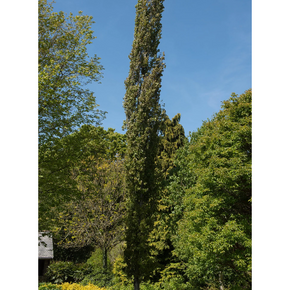
- Striking columnar form grows 25-30 ft. tall and just 5-6 ft. wide, making it ideal for narrow spaces, privacy screens, and windbreaks where a traditional spreading spruce simply won't fit.
- Rich, deep green needles densely clothe stiffly upright branches year-round, delivering bold evergreen structure and four-season color to the landscape.
- Exceptionally cold-hardy to USDA Zone 3 (tolerating temperatures down to -40°F), this tough European conifer thrives in challenging northern climates and mountain elevations.
- Low-maintenance and deer-resistant with strong tolerance for air pollution, making it a reliable workhorse for both suburban and rural landscapes alike.
The Columnar Norway Spruce (Picea abies 'Cupressina') is a refined, fastigiate cultivar of the classic European Norway Spruce, prized for its distinctively narrow, cypress-like silhouette that makes it one of the most architecturally versatile conifers available to today's home gardener. Reaching a mature height of 25 to 30 feet with a remarkably slender spread of just 5 to 6 feet, this upright evergreen tree delivers the bold vertical presence of a full-sized spruce without demanding the expansive space the species typically requires. Its densely packed, lustrous dark green needles — short, stiff, four-sided, and spirally arranged along the branches — create a rich, textured column of year-round foliage that anchors the landscape through every season. The strongly upright primary branches and tightly ascending secondary branches maintain the tree's elegant columnar shape naturally over time with virtually no corrective pruning needed. Thriving in USDA Hardiness Zones 3 through 6, Picea abies 'Cupressina' excels in cool to cold climates and is well-suited to the higher elevations of Southern Oregon and Northern California, where its preference for well-drained, slightly acidic soils and full sun translates to steady, reliable growth. Whether used as a dramatic focal-point specimen, a formal living screen, a tall windbreak, or a stately accent along driveways and property lines, the Columnar Norway Spruce brings old-world European elegance and enduring structural beauty to any landscape design.
Plant Description
Picea abies 'Cupressina' is a selected upright cultivar of the Norway Spruce, one of the most widely recognized and historically significant conifers native to Europe. Where the straight species develops a broad, pyramidal crown with sweeping pendulous secondary branches, 'Cupressina' maintains a tight, columnar habit throughout its life — much like the silhouette of an Italian Cypress or a fastigiate columnar tree. The stiffly ascending primary branches hold their position close to the central leader, while the densely set branchlets are clothed in short, sharp, four-sided dark green needles up to one inch long. The needles are glossy on their upper surfaces, slightly paler beneath, and emit a pleasant resinous fragrance when crushed. Bark on young trees is purplish to reddish-brown and relatively smooth, maturing over time into grayish-brown scaly plates. Mature trees may produce pendulous, cylindrical seed cones measuring 4 to 6 inches long that ripen from green or violet to silvery-brown in fall — an attractive ornamental bonus on established specimens. The overall effect is a bold, formal, dark green pillar of living foliage that commands attention in any garden setting.
Mature Size
| Characteristic | Measurement |
|---|---|
| Mature Height | 25 - 30 ft. |
| Mature Width | 5 - 6 ft. |
| Growth Rate | Moderate (approximately 12-18 in. per year once established) |
| Growth Habit | Strictly columnar / fastigiate, upright |
| Plant Type | Needled evergreen tree |
Hardiness Zones and Climate
The Columnar Norway Spruce is rated for USDA Hardiness Zones 3 through 6, tolerating extreme winter cold down to approximately -40°F. It is a cool-climate conifer that performs best where summers are mild to moderate and winters are cold and reliably frosty. At higher elevations in Southern Oregon and Northern California — such as the Siskiyou Mountains, the Cascades, and the Klamath region — this tree is an excellent candidate, as the cooler summer temperatures and pronounced winters closely match the climatic conditions of its European homeland. It is less well-suited to low-elevation valley floors where summer heat is intense and prolonged, as excessive summer warmth can stress the tree and make it more susceptible to pest and disease issues. In marginal Zone 7 conditions, siting in a location with afternoon shade and consistent soil moisture will improve performance.
Sunlight Requirements
Columnar Norway Spruce thrives in full sun, requiring a minimum of 6 hours of direct sunlight per day for the densest foliage and most vigorous upright growth. It will tolerate partial shade — receiving 3 to 6 hours of direct sun — particularly in hotter microclimates, where light afternoon shade can help reduce heat stress. However, trees grown in significant shade tend to develop looser, less dense branching and may begin to lose the tight columnar form that makes this cultivar so desirable. For the best ornamental performance and strongest growth, choose a planting site with unobstructed morning and midday sun exposure.
Soil and pH Preferences
This conifer prefers moderately moist, well-drained soils and performs best in slightly acidic conditions. It is adaptable to a range of soil textures, from sandy loams to loamy soils, but consistently struggles in heavy clay soils with poor drainage or sites where standing water is present. Avoid planting in low spots or areas with a high water table, as "wet feet" can cause root rot and rapid decline.
- Preferred soil pH: 4.5 to 6.0 (acidic to slightly acidic)
- Soil texture: Sandy loam, loam, or well-amended native soil
- Drainage: Good drainage is essential; does not tolerate waterlogged conditions
- Soil amendment: Incorporating organic matter such as compost into heavy or compacted soils at planting time will improve drainage and encourage healthy root establishment
- Mulching: A 2- to 3-inch layer of organic mulch over the root zone helps maintain soil moisture, moderate temperature, and gradually acidify the soil as it breaks down
Watering Guide
Consistent soil moisture is key during the first two to three years after planting while the root system is becoming established. Once well-rooted, Columnar Norway Spruce develops moderate drought tolerance, though it performs best with regular moisture during extended dry spells.
- Newly planted trees: Water deeply two to three times per week for the first growing season, ensuring the entire root ball and surrounding soil is thoroughly moistened.
- Established trees: Water deeply once per week during dry summer periods, allowing the top 1 to 2 inches of soil to dry slightly between waterings. Avoid shallow, frequent watering that encourages shallow rooting.
- Fall and winter: Reduce watering frequency as temperatures cool. Provide a deep watering before the ground freezes to ensure the tree enters dormancy well-hydrated.
- Signs of drought stress: Yellowing or browning of inner needles, premature needle drop, and wilting shoot tips can all indicate inadequate moisture.
- Overwatering caution: Do not allow soil to remain saturated. Soggy soil leads to root rot, which can be fatal. Always confirm drainage is adequate before watering.
Fertilizing
Columnar Norway Spruce is not a heavy feeder and typically grows well in average soils without aggressive fertilization. Over-fertilizing, especially with high-nitrogen products, can produce overly lush, soft growth that is more susceptible to pest damage and winter injury.
- Timing: Fertilize once per year in early spring, just as new growth begins to emerge.
- Product type: Use a balanced, slow-release granular fertilizer formulated for evergreens or acid-loving conifers (such as a 10-8-6 or similar blend). Products containing sulfur or iron will also help maintain the preferred acidic soil pH.
- Application: Broadcast granular fertilizer evenly beneath the full extent of the canopy, avoiding direct contact with the trunk. Water thoroughly after application to carry nutrients to the root zone.
- Organic alternative: A 1-inch topdressing of well-composted organic material spread under the canopy each spring provides a gentle, sustained nutrient release and improves soil structure over time.
- Mature trees: Established trees in healthy soil may need little to no supplemental fertilizing. Monitor foliage color — pale or yellowish-green needles can signal a need for nutrients or a pH adjustment.
Pruning and Maintenance
One of the great advantages of Picea abies 'Cupressina' is that its strongly upright, columnar form is maintained naturally — no significant pruning is needed to preserve its shape. This is a genuinely low-maintenance tree once established.
- Routine pruning: Under normal circumstances, no routine pruning is required. The tree naturally maintains its tight columnar form through its upright branch structure.
- Dead wood removal: Prune out any dead, damaged, or diseased branches as they are discovered, cutting cleanly back to a healthy lateral branch or the main trunk. Use clean, sharp tools to make smooth cuts.
- Light shaping: If minor shaping is desired to tighten the form, light trimming of the outermost branch tips can be done in late spring after new growth (called "candles") has fully elongated but before it hardens. Never remove more than one-third of a branch's length at a time.
- Double leaders: If two competing upright leaders develop, select the strongest and remove the secondary leader early to maintain the classic single-stemmed columnar silhouette.
- Tools: Always sterilize pruning tools with a diluted bleach solution or isopropyl alcohol between cuts when working on diseased wood to prevent spreading pathogens.
Planting Instructions
- Choose the right site: Select a location with full sun, good air circulation, and well-drained soil. Allow at least 6 feet of horizontal clearance from structures, fences, and other plants to accommodate mature width. Consider the tree's eventual 25-30 ft. height relative to overhead utilities and structures.
- Dig the hole: Dig a hole two to three times as wide as the root ball but no deeper than the root ball's height. A wide, shallow planting hole encourages lateral root expansion into surrounding soil.
- Prepare the soil: Backfill with the native soil, amended with compost if the soil is very heavy or compacted. Avoid adding excessive fertilizer directly into the planting hole, which can burn young roots.
- Set the tree: Place the tree so that the top of the root ball sits at or very slightly above the surrounding soil grade. Never plant deeper than the original soil line — burying the trunk collar invites disease and rot.
- Backfill and firm: Fill in the hole with the prepared soil, gently tamping in layers to eliminate large air pockets. Do not compact the soil heavily, as this restricts root oxygen.
- Water in thoroughly: Water deeply immediately after planting to settle the soil and eliminate air pockets around the roots. Ensure the entire root zone is thoroughly moistened.
- Apply mulch: Spread a 2- to 3-inch layer of organic mulch — such as shredded bark, wood chips, or pine needles — over the root zone, keeping mulch a few inches away from the trunk to prevent moisture-related bark rot.
- Staking: If planting in a particularly windy or exposed location, stake the tree loosely for the first growing season to prevent rocking, which can damage developing root contacts. Remove stakes after one year.
Landscape Uses
The narrow, upright form of the Columnar Norway Spruce opens up a wide range of landscape applications where a standard spreading spruce would be impractical. Its bold vertical structure and year-round dark green foliage make it one of the most versatile conifers for cold-climate gardens.
- Privacy screen and visual barrier: Plant in a row 4 to 5 feet apart for a dense, living privacy screen or property line barrier that reaches impressive heights without sprawling into neighboring spaces.
- Windbreak: Its dense evergreen foliage and tall columnar profile make it highly effective as a windbreak or shelter belt on exposed properties, protecting gardens, structures, and livestock from prevailing winds.
- Driveway and pathway accent: Planted in pairs or in formal rows flanking a driveway or entry, it creates a stately, European-inspired formal allée.
- Narrow border specimen: Ideal for side yards, narrow garden beds, and tight spaces between structures where a wide-spreading tree is not feasible.
- Vertical accent in mixed borders: Use as a bold vertical exclamation point among lower-growing shrubs, ornamental grasses, and perennials to add year-round height and structure.
- Corner planting: Planted at the corner of a home or building, its tall narrow form softens architectural lines without obscuring windows or blocking views.
- Framing: Use a matched pair to frame a gate, garden entrance, or landscape focal point with symmetrical formality.
Seasonal Interest
While the Columnar Norway Spruce is primarily celebrated as an evergreen year-round structural element, it offers subtle seasonal highlights throughout the calendar year.
- Spring: Bright, lime-green new growth tips emerge at the ends of each branch in spring, creating a striking two-toned contrast against the darker mature needles and providing fresh color after winter dormancy.
- Summer: The canopy deepens to a rich, lustrous dark green as new growth matures. The dense, upright form creates strong cooling shade on its north and east sides and serves as a bold, unwavering structural anchor in the summer landscape.
- Fall: Mature trees may develop ornamental pendulous brown seed cones measuring up to 4 to 6 inches in length that persist on the branches into fall and early winter, attracting birds and adding textural interest.
- Winter: The dark green columnar profile stands out dramatically against winter snow and the bare silhouettes of deciduous trees and shrubs. Snow accumulation on the upright branches adds a picturesque seasonal beauty. The tree provides important winter cover and food for songbirds and small wildlife.
Pests and Diseases
Like all Norway Spruces, Picea abies 'Cupressina' has some susceptibility to common conifer pests and diseases, though healthy, well-sited trees grown in appropriate climates are generally resilient. Vigilance and good cultural practices are the best prevention.
- Aphids: Cooley spruce gall adelgid and other aphid species can feed on young shoots, causing needle distortion or gall formation. Treat with insecticidal soap or horticultural oil for light infestations; stronger systemic treatments may be needed for severe cases.
- Spider mites: Red spider mites can be problematic in hot, dry conditions, causing stippled, bronzed needles. Improve air circulation and water stress management; apply miticides or horticultural oil if populations are high.
- Bagworms: Bagworm caterpillars can defoliate branches if not caught early. Hand-remove bags in winter and early spring; apply appropriate insecticides to young larvae in late spring.
- Borers and weevils: Deodar weevil and pine weevil may damage the terminal leader. Maintain tree vigor through proper watering and fertilization, as stressed trees are more susceptible.
- Cytospora canker: A fungal disease that causes yellowing and death of lower branches. Remove and dispose of affected branches; improve air circulation and avoid overhead irrigation. There is no chemical cure — prevention through good cultural care is key.
- Needle cast: Fungal needle cast diseases can cause premature browning and dropping of older inner needles, typically in wet springs. Fungicidal sprays applied in early spring can help manage severe cases.
- Root rot: Occurs in poorly drained or waterlogged soils. Prevent by ensuring excellent drainage at the planting site.
Wildlife Value
The Columnar Norway Spruce provides meaningful habitat and food resources for a variety of wildlife species, making it a valuable addition to wildlife-friendly landscapes in cooler climates.
- Birds: The dense evergreen canopy provides critical year-round roosting and nesting cover for songbirds, including sparrows, finches, and warblers. The seed-bearing cones attract cone-feeding birds such as crossbills, chickadees, nuthatches, and pine siskins.
- Small mammals: Squirrels and chipmunks are attracted to the nutritious seeds found within the mature cones. The dense lower branches also provide sheltered cover for small ground-dwelling mammals.
- Insects and moths: A variety of native moth species utilize Norway Spruce foliage, supporting broader food web biodiversity within the landscape ecosystem.
- Deer resistance: While no plant is entirely deer-proof, Norway Spruce — including this cultivar — is generally considered resistant to deer browsing due to its stiff, sharply pointed needles, making it a more reliable choice in deer-pressure areas.
Companion Plants
The strong vertical form and deep green color of Columnar Norway Spruce pair beautifully with a wide range of landscape plants. Choose companions that share its preference for full sun, well-drained soil, and cooler climates.
- Dwarf Alberta Spruce (Picea glauca 'Conica'): Creates a pleasing contrast in scale — the compact, rounded form of Dwarf Alberta Spruce at 6-8 ft. plays beautifully against the soaring narrow column of 'Cupressina'.
- Blue Spruce cultivars (Picea pungens): The cool silver-blue foliage of varieties like 'Fat Albert' or 'Montgomery' provides striking color contrast against the deep green of 'Cupressina'.
- Ornamental grasses: Karl Foerster Feather Reed Grass and Blue Oat Grass provide fine-textured, movement-filled contrast to the stiff, upright evergreen form.
- Viburnums and Dogwoods: Deciduous flowering shrubs with seasonal bloom, berry, and fall color interest complement the year-round dark green structure of the spruce.
- Mugo Pine (Pinus mugo): Low, mounding form creates excellent textural contrast and occupies the foreground space beneath the tall columnar spruce beautifully.
- Heuchera and Hostas: For partially shaded areas on the north or east sides of the spruce, colorful foliage perennials like coral bells and hostas provide low-growing seasonal interest.
- Lavender and Catmint: In sunny borders, the silver-gray foliage and purple blooms of lavender and catmint create a complementary color palette with the dark green needles.
Container Growing
While the Columnar Norway Spruce is ultimately a large landscape tree, it can be successfully grown in a large container for several years, making it a versatile option for patio plantings, entryway focal points, or as an oversized living Christmas tree that can later be transitioned to the garden.
- Container size: Choose a container at least 24 inches in diameter and depth to start. Repot into progressively larger containers every 2 to 3 years as the root system expands.
- Potting mix: Use a high-quality, well-draining potting mix formulated for conifers or mix standard potting soil with perlite and bark fines to ensure excellent drainage. Avoid heavy, moisture-retaining mixes.
- Watering: Container-grown trees dry out more quickly than in-ground plantings. Check soil moisture regularly and water thoroughly whenever the top inch of soil feels dry. Ensure the container has adequate drainage holes.
- Fertilizing: Feed with a slow-release conifer fertilizer each spring, as container growing depletes nutrients more quickly than garden soil.
- Winter protection: Container roots are more exposed to temperature extremes than in-ground roots. In Zone 3-4 climates, move containers to an unheated garage or protected area during the coldest winter months, or insulate the container with burlap and mulch to protect roots from hard freezing.
- Transition to the garden: When the tree outgrows its container, plant it in the garden in early fall or early spring for the best establishment success.
- Striking columnar form grows 25-30 ft. tall and just 5-6 ft. wide, making it ideal for narrow spaces, privacy screens, and windbreaks where a traditional spreading spruce simply won't fit.
- Rich, deep green needles densely clothe stiffly upright branches year-round, delivering bold evergreen structure and four-season color to the landscape.
- Exceptionally cold-hardy to USDA Zone 3 (tolerating temperatures down to -40°F), this tough European conifer thrives in challenging northern climates and mountain elevations.
- Low-maintenance and deer-resistant with strong tolerance for air pollution, making it a reliable workhorse for both suburban and rural landscapes alike.
The Columnar Norway Spruce (Picea abies 'Cupressina') is a refined, fastigiate cultivar of the classic European Norway Spruce, prized for its distinctively narrow, cypress-like silhouette that makes it one of the most architecturally versatile conifers available to today's home gardener. Reaching a mature height of 25 to 30 feet with a remarkably slender spread of just 5 to 6 feet, this upright evergreen tree delivers the bold vertical presence of a full-sized spruce without demanding the expansive space the species typically requires. Its densely packed, lustrous dark green needles — short, stiff, four-sided, and spirally arranged along the branches — create a rich, textured column of year-round foliage that anchors the landscape through every season. The strongly upright primary branches and tightly ascending secondary branches maintain the tree's elegant columnar shape naturally over time with virtually no corrective pruning needed. Thriving in USDA Hardiness Zones 3 through 6, Picea abies 'Cupressina' excels in cool to cold climates and is well-suited to the higher elevations of Southern Oregon and Northern California, where its preference for well-drained, slightly acidic soils and full sun translates to steady, reliable growth. Whether used as a dramatic focal-point specimen, a formal living screen, a tall windbreak, or a stately accent along driveways and property lines, the Columnar Norway Spruce brings old-world European elegance and enduring structural beauty to any landscape design.
Plant Description
Picea abies 'Cupressina' is a selected upright cultivar of the Norway Spruce, one of the most widely recognized and historically significant conifers native to Europe. Where the straight species develops a broad, pyramidal crown with sweeping pendulous secondary branches, 'Cupressina' maintains a tight, columnar habit throughout its life — much like the silhouette of an Italian Cypress or a fastigiate columnar tree. The stiffly ascending primary branches hold their position close to the central leader, while the densely set branchlets are clothed in short, sharp, four-sided dark green needles up to one inch long. The needles are glossy on their upper surfaces, slightly paler beneath, and emit a pleasant resinous fragrance when crushed. Bark on young trees is purplish to reddish-brown and relatively smooth, maturing over time into grayish-brown scaly plates. Mature trees may produce pendulous, cylindrical seed cones measuring 4 to 6 inches long that ripen from green or violet to silvery-brown in fall — an attractive ornamental bonus on established specimens. The overall effect is a bold, formal, dark green pillar of living foliage that commands attention in any garden setting.
Mature Size
| Characteristic | Measurement |
|---|---|
| Mature Height | 25 - 30 ft. |
| Mature Width | 5 - 6 ft. |
| Growth Rate | Moderate (approximately 12-18 in. per year once established) |
| Growth Habit | Strictly columnar / fastigiate, upright |
| Plant Type | Needled evergreen tree |
Hardiness Zones and Climate
The Columnar Norway Spruce is rated for USDA Hardiness Zones 3 through 6, tolerating extreme winter cold down to approximately -40°F. It is a cool-climate conifer that performs best where summers are mild to moderate and winters are cold and reliably frosty. At higher elevations in Southern Oregon and Northern California — such as the Siskiyou Mountains, the Cascades, and the Klamath region — this tree is an excellent candidate, as the cooler summer temperatures and pronounced winters closely match the climatic conditions of its European homeland. It is less well-suited to low-elevation valley floors where summer heat is intense and prolonged, as excessive summer warmth can stress the tree and make it more susceptible to pest and disease issues. In marginal Zone 7 conditions, siting in a location with afternoon shade and consistent soil moisture will improve performance.
Sunlight Requirements
Columnar Norway Spruce thrives in full sun, requiring a minimum of 6 hours of direct sunlight per day for the densest foliage and most vigorous upright growth. It will tolerate partial shade — receiving 3 to 6 hours of direct sun — particularly in hotter microclimates, where light afternoon shade can help reduce heat stress. However, trees grown in significant shade tend to develop looser, less dense branching and may begin to lose the tight columnar form that makes this cultivar so desirable. For the best ornamental performance and strongest growth, choose a planting site with unobstructed morning and midday sun exposure.
Soil and pH Preferences
This conifer prefers moderately moist, well-drained soils and performs best in slightly acidic conditions. It is adaptable to a range of soil textures, from sandy loams to loamy soils, but consistently struggles in heavy clay soils with poor drainage or sites where standing water is present. Avoid planting in low spots or areas with a high water table, as "wet feet" can cause root rot and rapid decline.
- Preferred soil pH: 4.5 to 6.0 (acidic to slightly acidic)
- Soil texture: Sandy loam, loam, or well-amended native soil
- Drainage: Good drainage is essential; does not tolerate waterlogged conditions
- Soil amendment: Incorporating organic matter such as compost into heavy or compacted soils at planting time will improve drainage and encourage healthy root establishment
- Mulching: A 2- to 3-inch layer of organic mulch over the root zone helps maintain soil moisture, moderate temperature, and gradually acidify the soil as it breaks down
Watering Guide
Consistent soil moisture is key during the first two to three years after planting while the root system is becoming established. Once well-rooted, Columnar Norway Spruce develops moderate drought tolerance, though it performs best with regular moisture during extended dry spells.
- Newly planted trees: Water deeply two to three times per week for the first growing season, ensuring the entire root ball and surrounding soil is thoroughly moistened.
- Established trees: Water deeply once per week during dry summer periods, allowing the top 1 to 2 inches of soil to dry slightly between waterings. Avoid shallow, frequent watering that encourages shallow rooting.
- Fall and winter: Reduce watering frequency as temperatures cool. Provide a deep watering before the ground freezes to ensure the tree enters dormancy well-hydrated.
- Signs of drought stress: Yellowing or browning of inner needles, premature needle drop, and wilting shoot tips can all indicate inadequate moisture.
- Overwatering caution: Do not allow soil to remain saturated. Soggy soil leads to root rot, which can be fatal. Always confirm drainage is adequate before watering.
Fertilizing
Columnar Norway Spruce is not a heavy feeder and typically grows well in average soils without aggressive fertilization. Over-fertilizing, especially with high-nitrogen products, can produce overly lush, soft growth that is more susceptible to pest damage and winter injury.
- Timing: Fertilize once per year in early spring, just as new growth begins to emerge.
- Product type: Use a balanced, slow-release granular fertilizer formulated for evergreens or acid-loving conifers (such as a 10-8-6 or similar blend). Products containing sulfur or iron will also help maintain the preferred acidic soil pH.
- Application: Broadcast granular fertilizer evenly beneath the full extent of the canopy, avoiding direct contact with the trunk. Water thoroughly after application to carry nutrients to the root zone.
- Organic alternative: A 1-inch topdressing of well-composted organic material spread under the canopy each spring provides a gentle, sustained nutrient release and improves soil structure over time.
- Mature trees: Established trees in healthy soil may need little to no supplemental fertilizing. Monitor foliage color — pale or yellowish-green needles can signal a need for nutrients or a pH adjustment.
Pruning and Maintenance
One of the great advantages of Picea abies 'Cupressina' is that its strongly upright, columnar form is maintained naturally — no significant pruning is needed to preserve its shape. This is a genuinely low-maintenance tree once established.
- Routine pruning: Under normal circumstances, no routine pruning is required. The tree naturally maintains its tight columnar form through its upright branch structure.
- Dead wood removal: Prune out any dead, damaged, or diseased branches as they are discovered, cutting cleanly back to a healthy lateral branch or the main trunk. Use clean, sharp tools to make smooth cuts.
- Light shaping: If minor shaping is desired to tighten the form, light trimming of the outermost branch tips can be done in late spring after new growth (called "candles") has fully elongated but before it hardens. Never remove more than one-third of a branch's length at a time.
- Double leaders: If two competing upright leaders develop, select the strongest and remove the secondary leader early to maintain the classic single-stemmed columnar silhouette.
- Tools: Always sterilize pruning tools with a diluted bleach solution or isopropyl alcohol between cuts when working on diseased wood to prevent spreading pathogens.
Planting Instructions
- Choose the right site: Select a location with full sun, good air circulation, and well-drained soil. Allow at least 6 feet of horizontal clearance from structures, fences, and other plants to accommodate mature width. Consider the tree's eventual 25-30 ft. height relative to overhead utilities and structures.
- Dig the hole: Dig a hole two to three times as wide as the root ball but no deeper than the root ball's height. A wide, shallow planting hole encourages lateral root expansion into surrounding soil.
- Prepare the soil: Backfill with the native soil, amended with compost if the soil is very heavy or compacted. Avoid adding excessive fertilizer directly into the planting hole, which can burn young roots.
- Set the tree: Place the tree so that the top of the root ball sits at or very slightly above the surrounding soil grade. Never plant deeper than the original soil line — burying the trunk collar invites disease and rot.
- Backfill and firm: Fill in the hole with the prepared soil, gently tamping in layers to eliminate large air pockets. Do not compact the soil heavily, as this restricts root oxygen.
- Water in thoroughly: Water deeply immediately after planting to settle the soil and eliminate air pockets around the roots. Ensure the entire root zone is thoroughly moistened.
- Apply mulch: Spread a 2- to 3-inch layer of organic mulch — such as shredded bark, wood chips, or pine needles — over the root zone, keeping mulch a few inches away from the trunk to prevent moisture-related bark rot.
- Staking: If planting in a particularly windy or exposed location, stake the tree loosely for the first growing season to prevent rocking, which can damage developing root contacts. Remove stakes after one year.
Landscape Uses
The narrow, upright form of the Columnar Norway Spruce opens up a wide range of landscape applications where a standard spreading spruce would be impractical. Its bold vertical structure and year-round dark green foliage make it one of the most versatile conifers for cold-climate gardens.
- Privacy screen and visual barrier: Plant in a row 4 to 5 feet apart for a dense, living privacy screen or property line barrier that reaches impressive heights without sprawling into neighboring spaces.
- Windbreak: Its dense evergreen foliage and tall columnar profile make it highly effective as a windbreak or shelter belt on exposed properties, protecting gardens, structures, and livestock from prevailing winds.
- Driveway and pathway accent: Planted in pairs or in formal rows flanking a driveway or entry, it creates a stately, European-inspired formal allée.
- Narrow border specimen: Ideal for side yards, narrow garden beds, and tight spaces between structures where a wide-spreading tree is not feasible.
- Vertical accent in mixed borders: Use as a bold vertical exclamation point among lower-growing shrubs, ornamental grasses, and perennials to add year-round height and structure.
- Corner planting: Planted at the corner of a home or building, its tall narrow form softens architectural lines without obscuring windows or blocking views.
- Framing: Use a matched pair to frame a gate, garden entrance, or landscape focal point with symmetrical formality.
Seasonal Interest
While the Columnar Norway Spruce is primarily celebrated as an evergreen year-round structural element, it offers subtle seasonal highlights throughout the calendar year.
- Spring: Bright, lime-green new growth tips emerge at the ends of each branch in spring, creating a striking two-toned contrast against the darker mature needles and providing fresh color after winter dormancy.
- Summer: The canopy deepens to a rich, lustrous dark green as new growth matures. The dense, upright form creates strong cooling shade on its north and east sides and serves as a bold, unwavering structural anchor in the summer landscape.
- Fall: Mature trees may develop ornamental pendulous brown seed cones measuring up to 4 to 6 inches in length that persist on the branches into fall and early winter, attracting birds and adding textural interest.
- Winter: The dark green columnar profile stands out dramatically against winter snow and the bare silhouettes of deciduous trees and shrubs. Snow accumulation on the upright branches adds a picturesque seasonal beauty. The tree provides important winter cover and food for songbirds and small wildlife.
Pests and Diseases
Like all Norway Spruces, Picea abies 'Cupressina' has some susceptibility to common conifer pests and diseases, though healthy, well-sited trees grown in appropriate climates are generally resilient. Vigilance and good cultural practices are the best prevention.
- Aphids: Cooley spruce gall adelgid and other aphid species can feed on young shoots, causing needle distortion or gall formation. Treat with insecticidal soap or horticultural oil for light infestations; stronger systemic treatments may be needed for severe cases.
- Spider mites: Red spider mites can be problematic in hot, dry conditions, causing stippled, bronzed needles. Improve air circulation and water stress management; apply miticides or horticultural oil if populations are high.
- Bagworms: Bagworm caterpillars can defoliate branches if not caught early. Hand-remove bags in winter and early spring; apply appropriate insecticides to young larvae in late spring.
- Borers and weevils: Deodar weevil and pine weevil may damage the terminal leader. Maintain tree vigor through proper watering and fertilization, as stressed trees are more susceptible.
- Cytospora canker: A fungal disease that causes yellowing and death of lower branches. Remove and dispose of affected branches; improve air circulation and avoid overhead irrigation. There is no chemical cure — prevention through good cultural care is key.
- Needle cast: Fungal needle cast diseases can cause premature browning and dropping of older inner needles, typically in wet springs. Fungicidal sprays applied in early spring can help manage severe cases.
- Root rot: Occurs in poorly drained or waterlogged soils. Prevent by ensuring excellent drainage at the planting site.
Wildlife Value
The Columnar Norway Spruce provides meaningful habitat and food resources for a variety of wildlife species, making it a valuable addition to wildlife-friendly landscapes in cooler climates.
- Birds: The dense evergreen canopy provides critical year-round roosting and nesting cover for songbirds, including sparrows, finches, and warblers. The seed-bearing cones attract cone-feeding birds such as crossbills, chickadees, nuthatches, and pine siskins.
- Small mammals: Squirrels and chipmunks are attracted to the nutritious seeds found within the mature cones. The dense lower branches also provide sheltered cover for small ground-dwelling mammals.
- Insects and moths: A variety of native moth species utilize Norway Spruce foliage, supporting broader food web biodiversity within the landscape ecosystem.
- Deer resistance: While no plant is entirely deer-proof, Norway Spruce — including this cultivar — is generally considered resistant to deer browsing due to its stiff, sharply pointed needles, making it a more reliable choice in deer-pressure areas.
Companion Plants
The strong vertical form and deep green color of Columnar Norway Spruce pair beautifully with a wide range of landscape plants. Choose companions that share its preference for full sun, well-drained soil, and cooler climates.
- Dwarf Alberta Spruce (Picea glauca 'Conica'): Creates a pleasing contrast in scale — the compact, rounded form of Dwarf Alberta Spruce at 6-8 ft. plays beautifully against the soaring narrow column of 'Cupressina'.
- Blue Spruce cultivars (Picea pungens): The cool silver-blue foliage of varieties like 'Fat Albert' or 'Montgomery' provides striking color contrast against the deep green of 'Cupressina'.
- Ornamental grasses: Karl Foerster Feather Reed Grass and Blue Oat Grass provide fine-textured, movement-filled contrast to the stiff, upright evergreen form.
- Viburnums and Dogwoods: Deciduous flowering shrubs with seasonal bloom, berry, and fall color interest complement the year-round dark green structure of the spruce.
- Mugo Pine (Pinus mugo): Low, mounding form creates excellent textural contrast and occupies the foreground space beneath the tall columnar spruce beautifully.
- Heuchera and Hostas: For partially shaded areas on the north or east sides of the spruce, colorful foliage perennials like coral bells and hostas provide low-growing seasonal interest.
- Lavender and Catmint: In sunny borders, the silver-gray foliage and purple blooms of lavender and catmint create a complementary color palette with the dark green needles.
Container Growing
While the Columnar Norway Spruce is ultimately a large landscape tree, it can be successfully grown in a large container for several years, making it a versatile option for patio plantings, entryway focal points, or as an oversized living Christmas tree that can later be transitioned to the garden.
- Container size: Choose a container at least 24 inches in diameter and depth to start. Repot into progressively larger containers every 2 to 3 years as the root system expands.
- Potting mix: Use a high-quality, well-draining potting mix formulated for conifers or mix standard potting soil with perlite and bark fines to ensure excellent drainage. Avoid heavy, moisture-retaining mixes.
- Watering: Container-grown trees dry out more quickly than in-ground plantings. Check soil moisture regularly and water thoroughly whenever the top inch of soil feels dry. Ensure the container has adequate drainage holes.
- Fertilizing: Feed with a slow-release conifer fertilizer each spring, as container growing depletes nutrients more quickly than garden soil.
- Winter protection: Container roots are more exposed to temperature extremes than in-ground roots. In Zone 3-4 climates, move containers to an unheated garage or protected area during the coldest winter months, or insulate the container with burlap and mulch to protect roots from hard freezing.
- Transition to the garden: When the tree outgrows its container, plant it in the garden in early fall or early spring for the best establishment success.