Zoom the image with the mouse
Vintage Rose Bergenia - 1 Gallon
SKU:
2092750
$12.99
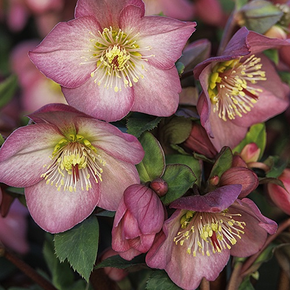
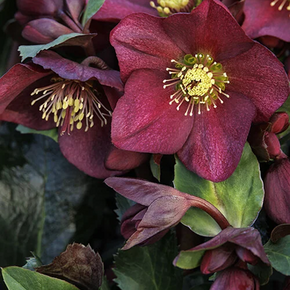
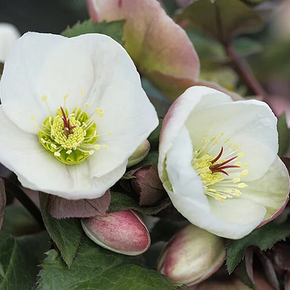
- Vivid clusters of fuchsia-pink flowers burst forth in late winter and spring atop dark, sturdy stems, delivering one of the earliest bold color displays of the season.
- Large, rounded, glossy leaves transform from rich green to deep burgundy in fall and winter, providing striking multi-season foliage interest long after blooms have faded.
- Exceptionally tough and low-maintenance, this clump-forming perennial is reliably deer resistant, cold hardy to Zone 4, and tolerates shade, making it a worry-free choice for challenging spots.
- Versatile and carefree, Vintage Rose Bergenia excels as a ground cover, border edging, rock garden specimen, woodland garden accent, or a bold statement plant in containers.
Bergenia Vintage Rose is a standout herbaceous perennial that brings year-round beauty and effortless elegance to the garden, earning its place as one of the most dependable and rewarding shade-tolerant ground covers available to Pacific Northwest and Northern California gardeners. In late winter and early spring, bold clusters of vivid fuchsia-pink blooms emerge on upright, deep-burgundy stems, rising just above a lush rosette of large, thick, glossy green leaves that can reach up to 8 inches across. As temperatures cool in fall, those handsome leaves take on a dramatic deep burgundy to bronze hue that persists through winter, ensuring the garden remains visually captivating even in the coldest months. An herbaceous perennial that may remain semi-evergreen in mild winter regions, Vintage Rose Bergenia (Bergenia cordifolia) is cold hardy to USDA Zone 4, moderately drought tolerant once established, and highly resistant to deer and rabbits. Its coarse-textured, clump-forming habit makes it ideal for mass plantings under trees, along shaded pathways, in woodland gardens, rock gardens, and as a bold front-of-border accent, while its compact size and striking foliage also make it a natural choice for container gardening. Easy to grow in light to moderate shade with well-drained, organically rich soil, this reliable, low-fuss perennial is a must-have for gardeners seeking long-lasting beauty with minimal effort.
Plant Description
Bergenia Vintage Rose is a clump-forming herbaceous perennial prized for its exceptional dual-season appeal. Its most eye-catching feature is the bold display of vivid fuchsia-pink to rosy-red flowers that emerge in late winter and spring, held in tight clusters atop dark, cylindrical stems that rise above the foliage. The blooms provide a striking early-season color show at a time when little else is flowering in the garden. Equally impressive is the foliage: large, rounded, glossy leaves with slightly toothed edges and a thick, leathery texture. Often called "pigsqueak" due to the squeaky sound produced when the leaves are rubbed together, the foliage is richly green through the growing season before transitioning to a deep burgundy or bronze-red in autumn and winter. In milder climates, the foliage may remain semi-evergreen through the winter months. Bergenia Vintage Rose is a reliable, long-lived perennial that slowly expands into an attractive, weed-suppressing clump over time.
Mature Size and Growth Habit
| Characteristic | Detail |
|---|---|
| Mature Height | Up to 12 inches (foliage rosette); flower stems may reach 12-15 inches in bloom |
| Spread | 12 to 18 inches wide at maturity |
| Growth Habit | Clump-forming, low-growing rosette |
| Texture | Coarse, bold foliage texture |
| Recommended Spacing | 14 to 16 inches apart for mass plantings |
| Growth Rate | Moderate; slowly expands via rhizomes to form larger colonies over time |
Hardiness Zones and Temperature
Bergenia Vintage Rose is cold hardy to USDA Hardiness Zone 4, making it well-suited to the climates of Southern Oregon and Northern California, as well as much of the continental United States. It thrives across Zones 4 through 8. Its alpine origins from mountain ranges across central and eastern Asia have endowed it with exceptional frost tolerance and the ability to handle temperature extremes with ease. In mild winter regions such as much of the Pacific Northwest and Northern California, the foliage may remain semi-evergreen, providing year-round interest. In colder areas with harsh winters, applying a layer of mulch in late fall helps protect the root zone and minimizes leaf desiccation from cold, drying winds. Once the worst of winter has passed, any tatty or damaged leaves can be trimmed away to make room for fresh new spring growth.
Sunlight Requirements
Bergenia Vintage Rose performs best in light to moderate shade and is ideally suited to spots under deciduous trees, along shaded borders, or in woodland garden settings. It tolerates dappled sunlight well. In cooler climates such as those found in Southern Oregon and Northern California, it can handle more sun exposure, particularly morning sun with afternoon shade. In hotter, drier inland locations, protection from harsh afternoon sun is strongly recommended, as intense direct sunlight can scorch the large, leathery leaves and stress the plant. The more sunlight the plant receives within its acceptable range, the more vivid the fall and winter foliage color tends to be, deepening from green to rich burgundy-red as temperatures drop. Full, deep shade will reduce flowering but the plant will still produce attractive foliage.
Soil and pH Preferences
Bergenia Vintage Rose is adaptable to a range of soil types but grows best in humus-rich, moist, well-drained soil. It prefers a slightly acidic to near-neutral soil pH, ideally between 5.5 and 6.8. While it can tolerate heavier clay soils and less fertile conditions better than many perennials, good drainage is important to prevent crown rot and root rot, which can develop when plants sit in waterlogged soil for extended periods. For optimal growth, amend planting areas with generous amounts of compost or aged organic matter to improve soil structure, fertility, and moisture retention. A top-dressing of compost applied once or twice a year in spring and fall will continue to enrich the soil and encourage vigorous, healthy growth. Avoid highly compacted or poorly drained sites.
Watering Guide
Bergenia Vintage Rose is moderately drought tolerant once it has established in the garden, but performs best when soil moisture is kept consistent and even throughout the growing season. During summer, water plants occasionally to maintain soil in a moist but not wet condition, especially during periods of heat and low rainfall. Plants growing in more sun will require more frequent watering than those in shadier positions. Reduce watering in winter as the plant enters dormancy and its water needs decrease significantly. Always check soil moisture below the surface before watering, as the top of the soil can appear dry while moisture is still present a few inches down. Avoid overwatering and ensure good drainage at the planting site to prevent root rot, which is the most common cause of plant decline in this species.
Fertilizing
Bergenia Vintage Rose is a moderate feeder that responds well to a simple, twice-yearly fertilizing routine. In spring, apply a slow-release fertilizer with a 3-1-2 ratio (such as a 15-5-10 formulation) at approximately 10 pounds per 1,000 square feet to support the flush of new foliage and flowering growth. In early fall, switch to a 2-1-2 ratio fertilizer (such as a 10-5-10 formulation) to encourage root development and improve cold hardiness before winter. Plants growing in soil that has been generously amended with compost or organic matter may need less supplemental fertilizer. Alternatively, topdressing with compost each spring and fall is an effective organic approach that provides slow-release nutrients while improving soil health. Avoid high-nitrogen fertilizers in late summer or fall, as they can promote soft growth that is more susceptible to frost damage.
Pruning and Maintenance
One of the great virtues of Bergenia Vintage Rose is its remarkably low maintenance requirements. As a deciduous to semi-evergreen perennial, it does not require regular pruning to stay healthy or attractive. In late winter or early spring, inspect the plant and remove any leaves that have become tattered, torn, or discolored over the winter months to make way for the fresh new growth of the season. Spent flower stems can be deadheaded after blooming to tidy the plant and may encourage a secondary flush of blooms in some seasons. Fallen leaves can be left in place, as they will naturally decompose and return nutrients to the soil around the plant. Every few years, if the clump begins to die out in the center or becomes overcrowded, it is time to divide the plant to rejuvenate its vigor and appearance (see the Division and Propagation section for guidance).
Planting Instructions
- Choose a planting site with light to moderate shade and well-drained soil. Avoid low spots where water collects after rain.
- Amend the planting area with compost or aged organic matter, especially if the native soil is sandy, compacted, or lacking in organic content.
- Dig a hole as deep as the root ball and approximately twice as wide to allow roots to spread comfortably.
- Place the plant in the hole so that the crown (where the stems meet the roots) sits level with or very slightly above the surrounding soil grade. Never bury the crown, as this can lead to crown rot.
- Backfill with amended soil, gently firming it around the roots to eliminate air pockets.
- Water thoroughly after planting to settle the soil and establish good root-to-soil contact.
- Apply a 2- to 3-inch layer of mulch around the plant, keeping it a few inches away from the crown, to conserve soil moisture and moderate soil temperature.
- For mass plantings or ground cover use, space plants 14 to 16 inches apart. For quicker coverage, plants can be placed slightly closer together.
- Plant in spring after the last frost or in early fall to allow roots time to establish before summer heat or winter cold arrives.
Seasonal Interest
| Season | What to Expect |
|---|---|
| Late Winter / Early Spring | Clusters of vivid fuchsia-pink flowers emerge on dark, upright stems, providing one of the earliest floral displays in the garden, often appearing before most other perennials awaken. |
| Spring / Summer | Bold rosettes of large, rounded, glossy green leaves fill out to their full size, creating a lush, weed-suppressing carpet of rich, coarse-textured foliage. |
| Fall | Foliage begins its dramatic seasonal transition, shifting from glossy green to deep burgundy and bronze-red tones as temperatures cool, adding rich color to the autumn garden. |
| Winter | Deep burgundy foliage persists through winter, remaining attractive and colorful. In mild climates like Southern Oregon and Northern California, the plant may remain semi-evergreen. |
Landscape Uses
Bergenia Vintage Rose is one of the most versatile shade-tolerant perennials available, offering a wide range of landscape applications. Its bold, large-leaved texture and year-round foliage interest make it highly effective in the following uses:
- Mass Plantings and Ground Cover: Plant in groups under trees, along shaded slopes, or in woodland garden areas to create a lush, weed-suppressing carpet that looks great in every season.
- Border Edging: The neat, clump-forming habit and bold foliage make it an excellent choice for framing the front edge of mixed shade borders or shaded walkways.
- Rock Gardens: Its tolerance for well-drained, somewhat rocky conditions mirrors its native mountain habitat, making it a natural fit for rock garden designs.
- Woodland Gardens: Pairs beautifully with other shade-loving perennials in naturalistic woodland garden compositions.
- Container Gardens: The striking foliage and upright flower spikes create bold, eye-catching displays in pots and mixed container plantings on shaded patios and decks.
- Cut Flower Gardens: The flower stems and glossy foliage make interesting additions to floral arrangements.
- Slope Stabilization: The spreading rhizomes and dense foliage help hold soil on shaded slopes and banks.
Companion Plants
Bergenia Vintage Rose combines beautifully with a wide variety of shade-loving perennials and shrubs, creating lush, layered compositions with contrasting textures and complementary seasonal interest. Consider pairing it with the following plants:
- Hellebores (Lenten Rose): Share the same late-winter to early-spring bloom season and shade preferences, creating a stunning duo of early-season color in woodland settings.
- Brunnera macrophylla (Siberian Bugloss): Heart-shaped, silvery foliage cultivars like 'Jack Frost' contrast beautifully with Bergenia's bold, glossy green leaves.
- Hostas: Provide similar large-leaf boldness in summer and pair well in shaded beds; Bergenia extends the season of interest with its winter foliage color.
- Epimediums (Barrenwort): Delicate, heart-shaped foliage and dainty spring flowers offer a fine-textured contrast to Bergenia's coarse leaves.
- Ferns: Feathery, fine-textured fronds provide elegant contrast to Bergenia's bold, rounded leaves in shade gardens.
- Heucheras (Coral Bells): Colorful foliage in shades of burgundy, caramel, or silver adds layered color contrast and visual interest alongside Bergenia's seasonal leaf changes.
- Bleeding Hearts (Dicentra): Lacy, fine-textured foliage and arching stems of heart-shaped blooms pair elegantly with Bergenia's bold structure.
- Ornamental Sedges (Carex): Grassy, fine-textured foliage in golden or variegated tones provides excellent contrast and complements Bergenia's rounded leaf form.
Pests and Diseases
Bergenia Vintage Rose is generally a very healthy, problem-free perennial with few serious pest or disease concerns. Deer and rabbits tend to avoid it, making it a particularly reliable choice in areas with heavy wildlife pressure. When issues do arise, they are typically minor and easy to manage:
- Slugs and Snails: The most common pest, particularly in moist, shaded conditions. They feed on the leaves, leaving ragged holes and slime trails. Control with beer traps, copper barriers, iron phosphate-based baits, or by removing hiding spots such as debris and leaf litter near plants.
- Leaf Spot (Fungal): Can cause dark spots or blotches on foliage, particularly in conditions with poor air circulation or overly wet foliage. Manage by trimming and removing affected leaves, improving air flow, and avoiding overhead watering. Rarely causes serious harm to established plants.
- Black Vine Weevil: Adult weevils may notch leaf edges, while larvae can damage roots. Monitor for signs of feeding damage and treat with beneficial nematodes or appropriate insecticides if infestations are significant.
- Crown and Root Rot: Not caused by pests but by overly wet or poorly drained soils. Prevent by ensuring excellent drainage at the planting site and never burying the crown of the plant during planting or mulching.
Container Growing
Bergenia Vintage Rose makes a bold and beautiful container plant, where its large, glossy leaves and vibrant spring flowers can be showcased up close on a shaded patio, deck, or entryway. When growing in containers, keep the following in mind:
- Choose a pot with a diameter of at least 12 inches and a depth of 8 to 10 inches to accommodate the plant's root system and spreading rosette. Larger containers are even better for long-term growth.
- Ensure the container has ample drainage holes to prevent waterlogged soil, which can lead to root and crown rot.
- Use a high-quality, well-draining potting mix amended with compost for added fertility. Avoid heavy garden soils in containers.
- Container plants dry out more quickly than in-ground plants, especially in warm weather. Check soil moisture regularly and water when the top inch of soil is dry, but never allow the pot to sit in standing water.
- Feed container-grown plants with a slow-release granular fertilizer in spring and again in early fall, as nutrients are depleted more quickly in containers.
- In severe winter climates, move containers to a sheltered, unheated location such as a garage or covered porch to protect the roots from hard freezing, as container root zones are more exposed to cold than in-ground plantings.
Wildlife Value and Toxicity
Bergenia Vintage Rose offers meaningful value to beneficial garden wildlife while being resistant to browsing by common nuisance animals. In late winter and early spring, when few other plants are in bloom, its fuchsia-pink flowers are an important early food source for bees and butterflies emerging from winter dormancy. The nectar-rich blooms also attract hummingbirds, adding lively movement to the late-winter garden. The dense, low foliage clumps can provide cover and foraging habitat for small beneficial insects. Deer and rabbits reliably avoid this plant, making it an excellent low-risk choice for gardens in areas with high deer pressure, including many parts of Southern Oregon and Northern California. Bergenia is considered non-toxic to cats, dogs, and horses according to established botanical and veterinary references, making it a safe choice for gardens frequented by pets.
Division and Propagation
Bergenia Vintage Rose is easily propagated by division, which also serves to rejuvenate older clumps that have become overcrowded or are beginning to die out in the center. Division is best performed in spring after flowering has finished, or in early fall at least four to six weeks before the first expected frost to allow roots time to establish. To divide:
- Dig up the entire clump, working several inches outside the outer leaf edges to capture as much of the root system as possible.
- Lift the clump and inspect the rhizomes. Remove and discard any dead, woody, or rotten sections from the center of the plant.
- Using a sharp, clean garden knife or pruning shears, divide the remaining healthy rhizomes into sections, ensuring each division has at least one healthy leaf rosette and a portion of roots attached.
- Replant divisions at the same depth as the original plant, with the crown sitting at or just above the soil surface, and water thoroughly.
- Keep divisions consistently moist until they are well established in their new location.
Divisions can also be potted up temporarily and grown on before transplanting to their final garden position. Bergenia can also be grown from seed, though named varieties like Vintage Rose are best propagated vegetatively through division to preserve their specific characteristics.
- Vivid clusters of fuchsia-pink flowers burst forth in late winter and spring atop dark, sturdy stems, delivering one of the earliest bold color displays of the season.
- Large, rounded, glossy leaves transform from rich green to deep burgundy in fall and winter, providing striking multi-season foliage interest long after blooms have faded.
- Exceptionally tough and low-maintenance, this clump-forming perennial is reliably deer resistant, cold hardy to Zone 4, and tolerates shade, making it a worry-free choice for challenging spots.
- Versatile and carefree, Vintage Rose Bergenia excels as a ground cover, border edging, rock garden specimen, woodland garden accent, or a bold statement plant in containers.
Bergenia Vintage Rose is a standout herbaceous perennial that brings year-round beauty and effortless elegance to the garden, earning its place as one of the most dependable and rewarding shade-tolerant ground covers available to Pacific Northwest and Northern California gardeners. In late winter and early spring, bold clusters of vivid fuchsia-pink blooms emerge on upright, deep-burgundy stems, rising just above a lush rosette of large, thick, glossy green leaves that can reach up to 8 inches across. As temperatures cool in fall, those handsome leaves take on a dramatic deep burgundy to bronze hue that persists through winter, ensuring the garden remains visually captivating even in the coldest months. An herbaceous perennial that may remain semi-evergreen in mild winter regions, Vintage Rose Bergenia (Bergenia cordifolia) is cold hardy to USDA Zone 4, moderately drought tolerant once established, and highly resistant to deer and rabbits. Its coarse-textured, clump-forming habit makes it ideal for mass plantings under trees, along shaded pathways, in woodland gardens, rock gardens, and as a bold front-of-border accent, while its compact size and striking foliage also make it a natural choice for container gardening. Easy to grow in light to moderate shade with well-drained, organically rich soil, this reliable, low-fuss perennial is a must-have for gardeners seeking long-lasting beauty with minimal effort.
Plant Description
Bergenia Vintage Rose is a clump-forming herbaceous perennial prized for its exceptional dual-season appeal. Its most eye-catching feature is the bold display of vivid fuchsia-pink to rosy-red flowers that emerge in late winter and spring, held in tight clusters atop dark, cylindrical stems that rise above the foliage. The blooms provide a striking early-season color show at a time when little else is flowering in the garden. Equally impressive is the foliage: large, rounded, glossy leaves with slightly toothed edges and a thick, leathery texture. Often called "pigsqueak" due to the squeaky sound produced when the leaves are rubbed together, the foliage is richly green through the growing season before transitioning to a deep burgundy or bronze-red in autumn and winter. In milder climates, the foliage may remain semi-evergreen through the winter months. Bergenia Vintage Rose is a reliable, long-lived perennial that slowly expands into an attractive, weed-suppressing clump over time.
Mature Size and Growth Habit
| Characteristic | Detail |
|---|---|
| Mature Height | Up to 12 inches (foliage rosette); flower stems may reach 12-15 inches in bloom |
| Spread | 12 to 18 inches wide at maturity |
| Growth Habit | Clump-forming, low-growing rosette |
| Texture | Coarse, bold foliage texture |
| Recommended Spacing | 14 to 16 inches apart for mass plantings |
| Growth Rate | Moderate; slowly expands via rhizomes to form larger colonies over time |
Hardiness Zones and Temperature
Bergenia Vintage Rose is cold hardy to USDA Hardiness Zone 4, making it well-suited to the climates of Southern Oregon and Northern California, as well as much of the continental United States. It thrives across Zones 4 through 8. Its alpine origins from mountain ranges across central and eastern Asia have endowed it with exceptional frost tolerance and the ability to handle temperature extremes with ease. In mild winter regions such as much of the Pacific Northwest and Northern California, the foliage may remain semi-evergreen, providing year-round interest. In colder areas with harsh winters, applying a layer of mulch in late fall helps protect the root zone and minimizes leaf desiccation from cold, drying winds. Once the worst of winter has passed, any tatty or damaged leaves can be trimmed away to make room for fresh new spring growth.
Sunlight Requirements
Bergenia Vintage Rose performs best in light to moderate shade and is ideally suited to spots under deciduous trees, along shaded borders, or in woodland garden settings. It tolerates dappled sunlight well. In cooler climates such as those found in Southern Oregon and Northern California, it can handle more sun exposure, particularly morning sun with afternoon shade. In hotter, drier inland locations, protection from harsh afternoon sun is strongly recommended, as intense direct sunlight can scorch the large, leathery leaves and stress the plant. The more sunlight the plant receives within its acceptable range, the more vivid the fall and winter foliage color tends to be, deepening from green to rich burgundy-red as temperatures drop. Full, deep shade will reduce flowering but the plant will still produce attractive foliage.
Soil and pH Preferences
Bergenia Vintage Rose is adaptable to a range of soil types but grows best in humus-rich, moist, well-drained soil. It prefers a slightly acidic to near-neutral soil pH, ideally between 5.5 and 6.8. While it can tolerate heavier clay soils and less fertile conditions better than many perennials, good drainage is important to prevent crown rot and root rot, which can develop when plants sit in waterlogged soil for extended periods. For optimal growth, amend planting areas with generous amounts of compost or aged organic matter to improve soil structure, fertility, and moisture retention. A top-dressing of compost applied once or twice a year in spring and fall will continue to enrich the soil and encourage vigorous, healthy growth. Avoid highly compacted or poorly drained sites.
Watering Guide
Bergenia Vintage Rose is moderately drought tolerant once it has established in the garden, but performs best when soil moisture is kept consistent and even throughout the growing season. During summer, water plants occasionally to maintain soil in a moist but not wet condition, especially during periods of heat and low rainfall. Plants growing in more sun will require more frequent watering than those in shadier positions. Reduce watering in winter as the plant enters dormancy and its water needs decrease significantly. Always check soil moisture below the surface before watering, as the top of the soil can appear dry while moisture is still present a few inches down. Avoid overwatering and ensure good drainage at the planting site to prevent root rot, which is the most common cause of plant decline in this species.
Fertilizing
Bergenia Vintage Rose is a moderate feeder that responds well to a simple, twice-yearly fertilizing routine. In spring, apply a slow-release fertilizer with a 3-1-2 ratio (such as a 15-5-10 formulation) at approximately 10 pounds per 1,000 square feet to support the flush of new foliage and flowering growth. In early fall, switch to a 2-1-2 ratio fertilizer (such as a 10-5-10 formulation) to encourage root development and improve cold hardiness before winter. Plants growing in soil that has been generously amended with compost or organic matter may need less supplemental fertilizer. Alternatively, topdressing with compost each spring and fall is an effective organic approach that provides slow-release nutrients while improving soil health. Avoid high-nitrogen fertilizers in late summer or fall, as they can promote soft growth that is more susceptible to frost damage.
Pruning and Maintenance
One of the great virtues of Bergenia Vintage Rose is its remarkably low maintenance requirements. As a deciduous to semi-evergreen perennial, it does not require regular pruning to stay healthy or attractive. In late winter or early spring, inspect the plant and remove any leaves that have become tattered, torn, or discolored over the winter months to make way for the fresh new growth of the season. Spent flower stems can be deadheaded after blooming to tidy the plant and may encourage a secondary flush of blooms in some seasons. Fallen leaves can be left in place, as they will naturally decompose and return nutrients to the soil around the plant. Every few years, if the clump begins to die out in the center or becomes overcrowded, it is time to divide the plant to rejuvenate its vigor and appearance (see the Division and Propagation section for guidance).
Planting Instructions
- Choose a planting site with light to moderate shade and well-drained soil. Avoid low spots where water collects after rain.
- Amend the planting area with compost or aged organic matter, especially if the native soil is sandy, compacted, or lacking in organic content.
- Dig a hole as deep as the root ball and approximately twice as wide to allow roots to spread comfortably.
- Place the plant in the hole so that the crown (where the stems meet the roots) sits level with or very slightly above the surrounding soil grade. Never bury the crown, as this can lead to crown rot.
- Backfill with amended soil, gently firming it around the roots to eliminate air pockets.
- Water thoroughly after planting to settle the soil and establish good root-to-soil contact.
- Apply a 2- to 3-inch layer of mulch around the plant, keeping it a few inches away from the crown, to conserve soil moisture and moderate soil temperature.
- For mass plantings or ground cover use, space plants 14 to 16 inches apart. For quicker coverage, plants can be placed slightly closer together.
- Plant in spring after the last frost or in early fall to allow roots time to establish before summer heat or winter cold arrives.
Seasonal Interest
| Season | What to Expect |
|---|---|
| Late Winter / Early Spring | Clusters of vivid fuchsia-pink flowers emerge on dark, upright stems, providing one of the earliest floral displays in the garden, often appearing before most other perennials awaken. |
| Spring / Summer | Bold rosettes of large, rounded, glossy green leaves fill out to their full size, creating a lush, weed-suppressing carpet of rich, coarse-textured foliage. |
| Fall | Foliage begins its dramatic seasonal transition, shifting from glossy green to deep burgundy and bronze-red tones as temperatures cool, adding rich color to the autumn garden. |
| Winter | Deep burgundy foliage persists through winter, remaining attractive and colorful. In mild climates like Southern Oregon and Northern California, the plant may remain semi-evergreen. |
Landscape Uses
Bergenia Vintage Rose is one of the most versatile shade-tolerant perennials available, offering a wide range of landscape applications. Its bold, large-leaved texture and year-round foliage interest make it highly effective in the following uses:
- Mass Plantings and Ground Cover: Plant in groups under trees, along shaded slopes, or in woodland garden areas to create a lush, weed-suppressing carpet that looks great in every season.
- Border Edging: The neat, clump-forming habit and bold foliage make it an excellent choice for framing the front edge of mixed shade borders or shaded walkways.
- Rock Gardens: Its tolerance for well-drained, somewhat rocky conditions mirrors its native mountain habitat, making it a natural fit for rock garden designs.
- Woodland Gardens: Pairs beautifully with other shade-loving perennials in naturalistic woodland garden compositions.
- Container Gardens: The striking foliage and upright flower spikes create bold, eye-catching displays in pots and mixed container plantings on shaded patios and decks.
- Cut Flower Gardens: The flower stems and glossy foliage make interesting additions to floral arrangements.
- Slope Stabilization: The spreading rhizomes and dense foliage help hold soil on shaded slopes and banks.
Companion Plants
Bergenia Vintage Rose combines beautifully with a wide variety of shade-loving perennials and shrubs, creating lush, layered compositions with contrasting textures and complementary seasonal interest. Consider pairing it with the following plants:
- Hellebores (Lenten Rose): Share the same late-winter to early-spring bloom season and shade preferences, creating a stunning duo of early-season color in woodland settings.
- Brunnera macrophylla (Siberian Bugloss): Heart-shaped, silvery foliage cultivars like 'Jack Frost' contrast beautifully with Bergenia's bold, glossy green leaves.
- Hostas: Provide similar large-leaf boldness in summer and pair well in shaded beds; Bergenia extends the season of interest with its winter foliage color.
- Epimediums (Barrenwort): Delicate, heart-shaped foliage and dainty spring flowers offer a fine-textured contrast to Bergenia's coarse leaves.
- Ferns: Feathery, fine-textured fronds provide elegant contrast to Bergenia's bold, rounded leaves in shade gardens.
- Heucheras (Coral Bells): Colorful foliage in shades of burgundy, caramel, or silver adds layered color contrast and visual interest alongside Bergenia's seasonal leaf changes.
- Bleeding Hearts (Dicentra): Lacy, fine-textured foliage and arching stems of heart-shaped blooms pair elegantly with Bergenia's bold structure.
- Ornamental Sedges (Carex): Grassy, fine-textured foliage in golden or variegated tones provides excellent contrast and complements Bergenia's rounded leaf form.
Pests and Diseases
Bergenia Vintage Rose is generally a very healthy, problem-free perennial with few serious pest or disease concerns. Deer and rabbits tend to avoid it, making it a particularly reliable choice in areas with heavy wildlife pressure. When issues do arise, they are typically minor and easy to manage:
- Slugs and Snails: The most common pest, particularly in moist, shaded conditions. They feed on the leaves, leaving ragged holes and slime trails. Control with beer traps, copper barriers, iron phosphate-based baits, or by removing hiding spots such as debris and leaf litter near plants.
- Leaf Spot (Fungal): Can cause dark spots or blotches on foliage, particularly in conditions with poor air circulation or overly wet foliage. Manage by trimming and removing affected leaves, improving air flow, and avoiding overhead watering. Rarely causes serious harm to established plants.
- Black Vine Weevil: Adult weevils may notch leaf edges, while larvae can damage roots. Monitor for signs of feeding damage and treat with beneficial nematodes or appropriate insecticides if infestations are significant.
- Crown and Root Rot: Not caused by pests but by overly wet or poorly drained soils. Prevent by ensuring excellent drainage at the planting site and never burying the crown of the plant during planting or mulching.
Container Growing
Bergenia Vintage Rose makes a bold and beautiful container plant, where its large, glossy leaves and vibrant spring flowers can be showcased up close on a shaded patio, deck, or entryway. When growing in containers, keep the following in mind:
- Choose a pot with a diameter of at least 12 inches and a depth of 8 to 10 inches to accommodate the plant's root system and spreading rosette. Larger containers are even better for long-term growth.
- Ensure the container has ample drainage holes to prevent waterlogged soil, which can lead to root and crown rot.
- Use a high-quality, well-draining potting mix amended with compost for added fertility. Avoid heavy garden soils in containers.
- Container plants dry out more quickly than in-ground plants, especially in warm weather. Check soil moisture regularly and water when the top inch of soil is dry, but never allow the pot to sit in standing water.
- Feed container-grown plants with a slow-release granular fertilizer in spring and again in early fall, as nutrients are depleted more quickly in containers.
- In severe winter climates, move containers to a sheltered, unheated location such as a garage or covered porch to protect the roots from hard freezing, as container root zones are more exposed to cold than in-ground plantings.
Wildlife Value and Toxicity
Bergenia Vintage Rose offers meaningful value to beneficial garden wildlife while being resistant to browsing by common nuisance animals. In late winter and early spring, when few other plants are in bloom, its fuchsia-pink flowers are an important early food source for bees and butterflies emerging from winter dormancy. The nectar-rich blooms also attract hummingbirds, adding lively movement to the late-winter garden. The dense, low foliage clumps can provide cover and foraging habitat for small beneficial insects. Deer and rabbits reliably avoid this plant, making it an excellent low-risk choice for gardens in areas with high deer pressure, including many parts of Southern Oregon and Northern California. Bergenia is considered non-toxic to cats, dogs, and horses according to established botanical and veterinary references, making it a safe choice for gardens frequented by pets.
Division and Propagation
Bergenia Vintage Rose is easily propagated by division, which also serves to rejuvenate older clumps that have become overcrowded or are beginning to die out in the center. Division is best performed in spring after flowering has finished, or in early fall at least four to six weeks before the first expected frost to allow roots time to establish. To divide:
- Dig up the entire clump, working several inches outside the outer leaf edges to capture as much of the root system as possible.
- Lift the clump and inspect the rhizomes. Remove and discard any dead, woody, or rotten sections from the center of the plant.
- Using a sharp, clean garden knife or pruning shears, divide the remaining healthy rhizomes into sections, ensuring each division has at least one healthy leaf rosette and a portion of roots attached.
- Replant divisions at the same depth as the original plant, with the crown sitting at or just above the soil surface, and water thoroughly.
- Keep divisions consistently moist until they are well established in their new location.
Divisions can also be potted up temporarily and grown on before transplanting to their final garden position. Bergenia can also be grown from seed, though named varieties like Vintage Rose are best propagated vegetatively through division to preserve their specific characteristics.