Zoom the image with the mouse
Lava Nugget Martha Barberry - 1 Gallon
SKU:
2071610
UPC:
014949433621
$14.99
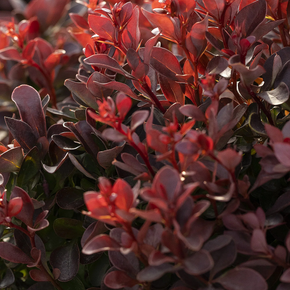
- Stunning multi-season foliage emerges coral-pink in spring, matures to rich burgundy through summer, and transitions to vibrant plum-purple in fall for year-round color impact.
- Compact, dense mounding habit reaches approximately 2-3 feet tall and wide, making it ideal for low hedges, borders, mass plantings, and container gardening without crowding the landscape.
- Exceptionally tough and low-maintenance — drought tolerant once established, deer resistant, rust resistant, and approved for planting in states with barberry rust restrictions.
- Spring clusters of small yellow flowers give way to showy red berries that persist through fall and into winter, providing multi-season ornamental and wildlife interest.
Lava Nugget Martha Barberry (Berberis thunbergii 'Martha' PP#30594) is a standout compact deciduous shrub prized for its extraordinary foliage display and easy-care nature, making it a top choice for gardeners in Southern Oregon and Northern California landscapes. This Monrovia introduction sets itself apart with unusually large, glossy oval leaves that emerge a striking coral-pink in early spring before deepening to a rich, saturated burgundy through the heat of summer, then culminating in a spectacular plum-purple show in autumn. Petite clusters of cheerful yellow flowers hang beneath the arching branches in mid-spring, followed by abundant showy red drupes that persist well into the fall and winter months. Growing into a dense, rounded mound roughly 2-3 feet tall and wide with a relatively fast growth rate, Lava Nugget Martha is exceptionally versatile in the landscape — perfectly suited for low informal hedges, defined borders, mass plantings, foundation beds, and decorative container arrangements. Hardy in USDA Zones 4-8, this tough shrub tolerates a wide range of soil types and adapts well to both dry and moderately moist conditions, thriving in everything from urban streetscapes to xeriscape designs. Its naturally thorny stems provide an added layer of deer deterrence, while its rust-resistant breeding makes it a responsible and regionally approved choice. Whether used as a bold focal point against green or gold-foliaged companions or massed for dramatic landscape impact, Lava Nugget Martha Barberry delivers reliable color, structure, and four-season interest with minimal maintenance demands.
Plant Description
Lava Nugget Martha Barberry is a beautiful, compact, large-leaved cultivar of Japanese Barberry (Berberis thunbergii). It forms a dense, multi-stemmed, rounded mound that fills out right to the ground, requiring no facer plants in front. What distinguishes this variety from other barberries is the notably large, glossy oval leaves that deliver exceptional depth of color through every stage of the growing season. The thorny, arching stems add structure and natural texture to the planting, and the shrub's fine-to-medium foliage texture creates an appealing contrast with bolder-leaved landscape plants. It is a selected cultivar holding Plant Patent #30594 and is recognized for its rust resistance and suitability in states where barberry rust restrictions apply. This is a deciduous shrub, meaning it drops its foliage in winter after putting on its final fall color display.
Mature Size
| Characteristic | Detail |
|---|---|
| Mature Height | 2 to 3 feet |
| Mature Spread | 2 to 3 feet |
| Growth Rate | Relatively fast under ideal conditions |
| Growth Habit | Dense, mounding, rounded, multi-stemmed |
| Expected Lifespan | Approximately 20 years under ideal conditions |
Hardiness Zones
Lava Nugget Martha Barberry is hardy in USDA Zones 4a through 8b. This broad cold hardiness range makes it an excellent choice for the variable climates of Southern Oregon and Northern California, from the cooler inland valleys to the warmer coastal foothills. It handles cold winters without any special protection and is equally capable of tolerating the heat and dry summers typical of the region. No winter mulching or wrapping is required in Zones 5-8.
Sunlight Requirements
Lava Nugget Martha Barberry performs best in full sun to partial shade, with a minimum of 6 hours of direct sunlight per day recommended for the most intense and saturated foliage color. In full sun, the rich burgundy tones remain deeply saturated throughout summer without fading. When planted in partial shade, the shrub will still grow well, but foliage color may be somewhat less vibrant and the overall growth habit may become slightly more open. For mass plantings and hedge applications where strong, consistent color is desired, a full-sun location is the ideal choice.
Soil and pH Preferences
This barberry is highly adaptable and not particularly fussy about soil type, performing well in loamy, sandy, and even clay soils as long as drainage is adequate. It absolutely will not tolerate standing water or consistently waterlogged conditions, which can lead to root rot. It is tolerant of environmental salts and urban soil conditions. For best results, amend heavy clay soils with compost or coarse grit to improve drainage before planting. Lava Nugget Martha thrives in a slightly acidic to neutral soil pH range of approximately 5.5 to 7.0, though it demonstrates tolerance outside of this range. A layer of mulch around the root zone helps regulate soil temperature, retain moisture, and suppress weeds.
Watering Guide
- At Planting: Water deeply and thoroughly at the time of planting to settle the soil around the root ball and eliminate air pockets.
- First Season: Water regularly during the first growing season to support root establishment. Check soil moisture frequently during hot, dry spells and water before the soil completely dries out.
- Established Plants: Once established, Lava Nugget Martha Barberry is considered drought tolerant, making it well suited to low-water and xeriscape gardens. Deep, infrequent watering is preferred over frequent shallow irrigation.
- Avoid Overwatering: Allow the soil to dry out somewhat between waterings. Soggy or consistently wet soil is the most common cause of decline and should be avoided at all times.
- Seasonal Adjustments: Increase watering frequency during the hottest and driest months of summer, particularly for newly planted or container-grown specimens.
Fertilizing
Lava Nugget Martha Barberry has modest fertilizer needs and does not require heavy feeding. In early spring, apply a balanced, slow-release shrub fertilizer according to the manufacturer's recommended rate to support healthy new growth and vibrant foliage color. Alternatively, top-dressing with a layer of well-aged compost around the drip line each spring will provide gentle, natural nutrition. Avoid high-nitrogen fertilizers, which can encourage excessive leafy growth at the expense of foliage color intensity. Do not fertilize after midsummer, as late-season feeding can stimulate soft new growth that is vulnerable to early frost damage.
Pruning and Maintenance
One of the great advantages of Lava Nugget Martha Barberry is its naturally compact, self-shaping habit that requires very little pruning to maintain a tidy appearance. When pruning is needed for size control or to remove dead, damaged, or crossing branches, the best time is late winter to early spring just before new growth emerges. Light shaping can also be done immediately after the spring flowering period to preserve the season's berry display. Wear thick leather gloves when pruning, as the stems are equipped with sharp thorns. Since this shrub fills out fully to the ground on its own, only selective thinning rather than hard shearing is typically required. Remove any dead or damaged canes at the base each season to keep the interior of the plant open and healthy.
Planting Instructions
- Choose a planting site that receives full sun to partial shade with well-draining soil. Avoid low spots where water collects.
- Dig a planting hole two to three times as wide as the root ball and equal in depth. Backfill the bottom with native soil rather than amended mix to encourage roots to spread outward.
- Remove the plant from its container and gently loosen any circling roots before placing it in the hole. Set the plant so the top of the root ball sits level with or very slightly above the surrounding soil grade.
- Backfill the hole with the removed soil, firming it lightly around the root ball as you go to eliminate large air pockets. Do not bury the crown of the plant.
- Create a shallow watering basin around the plant and water thoroughly to settle the soil.
- Apply a 2- to 3-inch layer of organic mulch — such as shredded bark or wood chips — over the root zone, keeping it pulled back a few inches from the main stem to prevent rot.
- For mass plantings or low hedges, space plants approximately 2 to 2.5 feet apart on center to allow for mature spread while achieving a full, continuous look.
Seasonal Interest
| Season | Ornamental Feature |
|---|---|
| Spring | New foliage emerges in striking coral-pink and orange-red tones; clusters of small, bright yellow flowers hang below the branches in mid-spring |
| Summer | Large, glossy oval leaves deepen to rich, saturated burgundy with hints of deep purple; color holds well in heat without fading |
| Fall | Foliage transforms to outstanding plum-purple tones; showy red berry-like drupes ripen and persist in abundance on the branches |
| Winter | After leaf drop, bright red berries persist on the bare branches, providing ornamental color and a food source for birds through the colder months |
Landscape Uses
- Low Hedge or Border: The dense, naturally rounded habit and uniform size make it ideal for defining garden edges and low informal hedges along walkways and driveways.
- Mass Planting: Consistent size and exceptionally rich foliage color create dramatic visual impact when planted in groupings of three or more.
- Foundation Planting: Compact size and easy maintenance near structures make this an excellent low-maintenance choice for foundation beds.
- Accent or Specimen Plant: Bold foliage color and refined form stand out beautifully as a singular accent when surrounded by green or gold-leaved companions.
- Xeriscape and Low-Water Gardens: Drought tolerance once established makes it a reliable choice for water-wise landscape designs.
- Urban and Street Plantings: High tolerance for salt, pollution, and compacted urban soils makes it suitable for challenging high-traffic landscape environments.
- Container Gardening: Compact size and bold color translate exceptionally well to large decorative patio containers and entry pots.
- Barrier Planting: Sharp thorns along the stems provide a natural deterrent to foot traffic and browsing animals when planted as a low barrier hedge.
Companion Plants
Lava Nugget Martha Barberry's deep burgundy and coral-red tones create striking combinations with a wide range of companion plants. For maximum contrast, pair it with gold or chartreuse-foliaged shrubs such as golden Japanese spirea, Little Honey oakleaf hydrangea, or Gold Mound spirea. Ornamental grasses like Karl Foerster feather reed grass, Mexican feather grass, or purple fountain grass echo its fine texture while complementing its warm tones. Blue-flowering perennials such as catmint, salvia, or agastache provide vibrant color contrast against the dark foliage. For multi-season layering, combine it with evergreen companions like dwarf boxwood or creeping juniper for year-round structure. Coral bells (Heuchera) in complementary bronze or gold tones work beautifully as a low-growing foreground plant. In containers, pair it with trailing petunias, sweet potato vine in lime or black, or silver dusty miller for a bold seasonal display.
Pests and Diseases
Lava Nugget Martha Barberry is generally a tough and pest-resistant shrub, but occasional issues may arise under stressful growing conditions. Below are the most common concerns to watch for:
- Powdery Mildew: White, powdery coating may appear on leaves in humid conditions with poor air circulation. Improve spacing and avoid overhead irrigation. Treat with a labeled fungicide if persistent.
- Leaf Spot / Anthracnose: Dark spots or irregular lesions on leaves can occur during wet seasons. Remove and dispose of affected foliage; avoid wetting leaves when watering.
- Aphids: Small clusters of soft-bodied insects may occasionally appear on new growth in spring. A strong stream of water or an insecticidal soap application usually resolves infestations quickly.
- Scale Insects: Rare but possible; look for small, waxy bumps on stems. Treat with horticultural oil during the dormant season or when crawlers are active.
- Root Rot: The most serious risk, typically caused by overwatering or poorly drained soil. Plant in well-drained sites and avoid waterlogged conditions to prevent this entirely.
- Rust Resistance: This variety is specifically bred and approved for rust resistance, making it a safe and responsible choice in states that regulate barberry plantings for wheat rust concerns.
Container Growing
Lava Nugget Martha Barberry adapts very well to life in a container, making it an excellent choice for patios, entryways, and outdoor living spaces in Southern Oregon and Northern California. Choose a large container — at least 16 to 18 inches in diameter — with multiple drainage holes to prevent waterlogging. Use a high-quality, well-draining potting mix formulated for shrubs or ornamental plants; adding a portion of coarse perlite will improve drainage further. Position the container in a location that receives full sun to partial shade. Container-grown plants will need more frequent watering than those in the ground, as pots dry out more quickly, especially in summer heat. Feed with a balanced, slow-release fertilizer in spring. In colder winters, container plants may need to be moved to a sheltered location or insulated to protect the roots from freezing, as pots offer less insulation than in-ground planting. Refresh or repot every two to three years as the plant grows and the potting mix depletes.
Wildlife Value
While Lava Nugget Martha Barberry is well known for its deer resistance — thanks to its sharp thorns and bitter-tasting foliage — it does offer meaningful wildlife value in other respects. The small yellow spring flowers attract bees and other beneficial pollinators seeking early-season nectar. The dense, thorny branching structure provides excellent cover and nesting habitat for small birds seeking protection from predators. The showy red berries that ripen in fall and persist through winter serve as a food source for a variety of songbirds, including robins, cedar waxwings, and thrushes, particularly during the lean winter months when other food sources are scarce.
Special Features and Notes
- Rust Resistant: Specifically bred and approved for planting in states with wheat stem rust restrictions on barberry — including Oregon and California — making this a regionally responsible selection.
- Plant Patent: Protected under Plant Patent #30594 as a unique and distinct cultivar.
- Deer Resistant: Sharp thorns and bitter foliage make this shrub unattractive to deer browsing.
- Drought Tolerant: Once established, thrives in low-water and xeriscape landscape situations.
- Salt Tolerant: Handles environmental salt, making it suitable for roadside and urban plantings.
- Urban Tough: Highly tolerant of air pollution, compacted soils, and other urban stressors.
- Caution — Thorns: The stems bear sharp spines. Wear thick leather gloves when handling, planting, or pruning. Plant away from high-traffic areas where children or pets may brush against the branches.
- Toxicity: All parts of Berberis thunbergii are considered toxic if ingested in significant quantities. Keep away from curious pets and children, and contact Poison Control or a veterinarian immediately if ingestion is suspected.
- Stunning multi-season foliage emerges coral-pink in spring, matures to rich burgundy through summer, and transitions to vibrant plum-purple in fall for year-round color impact.
- Compact, dense mounding habit reaches approximately 2-3 feet tall and wide, making it ideal for low hedges, borders, mass plantings, and container gardening without crowding the landscape.
- Exceptionally tough and low-maintenance — drought tolerant once established, deer resistant, rust resistant, and approved for planting in states with barberry rust restrictions.
- Spring clusters of small yellow flowers give way to showy red berries that persist through fall and into winter, providing multi-season ornamental and wildlife interest.
Lava Nugget Martha Barberry (Berberis thunbergii 'Martha' PP#30594) is a standout compact deciduous shrub prized for its extraordinary foliage display and easy-care nature, making it a top choice for gardeners in Southern Oregon and Northern California landscapes. This Monrovia introduction sets itself apart with unusually large, glossy oval leaves that emerge a striking coral-pink in early spring before deepening to a rich, saturated burgundy through the heat of summer, then culminating in a spectacular plum-purple show in autumn. Petite clusters of cheerful yellow flowers hang beneath the arching branches in mid-spring, followed by abundant showy red drupes that persist well into the fall and winter months. Growing into a dense, rounded mound roughly 2-3 feet tall and wide with a relatively fast growth rate, Lava Nugget Martha is exceptionally versatile in the landscape — perfectly suited for low informal hedges, defined borders, mass plantings, foundation beds, and decorative container arrangements. Hardy in USDA Zones 4-8, this tough shrub tolerates a wide range of soil types and adapts well to both dry and moderately moist conditions, thriving in everything from urban streetscapes to xeriscape designs. Its naturally thorny stems provide an added layer of deer deterrence, while its rust-resistant breeding makes it a responsible and regionally approved choice. Whether used as a bold focal point against green or gold-foliaged companions or massed for dramatic landscape impact, Lava Nugget Martha Barberry delivers reliable color, structure, and four-season interest with minimal maintenance demands.
Plant Description
Lava Nugget Martha Barberry is a beautiful, compact, large-leaved cultivar of Japanese Barberry (Berberis thunbergii). It forms a dense, multi-stemmed, rounded mound that fills out right to the ground, requiring no facer plants in front. What distinguishes this variety from other barberries is the notably large, glossy oval leaves that deliver exceptional depth of color through every stage of the growing season. The thorny, arching stems add structure and natural texture to the planting, and the shrub's fine-to-medium foliage texture creates an appealing contrast with bolder-leaved landscape plants. It is a selected cultivar holding Plant Patent #30594 and is recognized for its rust resistance and suitability in states where barberry rust restrictions apply. This is a deciduous shrub, meaning it drops its foliage in winter after putting on its final fall color display.
Mature Size
| Characteristic | Detail |
|---|---|
| Mature Height | 2 to 3 feet |
| Mature Spread | 2 to 3 feet |
| Growth Rate | Relatively fast under ideal conditions |
| Growth Habit | Dense, mounding, rounded, multi-stemmed |
| Expected Lifespan | Approximately 20 years under ideal conditions |
Hardiness Zones
Lava Nugget Martha Barberry is hardy in USDA Zones 4a through 8b. This broad cold hardiness range makes it an excellent choice for the variable climates of Southern Oregon and Northern California, from the cooler inland valleys to the warmer coastal foothills. It handles cold winters without any special protection and is equally capable of tolerating the heat and dry summers typical of the region. No winter mulching or wrapping is required in Zones 5-8.
Sunlight Requirements
Lava Nugget Martha Barberry performs best in full sun to partial shade, with a minimum of 6 hours of direct sunlight per day recommended for the most intense and saturated foliage color. In full sun, the rich burgundy tones remain deeply saturated throughout summer without fading. When planted in partial shade, the shrub will still grow well, but foliage color may be somewhat less vibrant and the overall growth habit may become slightly more open. For mass plantings and hedge applications where strong, consistent color is desired, a full-sun location is the ideal choice.
Soil and pH Preferences
This barberry is highly adaptable and not particularly fussy about soil type, performing well in loamy, sandy, and even clay soils as long as drainage is adequate. It absolutely will not tolerate standing water or consistently waterlogged conditions, which can lead to root rot. It is tolerant of environmental salts and urban soil conditions. For best results, amend heavy clay soils with compost or coarse grit to improve drainage before planting. Lava Nugget Martha thrives in a slightly acidic to neutral soil pH range of approximately 5.5 to 7.0, though it demonstrates tolerance outside of this range. A layer of mulch around the root zone helps regulate soil temperature, retain moisture, and suppress weeds.
Watering Guide
- At Planting: Water deeply and thoroughly at the time of planting to settle the soil around the root ball and eliminate air pockets.
- First Season: Water regularly during the first growing season to support root establishment. Check soil moisture frequently during hot, dry spells and water before the soil completely dries out.
- Established Plants: Once established, Lava Nugget Martha Barberry is considered drought tolerant, making it well suited to low-water and xeriscape gardens. Deep, infrequent watering is preferred over frequent shallow irrigation.
- Avoid Overwatering: Allow the soil to dry out somewhat between waterings. Soggy or consistently wet soil is the most common cause of decline and should be avoided at all times.
- Seasonal Adjustments: Increase watering frequency during the hottest and driest months of summer, particularly for newly planted or container-grown specimens.
Fertilizing
Lava Nugget Martha Barberry has modest fertilizer needs and does not require heavy feeding. In early spring, apply a balanced, slow-release shrub fertilizer according to the manufacturer's recommended rate to support healthy new growth and vibrant foliage color. Alternatively, top-dressing with a layer of well-aged compost around the drip line each spring will provide gentle, natural nutrition. Avoid high-nitrogen fertilizers, which can encourage excessive leafy growth at the expense of foliage color intensity. Do not fertilize after midsummer, as late-season feeding can stimulate soft new growth that is vulnerable to early frost damage.
Pruning and Maintenance
One of the great advantages of Lava Nugget Martha Barberry is its naturally compact, self-shaping habit that requires very little pruning to maintain a tidy appearance. When pruning is needed for size control or to remove dead, damaged, or crossing branches, the best time is late winter to early spring just before new growth emerges. Light shaping can also be done immediately after the spring flowering period to preserve the season's berry display. Wear thick leather gloves when pruning, as the stems are equipped with sharp thorns. Since this shrub fills out fully to the ground on its own, only selective thinning rather than hard shearing is typically required. Remove any dead or damaged canes at the base each season to keep the interior of the plant open and healthy.
Planting Instructions
- Choose a planting site that receives full sun to partial shade with well-draining soil. Avoid low spots where water collects.
- Dig a planting hole two to three times as wide as the root ball and equal in depth. Backfill the bottom with native soil rather than amended mix to encourage roots to spread outward.
- Remove the plant from its container and gently loosen any circling roots before placing it in the hole. Set the plant so the top of the root ball sits level with or very slightly above the surrounding soil grade.
- Backfill the hole with the removed soil, firming it lightly around the root ball as you go to eliminate large air pockets. Do not bury the crown of the plant.
- Create a shallow watering basin around the plant and water thoroughly to settle the soil.
- Apply a 2- to 3-inch layer of organic mulch — such as shredded bark or wood chips — over the root zone, keeping it pulled back a few inches from the main stem to prevent rot.
- For mass plantings or low hedges, space plants approximately 2 to 2.5 feet apart on center to allow for mature spread while achieving a full, continuous look.
Seasonal Interest
| Season | Ornamental Feature |
|---|---|
| Spring | New foliage emerges in striking coral-pink and orange-red tones; clusters of small, bright yellow flowers hang below the branches in mid-spring |
| Summer | Large, glossy oval leaves deepen to rich, saturated burgundy with hints of deep purple; color holds well in heat without fading |
| Fall | Foliage transforms to outstanding plum-purple tones; showy red berry-like drupes ripen and persist in abundance on the branches |
| Winter | After leaf drop, bright red berries persist on the bare branches, providing ornamental color and a food source for birds through the colder months |
Landscape Uses
- Low Hedge or Border: The dense, naturally rounded habit and uniform size make it ideal for defining garden edges and low informal hedges along walkways and driveways.
- Mass Planting: Consistent size and exceptionally rich foliage color create dramatic visual impact when planted in groupings of three or more.
- Foundation Planting: Compact size and easy maintenance near structures make this an excellent low-maintenance choice for foundation beds.
- Accent or Specimen Plant: Bold foliage color and refined form stand out beautifully as a singular accent when surrounded by green or gold-leaved companions.
- Xeriscape and Low-Water Gardens: Drought tolerance once established makes it a reliable choice for water-wise landscape designs.
- Urban and Street Plantings: High tolerance for salt, pollution, and compacted urban soils makes it suitable for challenging high-traffic landscape environments.
- Container Gardening: Compact size and bold color translate exceptionally well to large decorative patio containers and entry pots.
- Barrier Planting: Sharp thorns along the stems provide a natural deterrent to foot traffic and browsing animals when planted as a low barrier hedge.
Companion Plants
Lava Nugget Martha Barberry's deep burgundy and coral-red tones create striking combinations with a wide range of companion plants. For maximum contrast, pair it with gold or chartreuse-foliaged shrubs such as golden Japanese spirea, Little Honey oakleaf hydrangea, or Gold Mound spirea. Ornamental grasses like Karl Foerster feather reed grass, Mexican feather grass, or purple fountain grass echo its fine texture while complementing its warm tones. Blue-flowering perennials such as catmint, salvia, or agastache provide vibrant color contrast against the dark foliage. For multi-season layering, combine it with evergreen companions like dwarf boxwood or creeping juniper for year-round structure. Coral bells (Heuchera) in complementary bronze or gold tones work beautifully as a low-growing foreground plant. In containers, pair it with trailing petunias, sweet potato vine in lime or black, or silver dusty miller for a bold seasonal display.
Pests and Diseases
Lava Nugget Martha Barberry is generally a tough and pest-resistant shrub, but occasional issues may arise under stressful growing conditions. Below are the most common concerns to watch for:
- Powdery Mildew: White, powdery coating may appear on leaves in humid conditions with poor air circulation. Improve spacing and avoid overhead irrigation. Treat with a labeled fungicide if persistent.
- Leaf Spot / Anthracnose: Dark spots or irregular lesions on leaves can occur during wet seasons. Remove and dispose of affected foliage; avoid wetting leaves when watering.
- Aphids: Small clusters of soft-bodied insects may occasionally appear on new growth in spring. A strong stream of water or an insecticidal soap application usually resolves infestations quickly.
- Scale Insects: Rare but possible; look for small, waxy bumps on stems. Treat with horticultural oil during the dormant season or when crawlers are active.
- Root Rot: The most serious risk, typically caused by overwatering or poorly drained soil. Plant in well-drained sites and avoid waterlogged conditions to prevent this entirely.
- Rust Resistance: This variety is specifically bred and approved for rust resistance, making it a safe and responsible choice in states that regulate barberry plantings for wheat rust concerns.
Container Growing
Lava Nugget Martha Barberry adapts very well to life in a container, making it an excellent choice for patios, entryways, and outdoor living spaces in Southern Oregon and Northern California. Choose a large container — at least 16 to 18 inches in diameter — with multiple drainage holes to prevent waterlogging. Use a high-quality, well-draining potting mix formulated for shrubs or ornamental plants; adding a portion of coarse perlite will improve drainage further. Position the container in a location that receives full sun to partial shade. Container-grown plants will need more frequent watering than those in the ground, as pots dry out more quickly, especially in summer heat. Feed with a balanced, slow-release fertilizer in spring. In colder winters, container plants may need to be moved to a sheltered location or insulated to protect the roots from freezing, as pots offer less insulation than in-ground planting. Refresh or repot every two to three years as the plant grows and the potting mix depletes.
Wildlife Value
While Lava Nugget Martha Barberry is well known for its deer resistance — thanks to its sharp thorns and bitter-tasting foliage — it does offer meaningful wildlife value in other respects. The small yellow spring flowers attract bees and other beneficial pollinators seeking early-season nectar. The dense, thorny branching structure provides excellent cover and nesting habitat for small birds seeking protection from predators. The showy red berries that ripen in fall and persist through winter serve as a food source for a variety of songbirds, including robins, cedar waxwings, and thrushes, particularly during the lean winter months when other food sources are scarce.
Special Features and Notes
- Rust Resistant: Specifically bred and approved for planting in states with wheat stem rust restrictions on barberry — including Oregon and California — making this a regionally responsible selection.
- Plant Patent: Protected under Plant Patent #30594 as a unique and distinct cultivar.
- Deer Resistant: Sharp thorns and bitter foliage make this shrub unattractive to deer browsing.
- Drought Tolerant: Once established, thrives in low-water and xeriscape landscape situations.
- Salt Tolerant: Handles environmental salt, making it suitable for roadside and urban plantings.
- Urban Tough: Highly tolerant of air pollution, compacted soils, and other urban stressors.
- Caution — Thorns: The stems bear sharp spines. Wear thick leather gloves when handling, planting, or pruning. Plant away from high-traffic areas where children or pets may brush against the branches.
- Toxicity: All parts of Berberis thunbergii are considered toxic if ingested in significant quantities. Keep away from curious pets and children, and contact Poison Control or a veterinarian immediately if ingestion is suspected.