

Zoom the image with the mouse
Yellow Twig Dogwood - 2 Gallon
SKU:
2071630
UPC:
14949491164
$39.99
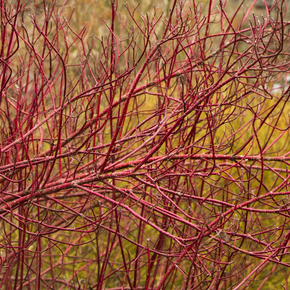
- Brilliant golden-yellow stems ignite the winter landscape with vivid color, providing outstanding seasonal interest when most shrubs have gone dormant.
- A fast-growing, low-maintenance native shrub that tolerates wet soils, clay, and deer, making it ideal for rain gardens, streambanks, and challenging planting sites.
- Four seasons of beauty: creamy-white spring flower clusters, lush dark green summer foliage, fiery orange-red fall color, and glowing yellow winter stems.
- Attracts butterflies, specialized native bees, and songbirds while its spreading root system naturally controls erosion on slopes and stream banks.
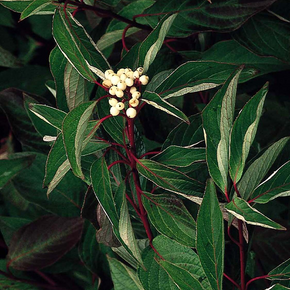
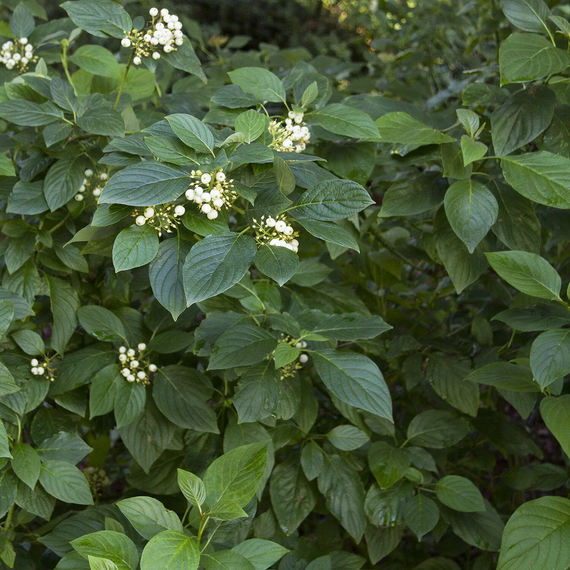
Yellow Twig Dogwood (Cornus sericea 'Flaviramea') is a striking, multi-stemmed deciduous shrub celebrated for its luminous golden-yellow stems that blaze through the winter garden like rays of sunlight on bare ground. A native North American cultivar of the red-twig dogwood species, 'Flaviramea' — whose Latin name literally means "yellow branch" — is a rapid-growing, suckering shrub that reaches 5 to 6 feet tall and wide at maturity, delivering remarkable four-season interest. In late spring, flat-topped clusters of creamy-white flowers draw in butterflies, native bees, and pollinators, giving way to clusters of bluish-tinged white berries relished by songbirds through summer and fall. The broad, ovate, dark green leaves create a lush backdrop through the warm months before transforming into brilliant shades of reddish-orange in autumn. Once the foliage drops, the shrub's true showstopper is revealed: dense, upright canes glowing in vivid greenish-gold to bright golden-yellow that intensify through the coldest months of winter. Hardy in USDA Zones 3 through 8, this adaptable, deer-resistant shrub thrives in full sun to partial shade and tolerates a wide range of soil conditions — including wet, boggy, and clay-heavy sites — making it an exceptional choice for rain gardens, pondside plantings, naturalized areas, and mass plantings throughout Southern Oregon and Northern California landscapes.
Plant Description
Yellow Twig Dogwood is a vigorous, multi-stemmed, suckering deciduous shrub belonging to the Cornaceae (dogwood) family. Its most celebrated feature is the brilliant greenish-yellow to golden-yellow coloration of its younger stems, which intensifies dramatically in fall and winter after the leaves have dropped. The cultivar name 'Flaviramea' is Latinized Latin meaning "yellow branch," a fitting description of this shrub's greatest ornamental asset. The plant spreads gradually through stoloniferous roots, forming dense, rounded clumps over time. It was previously classified as Cornus stolonifera 'Flaviramea' and may still be found under that synonym. The brightest and most vivid stem color is always found on the youngest, most recently grown canes — a key detail that informs proper pruning practices.
Mature Size
| Attribute | Measurement |
|---|---|
| Mature Height | 5 to 6 feet |
| Mature Spread | 5 to 6 feet |
| Growth Rate | Fast — can spread up to 2 feet per growing season |
| Plant Form | Multi-stemmed, mounding, and spreading with a suckering habit |
| Recommended Spacing | 6 to 8 feet on center for mass plantings |
Hardiness and Climate
Yellow Twig Dogwood is exceptionally cold-hardy and adaptable, thriving across a broad range of climates in the continental United States. It performs best when protected from extreme prolonged heat and high humidity, which can stress the plant and increase disease susceptibility south of USDA Zone 7.
| Attribute | Detail |
|---|---|
| USDA Hardiness Zones | 3 to 8 |
| AHS Heat Zones | 1 to 8 |
| RHS Hardiness Rating | H7 — hardy in the severest continental climates |
| Origin | Native to North America (excluding the lower Midwest and Deep South) |
| Best Performance | Zones 3 through 7; heat stress increases disease risk in Zones 8 and above |
Sunlight Requirements
Yellow Twig Dogwood is flexible in its light requirements, performing well across a range of exposures. However, sunlight directly influences the intensity of its signature stem color — the more sun the plant receives, the more vivid and golden the winter stems will appear. Plants grown in heavier shade tend to produce stems with a more muted, greenish-yellow hue.
- Full Sun (6+ hours of direct sunlight daily): Optimal for the most intense golden stem color and strongest overall vigor.
- Partial Shade (2 to 6 hours of direct sunlight daily): Acceptable; the plant grows well but stem color may be less brilliant.
- Aspect: South-, west-, or east-facing exposures are all suitable. Sheltered or exposed sites are tolerated.
Soil and pH Preferences
One of the most adaptable shrubs available for challenging garden sites, Yellow Twig Dogwood tolerates an exceptionally wide range of soil types and drainage conditions — one of its most valuable landscape attributes.
- Soil Types: Loam, clay, sand, chalk, and high-organic-matter soils are all tolerated.
- Preferred pH: Acidic to neutral (5.5 to 7.5) is ideal; tolerates mildly alkaline soils as well.
- Moisture Tolerance: Performs exceptionally well in consistently moist to wet soils, boggy conditions, and sites with periodic flooding where most shrubs fail.
- Best Performance: Organically rich, consistently moist but well-drained soil in full sun produces the most vigorous growth and the most brilliant stem color.
- Special Tolerances: Clay soil, wet soil, and occasionally dry soils once established.
Watering Guide
Yellow Twig Dogwood is a moisture-loving shrub that thrives in reliably moist to wet conditions, making it one of the best choices for low spots, rain gardens, and streamside plantings. While it is naturally tolerant of wet sites, it is also moderately adaptable once established.
- Newly Planted Shrubs: Water deeply and regularly after planting until the root system is fully established, typically through the first growing season. Keep the soil evenly moist but not waterlogged in average garden sites.
- Established Plants: Generally low-maintenance once established. In average garden soils, provide supplemental irrigation during prolonged hot, dry spells. In wet or rain-garden sites, natural rainfall is usually sufficient.
- Wet Site Performance: This shrub excels in constantly moist to boggy areas along ponds, streams, and drainage swales where most other ornamental shrubs would decline or fail.
- Drought Tolerance: Some drought tolerance once fully established, but extended dry periods may stress the plant and reduce vigor. Mulching helps retain soil moisture in drier sites.
Fertilizing
Yellow Twig Dogwood is an undemanding, low-maintenance shrub when it comes to fertilization. In most average to rich garden soils, supplemental feeding is rarely necessary for healthy growth.
- General Feeding: In fertile, organically rich soil, no routine fertilization is required. The shrub is naturally vigorous and will grow and spread readily without supplemental nutrition.
- Optional Spring Feeding: If desired, apply a 1- to 2-inch layer of well-aged compost around the base of the plant in early spring to gently enrich the soil and support new growth. Alternatively, a slow-release granular fertilizer formulated for trees and shrubs can be applied once per year in early spring.
- Avoid Over-Fertilizing: Excess nitrogen can promote overly lush, soft growth that is more susceptible to pests and disease, and may actually reduce the intensity of stem color. Less is more with this species.
- Mulching: Applying a 2- to 3-inch layer of organic mulch (such as wood chips or shredded bark) around the root zone helps retain soil moisture, regulate soil temperature, and slowly improve soil fertility as it decomposes — a simple, low-effort way to keep this shrub thriving.
Pruning and Maintenance
Pruning is the single most important cultural practice for keeping Yellow Twig Dogwood looking its best. Because the brightest, most vivid golden-yellow stem color appears exclusively on young, new growth, a consistent pruning routine is essential to maintain the plant's ornamental value over time. Old stems gradually fade to a dull brownish-green and lose their visual impact if left unpruned.
There are two accepted pruning strategies:
- Annual Selective Pruning (Recommended): Each year in early spring — just as the leaf buds begin to swell — remove 20 to 25% of the oldest, thickest stems at or near ground level. This encourages a constant flush of bright new canes while retaining flowers and berries on second-year wood. Repeat every spring to maintain a balance of ages and a consistently colorful display.
- Hard Coppicing Every 2 to 3 Years: As an alternative, cut all stems back to 6 to 8 inches from the ground in early spring every two to three years. This results in a brief bare period and the loss of that season's flowers and berries, but produces the most uniformly vivid stem color the following winter. This method is especially effective for rejuvenating neglected or overgrown plants.
Always use clean, sharp pruning tools and sterilize blades between cuts to reduce the risk of disease transmission. Remove any dead, damaged, or crossing branches as needed at any time of year. To control the plant's naturally spreading habit, use a sharp spade to cut back the outer roots and promptly remove unwanted root suckers.
Planting Instructions
- Choose the Right Site: Select a location with full sun to partial shade. Moist, organically rich soil is ideal, but most soil types are tolerated. Low-lying areas, rain gardens, pondside locations, and streambanks are all excellent choices.
- Prepare the Planting Hole: Dig a hole approximately twice as wide as the root ball and roughly the same depth. Loosen the surrounding soil to encourage root spread.
- Amend if Needed: In lean or sandy soils, incorporate compost or aged organic matter into the backfill to improve moisture retention and fertility. In heavy clay, work in compost to improve structure and drainage.
- Set the Plant: Remove the shrub from its container and gently loosen any circling or pot-bound roots. Set the plant in the hole so the top of the root ball is level with or very slightly above the surrounding soil grade.
- Backfill and Firm: Fill in with the native or amended soil, gently tamping down as you go to eliminate large air pockets. Do not compress the soil too heavily around the roots.
- Water Thoroughly: Water deeply immediately after planting to settle the soil around the roots. Keep the root zone consistently moist throughout the first growing season.
- Mulch: Apply a 2- to 3-inch layer of organic mulch around the base of the plant, keeping mulch a few inches away from the main stems to discourage rot and pests.
- Spacing: For mass plantings or hedges, space plants 6 to 8 feet apart on center to allow for mature spread. The suckering habit will naturally fill in gaps over time.
Seasonal Interest
| Season | Ornamental Features |
|---|---|
| Spring | Greenish-yellow new stems emerge; flat-topped clusters of small, creamy-white flowers bloom in late spring (May to June), attracting butterflies and native bees |
| Summer | Lush, dark green ovate foliage provides a full, leafy backdrop; clusters of bluish-tinged white berries develop through summer, attracting songbirds |
| Fall | Foliage transitions to warm shades of reddish-orange before dropping; berry clusters remain ornamentally attractive; stems begin to shift to brighter gold |
| Winter | The leafless plant showcases its most dramatic display — upright canes glowing in vivid golden-yellow, most intense on the youngest stems; striking against snow, evergreens, or dark mulch; stems can be cut for floral arrangements and holiday displays |
Landscape Uses
Yellow Twig Dogwood is one of the most versatile ornamental shrubs available, performing beautifully across a wide range of landscape applications:
- Winter Garden Focal Point: Plant as a standalone specimen where golden winter stems can be admired against a backdrop of evergreens, dark fences, or snow.
- Mass Plantings: Group three or more plants together for a bold sweep of winter color in large borders, meadow gardens, or naturalized areas.
- Mixed Shrub Borders: Combine with red-twig dogwood cultivars or evergreen shrubs for striking bicolor winter stem contrast.
- Rain Gardens and Wet Areas: One of the best ornamental shrubs for rain gardens, bioswales, low-lying areas, and flood-prone spots where soil stays consistently moist.
- Streamside and Pondside Plantings: Thrives along the edges of water features, streams, and ponds, where its spreading roots stabilize banks.
- Erosion Control: The vigorous, spreading root system makes it highly effective at stabilizing slopes, banks, and disturbed soils.
- Naturalized Areas and Wildlife Gardens: Allowed to spread freely, it forms beautiful thickets that provide nesting cover, food, and habitat for birds and beneficial insects.
- Hedging and Screening: Can be planted in rows along property lines for a dense, informal seasonal screen.
- Cut Stem Arrangements: Harvested golden stems are a prized addition to winter floral arrangements, holiday wreaths, and seasonal displays.
Companion Plants
Yellow Twig Dogwood pairs beautifully with plants that share similar moisture and light requirements, or that provide complementary color and texture contrast in the landscape. Consider these combinations:
- For Winter Stem Contrast: Plant alongside red-twig dogwood varieties (such as Cornus sericea 'Isanti') for a stunning bicolor display of gold and red stems against the winter sky.
- For Winter Garden Interest: Combine with witch hazel (Hamamelis), winter heath (Erica carnea), hellebores, and ornamental grasses such as maiden grass (Miscanthus sinensis) for a garden that glows in the cold months.
- For Wildlife and Naturalistic Plantings: Pair with winterberry holly (Ilex verticillata), Joe-Pye weed, swamp milkweed (Asclepias incarnata), and buttonbush (Cephalanthus occidentalis) to create wildlife-rich, moisture-tolerant planting schemes.
- For Streamside and Rain Garden Settings: Combine with ligularia, rose mallow (Hibiscus moscheutos), daylilies, and fountain grass for lush, layered summer interest in wet areas.
- For Evergreen Backdrop: Site in front of or adjacent to dark-needled conifers such as spruce, pine, or arborvitae to dramatically highlight the golden winter stems.
- For Cottage and Informal Borders: Pair with 'Emerald 'n' Gold' wintercreeper (Euonymus fortunei), pagoda dogwood, panicle hydrangeas, or azaleas for layered multi-season interest.
Pests and Diseases
Yellow Twig Dogwood is generally considered a robust, trouble-free shrub when grown in appropriate conditions. The majority of pest and disease issues arise when plants are stressed by heat, humidity, poor drainage, or improper siting.
Common Insect Pests:
- Dogwood Borer: Larvae tunnel into stems and can weaken canes; best managed by maintaining plant vigor and promptly removing heavily infested stems.
- Dogwood Twig Borer: Similar to the dogwood borer; prune and destroy affected stems.
- Dogwood Sawfly: Larvae may strip leaves in summer; populations are typically small and rarely require treatment beyond hand-removal.
- Leaf Miners and Scale: Occasional problems; generally minor and rarely require intervention in healthy, well-sited plants.
Common Diseases:
- Canker: Most likely in hot, humid climates (south of USDA Zone 7) or where plants are heat-stressed. Prune out affected wood and improve air circulation.
- Powdery Mildew: Can appear on foliage in warm, humid conditions with poor air circulation. Rarely serious; improve air flow through selective pruning.
- Leaf Spot: Fungal leaf spots may occur during wet seasons. Generally cosmetic and not harmful to plant health.
- Leaf and Twig Blight: Occasional in cool, damp conditions; remove and dispose of affected material.
- Root Rot: Can occur in poorly drained, waterlogged soils with no water movement. Note: this species thrives in naturally wet soils along streams and ponds where water moves, not in stagnant standing water.
- Cornus Anthracnose and Honey Fungus: Possible but uncommon; maintaining plant health and avoiding wounding are the best preventive measures.
Regular pruning to remove old, crowded stems and improve air circulation is the single most effective cultural practice for minimizing pest and disease pressure.
Wildlife Value
Yellow Twig Dogwood is a highly valuable plant for supporting local wildlife across all four seasons, making it an excellent choice for wildlife-friendly and pollinator-focused landscapes:
- Pollinators: The late-spring flower clusters attract butterflies and a wide variety of native bees, including several specialist bee species in the genus Andrena (Gonandrena fragilis, Andrena integra, and Andrena platyparia) that depend on Cornus as a pollen source.
- Songbirds: The clusters of bluish-tinged white berries (drupes) that ripen from summer through fall are highly attractive to many species of songbirds and other wildlife who rely on them as an important food source.
- Nesting and Shelter: The dense, multi-stemmed, thicket-forming habit provides excellent cover and nesting sites for birds and small mammals throughout the year.
- Beneficial Insects: The shrub serves as habitat for beneficial insects that contribute to a healthy garden ecosystem.
- Native Ecosystem Support: As a cultivar of a species native to North America, it supports the same ecological relationships that the straight species provides across the continent, making it a meaningful choice for ecological or restoration-oriented plantings.
Container Growing
While Yellow Twig Dogwood is most commonly grown as a landscape shrub, it can be successfully grown in large containers where its winter stem color can be positioned near entrances, patios, or other high-visibility areas for maximum seasonal impact.
- Container Size: Choose a large, sturdy container — at least 24 to 30 inches in diameter and depth — to accommodate the vigorous root system and provide adequate stability for the multi-stemmed form.
- Potting Mix: Use a high-quality, well-draining all-purpose potting mix. Incorporating moisture-retaining additives such as coir or water-absorbing polymers can help replicate the consistently moist soil conditions this shrub prefers.
- Watering in Containers: Container-grown plants dry out significantly faster than those in the ground. Water regularly and thoroughly, never allowing the root ball to completely dry out. This species is especially sensitive to prolonged drought in containers compared to established in-ground plants.
- Fertilizing in Containers: Apply a slow-release granular fertilizer formulated for trees and shrubs in early spring, and supplement with a balanced liquid fertilizer monthly through the growing season.
- Winter Considerations: Container roots are more exposed to temperature extremes than in-ground roots. In areas with prolonged hard freezes, move containers to a sheltered but unheated location (such as an unheated garage) to protect roots during the coldest periods.
- Display Ideas: Pair a container of Yellow Twig Dogwood with hellebores, cyclamen, and winterberry holly for a stunning multi-plant winter container display near your home's entrance.
Propagation
Yellow Twig Dogwood is straightforward to propagate using several methods, reflecting its naturally vigorous and adaptable nature:
- Hardwood Cuttings (Most Common): Take 6- to 8-inch hardwood cuttings from healthy, dormant stems in late fall or winter after leaf drop. Remove the lower leaves, dip the cut end in rooting hormone, and insert into a well-draining rooting medium. Keep moist and allow to root over winter or early spring. This is the primary commercial propagation method.
- Softwood Cuttings: Can also be taken in late spring or early summer from new, actively growing stem tips. Root in a humid environment with consistent moisture.
- Root Suckers: The plant naturally produces root suckers that spread from the base. These can be carefully dug with a portion of the root system attached and transplanted to a new location in early spring or fall. This is the easiest method for home gardeners.
- Division: Established clumps can be divided in early spring before leaf emergence or in early fall. Dig the entire clump and separate into sections, each with a healthy root system, then replant and water well.
- Controlling Spread: If colonial spread is not desired, promptly remove root suckers as they appear and use a sharp-edged spade to periodically cut back the root perimeter of established clumps.
- Brilliant golden-yellow stems ignite the winter landscape with vivid color, providing outstanding seasonal interest when most shrubs have gone dormant.
- A fast-growing, low-maintenance native shrub that tolerates wet soils, clay, and deer, making it ideal for rain gardens, streambanks, and challenging planting sites.
- Four seasons of beauty: creamy-white spring flower clusters, lush dark green summer foliage, fiery orange-red fall color, and glowing yellow winter stems.
- Attracts butterflies, specialized native bees, and songbirds while its spreading root system naturally controls erosion on slopes and stream banks.
Yellow Twig Dogwood (Cornus sericea 'Flaviramea') is a striking, multi-stemmed deciduous shrub celebrated for its luminous golden-yellow stems that blaze through the winter garden like rays of sunlight on bare ground. A native North American cultivar of the red-twig dogwood species, 'Flaviramea' — whose Latin name literally means "yellow branch" — is a rapid-growing, suckering shrub that reaches 5 to 6 feet tall and wide at maturity, delivering remarkable four-season interest. In late spring, flat-topped clusters of creamy-white flowers draw in butterflies, native bees, and pollinators, giving way to clusters of bluish-tinged white berries relished by songbirds through summer and fall. The broad, ovate, dark green leaves create a lush backdrop through the warm months before transforming into brilliant shades of reddish-orange in autumn. Once the foliage drops, the shrub's true showstopper is revealed: dense, upright canes glowing in vivid greenish-gold to bright golden-yellow that intensify through the coldest months of winter. Hardy in USDA Zones 3 through 8, this adaptable, deer-resistant shrub thrives in full sun to partial shade and tolerates a wide range of soil conditions — including wet, boggy, and clay-heavy sites — making it an exceptional choice for rain gardens, pondside plantings, naturalized areas, and mass plantings throughout Southern Oregon and Northern California landscapes.
Plant Description
Yellow Twig Dogwood is a vigorous, multi-stemmed, suckering deciduous shrub belonging to the Cornaceae (dogwood) family. Its most celebrated feature is the brilliant greenish-yellow to golden-yellow coloration of its younger stems, which intensifies dramatically in fall and winter after the leaves have dropped. The cultivar name 'Flaviramea' is Latinized Latin meaning "yellow branch," a fitting description of this shrub's greatest ornamental asset. The plant spreads gradually through stoloniferous roots, forming dense, rounded clumps over time. It was previously classified as Cornus stolonifera 'Flaviramea' and may still be found under that synonym. The brightest and most vivid stem color is always found on the youngest, most recently grown canes — a key detail that informs proper pruning practices.
Mature Size
| Attribute | Measurement |
|---|---|
| Mature Height | 5 to 6 feet |
| Mature Spread | 5 to 6 feet |
| Growth Rate | Fast — can spread up to 2 feet per growing season |
| Plant Form | Multi-stemmed, mounding, and spreading with a suckering habit |
| Recommended Spacing | 6 to 8 feet on center for mass plantings |
Hardiness and Climate
Yellow Twig Dogwood is exceptionally cold-hardy and adaptable, thriving across a broad range of climates in the continental United States. It performs best when protected from extreme prolonged heat and high humidity, which can stress the plant and increase disease susceptibility south of USDA Zone 7.
| Attribute | Detail |
|---|---|
| USDA Hardiness Zones | 3 to 8 |
| AHS Heat Zones | 1 to 8 |
| RHS Hardiness Rating | H7 — hardy in the severest continental climates |
| Origin | Native to North America (excluding the lower Midwest and Deep South) |
| Best Performance | Zones 3 through 7; heat stress increases disease risk in Zones 8 and above |
Sunlight Requirements
Yellow Twig Dogwood is flexible in its light requirements, performing well across a range of exposures. However, sunlight directly influences the intensity of its signature stem color — the more sun the plant receives, the more vivid and golden the winter stems will appear. Plants grown in heavier shade tend to produce stems with a more muted, greenish-yellow hue.
- Full Sun (6+ hours of direct sunlight daily): Optimal for the most intense golden stem color and strongest overall vigor.
- Partial Shade (2 to 6 hours of direct sunlight daily): Acceptable; the plant grows well but stem color may be less brilliant.
- Aspect: South-, west-, or east-facing exposures are all suitable. Sheltered or exposed sites are tolerated.
Soil and pH Preferences
One of the most adaptable shrubs available for challenging garden sites, Yellow Twig Dogwood tolerates an exceptionally wide range of soil types and drainage conditions — one of its most valuable landscape attributes.
- Soil Types: Loam, clay, sand, chalk, and high-organic-matter soils are all tolerated.
- Preferred pH: Acidic to neutral (5.5 to 7.5) is ideal; tolerates mildly alkaline soils as well.
- Moisture Tolerance: Performs exceptionally well in consistently moist to wet soils, boggy conditions, and sites with periodic flooding where most shrubs fail.
- Best Performance: Organically rich, consistently moist but well-drained soil in full sun produces the most vigorous growth and the most brilliant stem color.
- Special Tolerances: Clay soil, wet soil, and occasionally dry soils once established.
Watering Guide
Yellow Twig Dogwood is a moisture-loving shrub that thrives in reliably moist to wet conditions, making it one of the best choices for low spots, rain gardens, and streamside plantings. While it is naturally tolerant of wet sites, it is also moderately adaptable once established.
- Newly Planted Shrubs: Water deeply and regularly after planting until the root system is fully established, typically through the first growing season. Keep the soil evenly moist but not waterlogged in average garden sites.
- Established Plants: Generally low-maintenance once established. In average garden soils, provide supplemental irrigation during prolonged hot, dry spells. In wet or rain-garden sites, natural rainfall is usually sufficient.
- Wet Site Performance: This shrub excels in constantly moist to boggy areas along ponds, streams, and drainage swales where most other ornamental shrubs would decline or fail.
- Drought Tolerance: Some drought tolerance once fully established, but extended dry periods may stress the plant and reduce vigor. Mulching helps retain soil moisture in drier sites.
Fertilizing
Yellow Twig Dogwood is an undemanding, low-maintenance shrub when it comes to fertilization. In most average to rich garden soils, supplemental feeding is rarely necessary for healthy growth.
- General Feeding: In fertile, organically rich soil, no routine fertilization is required. The shrub is naturally vigorous and will grow and spread readily without supplemental nutrition.
- Optional Spring Feeding: If desired, apply a 1- to 2-inch layer of well-aged compost around the base of the plant in early spring to gently enrich the soil and support new growth. Alternatively, a slow-release granular fertilizer formulated for trees and shrubs can be applied once per year in early spring.
- Avoid Over-Fertilizing: Excess nitrogen can promote overly lush, soft growth that is more susceptible to pests and disease, and may actually reduce the intensity of stem color. Less is more with this species.
- Mulching: Applying a 2- to 3-inch layer of organic mulch (such as wood chips or shredded bark) around the root zone helps retain soil moisture, regulate soil temperature, and slowly improve soil fertility as it decomposes — a simple, low-effort way to keep this shrub thriving.
Pruning and Maintenance
Pruning is the single most important cultural practice for keeping Yellow Twig Dogwood looking its best. Because the brightest, most vivid golden-yellow stem color appears exclusively on young, new growth, a consistent pruning routine is essential to maintain the plant's ornamental value over time. Old stems gradually fade to a dull brownish-green and lose their visual impact if left unpruned.
There are two accepted pruning strategies:
- Annual Selective Pruning (Recommended): Each year in early spring — just as the leaf buds begin to swell — remove 20 to 25% of the oldest, thickest stems at or near ground level. This encourages a constant flush of bright new canes while retaining flowers and berries on second-year wood. Repeat every spring to maintain a balance of ages and a consistently colorful display.
- Hard Coppicing Every 2 to 3 Years: As an alternative, cut all stems back to 6 to 8 inches from the ground in early spring every two to three years. This results in a brief bare period and the loss of that season's flowers and berries, but produces the most uniformly vivid stem color the following winter. This method is especially effective for rejuvenating neglected or overgrown plants.
Always use clean, sharp pruning tools and sterilize blades between cuts to reduce the risk of disease transmission. Remove any dead, damaged, or crossing branches as needed at any time of year. To control the plant's naturally spreading habit, use a sharp spade to cut back the outer roots and promptly remove unwanted root suckers.
Planting Instructions
- Choose the Right Site: Select a location with full sun to partial shade. Moist, organically rich soil is ideal, but most soil types are tolerated. Low-lying areas, rain gardens, pondside locations, and streambanks are all excellent choices.
- Prepare the Planting Hole: Dig a hole approximately twice as wide as the root ball and roughly the same depth. Loosen the surrounding soil to encourage root spread.
- Amend if Needed: In lean or sandy soils, incorporate compost or aged organic matter into the backfill to improve moisture retention and fertility. In heavy clay, work in compost to improve structure and drainage.
- Set the Plant: Remove the shrub from its container and gently loosen any circling or pot-bound roots. Set the plant in the hole so the top of the root ball is level with or very slightly above the surrounding soil grade.
- Backfill and Firm: Fill in with the native or amended soil, gently tamping down as you go to eliminate large air pockets. Do not compress the soil too heavily around the roots.
- Water Thoroughly: Water deeply immediately after planting to settle the soil around the roots. Keep the root zone consistently moist throughout the first growing season.
- Mulch: Apply a 2- to 3-inch layer of organic mulch around the base of the plant, keeping mulch a few inches away from the main stems to discourage rot and pests.
- Spacing: For mass plantings or hedges, space plants 6 to 8 feet apart on center to allow for mature spread. The suckering habit will naturally fill in gaps over time.
Seasonal Interest
| Season | Ornamental Features |
|---|---|
| Spring | Greenish-yellow new stems emerge; flat-topped clusters of small, creamy-white flowers bloom in late spring (May to June), attracting butterflies and native bees |
| Summer | Lush, dark green ovate foliage provides a full, leafy backdrop; clusters of bluish-tinged white berries develop through summer, attracting songbirds |
| Fall | Foliage transitions to warm shades of reddish-orange before dropping; berry clusters remain ornamentally attractive; stems begin to shift to brighter gold |
| Winter | The leafless plant showcases its most dramatic display — upright canes glowing in vivid golden-yellow, most intense on the youngest stems; striking against snow, evergreens, or dark mulch; stems can be cut for floral arrangements and holiday displays |
Landscape Uses
Yellow Twig Dogwood is one of the most versatile ornamental shrubs available, performing beautifully across a wide range of landscape applications:
- Winter Garden Focal Point: Plant as a standalone specimen where golden winter stems can be admired against a backdrop of evergreens, dark fences, or snow.
- Mass Plantings: Group three or more plants together for a bold sweep of winter color in large borders, meadow gardens, or naturalized areas.
- Mixed Shrub Borders: Combine with red-twig dogwood cultivars or evergreen shrubs for striking bicolor winter stem contrast.
- Rain Gardens and Wet Areas: One of the best ornamental shrubs for rain gardens, bioswales, low-lying areas, and flood-prone spots where soil stays consistently moist.
- Streamside and Pondside Plantings: Thrives along the edges of water features, streams, and ponds, where its spreading roots stabilize banks.
- Erosion Control: The vigorous, spreading root system makes it highly effective at stabilizing slopes, banks, and disturbed soils.
- Naturalized Areas and Wildlife Gardens: Allowed to spread freely, it forms beautiful thickets that provide nesting cover, food, and habitat for birds and beneficial insects.
- Hedging and Screening: Can be planted in rows along property lines for a dense, informal seasonal screen.
- Cut Stem Arrangements: Harvested golden stems are a prized addition to winter floral arrangements, holiday wreaths, and seasonal displays.
Companion Plants
Yellow Twig Dogwood pairs beautifully with plants that share similar moisture and light requirements, or that provide complementary color and texture contrast in the landscape. Consider these combinations:
- For Winter Stem Contrast: Plant alongside red-twig dogwood varieties (such as Cornus sericea 'Isanti') for a stunning bicolor display of gold and red stems against the winter sky.
- For Winter Garden Interest: Combine with witch hazel (Hamamelis), winter heath (Erica carnea), hellebores, and ornamental grasses such as maiden grass (Miscanthus sinensis) for a garden that glows in the cold months.
- For Wildlife and Naturalistic Plantings: Pair with winterberry holly (Ilex verticillata), Joe-Pye weed, swamp milkweed (Asclepias incarnata), and buttonbush (Cephalanthus occidentalis) to create wildlife-rich, moisture-tolerant planting schemes.
- For Streamside and Rain Garden Settings: Combine with ligularia, rose mallow (Hibiscus moscheutos), daylilies, and fountain grass for lush, layered summer interest in wet areas.
- For Evergreen Backdrop: Site in front of or adjacent to dark-needled conifers such as spruce, pine, or arborvitae to dramatically highlight the golden winter stems.
- For Cottage and Informal Borders: Pair with 'Emerald 'n' Gold' wintercreeper (Euonymus fortunei), pagoda dogwood, panicle hydrangeas, or azaleas for layered multi-season interest.
Pests and Diseases
Yellow Twig Dogwood is generally considered a robust, trouble-free shrub when grown in appropriate conditions. The majority of pest and disease issues arise when plants are stressed by heat, humidity, poor drainage, or improper siting.
Common Insect Pests:
- Dogwood Borer: Larvae tunnel into stems and can weaken canes; best managed by maintaining plant vigor and promptly removing heavily infested stems.
- Dogwood Twig Borer: Similar to the dogwood borer; prune and destroy affected stems.
- Dogwood Sawfly: Larvae may strip leaves in summer; populations are typically small and rarely require treatment beyond hand-removal.
- Leaf Miners and Scale: Occasional problems; generally minor and rarely require intervention in healthy, well-sited plants.
Common Diseases:
- Canker: Most likely in hot, humid climates (south of USDA Zone 7) or where plants are heat-stressed. Prune out affected wood and improve air circulation.
- Powdery Mildew: Can appear on foliage in warm, humid conditions with poor air circulation. Rarely serious; improve air flow through selective pruning.
- Leaf Spot: Fungal leaf spots may occur during wet seasons. Generally cosmetic and not harmful to plant health.
- Leaf and Twig Blight: Occasional in cool, damp conditions; remove and dispose of affected material.
- Root Rot: Can occur in poorly drained, waterlogged soils with no water movement. Note: this species thrives in naturally wet soils along streams and ponds where water moves, not in stagnant standing water.
- Cornus Anthracnose and Honey Fungus: Possible but uncommon; maintaining plant health and avoiding wounding are the best preventive measures.
Regular pruning to remove old, crowded stems and improve air circulation is the single most effective cultural practice for minimizing pest and disease pressure.
Wildlife Value
Yellow Twig Dogwood is a highly valuable plant for supporting local wildlife across all four seasons, making it an excellent choice for wildlife-friendly and pollinator-focused landscapes:
- Pollinators: The late-spring flower clusters attract butterflies and a wide variety of native bees, including several specialist bee species in the genus Andrena (Gonandrena fragilis, Andrena integra, and Andrena platyparia) that depend on Cornus as a pollen source.
- Songbirds: The clusters of bluish-tinged white berries (drupes) that ripen from summer through fall are highly attractive to many species of songbirds and other wildlife who rely on them as an important food source.
- Nesting and Shelter: The dense, multi-stemmed, thicket-forming habit provides excellent cover and nesting sites for birds and small mammals throughout the year.
- Beneficial Insects: The shrub serves as habitat for beneficial insects that contribute to a healthy garden ecosystem.
- Native Ecosystem Support: As a cultivar of a species native to North America, it supports the same ecological relationships that the straight species provides across the continent, making it a meaningful choice for ecological or restoration-oriented plantings.
Container Growing
While Yellow Twig Dogwood is most commonly grown as a landscape shrub, it can be successfully grown in large containers where its winter stem color can be positioned near entrances, patios, or other high-visibility areas for maximum seasonal impact.
- Container Size: Choose a large, sturdy container — at least 24 to 30 inches in diameter and depth — to accommodate the vigorous root system and provide adequate stability for the multi-stemmed form.
- Potting Mix: Use a high-quality, well-draining all-purpose potting mix. Incorporating moisture-retaining additives such as coir or water-absorbing polymers can help replicate the consistently moist soil conditions this shrub prefers.
- Watering in Containers: Container-grown plants dry out significantly faster than those in the ground. Water regularly and thoroughly, never allowing the root ball to completely dry out. This species is especially sensitive to prolonged drought in containers compared to established in-ground plants.
- Fertilizing in Containers: Apply a slow-release granular fertilizer formulated for trees and shrubs in early spring, and supplement with a balanced liquid fertilizer monthly through the growing season.
- Winter Considerations: Container roots are more exposed to temperature extremes than in-ground roots. In areas with prolonged hard freezes, move containers to a sheltered but unheated location (such as an unheated garage) to protect roots during the coldest periods.
- Display Ideas: Pair a container of Yellow Twig Dogwood with hellebores, cyclamen, and winterberry holly for a stunning multi-plant winter container display near your home's entrance.
Propagation
Yellow Twig Dogwood is straightforward to propagate using several methods, reflecting its naturally vigorous and adaptable nature:
- Hardwood Cuttings (Most Common): Take 6- to 8-inch hardwood cuttings from healthy, dormant stems in late fall or winter after leaf drop. Remove the lower leaves, dip the cut end in rooting hormone, and insert into a well-draining rooting medium. Keep moist and allow to root over winter or early spring. This is the primary commercial propagation method.
- Softwood Cuttings: Can also be taken in late spring or early summer from new, actively growing stem tips. Root in a humid environment with consistent moisture.
- Root Suckers: The plant naturally produces root suckers that spread from the base. These can be carefully dug with a portion of the root system attached and transplanted to a new location in early spring or fall. This is the easiest method for home gardeners.
- Division: Established clumps can be divided in early spring before leaf emergence or in early fall. Dig the entire clump and separate into sections, each with a healthy root system, then replant and water well.
- Controlling Spread: If colonial spread is not desired, promptly remove root suckers as they appear and use a sharp-edged spade to periodically cut back the root perimeter of established clumps.
Related Products