

Zoom the image with the mouse
Variegated Red Twig Dogwood
SKU:
2071625
UPC:
014949277355
$59.99
- Stunning four-season interest with creamy white-edged variegated foliage, fragrant spring flowers, decorative blue-tinged white summer berries, and brilliant fire-engine red winter stems.
- Exceptionally cold-hardy and adaptable, thriving in USDA Zones 2-7 across a wide range of soil types including moist, clay, and periodically wet sites.
- Fast-growing, vigorous habit naturally forms a dense, suckering thicket ideal for erosion control, hedging, mass plantings, and naturalized areas.
- Attracts birds, bees, and butterflies while offering strong deer and rabbit resistance, making it a dependable choice for wildlife-friendly landscapes.
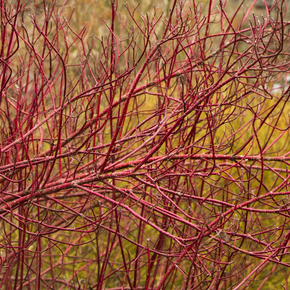
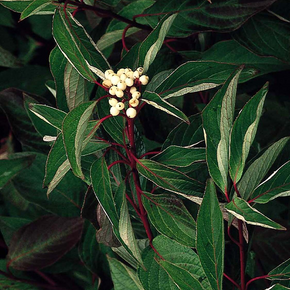
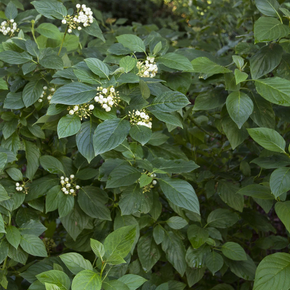
Cornus alba 'Elegantissima', commonly known as Variegated Red Twig Dogwood, is a showstopping four-season deciduous shrub that earns its place in any landscape with an ever-changing display of ornamental interest throughout the year. In spring, flat-topped clusters of small, sweetly fragrant yellowish-white flowers emerge above the foliage, drawing in bees and butterflies before giving way to decorative white drupes tinged with blue and green that ripen through summer and attract songbirds. The real star of the summer garden, however, is the spectacular variegated foliage: broad, ovate gray-green leaves boldly edged in creamy white provide a luminous, cooling effect in borders and beds from spring through fall. As temperatures drop in autumn, the foliage transitions to warm shades of apricot, gold, and rosy red before dropping to reveal the shrub's most iconic feature — brilliantly glowing blood-red stems that electrify the winter garden, especially striking against a backdrop of snow, dark evergreens, or a pale winter sky. A rapid grower capable of adding up to two feet per year, this multi-stemmed, suckering shrub is exceptionally tough and adaptable, tolerating wet soils, clay, erosion-prone slopes, and cold winters all the way down to USDA Zone 2. Best stem color and most vivid leaf variegation are achieved in full sun, though plants perform reliably in partial shade. Whether used as a bold accent, a naturalistic hedge, a riparian stabilizer, or a source of stunning cut branches for winter arrangements, Cornus alba 'Elegantissima' is a versatile, low-maintenance gem that rewards gardeners in every season.
Plant Description
Cornus alba 'Elegantissima' is a vigorous, multi-stemmed, suckering deciduous shrub in the dogwood family (Cornaceae), native in its species form to Siberia, northern China, and the Korean peninsula. The cultivar 'Elegantissima' (also sold under the synonym 'Argenteomarginata') is celebrated for its outstanding combination of ornamental features across all four seasons. Upright, usually unbranched red stems arise from the base to form a naturally rounded, thicket-forming silhouette. The foliage is broadly ovate to elliptic, reaching up to 4.5 inches in length, and is distinctively patterned with a gray-green center and wide, irregular cream to white margins. In late spring, small yellowish-white flowers are held in flat-topped clusters (cymes) up to 2.5 inches in diameter. These give way to decorative white drupes often tinged with blue and green, which ripen through summer. In autumn, the leaf margins glow against fall tones of apricot, gold, and rosy red. Once dormant, the bare stems blaze with their characteristic blood-red winter color, which is brightest on the youngest growth.
Mature Size
| Attribute | Dimension |
|---|---|
| Mature Height | 8 to 10 feet |
| Mature Spread | 6 to 10 feet |
| Growth Rate | Fast — up to 2 feet per year |
| Years to Maturity | Approximately 5 to 10 years |
| Form | Upright, multi-stemmed, suckering thicket |
With routine annual pruning to remove the oldest stems, overall height and spread can be kept considerably more compact than the unpruned maximum. Hard rejuvenation pruning (cutting all stems to within 6 to 8 inches of the ground) every two to three years will reset size and produce a dense flush of the most vibrant new red growth.
Hardiness Zones and Climate
Cornus alba 'Elegantissima' is among the most cold-tolerant ornamental shrubs available, thriving in USDA Hardiness Zones 2 through 7. This makes it an outstanding choice for the challenging winters of the Pacific Northwest, mountain elevations, and northern climates. In Southern Oregon and Northern California, it performs excellently across most elevations, from valley floors to foothill landscapes. Plants can experience stress and increased susceptibility to canker in regions south of Zone 7 where summer heat is intense and prolonged. For best performance in warmer areas, site the plant where it receives some afternoon shade and ensure consistent soil moisture during heat waves. It tolerates cold continental winters with ease and needs no winter protection in its rated zones.
Sunlight Requirements
This shrub thrives in full sun to partial shade. For the most vivid red winter stem color and the brightest, most contrasting leaf variegation, plant in a location receiving at least 6 to 8 hours of direct sunlight per day. In partial shade (3 to 6 hours of direct sun), the plant will grow well and display attractive foliage, but stem color and the intensity of the cream leaf margins may be somewhat reduced. Avoid deep, dense shade, which results in leggy, weak growth and poor stem coloration.
Soil and pH Preferences
Cornus alba 'Elegantissima' is notably adaptable to a wide range of soil types, including loam, clay, and even rocky soils. It performs best in organically rich, consistently moist, fertile, well-drained soil but is remarkably tolerant of less-than-ideal conditions. Established shrubs can handle both occasional periods of standing water and short dry spells, making this one of the most versatile shrubs for challenging landscape sites such as rain gardens, drainage swales, and streambanks.
- Preferred soil type: Loamy, organically rich, moisture-retentive but well-drained
- Tolerated soil types: Clay, rocky, periodically wet or boggy soils
- Optimal soil pH: 5.5 to 6.5 (slightly acidic); tolerates a broader range of 5.5 to 8.5
- Amend heavy clay soils with compost at planting to improve drainage and root establishment
Watering Guide
Water newly planted shrubs deeply and consistently for the first growing season to support root establishment. Once established, Cornus alba 'Elegantissima' is moderately drought tolerant but performs best with regular moisture. It is particularly well-suited to low-lying areas, rain gardens, and sites near streams or ponds where soil stays consistently moist. During periods of prolonged summer drought or intense heat, provide supplemental irrigation to prevent leaf scorch and stress-related disease susceptibility. Applying a 2- to 3-inch layer of organic mulch over the root zone significantly helps to conserve soil moisture between waterings. Avoid allowing the soil to completely dry out during the first two years after planting.
Fertilizing
Cornus alba 'Elegantissima' is not a heavy feeder and requires little to no supplemental fertilizer once established in a reasonably fertile garden soil. Over-fertilizing with nitrogen can encourage excessive, soft growth that is more susceptible to disease and may reduce the intensity of stem color.
- In early spring, top-dress the root zone with a 1- to 2-inch layer of well-composted organic matter or aged manure as a gentle, balanced nutrient source.
- If a more targeted feed is desired, apply a slow-release granular fertilizer formulated for trees and shrubs once in early spring.
- Avoid high-nitrogen fertilizers that can push excessive leafy growth at the expense of stem color and plant structure.
- No fall fertilizing is recommended, as this can stimulate tender late-season growth vulnerable to frost damage.
Pruning and Maintenance
Regular pruning is the single most important maintenance task for keeping Cornus alba 'Elegantissima' at its ornamental best. The youngest stems — those one to two years old — display the most brilliant red color, while older stems gradually fade to dull gray-brown. The best time to prune is in late winter or early spring while the plant is still dormant and before new growth emerges.
Three approaches to pruning are commonly used:
- Annual selective pruning: Each spring, remove 20 to 30 percent of the oldest, largest, and most faded stems by cutting them to within a few inches of the ground. This continually renews the shrub with fresh, brightly colored growth while maintaining overall plant size and shape.
- Periodic coppicing: Every two to three years, cut all stems back hard to within 6 to 8 inches of the ground. This rejuvenates the entire plant and produces a dense flush of the most vibrantly colored new stems. The plant will quickly fill back in within a single growing season.
- Light shaping: For a more formal or contained appearance, lightly shape stems back to a permanent low framework after the main structural pruning is complete.
Also remove any dead, damaged, or crossing branches as needed throughout the year. Control suckering spread by cutting sucker stems and their roots with a sharp spade as they appear at the plant's perimeter. Refresh the mulch layer to 2 to 3 inches deep each spring after pruning, keeping mulch a couple of inches away from the base of the stems to prevent rot.
Planting Instructions
- Select a planting site with full sun to partial shade and adequate soil moisture. Early spring or fall planting is ideal to allow roots to establish before summer heat.
- Dig a planting hole twice as wide as the root ball and approximately the same depth, so the top of the root ball sits level with the surrounding grade.
- Remove the plant from its container and gently loosen any circling or pot-bound roots. Trim away any damaged or broken roots cleanly.
- If planting in heavy clay, mix a generous amount of compost into the backfill soil to improve drainage and organic content.
- Set the plant in the hole, backfill with amended soil, and tamp gently to eliminate air pockets around the roots.
- Water deeply and thoroughly immediately after planting — at least 2 to 3 gallons — and add additional soil if the surface settles significantly.
- Apply a 2- to 3-inch layer of organic mulch (such as wood chips or shredded bark) over the entire root zone, keeping it pulled back 2 inches from the base of the stems.
- Water consistently throughout the first growing season, providing deep irrigation at least once or twice per week during dry spells.
- For hedging or mass plantings, space plants 5 to 8 feet apart. For naturalized thickets, closer spacing of 3 to 4 feet accelerates coverage.
Four-Season Ornamental Interest
| Season | Ornamental Feature |
|---|---|
| Spring | Flat-topped clusters of small, fragrant yellowish-white flowers; fresh variegated foliage emerges with bold cream-white margins |
| Summer | Lush gray-green foliage broadly edged in creamy white; decorative white berries tinged with blue-green ripen and attract birds |
| Fall | Foliage turns warm shades of apricot, gold, and rosy red; fruit persists on stems; white margins remain a soft contrast to warm tones |
| Winter | Bare stems glow vivid blood-red, especially striking against snow, pale gravel, evergreen backdrops, or in low winter sunlight |
Landscape Uses
Cornus alba 'Elegantissima' is one of the most versatile deciduous shrubs available and suits a wide range of landscape applications:
- Winter garden focal point: The brilliant red stems are at their most dramatic in winter, especially when sited where low-angle winter sun can backlight the stems or where they contrast with dark evergreens or a light-colored wall.
- Mass planting and naturalization: Ideal for large-scale naturalized plantings where it can spread freely into a self-sustaining thicket. Excellent along woodland edges and in informal country garden settings.
- Hedging and screening: Dense, upright growth makes an effective informal privacy screen or property line hedge.
- Erosion control: The suckering root system is highly effective at stabilizing slopes, streambanks, and flood-prone areas.
- Rain gardens and wet sites: Excellent for low-lying areas, drainage swales, and sites near ponds, streams, or areas with periodic standing water.
- Mixed shrub borders: A standout specimen in mixed borders, providing multi-season interest and textural contrast with finer-textured companion plants.
- Cut branch arrangements: Brilliantly colored winter stems are prized for holiday wreaths, winter floral arrangements, and seasonal home decor.
Companion Plants
Cornus alba 'Elegantissima' pairs beautifully with plants that share its preference for moist, moderately fertile soil and tolerate full sun to partial shade. Consider the following companion combinations:
- Winter contrast: Plant alongside yellow-twig dogwood varieties (such as Cornus sericea 'Flaviramea') for a striking bicolor winter stem display of red and gold.
- Evergreen backdrop: Dark-needled conifers such as dwarf Alberta spruce, yew, or Oregon grape (Mahonia) provide a dramatic backdrop that makes the red winter stems pop.
- Wet-site companions: Winterberry holly (Ilex verticillata), Joe-Pye weed, buttonbush (Cephalanthus occidentalis), and native sedges thrive in similar moist conditions and extend multi-season interest.
- Ornamental grasses: Large clump-forming grasses such as maiden grass (Miscanthus sinensis) or feather reed grass (Calamagrostis) provide textural contrast in summer and winter.
- Spring bulbs: Underplanting with early-blooming snowdrops, crocuses, or daffodils takes advantage of light reaching the ground before the shrub leafs out in spring.
- Shade perennials: Hostas, astilbes, and ferns thrive in the dappled shade cast by the shrub's canopy in summer and appreciate the consistent soil moisture.
- Flowering shrubs: Combine with panicle hydrangeas, azaleas, or rhododendrons for a layered shrub border with successive seasons of bloom.
Wildlife Value
Cornus alba 'Elegantissima' is a valuable plant for supporting local wildlife and pollinators throughout the year:
- Pollinators: The spring flowers attract bees, butterflies, and other beneficial insects seeking early-season nectar and pollen.
- Birds: The white to blue-green drupes that ripen in mid-summer are eagerly eaten by a wide variety of songbirds and small mammals. Dense thickets also provide excellent nesting and sheltering habitat for birds year-round.
- Deer and rabbit resistance: This shrub is generally considered resistant to browsing by deer and rabbits, though light grazing may occur when other food sources are scarce.
- Habitat value: The dense, suckering growth habit creates protective thicket cover for ground-nesting birds and small wildlife, making it an ecologically valuable addition to naturalized or wildlife-focused plantings.
Pests and Diseases
Cornus alba 'Elegantissima' is generally a robust and trouble-free shrub when grown in appropriate conditions, but it can occasionally be affected by the following:
Common Diseases:
- Spot anthracnose / Dogwood blight: Fungal leaf spotting can occur in humid conditions; improve air circulation with proper pruning and avoid overhead irrigation.
- Powdery mildew: May appear on foliage in late summer, particularly in hot, dry conditions followed by cool nights. Not usually severe enough to cause lasting harm.
- Canker: Plants stressed by excessive heat (especially south of Zone 7) or waterlogged soils may develop stem cankers. Prune out affected stems and maintain good cultural practices.
- Bacterial leaf spot and mushroom root rot: Rare but can occur in poorly drained or overly compacted soils. Ensure well-drained planting conditions.
Occasional Insect Pests:
- Scale insects: Can colonize stems; treat with horticultural oil applied in late winter or early spring before bud break.
- Aphids: May cluster on new growth in spring; usually controlled by beneficial insects or a strong spray of water.
- Twig borers and leaf miners: Occasional and rarely serious; prune out and destroy affected stems promptly.
- Sawfly larvae: May skeletonize leaves in summer; hand-pick or treat with an insecticidal soap if populations are high.
The best defense against most pest and disease issues is maintaining plant vigor through proper siting, consistent moisture, annual pruning to remove old wood, and good garden sanitation.
Container Growing
While Cornus alba 'Elegantissima' is primarily grown as an in-ground landscape shrub, it can be grown in large containers for patio, deck, or entryway displays, particularly where its variegated summer foliage and brilliant winter stems can be enjoyed up close. Choose a container at least 20 to 24 inches in diameter with ample drainage holes. Use a high-quality, well-draining all-purpose potting mix amended with additional compost. Container-grown plants will require more frequent watering than in-ground plants as pots dry out more quickly — check soil moisture regularly and water deeply whenever the top 2 inches of soil feels dry. Apply a slow-release shrub fertilizer in early spring. In colder climates, container plants may need protection from extreme freeze-thaw cycles; move pots to a sheltered, unheated garage or garden structure during the coldest months to protect roots. Annual hard pruning is especially beneficial for container specimens to keep growth in proportion with the pot and to stimulate the most intensely colored new stems each winter.
Propagation
Cornus alba 'Elegantissima' is readily propagated by several vegetative methods, all of which will produce plants true to the parent cultivar:
- Hardwood cuttings (fall to winter): The most reliable method. Take 6- to 9-inch cuttings from healthy young stems after leaf drop, dip the base in rooting hormone, and insert into a prepared trench or pot of gritty, well-draining compost. Root formation typically occurs over several months. This is the preferred method for producing large numbers of new plants.
- Softwood cuttings (spring to early summer): Take 4- to 6-inch cuttings of young, actively growing stems, strip the lower leaves, dip in rooting hormone, and place in a moist propagation medium under high humidity. Rooting typically occurs within 4 to 6 weeks.
- Division of suckers: Mature plants naturally produce root suckers around their perimeter. These can be carefully dug out with a sharp spade in early spring or fall, ensuring each division includes adequate roots, and transplanted directly to a new location. Trim top growth by about half to reduce transplant stress.
Note: Growing from seed is not recommended for this cultivar, as seedlings will not reliably reproduce the desirable variegated foliage characteristics of the parent plant.
- Stunning four-season interest with creamy white-edged variegated foliage, fragrant spring flowers, decorative blue-tinged white summer berries, and brilliant fire-engine red winter stems.
- Exceptionally cold-hardy and adaptable, thriving in USDA Zones 2-7 across a wide range of soil types including moist, clay, and periodically wet sites.
- Fast-growing, vigorous habit naturally forms a dense, suckering thicket ideal for erosion control, hedging, mass plantings, and naturalized areas.
- Attracts birds, bees, and butterflies while offering strong deer and rabbit resistance, making it a dependable choice for wildlife-friendly landscapes.
Cornus alba 'Elegantissima', commonly known as Variegated Red Twig Dogwood, is a showstopping four-season deciduous shrub that earns its place in any landscape with an ever-changing display of ornamental interest throughout the year. In spring, flat-topped clusters of small, sweetly fragrant yellowish-white flowers emerge above the foliage, drawing in bees and butterflies before giving way to decorative white drupes tinged with blue and green that ripen through summer and attract songbirds. The real star of the summer garden, however, is the spectacular variegated foliage: broad, ovate gray-green leaves boldly edged in creamy white provide a luminous, cooling effect in borders and beds from spring through fall. As temperatures drop in autumn, the foliage transitions to warm shades of apricot, gold, and rosy red before dropping to reveal the shrub's most iconic feature — brilliantly glowing blood-red stems that electrify the winter garden, especially striking against a backdrop of snow, dark evergreens, or a pale winter sky. A rapid grower capable of adding up to two feet per year, this multi-stemmed, suckering shrub is exceptionally tough and adaptable, tolerating wet soils, clay, erosion-prone slopes, and cold winters all the way down to USDA Zone 2. Best stem color and most vivid leaf variegation are achieved in full sun, though plants perform reliably in partial shade. Whether used as a bold accent, a naturalistic hedge, a riparian stabilizer, or a source of stunning cut branches for winter arrangements, Cornus alba 'Elegantissima' is a versatile, low-maintenance gem that rewards gardeners in every season.
Plant Description
Cornus alba 'Elegantissima' is a vigorous, multi-stemmed, suckering deciduous shrub in the dogwood family (Cornaceae), native in its species form to Siberia, northern China, and the Korean peninsula. The cultivar 'Elegantissima' (also sold under the synonym 'Argenteomarginata') is celebrated for its outstanding combination of ornamental features across all four seasons. Upright, usually unbranched red stems arise from the base to form a naturally rounded, thicket-forming silhouette. The foliage is broadly ovate to elliptic, reaching up to 4.5 inches in length, and is distinctively patterned with a gray-green center and wide, irregular cream to white margins. In late spring, small yellowish-white flowers are held in flat-topped clusters (cymes) up to 2.5 inches in diameter. These give way to decorative white drupes often tinged with blue and green, which ripen through summer. In autumn, the leaf margins glow against fall tones of apricot, gold, and rosy red. Once dormant, the bare stems blaze with their characteristic blood-red winter color, which is brightest on the youngest growth.
Mature Size
| Attribute | Dimension |
|---|---|
| Mature Height | 8 to 10 feet |
| Mature Spread | 6 to 10 feet |
| Growth Rate | Fast — up to 2 feet per year |
| Years to Maturity | Approximately 5 to 10 years |
| Form | Upright, multi-stemmed, suckering thicket |
With routine annual pruning to remove the oldest stems, overall height and spread can be kept considerably more compact than the unpruned maximum. Hard rejuvenation pruning (cutting all stems to within 6 to 8 inches of the ground) every two to three years will reset size and produce a dense flush of the most vibrant new red growth.
Hardiness Zones and Climate
Cornus alba 'Elegantissima' is among the most cold-tolerant ornamental shrubs available, thriving in USDA Hardiness Zones 2 through 7. This makes it an outstanding choice for the challenging winters of the Pacific Northwest, mountain elevations, and northern climates. In Southern Oregon and Northern California, it performs excellently across most elevations, from valley floors to foothill landscapes. Plants can experience stress and increased susceptibility to canker in regions south of Zone 7 where summer heat is intense and prolonged. For best performance in warmer areas, site the plant where it receives some afternoon shade and ensure consistent soil moisture during heat waves. It tolerates cold continental winters with ease and needs no winter protection in its rated zones.
Sunlight Requirements
This shrub thrives in full sun to partial shade. For the most vivid red winter stem color and the brightest, most contrasting leaf variegation, plant in a location receiving at least 6 to 8 hours of direct sunlight per day. In partial shade (3 to 6 hours of direct sun), the plant will grow well and display attractive foliage, but stem color and the intensity of the cream leaf margins may be somewhat reduced. Avoid deep, dense shade, which results in leggy, weak growth and poor stem coloration.
Soil and pH Preferences
Cornus alba 'Elegantissima' is notably adaptable to a wide range of soil types, including loam, clay, and even rocky soils. It performs best in organically rich, consistently moist, fertile, well-drained soil but is remarkably tolerant of less-than-ideal conditions. Established shrubs can handle both occasional periods of standing water and short dry spells, making this one of the most versatile shrubs for challenging landscape sites such as rain gardens, drainage swales, and streambanks.
- Preferred soil type: Loamy, organically rich, moisture-retentive but well-drained
- Tolerated soil types: Clay, rocky, periodically wet or boggy soils
- Optimal soil pH: 5.5 to 6.5 (slightly acidic); tolerates a broader range of 5.5 to 8.5
- Amend heavy clay soils with compost at planting to improve drainage and root establishment
Watering Guide
Water newly planted shrubs deeply and consistently for the first growing season to support root establishment. Once established, Cornus alba 'Elegantissima' is moderately drought tolerant but performs best with regular moisture. It is particularly well-suited to low-lying areas, rain gardens, and sites near streams or ponds where soil stays consistently moist. During periods of prolonged summer drought or intense heat, provide supplemental irrigation to prevent leaf scorch and stress-related disease susceptibility. Applying a 2- to 3-inch layer of organic mulch over the root zone significantly helps to conserve soil moisture between waterings. Avoid allowing the soil to completely dry out during the first two years after planting.
Fertilizing
Cornus alba 'Elegantissima' is not a heavy feeder and requires little to no supplemental fertilizer once established in a reasonably fertile garden soil. Over-fertilizing with nitrogen can encourage excessive, soft growth that is more susceptible to disease and may reduce the intensity of stem color.
- In early spring, top-dress the root zone with a 1- to 2-inch layer of well-composted organic matter or aged manure as a gentle, balanced nutrient source.
- If a more targeted feed is desired, apply a slow-release granular fertilizer formulated for trees and shrubs once in early spring.
- Avoid high-nitrogen fertilizers that can push excessive leafy growth at the expense of stem color and plant structure.
- No fall fertilizing is recommended, as this can stimulate tender late-season growth vulnerable to frost damage.
Pruning and Maintenance
Regular pruning is the single most important maintenance task for keeping Cornus alba 'Elegantissima' at its ornamental best. The youngest stems — those one to two years old — display the most brilliant red color, while older stems gradually fade to dull gray-brown. The best time to prune is in late winter or early spring while the plant is still dormant and before new growth emerges.
Three approaches to pruning are commonly used:
- Annual selective pruning: Each spring, remove 20 to 30 percent of the oldest, largest, and most faded stems by cutting them to within a few inches of the ground. This continually renews the shrub with fresh, brightly colored growth while maintaining overall plant size and shape.
- Periodic coppicing: Every two to three years, cut all stems back hard to within 6 to 8 inches of the ground. This rejuvenates the entire plant and produces a dense flush of the most vibrantly colored new stems. The plant will quickly fill back in within a single growing season.
- Light shaping: For a more formal or contained appearance, lightly shape stems back to a permanent low framework after the main structural pruning is complete.
Also remove any dead, damaged, or crossing branches as needed throughout the year. Control suckering spread by cutting sucker stems and their roots with a sharp spade as they appear at the plant's perimeter. Refresh the mulch layer to 2 to 3 inches deep each spring after pruning, keeping mulch a couple of inches away from the base of the stems to prevent rot.
Planting Instructions
- Select a planting site with full sun to partial shade and adequate soil moisture. Early spring or fall planting is ideal to allow roots to establish before summer heat.
- Dig a planting hole twice as wide as the root ball and approximately the same depth, so the top of the root ball sits level with the surrounding grade.
- Remove the plant from its container and gently loosen any circling or pot-bound roots. Trim away any damaged or broken roots cleanly.
- If planting in heavy clay, mix a generous amount of compost into the backfill soil to improve drainage and organic content.
- Set the plant in the hole, backfill with amended soil, and tamp gently to eliminate air pockets around the roots.
- Water deeply and thoroughly immediately after planting — at least 2 to 3 gallons — and add additional soil if the surface settles significantly.
- Apply a 2- to 3-inch layer of organic mulch (such as wood chips or shredded bark) over the entire root zone, keeping it pulled back 2 inches from the base of the stems.
- Water consistently throughout the first growing season, providing deep irrigation at least once or twice per week during dry spells.
- For hedging or mass plantings, space plants 5 to 8 feet apart. For naturalized thickets, closer spacing of 3 to 4 feet accelerates coverage.
Four-Season Ornamental Interest
| Season | Ornamental Feature |
|---|---|
| Spring | Flat-topped clusters of small, fragrant yellowish-white flowers; fresh variegated foliage emerges with bold cream-white margins |
| Summer | Lush gray-green foliage broadly edged in creamy white; decorative white berries tinged with blue-green ripen and attract birds |
| Fall | Foliage turns warm shades of apricot, gold, and rosy red; fruit persists on stems; white margins remain a soft contrast to warm tones |
| Winter | Bare stems glow vivid blood-red, especially striking against snow, pale gravel, evergreen backdrops, or in low winter sunlight |
Landscape Uses
Cornus alba 'Elegantissima' is one of the most versatile deciduous shrubs available and suits a wide range of landscape applications:
- Winter garden focal point: The brilliant red stems are at their most dramatic in winter, especially when sited where low-angle winter sun can backlight the stems or where they contrast with dark evergreens or a light-colored wall.
- Mass planting and naturalization: Ideal for large-scale naturalized plantings where it can spread freely into a self-sustaining thicket. Excellent along woodland edges and in informal country garden settings.
- Hedging and screening: Dense, upright growth makes an effective informal privacy screen or property line hedge.
- Erosion control: The suckering root system is highly effective at stabilizing slopes, streambanks, and flood-prone areas.
- Rain gardens and wet sites: Excellent for low-lying areas, drainage swales, and sites near ponds, streams, or areas with periodic standing water.
- Mixed shrub borders: A standout specimen in mixed borders, providing multi-season interest and textural contrast with finer-textured companion plants.
- Cut branch arrangements: Brilliantly colored winter stems are prized for holiday wreaths, winter floral arrangements, and seasonal home decor.
Companion Plants
Cornus alba 'Elegantissima' pairs beautifully with plants that share its preference for moist, moderately fertile soil and tolerate full sun to partial shade. Consider the following companion combinations:
- Winter contrast: Plant alongside yellow-twig dogwood varieties (such as Cornus sericea 'Flaviramea') for a striking bicolor winter stem display of red and gold.
- Evergreen backdrop: Dark-needled conifers such as dwarf Alberta spruce, yew, or Oregon grape (Mahonia) provide a dramatic backdrop that makes the red winter stems pop.
- Wet-site companions: Winterberry holly (Ilex verticillata), Joe-Pye weed, buttonbush (Cephalanthus occidentalis), and native sedges thrive in similar moist conditions and extend multi-season interest.
- Ornamental grasses: Large clump-forming grasses such as maiden grass (Miscanthus sinensis) or feather reed grass (Calamagrostis) provide textural contrast in summer and winter.
- Spring bulbs: Underplanting with early-blooming snowdrops, crocuses, or daffodils takes advantage of light reaching the ground before the shrub leafs out in spring.
- Shade perennials: Hostas, astilbes, and ferns thrive in the dappled shade cast by the shrub's canopy in summer and appreciate the consistent soil moisture.
- Flowering shrubs: Combine with panicle hydrangeas, azaleas, or rhododendrons for a layered shrub border with successive seasons of bloom.
Wildlife Value
Cornus alba 'Elegantissima' is a valuable plant for supporting local wildlife and pollinators throughout the year:
- Pollinators: The spring flowers attract bees, butterflies, and other beneficial insects seeking early-season nectar and pollen.
- Birds: The white to blue-green drupes that ripen in mid-summer are eagerly eaten by a wide variety of songbirds and small mammals. Dense thickets also provide excellent nesting and sheltering habitat for birds year-round.
- Deer and rabbit resistance: This shrub is generally considered resistant to browsing by deer and rabbits, though light grazing may occur when other food sources are scarce.
- Habitat value: The dense, suckering growth habit creates protective thicket cover for ground-nesting birds and small wildlife, making it an ecologically valuable addition to naturalized or wildlife-focused plantings.
Pests and Diseases
Cornus alba 'Elegantissima' is generally a robust and trouble-free shrub when grown in appropriate conditions, but it can occasionally be affected by the following:
Common Diseases:
- Spot anthracnose / Dogwood blight: Fungal leaf spotting can occur in humid conditions; improve air circulation with proper pruning and avoid overhead irrigation.
- Powdery mildew: May appear on foliage in late summer, particularly in hot, dry conditions followed by cool nights. Not usually severe enough to cause lasting harm.
- Canker: Plants stressed by excessive heat (especially south of Zone 7) or waterlogged soils may develop stem cankers. Prune out affected stems and maintain good cultural practices.
- Bacterial leaf spot and mushroom root rot: Rare but can occur in poorly drained or overly compacted soils. Ensure well-drained planting conditions.
Occasional Insect Pests:
- Scale insects: Can colonize stems; treat with horticultural oil applied in late winter or early spring before bud break.
- Aphids: May cluster on new growth in spring; usually controlled by beneficial insects or a strong spray of water.
- Twig borers and leaf miners: Occasional and rarely serious; prune out and destroy affected stems promptly.
- Sawfly larvae: May skeletonize leaves in summer; hand-pick or treat with an insecticidal soap if populations are high.
The best defense against most pest and disease issues is maintaining plant vigor through proper siting, consistent moisture, annual pruning to remove old wood, and good garden sanitation.
Container Growing
While Cornus alba 'Elegantissima' is primarily grown as an in-ground landscape shrub, it can be grown in large containers for patio, deck, or entryway displays, particularly where its variegated summer foliage and brilliant winter stems can be enjoyed up close. Choose a container at least 20 to 24 inches in diameter with ample drainage holes. Use a high-quality, well-draining all-purpose potting mix amended with additional compost. Container-grown plants will require more frequent watering than in-ground plants as pots dry out more quickly — check soil moisture regularly and water deeply whenever the top 2 inches of soil feels dry. Apply a slow-release shrub fertilizer in early spring. In colder climates, container plants may need protection from extreme freeze-thaw cycles; move pots to a sheltered, unheated garage or garden structure during the coldest months to protect roots. Annual hard pruning is especially beneficial for container specimens to keep growth in proportion with the pot and to stimulate the most intensely colored new stems each winter.
Propagation
Cornus alba 'Elegantissima' is readily propagated by several vegetative methods, all of which will produce plants true to the parent cultivar:
- Hardwood cuttings (fall to winter): The most reliable method. Take 6- to 9-inch cuttings from healthy young stems after leaf drop, dip the base in rooting hormone, and insert into a prepared trench or pot of gritty, well-draining compost. Root formation typically occurs over several months. This is the preferred method for producing large numbers of new plants.
- Softwood cuttings (spring to early summer): Take 4- to 6-inch cuttings of young, actively growing stems, strip the lower leaves, dip in rooting hormone, and place in a moist propagation medium under high humidity. Rooting typically occurs within 4 to 6 weeks.
- Division of suckers: Mature plants naturally produce root suckers around their perimeter. These can be carefully dug out with a sharp spade in early spring or fall, ensuring each division includes adequate roots, and transplanted directly to a new location. Trim top growth by about half to reduce transplant stress.
Note: Growing from seed is not recommended for this cultivar, as seedlings will not reliably reproduce the desirable variegated foliage characteristics of the parent plant.
Related Products