Zoom the image with the mouse
Wolf Eyes Japanese Dogwood - 5 Gallon
SKU:
1614400
UPC:
014949018903
$89.99
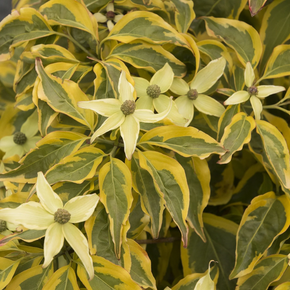
- Striking variegation: wavy gray‑green leaves edged in ivory, glowing from spring through fall.
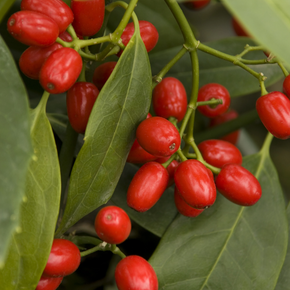
- Season‑spanning interest: creamy white, star‑like bracts in late spring, followed by bright red ornamental fruit and vivid pink‑red fall color.
- Compact small tree for modern yards—typically ~10–20 ft. tall and wide, slowly developing layered, horizontal branching and mottled bark with age.
- Performs best in filtered to partial sun with evenly moist, slightly acidic, well‑drained soil; mulch to keep roots cool and shelter from harsh afternoon sun.
Wolf Eyes Japanese Dogwood (Cornus kousa ‘Wolf Eyes’) is a refined, variegated kousa that lights up dappled sites with eye‑catching foliage and a reliable late‑spring floral show. Creamy white bracts float above gray‑green leaves with crisp ivory margins, then bright red fruit and pink‑to‑red autumn tones carry the display into fall. With its naturally compact size, layered habit, and attractive bark as it matures, Wolf Eyes delivers four‑season elegance for entries, courtyards, and woodland edges while supporting pollinators and birds.
Plant Description
Deciduous, small ornamental dogwood with distinctive, wavy, gray‑green leaves edged in ivory. Showy white bracts in late spring to early summer are followed by bright red ornamental fruit; mature plants develop layered branching and mottled bark for winter interest.
Foliage & Variegation
Narrow, lightly undulating leaves present a gray‑green center with bold ivory margins. In partial shade the variegation remains crisp; in stronger sun the leaves naturally show pronounced waviness and texture, enhancing the sculptural look.
Flowers & Bloom Time
Creamy white, star‑like bracts appear in late spring to early summer, hovering above the foliage for a refined, layered floral effect that pairs beautifully with woodland companions.
Fruit & Wildlife
Bright red, berry‑like fruit adds late‑season color and can attract birds; a tidy ornamental accent that extends the display after bloom.
Habit & Size
Slow growing; typically reaches about 10–20 ft. tall and wide in ideal conditions, forming a compact, spreading small tree that’s well‑scaled to front yards and patio gardens.
Sun Requirements
Best in filtered sun to partial shade; protect from harsh afternoon exposures in hotter regions to keep foliage pristine and reduce stress.
Soil Requirements
Provide evenly moist, enriched, slightly acidic, well‑drained sandy loam. Maintain a 2–3 in. mulch layer to keep the root zone cool in summer; keep mulch off the trunk.
Watering Needs
Keep soil consistently moist (not soggy), especially during the first few seasons. Water deeply and regularly to establish; once established, maintain even moisture during heat waves.
Hardiness
USDA Zones 5–8.
Special Features
Multi‑season interest (flowers, fruit, foliage, bark), compact form, and improved disease resistance typical of kousa selections; supports pollinators and provides seasonal benefits for birds.
Landscape Uses
Specimen for entries and courtyards, layered accents in woodland borders, and small‑space shade gardens. Excellent with oakleaf hydrangea, snowberry, redbud, azaleas, and mahonia for extended seasonal color and texture.
Care & Pruning
Fertilize lightly in early spring. Minimal pruning required—shape in winter if needed and remove any damaged or crossing wood. Avoid heavy summer pruning that could reduce next season’s bloom.
Placement Tips
Site where dappled light highlights the variegated leaves—east or north exposures are ideal. Allow space for the layered canopy and position near paths or patios for close‑up appreciation.
- Striking variegation: wavy gray‑green leaves edged in ivory, glowing from spring through fall.
- Season‑spanning interest: creamy white, star‑like bracts in late spring, followed by bright red ornamental fruit and vivid pink‑red fall color.
- Compact small tree for modern yards—typically ~10–20 ft. tall and wide, slowly developing layered, horizontal branching and mottled bark with age.
- Performs best in filtered to partial sun with evenly moist, slightly acidic, well‑drained soil; mulch to keep roots cool and shelter from harsh afternoon sun.
Wolf Eyes Japanese Dogwood (Cornus kousa ‘Wolf Eyes’) is a refined, variegated kousa that lights up dappled sites with eye‑catching foliage and a reliable late‑spring floral show. Creamy white bracts float above gray‑green leaves with crisp ivory margins, then bright red fruit and pink‑to‑red autumn tones carry the display into fall. With its naturally compact size, layered habit, and attractive bark as it matures, Wolf Eyes delivers four‑season elegance for entries, courtyards, and woodland edges while supporting pollinators and birds.
Plant Description
Deciduous, small ornamental dogwood with distinctive, wavy, gray‑green leaves edged in ivory. Showy white bracts in late spring to early summer are followed by bright red ornamental fruit; mature plants develop layered branching and mottled bark for winter interest.
Foliage & Variegation
Narrow, lightly undulating leaves present a gray‑green center with bold ivory margins. In partial shade the variegation remains crisp; in stronger sun the leaves naturally show pronounced waviness and texture, enhancing the sculptural look.
Flowers & Bloom Time
Creamy white, star‑like bracts appear in late spring to early summer, hovering above the foliage for a refined, layered floral effect that pairs beautifully with woodland companions.
Fruit & Wildlife
Bright red, berry‑like fruit adds late‑season color and can attract birds; a tidy ornamental accent that extends the display after bloom.
Habit & Size
Slow growing; typically reaches about 10–20 ft. tall and wide in ideal conditions, forming a compact, spreading small tree that’s well‑scaled to front yards and patio gardens.
Sun Requirements
Best in filtered sun to partial shade; protect from harsh afternoon exposures in hotter regions to keep foliage pristine and reduce stress.
Soil Requirements
Provide evenly moist, enriched, slightly acidic, well‑drained sandy loam. Maintain a 2–3 in. mulch layer to keep the root zone cool in summer; keep mulch off the trunk.
Watering Needs
Keep soil consistently moist (not soggy), especially during the first few seasons. Water deeply and regularly to establish; once established, maintain even moisture during heat waves.
Hardiness
USDA Zones 5–8.
Special Features
Multi‑season interest (flowers, fruit, foliage, bark), compact form, and improved disease resistance typical of kousa selections; supports pollinators and provides seasonal benefits for birds.
Landscape Uses
Specimen for entries and courtyards, layered accents in woodland borders, and small‑space shade gardens. Excellent with oakleaf hydrangea, snowberry, redbud, azaleas, and mahonia for extended seasonal color and texture.
Care & Pruning
Fertilize lightly in early spring. Minimal pruning required—shape in winter if needed and remove any damaged or crossing wood. Avoid heavy summer pruning that could reduce next season’s bloom.
Placement Tips
Site where dappled light highlights the variegated leaves—east or north exposures are ideal. Allow space for the layered canopy and position near paths or patios for close‑up appreciation.