Zoom the image with the mouse
Van Cherry - 7 Gallon
SKU:
1913455
UPC:
757316077942
$119.99
- Heavy-cropping sweet cherry with large, deep crimson-red to reddish-purple fruit that is firm, juicy, and exceptionally flavorful with a rich, sweet taste and excellent resistance to cracking.
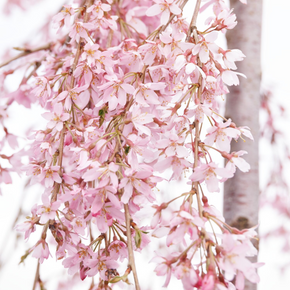
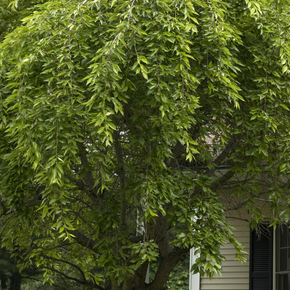
- A four-season ornamental and edible tree featuring fragrant white spring blossoms, glossy summer foliage, and brilliant golden-yellow fall color.
- Cold-hardy and reliably productive across USDA Zones 4-9, making it one of the most adaptable and dependable sweet cherry varieties for home orchards in the Pacific Northwest and beyond.
- An outstanding cross-pollinator for other sweet cherry varieties, including Bing, Stella, Rainier, and Lapins, boosting yields across your entire orchard.
The Van Cherry (Prunus avium 'Van') is a legendary sweet cherry variety bred at the Summerland Research Station in British Columbia and introduced in the 1940s, and it remains one of the most celebrated and widely planted cherry cultivars in North America. Prized for its exceptionally heavy annual fruit production, the Van Cherry delivers large clusters of dark crimson-red to reddish-purple cherries with firm, juicy flesh, a rich and deeply sweet flavor, and outstanding resistance to splitting — a quality that sets it apart from many other sweet cherry varieties. The fruit ripens in mid-summer, typically in June through July depending on your location, and is equally at home eaten fresh off the tree, baked into pies and tarts, used in jams and preserves, or frozen for year-round enjoyment. Beyond its superb fruit, the Van Cherry is a stunning four-season landscape tree, opening each spring with clouds of fragrant white blossoms that attract bees and other beneficial pollinators, then transitioning to lush, shiny green foliage through summer before putting on a brilliant display of golden-yellow fall color. Hardy from USDA Zones 4 through 9 with a minimum temperature tolerance of around -25°F, this vigorous, upright-spreading deciduous tree reaches a mature height of 15 to 20 feet and is as valued for its ornamental beauty as for its bountiful harvests. Whether you are planting a dedicated home orchard in Southern Oregon or Northern California or simply want a gorgeous fruit tree that earns its place in the landscape every season, the Van Cherry is an enduring, proven performer that delivers year after year.
Plant Description
The Van Cherry is a vigorous, upright-spreading deciduous tree belonging to the Rosaceae family. Its botanical name is Prunus avium 'Van', and it was developed at the Summerland Research Station in British Columbia, Canada, and released in 1944 as a hybrid combining the flavor traits of Empress Eugenie and Bing cherries. The tree features attractive, shiny dark green foliage throughout summer, and each spring it is adorned with clusters of delicate, moderately fragrant white flowers that emerge in mid-spring and make a striking ornamental display before the leaves fully open. The fruit itself is medium to large in size with deep crimson-red to reddish-purple skin, firm reddish-purple flesh, and a rich, sweet-tart flavor. The stones are smaller than average relative to the surrounding flesh, providing an excellent flesh-to-pit ratio. The tree's bark is a warm reddish-brown with characteristic horizontal lenticels, adding winter interest when the tree is leafless.
Mature Size
| Attribute | Measurement |
|---|---|
| Mature Height | 15 to 20 feet (standard rootstock) |
| Mature Spread | 10 to 15 feet |
| Growth Rate | Moderate to fast; typically 12 to 18 inches per year when young |
| Tree Form | Upright-spreading with an open, rounded canopy at maturity |
| Recommended Spacing | 15 to 20 feet between trees for standard plantings |
| Years to First Fruit | 4 to 7 years from planting; peak production by 7 to 10 years |
Hardiness and Climate
The Van Cherry is cold-hardy and adaptable across a wide range of climates, making it a reliable choice for home orchardists in both Southern Oregon and Northern California. Key climate facts include:
- USDA Hardiness Zones: 4 through 9
- Minimum Temperature: Tolerates down to approximately -25°F (-32°C)
- Chilling Requirement: Approximately 800 to 1,000 hours below 45°F are needed annually to break dormancy and set fruit reliably
- Summer Preference: Performs best in climates with warm, relatively dry summers — ideal for the Pacific Northwest valleys and foothills of Southern Oregon and Northern California
- Frost Sensitivity: Spring blossoms can be damaged by late frosts; avoid planting in frost pockets or low-lying areas where cold air settles
- Rain at Harvest: Heavy rainfall during fruit development can contribute to fruit splitting, though Van is notably more crack-resistant than many other sweet cherry varieties
Sunlight Requirements
Van Cherry trees require full sun to thrive and produce heavy crops. Plant in a location that receives a minimum of 6 to 8 hours of direct sunlight per day — more is always better for fruit development and sweetness. Insufficient sunlight leads to reduced fruit production, smaller fruit size, weaker branch structure, and increased susceptibility to fungal diseases. In Southern Oregon and Northern California, a south- or southwest-facing slope or open garden bed is ideal. Avoid planting where buildings, fences, or large established trees will cast extended shade during the growing season.
Soil and pH Preferences
Van Cherry trees are moderately adaptable in terms of soil texture but are very particular about drainage. Poorly drained or waterlogged soils quickly lead to root rot and tree decline.
- Preferred Soil Types: Sandy loam, loam, or clay loam with good drainage; avoid heavy clay or compacted soils
- Drainage: Excellent drainage is essential — test by filling a 12-inch-deep hole with water; it should drain within 24 hours
- Soil pH: Prefers a slightly acidic to neutral pH of 6.0 to 7.0; tolerates a range of approximately 5.5 to 7.5
- Organic Matter: Amending planting holes and surrounding soil with compost or well-rotted organic matter improves drainage in clay soils and moisture retention in sandy soils
- Avoid: Wet, boggy sites, low-lying areas that collect standing water, and areas with a hardpan layer beneath the surface
Watering Guide
Consistent, deep watering is important for establishment and productive fruit development. Follow these guidelines to keep your Van Cherry healthy:
- Newly Planted Trees (Year 1-2): Water deeply once or twice per week, delivering approximately 1 to 2 inches of water per week. The goal is to keep the root zone consistently moist but never waterlogged.
- Established Trees: Water deeply every 10 to 14 days during dry periods. Normal seasonal rainfall in Southern Oregon and Northern California is often sufficient outside of summer dry spells.
- Summer Dry Season: Deep, infrequent irrigation is preferred over frequent shallow watering. Drip irrigation or soaker hoses delivered at the drip line are the most efficient method.
- Check Soil Moisture: Before watering, probe 4 to 6 inches into the soil; water only if the soil feels dry at that depth.
- Avoid Overwatering: Excess moisture around the root zone is one of the leading causes of root rot and tree decline. Never allow standing water to persist around the base of the tree.
- Mulching: Applying a 3-inch layer of organic mulch around the base of the tree significantly reduces moisture loss between watering cycles (see Planting Instructions for more detail).
Pollination Requirements
Van Cherry trees are not self-pollinating and require a compatible sweet cherry variety growing nearby to set fruit. A pollinator tree should be planted within 50 to 100 feet to ensure adequate cross-pollination by honeybees and other native bees.
The following varieties bloom at the same time as Van and are well-proven pollination partners:
- Bing — classic sweet cherry; excellent flavor and a natural pairing with Van
- Stella — self-fertile; reliable pollinator and widely available
- Rainier — light-colored sweet cherry; excellent flavor and compatible bloom time
- Lapins — self-fertile; blooms slightly earlier but overlaps well with Van
- Black Tartarian — early-blooming; effective pollinator in most regions
- Sam — another classic variety that blooms simultaneously with Van
Van itself is widely recognized as one of the best pollinators for other sweet cherry varieties, including Bing, and planting Van alongside Bing creates a mutually beneficial and highly productive orchard pairing. Note that Van and Regina are not considered compatible pollinators for each other.
Fertilizing
Proper fertilization supports healthy growth and abundant fruit crops. Avoid over-fertilizing, particularly with high-nitrogen products, as this encourages excessive leafy growth at the expense of fruit production.
- Young Trees (before fruiting): Generally, newly planted cherry trees need little to no supplemental fertilizer in the first year if the soil is reasonably fertile. A light application of balanced fertilizer in the second spring is appropriate.
- Fruiting Trees: Apply a low-nitrogen, balanced fertilizer (such as a 5-10-10 or similar fruit tree formula) in early spring just before bud break.
- Application Rate: For mature trees, apply approximately 1 pound of actual nitrogen per year per inch of trunk diameter, distributed evenly around the drip line of the tree.
- Organic Options: Composted manure, fish meal, or bone meal applied in early spring are excellent organic alternatives that feed slowly and improve soil health.
- Timing: Only fertilize between early spring and mid-summer (no later than July). Late-season fertilizing promotes soft new growth that is vulnerable to early fall frosts and disease.
- Soil Testing: A soil test every 2 to 3 years from your local extension office is the most precise way to determine exact nutrient needs.
Pruning and Maintenance
Consistent annual pruning is essential for maintaining tree health, maximizing fruit quality, and reducing the risk of fungal disease. Van Cherry trees respond very well to pruning when it is done at the right time and with proper technique.
- Best Time to Prune: Late winter to early spring, just before buds begin to swell. Avoid pruning in fall or during wet weather, which increases the risk of fungal infections entering cut surfaces.
- Tree Form: Train Van Cherry to an open-center or modified central leader structure to maximize sunlight penetration into the canopy, which improves fruit color, ripening, and air circulation.
- Annual Tasks: Remove dead, damaged, or diseased wood; eliminate branches that cross or rub against each other; thin crowded growth in the canopy's center to improve airflow.
- Fruiting Spurs: Shorten the previous season's lateral growth by one-third to encourage the development of fruiting spurs, which are the primary sites of fruit production on mature trees.
- Suckers: Remove root suckers from the base of the tree promptly throughout the growing season; they compete with the main tree for water and nutrients.
- Tool Hygiene: Always use clean, sharp pruning tools and sterilize blades between cuts when working around diseased wood to prevent spreading pathogens.
Planting Instructions
Follow these steps for the best establishment results when planting your Van Cherry tree:
- Timing: Plant in early spring as soon as the ground is workable, or in late fall after temperatures have begun to cool. Spring planting is generally recommended in Zones 4 through 6; fall through spring planting works well in Zones 7 through 9.
- Site Selection: Choose a location with full sun, excellent drainage, and adequate space for the tree to reach its mature size without crowding structures, utilities, or other trees.
- Dig the Hole: Excavate a hole approximately two to three times as wide as the root ball and equal in depth. Wide holes encourage outward root spread and faster establishment.
- Graft Union Placement: Plant so that the graft union (the slight bulge or angle near the base of the trunk) sits 2 to 3 inches above the final soil level to prevent rootstock suckering and graft failure.
- Backfill: Use the native soil removed from the hole to backfill, incorporating compost to improve structure if needed. Tamp gently to remove air pockets and water thoroughly to settle the soil.
- Mulch: Apply a 3-inch layer of organic mulch (wood chips, bark, or compost) in a circle extending to the drip line of the canopy. Keep mulch at least 4 to 6 inches away from the trunk to prevent moisture accumulation and bark rot.
- Staking: Stake newly planted trees in exposed or windy locations for the first one to two years to prevent rocking, which can disrupt root establishment. Allow slight movement in the trunk to encourage strong root development.
- Initial Watering: Water deeply immediately after planting and maintain consistent moisture through the first full growing season.
Fruit Harvest
Harvesting Van Cherries at peak ripeness ensures the best possible flavor, texture, and storage life. Here is what to look for and how to harvest properly:
- Harvest Season: Mid-summer — typically late June through mid-July depending on elevation and location. In Southern Oregon and Northern California, cherries often ripen in mid-June to early July at lower elevations.
- Ripeness Indicators: Cherries should be a deep, glossy crimson-red to reddish-purple, firm to the touch but with a slight give under pressure, and sweet and full-flavored when sampled.
- Harvesting Technique: Gently twist or snip cherries from their stems rather than pulling, which can damage fruiting spurs and reduce future yields. Harvest in the cooler morning hours to help preserve fruit quality.
- Yield: A mature, well-maintained Van Cherry tree can yield 30 to 50 or more pounds of fruit annually under good growing conditions.
- Picking Window: The harvest window for Van is approximately 7 to 10 days. Check the tree daily as cherries ripen, as leaving fully ripe fruit on the tree too long increases the risk of bird damage and splitting.
- Uses: Excellent fresh, in pies, tarts, cobblers, jams, jellies, and sauces. Pairs beautifully with cheeses, smoked meats, poultry, and leafy green salads. Freezes and dries exceptionally well for year-round use.
Seasonal Interest
| Season | Ornamental and Fruit Highlights |
|---|---|
| Spring | Masses of moderately fragrant, pure white blossoms in mid-spring; one of the most ornamentally spectacular moments of the year. Blossom clusters precede full leaf emergence and attract honeybees and native pollinators. |
| Early Summer | Lush, glossy dark green foliage develops fully; developing cherries transition from green to red as they ripen. The canopy provides dappled shade in the home landscape. |
| Midsummer | Peak harvest season with clusters of deep crimson-red to reddish-purple fruit weighing down the branches. A beautiful and productive moment for the tree. |
| Fall | Foliage transforms to brilliant golden-yellow, providing a warm autumnal accent in the landscape before the leaves drop cleanly. |
| Winter | Attractive reddish-brown bark with horizontal lenticels provides subtle visual interest in the dormant season. The tree's branching structure becomes fully visible. |
Pests and Diseases
Van Cherry trees have average disease resistance and benefit from proactive monitoring and good cultural practices. Being aware of common threats allows for early intervention before significant damage occurs.
Common Pests:
- Cherry Fruit Fly (Western Cherry Fruit Fly): Larvae tunnel into ripening cherries, causing wormy fruit. Use yellow sticky traps to monitor adult fly activity and apply organically approved spinosad-based sprays when trap counts indicate activity.
- Aphids: Small, soft-bodied insects cluster on new growth and shoot tips, causing curled or distorted leaves and honeydew deposits. Knock off with a strong water spray or apply insecticidal soap or neem oil.
- Spider Mites: Tiny pests that cause stippled, yellowing foliage, especially in hot, dry conditions. Horticultural oil or miticide sprays applied in early morning are effective.
- Scale Insects: Appear as waxy bumps on bark and branches; treat with dormant oil sprays in late winter before bud break.
- Birds: Robins, starlings, and cedar waxwings can quickly strip ripe cherries from a tree. Drape bird netting over the canopy as fruit begins to color for best protection.
Common Diseases:
- Brown Rot (Monilinia spp.): Fungal disease causing blossom blight and fruit rot, particularly in wet spring weather. Remove and dispose of affected fruit and blossoms; apply a labeled fungicide preventively during bloom in high-risk years.
- Powdery Mildew: White powdery coating on new leaves and shoots. Improve air circulation through annual pruning and apply potassium bicarbonate or sulfur-based fungicides.
- Bacterial Canker: Sunken, water-soaked lesions on branches that may ooze gum; Van has average susceptibility. Prune out infected wood during dry weather and apply copper-based fungicide sprays in fall and early spring.
- Black Knot: Dark, knotty galls on branches caused by a fungal pathogen. Prune out infected branches at least 4 inches below visible gall tissue and destroy all prunings.
Companion Plants and Landscape Uses
The Van Cherry is as much an ornamental statement tree as it is a productive fruit tree, and it integrates beautifully into a wide range of landscape settings.
Landscape Uses:
- Focal specimen or anchor tree in a mixed orchard design
- Lawn specimen tree showcasing spring bloom and fall color
- Espalier or fan-trained form against a south-facing wall or fence for space-saving ornamental and productive plantings
- Groupings along a driveway or property edge for seasonal interest and privacy
- Home orchard pairing with complementary cherry varieties, plums, or pears
Good Companion Plants:
- Bing or Stella Cherry: Essential cross-pollination partners that also provide a complementary fruit harvest
- Lavender (Lavandula spp.): Planted beneath the canopy's drip line to attract and sustain pollinators during cherry bloom season
- Chives or Garlic: Planted as a groundcover border around the base to naturally deter aphids
- Clover (Trifolium spp.): As a living mulch or cover crop between trees to fix nitrogen, attract pollinators, and improve soil health
- Marigolds (Tagetes spp.): Border planting to deter a range of common garden pests
- Comfrey (Symphytum officinale): Planted nearby as a dynamic accumulator that improves soil fertility around fruit trees
Wildlife Value
Van Cherry trees provide meaningful ecological value throughout their seasonal cycle, supporting a variety of beneficial insects, birds, and other wildlife.
- Pollinators: The abundant white spring blossoms are a rich early-season nectar and pollen source for honeybees, bumblebees, mason bees, and numerous other native bee species that are critical for garden and orchard productivity.
- Birds: Ripe cherries attract a wide range of fruit-eating bird species including robins, cedar waxwings, and orioles. If you wish to share a portion of your harvest with wildlife, leaving a few outer branches unnetted is an easy way to do so.
- Beneficial Insects: The tree's flowers attract ladybugs, lacewings, and parasitic wasps that prey on common garden pests like aphids and caterpillars.
- Butterflies and Moths: Various Prunus species are known larval host plants for certain native butterfly and moth species, adding further biodiversity value to the home landscape.
- Heavy-cropping sweet cherry with large, deep crimson-red to reddish-purple fruit that is firm, juicy, and exceptionally flavorful with a rich, sweet taste and excellent resistance to cracking.
- A four-season ornamental and edible tree featuring fragrant white spring blossoms, glossy summer foliage, and brilliant golden-yellow fall color.
- Cold-hardy and reliably productive across USDA Zones 4-9, making it one of the most adaptable and dependable sweet cherry varieties for home orchards in the Pacific Northwest and beyond.
- An outstanding cross-pollinator for other sweet cherry varieties, including Bing, Stella, Rainier, and Lapins, boosting yields across your entire orchard.
The Van Cherry (Prunus avium 'Van') is a legendary sweet cherry variety bred at the Summerland Research Station in British Columbia and introduced in the 1940s, and it remains one of the most celebrated and widely planted cherry cultivars in North America. Prized for its exceptionally heavy annual fruit production, the Van Cherry delivers large clusters of dark crimson-red to reddish-purple cherries with firm, juicy flesh, a rich and deeply sweet flavor, and outstanding resistance to splitting — a quality that sets it apart from many other sweet cherry varieties. The fruit ripens in mid-summer, typically in June through July depending on your location, and is equally at home eaten fresh off the tree, baked into pies and tarts, used in jams and preserves, or frozen for year-round enjoyment. Beyond its superb fruit, the Van Cherry is a stunning four-season landscape tree, opening each spring with clouds of fragrant white blossoms that attract bees and other beneficial pollinators, then transitioning to lush, shiny green foliage through summer before putting on a brilliant display of golden-yellow fall color. Hardy from USDA Zones 4 through 9 with a minimum temperature tolerance of around -25°F, this vigorous, upright-spreading deciduous tree reaches a mature height of 15 to 20 feet and is as valued for its ornamental beauty as for its bountiful harvests. Whether you are planting a dedicated home orchard in Southern Oregon or Northern California or simply want a gorgeous fruit tree that earns its place in the landscape every season, the Van Cherry is an enduring, proven performer that delivers year after year.
Plant Description
The Van Cherry is a vigorous, upright-spreading deciduous tree belonging to the Rosaceae family. Its botanical name is Prunus avium 'Van', and it was developed at the Summerland Research Station in British Columbia, Canada, and released in 1944 as a hybrid combining the flavor traits of Empress Eugenie and Bing cherries. The tree features attractive, shiny dark green foliage throughout summer, and each spring it is adorned with clusters of delicate, moderately fragrant white flowers that emerge in mid-spring and make a striking ornamental display before the leaves fully open. The fruit itself is medium to large in size with deep crimson-red to reddish-purple skin, firm reddish-purple flesh, and a rich, sweet-tart flavor. The stones are smaller than average relative to the surrounding flesh, providing an excellent flesh-to-pit ratio. The tree's bark is a warm reddish-brown with characteristic horizontal lenticels, adding winter interest when the tree is leafless.
Mature Size
| Attribute | Measurement |
|---|---|
| Mature Height | 15 to 20 feet (standard rootstock) |
| Mature Spread | 10 to 15 feet |
| Growth Rate | Moderate to fast; typically 12 to 18 inches per year when young |
| Tree Form | Upright-spreading with an open, rounded canopy at maturity |
| Recommended Spacing | 15 to 20 feet between trees for standard plantings |
| Years to First Fruit | 4 to 7 years from planting; peak production by 7 to 10 years |
Hardiness and Climate
The Van Cherry is cold-hardy and adaptable across a wide range of climates, making it a reliable choice for home orchardists in both Southern Oregon and Northern California. Key climate facts include:
- USDA Hardiness Zones: 4 through 9
- Minimum Temperature: Tolerates down to approximately -25°F (-32°C)
- Chilling Requirement: Approximately 800 to 1,000 hours below 45°F are needed annually to break dormancy and set fruit reliably
- Summer Preference: Performs best in climates with warm, relatively dry summers — ideal for the Pacific Northwest valleys and foothills of Southern Oregon and Northern California
- Frost Sensitivity: Spring blossoms can be damaged by late frosts; avoid planting in frost pockets or low-lying areas where cold air settles
- Rain at Harvest: Heavy rainfall during fruit development can contribute to fruit splitting, though Van is notably more crack-resistant than many other sweet cherry varieties
Sunlight Requirements
Van Cherry trees require full sun to thrive and produce heavy crops. Plant in a location that receives a minimum of 6 to 8 hours of direct sunlight per day — more is always better for fruit development and sweetness. Insufficient sunlight leads to reduced fruit production, smaller fruit size, weaker branch structure, and increased susceptibility to fungal diseases. In Southern Oregon and Northern California, a south- or southwest-facing slope or open garden bed is ideal. Avoid planting where buildings, fences, or large established trees will cast extended shade during the growing season.
Soil and pH Preferences
Van Cherry trees are moderately adaptable in terms of soil texture but are very particular about drainage. Poorly drained or waterlogged soils quickly lead to root rot and tree decline.
- Preferred Soil Types: Sandy loam, loam, or clay loam with good drainage; avoid heavy clay or compacted soils
- Drainage: Excellent drainage is essential — test by filling a 12-inch-deep hole with water; it should drain within 24 hours
- Soil pH: Prefers a slightly acidic to neutral pH of 6.0 to 7.0; tolerates a range of approximately 5.5 to 7.5
- Organic Matter: Amending planting holes and surrounding soil with compost or well-rotted organic matter improves drainage in clay soils and moisture retention in sandy soils
- Avoid: Wet, boggy sites, low-lying areas that collect standing water, and areas with a hardpan layer beneath the surface
Watering Guide
Consistent, deep watering is important for establishment and productive fruit development. Follow these guidelines to keep your Van Cherry healthy:
- Newly Planted Trees (Year 1-2): Water deeply once or twice per week, delivering approximately 1 to 2 inches of water per week. The goal is to keep the root zone consistently moist but never waterlogged.
- Established Trees: Water deeply every 10 to 14 days during dry periods. Normal seasonal rainfall in Southern Oregon and Northern California is often sufficient outside of summer dry spells.
- Summer Dry Season: Deep, infrequent irrigation is preferred over frequent shallow watering. Drip irrigation or soaker hoses delivered at the drip line are the most efficient method.
- Check Soil Moisture: Before watering, probe 4 to 6 inches into the soil; water only if the soil feels dry at that depth.
- Avoid Overwatering: Excess moisture around the root zone is one of the leading causes of root rot and tree decline. Never allow standing water to persist around the base of the tree.
- Mulching: Applying a 3-inch layer of organic mulch around the base of the tree significantly reduces moisture loss between watering cycles (see Planting Instructions for more detail).
Pollination Requirements
Van Cherry trees are not self-pollinating and require a compatible sweet cherry variety growing nearby to set fruit. A pollinator tree should be planted within 50 to 100 feet to ensure adequate cross-pollination by honeybees and other native bees.
The following varieties bloom at the same time as Van and are well-proven pollination partners:
- Bing — classic sweet cherry; excellent flavor and a natural pairing with Van
- Stella — self-fertile; reliable pollinator and widely available
- Rainier — light-colored sweet cherry; excellent flavor and compatible bloom time
- Lapins — self-fertile; blooms slightly earlier but overlaps well with Van
- Black Tartarian — early-blooming; effective pollinator in most regions
- Sam — another classic variety that blooms simultaneously with Van
Van itself is widely recognized as one of the best pollinators for other sweet cherry varieties, including Bing, and planting Van alongside Bing creates a mutually beneficial and highly productive orchard pairing. Note that Van and Regina are not considered compatible pollinators for each other.
Fertilizing
Proper fertilization supports healthy growth and abundant fruit crops. Avoid over-fertilizing, particularly with high-nitrogen products, as this encourages excessive leafy growth at the expense of fruit production.
- Young Trees (before fruiting): Generally, newly planted cherry trees need little to no supplemental fertilizer in the first year if the soil is reasonably fertile. A light application of balanced fertilizer in the second spring is appropriate.
- Fruiting Trees: Apply a low-nitrogen, balanced fertilizer (such as a 5-10-10 or similar fruit tree formula) in early spring just before bud break.
- Application Rate: For mature trees, apply approximately 1 pound of actual nitrogen per year per inch of trunk diameter, distributed evenly around the drip line of the tree.
- Organic Options: Composted manure, fish meal, or bone meal applied in early spring are excellent organic alternatives that feed slowly and improve soil health.
- Timing: Only fertilize between early spring and mid-summer (no later than July). Late-season fertilizing promotes soft new growth that is vulnerable to early fall frosts and disease.
- Soil Testing: A soil test every 2 to 3 years from your local extension office is the most precise way to determine exact nutrient needs.
Pruning and Maintenance
Consistent annual pruning is essential for maintaining tree health, maximizing fruit quality, and reducing the risk of fungal disease. Van Cherry trees respond very well to pruning when it is done at the right time and with proper technique.
- Best Time to Prune: Late winter to early spring, just before buds begin to swell. Avoid pruning in fall or during wet weather, which increases the risk of fungal infections entering cut surfaces.
- Tree Form: Train Van Cherry to an open-center or modified central leader structure to maximize sunlight penetration into the canopy, which improves fruit color, ripening, and air circulation.
- Annual Tasks: Remove dead, damaged, or diseased wood; eliminate branches that cross or rub against each other; thin crowded growth in the canopy's center to improve airflow.
- Fruiting Spurs: Shorten the previous season's lateral growth by one-third to encourage the development of fruiting spurs, which are the primary sites of fruit production on mature trees.
- Suckers: Remove root suckers from the base of the tree promptly throughout the growing season; they compete with the main tree for water and nutrients.
- Tool Hygiene: Always use clean, sharp pruning tools and sterilize blades between cuts when working around diseased wood to prevent spreading pathogens.
Planting Instructions
Follow these steps for the best establishment results when planting your Van Cherry tree:
- Timing: Plant in early spring as soon as the ground is workable, or in late fall after temperatures have begun to cool. Spring planting is generally recommended in Zones 4 through 6; fall through spring planting works well in Zones 7 through 9.
- Site Selection: Choose a location with full sun, excellent drainage, and adequate space for the tree to reach its mature size without crowding structures, utilities, or other trees.
- Dig the Hole: Excavate a hole approximately two to three times as wide as the root ball and equal in depth. Wide holes encourage outward root spread and faster establishment.
- Graft Union Placement: Plant so that the graft union (the slight bulge or angle near the base of the trunk) sits 2 to 3 inches above the final soil level to prevent rootstock suckering and graft failure.
- Backfill: Use the native soil removed from the hole to backfill, incorporating compost to improve structure if needed. Tamp gently to remove air pockets and water thoroughly to settle the soil.
- Mulch: Apply a 3-inch layer of organic mulch (wood chips, bark, or compost) in a circle extending to the drip line of the canopy. Keep mulch at least 4 to 6 inches away from the trunk to prevent moisture accumulation and bark rot.
- Staking: Stake newly planted trees in exposed or windy locations for the first one to two years to prevent rocking, which can disrupt root establishment. Allow slight movement in the trunk to encourage strong root development.
- Initial Watering: Water deeply immediately after planting and maintain consistent moisture through the first full growing season.
Fruit Harvest
Harvesting Van Cherries at peak ripeness ensures the best possible flavor, texture, and storage life. Here is what to look for and how to harvest properly:
- Harvest Season: Mid-summer — typically late June through mid-July depending on elevation and location. In Southern Oregon and Northern California, cherries often ripen in mid-June to early July at lower elevations.
- Ripeness Indicators: Cherries should be a deep, glossy crimson-red to reddish-purple, firm to the touch but with a slight give under pressure, and sweet and full-flavored when sampled.
- Harvesting Technique: Gently twist or snip cherries from their stems rather than pulling, which can damage fruiting spurs and reduce future yields. Harvest in the cooler morning hours to help preserve fruit quality.
- Yield: A mature, well-maintained Van Cherry tree can yield 30 to 50 or more pounds of fruit annually under good growing conditions.
- Picking Window: The harvest window for Van is approximately 7 to 10 days. Check the tree daily as cherries ripen, as leaving fully ripe fruit on the tree too long increases the risk of bird damage and splitting.
- Uses: Excellent fresh, in pies, tarts, cobblers, jams, jellies, and sauces. Pairs beautifully with cheeses, smoked meats, poultry, and leafy green salads. Freezes and dries exceptionally well for year-round use.
Seasonal Interest
| Season | Ornamental and Fruit Highlights |
|---|---|
| Spring | Masses of moderately fragrant, pure white blossoms in mid-spring; one of the most ornamentally spectacular moments of the year. Blossom clusters precede full leaf emergence and attract honeybees and native pollinators. |
| Early Summer | Lush, glossy dark green foliage develops fully; developing cherries transition from green to red as they ripen. The canopy provides dappled shade in the home landscape. |
| Midsummer | Peak harvest season with clusters of deep crimson-red to reddish-purple fruit weighing down the branches. A beautiful and productive moment for the tree. |
| Fall | Foliage transforms to brilliant golden-yellow, providing a warm autumnal accent in the landscape before the leaves drop cleanly. |
| Winter | Attractive reddish-brown bark with horizontal lenticels provides subtle visual interest in the dormant season. The tree's branching structure becomes fully visible. |
Pests and Diseases
Van Cherry trees have average disease resistance and benefit from proactive monitoring and good cultural practices. Being aware of common threats allows for early intervention before significant damage occurs.
Common Pests:
- Cherry Fruit Fly (Western Cherry Fruit Fly): Larvae tunnel into ripening cherries, causing wormy fruit. Use yellow sticky traps to monitor adult fly activity and apply organically approved spinosad-based sprays when trap counts indicate activity.
- Aphids: Small, soft-bodied insects cluster on new growth and shoot tips, causing curled or distorted leaves and honeydew deposits. Knock off with a strong water spray or apply insecticidal soap or neem oil.
- Spider Mites: Tiny pests that cause stippled, yellowing foliage, especially in hot, dry conditions. Horticultural oil or miticide sprays applied in early morning are effective.
- Scale Insects: Appear as waxy bumps on bark and branches; treat with dormant oil sprays in late winter before bud break.
- Birds: Robins, starlings, and cedar waxwings can quickly strip ripe cherries from a tree. Drape bird netting over the canopy as fruit begins to color for best protection.
Common Diseases:
- Brown Rot (Monilinia spp.): Fungal disease causing blossom blight and fruit rot, particularly in wet spring weather. Remove and dispose of affected fruit and blossoms; apply a labeled fungicide preventively during bloom in high-risk years.
- Powdery Mildew: White powdery coating on new leaves and shoots. Improve air circulation through annual pruning and apply potassium bicarbonate or sulfur-based fungicides.
- Bacterial Canker: Sunken, water-soaked lesions on branches that may ooze gum; Van has average susceptibility. Prune out infected wood during dry weather and apply copper-based fungicide sprays in fall and early spring.
- Black Knot: Dark, knotty galls on branches caused by a fungal pathogen. Prune out infected branches at least 4 inches below visible gall tissue and destroy all prunings.
Companion Plants and Landscape Uses
The Van Cherry is as much an ornamental statement tree as it is a productive fruit tree, and it integrates beautifully into a wide range of landscape settings.
Landscape Uses:
- Focal specimen or anchor tree in a mixed orchard design
- Lawn specimen tree showcasing spring bloom and fall color
- Espalier or fan-trained form against a south-facing wall or fence for space-saving ornamental and productive plantings
- Groupings along a driveway or property edge for seasonal interest and privacy
- Home orchard pairing with complementary cherry varieties, plums, or pears
Good Companion Plants:
- Bing or Stella Cherry: Essential cross-pollination partners that also provide a complementary fruit harvest
- Lavender (Lavandula spp.): Planted beneath the canopy's drip line to attract and sustain pollinators during cherry bloom season
- Chives or Garlic: Planted as a groundcover border around the base to naturally deter aphids
- Clover (Trifolium spp.): As a living mulch or cover crop between trees to fix nitrogen, attract pollinators, and improve soil health
- Marigolds (Tagetes spp.): Border planting to deter a range of common garden pests
- Comfrey (Symphytum officinale): Planted nearby as a dynamic accumulator that improves soil fertility around fruit trees
Wildlife Value
Van Cherry trees provide meaningful ecological value throughout their seasonal cycle, supporting a variety of beneficial insects, birds, and other wildlife.
- Pollinators: The abundant white spring blossoms are a rich early-season nectar and pollen source for honeybees, bumblebees, mason bees, and numerous other native bee species that are critical for garden and orchard productivity.
- Birds: Ripe cherries attract a wide range of fruit-eating bird species including robins, cedar waxwings, and orioles. If you wish to share a portion of your harvest with wildlife, leaving a few outer branches unnetted is an easy way to do so.
- Beneficial Insects: The tree's flowers attract ladybugs, lacewings, and parasitic wasps that prey on common garden pests like aphids and caterpillars.
- Butterflies and Moths: Various Prunus species are known larval host plants for certain native butterfly and moth species, adding further biodiversity value to the home landscape.