

Zoom the image with the mouse
Stella Cherry - 7 Gallon
SKU:
1606565
UPC:
757316077935
$119.99
- Self-fertile sweet cherry — no second tree required for fruit production, making it ideal for smaller home orchards and backyard plantings
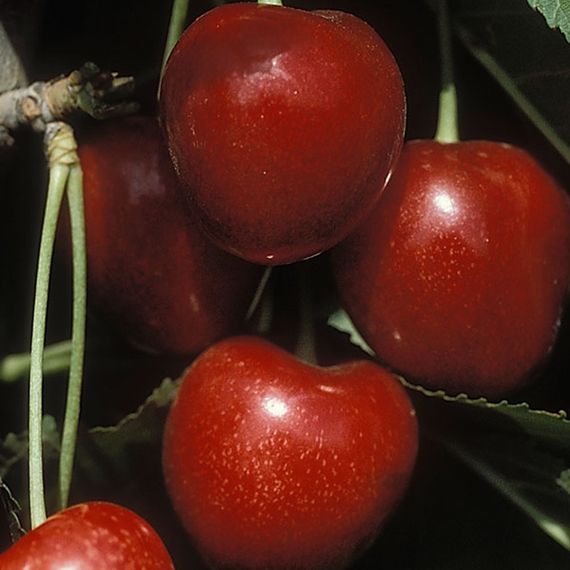
- Produces large, heart-shaped, dark red to nearly black cherries bursting with rich, sweet flavor in early to mid-summer
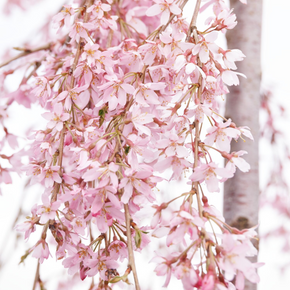
- Dazzling display of sweetly fragrant white blossoms in mid-spring precedes the summer fruit harvest
- Winner of the prestigious Royal Horticultural Society Award of Garden Merit and an excellent pollinator for other sweet cherry varieties
The Stella Cherry (Prunus avium 'Stella') is one of the most beloved and widely planted sweet cherry trees for home orchards, celebrated for its generous annual crops of large, luscious, dark red to nearly black fruit that ripens in early to mid-summer. A landmark cultivar developed from the popular Lambert cherry, Stella was among the first truly self-fertile sweet cherries ever introduced, eliminating the need for a second tree to set a full and satisfying harvest — an enormous advantage for home gardeners with limited space in Southern Oregon and Northern California. Each cherry is heart-shaped, firm, and exceptionally sweet with a satisfying, juicy bite, perfect for fresh eating straight off the tree, as well as for canning, baking, jams, and preserves. In mid-spring, before the fruit even hints at appearing, the tree puts on a spectacular show of sweetly fragrant white blossoms that line its branches and draw in bees and other important pollinators. The canopy carries smooth, lustrous dark green foliage throughout summer, transitioning to warm shades of yellow and red in fall before the tree enters its winter dormancy. Growing to a mature height and spread of 15 to 20 feet with a graceful upright to slightly rounded form, Stella is well-sized for residential landscapes, home food gardens, and small orchard settings. Hardy in USDA Zones 5 through 9, this low-maintenance, RHS Award of Garden Merit-winning tree is both a top-performing fruiting tree and a handsome ornamental, offering four-season interest and a bountiful annual harvest year after year.
Plant Description
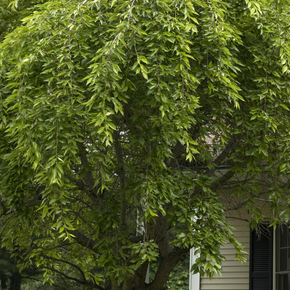
Stella Cherry is a medium-sized, deciduous, upright to broadly pyramidal sweet cherry tree belonging to the Rosaceae family. It is a cultivar of Prunus avium, the wild or sweet cherry species native to Europe and Western Asia. The tree is best known for producing an abundant annual crop of large, heart-shaped cherries that ripen to a deep red, nearly black color in early to mid-summer. The cherries are exceptionally sweet, firm, and flavorful with a rich, juicy flesh. Spring brings a stunning floral display of clusters of sweetly scented, pure white blossoms that emerge along the branches before the leaves fully unfurl — a sight that signals the start of the fruit-growing season and provides an important nectar and pollen source for bees, butterflies, and other beneficial insects. Summer foliage is smooth and lustrous dark green, giving the tree a full, attractive canopy, while fall brings warm yellow and red tones before leaf drop. Stella's development from the Lambert cherry resulted in a tree that retained Lambert's rich flavor profile while gaining the highly sought-after trait of self-fertility, making it one of the most impactful sweet cherry introductions in horticultural history. It has earned the prestigious Award of Garden Merit from the Royal Horticultural Society, reflecting its consistent performance and reliability in garden settings.
Mature Size
| Characteristic | Measurement |
|---|---|
| Mature Height (Standard) | 15 to 20 feet |
| Mature Spread (Standard) | 15 to 20 feet |
| Growth Rate | Moderate to fast |
| Time to Maturity | 5 to 10 years to full size |
| Years to First Fruit | Typically 4 to 7 years from a young tree; some nursery-grown stock may fruit in 1 to 4 years depending on rootstock |
| Growth Habit | Upright to broadly pyramidal; rounded canopy at maturity |
Hardiness Zones
Stella Cherry is hardy in USDA Plant Hardiness Zones 5 through 9, tolerating winter temperatures as low as -20 degrees Fahrenheit. This range covers the vast majority of the continental United States, including all of Southern Oregon and Northern California, making it a reliable choice for local gardeners. Because the tree requires approximately 600 chill hours — defined as hours with temperatures below 45 degrees Fahrenheit during winter dormancy — it is well-suited to regions with cold winters that provide sufficient dormancy-breaking chilling. In the hottest, driest portions of Zone 9 and beyond, performance may be reduced due to insufficient winter chill hours. Stella prefers a site with moderate summers and is not ideally suited to the most extreme desert heat zones.
Sunlight Requirements
Stella Cherry thrives in full sun and requires a minimum of 6 to 8 hours of direct, unfiltered sunlight per day for optimal growth, flowering, and fruit production. A south- or west-facing planting location is ideal. While the tree can tolerate partial shade, reduced sun exposure will result in noticeably fewer blossoms and a significantly lighter fruit crop. Choosing the sunniest available spot in your landscape will reward you with the most abundant and sweetest cherries. Adequate air circulation around the tree also helps reduce the risk of fungal diseases.
Soil and pH Preferences
Stella Cherry adapts to a range of soil types, including sand, loam, clay, and chalk, but it performs best in moderately fertile, moist, well-drained soil. Waterlogged or consistently soggy soils should be avoided, as they promote root rot and will weaken or kill the tree over time. For best results, target the following soil conditions:
- Soil type: Loamy, well-aerated, and free-draining; amend heavy clay soils with compost to improve drainage
- Soil pH: Slightly acidic to neutral — a pH range of 6.0 to 7.0 is ideal for nutrient uptake and overall tree health
- Organic matter: Incorporating well-rotted compost into the planting hole and as an annual top dressing improves soil fertility and moisture retention
- Drainage: Ensure the planting site does not collect standing water, particularly after winter rains
If you are unsure of your soil pH, an inexpensive home test kit or a local extension service soil test can provide accurate results and amendment recommendations.
Watering Guide
Consistent moisture is important for healthy establishment and productive fruiting, but Stella Cherry does not tolerate waterlogged conditions.
- Newly planted trees: Water deeply once a week for the first growing season to support root establishment. Water at the drip line — the outer edge of the canopy — rather than directly at the trunk. During the first week after planting, daily watering is beneficial, tapering to twice weekly in the second week, and then weekly thereafter until the ground freezes.
- Established trees: Once established, Stella Cherry generally needs about 1 to 2 inches of water per week, either from rainfall or supplemental irrigation. Deep, infrequent watering encourages deep root development. Reduce to every 10 to 14 days as the tree matures.
- How to check moisture: Insert a finger 2 inches into the soil near the root zone — if it feels dry, it is time to water. Aim to wet the soil to a depth of 8 to 12 inches per watering session.
- Mulching: Applying a 2- to 3-inch layer of organic mulch over the root zone helps retain soil moisture, moderate soil temperature, and suppress weeds. Keep mulch a few inches away from the trunk to prevent rot.
Fertilizing
Stella Cherry benefits from thoughtful, measured fertilization rather than heavy feeding. Over-fertilizing, especially with high-nitrogen products, can stimulate excessive leafy growth at the expense of fruit production and may increase disease susceptibility.
- First year: Do not fertilize the tree in its first year after planting. Focus on establishment by maintaining adequate moisture and mulch.
- Established trees: Feed annually in early spring before new growth begins. A balanced fertilizer such as a 10-10-10 formulation works well. Apply 1/10 pound of actual nitrogen per year of tree age, up to a maximum of 1 pound of nitrogen per year.
- Organic option: Top-dress the root zone with well-rotted compost in late winter or early spring to improve soil fertility naturally and provide slow-release nutrients throughout the season.
- Split application: You may divide the annual fertilizer into two lighter applications — one in early spring and one in early summer — rather than a single treatment, particularly in sandy soils where nutrients leach more quickly.
- Avoid late-season fertilizing: Do not fertilize after midsummer, as this can stimulate tender new growth that is susceptible to frost damage heading into fall and winter.
Pruning and Maintenance
Stella Cherry is a relatively low-maintenance tree that does not require heavy pruning to produce fruit. However, thoughtful pruning improves structure, airflow, and long-term productivity.
- When to prune: The best time for routine shaping and light structural pruning is during the dormant season in late winter or very early spring before bud swell. Dead, damaged, or diseased wood can be removed at any time of year as soon as it is noticed.
- Summer pruning: Established trees can receive light maintenance pruning during or just after harvest in summer, which also reduces the risk of certain fungal diseases by minimizing open wounds during the wetter fall and winter months.
- What to remove: Focus on removing crossing or rubbing branches, water sprouts, any dead or diseased wood, and branches that crowd the center of the canopy. An open center allows light penetration and air circulation, which improves fruit quality and reduces disease pressure.
- Young tree training: In the early years, prune to establish a strong central leader or open vase shape with 3 to 5 well-spaced scaffold branches. This foundational structure will support heavy fruit loads as the tree matures.
- Avoid heavy pruning: Sweet cherries are more sensitive to large pruning cuts than some other fruit trees. Keep individual cuts as small as possible to reduce the risk of disease entry.
Planting Instructions
- Select a sunny planting site with well-drained soil. Avoid low spots where water collects. Allow adequate space for a mature spread of 15 to 20 feet.
- The best times to plant are in early spring after the last frost has passed, or in fall at least 4 to 6 weeks before the ground freezes to allow for root establishment.
- Clear the planting area of weeds, grass, and debris in a circle at least 3 to 4 feet in diameter.
- Dig a hole as deep as the root ball and approximately twice as wide. Create a small mound of native soil in the center of the hole.
- Gently loosen any circling or pot-bound roots before planting.
- Set the tree on the central mound so the root flare — where the trunk widens at the base — sits approximately 1 inch above the surrounding soil grade. Do not plant too deeply.
- Backfill the hole halfway using a mixture of native soil and well-rotted compost. Water thoroughly to settle the soil and eliminate air pockets.
- Once the water drains, finish backfilling and tamp gently.
- Apply a 2- to 3-inch layer of organic mulch (wood chips, bark, or straw) over the root zone, keeping it several inches back from the trunk to prevent rot and crown disease.
- Water deeply immediately after planting and maintain a consistent watering schedule through the first growing season.
Pollination and Fruit Production
One of Stella Cherry's most valued traits is its self-fertility — a single tree is fully capable of setting a bountiful crop without a second tree for cross-pollination. This makes it an outstanding choice for smaller yards, urban gardens, and single-tree home orchards where space does not allow for multiple fruit trees.
However, planting a second compatible sweet cherry nearby will increase fruit set, yield, and sometimes berry size through cross-pollination. Stella is classified in pollination Group 4 and is known as an exceptionally versatile pollinator that is compatible with and can pollinate nearly all other sweet cherry varieties. Compatible cross-pollinators include varieties such as Bing, Rainier, Lapins, Van, and Black Tartarian, among others.
Stella typically begins producing its first meaningful fruit crop within 4 to 7 years of planting from a young tree, though trees grown on certain dwarfing or semi-dwarfing rootstocks may bear fruit more quickly. Once established and in full production, the tree delivers heavy, reliable crops of large dark red cherries each summer, typically ripening in June through July depending on local conditions.
Harvesting and Culinary Uses
Stella cherries ripen in early to mid-summer, typically between June and July depending on your local climate and elevation. The cherries are ready to harvest when they have deepened to a rich, dark red to nearly black color and give slightly when gently squeezed. Once fully ripe, they do not store on the tree for extended periods, so check the tree daily and harvest promptly at peak ripeness.
Stella cherries are prized for their large size, firm texture, rich sweetness, and notably better resistance to cracking and splitting compared to many other sweet cherry varieties — a significant advantage during years with wet summer weather near harvest time.
- Fresh eating: Outstanding straight off the tree — sweet, juicy, and visually appealing
- Baking: Excellent in pies, tarts, crisps, clafoutis, and cobblers
- Preserving: Makes outstanding jams, jellies, and compotes; also ideal for canning in syrup
- Freezing: Pit and freeze on a baking sheet before transferring to bags for year-round use in smoothies and baked goods
- Nutrition: Sweet cherries are a good source of antioxidants, potassium, vitamin C, and dietary fiber
Pests and Diseases
Stella Cherry is generally a healthy, resilient tree when grown in appropriate conditions, but it can be affected by the following pests and diseases common to sweet cherries in the Pacific Coast and inland regions of Southern Oregon and Northern California.
Common Pests:
- Cherry blackfly (black cherry aphid): Clusters of black aphids distort new shoot growth. Manage with insecticidal soap, neem oil, or by encouraging natural predators such as ladybugs and lacewings.
- Cherry fruit fly / Spotted Wing Drosophila (SWD): Larvae tunnel into ripening fruit. Monitor with sticky traps and apply targeted treatments at first adult capture. Harvest promptly to reduce infestation.
- Pear and cherry slugworm (cherry sawfly): Small, slug-like larvae skeletonize leaves in summer. Hand-pick or use insecticidal soap for light infestations.
- Scale insects: Hard or soft scale on bark can reduce vigor. Treat with horticultural oil in late winter during dormancy.
- Birds: Birds are enthusiastic cherry eaters. Netting the tree just before cherries begin to color is the most effective deterrent.
Common Diseases:
- Brown rot (Monilinia spp.): A fungal disease causing fruit to rot rapidly, especially in humid conditions near harvest. Remove and discard affected fruit; improve air circulation through pruning; apply preventive fungicide if history warrants.
- Bacterial canker: Causes sunken, dark lesions and gummosis on bark and branches. Prune out affected wood back to healthy tissue in dry weather; avoid pruning in fall and winter when the bacterium spreads most readily.
- Silver leaf: A fungal disease entering through pruning wounds; leaves take on a silvery sheen. Prune only during dry weather in summer and disinfect tools between cuts.
- Peach leaf curl: Can occasionally affect cherry trees, causing distorted, reddened foliage. Apply a copper-based fungicide in late winter before bud swell as a preventive measure.
- Blossom wilt: Fungal infection causing wilted blossoms and shoot dieback in spring. Remove and destroy affected spurs; avoid wounding trees unnecessarily.
Landscape Uses
Stella Cherry is a versatile addition to the landscape that delivers both ornamental beauty and edible reward throughout the seasons. Its manageable size and attractive form make it well-suited to a variety of residential and small-farm settings common throughout Southern Oregon and Northern California.
- Home orchard specimen: A standout single-tree orchard anchor; its self-fertility means one tree yields a full crop without companions
- Mixed fruit orchard: Pairs beautifully with other cherry varieties, apple, pear, or plum trees in a diverse home orchard planting
- Lawn specimen tree: The pyramidal form, spring blossoms, summer fruit, and fall color make it an excellent standalone specimen in an open lawn
- Kitchen garden anchor: Plant near the vegetable garden to attract pollinators that benefit food crops throughout the growing season
- Privacy screen or row planting: Multiple trees planted in a row create a productive and beautiful seasonal screen or orchard alley
- Cottage and informal garden style: The naturalistic flowering habit and edible fruit fit seamlessly into cottage garden designs
Companion Plants
Thoughtful companion planting around your Stella Cherry can improve pollinator activity, suppress pests naturally, enhance soil health, and create a more productive and visually appealing planting. Here are some excellent companions and a few plants to avoid:
Beneficial Companions:
- White clover: Acts as a living mulch under the canopy, fixing nitrogen in the soil and providing nectar for ground-level pollinators
- Sweet alyssum: Low-growing annual that attracts hoverflies, whose larvae prey on aphids — a common cherry pest
- Borage: Its blue flowers are highly attractive to bees during cherry blossom time, boosting fruit set even in self-fertile trees
- Marigolds: Planted around the drip line, marigolds help deter certain soil pests and attract beneficial insects
- Chives and garlic: Alliums planted beneath or near the tree are reported to repel aphids and other pests
- Comfrey: Deep taproots bring up subsoil minerals; leaves can be used as a nutrient-rich mulch around the base of the tree
Plants to Avoid:
- Black walnut: Produces juglone, a compound toxic to many plants including cherry trees; do not plant within 50 to 60 feet
- Fennel: Allelopathic to many fruit trees and generally unsuitable as a close neighbor
- Invasive mints: Compete aggressively for moisture and can spread uncontrollably into the root zone
Wildlife Value
Stella Cherry is a valuable wildlife plant that supports a variety of beneficial creatures throughout its growing season.
- Pollinators: The abundant, sweetly fragrant spring blossoms are an important early-season nectar and pollen source for honeybees, native bees, bumblebees, and butterflies, making the tree a meaningful contributor to pollinator health in the garden
- Birds: Ripe cherries are irresistible to many fruit-eating birds, including robins, cedar waxwings, and American robins. While netting is recommended to protect the harvest for human use, any uncovered fruit or dropped cherries will be enthusiastically consumed
- Beneficial insects: The tree's blossoms and the habitat provided by its bark and leaf litter support a range of beneficial insects, including parasitic wasps that prey on common garden pests
For gardeners who want to share the harvest with wildlife while still enjoying a personal crop, consider netting the most accessible branches while leaving upper branches open for birds to enjoy.
Container Growing
Stella Cherry can be successfully grown in a large container, making it a viable option for patios, decks, and courtyard gardens where ground planting is not possible. When growing in a container, keep the following guidelines in mind:
- Container size: Choose a large, sturdy container — at least 18 to 24 inches in diameter and depth — with adequate drainage holes. Larger containers allow for more root volume and reduce watering frequency.
- Potting mix: Use a high-quality, well-draining potting mix formulated for fruit trees or amended with perlite to improve drainage. Avoid standard garden soil, which compacts in containers.
- Sunlight: Position the container where the tree will receive at least 6 to 8 hours of direct sun daily. Southern or western exposures are ideal.
- Watering: Containers dry out more quickly than in-ground plantings. Check soil moisture daily in warm weather and water whenever the top 1 to 2 inches feel dry. Ensure water drains freely from the bottom of the pot.
- Fertilizing: Container-grown trees require more frequent fertilization since nutrients leach out with regular watering. Use a slow-release balanced fertilizer in spring, supplemented with a diluted liquid fertilizer during the growing season.
- Winter protection: In Zone 5 and 6, container roots are more vulnerable to freeze damage than in-ground roots. Move containers to an unheated garage or sheltered location during the coldest weeks of winter.
- Repotting: Repot every 2 to 3 years or when the tree becomes visibly root-bound, stepping up to the next container size to sustain healthy growth.
- Self-fertile sweet cherry — no second tree required for fruit production, making it ideal for smaller home orchards and backyard plantings
- Produces large, heart-shaped, dark red to nearly black cherries bursting with rich, sweet flavor in early to mid-summer
- Dazzling display of sweetly fragrant white blossoms in mid-spring precedes the summer fruit harvest
- Winner of the prestigious Royal Horticultural Society Award of Garden Merit and an excellent pollinator for other sweet cherry varieties
The Stella Cherry (Prunus avium 'Stella') is one of the most beloved and widely planted sweet cherry trees for home orchards, celebrated for its generous annual crops of large, luscious, dark red to nearly black fruit that ripens in early to mid-summer. A landmark cultivar developed from the popular Lambert cherry, Stella was among the first truly self-fertile sweet cherries ever introduced, eliminating the need for a second tree to set a full and satisfying harvest — an enormous advantage for home gardeners with limited space in Southern Oregon and Northern California. Each cherry is heart-shaped, firm, and exceptionally sweet with a satisfying, juicy bite, perfect for fresh eating straight off the tree, as well as for canning, baking, jams, and preserves. In mid-spring, before the fruit even hints at appearing, the tree puts on a spectacular show of sweetly fragrant white blossoms that line its branches and draw in bees and other important pollinators. The canopy carries smooth, lustrous dark green foliage throughout summer, transitioning to warm shades of yellow and red in fall before the tree enters its winter dormancy. Growing to a mature height and spread of 15 to 20 feet with a graceful upright to slightly rounded form, Stella is well-sized for residential landscapes, home food gardens, and small orchard settings. Hardy in USDA Zones 5 through 9, this low-maintenance, RHS Award of Garden Merit-winning tree is both a top-performing fruiting tree and a handsome ornamental, offering four-season interest and a bountiful annual harvest year after year.
Plant Description
Stella Cherry is a medium-sized, deciduous, upright to broadly pyramidal sweet cherry tree belonging to the Rosaceae family. It is a cultivar of Prunus avium, the wild or sweet cherry species native to Europe and Western Asia. The tree is best known for producing an abundant annual crop of large, heart-shaped cherries that ripen to a deep red, nearly black color in early to mid-summer. The cherries are exceptionally sweet, firm, and flavorful with a rich, juicy flesh. Spring brings a stunning floral display of clusters of sweetly scented, pure white blossoms that emerge along the branches before the leaves fully unfurl — a sight that signals the start of the fruit-growing season and provides an important nectar and pollen source for bees, butterflies, and other beneficial insects. Summer foliage is smooth and lustrous dark green, giving the tree a full, attractive canopy, while fall brings warm yellow and red tones before leaf drop. Stella's development from the Lambert cherry resulted in a tree that retained Lambert's rich flavor profile while gaining the highly sought-after trait of self-fertility, making it one of the most impactful sweet cherry introductions in horticultural history. It has earned the prestigious Award of Garden Merit from the Royal Horticultural Society, reflecting its consistent performance and reliability in garden settings.
Mature Size
| Characteristic | Measurement |
|---|---|
| Mature Height (Standard) | 15 to 20 feet |
| Mature Spread (Standard) | 15 to 20 feet |
| Growth Rate | Moderate to fast |
| Time to Maturity | 5 to 10 years to full size |
| Years to First Fruit | Typically 4 to 7 years from a young tree; some nursery-grown stock may fruit in 1 to 4 years depending on rootstock |
| Growth Habit | Upright to broadly pyramidal; rounded canopy at maturity |
Hardiness Zones
Stella Cherry is hardy in USDA Plant Hardiness Zones 5 through 9, tolerating winter temperatures as low as -20 degrees Fahrenheit. This range covers the vast majority of the continental United States, including all of Southern Oregon and Northern California, making it a reliable choice for local gardeners. Because the tree requires approximately 600 chill hours — defined as hours with temperatures below 45 degrees Fahrenheit during winter dormancy — it is well-suited to regions with cold winters that provide sufficient dormancy-breaking chilling. In the hottest, driest portions of Zone 9 and beyond, performance may be reduced due to insufficient winter chill hours. Stella prefers a site with moderate summers and is not ideally suited to the most extreme desert heat zones.
Sunlight Requirements
Stella Cherry thrives in full sun and requires a minimum of 6 to 8 hours of direct, unfiltered sunlight per day for optimal growth, flowering, and fruit production. A south- or west-facing planting location is ideal. While the tree can tolerate partial shade, reduced sun exposure will result in noticeably fewer blossoms and a significantly lighter fruit crop. Choosing the sunniest available spot in your landscape will reward you with the most abundant and sweetest cherries. Adequate air circulation around the tree also helps reduce the risk of fungal diseases.
Soil and pH Preferences
Stella Cherry adapts to a range of soil types, including sand, loam, clay, and chalk, but it performs best in moderately fertile, moist, well-drained soil. Waterlogged or consistently soggy soils should be avoided, as they promote root rot and will weaken or kill the tree over time. For best results, target the following soil conditions:
- Soil type: Loamy, well-aerated, and free-draining; amend heavy clay soils with compost to improve drainage
- Soil pH: Slightly acidic to neutral — a pH range of 6.0 to 7.0 is ideal for nutrient uptake and overall tree health
- Organic matter: Incorporating well-rotted compost into the planting hole and as an annual top dressing improves soil fertility and moisture retention
- Drainage: Ensure the planting site does not collect standing water, particularly after winter rains
If you are unsure of your soil pH, an inexpensive home test kit or a local extension service soil test can provide accurate results and amendment recommendations.
Watering Guide
Consistent moisture is important for healthy establishment and productive fruiting, but Stella Cherry does not tolerate waterlogged conditions.
- Newly planted trees: Water deeply once a week for the first growing season to support root establishment. Water at the drip line — the outer edge of the canopy — rather than directly at the trunk. During the first week after planting, daily watering is beneficial, tapering to twice weekly in the second week, and then weekly thereafter until the ground freezes.
- Established trees: Once established, Stella Cherry generally needs about 1 to 2 inches of water per week, either from rainfall or supplemental irrigation. Deep, infrequent watering encourages deep root development. Reduce to every 10 to 14 days as the tree matures.
- How to check moisture: Insert a finger 2 inches into the soil near the root zone — if it feels dry, it is time to water. Aim to wet the soil to a depth of 8 to 12 inches per watering session.
- Mulching: Applying a 2- to 3-inch layer of organic mulch over the root zone helps retain soil moisture, moderate soil temperature, and suppress weeds. Keep mulch a few inches away from the trunk to prevent rot.
Fertilizing
Stella Cherry benefits from thoughtful, measured fertilization rather than heavy feeding. Over-fertilizing, especially with high-nitrogen products, can stimulate excessive leafy growth at the expense of fruit production and may increase disease susceptibility.
- First year: Do not fertilize the tree in its first year after planting. Focus on establishment by maintaining adequate moisture and mulch.
- Established trees: Feed annually in early spring before new growth begins. A balanced fertilizer such as a 10-10-10 formulation works well. Apply 1/10 pound of actual nitrogen per year of tree age, up to a maximum of 1 pound of nitrogen per year.
- Organic option: Top-dress the root zone with well-rotted compost in late winter or early spring to improve soil fertility naturally and provide slow-release nutrients throughout the season.
- Split application: You may divide the annual fertilizer into two lighter applications — one in early spring and one in early summer — rather than a single treatment, particularly in sandy soils where nutrients leach more quickly.
- Avoid late-season fertilizing: Do not fertilize after midsummer, as this can stimulate tender new growth that is susceptible to frost damage heading into fall and winter.
Pruning and Maintenance
Stella Cherry is a relatively low-maintenance tree that does not require heavy pruning to produce fruit. However, thoughtful pruning improves structure, airflow, and long-term productivity.
- When to prune: The best time for routine shaping and light structural pruning is during the dormant season in late winter or very early spring before bud swell. Dead, damaged, or diseased wood can be removed at any time of year as soon as it is noticed.
- Summer pruning: Established trees can receive light maintenance pruning during or just after harvest in summer, which also reduces the risk of certain fungal diseases by minimizing open wounds during the wetter fall and winter months.
- What to remove: Focus on removing crossing or rubbing branches, water sprouts, any dead or diseased wood, and branches that crowd the center of the canopy. An open center allows light penetration and air circulation, which improves fruit quality and reduces disease pressure.
- Young tree training: In the early years, prune to establish a strong central leader or open vase shape with 3 to 5 well-spaced scaffold branches. This foundational structure will support heavy fruit loads as the tree matures.
- Avoid heavy pruning: Sweet cherries are more sensitive to large pruning cuts than some other fruit trees. Keep individual cuts as small as possible to reduce the risk of disease entry.
Planting Instructions
- Select a sunny planting site with well-drained soil. Avoid low spots where water collects. Allow adequate space for a mature spread of 15 to 20 feet.
- The best times to plant are in early spring after the last frost has passed, or in fall at least 4 to 6 weeks before the ground freezes to allow for root establishment.
- Clear the planting area of weeds, grass, and debris in a circle at least 3 to 4 feet in diameter.
- Dig a hole as deep as the root ball and approximately twice as wide. Create a small mound of native soil in the center of the hole.
- Gently loosen any circling or pot-bound roots before planting.
- Set the tree on the central mound so the root flare — where the trunk widens at the base — sits approximately 1 inch above the surrounding soil grade. Do not plant too deeply.
- Backfill the hole halfway using a mixture of native soil and well-rotted compost. Water thoroughly to settle the soil and eliminate air pockets.
- Once the water drains, finish backfilling and tamp gently.
- Apply a 2- to 3-inch layer of organic mulch (wood chips, bark, or straw) over the root zone, keeping it several inches back from the trunk to prevent rot and crown disease.
- Water deeply immediately after planting and maintain a consistent watering schedule through the first growing season.
Pollination and Fruit Production
One of Stella Cherry's most valued traits is its self-fertility — a single tree is fully capable of setting a bountiful crop without a second tree for cross-pollination. This makes it an outstanding choice for smaller yards, urban gardens, and single-tree home orchards where space does not allow for multiple fruit trees.
However, planting a second compatible sweet cherry nearby will increase fruit set, yield, and sometimes berry size through cross-pollination. Stella is classified in pollination Group 4 and is known as an exceptionally versatile pollinator that is compatible with and can pollinate nearly all other sweet cherry varieties. Compatible cross-pollinators include varieties such as Bing, Rainier, Lapins, Van, and Black Tartarian, among others.
Stella typically begins producing its first meaningful fruit crop within 4 to 7 years of planting from a young tree, though trees grown on certain dwarfing or semi-dwarfing rootstocks may bear fruit more quickly. Once established and in full production, the tree delivers heavy, reliable crops of large dark red cherries each summer, typically ripening in June through July depending on local conditions.
Harvesting and Culinary Uses
Stella cherries ripen in early to mid-summer, typically between June and July depending on your local climate and elevation. The cherries are ready to harvest when they have deepened to a rich, dark red to nearly black color and give slightly when gently squeezed. Once fully ripe, they do not store on the tree for extended periods, so check the tree daily and harvest promptly at peak ripeness.
Stella cherries are prized for their large size, firm texture, rich sweetness, and notably better resistance to cracking and splitting compared to many other sweet cherry varieties — a significant advantage during years with wet summer weather near harvest time.
- Fresh eating: Outstanding straight off the tree — sweet, juicy, and visually appealing
- Baking: Excellent in pies, tarts, crisps, clafoutis, and cobblers
- Preserving: Makes outstanding jams, jellies, and compotes; also ideal for canning in syrup
- Freezing: Pit and freeze on a baking sheet before transferring to bags for year-round use in smoothies and baked goods
- Nutrition: Sweet cherries are a good source of antioxidants, potassium, vitamin C, and dietary fiber
Pests and Diseases
Stella Cherry is generally a healthy, resilient tree when grown in appropriate conditions, but it can be affected by the following pests and diseases common to sweet cherries in the Pacific Coast and inland regions of Southern Oregon and Northern California.
Common Pests:
- Cherry blackfly (black cherry aphid): Clusters of black aphids distort new shoot growth. Manage with insecticidal soap, neem oil, or by encouraging natural predators such as ladybugs and lacewings.
- Cherry fruit fly / Spotted Wing Drosophila (SWD): Larvae tunnel into ripening fruit. Monitor with sticky traps and apply targeted treatments at first adult capture. Harvest promptly to reduce infestation.
- Pear and cherry slugworm (cherry sawfly): Small, slug-like larvae skeletonize leaves in summer. Hand-pick or use insecticidal soap for light infestations.
- Scale insects: Hard or soft scale on bark can reduce vigor. Treat with horticultural oil in late winter during dormancy.
- Birds: Birds are enthusiastic cherry eaters. Netting the tree just before cherries begin to color is the most effective deterrent.
Common Diseases:
- Brown rot (Monilinia spp.): A fungal disease causing fruit to rot rapidly, especially in humid conditions near harvest. Remove and discard affected fruit; improve air circulation through pruning; apply preventive fungicide if history warrants.
- Bacterial canker: Causes sunken, dark lesions and gummosis on bark and branches. Prune out affected wood back to healthy tissue in dry weather; avoid pruning in fall and winter when the bacterium spreads most readily.
- Silver leaf: A fungal disease entering through pruning wounds; leaves take on a silvery sheen. Prune only during dry weather in summer and disinfect tools between cuts.
- Peach leaf curl: Can occasionally affect cherry trees, causing distorted, reddened foliage. Apply a copper-based fungicide in late winter before bud swell as a preventive measure.
- Blossom wilt: Fungal infection causing wilted blossoms and shoot dieback in spring. Remove and destroy affected spurs; avoid wounding trees unnecessarily.
Landscape Uses
Stella Cherry is a versatile addition to the landscape that delivers both ornamental beauty and edible reward throughout the seasons. Its manageable size and attractive form make it well-suited to a variety of residential and small-farm settings common throughout Southern Oregon and Northern California.
- Home orchard specimen: A standout single-tree orchard anchor; its self-fertility means one tree yields a full crop without companions
- Mixed fruit orchard: Pairs beautifully with other cherry varieties, apple, pear, or plum trees in a diverse home orchard planting
- Lawn specimen tree: The pyramidal form, spring blossoms, summer fruit, and fall color make it an excellent standalone specimen in an open lawn
- Kitchen garden anchor: Plant near the vegetable garden to attract pollinators that benefit food crops throughout the growing season
- Privacy screen or row planting: Multiple trees planted in a row create a productive and beautiful seasonal screen or orchard alley
- Cottage and informal garden style: The naturalistic flowering habit and edible fruit fit seamlessly into cottage garden designs
Companion Plants
Thoughtful companion planting around your Stella Cherry can improve pollinator activity, suppress pests naturally, enhance soil health, and create a more productive and visually appealing planting. Here are some excellent companions and a few plants to avoid:
Beneficial Companions:
- White clover: Acts as a living mulch under the canopy, fixing nitrogen in the soil and providing nectar for ground-level pollinators
- Sweet alyssum: Low-growing annual that attracts hoverflies, whose larvae prey on aphids — a common cherry pest
- Borage: Its blue flowers are highly attractive to bees during cherry blossom time, boosting fruit set even in self-fertile trees
- Marigolds: Planted around the drip line, marigolds help deter certain soil pests and attract beneficial insects
- Chives and garlic: Alliums planted beneath or near the tree are reported to repel aphids and other pests
- Comfrey: Deep taproots bring up subsoil minerals; leaves can be used as a nutrient-rich mulch around the base of the tree
Plants to Avoid:
- Black walnut: Produces juglone, a compound toxic to many plants including cherry trees; do not plant within 50 to 60 feet
- Fennel: Allelopathic to many fruit trees and generally unsuitable as a close neighbor
- Invasive mints: Compete aggressively for moisture and can spread uncontrollably into the root zone
Wildlife Value
Stella Cherry is a valuable wildlife plant that supports a variety of beneficial creatures throughout its growing season.
- Pollinators: The abundant, sweetly fragrant spring blossoms are an important early-season nectar and pollen source for honeybees, native bees, bumblebees, and butterflies, making the tree a meaningful contributor to pollinator health in the garden
- Birds: Ripe cherries are irresistible to many fruit-eating birds, including robins, cedar waxwings, and American robins. While netting is recommended to protect the harvest for human use, any uncovered fruit or dropped cherries will be enthusiastically consumed
- Beneficial insects: The tree's blossoms and the habitat provided by its bark and leaf litter support a range of beneficial insects, including parasitic wasps that prey on common garden pests
For gardeners who want to share the harvest with wildlife while still enjoying a personal crop, consider netting the most accessible branches while leaving upper branches open for birds to enjoy.
Container Growing
Stella Cherry can be successfully grown in a large container, making it a viable option for patios, decks, and courtyard gardens where ground planting is not possible. When growing in a container, keep the following guidelines in mind:
- Container size: Choose a large, sturdy container — at least 18 to 24 inches in diameter and depth — with adequate drainage holes. Larger containers allow for more root volume and reduce watering frequency.
- Potting mix: Use a high-quality, well-draining potting mix formulated for fruit trees or amended with perlite to improve drainage. Avoid standard garden soil, which compacts in containers.
- Sunlight: Position the container where the tree will receive at least 6 to 8 hours of direct sun daily. Southern or western exposures are ideal.
- Watering: Containers dry out more quickly than in-ground plantings. Check soil moisture daily in warm weather and water whenever the top 1 to 2 inches feel dry. Ensure water drains freely from the bottom of the pot.
- Fertilizing: Container-grown trees require more frequent fertilization since nutrients leach out with regular watering. Use a slow-release balanced fertilizer in spring, supplemented with a diluted liquid fertilizer during the growing season.
- Winter protection: In Zone 5 and 6, container roots are more vulnerable to freeze damage than in-ground roots. Move containers to an unheated garage or sheltered location during the coldest weeks of winter.
- Repotting: Repot every 2 to 3 years or when the tree becomes visibly root-bound, stepping up to the next container size to sustain healthy growth.