
Zoom the image with the mouse
Triostar Stromanthe - 1 Gallon
SKU:
2096200
UPC:
014949487792
$21.99
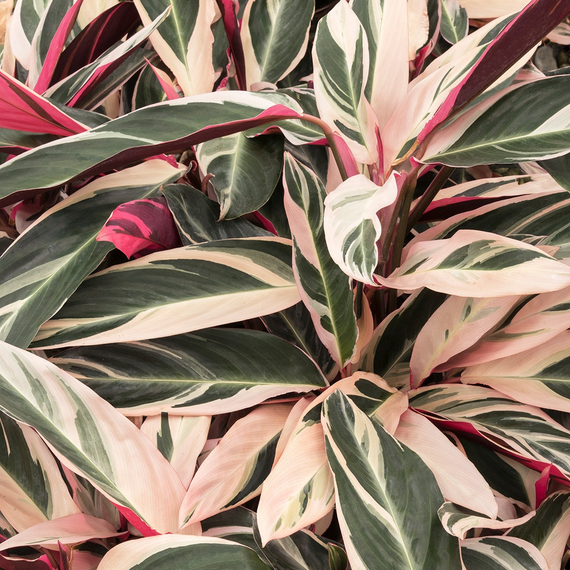
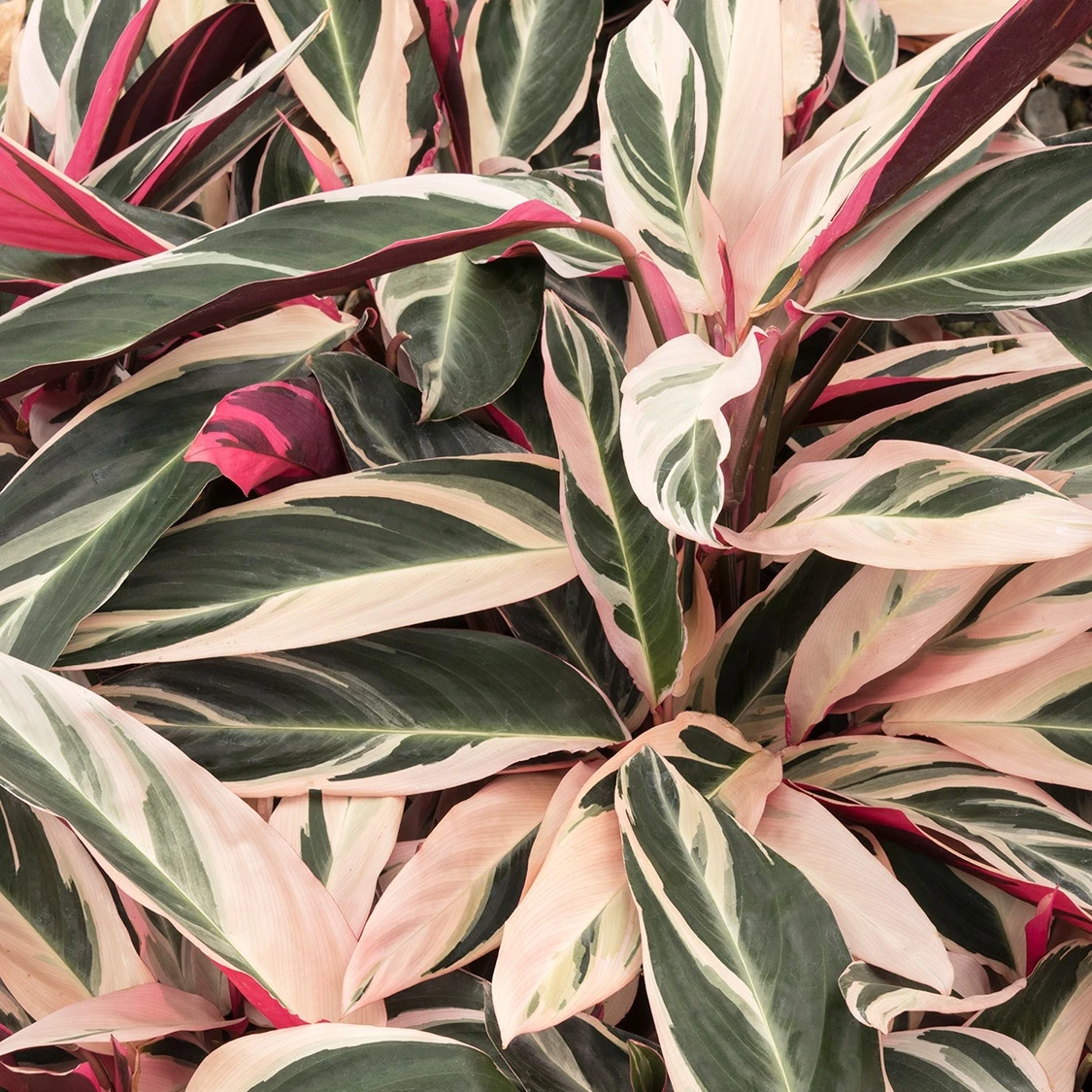
- Striking variegated foliage splashed with emerald green, creamy white, and vivid pink — each leaf a one-of-a-kind work of art that shifts in color intensity depending on light exposure.
- A living, animated houseplant — leaves tilt and reach toward light throughout the day, then fold upward at dusk in a captivating behavior known as nyctinasty, shared by its prayer plant relatives.
- Pet-friendly and non-toxic to cats, dogs, and humans, making it a worry-free showpiece for any home or shaded outdoor living space.
- A bold tropical accent for bright, indirect indoor spots or sheltered shady patios — thrives in warmth and humidity with relatively low-maintenance care.
Stromanthe Triostar (Stromanthe thalia 'Triostar'), also known as Tricolor Stromanthe or Tricolor Ginger, is a breathtaking tropical evergreen perennial native to the rainforests of Brazil and a prized member of the Marantaceae — the prayer plant family. Its large, glossy, lance-shaped leaves can reach up to 20 inches long and are dramatically painted with irregular splashes of deep emerald green, creamy white, and soft pink on the upper surface, while the undersides are a rich, solid magenta-pink that flashes brilliantly when the leaves move. Like its prayer plant cousins, the Triostar performs a daily ritual of leaf movement called nyctinasty — leaves tilt and reorient themselves to follow available light during the day and fold upward as evening falls, giving the plant an almost animated, living-sculpture quality. Growing in a clumping, upright habit, it reaches 2 to 3 feet tall as a houseplant and up to 5 feet in ideal outdoor conditions, making it an exceptional statement plant for interiors, shaded patios, and tropical garden beds in frost-free climates. Mature plants may produce spring panicles of small white flowers with orangish-red sepals and vivid red bracts, a rare but delightful bonus. Hardy outdoors in USDA Zones 10 to 12, the Stromanthe Triostar is widely grown as a houseplant or seasonal patio plant across most of the United States, thriving indoors year-round when given bright indirect light, consistent moisture, and elevated humidity. Non-toxic to pets and people, it is as family-friendly as it is visually spectacular — a must-have tropical accent for collectors and everyday plant lovers alike.
Plant Description
Stromanthe Triostar is a rhizomatous, evergreen herbaceous perennial in the Marantaceae (prayer plant) family. Its most celebrated feature is its large, glossy, elliptical to oblong leaves that can grow up to 20 inches long and 6 inches wide. The upper leaf surface is boldly variegated with irregular brushstroke-like patches of deep olive and emerald green, creamy white, and soft blush pink — no two leaves are identical. The undersides of the leaves are a uniform, deep magenta-pink, which creates a stunning two-toned display as the leaves shift throughout the day. Stems are branching and upright, and the plant forms a lush, clumping mound of layered foliage. Like other members of the prayer plant family, the Triostar is notable for its nyctinastic leaf movement — leaves track available light during daylight hours and fold upward toward the stem at night, almost like praying hands. Mature specimens may produce panicles of small white flowers accented by orangish-red sepals and vivid red bracts in spring, though flowering is more common in greenhouse or outdoor tropical conditions than in typical indoor settings.
Mature Size
| Growing Situation | Typical Height | Typical Width |
|---|---|---|
| Grown as a houseplant | 2 to 3 feet | 1.5 to 2.5 feet |
| Grown outdoors in ideal tropical conditions | 3 to 5 feet | 2 to 3 feet |
Growth rate is relatively quick during warm months when humidity and light conditions are favorable. Individual leaves can reach up to 20 inches in length and 6 inches in width, contributing to the plant's lush, full appearance even at modest overall heights.
Hardiness Zones and Temperature
Stromanthe Triostar is winter hardy outdoors in USDA Hardiness Zones 10a through 12b, where frost is absent and temperatures remain consistently warm year-round. It is native to the humid tropical rainforests of Brazil and is not tolerant of frost or freezing temperatures. In Zones 9 and below — including most of the continental United States — it is best grown as a houseplant or moved indoors during cooler months. Ideal indoor temperatures range from 65 to 85 degrees F. Avoid exposing the plant to temperatures below 60 degrees F, cold drafts from air conditioning vents, or placement near single-pane windows during winter, as chilling injury can cause leaf damage, browning, and dieback. In Southern Oregon and Northern California, this plant thrives indoors year-round and can be moved to a sheltered, shaded patio during warm summer months.
Sunlight Requirements
Stromanthe Triostar performs best in bright, indirect light. It naturally grows along the floor of dense tropical rainforests, where light is filtered through a thick upper canopy — making it well suited to conditions found near a north- or east-facing window, or several feet back from a bright south- or west-facing window where direct rays are diffused by a sheer curtain. The pink and cream variegation in the foliage tends to be most vivid and pronounced when the plant receives ample bright indirect light. Low light conditions will cause the variegation to fade and growth to slow significantly. Direct sun, especially afternoon sun, will scorch and bleach the delicate leaves. Outdoors, site the plant in dappled shade or full shade beneath the canopy of a tree or on a covered patio. Aim for 2 to 6 hours of filtered or indirect light daily for the best foliage color and plant vigor.
Watering Guide
Consistent, even moisture is key to keeping Stromanthe Triostar healthy and vibrant. Water thoroughly when the top inch of soil feels slightly dry, allowing excess water to drain freely from the pot. Never allow the plant to sit in standing water in a saucer, as this promotes root rot. Equally important — never let the soil dry out completely, as this plant is drought-intolerant and will quickly show stress through drooping, rolling, or browning leaf edges. During the active growing season in spring and summer, watering frequency will typically increase. In fall and winter, reduce watering slightly to match the plant's slower growth, but do not allow the soil to go fully dry. The Triostar is also sensitive to the minerals and fluoride found in many municipal water supplies. Using filtered water, rainwater, or water that has been allowed to sit at room temperature for 24 hours can help prevent tip burn and brown leaf margins caused by water quality issues.
Humidity and Temperature Preferences
As a rainforest native, Stromanthe Triostar thrives in high humidity environments — ideally 50 to 70% relative humidity or higher. Standard indoor humidity levels of 30 to 40% are often too dry and will result in crispy brown leaf tips and edges. To increase humidity around your plant, try one or more of the following strategies:
- Place the pot on a tray filled with pebbles and water, ensuring the bottom of the pot sits above the waterline.
- Run a humidifier near the plant, especially during winter months when indoor heating reduces ambient humidity.
- Group the Triostar with other tropical houseplants to create a microclimate of elevated humidity through collective transpiration.
- Position the plant in a naturally humid room such as a bathroom or kitchen, provided light requirements are also met.
Misting the foliage directly is sometimes practiced but is less effective than the above methods and can occasionally invite fungal issues if water lingers on the leaves. Keep the plant away from heating and air conditioning vents, which create dry air currents that rapidly dehydrate foliage.
Soil and pH Preferences
Stromanthe Triostar grows best in a rich, well-draining potting mix that retains some moisture without becoming waterlogged. A high-quality tropical or houseplant potting soil amended with added organic matter is ideal. For improved drainage and aeration, consider mixing in perlite or coarse orchid bark at a ratio of roughly 2 parts potting soil to 1 part perlite or bark. Avoid heavy, compacted soils that retain excess water, as these promote the root and stem rot to which this plant is susceptible. The Triostar prefers a slightly acidic to neutral soil pH in the range of 6.0 to 7.0. Ensure the chosen container has adequate drainage holes, and consider lining the bottom of the pot with a layer of perlite or coarse material for extra drainage protection.
Fertilizing
Feed Stromanthe Triostar regularly during the active growing season — spring through early fall — to support lush, vibrant foliage growth. A balanced, water-soluble liquid fertilizer with an NPK ratio of approximately 10-10-10 or a formulation designed for tropical foliage plants works well. Dilute the fertilizer to half the recommended strength to avoid fertilizer burn, which can cause leaf tip browning in this sensitive plant. Apply every 2 to 4 weeks during the growing season. Reduce feeding to once every 6 to 8 weeks in late fall, and stop fertilizing altogether in winter when plant growth naturally slows. Organic liquid fertilizers or compost-based products are a gentle alternative that carry lower risk of salt buildup in the soil. Flush the soil with plain water every few months to prevent fertilizer salt accumulation, which can also damage leaf tips and roots.
Pruning and Maintenance
Stromanthe Triostar is a relatively low-maintenance plant that requires minimal pruning. Routine maintenance involves the following:
- Remove damaged leaves: Trim any yellowed, browned, or damaged leaves at the base of the petiole (leaf stem) using clean, sharp scissors or pruning shears. This keeps the plant looking tidy and redirects energy to healthy growth.
- Trim brown leaf tips: If leaf tips become brown and crispy from low humidity or water quality issues, they can be trimmed with scissors to just within the green tissue. Cutting in a slight curve mimics the natural leaf shape for a more aesthetically pleasing result.
- Remove old flower stalks: Once the spring flowers have faded, remove spent flower stems at the base to maintain a neat appearance.
- Clean the leaves: Gently wipe large leaves with a soft, damp cloth periodically to remove dust buildup, which can inhibit photosynthesis and diminish the foliage's natural gloss.
- Division: Overgrown clumps can be divided in spring before new growth begins. Carefully separate rooted sections and pot each division into fresh soil.
Planting and Repotting Instructions
When potting or repotting Stromanthe Triostar, choose a container only 1 to 2 inches larger in diameter than the current root mass — overly large pots hold excess moisture and increase the risk of root rot. Select a pot with drainage holes and use a rich, well-draining tropical potting mix. Follow these steps for successful repotting:
- Water the plant thoroughly 24 hours before repotting to reduce transplant stress.
- Gently remove the plant from its current container and inspect the roots, trimming any that are mushy, black, or clearly rotten.
- Add a layer of fresh potting mix to the bottom of the new container.
- Position the plant so the crown sits at the same soil level as it did in the previous pot — do not bury the crown deeper.
- Fill in around the root ball with fresh potting mix, firming gently to eliminate air pockets.
- Water thoroughly and place the plant in a warm, humid spot with bright indirect light while it acclimates.
Repotting is best done in spring at the start of the growing season. Most plants need repotting every 1 to 2 years, or when roots begin to circle the bottom of the pot or emerge from drainage holes.
Container Growing
Stromanthe Triostar is an excellent container plant and is most commonly grown this way in climates outside of USDA Zones 10-12. Its compact indoor size of 2 to 3 feet makes it well-suited to large tabletop planters, floor-standing decorative pots, and statement planters in living rooms, home offices, or sunrooms. Choose a pot that is proportional to the plant's root mass, with good drainage — terracotta pots are excellent for their breathability and ability to wick away excess moisture, while ceramic and plastic containers retain moisture longer, which can be beneficial in very warm or dry indoor environments. During warm summer months, container-grown plants can be moved to a sheltered outdoor patio or deck in a shaded or partially shaded location, taking care to acclimatize the plant gradually to outdoor conditions. Bring containers indoors before temperatures drop below 60 degrees F in fall.
Seasonal Interest
| Season | What to Expect |
|---|---|
| Spring | Active new growth begins; mature plants may produce panicles of white flowers with orangish-red sepals and red bracts. Begin fertilizing again as growth resumes. |
| Summer | Peak growing season with the fastest new leaf production. Variegation is most vivid when warm temperatures and bright indirect light are consistent. Ideal time for outdoor patio display in Southern Oregon and Northern California. |
| Fall | Growth slows as days shorten and temperatures cool. Begin reducing fertilizer and slightly ease back on watering frequency. Bring outdoor plants inside before nighttime temps dip below 60 degrees F. |
| Winter | Plant maintains its evergreen, colorful foliage indoors year-round. Growth slows considerably. Focus on maintaining warmth, humidity, and adequate indirect light near a window. Avoid cold drafts and heating vents. |
Landscape and Interior Uses
In frost-free climates (USDA Zones 10-12), Stromanthe Triostar makes a stunning addition to tropical garden beds, shaded borders, and lush container arrangements on covered patios and pool surrounds. Its bold, multi-colored foliage provides vivid contrast against green-leafed companions and is a natural fit for tropical-themed or exotic landscape designs. As a houseplant, it functions equally well as a solo statement piece or as part of a layered indoor tropical plant display. Consider these uses:
- Focal point plant in a bright living room, sunroom, or botanical-style home office.
- Color accent in a layered indoor plant display alongside deep green foliage plants that contrast with its pink and cream variegation.
- Seasonal patio or deck accent in warmer months in a sheltered, shaded outdoor spot.
- Naturalistic understory planting in tropical or subtropical garden beds beneath palms, large canopy trees, or bamboo.
- Luxurious filler in large mixed tropical container arrangements paired with bold green specimens.
Companion Plants
Stromanthe Triostar pairs beautifully with other humidity-loving tropical plants that share its preference for bright indirect light and warm, moist conditions. Strong companions include:
- Calathea and Maranta species — fellow members of the Marantaceae family with complementary leaf patterns and shared care requirements.
- Bird of Paradise (Strelitzia) — bold, architectural foliage provides a dramatic green backdrop that allows the Triostar's variegation to pop.
- Philodendron 'Brasil' or 'Birkin' — variegated aroids with different leaf shapes but compatible light and humidity needs.
- Peace Lily (Spathiphyllum) — a complementary shade-tolerant tropical that echoes the white tones in the Triostar's foliage.
- Nerve Plant (Fittonia) — a low-growing, humidity-loving groundcover with intricate foliage that contrasts beautifully at the base of the Triostar.
- Bromeliad varieties — share similar tropical origins and add contrasting rosette forms and bright flower color to a grouped display.
Pests and Diseases
Stromanthe Triostar is generally a healthy plant when its basic care needs are met, but it can be susceptible to the following pests and problems:
- Spider mites: The most common pest on this plant, especially in dry indoor conditions. Look for fine webbing on leaf undersides and stippled, dull foliage. Treat with insecticidal soap, neem oil, or a strong spray of water. Maintaining high humidity is the best preventive measure.
- Mealybugs: White, cottony clusters on stems and leaf axils. Remove manually with a cotton swab dipped in rubbing alcohol and follow up with neem oil or insecticidal soap applications.
- Aphids: Small soft-bodied insects clustering on new growth. Treat with insecticidal soap or a strong stream of water. Typically easy to manage with prompt treatment.
- Root and stem rot: Caused by overwatering or poor drainage. Symptoms include yellowing leaves, mushy stems, and a foul smell from the soil. Prevention is key — ensure well-draining soil and pots with drainage holes, and allow the top inch of soil to dry slightly between waterings.
- Brown leaf tips and edges: Often a sign of low humidity, fluoride toxicity from tap water, or fertilizer salt buildup — not a disease. Address by increasing humidity, switching to filtered or rainwater, and flushing the soil periodically.
- Yellowing leaves: Can result from overwatering, underwatering, poor drainage, or insufficient light. Evaluate all care conditions systematically when yellowing appears.
Wildlife and Pet Safety
Stromanthe Triostar is classified as non-toxic to cats, dogs, and humans, making it one of the safer choices among popular tropical houseplants for pet owners and families with young children. It does not produce any known toxic compounds that would cause serious harm if leaves or stems are accidentally chewed or ingested. While it is always wise to discourage pets and children from chewing on houseplants as a general rule, this plant poses no significant toxicity risk. As an indoor plant, it also provides the added benefit of releasing oxygen and absorbing airborne pollutants, contributing to improved indoor air quality in the spaces where it lives.
Propagation
Stromanthe Triostar is most successfully propagated by division, which is best performed in spring just as the plant is entering its active growing season and before significant new growth has emerged. To propagate by division:
- Remove the parent plant from its container and gently shake away excess soil to expose the root mass.
- Identify natural separation points in the clump where distinct stems or rosettes with their own root systems are visible.
- Use clean, sharp scissors or a sterile knife to carefully separate the divisions, ensuring each section has a healthy portion of roots attached.
- Pot each division into its own container filled with fresh, moist, well-draining tropical potting mix.
- Water gently and place divisions in a warm, humid location with bright indirect light, avoiding direct sun while they establish.
- Keep the soil evenly moist and consider placing a clear plastic bag loosely over the divisions for the first 1 to 2 weeks to retain humidity during root establishment.
Division is far more reliable than stem cuttings for this species, as cuttings without significant root mass do not propagate easily.
- Striking variegated foliage splashed with emerald green, creamy white, and vivid pink — each leaf a one-of-a-kind work of art that shifts in color intensity depending on light exposure.
- A living, animated houseplant — leaves tilt and reach toward light throughout the day, then fold upward at dusk in a captivating behavior known as nyctinasty, shared by its prayer plant relatives.
- Pet-friendly and non-toxic to cats, dogs, and humans, making it a worry-free showpiece for any home or shaded outdoor living space.
- A bold tropical accent for bright, indirect indoor spots or sheltered shady patios — thrives in warmth and humidity with relatively low-maintenance care.
Stromanthe Triostar (Stromanthe thalia 'Triostar'), also known as Tricolor Stromanthe or Tricolor Ginger, is a breathtaking tropical evergreen perennial native to the rainforests of Brazil and a prized member of the Marantaceae — the prayer plant family. Its large, glossy, lance-shaped leaves can reach up to 20 inches long and are dramatically painted with irregular splashes of deep emerald green, creamy white, and soft pink on the upper surface, while the undersides are a rich, solid magenta-pink that flashes brilliantly when the leaves move. Like its prayer plant cousins, the Triostar performs a daily ritual of leaf movement called nyctinasty — leaves tilt and reorient themselves to follow available light during the day and fold upward as evening falls, giving the plant an almost animated, living-sculpture quality. Growing in a clumping, upright habit, it reaches 2 to 3 feet tall as a houseplant and up to 5 feet in ideal outdoor conditions, making it an exceptional statement plant for interiors, shaded patios, and tropical garden beds in frost-free climates. Mature plants may produce spring panicles of small white flowers with orangish-red sepals and vivid red bracts, a rare but delightful bonus. Hardy outdoors in USDA Zones 10 to 12, the Stromanthe Triostar is widely grown as a houseplant or seasonal patio plant across most of the United States, thriving indoors year-round when given bright indirect light, consistent moisture, and elevated humidity. Non-toxic to pets and people, it is as family-friendly as it is visually spectacular — a must-have tropical accent for collectors and everyday plant lovers alike.
Plant Description
Stromanthe Triostar is a rhizomatous, evergreen herbaceous perennial in the Marantaceae (prayer plant) family. Its most celebrated feature is its large, glossy, elliptical to oblong leaves that can grow up to 20 inches long and 6 inches wide. The upper leaf surface is boldly variegated with irregular brushstroke-like patches of deep olive and emerald green, creamy white, and soft blush pink — no two leaves are identical. The undersides of the leaves are a uniform, deep magenta-pink, which creates a stunning two-toned display as the leaves shift throughout the day. Stems are branching and upright, and the plant forms a lush, clumping mound of layered foliage. Like other members of the prayer plant family, the Triostar is notable for its nyctinastic leaf movement — leaves track available light during daylight hours and fold upward toward the stem at night, almost like praying hands. Mature specimens may produce panicles of small white flowers accented by orangish-red sepals and vivid red bracts in spring, though flowering is more common in greenhouse or outdoor tropical conditions than in typical indoor settings.
Mature Size
| Growing Situation | Typical Height | Typical Width |
|---|---|---|
| Grown as a houseplant | 2 to 3 feet | 1.5 to 2.5 feet |
| Grown outdoors in ideal tropical conditions | 3 to 5 feet | 2 to 3 feet |
Growth rate is relatively quick during warm months when humidity and light conditions are favorable. Individual leaves can reach up to 20 inches in length and 6 inches in width, contributing to the plant's lush, full appearance even at modest overall heights.
Hardiness Zones and Temperature
Stromanthe Triostar is winter hardy outdoors in USDA Hardiness Zones 10a through 12b, where frost is absent and temperatures remain consistently warm year-round. It is native to the humid tropical rainforests of Brazil and is not tolerant of frost or freezing temperatures. In Zones 9 and below — including most of the continental United States — it is best grown as a houseplant or moved indoors during cooler months. Ideal indoor temperatures range from 65 to 85 degrees F. Avoid exposing the plant to temperatures below 60 degrees F, cold drafts from air conditioning vents, or placement near single-pane windows during winter, as chilling injury can cause leaf damage, browning, and dieback. In Southern Oregon and Northern California, this plant thrives indoors year-round and can be moved to a sheltered, shaded patio during warm summer months.
Sunlight Requirements
Stromanthe Triostar performs best in bright, indirect light. It naturally grows along the floor of dense tropical rainforests, where light is filtered through a thick upper canopy — making it well suited to conditions found near a north- or east-facing window, or several feet back from a bright south- or west-facing window where direct rays are diffused by a sheer curtain. The pink and cream variegation in the foliage tends to be most vivid and pronounced when the plant receives ample bright indirect light. Low light conditions will cause the variegation to fade and growth to slow significantly. Direct sun, especially afternoon sun, will scorch and bleach the delicate leaves. Outdoors, site the plant in dappled shade or full shade beneath the canopy of a tree or on a covered patio. Aim for 2 to 6 hours of filtered or indirect light daily for the best foliage color and plant vigor.
Watering Guide
Consistent, even moisture is key to keeping Stromanthe Triostar healthy and vibrant. Water thoroughly when the top inch of soil feels slightly dry, allowing excess water to drain freely from the pot. Never allow the plant to sit in standing water in a saucer, as this promotes root rot. Equally important — never let the soil dry out completely, as this plant is drought-intolerant and will quickly show stress through drooping, rolling, or browning leaf edges. During the active growing season in spring and summer, watering frequency will typically increase. In fall and winter, reduce watering slightly to match the plant's slower growth, but do not allow the soil to go fully dry. The Triostar is also sensitive to the minerals and fluoride found in many municipal water supplies. Using filtered water, rainwater, or water that has been allowed to sit at room temperature for 24 hours can help prevent tip burn and brown leaf margins caused by water quality issues.
Humidity and Temperature Preferences
As a rainforest native, Stromanthe Triostar thrives in high humidity environments — ideally 50 to 70% relative humidity or higher. Standard indoor humidity levels of 30 to 40% are often too dry and will result in crispy brown leaf tips and edges. To increase humidity around your plant, try one or more of the following strategies:
- Place the pot on a tray filled with pebbles and water, ensuring the bottom of the pot sits above the waterline.
- Run a humidifier near the plant, especially during winter months when indoor heating reduces ambient humidity.
- Group the Triostar with other tropical houseplants to create a microclimate of elevated humidity through collective transpiration.
- Position the plant in a naturally humid room such as a bathroom or kitchen, provided light requirements are also met.
Misting the foliage directly is sometimes practiced but is less effective than the above methods and can occasionally invite fungal issues if water lingers on the leaves. Keep the plant away from heating and air conditioning vents, which create dry air currents that rapidly dehydrate foliage.
Soil and pH Preferences
Stromanthe Triostar grows best in a rich, well-draining potting mix that retains some moisture without becoming waterlogged. A high-quality tropical or houseplant potting soil amended with added organic matter is ideal. For improved drainage and aeration, consider mixing in perlite or coarse orchid bark at a ratio of roughly 2 parts potting soil to 1 part perlite or bark. Avoid heavy, compacted soils that retain excess water, as these promote the root and stem rot to which this plant is susceptible. The Triostar prefers a slightly acidic to neutral soil pH in the range of 6.0 to 7.0. Ensure the chosen container has adequate drainage holes, and consider lining the bottom of the pot with a layer of perlite or coarse material for extra drainage protection.
Fertilizing
Feed Stromanthe Triostar regularly during the active growing season — spring through early fall — to support lush, vibrant foliage growth. A balanced, water-soluble liquid fertilizer with an NPK ratio of approximately 10-10-10 or a formulation designed for tropical foliage plants works well. Dilute the fertilizer to half the recommended strength to avoid fertilizer burn, which can cause leaf tip browning in this sensitive plant. Apply every 2 to 4 weeks during the growing season. Reduce feeding to once every 6 to 8 weeks in late fall, and stop fertilizing altogether in winter when plant growth naturally slows. Organic liquid fertilizers or compost-based products are a gentle alternative that carry lower risk of salt buildup in the soil. Flush the soil with plain water every few months to prevent fertilizer salt accumulation, which can also damage leaf tips and roots.
Pruning and Maintenance
Stromanthe Triostar is a relatively low-maintenance plant that requires minimal pruning. Routine maintenance involves the following:
- Remove damaged leaves: Trim any yellowed, browned, or damaged leaves at the base of the petiole (leaf stem) using clean, sharp scissors or pruning shears. This keeps the plant looking tidy and redirects energy to healthy growth.
- Trim brown leaf tips: If leaf tips become brown and crispy from low humidity or water quality issues, they can be trimmed with scissors to just within the green tissue. Cutting in a slight curve mimics the natural leaf shape for a more aesthetically pleasing result.
- Remove old flower stalks: Once the spring flowers have faded, remove spent flower stems at the base to maintain a neat appearance.
- Clean the leaves: Gently wipe large leaves with a soft, damp cloth periodically to remove dust buildup, which can inhibit photosynthesis and diminish the foliage's natural gloss.
- Division: Overgrown clumps can be divided in spring before new growth begins. Carefully separate rooted sections and pot each division into fresh soil.
Planting and Repotting Instructions
When potting or repotting Stromanthe Triostar, choose a container only 1 to 2 inches larger in diameter than the current root mass — overly large pots hold excess moisture and increase the risk of root rot. Select a pot with drainage holes and use a rich, well-draining tropical potting mix. Follow these steps for successful repotting:
- Water the plant thoroughly 24 hours before repotting to reduce transplant stress.
- Gently remove the plant from its current container and inspect the roots, trimming any that are mushy, black, or clearly rotten.
- Add a layer of fresh potting mix to the bottom of the new container.
- Position the plant so the crown sits at the same soil level as it did in the previous pot — do not bury the crown deeper.
- Fill in around the root ball with fresh potting mix, firming gently to eliminate air pockets.
- Water thoroughly and place the plant in a warm, humid spot with bright indirect light while it acclimates.
Repotting is best done in spring at the start of the growing season. Most plants need repotting every 1 to 2 years, or when roots begin to circle the bottom of the pot or emerge from drainage holes.
Container Growing
Stromanthe Triostar is an excellent container plant and is most commonly grown this way in climates outside of USDA Zones 10-12. Its compact indoor size of 2 to 3 feet makes it well-suited to large tabletop planters, floor-standing decorative pots, and statement planters in living rooms, home offices, or sunrooms. Choose a pot that is proportional to the plant's root mass, with good drainage — terracotta pots are excellent for their breathability and ability to wick away excess moisture, while ceramic and plastic containers retain moisture longer, which can be beneficial in very warm or dry indoor environments. During warm summer months, container-grown plants can be moved to a sheltered outdoor patio or deck in a shaded or partially shaded location, taking care to acclimatize the plant gradually to outdoor conditions. Bring containers indoors before temperatures drop below 60 degrees F in fall.
Seasonal Interest
| Season | What to Expect |
|---|---|
| Spring | Active new growth begins; mature plants may produce panicles of white flowers with orangish-red sepals and red bracts. Begin fertilizing again as growth resumes. |
| Summer | Peak growing season with the fastest new leaf production. Variegation is most vivid when warm temperatures and bright indirect light are consistent. Ideal time for outdoor patio display in Southern Oregon and Northern California. |
| Fall | Growth slows as days shorten and temperatures cool. Begin reducing fertilizer and slightly ease back on watering frequency. Bring outdoor plants inside before nighttime temps dip below 60 degrees F. |
| Winter | Plant maintains its evergreen, colorful foliage indoors year-round. Growth slows considerably. Focus on maintaining warmth, humidity, and adequate indirect light near a window. Avoid cold drafts and heating vents. |
Landscape and Interior Uses
In frost-free climates (USDA Zones 10-12), Stromanthe Triostar makes a stunning addition to tropical garden beds, shaded borders, and lush container arrangements on covered patios and pool surrounds. Its bold, multi-colored foliage provides vivid contrast against green-leafed companions and is a natural fit for tropical-themed or exotic landscape designs. As a houseplant, it functions equally well as a solo statement piece or as part of a layered indoor tropical plant display. Consider these uses:
- Focal point plant in a bright living room, sunroom, or botanical-style home office.
- Color accent in a layered indoor plant display alongside deep green foliage plants that contrast with its pink and cream variegation.
- Seasonal patio or deck accent in warmer months in a sheltered, shaded outdoor spot.
- Naturalistic understory planting in tropical or subtropical garden beds beneath palms, large canopy trees, or bamboo.
- Luxurious filler in large mixed tropical container arrangements paired with bold green specimens.
Companion Plants
Stromanthe Triostar pairs beautifully with other humidity-loving tropical plants that share its preference for bright indirect light and warm, moist conditions. Strong companions include:
- Calathea and Maranta species — fellow members of the Marantaceae family with complementary leaf patterns and shared care requirements.
- Bird of Paradise (Strelitzia) — bold, architectural foliage provides a dramatic green backdrop that allows the Triostar's variegation to pop.
- Philodendron 'Brasil' or 'Birkin' — variegated aroids with different leaf shapes but compatible light and humidity needs.
- Peace Lily (Spathiphyllum) — a complementary shade-tolerant tropical that echoes the white tones in the Triostar's foliage.
- Nerve Plant (Fittonia) — a low-growing, humidity-loving groundcover with intricate foliage that contrasts beautifully at the base of the Triostar.
- Bromeliad varieties — share similar tropical origins and add contrasting rosette forms and bright flower color to a grouped display.
Pests and Diseases
Stromanthe Triostar is generally a healthy plant when its basic care needs are met, but it can be susceptible to the following pests and problems:
- Spider mites: The most common pest on this plant, especially in dry indoor conditions. Look for fine webbing on leaf undersides and stippled, dull foliage. Treat with insecticidal soap, neem oil, or a strong spray of water. Maintaining high humidity is the best preventive measure.
- Mealybugs: White, cottony clusters on stems and leaf axils. Remove manually with a cotton swab dipped in rubbing alcohol and follow up with neem oil or insecticidal soap applications.
- Aphids: Small soft-bodied insects clustering on new growth. Treat with insecticidal soap or a strong stream of water. Typically easy to manage with prompt treatment.
- Root and stem rot: Caused by overwatering or poor drainage. Symptoms include yellowing leaves, mushy stems, and a foul smell from the soil. Prevention is key — ensure well-draining soil and pots with drainage holes, and allow the top inch of soil to dry slightly between waterings.
- Brown leaf tips and edges: Often a sign of low humidity, fluoride toxicity from tap water, or fertilizer salt buildup — not a disease. Address by increasing humidity, switching to filtered or rainwater, and flushing the soil periodically.
- Yellowing leaves: Can result from overwatering, underwatering, poor drainage, or insufficient light. Evaluate all care conditions systematically when yellowing appears.
Wildlife and Pet Safety
Stromanthe Triostar is classified as non-toxic to cats, dogs, and humans, making it one of the safer choices among popular tropical houseplants for pet owners and families with young children. It does not produce any known toxic compounds that would cause serious harm if leaves or stems are accidentally chewed or ingested. While it is always wise to discourage pets and children from chewing on houseplants as a general rule, this plant poses no significant toxicity risk. As an indoor plant, it also provides the added benefit of releasing oxygen and absorbing airborne pollutants, contributing to improved indoor air quality in the spaces where it lives.
Propagation
Stromanthe Triostar is most successfully propagated by division, which is best performed in spring just as the plant is entering its active growing season and before significant new growth has emerged. To propagate by division:
- Remove the parent plant from its container and gently shake away excess soil to expose the root mass.
- Identify natural separation points in the clump where distinct stems or rosettes with their own root systems are visible.
- Use clean, sharp scissors or a sterile knife to carefully separate the divisions, ensuring each section has a healthy portion of roots attached.
- Pot each division into its own container filled with fresh, moist, well-draining tropical potting mix.
- Water gently and place divisions in a warm, humid location with bright indirect light, avoiding direct sun while they establish.
- Keep the soil evenly moist and consider placing a clear plastic bag loosely over the divisions for the first 1 to 2 weeks to retain humidity during root establishment.
Division is far more reliable than stem cuttings for this species, as cuttings without significant root mass do not propagate easily.
Related Products