
Zoom the image with the mouse
Tineke Rubber Plant - 3 Gallon
SKU:
1956695-P
$24.99 - $64.99
- Spectacular variegated foliage in creamy white, sage green, and soft blush pink makes Tineke one of the most eye-catching statement plants available for any indoor space.
- Surprisingly low-maintenance for such a dramatic plant — thrives with bright indirect light, infrequent watering, and minimal fuss, making it a great fit for beginners and collectors alike.
- Upright, architectural growth habit brings bold vertical structure and a distinctly modern, tropical aesthetic to living rooms, entryways, offices, and any well-lit corner.
- A long-lived perennial houseplant capable of growing 6 to 10 feet tall indoors, rewarding consistent care with stunning new growth flushed in pink and cream year after year.
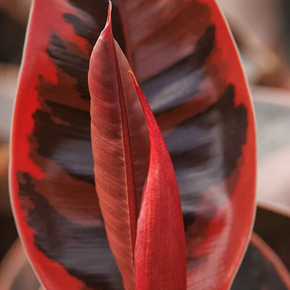
Ficus elastica 'Tineke', commonly known as the Variegated Rubber Plant or Tineke Rubber Tree, is one of the most visually arresting houseplants on the market today, and for good reason. Native to the tropical forests of Southeast Asia, including northeast India, Malaysia, and Indonesia, this cultivar of the classic rubber plant has been selected specifically for its extraordinary foliage — large, glossy, leathery leaves up to 12 inches long that are boldly patterned with a watercolor-like interplay of deep green, creamy white, and soft pink, with new growth emerging from distinctly burgundy-red sheaths. Unlike the standard green species, 'Tineke' brings a sense of living art to interior spaces, functioning equally as a bold focal point or as an anchor within a larger indoor plant collection. It grows at a moderate pace indoors, developing a naturally upright, tree-like silhouette that adds height, structure, and tropical drama to any room. Despite its high-design appearance, 'Tineke' is genuinely forgiving — tolerating the imperfect conditions of a typical home far better than many tropicals — asking only for bright indirect light to maintain its signature variegation, consistent but restrained watering, and the occasional wipe-down of its beautiful broad leaves. Whether you are furnishing a sunlit living room, refreshing a bright office corner, or searching for that perfect architectural statement plant, Ficus elastica 'Tineke' delivers unmatched visual impact with a care routine that even a first-time plant owner can confidently manage.
Plant Description
Ficus elastica 'Tineke' is a variegated cultivar of the rubber plant species, prized for its exceptionally ornamental foliage. Each large, oval, leathery leaf is a uniquely patterned canvas of deep green, creamy white, and pale to medium green tones, often accented with soft blush-pink highlights — particularly visible in the new growth sheaths that emerge in a rich burgundy-red color. The leaf surface is thick and glossy with a waxy sheen, giving the plant a sculptural, polished appearance. Mature leaves can reach up to 12 inches long and 5 inches wide. As the plant matures, it develops a strong central trunk with a naturally upright, tree-like form. Occasionally, aerial roots may develop along the stem on older, larger specimens — these can be left in place or cleanly removed without harming the plant. The milky white latex sap visible when a stem or leaf is cut is a hallmark of the Ficus genus and should be handled with care, as it can be a skin and eye irritant.
Mature Size and Growth Rate
| Characteristic | Details |
|---|---|
| Typical Indoor Height | 6 to 10 feet |
| Typical Indoor Spread | 2 to 3 feet |
| Outdoor Height (in-ground, suitable climates) | Up to 50 feet in optimal tropical conditions |
| Growth Rate | Moderate; variegated foliage means slightly slower growth than all-green rubber plant types |
| Growth Habit | Upright and tree-like; single central leader unless pruned to branch |
| Lifespan | Perennial; can live 10+ years indoors with proper care |
Hardiness Zones and Indoor/Outdoor Use
Ficus elastica 'Tineke' is hardy outdoors in USDA Hardiness Zones 10b to 11, where it can be grown as a landscape tree in frost-free climates. In most of the continental United States, including Southern Oregon and Northern California (where winters bring frost), it is best grown as a houseplant or interior specimen plant. It can be moved outdoors to a shaded patio or sheltered deck during the warm summer months, but must be brought inside before nighttime temperatures drop below 55 degrees Fahrenheit. Sustained exposure to temperatures below 50 degrees Fahrenheit will cause stress, leaf drop, and potential cold damage. This plant does not tolerate frost under any circumstances.
Sunlight Requirements
Bright, indirect light is the ideal condition for Ficus elastica 'Tineke', and getting this right is the single most important factor in keeping its variegation vivid and its growth healthy. An east-facing window that delivers gentle morning sun is considered the sweet spot. A position a few feet back from a south- or west-facing window — or directly in front of one filtered by a sheer curtain — also works well. The creamy and white portions of 'Tineke's' leaves contain less chlorophyll than solid-green plants, meaning the plant requires more total light to support photosynthesis than a standard green rubber plant. Without sufficient light, new leaves will emerge progressively greener with diminished variegation, and growth will slow noticeably. Conversely, intense direct afternoon sun — particularly from a south- or west-facing window in summer — can scorch the delicate variegated areas of the leaves, leaving brown, crispy patches that are permanent. Rotate the plant a quarter turn every week or two to encourage even, balanced growth on all sides.
- Too little light: Loss of variegation, slower growth, leggy and stretched stems, duller overall color
- Too much direct sun: Scorched brown patches, crispy leaf edges, washed-out or faded coloration
- Ideal: Several hours of bright, filtered or indirect light daily; gentle direct morning sun is acceptable
Watering Guide
Overwatering is the most common mistake made with Ficus elastica 'Tineke' and the leading cause of plant decline. The thick, waxy leaves store water efficiently, and the roots are highly susceptible to rot if kept in soggy soil. The correct approach is to allow the top 1 to 2 inches of soil to dry out completely before watering again. During the active growing season (spring and summer), this typically means watering thoroughly once every 7 to 14 days. In fall and winter, as growth slows, watering frequency should be reduced — every 10 to 14 days or longer, always based on a soil check rather than a fixed schedule.
When you do water, water deeply and evenly until water flows freely from the drainage holes, ensuring the entire root zone is moistened. Allow the pot to drain completely and never allow the plant to sit in standing water in its saucer, as this quickly leads to root rot. Use room-temperature water; if your tap water is heavily chlorinated, letting it sit uncovered overnight before use is a worthwhile precaution.
- Signs of overwatering: Yellowing leaves (especially lower), mushy or soft stems, leaf drop, soggy soil, musty smell
- Signs of underwatering: Drooping or wilting leaves, curling leaves, dry and pulling-away soil, brown crispy leaf tips
Soil and pH Preferences
Ficus elastica 'Tineke' requires a well-draining, aerated potting mix that allows water to pass through quickly while retaining just enough moisture to sustain healthy root growth. Dense, peat-heavy mixes that stay wet for extended periods are not suitable and will promote root rot. A high-quality indoor potting mix amended with added drainage material is the best approach. The ideal soil pH range is slightly acidic to neutral, between 5.5 and 7.0 — most standard potting mixes fall comfortably within this range without additional amendment.
Recommended DIY mix:
- 2 parts high-quality potting soil
- 1 part perlite (for aeration and drainage)
- 1 part orchid bark or pine bark fines (for chunkiness and additional drainage)
Always use a pot with drainage holes. If using a decorative cachepot without drainage, nest a draining nursery pot inside and remove accumulated water from the outer pot promptly after each watering.
Fertilizing
Feed Ficus elastica 'Tineke' monthly during the active growing season — spring through summer (roughly April through September) — using a balanced, all-purpose liquid fertilizer with an equal N-P-K ratio such as 10-10-10 or 20-20-20. Always dilute the fertilizer to half the strength recommended on the label to avoid fertilizer burn on the roots. Apply it to already-moist soil, never to dry soil, to prevent root damage. Discontinue feeding entirely from October through March, when the plant's growth slows and excess nutrients accumulate in the soil as harmful salts rather than being used productively by the plant.
- Signs of over-fertilizing: White crusty buildup on soil surface, brown leaf tips, wilting despite adequate watering
- Remedy for salt buildup: Flush the soil thoroughly by running plain water through the pot for several minutes to dissolve and drain away accumulated salts
Pruning and Maintenance
Left unpruned, Ficus elastica 'Tineke' naturally grows as a single upright stem with a columnar habit. To encourage a fuller, bushier shape with multiple branches, pinch or cut the main growing tip just above a leaf node in spring or early summer using clean, sharp pruning shears. This removes apical dominance and activates the lateral buds below the cut, typically producing two or more new branches within four to six weeks. Repeating this process on new branches as they develop creates an increasingly full and multi-stemmed plant. For a sleeker, tree-like silhouette, prune minimally and allow the single leader to grow tall.
Always wear gloves when pruning, as the milky white latex sap that oozes from cut surfaces is a skin and eye irritant and can stain fabric. Dab cut ends with a damp cloth to stop sap flow — the plant naturally seals wounds within minutes. Additional maintenance tasks include:
- Wiping leaves with a soft, damp cloth every few weeks to remove dust and maximize light absorption
- Removing dead, damaged, or yellowing leaves at the base of the leaf stem
- Rotating the pot a quarter turn weekly to promote even growth toward the light
- Pruning aerial roots cleanly if desired — their removal does not harm the plant
Temperature and Humidity
As a tropical plant originating from Southeast Asia, Ficus elastica 'Tineke' thrives in stable, warm conditions. The ideal indoor temperature range is 60 to 80 degrees Fahrenheit. It can tolerate brief dips toward 55 degrees Fahrenheit but will begin to show stress — including leaf drop — with sustained exposure to cold. Temperatures below 50 degrees Fahrenheit can cause significant damage, and frost is fatal. Consistency matters as much as the specific temperature: sudden shifts caused by cold drafts from windows, doors, or air conditioning vents, or hot blasts from heating vents, are common triggers for leaf drop. Once you find a location your 'Tineke' is happy in, try to keep it there.
Humidity tolerance is one of this plant's practical advantages. It adapts well to average household humidity levels of 40 to 50%, making it far less demanding than many other tropical houseplants. In very dry indoor environments — particularly during winter heating season — you may notice brown edges developing on the white or cream portions of the leaves. To address this, consider placing the pot on a pebble tray filled with water, grouping it with other humidity-loving plants, or using a small room humidifier nearby. Misting directly on the leaves is an option but is less consistently effective than the other methods.
Repotting
Ficus elastica 'Tineke' generally needs repotting every one to two years, depending on its growth rate and the size of its current container. The plant does not mind being slightly pot-bound and actually prefers it to being significantly over-potted, as oversized containers hold excess moisture and increase root rot risk. The best time to repot is in early spring, just as the plant enters its active growing season.
Signs it is time to repot:
- Roots growing out of or circling the bottom drainage holes
- Water runs straight through the pot with little absorption, indicating more root than soil
- The plant is noticeably top-heavy or unstable
- Growth has slowed significantly during the growing season
How to repot:
- Select a new pot only 1 to 2 inches larger in diameter than the current one, with drainage holes.
- Water the plant a day or two before repotting to reduce transplant stress.
- Gently remove the plant and inspect the roots — trim any black, mushy, or circling roots with clean shears.
- Place a layer of fresh, well-draining potting mix in the new pot, position the plant at the same depth as before, and fill in the sides with new soil.
- Water thoroughly and allow to drain, then return to its usual spot. Expect a brief period of adjustment; some leaf drop during this time is normal.
Propagation
Ficus elastica 'Tineke' is propagated most successfully by stem cuttings or air layering. Both methods are best performed in spring or summer during the active growing season. Always wear gloves when cutting, as the latex sap is an irritant.
Stem Cuttings (most common method):
- Using clean, sharp shears, take a cutting 4 to 6 inches long from a healthy stem, with at least 2 to 3 leaves at the top.
- Remove the lowest leaf to expose the node — the site from which new roots will develop.
- Allow the cut end to dry and callus for a few hours, then optionally dip in rooting hormone powder.
- Root in water (submerging the node but not the leaves, changing water weekly) or plant directly into a moist, well-draining soil mix.
- If rooting in soil, cover loosely with a clear plastic bag to maintain humidity. Place in bright indirect light.
- Roots typically develop in 4 to 8 weeks in water; 30 to 60 days in soil.
Air Layering (higher success rate for mature plants):
- Select a healthy stem and make an upward-angled cut one-third of the way through the stem, about 12 inches from the tip.
- Apply rooting hormone to the cut surface.
- Pack the cut with moist sphagnum moss and wrap tightly with clear plastic film, securing both ends.
- Wait for roots to visibly grow into the moss through the plastic — this can take several weeks to a few months.
- Once a robust root system has formed, cut the stem below the new roots and pot the new plant in fresh, well-draining mix.
Pests and Diseases
Ficus elastica 'Tineke' is relatively resilient but can be affected by the following common houseplant pests and diseases. Regular inspection of both the tops and undersides of leaves is the best early detection strategy.
| Pest / Disease | Signs to Look For | Treatment |
|---|---|---|
| Spider Mites | Fine webbing between leaves; tiny white or yellow stippling on leaf surface; thrives in dry conditions | Increase humidity; rinse plant thoroughly; apply neem oil or insecticidal soap spray weekly until resolved |
| Mealybugs | White, cotton-like clusters in leaf axils and along stems; sticky residue on leaves | Dab with rubbing alcohol on a cotton swab; treat plant-wide with neem oil spray; repeat weekly |
| Scale Insects | Small, hard brown bumps on stems and leaf undersides; sticky honeydew secretion | Scrape off manually; treat with rubbing alcohol or neem oil; persistent infestations may need repeated insecticidal soap applications |
| Aphids | Small green or black insects clustered on new growth; distorted or curling young leaves | Strong water spray to dislodge; follow with neem oil or insecticidal soap treatment |
| Fungus Gnats | Small flies hovering around soil; larvae in overwatered soil | Allow soil to dry more thoroughly between waterings; use sticky yellow traps; treat soil with a diluted neem oil drench |
| Root Rot | Yellowing leaves; mushy base; wilting despite wet soil; dark, foul-smelling roots | Remove from pot; trim all black or mushy roots; repot into fresh, dry, well-draining soil; reduce future watering frequency |
| Anthracnose (fungal) | Brown, water-soaked lesions on leaves that expand with a yellow halo | Remove and dispose of affected leaves; improve air circulation; reduce leaf wetness; apply a copper-based fungicide if severe |
Isolate any newly purchased plant or any plant showing signs of infestation for at least two weeks before placing it near other houseplants. Wiping the leaves clean regularly with a damp cloth is one of the simplest preventive measures you can take.
Toxicity and Pet Safety
Ficus elastica 'Tineke' is considered toxic to both pets and humans. The plant produces a milky white latex sap that contains compounds capable of causing irritation. If any part of the plant is chewed or ingested by cats or dogs, symptoms may include oral irritation, excessive drooling, vomiting, and lethargy. In humans, the sap can cause skin irritation or a rash upon contact, and eye exposure should be avoided. If a pet is suspected of ingesting any part of this plant, contact a veterinarian promptly. This plant is best placed in a location out of reach of curious pets and young children — elevated on a plant stand, on a high shelf, or in a room where pets do not have unsupervised access.
Landscape and Interior Design Uses
Ficus elastica 'Tineke' is primarily used as a bold interior specimen plant, and its upright, tree-like form makes it exceptionally versatile in interior design applications. Its cream, green, and pink variegated foliage works beautifully as a natural counterpoint to neutral palettes — white walls, natural wood tones, concrete, and rattan all allow the plant's colors to shine. The following uses showcase where 'Tineke' performs best:
- Statement floor plant: A mature specimen in a handsome ceramic or woven pot makes an immediate focal point in a living room, entryway, or dining area
- Office or studio accent: Thrives in bright commercial interiors and brings warmth and life to professional spaces
- Vertical structure: Its upright habit provides height and architectural presence to balance lower, spreading plants in a grouped arrangement
- Bedroom or hallway placement: With adequate light, it softens hard architectural lines and adds a sense of calm, tropical energy
- Outdoor summer use: In zones 9 and warmer, can be placed in a sheltered patio or courtyard during summer, away from direct midday and afternoon sun
Companion Plants
When grouping Ficus elastica 'Tineke' with other indoor plants, the best companions share similar care requirements — bright indirect light, moderate watering, and well-draining soil — while complementing its bold, upright form and light-toned variegated foliage with contrasting textures, colors, or growth habits.
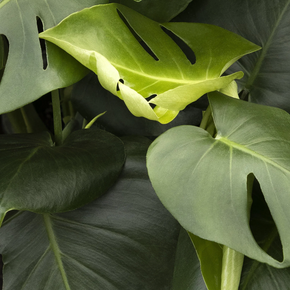
- Monstera deliciosa — The large, dramatically split dark green leaves of the Swiss Cheese Plant offer a bold textural contrast that highlights 'Tineke's' lighter, creamier palette
- Pothos (Epipremnum aureum) — A trailing golden or marble queen pothos spills from a nearby shelf or basket, providing a lush, flowing counterpoint to 'Tineke's' upright structure
- Fiddle Leaf Fig (Ficus lyrata) — Another architectural statement plant with large, wavy dark green leaves; the two together create a layered, gallery-style tropical vignette
- Bird of Paradise (Strelitzia reginae) — Shares a love of bright light and warm temperatures; the paddle-shaped blue-green leaves offer strong color contrast
- Snake Plant (Sansevieria / Dracaena trifasciata) — Low, architectural, and similarly unfussy; variegated snake plant cultivars echo 'Tineke's' light-and-dark patterning at a lower level
- Calathea or Maranta — Lower-growing prayer plants with richly patterned foliage add color and texture at the base of a tall 'Tineke' specimen while appreciating the slightly increased humidity the rubber plant helps create
- Spectacular variegated foliage in creamy white, sage green, and soft blush pink makes Tineke one of the most eye-catching statement plants available for any indoor space.
- Surprisingly low-maintenance for such a dramatic plant — thrives with bright indirect light, infrequent watering, and minimal fuss, making it a great fit for beginners and collectors alike.
- Upright, architectural growth habit brings bold vertical structure and a distinctly modern, tropical aesthetic to living rooms, entryways, offices, and any well-lit corner.
- A long-lived perennial houseplant capable of growing 6 to 10 feet tall indoors, rewarding consistent care with stunning new growth flushed in pink and cream year after year.
Ficus elastica 'Tineke', commonly known as the Variegated Rubber Plant or Tineke Rubber Tree, is one of the most visually arresting houseplants on the market today, and for good reason. Native to the tropical forests of Southeast Asia, including northeast India, Malaysia, and Indonesia, this cultivar of the classic rubber plant has been selected specifically for its extraordinary foliage — large, glossy, leathery leaves up to 12 inches long that are boldly patterned with a watercolor-like interplay of deep green, creamy white, and soft pink, with new growth emerging from distinctly burgundy-red sheaths. Unlike the standard green species, 'Tineke' brings a sense of living art to interior spaces, functioning equally as a bold focal point or as an anchor within a larger indoor plant collection. It grows at a moderate pace indoors, developing a naturally upright, tree-like silhouette that adds height, structure, and tropical drama to any room. Despite its high-design appearance, 'Tineke' is genuinely forgiving — tolerating the imperfect conditions of a typical home far better than many tropicals — asking only for bright indirect light to maintain its signature variegation, consistent but restrained watering, and the occasional wipe-down of its beautiful broad leaves. Whether you are furnishing a sunlit living room, refreshing a bright office corner, or searching for that perfect architectural statement plant, Ficus elastica 'Tineke' delivers unmatched visual impact with a care routine that even a first-time plant owner can confidently manage.
Plant Description
Ficus elastica 'Tineke' is a variegated cultivar of the rubber plant species, prized for its exceptionally ornamental foliage. Each large, oval, leathery leaf is a uniquely patterned canvas of deep green, creamy white, and pale to medium green tones, often accented with soft blush-pink highlights — particularly visible in the new growth sheaths that emerge in a rich burgundy-red color. The leaf surface is thick and glossy with a waxy sheen, giving the plant a sculptural, polished appearance. Mature leaves can reach up to 12 inches long and 5 inches wide. As the plant matures, it develops a strong central trunk with a naturally upright, tree-like form. Occasionally, aerial roots may develop along the stem on older, larger specimens — these can be left in place or cleanly removed without harming the plant. The milky white latex sap visible when a stem or leaf is cut is a hallmark of the Ficus genus and should be handled with care, as it can be a skin and eye irritant.
Mature Size and Growth Rate
| Characteristic | Details |
|---|---|
| Typical Indoor Height | 6 to 10 feet |
| Typical Indoor Spread | 2 to 3 feet |
| Outdoor Height (in-ground, suitable climates) | Up to 50 feet in optimal tropical conditions |
| Growth Rate | Moderate; variegated foliage means slightly slower growth than all-green rubber plant types |
| Growth Habit | Upright and tree-like; single central leader unless pruned to branch |
| Lifespan | Perennial; can live 10+ years indoors with proper care |
Hardiness Zones and Indoor/Outdoor Use
Ficus elastica 'Tineke' is hardy outdoors in USDA Hardiness Zones 10b to 11, where it can be grown as a landscape tree in frost-free climates. In most of the continental United States, including Southern Oregon and Northern California (where winters bring frost), it is best grown as a houseplant or interior specimen plant. It can be moved outdoors to a shaded patio or sheltered deck during the warm summer months, but must be brought inside before nighttime temperatures drop below 55 degrees Fahrenheit. Sustained exposure to temperatures below 50 degrees Fahrenheit will cause stress, leaf drop, and potential cold damage. This plant does not tolerate frost under any circumstances.
Sunlight Requirements
Bright, indirect light is the ideal condition for Ficus elastica 'Tineke', and getting this right is the single most important factor in keeping its variegation vivid and its growth healthy. An east-facing window that delivers gentle morning sun is considered the sweet spot. A position a few feet back from a south- or west-facing window — or directly in front of one filtered by a sheer curtain — also works well. The creamy and white portions of 'Tineke's' leaves contain less chlorophyll than solid-green plants, meaning the plant requires more total light to support photosynthesis than a standard green rubber plant. Without sufficient light, new leaves will emerge progressively greener with diminished variegation, and growth will slow noticeably. Conversely, intense direct afternoon sun — particularly from a south- or west-facing window in summer — can scorch the delicate variegated areas of the leaves, leaving brown, crispy patches that are permanent. Rotate the plant a quarter turn every week or two to encourage even, balanced growth on all sides.
- Too little light: Loss of variegation, slower growth, leggy and stretched stems, duller overall color
- Too much direct sun: Scorched brown patches, crispy leaf edges, washed-out or faded coloration
- Ideal: Several hours of bright, filtered or indirect light daily; gentle direct morning sun is acceptable
Watering Guide
Overwatering is the most common mistake made with Ficus elastica 'Tineke' and the leading cause of plant decline. The thick, waxy leaves store water efficiently, and the roots are highly susceptible to rot if kept in soggy soil. The correct approach is to allow the top 1 to 2 inches of soil to dry out completely before watering again. During the active growing season (spring and summer), this typically means watering thoroughly once every 7 to 14 days. In fall and winter, as growth slows, watering frequency should be reduced — every 10 to 14 days or longer, always based on a soil check rather than a fixed schedule.
When you do water, water deeply and evenly until water flows freely from the drainage holes, ensuring the entire root zone is moistened. Allow the pot to drain completely and never allow the plant to sit in standing water in its saucer, as this quickly leads to root rot. Use room-temperature water; if your tap water is heavily chlorinated, letting it sit uncovered overnight before use is a worthwhile precaution.
- Signs of overwatering: Yellowing leaves (especially lower), mushy or soft stems, leaf drop, soggy soil, musty smell
- Signs of underwatering: Drooping or wilting leaves, curling leaves, dry and pulling-away soil, brown crispy leaf tips
Soil and pH Preferences
Ficus elastica 'Tineke' requires a well-draining, aerated potting mix that allows water to pass through quickly while retaining just enough moisture to sustain healthy root growth. Dense, peat-heavy mixes that stay wet for extended periods are not suitable and will promote root rot. A high-quality indoor potting mix amended with added drainage material is the best approach. The ideal soil pH range is slightly acidic to neutral, between 5.5 and 7.0 — most standard potting mixes fall comfortably within this range without additional amendment.
Recommended DIY mix:
- 2 parts high-quality potting soil
- 1 part perlite (for aeration and drainage)
- 1 part orchid bark or pine bark fines (for chunkiness and additional drainage)
Always use a pot with drainage holes. If using a decorative cachepot without drainage, nest a draining nursery pot inside and remove accumulated water from the outer pot promptly after each watering.
Fertilizing
Feed Ficus elastica 'Tineke' monthly during the active growing season — spring through summer (roughly April through September) — using a balanced, all-purpose liquid fertilizer with an equal N-P-K ratio such as 10-10-10 or 20-20-20. Always dilute the fertilizer to half the strength recommended on the label to avoid fertilizer burn on the roots. Apply it to already-moist soil, never to dry soil, to prevent root damage. Discontinue feeding entirely from October through March, when the plant's growth slows and excess nutrients accumulate in the soil as harmful salts rather than being used productively by the plant.
- Signs of over-fertilizing: White crusty buildup on soil surface, brown leaf tips, wilting despite adequate watering
- Remedy for salt buildup: Flush the soil thoroughly by running plain water through the pot for several minutes to dissolve and drain away accumulated salts
Pruning and Maintenance
Left unpruned, Ficus elastica 'Tineke' naturally grows as a single upright stem with a columnar habit. To encourage a fuller, bushier shape with multiple branches, pinch or cut the main growing tip just above a leaf node in spring or early summer using clean, sharp pruning shears. This removes apical dominance and activates the lateral buds below the cut, typically producing two or more new branches within four to six weeks. Repeating this process on new branches as they develop creates an increasingly full and multi-stemmed plant. For a sleeker, tree-like silhouette, prune minimally and allow the single leader to grow tall.
Always wear gloves when pruning, as the milky white latex sap that oozes from cut surfaces is a skin and eye irritant and can stain fabric. Dab cut ends with a damp cloth to stop sap flow — the plant naturally seals wounds within minutes. Additional maintenance tasks include:
- Wiping leaves with a soft, damp cloth every few weeks to remove dust and maximize light absorption
- Removing dead, damaged, or yellowing leaves at the base of the leaf stem
- Rotating the pot a quarter turn weekly to promote even growth toward the light
- Pruning aerial roots cleanly if desired — their removal does not harm the plant
Temperature and Humidity
As a tropical plant originating from Southeast Asia, Ficus elastica 'Tineke' thrives in stable, warm conditions. The ideal indoor temperature range is 60 to 80 degrees Fahrenheit. It can tolerate brief dips toward 55 degrees Fahrenheit but will begin to show stress — including leaf drop — with sustained exposure to cold. Temperatures below 50 degrees Fahrenheit can cause significant damage, and frost is fatal. Consistency matters as much as the specific temperature: sudden shifts caused by cold drafts from windows, doors, or air conditioning vents, or hot blasts from heating vents, are common triggers for leaf drop. Once you find a location your 'Tineke' is happy in, try to keep it there.
Humidity tolerance is one of this plant's practical advantages. It adapts well to average household humidity levels of 40 to 50%, making it far less demanding than many other tropical houseplants. In very dry indoor environments — particularly during winter heating season — you may notice brown edges developing on the white or cream portions of the leaves. To address this, consider placing the pot on a pebble tray filled with water, grouping it with other humidity-loving plants, or using a small room humidifier nearby. Misting directly on the leaves is an option but is less consistently effective than the other methods.
Repotting
Ficus elastica 'Tineke' generally needs repotting every one to two years, depending on its growth rate and the size of its current container. The plant does not mind being slightly pot-bound and actually prefers it to being significantly over-potted, as oversized containers hold excess moisture and increase root rot risk. The best time to repot is in early spring, just as the plant enters its active growing season.
Signs it is time to repot:
- Roots growing out of or circling the bottom drainage holes
- Water runs straight through the pot with little absorption, indicating more root than soil
- The plant is noticeably top-heavy or unstable
- Growth has slowed significantly during the growing season
How to repot:
- Select a new pot only 1 to 2 inches larger in diameter than the current one, with drainage holes.
- Water the plant a day or two before repotting to reduce transplant stress.
- Gently remove the plant and inspect the roots — trim any black, mushy, or circling roots with clean shears.
- Place a layer of fresh, well-draining potting mix in the new pot, position the plant at the same depth as before, and fill in the sides with new soil.
- Water thoroughly and allow to drain, then return to its usual spot. Expect a brief period of adjustment; some leaf drop during this time is normal.
Propagation
Ficus elastica 'Tineke' is propagated most successfully by stem cuttings or air layering. Both methods are best performed in spring or summer during the active growing season. Always wear gloves when cutting, as the latex sap is an irritant.
Stem Cuttings (most common method):
- Using clean, sharp shears, take a cutting 4 to 6 inches long from a healthy stem, with at least 2 to 3 leaves at the top.
- Remove the lowest leaf to expose the node — the site from which new roots will develop.
- Allow the cut end to dry and callus for a few hours, then optionally dip in rooting hormone powder.
- Root in water (submerging the node but not the leaves, changing water weekly) or plant directly into a moist, well-draining soil mix.
- If rooting in soil, cover loosely with a clear plastic bag to maintain humidity. Place in bright indirect light.
- Roots typically develop in 4 to 8 weeks in water; 30 to 60 days in soil.
Air Layering (higher success rate for mature plants):
- Select a healthy stem and make an upward-angled cut one-third of the way through the stem, about 12 inches from the tip.
- Apply rooting hormone to the cut surface.
- Pack the cut with moist sphagnum moss and wrap tightly with clear plastic film, securing both ends.
- Wait for roots to visibly grow into the moss through the plastic — this can take several weeks to a few months.
- Once a robust root system has formed, cut the stem below the new roots and pot the new plant in fresh, well-draining mix.
Pests and Diseases
Ficus elastica 'Tineke' is relatively resilient but can be affected by the following common houseplant pests and diseases. Regular inspection of both the tops and undersides of leaves is the best early detection strategy.
| Pest / Disease | Signs to Look For | Treatment |
|---|---|---|
| Spider Mites | Fine webbing between leaves; tiny white or yellow stippling on leaf surface; thrives in dry conditions | Increase humidity; rinse plant thoroughly; apply neem oil or insecticidal soap spray weekly until resolved |
| Mealybugs | White, cotton-like clusters in leaf axils and along stems; sticky residue on leaves | Dab with rubbing alcohol on a cotton swab; treat plant-wide with neem oil spray; repeat weekly |
| Scale Insects | Small, hard brown bumps on stems and leaf undersides; sticky honeydew secretion | Scrape off manually; treat with rubbing alcohol or neem oil; persistent infestations may need repeated insecticidal soap applications |
| Aphids | Small green or black insects clustered on new growth; distorted or curling young leaves | Strong water spray to dislodge; follow with neem oil or insecticidal soap treatment |
| Fungus Gnats | Small flies hovering around soil; larvae in overwatered soil | Allow soil to dry more thoroughly between waterings; use sticky yellow traps; treat soil with a diluted neem oil drench |
| Root Rot | Yellowing leaves; mushy base; wilting despite wet soil; dark, foul-smelling roots | Remove from pot; trim all black or mushy roots; repot into fresh, dry, well-draining soil; reduce future watering frequency |
| Anthracnose (fungal) | Brown, water-soaked lesions on leaves that expand with a yellow halo | Remove and dispose of affected leaves; improve air circulation; reduce leaf wetness; apply a copper-based fungicide if severe |
Isolate any newly purchased plant or any plant showing signs of infestation for at least two weeks before placing it near other houseplants. Wiping the leaves clean regularly with a damp cloth is one of the simplest preventive measures you can take.
Toxicity and Pet Safety
Ficus elastica 'Tineke' is considered toxic to both pets and humans. The plant produces a milky white latex sap that contains compounds capable of causing irritation. If any part of the plant is chewed or ingested by cats or dogs, symptoms may include oral irritation, excessive drooling, vomiting, and lethargy. In humans, the sap can cause skin irritation or a rash upon contact, and eye exposure should be avoided. If a pet is suspected of ingesting any part of this plant, contact a veterinarian promptly. This plant is best placed in a location out of reach of curious pets and young children — elevated on a plant stand, on a high shelf, or in a room where pets do not have unsupervised access.
Landscape and Interior Design Uses
Ficus elastica 'Tineke' is primarily used as a bold interior specimen plant, and its upright, tree-like form makes it exceptionally versatile in interior design applications. Its cream, green, and pink variegated foliage works beautifully as a natural counterpoint to neutral palettes — white walls, natural wood tones, concrete, and rattan all allow the plant's colors to shine. The following uses showcase where 'Tineke' performs best:
- Statement floor plant: A mature specimen in a handsome ceramic or woven pot makes an immediate focal point in a living room, entryway, or dining area
- Office or studio accent: Thrives in bright commercial interiors and brings warmth and life to professional spaces
- Vertical structure: Its upright habit provides height and architectural presence to balance lower, spreading plants in a grouped arrangement
- Bedroom or hallway placement: With adequate light, it softens hard architectural lines and adds a sense of calm, tropical energy
- Outdoor summer use: In zones 9 and warmer, can be placed in a sheltered patio or courtyard during summer, away from direct midday and afternoon sun
Companion Plants
When grouping Ficus elastica 'Tineke' with other indoor plants, the best companions share similar care requirements — bright indirect light, moderate watering, and well-draining soil — while complementing its bold, upright form and light-toned variegated foliage with contrasting textures, colors, or growth habits.
- Monstera deliciosa — The large, dramatically split dark green leaves of the Swiss Cheese Plant offer a bold textural contrast that highlights 'Tineke's' lighter, creamier palette
- Pothos (Epipremnum aureum) — A trailing golden or marble queen pothos spills from a nearby shelf or basket, providing a lush, flowing counterpoint to 'Tineke's' upright structure
- Fiddle Leaf Fig (Ficus lyrata) — Another architectural statement plant with large, wavy dark green leaves; the two together create a layered, gallery-style tropical vignette
- Bird of Paradise (Strelitzia reginae) — Shares a love of bright light and warm temperatures; the paddle-shaped blue-green leaves offer strong color contrast
- Snake Plant (Sansevieria / Dracaena trifasciata) — Low, architectural, and similarly unfussy; variegated snake plant cultivars echo 'Tineke's' light-and-dark patterning at a lower level
- Calathea or Maranta — Lower-growing prayer plants with richly patterned foliage add color and texture at the base of a tall 'Tineke' specimen while appreciating the slightly increased humidity the rubber plant helps create
Related Products