
Zoom the image with the mouse
Thumbelina Leigh Dwarf English Lavender - #1
SKU:
2055905
UPC:
014949201855
$14.99
- Exceptionally compact dwarf English lavender forming a tidy, rounded mound just 10 to 12 inches tall and wide — perfect for small-space gardens, low edging, and patio containers
- Profuse, strongly fragrant violet-blue flower spikes bloom from early through midsummer, with repeat flushes when spent blooms are promptly removed
- Drought-tolerant and deer- and rabbit-resistant once established, thriving in lean, well-drained soils with minimal fuss
- A powerful pollinator magnet — the richly scented blossoms draw honeybees, bumblebees, and butterflies throughout the season
Lavandula angustifolia 'Thumbelina Leigh' is the miniature powerhouse of the English lavender world, delivering everything gardeners love about classic lavender in an irresistibly petite, neatly mounded package. Reaching only 10 to 12 inches tall and equally wide, this dwarf cultivar produces an abundance of plump, deeply fragrant violet-blue flower spikes that rise elegantly above a base of fine-textured, silvery-green evergreen foliage from early to midsummer, with additional bloom flushes encouraged by timely deadheading. Its naturally compact, rounded habit requires little shaping, and its strong tolerance for drought, poor soils, deer, and rabbits makes it a remarkably low-maintenance choice for Southern Oregon and Northern California landscapes. Whether tucked into a sunny rock garden, planted en masse for a sweep of Provencal-inspired color, used as a fragrant low hedge or border edge, or showcased in a patio container, Thumbelina Leigh English Lavender performs with exceptional charm and reliability across USDA Hardiness Zones 5 through 9. The aromatic foliage and cut flowers are also prized for dried arrangements, sachets, potpourri, and culinary use, making this little lavender one of the most versatile and rewarding plants you can grow.
Plant Description
Thumbelina Leigh is a dwarf cultivar of English lavender (Lavandula angustifolia) belonging to the mint family (Lamiaceae). It forms a dense, multi-stemmed, mounded evergreen sub-shrub with an exceptionally fine and delicate texture. The narrow, aromatic leaves are a soft silvery-green and remain attractive year-round in mild climates, taking on subtle coppery-bronze tones in cooler winter weather. From early to midsummer, short but plump spikes of violet-blue flowers with soft two-tone coloring emerge profusely above the foliage, creating a stunning display. The blooms are strongly and classically fragrant — the quintessential lavender scent — and are prized for cutting, drying, and culinary use. This cultivar is regarded as one of the smallest English lavender varieties available, making it ideal for spaces where standard lavender selections would simply be too large.
Mature Size
| Attribute | Measurement |
|---|---|
| Mature Height | 10 to 12 inches |
| Mature Spread | 10 to 12 inches |
| Recommended Spacing | 12 to 15 inches on center |
| Growth Rate | Slow to moderate |
| Growth Habit | Dense, mounded, fills out to the ground |
Because Thumbelina Leigh fills out right to the ground with a naturally tidy mounded form, it rarely requires facer plants in front of it in border or edging applications. Its slow to moderate growth rate means it stays in bounds well and retains its compact shape for years with only light maintenance pruning.
Hardiness and Climate
| Zone Type | Range |
|---|---|
| USDA Hardiness Zones | 5 to 9 |
| AHS Heat Zones | 5 to 8 |
| Sunset Climate Zones | 2 through 24 |
Thumbelina Leigh English Lavender is well adapted to the climate of Southern Oregon and Northern California, thriving in the warm, dry summers and mild winters typical of the region. It is evergreen in USDA Zones 7 and above, maintaining attractive silvery-green foliage throughout the year. In areas with hot, humid summers, excellent soil drainage and good air circulation are essential to prevent fungal problems. It is highly tolerant of urban pollution and performs well even in challenging inner-city conditions.
Sunlight Requirements
Thumbelina Leigh English Lavender demands full sun for best performance. It should receive a minimum of 6 to 8 hours of direct sunlight each day. Insufficient light leads to leggy, open growth, reduced flowering, and increased susceptibility to disease. In hot inland climates, a site with morning sun and very light afternoon shade can help prevent heat stress, but avoid deeply shaded locations. When choosing a planting site or container position, always prioritize the sunniest, most open spot available — this plant was bred for bright, open, Mediterranean-style conditions.
Soil and pH Preferences
- Soil type: Well-drained sandy, gravelly, or loamy soil is ideal. Thumbelina Leigh will not tolerate heavy clay or any soil that holds standing water.
- Soil pH: Prefers a slightly alkaline to neutral soil with a pH between 6.5 and 7.5, though it can adapt to a broader range of 6.0 to 8.0.
- Drainage: Exceptional drainage is the single most important soil requirement. Amend heavy soils with coarse sand, perlite, or fine gravel before planting.
- Fertility: Lavender actually thrives in lean, relatively poor soils. Avoid heavy compost amendments or rich organic matter, which encourage soft, floppy growth and reduce fragrance intensity.
- Mulch: If mulching, use gravel or crushed stone rather than wood chips or bark, which can hold excess moisture around the crown and promote rot.
Watering Guide
Once established, Thumbelina Leigh English Lavender is notably drought-tolerant and should be watered sparingly. Overwatering is the leading cause of failure with this plant — roots sitting in moist soil will quickly rot. Follow these watering guidelines for success:
- At planting: Water thoroughly after planting to help roots settle and establish contact with the soil.
- First season: Water deeply but infrequently — approximately once per week — allowing the soil to dry out between waterings. Deep, infrequent watering encourages deeper root development.
- Established plants: Once fully established (typically after the first growing season), Thumbelina Leigh requires very little supplemental irrigation in normal rainfall conditions. Water only when the soil has been dry for an extended period.
- Watering method: Always water at the base of the plant; avoid wetting the foliage and flowers, as overhead watering encourages fungal disease.
- Container plants: Containers dry out faster than garden beds — check soil moisture regularly and water when the top inch of soil is dry, ensuring pots have drainage holes that flow freely.
Fertilizing
Thumbelina Leigh lavender is a light feeder and generally does not need heavy fertilization. In fact, overly fertile soils can produce lush, floppy growth at the expense of flower production and fragrance. Follow these simple guidelines:
- Apply a light application of a low-nitrogen, balanced granular fertilizer (such as a 5-10-10 or similar formulation) in early spring just as new growth begins to emerge.
- Avoid high-nitrogen fertilizers, which push excessive leafy growth and reduce blooming.
- In good garden soils, a single light feeding per year in spring is typically all that is needed.
- Container-grown plants may benefit from a diluted balanced liquid feed once in early spring and again in early summer, as nutrients leach more quickly from pots.
- Do not fertilize in late summer or fall, as this can stimulate tender new growth that is vulnerable to frost damage.
Pruning and Maintenance
Regular light pruning is the key to keeping Thumbelina Leigh compact, long-lived, and floriferous. Follow this simple annual routine:
- Spring pruning (primary): In late winter to early spring — once the threat of hard frost has passed but before significant new growth emerges — trim the plant back by about one-third of its height. Shape it into a tidy mound, removing any dead, damaged, or winter-killed stems.
- Deadheading during bloom: Remove spent flower spikes promptly after they fade to encourage a second and sometimes third flush of blooms during the season. Cut the stem back to just above the foliage mound.
- Post-bloom light shaping: After the main flush of flowering, a light trim to neaten the plant's shape further encourages denser, bushier growth for the following season.
- Avoid fall hard pruning: Do not cut back heavily in autumn, as this can stimulate growth vulnerable to winter cold and may cause the plant to die back from the crown.
- Never cut into old wood: Lavender does not reliably regenerate from bare, leafless old woody stems. Always leave some green foliage on the stems when pruning.
Planting Instructions
- Choose the right site: Select a location with full sun (6 to 8 or more hours daily) and excellent drainage. Avoid low-lying areas where water pools after rain.
- Prepare the soil: If your native soil is heavy clay or has poor drainage, amend generously with coarse sand, perlite, or fine gravel worked in to a depth of 12 inches. Lavender does not require rich soil — skip heavy compost additions.
- Dig the planting hole: Dig a hole slightly wider than the root ball and the same depth. The crown of the plant should sit level with the surrounding soil — never plant it deeper than it was growing in its container.
- Plant and firm in: Set the plant in the hole, backfill with native soil (or amended soil), and gently firm around the roots to eliminate air pockets.
- Water in: Give a thorough, deep initial watering. Allow the soil to dry between subsequent waterings.
- Mulch (optional): A thin layer of gravel or decomposed granite around the base helps retain some soil moisture while keeping the crown dry. Avoid organic mulches piled against the stem.
- Spacing: Space plants 12 to 15 inches apart for a low hedge or mass planting, allowing adequate air circulation between plants.
- Best planting time: Spring planting is ideal in most climates, allowing plants to establish before summer heat. Fall planting is also suitable in mild-winter areas like Southern Oregon and Northern California.
Seasonal Interest
| Season | What to Expect |
|---|---|
| Spring | Fresh silvery-green foliage emerges and fills in; flower buds begin forming. A great time for light pruning and shaping before the bloom season begins. |
| Early to Midsummer | Peak bloom period — profuse violet-blue flower spikes cover the plant, filling the garden with rich, classic lavender fragrance. Pollinators are abundant. |
| Late Summer | Potential repeat bloom following deadheading of spent spikes. Silvery-green aromatic foliage remains attractive and fragrant. |
| Fall | Foliage may take on subtle coppery-bronze tones as temperatures cool. The compact mounded form provides continued structure in the garden. |
| Winter | Evergreen in Zones 7 and above, retaining its silvery-green to bronze-tinged foliage through the winter months, offering year-round garden structure. |
Landscape Uses
- Low edging and border fronts: The naturally tidy, compact mounding form makes Thumbelina Leigh ideal for edging pathways, driveways, and garden borders.
- Rock and gravel gardens: Perfectly at home among stones and gravel, where sharp drainage mirrors its native Mediterranean habitat.
- Mass plantings: When planted in groups, the impact of violet-blue blooms and silver foliage is spectacular and creates a dramatic sweep of color and fragrance.
- Low fragrant hedges: Space plants 12 to 15 inches apart for an informal, fragrant low hedge or defining line in the landscape.
- Herb and kitchen gardens: A beautiful and functional addition to any culinary herb garden, offering edible flowers and leaves alongside ornamental appeal.
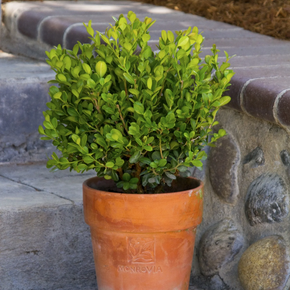
- Patio and courtyard containers: Its small size and neat habit make it one of the best lavenders for pots, planters, and window boxes on sunny patios and decks.
- Slopes and banks: Tolerates dry, rocky slopes where drainage is excellent and other plants struggle.
- Coastal and Mediterranean-style gardens: A natural fit for sun-drenched, low-water Mediterranean garden designs.
Container Growing
Thumbelina Leigh is one of the very best lavender cultivars for container gardening, thanks to its small, manageable size and tidy habit. Follow these tips for success in pots:
- Container selection: Choose a pot with multiple drainage holes. Terracotta or unglazed ceramic pots are excellent choices because they are breathable and help prevent overwatering. A pot 10 to 14 inches in diameter is appropriate for a single plant.
- Potting mix: Use a gritty, fast-draining potting mix. Blend standard potting soil with 30 to 40 percent coarse perlite or horticultural grit to ensure excellent drainage. Avoid moisture-retaining mixes.
- Placement: Position containers in the sunniest location available — at least 6 to 8 hours of direct sun daily.
- Watering in containers: Container-grown lavender dries out faster than in-ground plants. Check soil moisture every few days and water when the top inch of soil is dry, allowing water to drain freely through the holes.
- Fertilizing in containers: A very light application of balanced, low-nitrogen liquid fertilizer in spring and early summer supports healthy growth without promoting excessive leafy softness.
- Winter care: In areas where temperatures drop below the plant's cold hardiness, move containers to a sheltered location or unheated garage to protect roots from freezing solid.
- Repotting: Repot into a slightly larger container if roots begin circling the pot or emerging from drainage holes, typically every 2 to 3 years.
Companion Plants
Thumbelina Leigh English Lavender pairs beautifully with plants that share its preference for full sun, well-drained soil, and low to moderate water. Consider these excellent companions:
- Rosemary (Salvia rosmarinus): A natural Mediterranean companion with similar cultural needs, silvery foliage, and complementary blue-purple flowers.
- Catmint (Nepeta spp.): Provides a soft, billowing contrast with lavender-blue flowers and shares drought-tolerant, pollinator-friendly qualities.
- Sage (Salvia officinalis): Fellow aromatic herb that thrives under the same lean, dry conditions and pairs beautifully in herb garden settings.
- Thyme (Thymus spp.): Low-growing, sun-loving, and drought-tolerant — a perfect textural contrast at the feet of lavender.
- Santolina (Santolina chamaecyparissus): Silver-foliaged Mediterranean sub-shrub that echoes lavender's color palette and cultural requirements.
- Russian Sage (Perovskia atriplicifolia): Taller, airy companion with violet-blue late-summer flowers that complement lavender's early bloom.
- Bearded Iris (Iris germanica): Pairs elegantly with lavender in color and texture; both prefer well-drained, alkaline-tolerant soils.
- Yarrow (Achillea spp.): Drought-tolerant perennial with flat-topped flowers in golds and whites that contrast beautifully against violet-blue lavender blooms.
- Lamb's Ear (Stachys byzantina): Soft silver foliage that harmonizes perfectly with lavender's silvery-green leaves and purple flowers.
- Roses (Rosa spp.): Classic pairing — lavender is one of the most beloved and effective rose companions, repelling pests while adding fragrance and color contrast.
Avoid planting Thumbelina Leigh near moisture-loving plants such as hostas, hydrangeas, or astilbes, as these plants require the consistently moist soil conditions that are lethal to lavender.
Wildlife Value
Thumbelina Leigh English Lavender is a genuinely outstanding plant for supporting garden wildlife, particularly pollinators. Its fragrant violet-blue flower spikes are rich in nectar and act as a magnet for a wide range of beneficial insects throughout the summer bloom period:
- Honeybees and bumblebees: Among the most enthusiastic visitors — lavender is considered one of the top bee-attracting plants available for garden use. The flowers are perfectly structured for bee foraging.
- Butterflies: Many butterfly species, including swallowtails and skippers, are strongly attracted to lavender blooms as a nectar source.
- Beneficial insects: Hoverflies and other beneficial insects frequent lavender flowers, helping with natural pest control in the garden.
- Deer and rabbit resistance: The strongly aromatic foliage is highly deterrent to deer and rabbits, making Thumbelina Leigh a reliable choice in areas where browsing animals are a concern.
Note: While lavender is generally considered low-toxicity for humans, the plant is listed as potentially irritating or mildly toxic to dogs, cats, and horses if ingested in significant quantities. Keep this in mind when planning plantings in pet-accessible areas.
Pests and Diseases
When grown in appropriate conditions — full sun, excellent drainage, and good air circulation — Thumbelina Leigh English Lavender has very few serious pest or disease problems. The most common issues arise from improper growing conditions, particularly excess moisture.
- Root rot (Phytophthora, Fusarium): The most serious and common problem with lavender. Caused entirely by overwatering or poorly drained soils. Prevention through proper drainage and careful watering is the only reliable solution; once severe root rot sets in, the plant is typically lost.
- Powdery mildew: A fungal issue that appears as white, powdery coating on leaves, usually in conditions of poor air circulation or humidity. Improve spacing and airflow; avoid overhead watering.
- Spider mites: May appear in hot, dry conditions. Look for fine webbing on foliage. Treat with a strong water spray or horticultural oil if populations build.
- Aphids: Occasionally cluster on new growth. Small populations are manageable by natural predators; treat heavier infestations with insecticidal soap or neem oil.
- Whiteflies: Tiny white insects on leaf undersides that cause yellowing. Yellow sticky traps and neem oil treatments are effective controls.
- Lavender beetle (Chrysolina americana): A metallic blue-green beetle that feeds on lavender foliage. Hand-pick adults; apply spinosad for heavy infestations.
- Leggy growth and poor flowering: Not a pest or disease issue, but a sign of insufficient sunlight. Move to a sunnier location or prune to encourage compact, bushy regrowth.
Culinary and Aromatic Uses
As a true English lavender cultivar, Thumbelina Leigh produces flowers and foliage with the classic, clean, sweet lavender fragrance and flavor that Lavandula angustifolia is world-famous for. Both the flowers and leaves are edible and useful in a wide range of applications:
- Culinary flavoring: Fresh or dried flower buds add a floral, lightly sweet note to baked goods, shortbread cookies, lavender sugar, honey, lemonade, cocktails, herbal teas, and savory dishes. Lavender is a classic component of the French herb blend herbes de Provence.
- Herbal tea: Dried flower buds steeped in hot water produce a calming, aromatic tea traditionally associated with relaxation and sleep support.
- Dried arrangements and crafts: Cut stems with flowers just beginning to open and hang upside-down in a cool, dark, well-ventilated space for 1 to 2 weeks. Dried bundles retain fragrance for months and are used in wreaths, bouquets, sachets, and potpourri.
- Sachets and closet fresheners: Small cloth sachets filled with dried Thumbelina Leigh flower buds repel moths and freshen drawers, linen closets, and clothing storage.
- Aromatherapy: The intensely fragrant foliage and flowers release their essential oils with a gentle touch, making the plant a living aromatherapy experience in any garden or on any patio.
- Harvest tip: For maximum fragrance and color, harvest flower stems in the early morning after dew has dried, when approximately half the florets on each spike have opened. Cut stems down to just above the foliage mound.
- Exceptionally compact dwarf English lavender forming a tidy, rounded mound just 10 to 12 inches tall and wide — perfect for small-space gardens, low edging, and patio containers
- Profuse, strongly fragrant violet-blue flower spikes bloom from early through midsummer, with repeat flushes when spent blooms are promptly removed
- Drought-tolerant and deer- and rabbit-resistant once established, thriving in lean, well-drained soils with minimal fuss
- A powerful pollinator magnet — the richly scented blossoms draw honeybees, bumblebees, and butterflies throughout the season
Lavandula angustifolia 'Thumbelina Leigh' is the miniature powerhouse of the English lavender world, delivering everything gardeners love about classic lavender in an irresistibly petite, neatly mounded package. Reaching only 10 to 12 inches tall and equally wide, this dwarf cultivar produces an abundance of plump, deeply fragrant violet-blue flower spikes that rise elegantly above a base of fine-textured, silvery-green evergreen foliage from early to midsummer, with additional bloom flushes encouraged by timely deadheading. Its naturally compact, rounded habit requires little shaping, and its strong tolerance for drought, poor soils, deer, and rabbits makes it a remarkably low-maintenance choice for Southern Oregon and Northern California landscapes. Whether tucked into a sunny rock garden, planted en masse for a sweep of Provencal-inspired color, used as a fragrant low hedge or border edge, or showcased in a patio container, Thumbelina Leigh English Lavender performs with exceptional charm and reliability across USDA Hardiness Zones 5 through 9. The aromatic foliage and cut flowers are also prized for dried arrangements, sachets, potpourri, and culinary use, making this little lavender one of the most versatile and rewarding plants you can grow.
Plant Description
Thumbelina Leigh is a dwarf cultivar of English lavender (Lavandula angustifolia) belonging to the mint family (Lamiaceae). It forms a dense, multi-stemmed, mounded evergreen sub-shrub with an exceptionally fine and delicate texture. The narrow, aromatic leaves are a soft silvery-green and remain attractive year-round in mild climates, taking on subtle coppery-bronze tones in cooler winter weather. From early to midsummer, short but plump spikes of violet-blue flowers with soft two-tone coloring emerge profusely above the foliage, creating a stunning display. The blooms are strongly and classically fragrant — the quintessential lavender scent — and are prized for cutting, drying, and culinary use. This cultivar is regarded as one of the smallest English lavender varieties available, making it ideal for spaces where standard lavender selections would simply be too large.
Mature Size
| Attribute | Measurement |
|---|---|
| Mature Height | 10 to 12 inches |
| Mature Spread | 10 to 12 inches |
| Recommended Spacing | 12 to 15 inches on center |
| Growth Rate | Slow to moderate |
| Growth Habit | Dense, mounded, fills out to the ground |
Because Thumbelina Leigh fills out right to the ground with a naturally tidy mounded form, it rarely requires facer plants in front of it in border or edging applications. Its slow to moderate growth rate means it stays in bounds well and retains its compact shape for years with only light maintenance pruning.
Hardiness and Climate
| Zone Type | Range |
|---|---|
| USDA Hardiness Zones | 5 to 9 |
| AHS Heat Zones | 5 to 8 |
| Sunset Climate Zones | 2 through 24 |
Thumbelina Leigh English Lavender is well adapted to the climate of Southern Oregon and Northern California, thriving in the warm, dry summers and mild winters typical of the region. It is evergreen in USDA Zones 7 and above, maintaining attractive silvery-green foliage throughout the year. In areas with hot, humid summers, excellent soil drainage and good air circulation are essential to prevent fungal problems. It is highly tolerant of urban pollution and performs well even in challenging inner-city conditions.
Sunlight Requirements
Thumbelina Leigh English Lavender demands full sun for best performance. It should receive a minimum of 6 to 8 hours of direct sunlight each day. Insufficient light leads to leggy, open growth, reduced flowering, and increased susceptibility to disease. In hot inland climates, a site with morning sun and very light afternoon shade can help prevent heat stress, but avoid deeply shaded locations. When choosing a planting site or container position, always prioritize the sunniest, most open spot available — this plant was bred for bright, open, Mediterranean-style conditions.
Soil and pH Preferences
- Soil type: Well-drained sandy, gravelly, or loamy soil is ideal. Thumbelina Leigh will not tolerate heavy clay or any soil that holds standing water.
- Soil pH: Prefers a slightly alkaline to neutral soil with a pH between 6.5 and 7.5, though it can adapt to a broader range of 6.0 to 8.0.
- Drainage: Exceptional drainage is the single most important soil requirement. Amend heavy soils with coarse sand, perlite, or fine gravel before planting.
- Fertility: Lavender actually thrives in lean, relatively poor soils. Avoid heavy compost amendments or rich organic matter, which encourage soft, floppy growth and reduce fragrance intensity.
- Mulch: If mulching, use gravel or crushed stone rather than wood chips or bark, which can hold excess moisture around the crown and promote rot.
Watering Guide
Once established, Thumbelina Leigh English Lavender is notably drought-tolerant and should be watered sparingly. Overwatering is the leading cause of failure with this plant — roots sitting in moist soil will quickly rot. Follow these watering guidelines for success:
- At planting: Water thoroughly after planting to help roots settle and establish contact with the soil.
- First season: Water deeply but infrequently — approximately once per week — allowing the soil to dry out between waterings. Deep, infrequent watering encourages deeper root development.
- Established plants: Once fully established (typically after the first growing season), Thumbelina Leigh requires very little supplemental irrigation in normal rainfall conditions. Water only when the soil has been dry for an extended period.
- Watering method: Always water at the base of the plant; avoid wetting the foliage and flowers, as overhead watering encourages fungal disease.
- Container plants: Containers dry out faster than garden beds — check soil moisture regularly and water when the top inch of soil is dry, ensuring pots have drainage holes that flow freely.
Fertilizing
Thumbelina Leigh lavender is a light feeder and generally does not need heavy fertilization. In fact, overly fertile soils can produce lush, floppy growth at the expense of flower production and fragrance. Follow these simple guidelines:
- Apply a light application of a low-nitrogen, balanced granular fertilizer (such as a 5-10-10 or similar formulation) in early spring just as new growth begins to emerge.
- Avoid high-nitrogen fertilizers, which push excessive leafy growth and reduce blooming.
- In good garden soils, a single light feeding per year in spring is typically all that is needed.
- Container-grown plants may benefit from a diluted balanced liquid feed once in early spring and again in early summer, as nutrients leach more quickly from pots.
- Do not fertilize in late summer or fall, as this can stimulate tender new growth that is vulnerable to frost damage.
Pruning and Maintenance
Regular light pruning is the key to keeping Thumbelina Leigh compact, long-lived, and floriferous. Follow this simple annual routine:
- Spring pruning (primary): In late winter to early spring — once the threat of hard frost has passed but before significant new growth emerges — trim the plant back by about one-third of its height. Shape it into a tidy mound, removing any dead, damaged, or winter-killed stems.
- Deadheading during bloom: Remove spent flower spikes promptly after they fade to encourage a second and sometimes third flush of blooms during the season. Cut the stem back to just above the foliage mound.
- Post-bloom light shaping: After the main flush of flowering, a light trim to neaten the plant's shape further encourages denser, bushier growth for the following season.
- Avoid fall hard pruning: Do not cut back heavily in autumn, as this can stimulate growth vulnerable to winter cold and may cause the plant to die back from the crown.
- Never cut into old wood: Lavender does not reliably regenerate from bare, leafless old woody stems. Always leave some green foliage on the stems when pruning.
Planting Instructions
- Choose the right site: Select a location with full sun (6 to 8 or more hours daily) and excellent drainage. Avoid low-lying areas where water pools after rain.
- Prepare the soil: If your native soil is heavy clay or has poor drainage, amend generously with coarse sand, perlite, or fine gravel worked in to a depth of 12 inches. Lavender does not require rich soil — skip heavy compost additions.
- Dig the planting hole: Dig a hole slightly wider than the root ball and the same depth. The crown of the plant should sit level with the surrounding soil — never plant it deeper than it was growing in its container.
- Plant and firm in: Set the plant in the hole, backfill with native soil (or amended soil), and gently firm around the roots to eliminate air pockets.
- Water in: Give a thorough, deep initial watering. Allow the soil to dry between subsequent waterings.
- Mulch (optional): A thin layer of gravel or decomposed granite around the base helps retain some soil moisture while keeping the crown dry. Avoid organic mulches piled against the stem.
- Spacing: Space plants 12 to 15 inches apart for a low hedge or mass planting, allowing adequate air circulation between plants.
- Best planting time: Spring planting is ideal in most climates, allowing plants to establish before summer heat. Fall planting is also suitable in mild-winter areas like Southern Oregon and Northern California.
Seasonal Interest
| Season | What to Expect |
|---|---|
| Spring | Fresh silvery-green foliage emerges and fills in; flower buds begin forming. A great time for light pruning and shaping before the bloom season begins. |
| Early to Midsummer | Peak bloom period — profuse violet-blue flower spikes cover the plant, filling the garden with rich, classic lavender fragrance. Pollinators are abundant. |
| Late Summer | Potential repeat bloom following deadheading of spent spikes. Silvery-green aromatic foliage remains attractive and fragrant. |
| Fall | Foliage may take on subtle coppery-bronze tones as temperatures cool. The compact mounded form provides continued structure in the garden. |
| Winter | Evergreen in Zones 7 and above, retaining its silvery-green to bronze-tinged foliage through the winter months, offering year-round garden structure. |
Landscape Uses
- Low edging and border fronts: The naturally tidy, compact mounding form makes Thumbelina Leigh ideal for edging pathways, driveways, and garden borders.
- Rock and gravel gardens: Perfectly at home among stones and gravel, where sharp drainage mirrors its native Mediterranean habitat.
- Mass plantings: When planted in groups, the impact of violet-blue blooms and silver foliage is spectacular and creates a dramatic sweep of color and fragrance.
- Low fragrant hedges: Space plants 12 to 15 inches apart for an informal, fragrant low hedge or defining line in the landscape.
- Herb and kitchen gardens: A beautiful and functional addition to any culinary herb garden, offering edible flowers and leaves alongside ornamental appeal.
- Patio and courtyard containers: Its small size and neat habit make it one of the best lavenders for pots, planters, and window boxes on sunny patios and decks.
- Slopes and banks: Tolerates dry, rocky slopes where drainage is excellent and other plants struggle.
- Coastal and Mediterranean-style gardens: A natural fit for sun-drenched, low-water Mediterranean garden designs.
Container Growing
Thumbelina Leigh is one of the very best lavender cultivars for container gardening, thanks to its small, manageable size and tidy habit. Follow these tips for success in pots:
- Container selection: Choose a pot with multiple drainage holes. Terracotta or unglazed ceramic pots are excellent choices because they are breathable and help prevent overwatering. A pot 10 to 14 inches in diameter is appropriate for a single plant.
- Potting mix: Use a gritty, fast-draining potting mix. Blend standard potting soil with 30 to 40 percent coarse perlite or horticultural grit to ensure excellent drainage. Avoid moisture-retaining mixes.
- Placement: Position containers in the sunniest location available — at least 6 to 8 hours of direct sun daily.
- Watering in containers: Container-grown lavender dries out faster than in-ground plants. Check soil moisture every few days and water when the top inch of soil is dry, allowing water to drain freely through the holes.
- Fertilizing in containers: A very light application of balanced, low-nitrogen liquid fertilizer in spring and early summer supports healthy growth without promoting excessive leafy softness.
- Winter care: In areas where temperatures drop below the plant's cold hardiness, move containers to a sheltered location or unheated garage to protect roots from freezing solid.
- Repotting: Repot into a slightly larger container if roots begin circling the pot or emerging from drainage holes, typically every 2 to 3 years.
Companion Plants
Thumbelina Leigh English Lavender pairs beautifully with plants that share its preference for full sun, well-drained soil, and low to moderate water. Consider these excellent companions:
- Rosemary (Salvia rosmarinus): A natural Mediterranean companion with similar cultural needs, silvery foliage, and complementary blue-purple flowers.
- Catmint (Nepeta spp.): Provides a soft, billowing contrast with lavender-blue flowers and shares drought-tolerant, pollinator-friendly qualities.
- Sage (Salvia officinalis): Fellow aromatic herb that thrives under the same lean, dry conditions and pairs beautifully in herb garden settings.
- Thyme (Thymus spp.): Low-growing, sun-loving, and drought-tolerant — a perfect textural contrast at the feet of lavender.
- Santolina (Santolina chamaecyparissus): Silver-foliaged Mediterranean sub-shrub that echoes lavender's color palette and cultural requirements.
- Russian Sage (Perovskia atriplicifolia): Taller, airy companion with violet-blue late-summer flowers that complement lavender's early bloom.
- Bearded Iris (Iris germanica): Pairs elegantly with lavender in color and texture; both prefer well-drained, alkaline-tolerant soils.
- Yarrow (Achillea spp.): Drought-tolerant perennial with flat-topped flowers in golds and whites that contrast beautifully against violet-blue lavender blooms.
- Lamb's Ear (Stachys byzantina): Soft silver foliage that harmonizes perfectly with lavender's silvery-green leaves and purple flowers.
- Roses (Rosa spp.): Classic pairing — lavender is one of the most beloved and effective rose companions, repelling pests while adding fragrance and color contrast.
Avoid planting Thumbelina Leigh near moisture-loving plants such as hostas, hydrangeas, or astilbes, as these plants require the consistently moist soil conditions that are lethal to lavender.
Wildlife Value
Thumbelina Leigh English Lavender is a genuinely outstanding plant for supporting garden wildlife, particularly pollinators. Its fragrant violet-blue flower spikes are rich in nectar and act as a magnet for a wide range of beneficial insects throughout the summer bloom period:
- Honeybees and bumblebees: Among the most enthusiastic visitors — lavender is considered one of the top bee-attracting plants available for garden use. The flowers are perfectly structured for bee foraging.
- Butterflies: Many butterfly species, including swallowtails and skippers, are strongly attracted to lavender blooms as a nectar source.
- Beneficial insects: Hoverflies and other beneficial insects frequent lavender flowers, helping with natural pest control in the garden.
- Deer and rabbit resistance: The strongly aromatic foliage is highly deterrent to deer and rabbits, making Thumbelina Leigh a reliable choice in areas where browsing animals are a concern.
Note: While lavender is generally considered low-toxicity for humans, the plant is listed as potentially irritating or mildly toxic to dogs, cats, and horses if ingested in significant quantities. Keep this in mind when planning plantings in pet-accessible areas.
Pests and Diseases
When grown in appropriate conditions — full sun, excellent drainage, and good air circulation — Thumbelina Leigh English Lavender has very few serious pest or disease problems. The most common issues arise from improper growing conditions, particularly excess moisture.
- Root rot (Phytophthora, Fusarium): The most serious and common problem with lavender. Caused entirely by overwatering or poorly drained soils. Prevention through proper drainage and careful watering is the only reliable solution; once severe root rot sets in, the plant is typically lost.
- Powdery mildew: A fungal issue that appears as white, powdery coating on leaves, usually in conditions of poor air circulation or humidity. Improve spacing and airflow; avoid overhead watering.
- Spider mites: May appear in hot, dry conditions. Look for fine webbing on foliage. Treat with a strong water spray or horticultural oil if populations build.
- Aphids: Occasionally cluster on new growth. Small populations are manageable by natural predators; treat heavier infestations with insecticidal soap or neem oil.
- Whiteflies: Tiny white insects on leaf undersides that cause yellowing. Yellow sticky traps and neem oil treatments are effective controls.
- Lavender beetle (Chrysolina americana): A metallic blue-green beetle that feeds on lavender foliage. Hand-pick adults; apply spinosad for heavy infestations.
- Leggy growth and poor flowering: Not a pest or disease issue, but a sign of insufficient sunlight. Move to a sunnier location or prune to encourage compact, bushy regrowth.
Culinary and Aromatic Uses
As a true English lavender cultivar, Thumbelina Leigh produces flowers and foliage with the classic, clean, sweet lavender fragrance and flavor that Lavandula angustifolia is world-famous for. Both the flowers and leaves are edible and useful in a wide range of applications:
- Culinary flavoring: Fresh or dried flower buds add a floral, lightly sweet note to baked goods, shortbread cookies, lavender sugar, honey, lemonade, cocktails, herbal teas, and savory dishes. Lavender is a classic component of the French herb blend herbes de Provence.
- Herbal tea: Dried flower buds steeped in hot water produce a calming, aromatic tea traditionally associated with relaxation and sleep support.
- Dried arrangements and crafts: Cut stems with flowers just beginning to open and hang upside-down in a cool, dark, well-ventilated space for 1 to 2 weeks. Dried bundles retain fragrance for months and are used in wreaths, bouquets, sachets, and potpourri.
- Sachets and closet fresheners: Small cloth sachets filled with dried Thumbelina Leigh flower buds repel moths and freshen drawers, linen closets, and clothing storage.
- Aromatherapy: The intensely fragrant foliage and flowers release their essential oils with a gentle touch, making the plant a living aromatherapy experience in any garden or on any patio.
- Harvest tip: For maximum fragrance and color, harvest flower stems in the early morning after dew has dried, when approximately half the florets on each spike have opened. Cut stems down to just above the foliage mound.