null Skip to main content
Zoom the image with the mouse

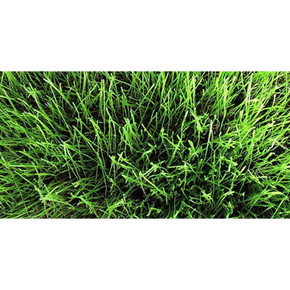
Tetraploid Perennial Ryegrass Seed

SKU: 5TPRG-P
UPC: 678482951075
$18.99 - $162.99
  • High-yield forage
  • Excellent Palatability & Nutrition
  • Flexible Use
  • Premium Oregon-grown seed

Our premium Tetraploid Perennial Ryegrass seed, featuring the proven Mathilde variety, is ideal for creating high-quality grazing pastures, silage production, and temporary grassland. Grown in Oregon for exceptional purity and tested for a 97% germination rate, this forage ryegrass establishes quickly, delivers excellent palatability, and provides energy-rich forage for cattle, sheep, goats, and horses. Perfect for short- to medium-term pasture systems, Tetraploid Ryegrass offers fast regrowth, strong yields, and dependable performance for modern livestock operations.


When to Plant

Plant Tetraploid Perennial Ryegrass seed in early spring or late summer to early fall when soil temperatures are between 50–65°F. Cooler conditions encourage fast establishment and higher forage yields. Avoid planting during hot midsummer weather for best pasture success.

Sunlight & Climate

This forage ryegrass performs best in cool-season climates with full sun. Mathilde Tetraploid Ryegrass thrives in areas with mild summers and consistent rainfall or irrigation. It is a reliable choice for intensive grazing systems in temperate regions.

Germination & Establishment
  • Germination in ~5–10 days under proper conditions.
  • Quick establishment makes it ideal for fast pasture cover.
  • Perfect for short-term grazing rotations or combined with clovers and other forage grasses.
Seed Composition
  • Mathilde Tetraploid Perennial Ryegrass: 98.15% (97% Germination, Oregon Origin)
  • Other Crop Seed: 0.00%
  • Inert Matter: 1.85%
  • Weed Seed: 0.00%
  • Noxious Weed Seeds: None Found

Certified Oregon-grown ryegrass seed ensures purity, consistency, and high germination rates.

Recommended Seeding Rates
  • Pure Stand: 25–35 lbs per acre
  • Pasture Mix: 10–15 lbs per acre (with clovers or other forage grasses)
  • Heavier seeding improves stand density and forage production.
Pasture Use & Benefits

Mathilde Tetraploid Ryegrass is widely used in long-term pastures or as temporary grassland for rotational grazing systems. Benefits include:

  • High Palatability: Livestock readily consume this ryegrass, improving intake and weight gain.
  • Excellent Digestibility: Increases animal performance in beef, dairy, and sheep operations.
  • Forage Flexibility: Suitable for grazing, silage, or haylage with consistent regrowth.
Soil & Fertility
  • Prefers well-drained, fertile soils with pH between 5.8 and 7.0.
  • Responds strongly to nitrogen fertilization for higher yields.
  • Rotational grazing helps maintain persistence and protect root systems.
Durability & Management

This tetraploid ryegrass offers:

  • High sugar levels for energy-rich forage.
  • Strong regrowth after grazing or cutting.
  • Best suited for 2–3 year pasture systems or as part of mixed forage blends for longer-term use.
Origin & Quality

Our ryegrass seed is Oregon-grown, recognized worldwide for its purity and reliability. With a 97% germination rate and 0% weed seed, you can count on strong establishment and dependable forage performance.

FAQ
  • Is this seed good for permanent pasture? Best suited for 2–3 year pastures, or in mixtures for longer-term grazing.
  • Which animals benefit? Ideal for cattle, sheep, goats, and horses due to its palatability and nutritional value.
  • How fast until grazing? Light grazing can begin 6–8 weeks after planting, depending on growth and conditions.
Choose Options:
 
  • High-yield forage
  • Excellent Palatability & Nutrition
  • Flexible Use
  • Premium Oregon-grown seed

Our premium Tetraploid Perennial Ryegrass seed, featuring the proven Mathilde variety, is ideal for creating high-quality grazing pastures, silage production, and temporary grassland. Grown in Oregon for exceptional purity and tested for a 97% germination rate, this forage ryegrass establishes quickly, delivers excellent palatability, and provides energy-rich forage for cattle, sheep, goats, and horses. Perfect for short- to medium-term pasture systems, Tetraploid Ryegrass offers fast regrowth, strong yields, and dependable performance for modern livestock operations.


When to Plant

Plant Tetraploid Perennial Ryegrass seed in early spring or late summer to early fall when soil temperatures are between 50–65°F. Cooler conditions encourage fast establishment and higher forage yields. Avoid planting during hot midsummer weather for best pasture success.

Sunlight & Climate

This forage ryegrass performs best in cool-season climates with full sun. Mathilde Tetraploid Ryegrass thrives in areas with mild summers and consistent rainfall or irrigation. It is a reliable choice for intensive grazing systems in temperate regions.

Germination & Establishment
  • Germination in ~5–10 days under proper conditions.
  • Quick establishment makes it ideal for fast pasture cover.
  • Perfect for short-term grazing rotations or combined with clovers and other forage grasses.
Seed Composition
  • Mathilde Tetraploid Perennial Ryegrass: 98.15% (97% Germination, Oregon Origin)
  • Other Crop Seed: 0.00%
  • Inert Matter: 1.85%
  • Weed Seed: 0.00%
  • Noxious Weed Seeds: None Found

Certified Oregon-grown ryegrass seed ensures purity, consistency, and high germination rates.

Recommended Seeding Rates
  • Pure Stand: 25–35 lbs per acre
  • Pasture Mix: 10–15 lbs per acre (with clovers or other forage grasses)
  • Heavier seeding improves stand density and forage production.
Pasture Use & Benefits

Mathilde Tetraploid Ryegrass is widely used in long-term pastures or as temporary grassland for rotational grazing systems. Benefits include:

  • High Palatability: Livestock readily consume this ryegrass, improving intake and weight gain.
  • Excellent Digestibility: Increases animal performance in beef, dairy, and sheep operations.
  • Forage Flexibility: Suitable for grazing, silage, or haylage with consistent regrowth.
Soil & Fertility
  • Prefers well-drained, fertile soils with pH between 5.8 and 7.0.
  • Responds strongly to nitrogen fertilization for higher yields.
  • Rotational grazing helps maintain persistence and protect root systems.
Durability & Management

This tetraploid ryegrass offers:

  • High sugar levels for energy-rich forage.
  • Strong regrowth after grazing or cutting.
  • Best suited for 2–3 year pasture systems or as part of mixed forage blends for longer-term use.
Origin & Quality

Our ryegrass seed is Oregon-grown, recognized worldwide for its purity and reliability. With a 97% germination rate and 0% weed seed, you can count on strong establishment and dependable forage performance.

FAQ
  • Is this seed good for permanent pasture? Best suited for 2–3 year pastures, or in mixtures for longer-term grazing.
  • Which animals benefit? Ideal for cattle, sheep, goats, and horses due to its palatability and nutritional value.
  • How fast until grazing? Light grazing can begin 6–8 weeks after planting, depending on growth and conditions.