Zoom the image with the mouse
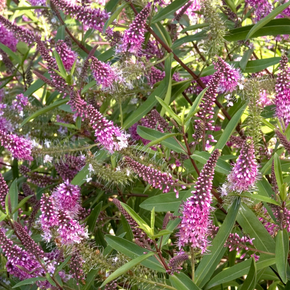
Steffi Blush Pink Gaura - 3 Gallon
SKU:
2018330
UPC:
014949005606
$24.99
- Exceptionally compact, clump-forming perennial with deeply branched red flower stems that carry large, delicate blush-pink blooms from late spring all the way through fall.
- Bred for outstanding heat and drought tolerance, making it a perfect fit for hot, sunny gardens in Southern Oregon and Northern California with minimal supplemental watering once established.
- Deer resistant and irresistible to butterflies, bees, and other pollinators — the whimsical, four-petaled flowers dance in the breeze like a flutter of wings all season long.
- Versatile and low-maintenance — equally at home in sunny borders, rock gardens, mass plantings, and container displays with clean, slender dark green foliage that stays tidy all season.
Gaura Blush Pink (Oenothera lindheimeri 'Steffi Blush Pink'), commonly known as Whirling Butterflies, is a standout compact herbaceous perennial bred to deliver heavy, season-long flowering on a tidy, well-branched mound of slender dark green foliage. Native to the southern United States and Mexico, this heat-loving perennial produces strongly branched, reddish flower stems that are blanketed in large, airy blush-pink blooms from late spring through the first frosts of fall — a remarkably long display that few perennials can match. The Steffi series was specifically developed to stay more compact and flower more abundantly than the straight species, making Blush Pink an especially rewarding choice for modern landscapes and container gardens. Hardy in USDA Zones 5 through 9, it thrives in full sun and well-drained soil, tolerating summer heat and periodic drought with ease once its deep taproot is established. Its graceful, butterfly-like flowers sway effortlessly in the slightest breeze, adding movement and soft color to any planting, while its deer resistance, pollinator appeal, and minimal care requirements make it one of the most versatile and reliable perennials available for gardens throughout the Pacific Northwest and Northern California foothills.
Plant Description
Gaura Blush Pink is a compact, clump-forming herbaceous perennial in the family Onagraceae. Its botanical name is Oenothera lindheimeri, though it is still widely sold under the name Gaura lindheimeri. The Steffi Blush Pink selection features strongly branched, upright-to-arching reddish flower stems that rise from a low mound of slender, lance-shaped dark green foliage. Each stem carries a succession of large, delicate four-petaled flowers in a soft blush pink — buds emerge a deeper rose-pink and open into lighter blush tones, creating a gradient of color along each stem. The flowers have a distinctive butterfly-wing shape with a small cluster of protruding stamens at the center, which is the origin of the beloved common name "Whirling Butterflies." Only a few blooms open at a time along each wand-like stem, and as spent flowers fall away, fresh buds continue to open — creating a continuous floral display from late spring through fall rather than one dramatic flush. The foliage is clean and slender throughout the season, maintaining an attractive low mound at the base even as the flowering stems rise gracefully above.
Mature Size and Spacing
| Attribute | Measurement |
|---|---|
| Mature Height (in bloom) | 15 to 24 inches |
| Mature Spread | 18 to 24 inches |
| Recommended Spacing | 18 to 24 inches apart |
| Growth Habit | Compact, clump-forming mound with upright-to-arching flower stems |
| Root System | Deep, fleshy taproot — avoid transplanting once established |
Hardiness Zones
Gaura Blush Pink is reliably hardy in USDA Hardiness Zones 5 through 9, making it well suited to the climates of Southern Oregon and Northern California. In Zone 5, plants may die back to the woody crown and taproot over winter — applying a generous layer of mulch (2 to 3 inches) around the base in late fall provides important protection in colder microclimates. In Zones 6 through 9, plants are consistently perennial and will re-emerge dependably each spring. In the warmest parts of Zone 9 and in areas with intense summer heat, a little afternoon shade can help reduce stress during peak summer temperatures above 95°F, though the plant is generally well adapted to hot, dry conditions throughout its hardiness range.
Sunlight Requirements
Gaura Blush Pink performs best in full sun, defined as a minimum of 6 hours of direct sunlight per day. Full sun exposure encourages the most prolific flowering, the most compact upright growth habit, and the strongest stem structure. In partial shade — particularly in regions with very intense summer heat — plants may still bloom but tend to develop leggier, more sprawling stems and produce fewer flowers overall. For gardens in the hotter inland valleys of Southern Oregon and Northern California, a site that receives full morning sun with some light afternoon shade is acceptable and can help extend the bloom season during the most intense summer heat. Avoid dense shade, as this significantly reduces flowering and causes the plant to become weak and floppy.
Soil and pH Preferences
This perennial thrives in average to lean, well-drained soil and is notably tolerant of poor, sandy, and rocky soils that would stress many other garden plants. The critical requirement is excellent drainage — Gaura Blush Pink's deep, fleshy taproot is highly susceptible to root rot in soggy or consistently wet conditions, particularly during winter. Avoid heavy clay soils unless they have been substantially amended with coarse sand or fine gravel to improve drainage. Overly rich or heavily amended soils encourage rapid, lush, vegetative growth that results in spindly stems that flop over under the weight of blooms, so resist the urge to over-improve the soil at planting time. A soil pH range of 6.0 to 7.0 is ideal, though the plant adapts to slightly alkaline conditions as well. Good drainage during winter dormancy is as important as during the active growing season.
Watering Guide
When first planted, water Gaura Blush Pink regularly to help the deep taproot establish — typically once or twice per week depending on temperatures and soil type for the first growing season. Once established, this perennial is impressively drought tolerant and requires only occasional deep watering during extended dry spells. During extremely hot or dry summer stretches, supplemental watering will help maintain heavier flowering, but the plant will survive and persist on minimal moisture once its taproot reaches depth. Always water at the base of the plant rather than overhead to reduce the risk of foliar disease. Allow the soil to dry out somewhat between waterings — never let the root zone sit in standing water. Reduce watering significantly in fall as the plant prepares to go dormant, and ensure the planting site does not accumulate standing water over winter, which is the most common cause of plant loss.
Fertilizing
Gaura Blush Pink has modest fertility needs and performs very well in lean soils with little to no fertilizer. Over-fertilizing — particularly with high-nitrogen products — is one of the most common mistakes, as it promotes excessive leafy growth, soft floppy stems, and reduced flowering. If desired, apply a light topdressing of balanced granular fertilizer (such as a 10-10-10 formulation) or a 1 to 2 inch layer of compost around the plant in early spring as new growth begins, keeping any amendment a few inches away from the crown to prevent rot. A fall application of compost that can slowly break down over winter is another gentle approach. In most garden soils with average organic content, no supplemental fertilizer is necessary for healthy growth and prolific blooming. Avoid high-phosphorus bloom boosters and slow-release fertilizers in hot climates, as they can push excessive growth during heat stress.
Pruning and Maintenance
Gaura Blush Pink is a low-maintenance perennial that benefits from a simple twice-yearly pruning routine to look its best:
- Spring Cutback: In late winter to early spring, cut the plant back by up to one-half to remove any winter-killed or tattered stems and encourage a strong flush of fresh, compact new growth. This is the most important pruning of the year.
- Deadheading: Throughout the blooming season, removing spent flower stems encourages continuous rebloom and limits unwanted self-seeding. This is especially recommended to keep the compact, tidy appearance of the Steffi series.
- Midsummer Tidy-Up: In late summer, a light trim of no more than one-third of the plant removes leggy or spent stems and can reinvigorate late-season flowering. Do not cut back severely at this time.
- Fall and Winter: Cut stems down to just above the basal foliage rosette in late fall after frost. Leaving some stem structure over winter provides habitat for beneficial overwintering insects; cut to ground level in early spring before new growth begins.
- Division: Divide plants every 3 to 5 years in early spring to maintain vigor. Note that the deep taproot makes established plants difficult to transplant, so choose the planting location carefully from the start.
Planting Instructions
- Select a planting site with full sun (6+ hours daily) and well-drained soil. Avoid low spots or areas where water pools after rain.
- Dig a planting hole approximately twice as wide as the root ball and equal to its depth — do not plant deeper than the soil level in the original container.
- If soil drainage is poor, raise the planting area or amend with coarse sand or fine gravel rather than with organic matter alone.
- Place the plant in the hole with the crown at or very slightly above the surrounding soil level to discourage crown rot.
- Backfill with the native soil, gently firming it around the roots to eliminate air pockets. Avoid backfilling with heavy compost amendments in wet-winter regions.
- Water thoroughly at planting to settle the soil around the roots.
- Space plants 18 to 24 inches apart to allow for mature spread and good air circulation.
- Apply a light layer of mulch (1 to 2 inches) around but not touching the crown to help conserve soil moisture during establishment.
- Water consistently for the first growing season while the taproot establishes, then gradually reduce frequency.
Seasonal Interest
Gaura Blush Pink offers an exceptionally long season of ornamental interest in the garden:
- Spring: Fresh, low mounds of clean dark green foliage emerge, followed quickly by the first reddish flower stems and blush-pink buds as early as late spring. The compact mounding habit looks neat and tidy at the front of borders.
- Summer: Peak bloom season — flower stems are covered with dancing blush-pink flowers that sway gracefully in summer breezes, providing continuous motion and color from early through late summer. The contrast of the reddish stems against the soft pink flowers and dark foliage is especially attractive.
- Fall: Flowering continues well into fall, often until the first hard frosts. As temperatures cool, foliage may develop attractive reddish or bronze tints, adding warm fall color to the garden.
- Winter: Plants die back to a low basal rosette in colder zones. The stems can be left standing briefly to support overwintering beneficial insects before being cut back in late winter.
Landscape Uses
The versatility of Gaura Blush Pink makes it one of the most adaptable perennials for a wide range of garden applications:
- Sunny Borders: Ideal in the front to middle of mixed perennial borders, where its airy, upright flowering wands add lightness and movement without blocking plants behind it.
- Rock Gardens: Thrives in the sharp drainage and full sun conditions typical of rock garden settings.
- Xeriscape and Drought-Tolerant Gardens: An excellent anchor plant for low-water-use landscapes, paired with other drought-tolerant perennials and ornamental grasses.
- Mass Plantings: Planted in groups of three or more, Gaura Blush Pink creates a flowing, meadow-like effect with impressive visual impact.
- Container Gardens: Well suited to large containers and patio pots where its compact habit, continuous bloom, and ornamental red stems create season-long interest.
- Cottage Gardens: The soft pink blush tones and whimsical flower form fit naturally into romantic cottage garden designs.
- Pollinator Gardens: An outstanding long-season nectar source, making it a valuable component of dedicated pollinator or butterfly garden plantings.
- Slope and Erosion Control: The deep taproot system helps stabilize loose or sloped soils in sunny, well-drained sites.
Companion Plants
Gaura Blush Pink pairs beautifully with plants that share its preference for full sun and well-drained soil. Its fine, airy texture provides excellent contrast to bold-leafed or densely mounding companions. Consider these complementary combinations:
- Sedum 'Autumn Joy' (Hylotelephium): The bold, succulent foliage and flat flower heads of sedum create a strong textural contrast to gaura's wispy stems.
- Ornamental Grasses (Festuca, Nassella, Muhlenbergia): Fine-textured grasses echo gaura's airy quality while adding structural interest throughout the season.
- Lavender (Lavandula): Shares the same love of heat, drought, and excellent drainage, and the purple-blue of lavender is a stunning complement to blush pink.
- Salvia (Perennial Salvia species): Blue and violet salvias provide rich color contrast and share gaura's pollinator-friendly, sun-loving nature.
- Echinacea (Coneflower): Bold, upright coneflowers anchor the border while gaura's dancing stems add movement around them.
- Agastache (Hyssop): Drought-tolerant and pollinator-friendly, agastache blooms alongside gaura in summer with complementary spiky flower forms.
- Dahlia: The bold, dramatic blooms of dahlias make a striking contrast to gaura's delicate, airy flower wands in late-summer plantings.
- Catmint (Nepeta): A low, spreading companion with soft purple flowers that complement blush pink and bloom on a similar schedule.
Pests and Diseases
Gaura Blush Pink is a notably low-maintenance plant with excellent resistance to most common garden pests and diseases. The following issues occasionally arise:
- Aphids: The most likely pest, occasionally clustering at the tips of flower stems. A strong spray of water or an application of insecticidal soap or neem oil will effectively control infestations.
- Whiteflies: Occasionally present, particularly in warm, sheltered locations. Neem oil or insecticidal soap applications are effective treatments.
- Flea Beetles: May cause small holes in the foliage but rarely cause significant damage. Usually tolerable without intervention.
- Powdery Mildew: Can appear in humid conditions or when air circulation is poor. Ensure adequate plant spacing and avoid overhead watering. Neem oil or a copper-based fungicide can treat affected plants.
- Rust: An occasional fungal issue, more common in humid summers. Improve air circulation and remove and dispose of heavily affected foliage. Fungicide applications can help manage outbreaks.
- Leaf Spot: Minor and rarely a serious problem; remove affected leaves and avoid wetting foliage during watering.
- Root Rot: The most serious threat to this plant, caused by poorly drained or consistently wet soils, especially in winter. Prevention through proper site selection and drainage is the best strategy — there is no effective treatment for severe root rot once established.
Container Growing
Gaura Blush Pink is an excellent choice for container gardens and large patio pots. Its compact Steffi habit, ornamental red stems, and season-long bloom make it one of the most rewarding perennials for container displays. Keep the following tips in mind for success:
- Choose a container that is at least 12 to 14 inches in diameter and has multiple drainage holes — excellent drainage is non-negotiable for this plant.
- Use a well-draining, high-quality potting mix. Adding 20 to 30 percent perlite or coarse sand to a standard potting mix improves drainage significantly.
- Place containers in a full-sun location receiving at least 6 hours of direct sunlight daily.
- Container-grown plants dry out faster than in-ground plants — check soil moisture regularly and water when the top inch of soil feels dry, but never allow the pot to sit in a saucer of standing water.
- Apply a light, balanced slow-release granular fertilizer at the start of the season; container plants benefit from slightly more feeding than in-ground plants since nutrients leach out with frequent watering.
- Deadhead regularly to maintain continuous flowering and a tidy appearance throughout the season.
- In Zones 7 and warmer, containers can be overwintered outdoors in a sheltered spot. In colder zones, move containers to a frost-protected but cool location over winter, or treat as an annual and replant each spring.
Wildlife Value and Deer Resistance
Gaura Blush Pink is a pollinator powerhouse, providing a valuable and continuous nectar source from late spring through fall — a period that bridges early and late-season blooms in the garden. Its open, accessible flower structure makes it especially attractive to a wide range of beneficial visitors:
- Butterflies: The flower shape and nectar content are highly attractive to a wide range of butterfly species, including swallowtails, skippers, and hairstreaks. The plant is frequently listed as a butterfly garden essential.
- Bees: Both native bees and honeybees actively forage on the flowers throughout the blooming season, making Gaura Blush Pink an excellent addition to bee-friendly and pollinator-support gardens.
- Hummingbirds: The tubular flower structure and long bloom season attract hummingbirds, particularly in summer and early fall during migration periods in the Pacific Northwest and Northern California.
- Deer and Rabbit Resistance: Gaura Blush Pink is considered resistant to browsing by both deer and rabbits — an important advantage in garden settings throughout Southern Oregon and Northern California where deer pressure is often significant.
- Exceptionally compact, clump-forming perennial with deeply branched red flower stems that carry large, delicate blush-pink blooms from late spring all the way through fall.
- Bred for outstanding heat and drought tolerance, making it a perfect fit for hot, sunny gardens in Southern Oregon and Northern California with minimal supplemental watering once established.
- Deer resistant and irresistible to butterflies, bees, and other pollinators — the whimsical, four-petaled flowers dance in the breeze like a flutter of wings all season long.
- Versatile and low-maintenance — equally at home in sunny borders, rock gardens, mass plantings, and container displays with clean, slender dark green foliage that stays tidy all season.
Gaura Blush Pink (Oenothera lindheimeri 'Steffi Blush Pink'), commonly known as Whirling Butterflies, is a standout compact herbaceous perennial bred to deliver heavy, season-long flowering on a tidy, well-branched mound of slender dark green foliage. Native to the southern United States and Mexico, this heat-loving perennial produces strongly branched, reddish flower stems that are blanketed in large, airy blush-pink blooms from late spring through the first frosts of fall — a remarkably long display that few perennials can match. The Steffi series was specifically developed to stay more compact and flower more abundantly than the straight species, making Blush Pink an especially rewarding choice for modern landscapes and container gardens. Hardy in USDA Zones 5 through 9, it thrives in full sun and well-drained soil, tolerating summer heat and periodic drought with ease once its deep taproot is established. Its graceful, butterfly-like flowers sway effortlessly in the slightest breeze, adding movement and soft color to any planting, while its deer resistance, pollinator appeal, and minimal care requirements make it one of the most versatile and reliable perennials available for gardens throughout the Pacific Northwest and Northern California foothills.
Plant Description
Gaura Blush Pink is a compact, clump-forming herbaceous perennial in the family Onagraceae. Its botanical name is Oenothera lindheimeri, though it is still widely sold under the name Gaura lindheimeri. The Steffi Blush Pink selection features strongly branched, upright-to-arching reddish flower stems that rise from a low mound of slender, lance-shaped dark green foliage. Each stem carries a succession of large, delicate four-petaled flowers in a soft blush pink — buds emerge a deeper rose-pink and open into lighter blush tones, creating a gradient of color along each stem. The flowers have a distinctive butterfly-wing shape with a small cluster of protruding stamens at the center, which is the origin of the beloved common name "Whirling Butterflies." Only a few blooms open at a time along each wand-like stem, and as spent flowers fall away, fresh buds continue to open — creating a continuous floral display from late spring through fall rather than one dramatic flush. The foliage is clean and slender throughout the season, maintaining an attractive low mound at the base even as the flowering stems rise gracefully above.
Mature Size and Spacing
| Attribute | Measurement |
|---|---|
| Mature Height (in bloom) | 15 to 24 inches |
| Mature Spread | 18 to 24 inches |
| Recommended Spacing | 18 to 24 inches apart |
| Growth Habit | Compact, clump-forming mound with upright-to-arching flower stems |
| Root System | Deep, fleshy taproot — avoid transplanting once established |
Hardiness Zones
Gaura Blush Pink is reliably hardy in USDA Hardiness Zones 5 through 9, making it well suited to the climates of Southern Oregon and Northern California. In Zone 5, plants may die back to the woody crown and taproot over winter — applying a generous layer of mulch (2 to 3 inches) around the base in late fall provides important protection in colder microclimates. In Zones 6 through 9, plants are consistently perennial and will re-emerge dependably each spring. In the warmest parts of Zone 9 and in areas with intense summer heat, a little afternoon shade can help reduce stress during peak summer temperatures above 95°F, though the plant is generally well adapted to hot, dry conditions throughout its hardiness range.
Sunlight Requirements
Gaura Blush Pink performs best in full sun, defined as a minimum of 6 hours of direct sunlight per day. Full sun exposure encourages the most prolific flowering, the most compact upright growth habit, and the strongest stem structure. In partial shade — particularly in regions with very intense summer heat — plants may still bloom but tend to develop leggier, more sprawling stems and produce fewer flowers overall. For gardens in the hotter inland valleys of Southern Oregon and Northern California, a site that receives full morning sun with some light afternoon shade is acceptable and can help extend the bloom season during the most intense summer heat. Avoid dense shade, as this significantly reduces flowering and causes the plant to become weak and floppy.
Soil and pH Preferences
This perennial thrives in average to lean, well-drained soil and is notably tolerant of poor, sandy, and rocky soils that would stress many other garden plants. The critical requirement is excellent drainage — Gaura Blush Pink's deep, fleshy taproot is highly susceptible to root rot in soggy or consistently wet conditions, particularly during winter. Avoid heavy clay soils unless they have been substantially amended with coarse sand or fine gravel to improve drainage. Overly rich or heavily amended soils encourage rapid, lush, vegetative growth that results in spindly stems that flop over under the weight of blooms, so resist the urge to over-improve the soil at planting time. A soil pH range of 6.0 to 7.0 is ideal, though the plant adapts to slightly alkaline conditions as well. Good drainage during winter dormancy is as important as during the active growing season.
Watering Guide
When first planted, water Gaura Blush Pink regularly to help the deep taproot establish — typically once or twice per week depending on temperatures and soil type for the first growing season. Once established, this perennial is impressively drought tolerant and requires only occasional deep watering during extended dry spells. During extremely hot or dry summer stretches, supplemental watering will help maintain heavier flowering, but the plant will survive and persist on minimal moisture once its taproot reaches depth. Always water at the base of the plant rather than overhead to reduce the risk of foliar disease. Allow the soil to dry out somewhat between waterings — never let the root zone sit in standing water. Reduce watering significantly in fall as the plant prepares to go dormant, and ensure the planting site does not accumulate standing water over winter, which is the most common cause of plant loss.
Fertilizing
Gaura Blush Pink has modest fertility needs and performs very well in lean soils with little to no fertilizer. Over-fertilizing — particularly with high-nitrogen products — is one of the most common mistakes, as it promotes excessive leafy growth, soft floppy stems, and reduced flowering. If desired, apply a light topdressing of balanced granular fertilizer (such as a 10-10-10 formulation) or a 1 to 2 inch layer of compost around the plant in early spring as new growth begins, keeping any amendment a few inches away from the crown to prevent rot. A fall application of compost that can slowly break down over winter is another gentle approach. In most garden soils with average organic content, no supplemental fertilizer is necessary for healthy growth and prolific blooming. Avoid high-phosphorus bloom boosters and slow-release fertilizers in hot climates, as they can push excessive growth during heat stress.
Pruning and Maintenance
Gaura Blush Pink is a low-maintenance perennial that benefits from a simple twice-yearly pruning routine to look its best:
- Spring Cutback: In late winter to early spring, cut the plant back by up to one-half to remove any winter-killed or tattered stems and encourage a strong flush of fresh, compact new growth. This is the most important pruning of the year.
- Deadheading: Throughout the blooming season, removing spent flower stems encourages continuous rebloom and limits unwanted self-seeding. This is especially recommended to keep the compact, tidy appearance of the Steffi series.
- Midsummer Tidy-Up: In late summer, a light trim of no more than one-third of the plant removes leggy or spent stems and can reinvigorate late-season flowering. Do not cut back severely at this time.
- Fall and Winter: Cut stems down to just above the basal foliage rosette in late fall after frost. Leaving some stem structure over winter provides habitat for beneficial overwintering insects; cut to ground level in early spring before new growth begins.
- Division: Divide plants every 3 to 5 years in early spring to maintain vigor. Note that the deep taproot makes established plants difficult to transplant, so choose the planting location carefully from the start.
Planting Instructions
- Select a planting site with full sun (6+ hours daily) and well-drained soil. Avoid low spots or areas where water pools after rain.
- Dig a planting hole approximately twice as wide as the root ball and equal to its depth — do not plant deeper than the soil level in the original container.
- If soil drainage is poor, raise the planting area or amend with coarse sand or fine gravel rather than with organic matter alone.
- Place the plant in the hole with the crown at or very slightly above the surrounding soil level to discourage crown rot.
- Backfill with the native soil, gently firming it around the roots to eliminate air pockets. Avoid backfilling with heavy compost amendments in wet-winter regions.
- Water thoroughly at planting to settle the soil around the roots.
- Space plants 18 to 24 inches apart to allow for mature spread and good air circulation.
- Apply a light layer of mulch (1 to 2 inches) around but not touching the crown to help conserve soil moisture during establishment.
- Water consistently for the first growing season while the taproot establishes, then gradually reduce frequency.
Seasonal Interest
Gaura Blush Pink offers an exceptionally long season of ornamental interest in the garden:
- Spring: Fresh, low mounds of clean dark green foliage emerge, followed quickly by the first reddish flower stems and blush-pink buds as early as late spring. The compact mounding habit looks neat and tidy at the front of borders.
- Summer: Peak bloom season — flower stems are covered with dancing blush-pink flowers that sway gracefully in summer breezes, providing continuous motion and color from early through late summer. The contrast of the reddish stems against the soft pink flowers and dark foliage is especially attractive.
- Fall: Flowering continues well into fall, often until the first hard frosts. As temperatures cool, foliage may develop attractive reddish or bronze tints, adding warm fall color to the garden.
- Winter: Plants die back to a low basal rosette in colder zones. The stems can be left standing briefly to support overwintering beneficial insects before being cut back in late winter.
Landscape Uses
The versatility of Gaura Blush Pink makes it one of the most adaptable perennials for a wide range of garden applications:
- Sunny Borders: Ideal in the front to middle of mixed perennial borders, where its airy, upright flowering wands add lightness and movement without blocking plants behind it.
- Rock Gardens: Thrives in the sharp drainage and full sun conditions typical of rock garden settings.
- Xeriscape and Drought-Tolerant Gardens: An excellent anchor plant for low-water-use landscapes, paired with other drought-tolerant perennials and ornamental grasses.
- Mass Plantings: Planted in groups of three or more, Gaura Blush Pink creates a flowing, meadow-like effect with impressive visual impact.
- Container Gardens: Well suited to large containers and patio pots where its compact habit, continuous bloom, and ornamental red stems create season-long interest.
- Cottage Gardens: The soft pink blush tones and whimsical flower form fit naturally into romantic cottage garden designs.
- Pollinator Gardens: An outstanding long-season nectar source, making it a valuable component of dedicated pollinator or butterfly garden plantings.
- Slope and Erosion Control: The deep taproot system helps stabilize loose or sloped soils in sunny, well-drained sites.
Companion Plants
Gaura Blush Pink pairs beautifully with plants that share its preference for full sun and well-drained soil. Its fine, airy texture provides excellent contrast to bold-leafed or densely mounding companions. Consider these complementary combinations:
- Sedum 'Autumn Joy' (Hylotelephium): The bold, succulent foliage and flat flower heads of sedum create a strong textural contrast to gaura's wispy stems.
- Ornamental Grasses (Festuca, Nassella, Muhlenbergia): Fine-textured grasses echo gaura's airy quality while adding structural interest throughout the season.
- Lavender (Lavandula): Shares the same love of heat, drought, and excellent drainage, and the purple-blue of lavender is a stunning complement to blush pink.
- Salvia (Perennial Salvia species): Blue and violet salvias provide rich color contrast and share gaura's pollinator-friendly, sun-loving nature.
- Echinacea (Coneflower): Bold, upright coneflowers anchor the border while gaura's dancing stems add movement around them.
- Agastache (Hyssop): Drought-tolerant and pollinator-friendly, agastache blooms alongside gaura in summer with complementary spiky flower forms.
- Dahlia: The bold, dramatic blooms of dahlias make a striking contrast to gaura's delicate, airy flower wands in late-summer plantings.
- Catmint (Nepeta): A low, spreading companion with soft purple flowers that complement blush pink and bloom on a similar schedule.
Pests and Diseases
Gaura Blush Pink is a notably low-maintenance plant with excellent resistance to most common garden pests and diseases. The following issues occasionally arise:
- Aphids: The most likely pest, occasionally clustering at the tips of flower stems. A strong spray of water or an application of insecticidal soap or neem oil will effectively control infestations.
- Whiteflies: Occasionally present, particularly in warm, sheltered locations. Neem oil or insecticidal soap applications are effective treatments.
- Flea Beetles: May cause small holes in the foliage but rarely cause significant damage. Usually tolerable without intervention.
- Powdery Mildew: Can appear in humid conditions or when air circulation is poor. Ensure adequate plant spacing and avoid overhead watering. Neem oil or a copper-based fungicide can treat affected plants.
- Rust: An occasional fungal issue, more common in humid summers. Improve air circulation and remove and dispose of heavily affected foliage. Fungicide applications can help manage outbreaks.
- Leaf Spot: Minor and rarely a serious problem; remove affected leaves and avoid wetting foliage during watering.
- Root Rot: The most serious threat to this plant, caused by poorly drained or consistently wet soils, especially in winter. Prevention through proper site selection and drainage is the best strategy — there is no effective treatment for severe root rot once established.
Container Growing
Gaura Blush Pink is an excellent choice for container gardens and large patio pots. Its compact Steffi habit, ornamental red stems, and season-long bloom make it one of the most rewarding perennials for container displays. Keep the following tips in mind for success:
- Choose a container that is at least 12 to 14 inches in diameter and has multiple drainage holes — excellent drainage is non-negotiable for this plant.
- Use a well-draining, high-quality potting mix. Adding 20 to 30 percent perlite or coarse sand to a standard potting mix improves drainage significantly.
- Place containers in a full-sun location receiving at least 6 hours of direct sunlight daily.
- Container-grown plants dry out faster than in-ground plants — check soil moisture regularly and water when the top inch of soil feels dry, but never allow the pot to sit in a saucer of standing water.
- Apply a light, balanced slow-release granular fertilizer at the start of the season; container plants benefit from slightly more feeding than in-ground plants since nutrients leach out with frequent watering.
- Deadhead regularly to maintain continuous flowering and a tidy appearance throughout the season.
- In Zones 7 and warmer, containers can be overwintered outdoors in a sheltered spot. In colder zones, move containers to a frost-protected but cool location over winter, or treat as an annual and replant each spring.
Wildlife Value and Deer Resistance
Gaura Blush Pink is a pollinator powerhouse, providing a valuable and continuous nectar source from late spring through fall — a period that bridges early and late-season blooms in the garden. Its open, accessible flower structure makes it especially attractive to a wide range of beneficial visitors:
- Butterflies: The flower shape and nectar content are highly attractive to a wide range of butterfly species, including swallowtails, skippers, and hairstreaks. The plant is frequently listed as a butterfly garden essential.
- Bees: Both native bees and honeybees actively forage on the flowers throughout the blooming season, making Gaura Blush Pink an excellent addition to bee-friendly and pollinator-support gardens.
- Hummingbirds: The tubular flower structure and long bloom season attract hummingbirds, particularly in summer and early fall during migration periods in the Pacific Northwest and Northern California.
- Deer and Rabbit Resistance: Gaura Blush Pink is considered resistant to browsing by both deer and rabbits — an important advantage in garden settings throughout Southern Oregon and Northern California where deer pressure is often significant.
Related Products