Zoom the image with the mouse
Spek-tacular Cast Iron Plant - 2 Gallon
SKU:
2165295
UPC:
014949459188
$39.99
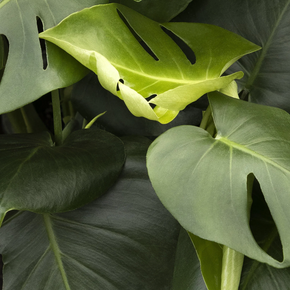
- Stunning variegated foliage featuring deep, glossy green leaves heavily speckled with creamy yellow spots that brighten even the darkest shade garden corners.
- Virtually indestructible evergreen perennial that tolerates deep shade, heat, drought, dry soil, and poor growing conditions where most other plants fail.
- Grows into attractive upright clumps reaching up to 3 feet tall and wide, making it ideal for borders, mass plantings, foundation plantings, and container gardens.
- Deer resistant, low maintenance, and non-toxic to people and pets — a worry-free choice for any home landscape or indoor living space.
The Spek-tacular Cast Iron Plant (Aspidistra sichuanensis 'Spek-tacular') is the ultimate tough-as-nails evergreen perennial for gardeners who need reliable, year-round beauty in challenging shade conditions. Its bold, broadly lance-shaped leaves grow stiffly upright from a dense clumping base before gently arching at the tips, and are adorned with abundant creamy yellow speckles scattered across a deep, lustrous green background — creating a striking, almost luminous effect in woodland and shade garden settings. True to the legendary cast iron plant reputation, this cultivar adapts with ease to deep shade, dry shade, heat, humidity, and periods of drought once established, making it a go-to solution for difficult spots under large trees, beneath decks, along shaded foundations, and in the darkest corners of the landscape. At home in USDA Hardiness Zones 7b through 11, it can also be grown as a long-lived, nearly indestructible houseplant or patio container specimen in cooler climates. Inconspicuous burgundy-red flowers occasionally emerge at the base of the plant in spring, adding a subtle seasonal curiosity. Resistant to deer, rabbits, and most pests and diseases, and safe for children and pets, the Spek-tacular Cast Iron Plant is a spectacular — and spectacularly easy — choice for shaded borders, mass plantings, container arrangements, and tropical-style gardens throughout Southern Oregon and Northern California.
Plant Description
Aspidistra sichuanensis 'Spek-tacular', commonly known as the Spek-tacular Cast Iron Plant, is a broadleaf evergreen rhizomatous perennial celebrated for its dramatic variegated foliage and extraordinary toughness. Each long, flat, broadly lance-shaped leaf grows stiffly upright from an underground rhizome, forming a dense, vase-shaped clump and gracefully arching as the leaves rise above the base. The foliage is a deep, lustrous green and is heavily speckled throughout with creamy yellow to white spots that appear almost luminous in shaded environments. The glossy leaf texture adds richness and depth to the overall effect. Inconspicuous burgundy-red flowers occasionally emerge directly from the rhizome at soil level in spring, a pollination curiosity pollinated in nature by fungus gnats. No visible above-ground stem is present; all leaves emerge individually from the underground rhizome. The plant is a member of the Asparagaceae family and shares relatives with hostas, agaves, and tuberoses.
Mature Size
| Characteristic | Measurement |
|---|---|
| Mature Height | 2 to 3 feet |
| Mature Width | 3 to 4 feet |
| Growth Habit | Upright, clumping, spreading |
| Growth Rate | Slow to moderate |
| Leaf Length | Up to 24 inches |
| Spacing (mass planting) | 18 to 24 inches apart |
| Spacing (individual accent) | 48 inches or more |
Hardiness Zones
The Spek-tacular Cast Iron Plant is reliably hardy outdoors in USDA Plant Hardiness Zones 7b through 11, tolerating minimum winter temperatures down to approximately 5 to 10 degrees Fahrenheit. In Zone 7b and above, it performs as a dependable evergreen perennial that holds its foliage through winter. It can survive brief temperature dips to near 0 degrees Fahrenheit with some protection. In climates colder than Zone 7b — including higher-elevation areas of Southern Oregon — it makes an excellent container specimen that can be brought indoors before hard frosts arrive and returned outdoors when temperatures warm in spring. In the mild climates of Northern California and the warmer valleys of Southern Oregon, it thrives outdoors year-round with minimal winter protection needed.
Sunlight Requirements
The Spek-tacular Cast Iron Plant is one of the most shade-tolerant ornamental plants available and actually prefers to grow away from direct sunlight. It performs best in the following conditions:
- Full shade to bright shade: Ideal conditions — thrives under dense tree canopies, beneath decks, in north-facing beds, and in other deeply shaded spots where most plants struggle.
- Dappled or partial shade: Grows well with shifting filtered light throughout the day.
- Morning sun with afternoon shade: Acceptable in cooler climates; protect from harsh afternoon sun exposure.
- Direct afternoon sun: Avoid entirely — extended exposure will bleach, fade, and scorch the foliage, diminishing the beautiful variegated pattern.
Indoors, a spot with low to moderate indirect light is perfect, making this plant an excellent choice for dim interior rooms, hallways, and offices.
Soil and pH Preferences
The Spek-tacular Cast Iron Plant is notably adaptable when it comes to soil, tolerating a wider range of soil types and conditions than most ornamental perennials. For best results, however, provide the following:
- Soil type: Adapts to loam, sand, silt, and even amended clay soils. Prefers organically rich soil when available.
- Drainage: Well-drained to moist but well-drained; does not tolerate consistently waterlogged or boggy conditions, which can lead to root rot.
- Dry shade tolerance: One of the few ornamentals that will grow and perform in dry shade situations, such as under large established trees with competitive root systems.
- Soil pH: Prefers slightly acidic to neutral soil, ideally in the range of 4.5 to 7.5. Most garden soils in Southern Oregon and Northern California fall within this range.
- Organic matter: Mixing compost into the planting area will improve establishment and encourage more vigorous growth over time.
Watering Guide
Once established, the Spek-tacular Cast Iron Plant is quite drought tolerant, but consistent moisture during establishment leads to the best long-term performance.
- After planting: Water thoroughly and keep the soil consistently moist (but not soggy) for the first growing season to help the root system establish.
- Established plants outdoors: Water deeply but infrequently. Allow the top inch or two of soil to dry out between waterings. In the dry summers of Southern Oregon and Northern California, deep watering every 1 to 2 weeks during the hottest months is generally sufficient.
- Indoors or in containers: Water when the top inch of soil feels dry to the touch. Stop watering once moisture has penetrated the top 6 inches — rhizomes grow near the surface, and deep, excessive watering wastes water and promotes root rot.
- Winter: Reduce watering during the cooler dormant season. Brown leaf tips can be a sign of overwatering rather than underwatering, especially in winter.
- Avoid: Soggy or standing water around the root zone. Always ensure pots and containers have drainage holes.
Fertilizing
The Spek-tacular Cast Iron Plant has modest fertility needs and is not a heavy feeder. Over-fertilizing can actually be harmful, producing lush but weak growth.
- Outdoor landscape plants: Apply a balanced slow-release granular fertilizer (such as a 10-10-10 or similar formulation) once in early spring as new growth begins. Top-dressing with compost annually is also an excellent low-maintenance approach.
- Container and houseplant feeding: Feed with a balanced liquid fertilizer diluted to half-strength once a month during the spring and summer growing season. Do not fertilize in fall or winter when the plant is resting.
- Repotted plants: Plants repotted with fresh potting mix generally do not need additional fertilizer for the first several months, as fresh potting soil contains ample nutrients.
- Signs of over-fertilization: Yellowing leaves or leaf tip burn can sometimes indicate fertilizer salt buildup. Flush the soil with water and reduce feeding frequency if this occurs.
Pruning and Maintenance
The Spek-tacular Cast Iron Plant is truly low maintenance and requires very little pruning or grooming to look its best.
- Removing old leaves: Trim away any yellowed, browned, or damaged leaves at the base using clean, sharp pruning shears or scissors. This keeps the clump looking tidy and encourages the display of fresh, healthy foliage.
- No deadheading needed: The inconspicuous flowers that occasionally appear at soil level do not require removal.
- Leaf cleaning (indoors): Wipe leaves with a damp cloth every few months to remove dust buildup, which can dull the glossy surface and reduce the plant's ability to photosynthesize efficiently.
- Division: If the clump becomes too large for its space, divide in late winter or early spring before new growth emerges. Each division should contain a section of rhizome with at least one or two healthy leaves attached.
- Repotting (containers): Repot every 2 to 3 years or when the plant becomes pot-bound. Refresh potting mix at each repotting even if you return the plant to the same container size.
- No shearing required: Unlike many ornamental grasses or groundcovers, this plant does not benefit from being cut back hard. Prune only individual damaged leaves as needed.
Planting Instructions
- Choose the right location: Select a spot in full to partial shade. Avoid any area that receives direct afternoon sun. Deep shade under trees or decks is ideal.
- Prepare the soil: Loosen the soil to a depth of 12 inches and incorporate 2 to 3 inches of compost to improve drainage and fertility. In heavy clay soils, add coarse grit or pumice to improve drainage.
- Dig the planting hole: Dig a hole that is twice as wide as the root ball and equal in depth. The crown of the plant (where the leaves emerge) should sit at or just slightly above the surrounding soil level.
- Plant and backfill: Set the plant in the hole, backfill with the amended native soil, and firm gently around the base to eliminate air pockets. Do not bury the rhizome deeply.
- Water thoroughly: Water deeply immediately after planting to settle the soil and begin the establishment process.
- Mulch: Apply 2 to 3 inches of organic mulch (such as wood chips or shredded bark) around the plant, keeping mulch a few inches away from the crown to prevent rot and discourage pests.
- Aftercare: Keep the soil consistently moist for the first growing season. Once established, the plant will require significantly less supplemental water.
Landscape Uses
The Spek-tacular Cast Iron Plant is one of the most versatile shade plants available for the Southern Oregon and Northern California garden. Its bold, speckled foliage adds texture and contrast in spots where color options are otherwise limited.
- Shade borders and beds: Use as a bold accent or mass-planted groundcover in shaded border plantings.
- Under tree canopies: One of the few ornamentals that thrives in the dry, root-competitive zone beneath large established trees such as oaks, maples, and pines.
- Foundation plantings: Excellent for north- or east-facing foundation beds that receive little to no direct sun.
- Under decks and overhangs: Tolerates the deep shade and dry conditions often found beneath decks, covered patios, and roof overhangs.
- Woodland and naturalistic gardens: A beautiful addition to woodland garden settings, Japanese-inspired gardens, and tropical-style landscapes.
- Container specimen: Grows beautifully in containers on shaded patios, porches, and entryways, and can be brought indoors in colder climates.
- Indoor houseplant: One of the most durable and long-lived houseplants available, thriving in low-light interior spaces including offices and rooms with minimal natural light.
- Cut foliage: The long, dramatic leaves are prized by florists and can be used in floral arrangements and as cut foliage.
Companion Plants
The Spek-tacular Cast Iron Plant pairs beautifully with other shade-loving plants that share similar cultural requirements. Consider combining it with the following for striking textural and color contrasts in the shade garden:
- Hostas: The broad, variegated hosta leaves complement the upright, speckled foliage of the cast iron plant; use a variety with blue or gold coloring for maximum contrast.
- Japanese Forest Grass (Hakonechloa macra): Soft, cascading golden or variegated foliage creates a beautiful flowing contrast against the stiff, upright leaves of the cast iron plant.
- Hellebores (Lenten Roses): Shade-tolerant, evergreen bloomers that provide late-winter and early spring flowers alongside the year-round foliage of the cast iron plant.
- Ferns: Autumn ferns, Japanese painted ferns, and wood ferns add delicate texture that plays off the bold, glossy cast iron plant leaves.
- Heucheras (Coral Bells): Their colorful, mounding foliage in burgundy, gold, or silver provides a low-growing front border contrast.
- Ajuga (Bugleweed): A low-growing groundcover that fills in the spaces between cast iron plant clumps with colorful foliage and spring flowers.
- Camellia: Tall, flowering evergreen shrubs that share similar shade and acid-soil preferences, providing a canopy layer backdrop.
- Nandina (Heavenly Bamboo): Upright structure and colorful seasonal foliage that pairs well in shaded mixed borders alongside cast iron plant.
Pests and Diseases
The Spek-tacular Cast Iron Plant is notably resistant to most pests and diseases, and serious problems are uncommon when the plant is grown in appropriate conditions. The most common issues to watch for include:
- Spider mites: Can occasionally appear in hot, dry conditions. Look for fine webbing and a dull, stippled appearance on the foliage. Treat with insecticidal soap or neem oil and increase humidity around the plant.
- Scale insects: May appear as small, waxy or shell-like bumps on stems and the undersides of leaves. Treat light infestations by wiping with a cloth dipped in rubbing alcohol; use neem oil or horticultural oil for larger infestations.
- Mealybugs: White, cottony masses at the base of leaves or along stems. Remove with a cotton swab dipped in rubbing alcohol or apply insecticidal soap.
- Root rot: The most significant disease threat, caused almost exclusively by overwatering or poorly drained soil. Ensure excellent drainage and allow the soil to partially dry between waterings. Affected plants should be removed from the pot, all mushy roots trimmed away, and repotted in fresh, well-drained soil.
- Leaf spot: Fungal leaf spots can occasionally occur, especially in humid conditions with poor air circulation. Remove affected leaves, avoid overhead watering, and improve air flow around the plant.
- Sun scorch: Not a pest or disease, but direct sun exposure will bleach and brown the foliage. Relocate the plant to a shadier position if scorching is observed.
Container Growing
The Spek-tacular Cast Iron Plant is an outstanding container plant and thrives when grown in pots both outdoors and indoors. It is well-suited to container culture for the following reasons and with the following care notes:
- Container selection: Choose a container with adequate drainage holes. The shallow root system and near-surface rhizomes mean this plant does not require a deep pot — a container 6 to 9 inches deep is suitable for most plants. Wider, shallow containers work especially well.
- Potting mix: Use a high-quality, well-draining potting mix. A blend of potting soil and perlite or coarse pumice (roughly 3:1 ratio) provides excellent drainage and aeration. Avoid using garden soil, which can compact and restrict drainage in containers.
- Watering in containers: Containers dry out faster than in-ground plantings. Check the top inch of soil and water when it feels dry, but never allow the plant to sit in standing water in a saucer for more than 30 minutes after watering.
- Fertilizing: Feed container-grown plants with a balanced liquid fertilizer diluted to half-strength once a month during spring and summer. Skip feeding in fall and winter.
- Repotting: These slow-growing plants only need repotting every 2 to 3 years, or when roots begin to emerge from the drainage holes. Move up only one pot size at a time to avoid excess soil moisture issues.
- Overwintering in colder climates: In areas colder than Zone 7b, bring containers indoors before the first hard frost. Place in a bright, indirect light location indoors and reduce watering through the cooler months.
- Patio and deck displays: The Spek-tacular Cast Iron Plant makes a spectacular solo specimen or can be combined with shade-loving annuals such as impatiens, caladiums, or begonias in a mixed container planting.
Wildlife Value and Safety
The Spek-tacular Cast Iron Plant offers several wildlife and safety benefits that make it especially appealing for family gardens and pet-friendly landscapes:
- Deer resistant: The tough, leathery foliage is unappealing to deer, making this plant a reliable choice in gardens where deer browsing is a problem. Deer will typically pass it over in favor of more palatable plants.
- Rabbit resistant: Similarly resistant to rabbit browsing, which can be a concern in rural and suburban gardens throughout Southern Oregon and Northern California.
- Non-toxic: The Spek-tacular Cast Iron Plant is non-toxic to dogs, cats, and humans, making it a safe choice around children and pets both indoors and in the landscape.
- Pollinator interest: The inconspicuous flowers that occasionally emerge at the base of the plant in spring produce a subtle, mushroom-like scent designed to attract fungus gnats for pollination — a fascinating botanical curiosity.
- Shelter value: The dense, low clumping foliage can provide ground-level shelter for small beneficial insects and other small wildlife in shaded garden areas.
- Air purification: Like other members of the cast iron plant family, this cultivar has been noted for its ability to help remove certain indoor air pollutants, contributing to improved air quality when grown as a houseplant.
Seasonal Interest
The Spek-tacular Cast Iron Plant provides genuine four-season landscape interest, making it one of the most reliable year-round performers in the shade garden:
- Spring: Fresh new leaves emerge from the rhizome, expanding the clump gradually. Inconspicuous burgundy-red flowers may appear at soil level, adding a quiet seasonal curiosity.
- Summer: Mature foliage is at its boldest and most vibrant, with the creamy yellow speckles standing out brilliantly against the deep glossy green leaf surface. The plant tolerates summer heat and dry conditions with ease.
- Fall: Unlike deciduous shade perennials such as hostas, the cast iron plant retains its full, lush foliage through fall, continuing to provide structure and color as the rest of the garden begins to fade.
- Winter: An excellent evergreen performer that holds its glossy speckled foliage through mild and moderately cold winters, providing welcome green structure and texture in the garden during the dormant season. In Southern Oregon and Northern California winters, the plant typically remains fully evergreen and attractive throughout the season.
- Stunning variegated foliage featuring deep, glossy green leaves heavily speckled with creamy yellow spots that brighten even the darkest shade garden corners.
- Virtually indestructible evergreen perennial that tolerates deep shade, heat, drought, dry soil, and poor growing conditions where most other plants fail.
- Grows into attractive upright clumps reaching up to 3 feet tall and wide, making it ideal for borders, mass plantings, foundation plantings, and container gardens.
- Deer resistant, low maintenance, and non-toxic to people and pets — a worry-free choice for any home landscape or indoor living space.
The Spek-tacular Cast Iron Plant (Aspidistra sichuanensis 'Spek-tacular') is the ultimate tough-as-nails evergreen perennial for gardeners who need reliable, year-round beauty in challenging shade conditions. Its bold, broadly lance-shaped leaves grow stiffly upright from a dense clumping base before gently arching at the tips, and are adorned with abundant creamy yellow speckles scattered across a deep, lustrous green background — creating a striking, almost luminous effect in woodland and shade garden settings. True to the legendary cast iron plant reputation, this cultivar adapts with ease to deep shade, dry shade, heat, humidity, and periods of drought once established, making it a go-to solution for difficult spots under large trees, beneath decks, along shaded foundations, and in the darkest corners of the landscape. At home in USDA Hardiness Zones 7b through 11, it can also be grown as a long-lived, nearly indestructible houseplant or patio container specimen in cooler climates. Inconspicuous burgundy-red flowers occasionally emerge at the base of the plant in spring, adding a subtle seasonal curiosity. Resistant to deer, rabbits, and most pests and diseases, and safe for children and pets, the Spek-tacular Cast Iron Plant is a spectacular — and spectacularly easy — choice for shaded borders, mass plantings, container arrangements, and tropical-style gardens throughout Southern Oregon and Northern California.
Plant Description
Aspidistra sichuanensis 'Spek-tacular', commonly known as the Spek-tacular Cast Iron Plant, is a broadleaf evergreen rhizomatous perennial celebrated for its dramatic variegated foliage and extraordinary toughness. Each long, flat, broadly lance-shaped leaf grows stiffly upright from an underground rhizome, forming a dense, vase-shaped clump and gracefully arching as the leaves rise above the base. The foliage is a deep, lustrous green and is heavily speckled throughout with creamy yellow to white spots that appear almost luminous in shaded environments. The glossy leaf texture adds richness and depth to the overall effect. Inconspicuous burgundy-red flowers occasionally emerge directly from the rhizome at soil level in spring, a pollination curiosity pollinated in nature by fungus gnats. No visible above-ground stem is present; all leaves emerge individually from the underground rhizome. The plant is a member of the Asparagaceae family and shares relatives with hostas, agaves, and tuberoses.
Mature Size
| Characteristic | Measurement |
|---|---|
| Mature Height | 2 to 3 feet |
| Mature Width | 3 to 4 feet |
| Growth Habit | Upright, clumping, spreading |
| Growth Rate | Slow to moderate |
| Leaf Length | Up to 24 inches |
| Spacing (mass planting) | 18 to 24 inches apart |
| Spacing (individual accent) | 48 inches or more |
Hardiness Zones
The Spek-tacular Cast Iron Plant is reliably hardy outdoors in USDA Plant Hardiness Zones 7b through 11, tolerating minimum winter temperatures down to approximately 5 to 10 degrees Fahrenheit. In Zone 7b and above, it performs as a dependable evergreen perennial that holds its foliage through winter. It can survive brief temperature dips to near 0 degrees Fahrenheit with some protection. In climates colder than Zone 7b — including higher-elevation areas of Southern Oregon — it makes an excellent container specimen that can be brought indoors before hard frosts arrive and returned outdoors when temperatures warm in spring. In the mild climates of Northern California and the warmer valleys of Southern Oregon, it thrives outdoors year-round with minimal winter protection needed.
Sunlight Requirements
The Spek-tacular Cast Iron Plant is one of the most shade-tolerant ornamental plants available and actually prefers to grow away from direct sunlight. It performs best in the following conditions:
- Full shade to bright shade: Ideal conditions — thrives under dense tree canopies, beneath decks, in north-facing beds, and in other deeply shaded spots where most plants struggle.
- Dappled or partial shade: Grows well with shifting filtered light throughout the day.
- Morning sun with afternoon shade: Acceptable in cooler climates; protect from harsh afternoon sun exposure.
- Direct afternoon sun: Avoid entirely — extended exposure will bleach, fade, and scorch the foliage, diminishing the beautiful variegated pattern.
Indoors, a spot with low to moderate indirect light is perfect, making this plant an excellent choice for dim interior rooms, hallways, and offices.
Soil and pH Preferences
The Spek-tacular Cast Iron Plant is notably adaptable when it comes to soil, tolerating a wider range of soil types and conditions than most ornamental perennials. For best results, however, provide the following:
- Soil type: Adapts to loam, sand, silt, and even amended clay soils. Prefers organically rich soil when available.
- Drainage: Well-drained to moist but well-drained; does not tolerate consistently waterlogged or boggy conditions, which can lead to root rot.
- Dry shade tolerance: One of the few ornamentals that will grow and perform in dry shade situations, such as under large established trees with competitive root systems.
- Soil pH: Prefers slightly acidic to neutral soil, ideally in the range of 4.5 to 7.5. Most garden soils in Southern Oregon and Northern California fall within this range.
- Organic matter: Mixing compost into the planting area will improve establishment and encourage more vigorous growth over time.
Watering Guide
Once established, the Spek-tacular Cast Iron Plant is quite drought tolerant, but consistent moisture during establishment leads to the best long-term performance.
- After planting: Water thoroughly and keep the soil consistently moist (but not soggy) for the first growing season to help the root system establish.
- Established plants outdoors: Water deeply but infrequently. Allow the top inch or two of soil to dry out between waterings. In the dry summers of Southern Oregon and Northern California, deep watering every 1 to 2 weeks during the hottest months is generally sufficient.
- Indoors or in containers: Water when the top inch of soil feels dry to the touch. Stop watering once moisture has penetrated the top 6 inches — rhizomes grow near the surface, and deep, excessive watering wastes water and promotes root rot.
- Winter: Reduce watering during the cooler dormant season. Brown leaf tips can be a sign of overwatering rather than underwatering, especially in winter.
- Avoid: Soggy or standing water around the root zone. Always ensure pots and containers have drainage holes.
Fertilizing
The Spek-tacular Cast Iron Plant has modest fertility needs and is not a heavy feeder. Over-fertilizing can actually be harmful, producing lush but weak growth.
- Outdoor landscape plants: Apply a balanced slow-release granular fertilizer (such as a 10-10-10 or similar formulation) once in early spring as new growth begins. Top-dressing with compost annually is also an excellent low-maintenance approach.
- Container and houseplant feeding: Feed with a balanced liquid fertilizer diluted to half-strength once a month during the spring and summer growing season. Do not fertilize in fall or winter when the plant is resting.
- Repotted plants: Plants repotted with fresh potting mix generally do not need additional fertilizer for the first several months, as fresh potting soil contains ample nutrients.
- Signs of over-fertilization: Yellowing leaves or leaf tip burn can sometimes indicate fertilizer salt buildup. Flush the soil with water and reduce feeding frequency if this occurs.
Pruning and Maintenance
The Spek-tacular Cast Iron Plant is truly low maintenance and requires very little pruning or grooming to look its best.
- Removing old leaves: Trim away any yellowed, browned, or damaged leaves at the base using clean, sharp pruning shears or scissors. This keeps the clump looking tidy and encourages the display of fresh, healthy foliage.
- No deadheading needed: The inconspicuous flowers that occasionally appear at soil level do not require removal.
- Leaf cleaning (indoors): Wipe leaves with a damp cloth every few months to remove dust buildup, which can dull the glossy surface and reduce the plant's ability to photosynthesize efficiently.
- Division: If the clump becomes too large for its space, divide in late winter or early spring before new growth emerges. Each division should contain a section of rhizome with at least one or two healthy leaves attached.
- Repotting (containers): Repot every 2 to 3 years or when the plant becomes pot-bound. Refresh potting mix at each repotting even if you return the plant to the same container size.
- No shearing required: Unlike many ornamental grasses or groundcovers, this plant does not benefit from being cut back hard. Prune only individual damaged leaves as needed.
Planting Instructions
- Choose the right location: Select a spot in full to partial shade. Avoid any area that receives direct afternoon sun. Deep shade under trees or decks is ideal.
- Prepare the soil: Loosen the soil to a depth of 12 inches and incorporate 2 to 3 inches of compost to improve drainage and fertility. In heavy clay soils, add coarse grit or pumice to improve drainage.
- Dig the planting hole: Dig a hole that is twice as wide as the root ball and equal in depth. The crown of the plant (where the leaves emerge) should sit at or just slightly above the surrounding soil level.
- Plant and backfill: Set the plant in the hole, backfill with the amended native soil, and firm gently around the base to eliminate air pockets. Do not bury the rhizome deeply.
- Water thoroughly: Water deeply immediately after planting to settle the soil and begin the establishment process.
- Mulch: Apply 2 to 3 inches of organic mulch (such as wood chips or shredded bark) around the plant, keeping mulch a few inches away from the crown to prevent rot and discourage pests.
- Aftercare: Keep the soil consistently moist for the first growing season. Once established, the plant will require significantly less supplemental water.
Landscape Uses
The Spek-tacular Cast Iron Plant is one of the most versatile shade plants available for the Southern Oregon and Northern California garden. Its bold, speckled foliage adds texture and contrast in spots where color options are otherwise limited.
- Shade borders and beds: Use as a bold accent or mass-planted groundcover in shaded border plantings.
- Under tree canopies: One of the few ornamentals that thrives in the dry, root-competitive zone beneath large established trees such as oaks, maples, and pines.
- Foundation plantings: Excellent for north- or east-facing foundation beds that receive little to no direct sun.
- Under decks and overhangs: Tolerates the deep shade and dry conditions often found beneath decks, covered patios, and roof overhangs.
- Woodland and naturalistic gardens: A beautiful addition to woodland garden settings, Japanese-inspired gardens, and tropical-style landscapes.
- Container specimen: Grows beautifully in containers on shaded patios, porches, and entryways, and can be brought indoors in colder climates.
- Indoor houseplant: One of the most durable and long-lived houseplants available, thriving in low-light interior spaces including offices and rooms with minimal natural light.
- Cut foliage: The long, dramatic leaves are prized by florists and can be used in floral arrangements and as cut foliage.
Companion Plants
The Spek-tacular Cast Iron Plant pairs beautifully with other shade-loving plants that share similar cultural requirements. Consider combining it with the following for striking textural and color contrasts in the shade garden:
- Hostas: The broad, variegated hosta leaves complement the upright, speckled foliage of the cast iron plant; use a variety with blue or gold coloring for maximum contrast.
- Japanese Forest Grass (Hakonechloa macra): Soft, cascading golden or variegated foliage creates a beautiful flowing contrast against the stiff, upright leaves of the cast iron plant.
- Hellebores (Lenten Roses): Shade-tolerant, evergreen bloomers that provide late-winter and early spring flowers alongside the year-round foliage of the cast iron plant.
- Ferns: Autumn ferns, Japanese painted ferns, and wood ferns add delicate texture that plays off the bold, glossy cast iron plant leaves.
- Heucheras (Coral Bells): Their colorful, mounding foliage in burgundy, gold, or silver provides a low-growing front border contrast.
- Ajuga (Bugleweed): A low-growing groundcover that fills in the spaces between cast iron plant clumps with colorful foliage and spring flowers.
- Camellia: Tall, flowering evergreen shrubs that share similar shade and acid-soil preferences, providing a canopy layer backdrop.
- Nandina (Heavenly Bamboo): Upright structure and colorful seasonal foliage that pairs well in shaded mixed borders alongside cast iron plant.
Pests and Diseases
The Spek-tacular Cast Iron Plant is notably resistant to most pests and diseases, and serious problems are uncommon when the plant is grown in appropriate conditions. The most common issues to watch for include:
- Spider mites: Can occasionally appear in hot, dry conditions. Look for fine webbing and a dull, stippled appearance on the foliage. Treat with insecticidal soap or neem oil and increase humidity around the plant.
- Scale insects: May appear as small, waxy or shell-like bumps on stems and the undersides of leaves. Treat light infestations by wiping with a cloth dipped in rubbing alcohol; use neem oil or horticultural oil for larger infestations.
- Mealybugs: White, cottony masses at the base of leaves or along stems. Remove with a cotton swab dipped in rubbing alcohol or apply insecticidal soap.
- Root rot: The most significant disease threat, caused almost exclusively by overwatering or poorly drained soil. Ensure excellent drainage and allow the soil to partially dry between waterings. Affected plants should be removed from the pot, all mushy roots trimmed away, and repotted in fresh, well-drained soil.
- Leaf spot: Fungal leaf spots can occasionally occur, especially in humid conditions with poor air circulation. Remove affected leaves, avoid overhead watering, and improve air flow around the plant.
- Sun scorch: Not a pest or disease, but direct sun exposure will bleach and brown the foliage. Relocate the plant to a shadier position if scorching is observed.
Container Growing
The Spek-tacular Cast Iron Plant is an outstanding container plant and thrives when grown in pots both outdoors and indoors. It is well-suited to container culture for the following reasons and with the following care notes:
- Container selection: Choose a container with adequate drainage holes. The shallow root system and near-surface rhizomes mean this plant does not require a deep pot — a container 6 to 9 inches deep is suitable for most plants. Wider, shallow containers work especially well.
- Potting mix: Use a high-quality, well-draining potting mix. A blend of potting soil and perlite or coarse pumice (roughly 3:1 ratio) provides excellent drainage and aeration. Avoid using garden soil, which can compact and restrict drainage in containers.
- Watering in containers: Containers dry out faster than in-ground plantings. Check the top inch of soil and water when it feels dry, but never allow the plant to sit in standing water in a saucer for more than 30 minutes after watering.
- Fertilizing: Feed container-grown plants with a balanced liquid fertilizer diluted to half-strength once a month during spring and summer. Skip feeding in fall and winter.
- Repotting: These slow-growing plants only need repotting every 2 to 3 years, or when roots begin to emerge from the drainage holes. Move up only one pot size at a time to avoid excess soil moisture issues.
- Overwintering in colder climates: In areas colder than Zone 7b, bring containers indoors before the first hard frost. Place in a bright, indirect light location indoors and reduce watering through the cooler months.
- Patio and deck displays: The Spek-tacular Cast Iron Plant makes a spectacular solo specimen or can be combined with shade-loving annuals such as impatiens, caladiums, or begonias in a mixed container planting.
Wildlife Value and Safety
The Spek-tacular Cast Iron Plant offers several wildlife and safety benefits that make it especially appealing for family gardens and pet-friendly landscapes:
- Deer resistant: The tough, leathery foliage is unappealing to deer, making this plant a reliable choice in gardens where deer browsing is a problem. Deer will typically pass it over in favor of more palatable plants.
- Rabbit resistant: Similarly resistant to rabbit browsing, which can be a concern in rural and suburban gardens throughout Southern Oregon and Northern California.
- Non-toxic: The Spek-tacular Cast Iron Plant is non-toxic to dogs, cats, and humans, making it a safe choice around children and pets both indoors and in the landscape.
- Pollinator interest: The inconspicuous flowers that occasionally emerge at the base of the plant in spring produce a subtle, mushroom-like scent designed to attract fungus gnats for pollination — a fascinating botanical curiosity.
- Shelter value: The dense, low clumping foliage can provide ground-level shelter for small beneficial insects and other small wildlife in shaded garden areas.
- Air purification: Like other members of the cast iron plant family, this cultivar has been noted for its ability to help remove certain indoor air pollutants, contributing to improved air quality when grown as a houseplant.
Seasonal Interest
The Spek-tacular Cast Iron Plant provides genuine four-season landscape interest, making it one of the most reliable year-round performers in the shade garden:
- Spring: Fresh new leaves emerge from the rhizome, expanding the clump gradually. Inconspicuous burgundy-red flowers may appear at soil level, adding a quiet seasonal curiosity.
- Summer: Mature foliage is at its boldest and most vibrant, with the creamy yellow speckles standing out brilliantly against the deep glossy green leaf surface. The plant tolerates summer heat and dry conditions with ease.
- Fall: Unlike deciduous shade perennials such as hostas, the cast iron plant retains its full, lush foliage through fall, continuing to provide structure and color as the rest of the garden begins to fade.
- Winter: An excellent evergreen performer that holds its glossy speckled foliage through mild and moderately cold winters, providing welcome green structure and texture in the garden during the dormant season. In Southern Oregon and Northern California winters, the plant typically remains fully evergreen and attractive throughout the season.
Related Products