

Zoom the image with the mouse
Sicklethorn - 6 in
SKU:
2173500
UPC:
014949063309
$24.99
- A vigorous, evergreen climbing vine with bold, sickle-shaped dark green foliage and prickly stems that create a dramatic living screen, privacy hedge, or pergola covering with year-round texture
- Produces clusters of small, sweetly fragrant white flowers in spring, followed by ornamental bright red berries that attract birds and add seasonal color to the garden
- Impressively heat and drought tolerant once established, thriving in USDA hardiness zones 9-11 and performing beautifully in the warm climates of Southern Oregon and Northern California
- Fast-growing and versatile - equally at home climbing a fence, trellis, or pergola outdoors, or displayed as a bold statement container plant on a sheltered patio or deck
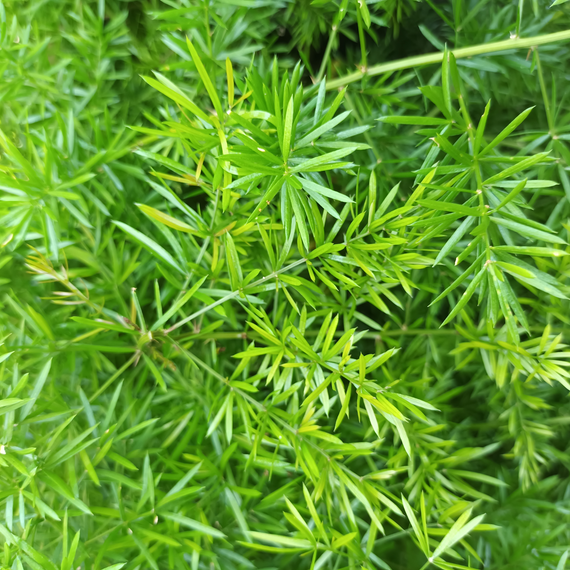
Asparagus falcatus, commonly known as Sicklethorn or Large Forest Asparagus, is a striking evergreen climbing perennial native to the forests of South Africa and Mozambique, where it scrambles high into the forest canopy reaching 20 feet or more in its natural habitat. In cultivated garden settings, it typically grows to a more manageable 8 to 15 feet, sending up vigorous arching canes lined with dark green, sickle-shaped cladodes (modified leaf-like stems) up to 3 inches long that give the plant a lush, fern-like appearance. The stems are armed with curved, downward-pointing thorns that make it an exceptionally effective security hedge or barrier planting, while also helping the plant hook and anchor itself to supporting structures. In spring, Sicklethorn graces the garden with clusters of dainty, intensely fragrant white star-shaped flowers that draw pollinators, followed by showy bright red berries in late summer and fall that are irresistible to a wide variety of birds. Hardy in USDA zones 9 through 11, this adaptable plant thrives in the warm, Mediterranean-style climates found throughout Southern Oregon and Northern California, tolerating heat, partial drought, and a range of soil conditions with ease. Whether used to clothe a trellis, soften a wall, anchor a slope, or add dramatic vertical structure to a container garden, Sicklethorn delivers year-round visual interest and vigorous performance with minimal fuss.
Plant Description
Sicklethorn (Asparagus falcatus) is a robust, evergreen, perennial climbing plant belonging to the Asparagaceae family. Despite being commonly called a "fern," it is not a true fern - it is far more adaptable and tolerant of varied conditions than most true ferns. The plant produces long, arching to twining stems that emerge from a base of thick, fleshy tuberous roots capable of storing water and nutrients. The stems are deep green when young and gradually harden and toughen with age, armed with small, recurved thorns that point downward. The "leaves" are actually flattened stem structures called cladodes - dark green, thin, smooth, and curved into a sickle or crescent shape, approximately 1 to 3 inches long. These dense, overlapping cladodes give the plant a lush, almost tropical appearance. In spring, the stems bear small clusters of star-shaped white flowers with six petals and bright yellow stamens that emit a sweet, pleasant fragrance. Pollinated flowers develop into round, pea-sized berries that ripen from green to glossy bright red by late summer and fall, each containing one or two shiny black seeds. The plant grows from a mass of thick, tuberous roots and rhizomes that allow it to regenerate vigorously from the base even after top damage.
Mature Size
| Attribute | Details |
|---|---|
| Height in Cultivation | 8 to 15 feet, depending on support and conditions |
| Height in Native Habitat | Up to 20+ feet (6-7 meters) |
| Spread | 4 to 8 feet wide |
| Growth Rate | Fast to moderate; vigorous once established |
| Growth Habit | Climbing, scrambling, arching vine/shrub |
| Root System | Deep, fleshy tuberous roots and rhizomes |
Hardiness Zones and Climate
Sicklethorn is hardy in USDA Hardiness Zones 9 through 11, making it an excellent choice for the warm, Mediterranean-influenced climates of Southern Oregon and Northern California. It thrives where summers are warm to hot and winters are mild. The plant prefers temperatures between 59°F and 82°F (15°C to 28°C) during the growing season and requires a minimum winter temperature of approximately 46°F (8°C) to survive outdoors without protection. It is not frost hardy and sustained freezing temperatures will damage or kill top growth, though the tuberous roots may survive brief light frosts and regenerate in spring in marginal zones. In hotter inland areas, it benefits from afternoon shade or filtered light to prevent leaf scorch. It is well suited to temperate, subtropical, and Mediterranean climates and shows good tolerance for summer heat and seasonal drought once it is well established.
Sunlight Requirements
Sicklethorn grows best in bright, indirect light or partial shade. Outdoors, an exposure that receives morning sun and afternoon shade - or dappled light throughout the day - is ideal. In the milder, coastal climates of Northern California, it can tolerate full sun, particularly when adequate moisture is available. In hotter, inland locations it performs best with protection from the intense afternoon sun, which can scorch the delicate cladodes, causing them to turn yellow or brown at the tips. Indoors or in covered patio settings, place the plant near a brightly lit window with no direct sunbeam exposure on the foliage. Insufficient light will cause the cladodes to lose their rich dark green color, become yellowish, and drop prematurely. Rotating potted specimens a quarter turn monthly ensures even, balanced growth on all sides.
Soil and pH Preferences
Sicklethorn is adaptable to a range of soil types, including loamy, sandy, and clay-based soils, but it performs best in rich, humus-amended, well-draining soil. Good drainage is essential - waterlogged or perpetually soggy soils will promote root rot and can be fatal to the plant. Amending native soil with compost, aged leaf mold, or peat will improve both moisture retention and drainage. For container growing, a mix of approximately 50% quality potting soil, 30% perlite, and 20% orchid bark creates an ideal balance of aeration, drainage, and organic nutrition. The plant prefers a slightly acidic to neutral soil pH range of approximately 6.0 to 7.0. Avoid highly compacted or alkaline soils. The plant's thick, tuberous root system benefits from deep, loose soil that allows for unimpeded expansion and good air circulation around the roots.
Watering Guide
During the active growing season in spring and summer, water Sicklethorn regularly, keeping the soil consistently moist but never waterlogged. Allow the top 2 to 3 inches of soil to dry out between waterings before irrigating again. As a general rule, it is better to water deeply and less frequently than to apply small, frequent shallow waterings. Use room-temperature or tepid water whenever possible to avoid cold shock to the roots. In fall and winter, when growth naturally slows, reduce watering frequency - allow slightly more of the soil surface to dry between waterings while still preventing the root zone from drying out completely. Never allow the tuberous roots to desiccate entirely, as this can cause rapid leaf yellowing and drop. Once established in the ground in a Mediterranean climate, Sicklethorn has good drought tolerance and may require only occasional supplemental irrigation during extended dry periods. Avoid wetting the foliage during watering to minimize the risk of fungal disease.
Fertilizing
Feed Sicklethorn regularly during the active growing season from spring through summer to support its vigorous growth and lush foliage. Apply a balanced, water-soluble liquid fertilizer (such as a 10-10-10 or similar balanced NPK formula) every two to four weeks during spring and summer. Alternatively, a slow-release granular fertilizer applied at the beginning of the growing season can provide a steady nutrient base, supplemented with liquid feeding as needed. Organic options such as liquid seaweed extract, fish emulsion, or well-composted manure worked into the soil in late winter are excellent for promoting healthy root development and vibrant foliage. Do not fertilize in fall or winter when the plant's growth slows considerably - feeding during this dormant period can stress the plant and cause salt buildup in the soil. For container-grown specimens, fertilize monthly during the growing season, as nutrients leach more quickly from potted soils with regular watering.
Pruning and Maintenance
Sicklethorn requires relatively minimal pruning but benefits greatly from occasional thinning and tidying. Prune in late winter or early spring before new growth begins, removing old, dead, or damaged stems at the base. Cutting back older, woody canes encourages the plant to send up fresh, vigorous new growth from the base. Light tip-pruning or trimming throughout the growing season can help manage the plant's size, direct its growth along a support structure, and maintain the shape you want. When pruning, always wear thick gardening gloves - the recurved thorns on mature stems are sharp and can cause skin irritation. Routine maintenance also involves removing any yellowed or dropped cladodes from around the base of the plant to improve airflow and reduce potential pest and disease habitat. In the landscape, periodic removal of the oldest and most woody stems every few years helps rejuvenate the plant and keeps it looking lush and green.
Planting Instructions
- Choose a planting site with well-draining soil and partial to dappled shade, or morning sun with afternoon shade protection in hot inland areas.
- Dig a planting hole two to three times the width of the root ball and equally deep. Loosen the soil at the bottom of the hole to encourage deep root penetration.
- Amend the excavated soil with a generous volume of compost or aged organic matter to improve drainage, aeration, and nutrient content.
- Remove the plant from its container and gently loosen any circling roots. Set the plant in the hole so the top of the root ball sits level with or slightly above the surrounding soil surface.
- Backfill with the amended soil, firming it gently around the roots to eliminate air pockets. Do not bury the crown deeper than it was growing in its container.
- Water deeply and thoroughly immediately after planting to settle the soil and hydrate the roots.
- Apply a 2 to 3-inch layer of organic mulch (wood chips, bark, or leaf compost) in a wide circle around the base, keeping mulch a few inches away from the base of the stems to prevent crown rot.
- Install a trellis, fence, or other support structure nearby if growing as a climber, and guide the initial stems toward it gently. The plant will self-attach using its thorns as it matures.
- Water regularly during the first growing season to establish a strong root system before the plant develops full drought tolerance.
Landscape Uses
Sicklethorn is a remarkably versatile landscape plant with a wide range of practical and ornamental applications. Its vigorous climbing habit and thorny stems make it one of the most effective living security barriers available - it can be trained along fences and walls to create a virtually impenetrable, attractive hedge that deters intruders and provides superior privacy screening. It performs equally well on pergolas, arbors, trellises, and archways, where its dense evergreen foliage creates a lush, tropical-looking canopy of cascading green. In sloped or difficult terrain, it can be used as a sprawling ground cover to stabilize soil and suppress weeds. Its tolerance for shade makes it particularly useful for covering shady walls, dark fences, or north-facing structures where few other climbers will grow well. As a specimen plant in a large container on a patio or deck, it creates a bold architectural focal point. The fragrant spring flowers and ornamental red berries add additional seasonal interest, while the arching foliage makes it highly valued as a cut foliage accent in flower arrangements.
Seasonal Interest
| Season | Features |
|---|---|
| Spring | Vigorous new stem growth; clusters of small, sweetly fragrant white star-shaped flowers appear along the stems |
| Summer | Lush, dense dark green foliage at peak fullness; berries begin to develop and swell after flowering |
| Fall | Showy bright red ornamental berries ripen and provide color contrast against the evergreen foliage; bird activity increases around the plant |
| Winter | Retains its dark green evergreen foliage through mild winters; provides year-round structure, screening, and color in the garden |
Container Growing
Sicklethorn adapts well to life in a large container, making it an excellent choice for patios, decks, courtyards, and sheltered outdoor spaces in zones where winter temperatures may dip below its hardiness threshold. Choose a substantial pot - at least 14 to 18 inches in diameter with generous depth to accommodate the plant's extensive tuberous root system - with multiple drainage holes to prevent water pooling. Use a well-aerated potting mix rich in organic matter, such as a blend of quality potting soil, perlite, and orchid bark. Container-grown Sicklethorn will require more frequent watering and fertilizing than in-ground plants since nutrients leach more readily from pots. Allow the top inch or two of soil to dry between waterings, and feed with a balanced liquid fertilizer every two to three weeks throughout the growing season. Repot every two to three years in early spring, sizing up only one pot size at a time, as this plant actually performs well when slightly root-bound. In colder winters (below 46°F), move containers to a sheltered, frost-free location such as a covered porch, greenhouse, or cool indoor space with bright indirect light.
Wildlife Value
Sicklethorn is a rewarding plant for wildlife-friendly gardens. Its small, sweetly scented white spring flowers attract honeybees, native bees, and other beneficial pollinators seeking nectar and pollen. The bright red berries that follow are a highly attractive food source for a wide variety of fruit-eating birds, including thrushes, robins, mockingbirds, and waxwings, which are drawn to the plant in fall and early winter when the fruits ripen. The dense, thorny, interlacing stems also provide excellent nesting habitat and protective cover for small birds, offering shelter from predators. In its native South African habitat, this species plays an important ecological role in forest edge and scrub communities as a provider of food and refuge for wildlife. Note that while the berries are attractive to birds and other wildlife, they are toxic to humans, cats, and dogs and should not be consumed.
Pests and Diseases
Sicklethorn is generally a tough, pest-resistant plant, particularly when grown in conditions that suit it. However, stressed plants - especially those grown in very dry air or with inconsistent watering - can become susceptible to the following problems:
- Spider Mites: The most common pest, especially in dry, hot conditions. Look for fine webbing and stippled, discolored cladodes. Treat with insecticidal soap or neem oil and increase ambient humidity.
- Aphids: Soft-bodied insects that cluster on new growth tips, causing distortion and sticky honeydew residue. Knock off with a strong stream of water or treat with neem oil or insecticidal soap.
- Mealybugs: White, cottony masses found in stem joints and leaf axils. Treat with rubbing alcohol on a cotton swab for isolated infestations, or apply neem oil for broader coverage.
- Whiteflies: Tiny white flying insects that congregate on foliage undersides. Use yellow sticky traps and insecticidal soap sprays to manage populations.
- Root Rot: Caused by overwatering or poorly draining soil. Symptoms include yellowing leaves, wilting, and mushy stems at the base. Remove affected roots, treat with a copper-based fungicide, and repot in fresh, well-draining mix.
- Crown and Stem Rot: Favored by poor air circulation and overly wet conditions. Remove and destroy affected tissue immediately, improve drainage and airflow, and reduce watering.
Routine inspection, maintaining good airflow around the plant, avoiding overhead watering, and keeping the plant well-pruned are the most effective preventative measures against both pests and diseases.
Toxicity and Safety
Sicklethorn is considered toxic to humans, cats, and dogs. The bright red berries are the most hazardous part of the plant - if ingested they can cause vomiting, diarrhea, and abdominal pain in both people and pets. Direct contact with the berries can also cause contact dermatitis in sensitive individuals. The mature stems develop sharp, recurved thorns that can cause skin punctures and irritation when handled without protection. Always wear thick gardening gloves when pruning or handling this plant. Keep the plant out of reach of young children and pets, and site it thoughtfully in the landscape with these considerations in mind. Despite these precautions, Sicklethorn is widely grown in gardens and as an ornamental container plant - simple awareness and basic precautions are all that is needed to enjoy it safely.
Propagation
Sicklethorn can be propagated by three main methods, all best undertaken at the beginning of the active growing season in late winter to early spring:
- Division: The easiest and most reliable method. When repotting an established plant, carefully divide the root clump into two or more sections, ensuring each division has a healthy portion of tuberous roots and at least a few stems. Replant divisions immediately in prepared soil or fresh potting mix and water well.
- Seed: Collect ripe red berries in fall and clean the seeds from the pulp. Sow seeds in a moist, free-draining seed-starting mix in spring, covering lightly with mix. Keep warm (70-75°F) and consistently moist. Germination can be slow and irregular, sometimes taking several weeks to months. Transplant seedlings when large enough to handle.
- Stem Cuttings: Take 4 to 6 inch stem cuttings in spring or early summer, dip the cut ends in rooting hormone powder, and insert into a moist perlite-peat mix. Keep cuttings warm, humid, and in bright indirect light until roots develop, which typically takes several weeks.
Invasiveness Note
Asparagus falcatus and other ornamental asparagus fern relatives have been identified as potentially invasive in certain warm, frost-free regions where they can escape cultivation, spread vigorously, and scramble over and compete with native vegetation. The attractive berries are dispersed by birds, which can carry seeds into natural areas beyond the garden. Gardeners in Southern Oregon and Northern California should be mindful of this characteristic and exercise caution when planting Sicklethorn in locations adjacent to natural open spaces, wildlands, or riparian corridors. To minimize any risk of spread, consider growing Sicklethorn in containers rather than in the open ground, promptly remove and bag (rather than compost) any fallen berries, and monitor the plant's spread. Check with your local county agricultural commissioner or invasive plant council for the most current regional guidance on ornamental asparagus species in your specific area.
- A vigorous, evergreen climbing vine with bold, sickle-shaped dark green foliage and prickly stems that create a dramatic living screen, privacy hedge, or pergola covering with year-round texture
- Produces clusters of small, sweetly fragrant white flowers in spring, followed by ornamental bright red berries that attract birds and add seasonal color to the garden
- Impressively heat and drought tolerant once established, thriving in USDA hardiness zones 9-11 and performing beautifully in the warm climates of Southern Oregon and Northern California
- Fast-growing and versatile - equally at home climbing a fence, trellis, or pergola outdoors, or displayed as a bold statement container plant on a sheltered patio or deck
Asparagus falcatus, commonly known as Sicklethorn or Large Forest Asparagus, is a striking evergreen climbing perennial native to the forests of South Africa and Mozambique, where it scrambles high into the forest canopy reaching 20 feet or more in its natural habitat. In cultivated garden settings, it typically grows to a more manageable 8 to 15 feet, sending up vigorous arching canes lined with dark green, sickle-shaped cladodes (modified leaf-like stems) up to 3 inches long that give the plant a lush, fern-like appearance. The stems are armed with curved, downward-pointing thorns that make it an exceptionally effective security hedge or barrier planting, while also helping the plant hook and anchor itself to supporting structures. In spring, Sicklethorn graces the garden with clusters of dainty, intensely fragrant white star-shaped flowers that draw pollinators, followed by showy bright red berries in late summer and fall that are irresistible to a wide variety of birds. Hardy in USDA zones 9 through 11, this adaptable plant thrives in the warm, Mediterranean-style climates found throughout Southern Oregon and Northern California, tolerating heat, partial drought, and a range of soil conditions with ease. Whether used to clothe a trellis, soften a wall, anchor a slope, or add dramatic vertical structure to a container garden, Sicklethorn delivers year-round visual interest and vigorous performance with minimal fuss.
Plant Description
Sicklethorn (Asparagus falcatus) is a robust, evergreen, perennial climbing plant belonging to the Asparagaceae family. Despite being commonly called a "fern," it is not a true fern - it is far more adaptable and tolerant of varied conditions than most true ferns. The plant produces long, arching to twining stems that emerge from a base of thick, fleshy tuberous roots capable of storing water and nutrients. The stems are deep green when young and gradually harden and toughen with age, armed with small, recurved thorns that point downward. The "leaves" are actually flattened stem structures called cladodes - dark green, thin, smooth, and curved into a sickle or crescent shape, approximately 1 to 3 inches long. These dense, overlapping cladodes give the plant a lush, almost tropical appearance. In spring, the stems bear small clusters of star-shaped white flowers with six petals and bright yellow stamens that emit a sweet, pleasant fragrance. Pollinated flowers develop into round, pea-sized berries that ripen from green to glossy bright red by late summer and fall, each containing one or two shiny black seeds. The plant grows from a mass of thick, tuberous roots and rhizomes that allow it to regenerate vigorously from the base even after top damage.
Mature Size
| Attribute | Details |
|---|---|
| Height in Cultivation | 8 to 15 feet, depending on support and conditions |
| Height in Native Habitat | Up to 20+ feet (6-7 meters) |
| Spread | 4 to 8 feet wide |
| Growth Rate | Fast to moderate; vigorous once established |
| Growth Habit | Climbing, scrambling, arching vine/shrub |
| Root System | Deep, fleshy tuberous roots and rhizomes |
Hardiness Zones and Climate
Sicklethorn is hardy in USDA Hardiness Zones 9 through 11, making it an excellent choice for the warm, Mediterranean-influenced climates of Southern Oregon and Northern California. It thrives where summers are warm to hot and winters are mild. The plant prefers temperatures between 59°F and 82°F (15°C to 28°C) during the growing season and requires a minimum winter temperature of approximately 46°F (8°C) to survive outdoors without protection. It is not frost hardy and sustained freezing temperatures will damage or kill top growth, though the tuberous roots may survive brief light frosts and regenerate in spring in marginal zones. In hotter inland areas, it benefits from afternoon shade or filtered light to prevent leaf scorch. It is well suited to temperate, subtropical, and Mediterranean climates and shows good tolerance for summer heat and seasonal drought once it is well established.
Sunlight Requirements
Sicklethorn grows best in bright, indirect light or partial shade. Outdoors, an exposure that receives morning sun and afternoon shade - or dappled light throughout the day - is ideal. In the milder, coastal climates of Northern California, it can tolerate full sun, particularly when adequate moisture is available. In hotter, inland locations it performs best with protection from the intense afternoon sun, which can scorch the delicate cladodes, causing them to turn yellow or brown at the tips. Indoors or in covered patio settings, place the plant near a brightly lit window with no direct sunbeam exposure on the foliage. Insufficient light will cause the cladodes to lose their rich dark green color, become yellowish, and drop prematurely. Rotating potted specimens a quarter turn monthly ensures even, balanced growth on all sides.
Soil and pH Preferences
Sicklethorn is adaptable to a range of soil types, including loamy, sandy, and clay-based soils, but it performs best in rich, humus-amended, well-draining soil. Good drainage is essential - waterlogged or perpetually soggy soils will promote root rot and can be fatal to the plant. Amending native soil with compost, aged leaf mold, or peat will improve both moisture retention and drainage. For container growing, a mix of approximately 50% quality potting soil, 30% perlite, and 20% orchid bark creates an ideal balance of aeration, drainage, and organic nutrition. The plant prefers a slightly acidic to neutral soil pH range of approximately 6.0 to 7.0. Avoid highly compacted or alkaline soils. The plant's thick, tuberous root system benefits from deep, loose soil that allows for unimpeded expansion and good air circulation around the roots.
Watering Guide
During the active growing season in spring and summer, water Sicklethorn regularly, keeping the soil consistently moist but never waterlogged. Allow the top 2 to 3 inches of soil to dry out between waterings before irrigating again. As a general rule, it is better to water deeply and less frequently than to apply small, frequent shallow waterings. Use room-temperature or tepid water whenever possible to avoid cold shock to the roots. In fall and winter, when growth naturally slows, reduce watering frequency - allow slightly more of the soil surface to dry between waterings while still preventing the root zone from drying out completely. Never allow the tuberous roots to desiccate entirely, as this can cause rapid leaf yellowing and drop. Once established in the ground in a Mediterranean climate, Sicklethorn has good drought tolerance and may require only occasional supplemental irrigation during extended dry periods. Avoid wetting the foliage during watering to minimize the risk of fungal disease.
Fertilizing
Feed Sicklethorn regularly during the active growing season from spring through summer to support its vigorous growth and lush foliage. Apply a balanced, water-soluble liquid fertilizer (such as a 10-10-10 or similar balanced NPK formula) every two to four weeks during spring and summer. Alternatively, a slow-release granular fertilizer applied at the beginning of the growing season can provide a steady nutrient base, supplemented with liquid feeding as needed. Organic options such as liquid seaweed extract, fish emulsion, or well-composted manure worked into the soil in late winter are excellent for promoting healthy root development and vibrant foliage. Do not fertilize in fall or winter when the plant's growth slows considerably - feeding during this dormant period can stress the plant and cause salt buildup in the soil. For container-grown specimens, fertilize monthly during the growing season, as nutrients leach more quickly from potted soils with regular watering.
Pruning and Maintenance
Sicklethorn requires relatively minimal pruning but benefits greatly from occasional thinning and tidying. Prune in late winter or early spring before new growth begins, removing old, dead, or damaged stems at the base. Cutting back older, woody canes encourages the plant to send up fresh, vigorous new growth from the base. Light tip-pruning or trimming throughout the growing season can help manage the plant's size, direct its growth along a support structure, and maintain the shape you want. When pruning, always wear thick gardening gloves - the recurved thorns on mature stems are sharp and can cause skin irritation. Routine maintenance also involves removing any yellowed or dropped cladodes from around the base of the plant to improve airflow and reduce potential pest and disease habitat. In the landscape, periodic removal of the oldest and most woody stems every few years helps rejuvenate the plant and keeps it looking lush and green.
Planting Instructions
- Choose a planting site with well-draining soil and partial to dappled shade, or morning sun with afternoon shade protection in hot inland areas.
- Dig a planting hole two to three times the width of the root ball and equally deep. Loosen the soil at the bottom of the hole to encourage deep root penetration.
- Amend the excavated soil with a generous volume of compost or aged organic matter to improve drainage, aeration, and nutrient content.
- Remove the plant from its container and gently loosen any circling roots. Set the plant in the hole so the top of the root ball sits level with or slightly above the surrounding soil surface.
- Backfill with the amended soil, firming it gently around the roots to eliminate air pockets. Do not bury the crown deeper than it was growing in its container.
- Water deeply and thoroughly immediately after planting to settle the soil and hydrate the roots.
- Apply a 2 to 3-inch layer of organic mulch (wood chips, bark, or leaf compost) in a wide circle around the base, keeping mulch a few inches away from the base of the stems to prevent crown rot.
- Install a trellis, fence, or other support structure nearby if growing as a climber, and guide the initial stems toward it gently. The plant will self-attach using its thorns as it matures.
- Water regularly during the first growing season to establish a strong root system before the plant develops full drought tolerance.
Landscape Uses
Sicklethorn is a remarkably versatile landscape plant with a wide range of practical and ornamental applications. Its vigorous climbing habit and thorny stems make it one of the most effective living security barriers available - it can be trained along fences and walls to create a virtually impenetrable, attractive hedge that deters intruders and provides superior privacy screening. It performs equally well on pergolas, arbors, trellises, and archways, where its dense evergreen foliage creates a lush, tropical-looking canopy of cascading green. In sloped or difficult terrain, it can be used as a sprawling ground cover to stabilize soil and suppress weeds. Its tolerance for shade makes it particularly useful for covering shady walls, dark fences, or north-facing structures where few other climbers will grow well. As a specimen plant in a large container on a patio or deck, it creates a bold architectural focal point. The fragrant spring flowers and ornamental red berries add additional seasonal interest, while the arching foliage makes it highly valued as a cut foliage accent in flower arrangements.
Seasonal Interest
| Season | Features |
|---|---|
| Spring | Vigorous new stem growth; clusters of small, sweetly fragrant white star-shaped flowers appear along the stems |
| Summer | Lush, dense dark green foliage at peak fullness; berries begin to develop and swell after flowering |
| Fall | Showy bright red ornamental berries ripen and provide color contrast against the evergreen foliage; bird activity increases around the plant |
| Winter | Retains its dark green evergreen foliage through mild winters; provides year-round structure, screening, and color in the garden |
Container Growing
Sicklethorn adapts well to life in a large container, making it an excellent choice for patios, decks, courtyards, and sheltered outdoor spaces in zones where winter temperatures may dip below its hardiness threshold. Choose a substantial pot - at least 14 to 18 inches in diameter with generous depth to accommodate the plant's extensive tuberous root system - with multiple drainage holes to prevent water pooling. Use a well-aerated potting mix rich in organic matter, such as a blend of quality potting soil, perlite, and orchid bark. Container-grown Sicklethorn will require more frequent watering and fertilizing than in-ground plants since nutrients leach more readily from pots. Allow the top inch or two of soil to dry between waterings, and feed with a balanced liquid fertilizer every two to three weeks throughout the growing season. Repot every two to three years in early spring, sizing up only one pot size at a time, as this plant actually performs well when slightly root-bound. In colder winters (below 46°F), move containers to a sheltered, frost-free location such as a covered porch, greenhouse, or cool indoor space with bright indirect light.
Wildlife Value
Sicklethorn is a rewarding plant for wildlife-friendly gardens. Its small, sweetly scented white spring flowers attract honeybees, native bees, and other beneficial pollinators seeking nectar and pollen. The bright red berries that follow are a highly attractive food source for a wide variety of fruit-eating birds, including thrushes, robins, mockingbirds, and waxwings, which are drawn to the plant in fall and early winter when the fruits ripen. The dense, thorny, interlacing stems also provide excellent nesting habitat and protective cover for small birds, offering shelter from predators. In its native South African habitat, this species plays an important ecological role in forest edge and scrub communities as a provider of food and refuge for wildlife. Note that while the berries are attractive to birds and other wildlife, they are toxic to humans, cats, and dogs and should not be consumed.
Pests and Diseases
Sicklethorn is generally a tough, pest-resistant plant, particularly when grown in conditions that suit it. However, stressed plants - especially those grown in very dry air or with inconsistent watering - can become susceptible to the following problems:
- Spider Mites: The most common pest, especially in dry, hot conditions. Look for fine webbing and stippled, discolored cladodes. Treat with insecticidal soap or neem oil and increase ambient humidity.
- Aphids: Soft-bodied insects that cluster on new growth tips, causing distortion and sticky honeydew residue. Knock off with a strong stream of water or treat with neem oil or insecticidal soap.
- Mealybugs: White, cottony masses found in stem joints and leaf axils. Treat with rubbing alcohol on a cotton swab for isolated infestations, or apply neem oil for broader coverage.
- Whiteflies: Tiny white flying insects that congregate on foliage undersides. Use yellow sticky traps and insecticidal soap sprays to manage populations.
- Root Rot: Caused by overwatering or poorly draining soil. Symptoms include yellowing leaves, wilting, and mushy stems at the base. Remove affected roots, treat with a copper-based fungicide, and repot in fresh, well-draining mix.
- Crown and Stem Rot: Favored by poor air circulation and overly wet conditions. Remove and destroy affected tissue immediately, improve drainage and airflow, and reduce watering.
Routine inspection, maintaining good airflow around the plant, avoiding overhead watering, and keeping the plant well-pruned are the most effective preventative measures against both pests and diseases.
Toxicity and Safety
Sicklethorn is considered toxic to humans, cats, and dogs. The bright red berries are the most hazardous part of the plant - if ingested they can cause vomiting, diarrhea, and abdominal pain in both people and pets. Direct contact with the berries can also cause contact dermatitis in sensitive individuals. The mature stems develop sharp, recurved thorns that can cause skin punctures and irritation when handled without protection. Always wear thick gardening gloves when pruning or handling this plant. Keep the plant out of reach of young children and pets, and site it thoughtfully in the landscape with these considerations in mind. Despite these precautions, Sicklethorn is widely grown in gardens and as an ornamental container plant - simple awareness and basic precautions are all that is needed to enjoy it safely.
Propagation
Sicklethorn can be propagated by three main methods, all best undertaken at the beginning of the active growing season in late winter to early spring:
- Division: The easiest and most reliable method. When repotting an established plant, carefully divide the root clump into two or more sections, ensuring each division has a healthy portion of tuberous roots and at least a few stems. Replant divisions immediately in prepared soil or fresh potting mix and water well.
- Seed: Collect ripe red berries in fall and clean the seeds from the pulp. Sow seeds in a moist, free-draining seed-starting mix in spring, covering lightly with mix. Keep warm (70-75°F) and consistently moist. Germination can be slow and irregular, sometimes taking several weeks to months. Transplant seedlings when large enough to handle.
- Stem Cuttings: Take 4 to 6 inch stem cuttings in spring or early summer, dip the cut ends in rooting hormone powder, and insert into a moist perlite-peat mix. Keep cuttings warm, humid, and in bright indirect light until roots develop, which typically takes several weeks.
Invasiveness Note
Asparagus falcatus and other ornamental asparagus fern relatives have been identified as potentially invasive in certain warm, frost-free regions where they can escape cultivation, spread vigorously, and scramble over and compete with native vegetation. The attractive berries are dispersed by birds, which can carry seeds into natural areas beyond the garden. Gardeners in Southern Oregon and Northern California should be mindful of this characteristic and exercise caution when planting Sicklethorn in locations adjacent to natural open spaces, wildlands, or riparian corridors. To minimize any risk of spread, consider growing Sicklethorn in containers rather than in the open ground, promptly remove and bag (rather than compost) any fallen berries, and monitor the plant's spread. Check with your local county agricultural commissioner or invasive plant council for the most current regional guidance on ornamental asparagus species in your specific area.