

Zoom the image with the mouse
Ficus Audrey - 6"
SKU:
2173535
UPC:
014949037997
$24.99
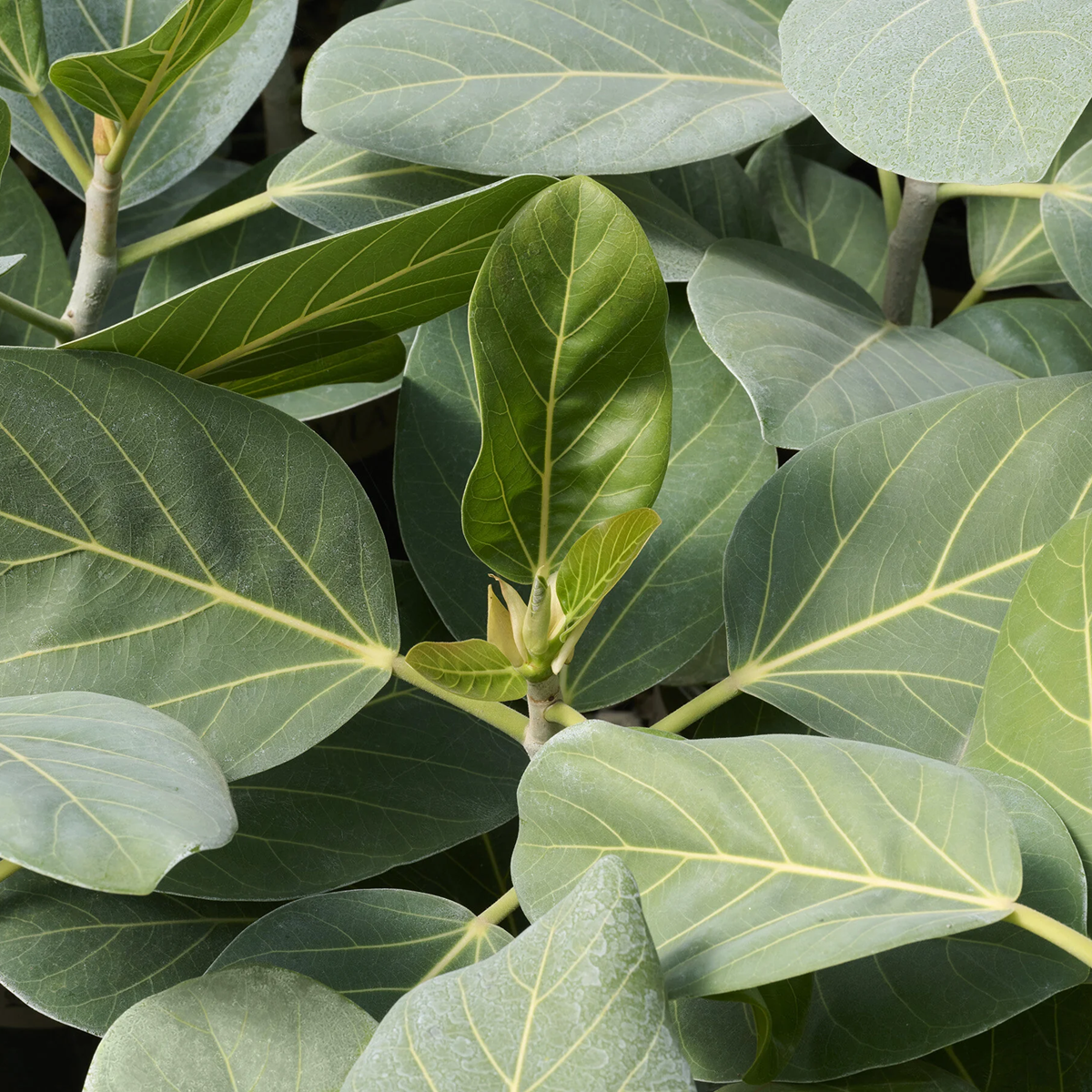
- A more forgiving and easier-to-grow alternative to the fiddle leaf fig, Ficus Audrey (Ficus benghalensis) dazzles with large, velvety deep green leaves accented by striking pale veins and a smooth, light-colored trunk.
- Capable of reaching 5 to 10 feet tall indoors, this architectural statement plant adds bold tropical presence to living rooms, offices, entryways, and bright interior spaces.
- Known to help purify indoor air by filtering common household pollutants, Ficus Audrey is as functional as it is beautiful.
- With consistent warmth, bright indirect light, and moderate watering, this low-maintenance tropical tree rewards patient growers with vigorous growth and a graceful, tree-like form that can last for decades indoors.
Ficus Audrey (Ficus benghalensis), commonly known as the Banyan Fig or Indian Banyan, is one of the most sought-after tropical houseplants on the market today — a regal, upright indoor tree that delivers the lush drama of a fiddle leaf fig with considerably more forgiving care requirements. Native to the tropical rainforests of India, Bangladesh, Nepal, and Pakistan, this evergreen tree is actually the national tree of India and is considered sacred in Hindu culture. As a houseplant, Ficus Audrey develops into an elegant indoor specimen with broad, oval-shaped leaves featuring a pleasantly velvety texture, rich deep green coloration, and bold, lighter-colored veining that creates stunning visual contrast. Its smooth, pale trunk adds a sophisticated architectural quality that no other common houseplant quite replicates. Indoors, plants typically grow to between 5 and 10 feet tall, making them ideal as dramatic floor specimens and living focal points. Ficus Audrey thrives in bright indirect light near an east- or west-facing window, prefers consistently moist but well-draining soil, and appreciates the warm temperatures and moderate-to-high humidity found in most Southern Oregon and Northern California homes. Unlike the notoriously temperamental fiddle leaf fig, Ficus Audrey adapts more readily to indoor conditions and bounces back more gracefully from occasional care lapses, making it an excellent choice for both seasoned plant collectors and those just beginning to explore statement-making tropical houseplants.
Plant Description
Ficus Audrey is a cultivar of Ficus benghalensis, a member of the Moraceae (mulberry) family. In its native tropical habitats across the Indian subcontinent, this species — the national tree of India — can grow to an extraordinary 65 to 100 feet tall with a massive spreading canopy and long aerial roots that descend to the ground, forming additional trunks in a signature banyan growth habit. As an indoor plant, it takes on a much more refined, manageable form while retaining all of its dramatic charm. The leaves are large, oval to elliptical in shape, with a slightly leathery yet distinctly velvety surface texture that sets it apart from glossier ficus relatives. Foliage is a deep, rich green with prominently lighter, almost cream-colored veins running through each leaf, creating a sophisticated two-tone effect. The trunk and stems develop a smooth, light gray to off-white bark as the plant matures, lending a clean, sculptural quality to its overall form. The plant grows in an upright, tree-like habit indoors and can be shaped over time through selective pruning. All parts of the plant contain a milky latex sap that can irritate skin and is toxic if ingested, so wear gloves when pruning and keep the plant away from curious pets and children.
Mature Size
| Attribute | Indoor Growing | Outdoor Growing (USDA Zones 10-12) |
|---|---|---|
| Height | 5 to 10 feet | 65 to 100+ feet (in native-like conditions) |
| Spread | 2 to 4 feet | Can be enormous with aerial root trunks |
| Growth Rate | Moderate to fast under ideal conditions; 6 to 12+ inches per year when young | Fast in tropical climates |
| Growth Habit | Upright, tree-like, can be pruned for fullness | Spreading canopy with aerial roots |
Hardiness Zones and Temperature
Ficus Audrey is hardy outdoors in USDA Hardiness Zones 10 through 12, making it an outdoor landscape tree in the warmest parts of Southern California, Hawaii, and tropical regions. In the Southern Oregon and Northern California region, it is best grown as an indoor houseplant year-round. As a tropical species, it thrives in indoor temperatures between 60°F and 75°F (15°C to 24°C). Temperatures below 50°F (10°C) can cause significant damage, and any exposure to frost is fatal. Ficus Audrey is also sensitive to sudden temperature fluctuations — keep it away from cold drafts near windows and doors, heating vents, and air conditioning units, all of which can trigger stressful leaf drop. Stability is key: once you find a spot where your plant is thriving, avoid moving it unnecessarily.
Sunlight Requirements
Ficus Audrey performs best in bright, indirect light for a minimum of 6 hours per day. East-facing or west-facing windows are ideal placements, providing gentle morning or late-afternoon sun without the intense midday rays that can scorch the foliage. If placing near a south-facing window, position the plant a few feet back or use sheer curtains to diffuse harsh direct sun. While the plant can tolerate lower light levels, reduced light leads to slower growth, leggier stems, and smaller new leaves, and may cause older leaves to yellow and drop. Direct, unfiltered midday sunlight will scorch and bleach the leaves. Rotate the plant a quarter turn every few weeks to encourage even, balanced growth on all sides. If natural light is limited in your space, a quality full-spectrum grow light can supplement adequately.
Watering Guide
Consistent, careful watering is one of the most important factors in keeping Ficus Audrey healthy. The goal is to maintain evenly moist — but never waterlogged — soil throughout the growing season.
- When to water: Check the soil by inserting your finger about 1 to 2 inches deep. Water thoroughly when that top layer feels dry to the touch. Under average indoor conditions, this typically means watering approximately once per week during spring and summer.
- How to water: Water deeply and evenly until water flows freely from the drainage holes. Allow all excess water to drain completely, and never leave the pot sitting in standing water, as this quickly leads to root rot.
- Seasonal adjustment: Reduce watering frequency in fall and winter when the plant's growth slows. Allow the top 2 to 3 inches of soil to dry between waterings during these cooler, lower-light months.
- Water quality: Room-temperature water is preferred. If your tap water is heavily chlorinated or very hard, filtered or rainwater is a better option to prevent mineral buildup on leaves and in the soil.
- Signs of overwatering: Yellowing leaves (especially lower leaves), mushy stems at the base, foul-smelling soil, and sudden leaf drop.
- Signs of underwatering: Dry, crispy leaf edges and tips, curling or wilting leaves, and soil pulling away from the sides of the pot.
Soil and Potting Mix
Ficus Audrey requires a fertile, well-draining potting mix that retains adequate moisture while allowing excess water to drain freely and promoting healthy root aeration. A well-balanced aroid-style mix works very well and can be made or purchased. A reliable home blend consists of:
- 2 parts high-quality all-purpose potting soil
- 1 part perlite (for drainage and aeration)
- 1 part orchid bark or coco coir (for structure and moisture retention)
The preferred soil pH range is 6.0 to 7.5 (slightly acidic to neutral). Avoid heavy, dense soils that compact easily, as these suffocate roots and hold excessive moisture. Always use a pot with adequate drainage holes — good drainage is non-negotiable for this species. Refresh the top inch or two of potting mix annually even between full repottings to replenish nutrients and improve soil structure.
Fertilizing
Regular feeding during the active growing season supports Ficus Audrey's vigorous growth and maintains the lush, deep green color of its foliage. Avoid fertilizing during fall and winter when the plant is in a dormant or semi-dormant state, as feeding at this time can cause fertilizer burn and root damage.
- Frequency: Feed once a month from early spring through late summer.
- Fertilizer type: A balanced, water-soluble houseplant fertilizer (such as a 10-10-10 or 20-20-20 formulation) diluted to half strength is ideal. Alternatively, a slow-release balanced granular fertilizer applied once at the beginning of the growing season provides steady nutrition throughout spring and summer.
- Application tip: Always apply fertilizer to moist soil — never dry soil — to prevent root burn. If using liquid fertilizer, water the plant lightly first, then apply the diluted fertilizer solution.
- Flush periodically: Every 2 to 3 months during the growing season, flush the soil thoroughly with plain water to prevent the buildup of mineral salts, which can damage roots and cause leaf tip browning.
- Signs of over-fertilization: Brown, crispy leaf tips or edges, white crusty salt deposits on the soil surface, or stunted, twisted new growth.
Humidity Requirements
As a native of tropical rainforests, Ficus Audrey thrives in moderate to high humidity — ideally between 50% and 70% relative humidity. Average household humidity levels (which often fall between 30% and 50%) are generally tolerated, though the plant will show its appreciation for higher moisture levels through faster growth and healthier foliage. Low humidity, especially common in heated or air-conditioned interiors, can cause brown leaf tips and edges, leaf curling, and increased susceptibility to spider mites.
Ways to increase humidity around your Ficus Audrey:
- Room humidifier: The most effective and consistent method; place it nearby during dry seasons.
- Pebble tray: Fill a wide tray with pebbles and add water just below the top of the pebbles, then set the pot on top. As the water evaporates, it increases local humidity around the plant.
- Plant grouping: Grouping Ficus Audrey with other humidity-loving tropical houseplants creates a beneficial shared microclimate.
- Misting: Lightly misting the air around the plant provides a temporary humidity boost. Avoid saturating the leaves directly for prolonged periods, as consistently wet foliage can encourage fungal leaf spot.
Pruning and Maintenance
One of the advantages of Ficus Audrey over many other indoor trees is its relatively low day-to-day maintenance needs. A few regular practices will keep your plant looking its best and growing vigorously for years.
- When to prune: The best time to prune is in early spring as the plant enters its active growing period. Light trimming and tip pinching can be done throughout the growing season as needed. Avoid heavy pruning in fall or winter.
- How to prune: Use clean, sharp pruning shears sterilized with rubbing alcohol. Cut branches at a 45-degree angle just above a leaf node (the point where a leaf meets the stem). Always wear gloves, as the milky sap that bleeds from cut stems can cause skin irritation.
- For height control: Cut the main growing tip back to the desired height to slow upward growth.
- For fuller, bushier growth: Pinch off the growing tips of lateral branches to encourage branching and a denser canopy.
- Leaf cleaning: Wipe the large leaves with a damp, soft cloth every few weeks to remove accumulated dust. Clean leaves photosynthesize more efficiently and look dramatically better. Avoid commercial leaf-shine products, which can clog the leaf pores.
- Stability: Once positioned in a well-lit spot, avoid moving the plant frequently. Ficus Audrey is sensitive to environmental changes and may drop leaves in protest when relocated.
Repotting
Ficus Audrey is somewhat tolerant of being root-bound and does not need repotting frequently. In fact, slightly snug root conditions can help moderate its growth and reduce the risk of overwatering. Repot every 2 to 3 years, or when you observe any of the following signs:
- Roots growing out through the drainage holes or visibly circling the inside of the pot
- Water running straight through the pot without being absorbed (severely root-bound soil)
- Noticeably slowed growth despite proper care during the growing season
- Soil drying out extremely quickly after watering
When repotting, choose a new container that is only 1 to 2 inches larger in diameter than the current pot — overpotting leads to excessive soil moisture and root rot risk. Spring is the ideal time to repot. Use fresh, well-draining potting mix, water thoroughly after repotting, and place the plant in slightly lower light for 1 to 2 weeks to help it recover from transplant stress before returning it to its regular bright-light location. If you prefer to keep the plant at its current size rather than allowing it to grow larger, trim back some of the larger roots at repotting time and return it to the same container with fresh soil.
Pests and Diseases
Ficus Audrey is relatively resistant to serious pest and disease problems when grown in healthy conditions, but a few common issues are worth watching for:
- Spider mites: Tiny, nearly invisible arachnids that thrive in hot, dry conditions. Look for fine, silky webbing on the undersides of leaves and a stippled or faded appearance on leaf surfaces. Treat with neem oil or insecticidal soap, and increase humidity to deter future infestations.
- Mealybugs: Appear as white, cottony masses clustered in leaf axils and along stems. Remove visible colonies with a cotton swab dipped in rubbing alcohol, then treat the whole plant with insecticidal soap or neem oil.
- Scale insects: Small, flat, brown, shell-like bumps clinging to stems and leaf undersides. Scrape off manually and treat with horticultural oil.
- Fungus gnats: Small flies that lay eggs in moist potting soil; larvae feed on roots. Let the top few inches of soil dry out between waterings to break the life cycle. Yellow sticky traps catch adults effectively.
- Root rot: Caused by overwatering or poorly draining soil. Symptoms include yellowing leaves, wilting despite moist soil, and a mushy stem base. Remove affected roots, repot in fresh well-draining mix, and adjust watering practices.
- Bacterial leaf spot: Small brown or yellow spots that spread across leaves, often caused by excessive moisture on foliage, poor air circulation, or overwatering. Remove affected leaves, improve air flow, and avoid wetting the foliage when watering.
- Powdery mildew: A white powdery coating on leaves; increase air circulation and treat with an appropriate fungicide if severe.
Toxicity and Safety
Ficus Audrey is considered toxic to both humans and animals and should be placed thoughtfully in households with pets or small children. All parts of the plant — leaves, stems, and roots — contain a milky latex sap that poses two types of risk:
- Skin and eye irritation: The sap can cause contact dermatitis (redness, itching, and irritation) upon skin contact and can be significantly irritating to eyes. Always wear gloves when pruning, repotting, or handling cut stems, and wash hands thoroughly afterward.
- Ingestion toxicity: If any part of the plant is ingested by pets (cats or dogs) or humans, it can cause oral irritation, drooling, vomiting, and gastrointestinal upset. In pets, symptoms may include pawing at the mouth, excessive drooling, and reluctance to eat. If ingestion is suspected, contact your veterinarian or a poison control center promptly.
To minimize risk, keep Ficus Audrey out of reach of pets and young children, and place it in a room that can be easily closed off from animals if needed.
Propagation
Ficus Audrey can be propagated at home using two primary methods. Spring and early summer are the best times to attempt propagation, as the plant is in active growth and rooting is most successful during this period.
Method 1 - Stem Cuttings (Most Common):
- Select a healthy stem section 4 to 8 inches long with at least 2 to 3 leaves and several nodes. Use clean, sharp pruning shears and wear gloves to protect against the sap.
- Remove the lower leaves, leaving only 1 to 2 leaves at the tip of the cutting.
- Optionally dip the cut end into powdered rooting hormone to encourage faster root development.
- Root in water (place the cut end in a clear glass of clean water, keeping leaves above the waterline, and change the water every few days) or directly in a moist propagation mix of perlite and peat moss.
- Cover loosely with a clear plastic bag or dome to maintain humidity and place in bright, indirect light.
- Roots typically form in 4 to 8 weeks. Once roots are several inches long (water method) or new top growth appears (soil method), transplant into a small pot with well-draining potting mix.
Method 2 - Air Layering (Higher Success Rate):
- Select a healthy, semi-woody stem and make a shallow upward cut about one-third of the way through, or remove a 1-inch ring of bark just below a node.
- Apply rooting hormone to the wounded area, then pack moist sphagnum moss around the cut.
- Wrap tightly with clear plastic film, sealing both ends with tape to retain moisture.
- Roots will develop into the moss over 2 to 4 months and will be visible through the plastic wrap.
- Once a substantial root ball has formed, cut the stem below it and pot the new plant into well-draining mix.
Indoor Decor and Landscape Uses
Ficus Audrey is prized as a bold, living design element that bridges the gap between interior decor and horticultural artistry. Its clean, architectural form and lush tropical foliage make it versatile across a wide range of interior styles, from mid-century modern and Japandi to bohemian and contemporary spaces.
- Statement floor plant: A well-grown Ficus Audrey commands attention as a standalone focal point in living rooms, entryways, dining rooms, home offices, and open-plan spaces. Its upright, tree-like form fills vertical space beautifully.
- Office and commercial interiors: Its low-drama care profile and impressive size make it a popular choice for lobbies, office atriums, retail spaces, and restaurants with adequate natural light.
- Corner accent: Placed in a bright corner, Ficus Audrey softens hard architectural lines and brings warmth and life to otherwise stark spaces.
- Bonsai and artistic training: With patience and consistent pruning, Ficus Audrey can be trained into a bonsai or artistic topiary form, a popular use in Asian horticultural traditions given its banyan heritage.
- Outdoor use in warm climates: In USDA Zones 10 to 12 (the warmest parts of far Southern California), it can serve as a striking specimen tree in courtyards, large garden beds, and tropical-style landscapes.
- Air quality: Like many large-leafed ficus species, Ficus Audrey is believed to help filter indoor air pollutants, making it a functional as well as beautiful addition to any interior.
Companion Plants
Ficus Audrey pairs beautifully with other tropical foliage plants that share its preference for warm temperatures, bright indirect light, and moderate-to-high humidity. Consider grouping it with any of the following for a lush, cohesive indoor tropical display:
- Bird of Paradise (Strelitzia reginae or S. nicolai): Equally bold and upright, Bird of Paradise echoes Ficus Audrey's tropical statement-plant energy while adding a contrasting leaf shape.
- Rubber Tree (Ficus elastica): A close relative with similarly glossy, dramatic foliage; the deep burgundy or variegated forms of Ficus elastica create a striking contrast alongside Ficus Audrey's pale-veined green leaves.
- Peace Lily (Spathiphyllum): A lower-growing companion that thrives in similar indirect light and humidity conditions, creating a pleasing tiered effect beneath the Ficus Audrey canopy.
- Pothos and Philodendrons: Trailing or climbing varieties cascading from nearby shelves or plant stands complement the upright structure of Ficus Audrey and reinforce the lush tropical aesthetic.
- ZZ Plant (Zamioculcas zamiifolia): Its glossy, dark green leaflets and upright stems provide textural contrast and a sense of fullness at a lower height level.
- Calathea or Maranta species: Their patterned, ornamental foliage and shared humidity preferences make them excellent lower-level companions to Ficus Audrey in a mixed indoor tropical collection.
- A more forgiving and easier-to-grow alternative to the fiddle leaf fig, Ficus Audrey (Ficus benghalensis) dazzles with large, velvety deep green leaves accented by striking pale veins and a smooth, light-colored trunk.
- Capable of reaching 5 to 10 feet tall indoors, this architectural statement plant adds bold tropical presence to living rooms, offices, entryways, and bright interior spaces.
- Known to help purify indoor air by filtering common household pollutants, Ficus Audrey is as functional as it is beautiful.
- With consistent warmth, bright indirect light, and moderate watering, this low-maintenance tropical tree rewards patient growers with vigorous growth and a graceful, tree-like form that can last for decades indoors.
Ficus Audrey (Ficus benghalensis), commonly known as the Banyan Fig or Indian Banyan, is one of the most sought-after tropical houseplants on the market today — a regal, upright indoor tree that delivers the lush drama of a fiddle leaf fig with considerably more forgiving care requirements. Native to the tropical rainforests of India, Bangladesh, Nepal, and Pakistan, this evergreen tree is actually the national tree of India and is considered sacred in Hindu culture. As a houseplant, Ficus Audrey develops into an elegant indoor specimen with broad, oval-shaped leaves featuring a pleasantly velvety texture, rich deep green coloration, and bold, lighter-colored veining that creates stunning visual contrast. Its smooth, pale trunk adds a sophisticated architectural quality that no other common houseplant quite replicates. Indoors, plants typically grow to between 5 and 10 feet tall, making them ideal as dramatic floor specimens and living focal points. Ficus Audrey thrives in bright indirect light near an east- or west-facing window, prefers consistently moist but well-draining soil, and appreciates the warm temperatures and moderate-to-high humidity found in most Southern Oregon and Northern California homes. Unlike the notoriously temperamental fiddle leaf fig, Ficus Audrey adapts more readily to indoor conditions and bounces back more gracefully from occasional care lapses, making it an excellent choice for both seasoned plant collectors and those just beginning to explore statement-making tropical houseplants.
Plant Description
Ficus Audrey is a cultivar of Ficus benghalensis, a member of the Moraceae (mulberry) family. In its native tropical habitats across the Indian subcontinent, this species — the national tree of India — can grow to an extraordinary 65 to 100 feet tall with a massive spreading canopy and long aerial roots that descend to the ground, forming additional trunks in a signature banyan growth habit. As an indoor plant, it takes on a much more refined, manageable form while retaining all of its dramatic charm. The leaves are large, oval to elliptical in shape, with a slightly leathery yet distinctly velvety surface texture that sets it apart from glossier ficus relatives. Foliage is a deep, rich green with prominently lighter, almost cream-colored veins running through each leaf, creating a sophisticated two-tone effect. The trunk and stems develop a smooth, light gray to off-white bark as the plant matures, lending a clean, sculptural quality to its overall form. The plant grows in an upright, tree-like habit indoors and can be shaped over time through selective pruning. All parts of the plant contain a milky latex sap that can irritate skin and is toxic if ingested, so wear gloves when pruning and keep the plant away from curious pets and children.
Mature Size
| Attribute | Indoor Growing | Outdoor Growing (USDA Zones 10-12) |
|---|---|---|
| Height | 5 to 10 feet | 65 to 100+ feet (in native-like conditions) |
| Spread | 2 to 4 feet | Can be enormous with aerial root trunks |
| Growth Rate | Moderate to fast under ideal conditions; 6 to 12+ inches per year when young | Fast in tropical climates |
| Growth Habit | Upright, tree-like, can be pruned for fullness | Spreading canopy with aerial roots |
Hardiness Zones and Temperature
Ficus Audrey is hardy outdoors in USDA Hardiness Zones 10 through 12, making it an outdoor landscape tree in the warmest parts of Southern California, Hawaii, and tropical regions. In the Southern Oregon and Northern California region, it is best grown as an indoor houseplant year-round. As a tropical species, it thrives in indoor temperatures between 60°F and 75°F (15°C to 24°C). Temperatures below 50°F (10°C) can cause significant damage, and any exposure to frost is fatal. Ficus Audrey is also sensitive to sudden temperature fluctuations — keep it away from cold drafts near windows and doors, heating vents, and air conditioning units, all of which can trigger stressful leaf drop. Stability is key: once you find a spot where your plant is thriving, avoid moving it unnecessarily.
Sunlight Requirements
Ficus Audrey performs best in bright, indirect light for a minimum of 6 hours per day. East-facing or west-facing windows are ideal placements, providing gentle morning or late-afternoon sun without the intense midday rays that can scorch the foliage. If placing near a south-facing window, position the plant a few feet back or use sheer curtains to diffuse harsh direct sun. While the plant can tolerate lower light levels, reduced light leads to slower growth, leggier stems, and smaller new leaves, and may cause older leaves to yellow and drop. Direct, unfiltered midday sunlight will scorch and bleach the leaves. Rotate the plant a quarter turn every few weeks to encourage even, balanced growth on all sides. If natural light is limited in your space, a quality full-spectrum grow light can supplement adequately.
Watering Guide
Consistent, careful watering is one of the most important factors in keeping Ficus Audrey healthy. The goal is to maintain evenly moist — but never waterlogged — soil throughout the growing season.
- When to water: Check the soil by inserting your finger about 1 to 2 inches deep. Water thoroughly when that top layer feels dry to the touch. Under average indoor conditions, this typically means watering approximately once per week during spring and summer.
- How to water: Water deeply and evenly until water flows freely from the drainage holes. Allow all excess water to drain completely, and never leave the pot sitting in standing water, as this quickly leads to root rot.
- Seasonal adjustment: Reduce watering frequency in fall and winter when the plant's growth slows. Allow the top 2 to 3 inches of soil to dry between waterings during these cooler, lower-light months.
- Water quality: Room-temperature water is preferred. If your tap water is heavily chlorinated or very hard, filtered or rainwater is a better option to prevent mineral buildup on leaves and in the soil.
- Signs of overwatering: Yellowing leaves (especially lower leaves), mushy stems at the base, foul-smelling soil, and sudden leaf drop.
- Signs of underwatering: Dry, crispy leaf edges and tips, curling or wilting leaves, and soil pulling away from the sides of the pot.
Soil and Potting Mix
Ficus Audrey requires a fertile, well-draining potting mix that retains adequate moisture while allowing excess water to drain freely and promoting healthy root aeration. A well-balanced aroid-style mix works very well and can be made or purchased. A reliable home blend consists of:
- 2 parts high-quality all-purpose potting soil
- 1 part perlite (for drainage and aeration)
- 1 part orchid bark or coco coir (for structure and moisture retention)
The preferred soil pH range is 6.0 to 7.5 (slightly acidic to neutral). Avoid heavy, dense soils that compact easily, as these suffocate roots and hold excessive moisture. Always use a pot with adequate drainage holes — good drainage is non-negotiable for this species. Refresh the top inch or two of potting mix annually even between full repottings to replenish nutrients and improve soil structure.
Fertilizing
Regular feeding during the active growing season supports Ficus Audrey's vigorous growth and maintains the lush, deep green color of its foliage. Avoid fertilizing during fall and winter when the plant is in a dormant or semi-dormant state, as feeding at this time can cause fertilizer burn and root damage.
- Frequency: Feed once a month from early spring through late summer.
- Fertilizer type: A balanced, water-soluble houseplant fertilizer (such as a 10-10-10 or 20-20-20 formulation) diluted to half strength is ideal. Alternatively, a slow-release balanced granular fertilizer applied once at the beginning of the growing season provides steady nutrition throughout spring and summer.
- Application tip: Always apply fertilizer to moist soil — never dry soil — to prevent root burn. If using liquid fertilizer, water the plant lightly first, then apply the diluted fertilizer solution.
- Flush periodically: Every 2 to 3 months during the growing season, flush the soil thoroughly with plain water to prevent the buildup of mineral salts, which can damage roots and cause leaf tip browning.
- Signs of over-fertilization: Brown, crispy leaf tips or edges, white crusty salt deposits on the soil surface, or stunted, twisted new growth.
Humidity Requirements
As a native of tropical rainforests, Ficus Audrey thrives in moderate to high humidity — ideally between 50% and 70% relative humidity. Average household humidity levels (which often fall between 30% and 50%) are generally tolerated, though the plant will show its appreciation for higher moisture levels through faster growth and healthier foliage. Low humidity, especially common in heated or air-conditioned interiors, can cause brown leaf tips and edges, leaf curling, and increased susceptibility to spider mites.
Ways to increase humidity around your Ficus Audrey:
- Room humidifier: The most effective and consistent method; place it nearby during dry seasons.
- Pebble tray: Fill a wide tray with pebbles and add water just below the top of the pebbles, then set the pot on top. As the water evaporates, it increases local humidity around the plant.
- Plant grouping: Grouping Ficus Audrey with other humidity-loving tropical houseplants creates a beneficial shared microclimate.
- Misting: Lightly misting the air around the plant provides a temporary humidity boost. Avoid saturating the leaves directly for prolonged periods, as consistently wet foliage can encourage fungal leaf spot.
Pruning and Maintenance
One of the advantages of Ficus Audrey over many other indoor trees is its relatively low day-to-day maintenance needs. A few regular practices will keep your plant looking its best and growing vigorously for years.
- When to prune: The best time to prune is in early spring as the plant enters its active growing period. Light trimming and tip pinching can be done throughout the growing season as needed. Avoid heavy pruning in fall or winter.
- How to prune: Use clean, sharp pruning shears sterilized with rubbing alcohol. Cut branches at a 45-degree angle just above a leaf node (the point where a leaf meets the stem). Always wear gloves, as the milky sap that bleeds from cut stems can cause skin irritation.
- For height control: Cut the main growing tip back to the desired height to slow upward growth.
- For fuller, bushier growth: Pinch off the growing tips of lateral branches to encourage branching and a denser canopy.
- Leaf cleaning: Wipe the large leaves with a damp, soft cloth every few weeks to remove accumulated dust. Clean leaves photosynthesize more efficiently and look dramatically better. Avoid commercial leaf-shine products, which can clog the leaf pores.
- Stability: Once positioned in a well-lit spot, avoid moving the plant frequently. Ficus Audrey is sensitive to environmental changes and may drop leaves in protest when relocated.
Repotting
Ficus Audrey is somewhat tolerant of being root-bound and does not need repotting frequently. In fact, slightly snug root conditions can help moderate its growth and reduce the risk of overwatering. Repot every 2 to 3 years, or when you observe any of the following signs:
- Roots growing out through the drainage holes or visibly circling the inside of the pot
- Water running straight through the pot without being absorbed (severely root-bound soil)
- Noticeably slowed growth despite proper care during the growing season
- Soil drying out extremely quickly after watering
When repotting, choose a new container that is only 1 to 2 inches larger in diameter than the current pot — overpotting leads to excessive soil moisture and root rot risk. Spring is the ideal time to repot. Use fresh, well-draining potting mix, water thoroughly after repotting, and place the plant in slightly lower light for 1 to 2 weeks to help it recover from transplant stress before returning it to its regular bright-light location. If you prefer to keep the plant at its current size rather than allowing it to grow larger, trim back some of the larger roots at repotting time and return it to the same container with fresh soil.
Pests and Diseases
Ficus Audrey is relatively resistant to serious pest and disease problems when grown in healthy conditions, but a few common issues are worth watching for:
- Spider mites: Tiny, nearly invisible arachnids that thrive in hot, dry conditions. Look for fine, silky webbing on the undersides of leaves and a stippled or faded appearance on leaf surfaces. Treat with neem oil or insecticidal soap, and increase humidity to deter future infestations.
- Mealybugs: Appear as white, cottony masses clustered in leaf axils and along stems. Remove visible colonies with a cotton swab dipped in rubbing alcohol, then treat the whole plant with insecticidal soap or neem oil.
- Scale insects: Small, flat, brown, shell-like bumps clinging to stems and leaf undersides. Scrape off manually and treat with horticultural oil.
- Fungus gnats: Small flies that lay eggs in moist potting soil; larvae feed on roots. Let the top few inches of soil dry out between waterings to break the life cycle. Yellow sticky traps catch adults effectively.
- Root rot: Caused by overwatering or poorly draining soil. Symptoms include yellowing leaves, wilting despite moist soil, and a mushy stem base. Remove affected roots, repot in fresh well-draining mix, and adjust watering practices.
- Bacterial leaf spot: Small brown or yellow spots that spread across leaves, often caused by excessive moisture on foliage, poor air circulation, or overwatering. Remove affected leaves, improve air flow, and avoid wetting the foliage when watering.
- Powdery mildew: A white powdery coating on leaves; increase air circulation and treat with an appropriate fungicide if severe.
Toxicity and Safety
Ficus Audrey is considered toxic to both humans and animals and should be placed thoughtfully in households with pets or small children. All parts of the plant — leaves, stems, and roots — contain a milky latex sap that poses two types of risk:
- Skin and eye irritation: The sap can cause contact dermatitis (redness, itching, and irritation) upon skin contact and can be significantly irritating to eyes. Always wear gloves when pruning, repotting, or handling cut stems, and wash hands thoroughly afterward.
- Ingestion toxicity: If any part of the plant is ingested by pets (cats or dogs) or humans, it can cause oral irritation, drooling, vomiting, and gastrointestinal upset. In pets, symptoms may include pawing at the mouth, excessive drooling, and reluctance to eat. If ingestion is suspected, contact your veterinarian or a poison control center promptly.
To minimize risk, keep Ficus Audrey out of reach of pets and young children, and place it in a room that can be easily closed off from animals if needed.
Propagation
Ficus Audrey can be propagated at home using two primary methods. Spring and early summer are the best times to attempt propagation, as the plant is in active growth and rooting is most successful during this period.
Method 1 - Stem Cuttings (Most Common):
- Select a healthy stem section 4 to 8 inches long with at least 2 to 3 leaves and several nodes. Use clean, sharp pruning shears and wear gloves to protect against the sap.
- Remove the lower leaves, leaving only 1 to 2 leaves at the tip of the cutting.
- Optionally dip the cut end into powdered rooting hormone to encourage faster root development.
- Root in water (place the cut end in a clear glass of clean water, keeping leaves above the waterline, and change the water every few days) or directly in a moist propagation mix of perlite and peat moss.
- Cover loosely with a clear plastic bag or dome to maintain humidity and place in bright, indirect light.
- Roots typically form in 4 to 8 weeks. Once roots are several inches long (water method) or new top growth appears (soil method), transplant into a small pot with well-draining potting mix.
Method 2 - Air Layering (Higher Success Rate):
- Select a healthy, semi-woody stem and make a shallow upward cut about one-third of the way through, or remove a 1-inch ring of bark just below a node.
- Apply rooting hormone to the wounded area, then pack moist sphagnum moss around the cut.
- Wrap tightly with clear plastic film, sealing both ends with tape to retain moisture.
- Roots will develop into the moss over 2 to 4 months and will be visible through the plastic wrap.
- Once a substantial root ball has formed, cut the stem below it and pot the new plant into well-draining mix.
Indoor Decor and Landscape Uses
Ficus Audrey is prized as a bold, living design element that bridges the gap between interior decor and horticultural artistry. Its clean, architectural form and lush tropical foliage make it versatile across a wide range of interior styles, from mid-century modern and Japandi to bohemian and contemporary spaces.
- Statement floor plant: A well-grown Ficus Audrey commands attention as a standalone focal point in living rooms, entryways, dining rooms, home offices, and open-plan spaces. Its upright, tree-like form fills vertical space beautifully.
- Office and commercial interiors: Its low-drama care profile and impressive size make it a popular choice for lobbies, office atriums, retail spaces, and restaurants with adequate natural light.
- Corner accent: Placed in a bright corner, Ficus Audrey softens hard architectural lines and brings warmth and life to otherwise stark spaces.
- Bonsai and artistic training: With patience and consistent pruning, Ficus Audrey can be trained into a bonsai or artistic topiary form, a popular use in Asian horticultural traditions given its banyan heritage.
- Outdoor use in warm climates: In USDA Zones 10 to 12 (the warmest parts of far Southern California), it can serve as a striking specimen tree in courtyards, large garden beds, and tropical-style landscapes.
- Air quality: Like many large-leafed ficus species, Ficus Audrey is believed to help filter indoor air pollutants, making it a functional as well as beautiful addition to any interior.
Companion Plants
Ficus Audrey pairs beautifully with other tropical foliage plants that share its preference for warm temperatures, bright indirect light, and moderate-to-high humidity. Consider grouping it with any of the following for a lush, cohesive indoor tropical display:
- Bird of Paradise (Strelitzia reginae or S. nicolai): Equally bold and upright, Bird of Paradise echoes Ficus Audrey's tropical statement-plant energy while adding a contrasting leaf shape.
- Rubber Tree (Ficus elastica): A close relative with similarly glossy, dramatic foliage; the deep burgundy or variegated forms of Ficus elastica create a striking contrast alongside Ficus Audrey's pale-veined green leaves.
- Peace Lily (Spathiphyllum): A lower-growing companion that thrives in similar indirect light and humidity conditions, creating a pleasing tiered effect beneath the Ficus Audrey canopy.
- Pothos and Philodendrons: Trailing or climbing varieties cascading from nearby shelves or plant stands complement the upright structure of Ficus Audrey and reinforce the lush tropical aesthetic.
- ZZ Plant (Zamioculcas zamiifolia): Its glossy, dark green leaflets and upright stems provide textural contrast and a sense of fullness at a lower height level.
- Calathea or Maranta species: Their patterned, ornamental foliage and shared humidity preferences make them excellent lower-level companions to Ficus Audrey in a mixed indoor tropical collection.