

Zoom the image with the mouse
Riverina Thomas Lavender - 1 Gallon
SKU:
2106080
UPC:
014949380093
$13.99
- A triploid lavandin cultivar that produces up to five times the aromatic essential oil of typical lavandin parent varieties, making it prized for potpourri, sachets, and home distillation alike.
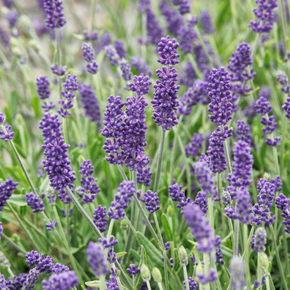
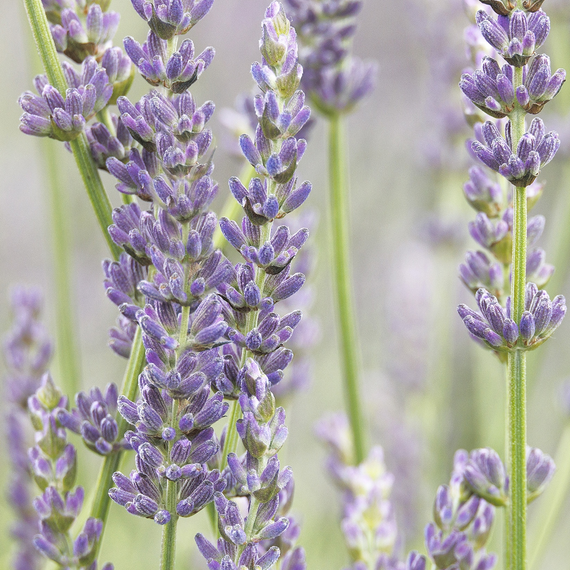
- Vibrant violet-purple flower spikes rise on exceptionally long, sturdy stems above silver-green mounding foliage, blooming in midsummer with a welcome secondary flush in early fall.
- Tough, adaptable, and low-maintenance once established — drought tolerant, deer and rabbit resistant, and at home in borders, herb gardens, mass plantings, and containers.
- Hardy in USDA Zones 5-9 with a fast growth rate, making it one of the most versatile and rewarding lavenders for gardeners across a wide range of climates.
Lavender Riverina Thomas (Lavandula x intermedia 'Riverina Thomas') is an exceptional triploid lavandin cultivar that stands apart from the crowd with its extraordinary aromatic potency, vigorous constitution, and showstopping summer display. A natural mutation selected from the renowned 'Grosso' lavandin lineage, this cultivar was developed in Australia and quickly earned worldwide recognition among both home gardeners and commercial lavender growers for its ability to yield up to five times the essential oil of its lavandin parents. Growing into a neat, compact mound approximately 24 to 36 inches tall and equally wide, 'Riverina Thomas' produces long, tapered spikes of vibrant violet-purple blooms atop impressively sturdy stems averaging 14 to 18 inches in length — perfect for fresh-cut bouquets, dried arrangements, and fragrant potpourri. Its silver-green foliage is beautifully aromatic year-round, providing multi-season interest even when the plant is not in bloom. Flowering peaks in midsummer with a secondary bloom appearing in early fall, extending the garden color and pollinator season well beyond that of most other lavenders. Reliably hardy from USDA Zones 5 through 9, tolerant of heat, wind, drought, and poor soils, and virtually unbothered by deer and rabbits, 'Riverina Thomas' is a premium, low-maintenance choice for sunny borders, Mediterranean-style gardens, herb gardens, cottage landscapes, rock gardens, and water-wise plantings throughout Southern Oregon, Northern California, and beyond.
Plant Description
Riverina Thomas is a triploid lavandin — a sterile hybrid of English lavender (Lavandula angustifolia) and Portuguese lavender (Lavandula latifolia) — selected as a spontaneous mutation from the highly regarded 'Grosso' cultivar. Its triploid genetics contribute to its exceptional vigor, unusually large flower spikes, and remarkably high concentration of aromatic essential oils. The plant forms an attractive, upright compact mound with woody base stems and soft, linear, silver-green leaves that release a complex, slightly sweet, spicy, and woody fragrance when brushed or crushed. In mild climates, the foliage remains semi-evergreen to evergreen throughout the winter, providing year-round structure and fragrance in the garden. Flower spikes are long, tapered, and densely packed with small two-lipped florets in a vibrant violet-purple. The overall habit is clean, full, and well-behaved, making this cultivar as ornamental as it is functional.
Mature Size
| Characteristic | Measurement |
|---|---|
| Plant Height | 24 - 36 inches (approx. 30 inches typical) |
| Plant Width / Spread | 24 - 36 inches (up to 42 inches with age) |
| Flower Stem Length | 14 - 18 inches, plus long lateral stems |
| Growth Rate | Fast |
| Growth Habit | Upright compact mound, rounded |
| Recommended Spacing | 36 - 42 inches on center |
Hardiness Zones and Climate Tolerance
Riverina Thomas is hardy in USDA Zones 5 through 9 (Zone 5a minimum to Zone 9b maximum), making it one of the more cold-tolerant lavandins available. It has been successfully grown at higher elevations and has proven its ability to withstand cold temperatures beyond what many lavandin cultivars can manage. In addition to cold hardiness, this cultivar demonstrates excellent tolerance of heat, wind, and the dry summer conditions typical of Southern Oregon and Northern California. In climates with mild winters, the silver-green foliage remains semi-evergreen, providing structure and fragrance through the cooler months. In the coldest end of its range (Zone 5), a light layer of mulch applied around the base after the growing season can provide added protection during hard freezes.
Sunlight Requirements
Riverina Thomas lavender requires full sun to perform at its best. Provide a minimum of 6 to 8 hours of direct sunlight per day. Full sun is essential not only for the most prolific bloom production and the richest essential oil content, but also for maintaining the plant's compact, mounded habit and preventing the loose, floppy growth that can result from insufficient light. Good air circulation around the plant is equally important — avoid planting in spots that are hemmed in by taller plants or structures, as stagnant air encourages fungal issues. This cultivar thrives in the hot, sunny, dry summers of the Southern Oregon and Northern California region and is ideally suited to south- or west-facing beds, slopes, and hillsides.
Soil and pH Preferences
Like all lavandins, Riverina Thomas demands excellent drainage above all else. It performs best in lean, well-drained soils and will decline or die in consistently wet or waterlogged conditions. Suitable soil types include sandy, loamy, chalky, rocky, and gravelly compositions. Rich, heavy clay soils should be amended with coarse sand, gravel, or perlite to improve drainage before planting. This cultivar thrives at a soil pH that is neutral to slightly alkaline, ideally between 6.5 and 8.0. If your soil is acidic, incorporating horticultural lime can raise the pH to the preferred range. Avoid highly fertile or excessively amended soils — too much nitrogen promotes lush leafy growth at the expense of flower production and oil concentration. Poor to moderately fertile, fast-draining soil consistently produces the best results.
Watering Guide
Riverina Thomas is notably drought tolerant once established, typically requiring only low to moderate moisture. During the first growing season after planting, water regularly to help the root system become well established — deep, infrequent waterings that encourage roots to reach down into the soil profile are preferred over frequent shallow watering. Once established (generally after the first full growing season), reduce irrigation significantly. In most Southern Oregon and Northern California gardens, established plants often need little to no supplemental watering during winter and spring, with only occasional deep watering during the driest summer periods. The single most important watering rule for this plant is to avoid overwatering and standing water around the crown and roots. Allow the soil to dry out between waterings and never let the plant sit in soggy soil, as root rot is the most common cause of lavender decline.
Fertilizing
Riverina Thomas lavender is a light feeder and thrives in lean soil conditions. Heavy fertilization is not recommended and can actually be counterproductive, encouraging excessive leafy green growth at the expense of flower production and aromatic oil concentration. If fertilization is desired, apply a balanced, slow-release granular fertilizer with a low nitrogen formulation (such as a 5-10-10 or similar low-nitrogen product) once in early spring as new growth begins. Alternatively, a light top-dressing of compost worked gently into the surrounding soil in spring provides a modest, steady nutrient release without overstimulating vegetative growth. Avoid high-nitrogen fertilizers, liquid fertilizers applied in summer, and any fall fertilization, as these practices can stimulate soft new growth that is susceptible to cold damage.
Pruning and Maintenance
Regular pruning is essential to keeping Riverina Thomas compact, vigorous, and free-blooming over many years. Without pruning, lavandin plants become woody and open at the center, reducing flower production and shortening the plant's productive lifespan. Follow these guidelines for best results:
- After the primary summer bloom: Cut the spent flower stems back, removing roughly one-third of the plant's overall height. This light post-bloom trim helps encourage the secondary fall flowering flush and keeps the plant tidy.
- Annual hard pruning in early spring: Once the threat of hard frost has passed and new growth is just beginning to appear at the base of the plant, cut back by up to one-half to two-thirds of the plant's height, pruning into the leafy green growth but always leaving some foliage visible on each stem. Never cut back into bare, leafless old wood, as lavandin does not reliably regenerate from old wood with no foliage.
- Avoid fall pruning: Hard pruning in autumn stimulates tender new growth that may not harden off before winter, increasing frost damage risk.
- Harvest flower stems for fresh bouquets or drying when roughly half the florets on a spike have opened, cutting stems as long as possible for the best vase life and drying results.
Planting Instructions
- Select a full-sun location with excellent drainage. South- or west-facing slopes and raised beds are ideal, especially in heavier soils.
- Prepare the planting site by loosening the soil to a depth of 12 to 15 inches. If the native soil is heavy clay, mix in a generous amount of coarse sand, pea gravel, or perlite to improve drainage. Avoid adding excessive organic matter or rich compost.
- If soil pH is below 6.5, incorporate horticultural lime according to package directions and allow it to work in for several weeks before planting.
- Dig a planting hole at least twice the width of the root ball and equal to its depth. Position the plant so the top of the root ball is level with or very slightly above the surrounding soil surface to promote drainage away from the crown.
- Backfill with the amended native soil, firming gently around the roots. Do not bury the crown of the plant.
- Water thoroughly at planting to settle the soil and eliminate air pockets around the roots.
- Mulch lightly around the plant — keeping mulch several inches away from the woody stems — with a thin layer of gravel or coarse bark to help retain some moisture while still promoting fast drainage. Avoid deep organic mulch directly against the stems.
- Space plants 36 to 42 inches apart for mass plantings or hedging to allow for mature spread and good air circulation.
Bloom Time and Seasonal Interest
Riverina Thomas is a standout performer across multiple seasons. Its silver-green aromatic foliage provides attractive year-round color and texture in mild winter climates. The main bloom event occurs in midsummer (typically July through August), when long, sturdy stems carry large, tapered spikes of vibrant violet-purple flowers well above the foliage mound. A secondary, lighter flowering flush follows in early fall (September), extending the season of color and pollinator activity. Even after the flowers have faded, the seed heads and stems retain ornamental value and can be left on the plant for a time to provide winter structure. Dried flower stems and foliage maintain their fragrance for an extended period, offering lasting sensory appeal in arrangements, sachets, and potpourri long after harvest.
Landscape Uses
Riverina Thomas is exceptionally versatile in the landscape and suits a wide variety of design applications:
- Herb and kitchen gardens: A natural centerpiece with culinary, aromatic, and ornamental merit.
- Borders and edging: Its uniform mounding habit creates a clean, defined edge along pathways, driveways, and garden beds.
- Mass plantings and hedging: When planted en masse, the combined fragrance and color create the iconic lavender field effect. Its uniform size makes for consistent, low-maintenance hedges.
- Rock gardens and slopes: Thrives in the lean, fast-draining conditions of rocky and sloping sites where many other plants struggle.
- Mediterranean and drought-tolerant gardens: A keystone plant for xeric, low-water, and Mediterranean-style landscape designs.
- Cottage and traditional gardens: The romantic color and fragrance complement classic cottage garden aesthetics beautifully.
- Container planting: Performs well in large containers on patios, courtyards, and entryways, provided the pot has ample drainage holes and a gritty growing mix.
- Cutting and drying gardens: Produces an abundance of long-stemmed, fragrant flowers ideal for fresh bouquets and dried crafts.
- Coastal gardens: Demonstrates good tolerance of salt spray and coastal conditions.
Companion Plants
Riverina Thomas lavender pairs beautifully with plants that share its preference for full sun, lean soil, and excellent drainage. Outstanding companion combinations include:
- Rosemary (Salvia rosmarinus): Similar cultural needs and complementary silver-green foliage texture create a cohesive, aromatic Mediterranean planting.
- Russian Sage (Perovskia atriplicifolia): Airy, violet-blue flower spikes echo the color of lavender while providing a contrasting fine-textured backdrop.
- Ornamental grasses (Festuca, Nassella): Fine-textured, drought-tolerant grasses provide soft movement and contrast alongside lavender's bold upright spikes.
- Salvia (Salvia nemorosa, S. greggii): Fellow members of the mint family with similar needs and complementary blue, purple, or red blooms that extend seasonal color.
- Catmint (Nepeta spp.): Soft purple mounding habit and early season color contrast and complement lavender's midsummer peak beautifully.
- Yarrow (Achillea millefolium): Flat-topped flower clusters in yellow, white, or pink provide excellent color contrast alongside violet lavender.
- Cistus (Rock Rose): A drought-tolerant Mediterranean shrub with a similar cultural profile and handsome flowering display.
- Artemisia (Wormwood, Dusty Miller): Silvery foliage harmonizes perfectly with lavender's gray-green tones in a cohesive, low-water planting scheme.
Wildlife Value and Pollinator Appeal
Riverina Thomas is a powerhouse plant for pollinators and beneficial insects. The abundant, nectar-rich flower spikes are irresistible to honeybees, bumblebees, and native solitary bees, making this an outstanding choice for pollinator gardens and bee-friendly landscapes. Butterflies, including swallowtails and skippers, are frequent visitors, and the plant also attracts beneficial predatory and parasitic insects that help naturally manage garden pest populations. Moths are also documented visitors to lavender blooms. On the other side of the equation, the strong aromatic oils in the foliage and flowers make the plant highly unpalatable to deer and rabbits, so it acts as a reliable deterrent in gardens where browsing pressure is a concern. The flowers also attract hummingbirds on occasion, adding to this cultivar's considerable wildlife value.
Aromatic and Practical Uses
One of the most compelling attributes of Riverina Thomas is its extraordinary essential oil yield — reported to produce up to five times the aromatic oil of many other lavandin and English lavender varieties. This makes it highly valued for both home and small-scale commercial use. Practical and creative applications include:
- Essential oil distillation: Prized by small-scale and hobby distillers for its exceptional oil volume and complex, slightly sweet, spicy-woody fragrance profile.
- Dried flower arrangements and wreaths: Long, sturdy stems with large, showy flower spikes dry beautifully and hold their color and fragrance for months.
- Potpourri and sachets: Dried leaves and flower buds make exquisitely fragrant sachets for drawers, closets, and linen storage.
- Fresh-cut bouquets: Harvest stems when approximately half the florets are open for the longest vase life.
- Culinary use: Flowers, petals, and young leaf tips can be used in small quantities as a flavoring in baked goods, herbal teas, syrups, salads, and savory dishes. The flavor is potent, so use sparingly.
- Craft buds: Harvested dried buds are ideal for use in herbal craft projects, lavender wands, and DIY aromatherapy products.
Pests and Diseases
Riverina Thomas is generally quite pest and disease resistant when grown in appropriate conditions, particularly with good drainage and air circulation. However, a few issues can arise:
- Root rot (Phytophthora and Pythium spp.): The most significant threat to lavender. Caused by consistently wet or poorly drained soil. Prevention through proper site selection and soil preparation is the most effective strategy. There is no cure once root rot is advanced; affected plants should be removed.
- Leaf spot: Occasional fungal leaf spotting can occur in conditions of high humidity or poor air circulation. Improve spacing and airflow, and avoid overhead irrigation to minimize risk.
- Spittlebugs (froghoppers): Small insects may produce foamy masses on stems in spring and early summer. Populations are generally low and rarely cause serious damage; a strong spray of water dislodges them effectively.
- Aphids: Occasionally may cluster on new growth. Beneficial insects, including ladybugs, typically manage populations naturally. A strong water spray or diluted insecticidal soap is effective if treatment is needed.
- Deer and rabbits: Strongly resistant due to the plant's potent aromatic oils — one of its most valued landscape traits in areas with browsing pressure.
Container Growing
Riverina Thomas adapts well to container culture and makes a stunning fragrant accent on patios, courtyards, entryways, and rooftop gardens. For success in containers, keep the following guidelines in mind:
- Choose a large container — at least 12 to 16 inches in diameter and depth — with multiple drainage holes at the bottom. Terra cotta and unglazed ceramic pots are preferred as they are porous and promote faster drying of the growing medium.
- Use a gritty, fast-draining potting mix formulated for Mediterranean herbs or succulents, or blend standard potting mix with 25 to 30 percent coarse perlite or fine gravel.
- Position containers in the sunniest available spot — south- or west-facing exposures with a minimum of 6 to 8 hours of direct sunlight daily.
- Water when the top 2 inches of the growing medium are dry, then water thoroughly until water flows freely from the drainage holes. Never allow the pot to sit in a saucer of standing water.
- Feed lightly once in spring with a low-nitrogen, slow-release granular fertilizer worked into the top of the growing medium.
- In Zone 5 and Zone 6, container-grown plants may need protection from the most severe winter freezes — move pots to a sheltered, unheated garage or shed during prolonged hard freezes.
- Repot every 2 to 3 years in spring to refresh the growing medium and accommodate root growth.
- A triploid lavandin cultivar that produces up to five times the aromatic essential oil of typical lavandin parent varieties, making it prized for potpourri, sachets, and home distillation alike.
- Vibrant violet-purple flower spikes rise on exceptionally long, sturdy stems above silver-green mounding foliage, blooming in midsummer with a welcome secondary flush in early fall.
- Tough, adaptable, and low-maintenance once established — drought tolerant, deer and rabbit resistant, and at home in borders, herb gardens, mass plantings, and containers.
- Hardy in USDA Zones 5-9 with a fast growth rate, making it one of the most versatile and rewarding lavenders for gardeners across a wide range of climates.
Lavender Riverina Thomas (Lavandula x intermedia 'Riverina Thomas') is an exceptional triploid lavandin cultivar that stands apart from the crowd with its extraordinary aromatic potency, vigorous constitution, and showstopping summer display. A natural mutation selected from the renowned 'Grosso' lavandin lineage, this cultivar was developed in Australia and quickly earned worldwide recognition among both home gardeners and commercial lavender growers for its ability to yield up to five times the essential oil of its lavandin parents. Growing into a neat, compact mound approximately 24 to 36 inches tall and equally wide, 'Riverina Thomas' produces long, tapered spikes of vibrant violet-purple blooms atop impressively sturdy stems averaging 14 to 18 inches in length — perfect for fresh-cut bouquets, dried arrangements, and fragrant potpourri. Its silver-green foliage is beautifully aromatic year-round, providing multi-season interest even when the plant is not in bloom. Flowering peaks in midsummer with a secondary bloom appearing in early fall, extending the garden color and pollinator season well beyond that of most other lavenders. Reliably hardy from USDA Zones 5 through 9, tolerant of heat, wind, drought, and poor soils, and virtually unbothered by deer and rabbits, 'Riverina Thomas' is a premium, low-maintenance choice for sunny borders, Mediterranean-style gardens, herb gardens, cottage landscapes, rock gardens, and water-wise plantings throughout Southern Oregon, Northern California, and beyond.
Plant Description
Riverina Thomas is a triploid lavandin — a sterile hybrid of English lavender (Lavandula angustifolia) and Portuguese lavender (Lavandula latifolia) — selected as a spontaneous mutation from the highly regarded 'Grosso' cultivar. Its triploid genetics contribute to its exceptional vigor, unusually large flower spikes, and remarkably high concentration of aromatic essential oils. The plant forms an attractive, upright compact mound with woody base stems and soft, linear, silver-green leaves that release a complex, slightly sweet, spicy, and woody fragrance when brushed or crushed. In mild climates, the foliage remains semi-evergreen to evergreen throughout the winter, providing year-round structure and fragrance in the garden. Flower spikes are long, tapered, and densely packed with small two-lipped florets in a vibrant violet-purple. The overall habit is clean, full, and well-behaved, making this cultivar as ornamental as it is functional.
Mature Size
| Characteristic | Measurement |
|---|---|
| Plant Height | 24 - 36 inches (approx. 30 inches typical) |
| Plant Width / Spread | 24 - 36 inches (up to 42 inches with age) |
| Flower Stem Length | 14 - 18 inches, plus long lateral stems |
| Growth Rate | Fast |
| Growth Habit | Upright compact mound, rounded |
| Recommended Spacing | 36 - 42 inches on center |
Hardiness Zones and Climate Tolerance
Riverina Thomas is hardy in USDA Zones 5 through 9 (Zone 5a minimum to Zone 9b maximum), making it one of the more cold-tolerant lavandins available. It has been successfully grown at higher elevations and has proven its ability to withstand cold temperatures beyond what many lavandin cultivars can manage. In addition to cold hardiness, this cultivar demonstrates excellent tolerance of heat, wind, and the dry summer conditions typical of Southern Oregon and Northern California. In climates with mild winters, the silver-green foliage remains semi-evergreen, providing structure and fragrance through the cooler months. In the coldest end of its range (Zone 5), a light layer of mulch applied around the base after the growing season can provide added protection during hard freezes.
Sunlight Requirements
Riverina Thomas lavender requires full sun to perform at its best. Provide a minimum of 6 to 8 hours of direct sunlight per day. Full sun is essential not only for the most prolific bloom production and the richest essential oil content, but also for maintaining the plant's compact, mounded habit and preventing the loose, floppy growth that can result from insufficient light. Good air circulation around the plant is equally important — avoid planting in spots that are hemmed in by taller plants or structures, as stagnant air encourages fungal issues. This cultivar thrives in the hot, sunny, dry summers of the Southern Oregon and Northern California region and is ideally suited to south- or west-facing beds, slopes, and hillsides.
Soil and pH Preferences
Like all lavandins, Riverina Thomas demands excellent drainage above all else. It performs best in lean, well-drained soils and will decline or die in consistently wet or waterlogged conditions. Suitable soil types include sandy, loamy, chalky, rocky, and gravelly compositions. Rich, heavy clay soils should be amended with coarse sand, gravel, or perlite to improve drainage before planting. This cultivar thrives at a soil pH that is neutral to slightly alkaline, ideally between 6.5 and 8.0. If your soil is acidic, incorporating horticultural lime can raise the pH to the preferred range. Avoid highly fertile or excessively amended soils — too much nitrogen promotes lush leafy growth at the expense of flower production and oil concentration. Poor to moderately fertile, fast-draining soil consistently produces the best results.
Watering Guide
Riverina Thomas is notably drought tolerant once established, typically requiring only low to moderate moisture. During the first growing season after planting, water regularly to help the root system become well established — deep, infrequent waterings that encourage roots to reach down into the soil profile are preferred over frequent shallow watering. Once established (generally after the first full growing season), reduce irrigation significantly. In most Southern Oregon and Northern California gardens, established plants often need little to no supplemental watering during winter and spring, with only occasional deep watering during the driest summer periods. The single most important watering rule for this plant is to avoid overwatering and standing water around the crown and roots. Allow the soil to dry out between waterings and never let the plant sit in soggy soil, as root rot is the most common cause of lavender decline.
Fertilizing
Riverina Thomas lavender is a light feeder and thrives in lean soil conditions. Heavy fertilization is not recommended and can actually be counterproductive, encouraging excessive leafy green growth at the expense of flower production and aromatic oil concentration. If fertilization is desired, apply a balanced, slow-release granular fertilizer with a low nitrogen formulation (such as a 5-10-10 or similar low-nitrogen product) once in early spring as new growth begins. Alternatively, a light top-dressing of compost worked gently into the surrounding soil in spring provides a modest, steady nutrient release without overstimulating vegetative growth. Avoid high-nitrogen fertilizers, liquid fertilizers applied in summer, and any fall fertilization, as these practices can stimulate soft new growth that is susceptible to cold damage.
Pruning and Maintenance
Regular pruning is essential to keeping Riverina Thomas compact, vigorous, and free-blooming over many years. Without pruning, lavandin plants become woody and open at the center, reducing flower production and shortening the plant's productive lifespan. Follow these guidelines for best results:
- After the primary summer bloom: Cut the spent flower stems back, removing roughly one-third of the plant's overall height. This light post-bloom trim helps encourage the secondary fall flowering flush and keeps the plant tidy.
- Annual hard pruning in early spring: Once the threat of hard frost has passed and new growth is just beginning to appear at the base of the plant, cut back by up to one-half to two-thirds of the plant's height, pruning into the leafy green growth but always leaving some foliage visible on each stem. Never cut back into bare, leafless old wood, as lavandin does not reliably regenerate from old wood with no foliage.
- Avoid fall pruning: Hard pruning in autumn stimulates tender new growth that may not harden off before winter, increasing frost damage risk.
- Harvest flower stems for fresh bouquets or drying when roughly half the florets on a spike have opened, cutting stems as long as possible for the best vase life and drying results.
Planting Instructions
- Select a full-sun location with excellent drainage. South- or west-facing slopes and raised beds are ideal, especially in heavier soils.
- Prepare the planting site by loosening the soil to a depth of 12 to 15 inches. If the native soil is heavy clay, mix in a generous amount of coarse sand, pea gravel, or perlite to improve drainage. Avoid adding excessive organic matter or rich compost.
- If soil pH is below 6.5, incorporate horticultural lime according to package directions and allow it to work in for several weeks before planting.
- Dig a planting hole at least twice the width of the root ball and equal to its depth. Position the plant so the top of the root ball is level with or very slightly above the surrounding soil surface to promote drainage away from the crown.
- Backfill with the amended native soil, firming gently around the roots. Do not bury the crown of the plant.
- Water thoroughly at planting to settle the soil and eliminate air pockets around the roots.
- Mulch lightly around the plant — keeping mulch several inches away from the woody stems — with a thin layer of gravel or coarse bark to help retain some moisture while still promoting fast drainage. Avoid deep organic mulch directly against the stems.
- Space plants 36 to 42 inches apart for mass plantings or hedging to allow for mature spread and good air circulation.
Bloom Time and Seasonal Interest
Riverina Thomas is a standout performer across multiple seasons. Its silver-green aromatic foliage provides attractive year-round color and texture in mild winter climates. The main bloom event occurs in midsummer (typically July through August), when long, sturdy stems carry large, tapered spikes of vibrant violet-purple flowers well above the foliage mound. A secondary, lighter flowering flush follows in early fall (September), extending the season of color and pollinator activity. Even after the flowers have faded, the seed heads and stems retain ornamental value and can be left on the plant for a time to provide winter structure. Dried flower stems and foliage maintain their fragrance for an extended period, offering lasting sensory appeal in arrangements, sachets, and potpourri long after harvest.
Landscape Uses
Riverina Thomas is exceptionally versatile in the landscape and suits a wide variety of design applications:
- Herb and kitchen gardens: A natural centerpiece with culinary, aromatic, and ornamental merit.
- Borders and edging: Its uniform mounding habit creates a clean, defined edge along pathways, driveways, and garden beds.
- Mass plantings and hedging: When planted en masse, the combined fragrance and color create the iconic lavender field effect. Its uniform size makes for consistent, low-maintenance hedges.
- Rock gardens and slopes: Thrives in the lean, fast-draining conditions of rocky and sloping sites where many other plants struggle.
- Mediterranean and drought-tolerant gardens: A keystone plant for xeric, low-water, and Mediterranean-style landscape designs.
- Cottage and traditional gardens: The romantic color and fragrance complement classic cottage garden aesthetics beautifully.
- Container planting: Performs well in large containers on patios, courtyards, and entryways, provided the pot has ample drainage holes and a gritty growing mix.
- Cutting and drying gardens: Produces an abundance of long-stemmed, fragrant flowers ideal for fresh bouquets and dried crafts.
- Coastal gardens: Demonstrates good tolerance of salt spray and coastal conditions.
Companion Plants
Riverina Thomas lavender pairs beautifully with plants that share its preference for full sun, lean soil, and excellent drainage. Outstanding companion combinations include:
- Rosemary (Salvia rosmarinus): Similar cultural needs and complementary silver-green foliage texture create a cohesive, aromatic Mediterranean planting.
- Russian Sage (Perovskia atriplicifolia): Airy, violet-blue flower spikes echo the color of lavender while providing a contrasting fine-textured backdrop.
- Ornamental grasses (Festuca, Nassella): Fine-textured, drought-tolerant grasses provide soft movement and contrast alongside lavender's bold upright spikes.
- Salvia (Salvia nemorosa, S. greggii): Fellow members of the mint family with similar needs and complementary blue, purple, or red blooms that extend seasonal color.
- Catmint (Nepeta spp.): Soft purple mounding habit and early season color contrast and complement lavender's midsummer peak beautifully.
- Yarrow (Achillea millefolium): Flat-topped flower clusters in yellow, white, or pink provide excellent color contrast alongside violet lavender.
- Cistus (Rock Rose): A drought-tolerant Mediterranean shrub with a similar cultural profile and handsome flowering display.
- Artemisia (Wormwood, Dusty Miller): Silvery foliage harmonizes perfectly with lavender's gray-green tones in a cohesive, low-water planting scheme.
Wildlife Value and Pollinator Appeal
Riverina Thomas is a powerhouse plant for pollinators and beneficial insects. The abundant, nectar-rich flower spikes are irresistible to honeybees, bumblebees, and native solitary bees, making this an outstanding choice for pollinator gardens and bee-friendly landscapes. Butterflies, including swallowtails and skippers, are frequent visitors, and the plant also attracts beneficial predatory and parasitic insects that help naturally manage garden pest populations. Moths are also documented visitors to lavender blooms. On the other side of the equation, the strong aromatic oils in the foliage and flowers make the plant highly unpalatable to deer and rabbits, so it acts as a reliable deterrent in gardens where browsing pressure is a concern. The flowers also attract hummingbirds on occasion, adding to this cultivar's considerable wildlife value.
Aromatic and Practical Uses
One of the most compelling attributes of Riverina Thomas is its extraordinary essential oil yield — reported to produce up to five times the aromatic oil of many other lavandin and English lavender varieties. This makes it highly valued for both home and small-scale commercial use. Practical and creative applications include:
- Essential oil distillation: Prized by small-scale and hobby distillers for its exceptional oil volume and complex, slightly sweet, spicy-woody fragrance profile.
- Dried flower arrangements and wreaths: Long, sturdy stems with large, showy flower spikes dry beautifully and hold their color and fragrance for months.
- Potpourri and sachets: Dried leaves and flower buds make exquisitely fragrant sachets for drawers, closets, and linen storage.
- Fresh-cut bouquets: Harvest stems when approximately half the florets are open for the longest vase life.
- Culinary use: Flowers, petals, and young leaf tips can be used in small quantities as a flavoring in baked goods, herbal teas, syrups, salads, and savory dishes. The flavor is potent, so use sparingly.
- Craft buds: Harvested dried buds are ideal for use in herbal craft projects, lavender wands, and DIY aromatherapy products.
Pests and Diseases
Riverina Thomas is generally quite pest and disease resistant when grown in appropriate conditions, particularly with good drainage and air circulation. However, a few issues can arise:
- Root rot (Phytophthora and Pythium spp.): The most significant threat to lavender. Caused by consistently wet or poorly drained soil. Prevention through proper site selection and soil preparation is the most effective strategy. There is no cure once root rot is advanced; affected plants should be removed.
- Leaf spot: Occasional fungal leaf spotting can occur in conditions of high humidity or poor air circulation. Improve spacing and airflow, and avoid overhead irrigation to minimize risk.
- Spittlebugs (froghoppers): Small insects may produce foamy masses on stems in spring and early summer. Populations are generally low and rarely cause serious damage; a strong spray of water dislodges them effectively.
- Aphids: Occasionally may cluster on new growth. Beneficial insects, including ladybugs, typically manage populations naturally. A strong water spray or diluted insecticidal soap is effective if treatment is needed.
- Deer and rabbits: Strongly resistant due to the plant's potent aromatic oils — one of its most valued landscape traits in areas with browsing pressure.
Container Growing
Riverina Thomas adapts well to container culture and makes a stunning fragrant accent on patios, courtyards, entryways, and rooftop gardens. For success in containers, keep the following guidelines in mind:
- Choose a large container — at least 12 to 16 inches in diameter and depth — with multiple drainage holes at the bottom. Terra cotta and unglazed ceramic pots are preferred as they are porous and promote faster drying of the growing medium.
- Use a gritty, fast-draining potting mix formulated for Mediterranean herbs or succulents, or blend standard potting mix with 25 to 30 percent coarse perlite or fine gravel.
- Position containers in the sunniest available spot — south- or west-facing exposures with a minimum of 6 to 8 hours of direct sunlight daily.
- Water when the top 2 inches of the growing medium are dry, then water thoroughly until water flows freely from the drainage holes. Never allow the pot to sit in a saucer of standing water.
- Feed lightly once in spring with a low-nitrogen, slow-release granular fertilizer worked into the top of the growing medium.
- In Zone 5 and Zone 6, container-grown plants may need protection from the most severe winter freezes — move pots to a sheltered, unheated garage or shed during prolonged hard freezes.
- Repot every 2 to 3 years in spring to refresh the growing medium and accommodate root growth.