Zoom the image with the mouse
Red Dragon Hibiscus
SKU:
1870085-P
UPC:
014949415016
$19.99 - $89.99
- Spectacular scarlet-red, fully double blooms cover this vigorous tropical evergreen shrub from early summer all the way through fall, delivering nonstop fiery color in the landscape or on the patio.
- Lush, glossy, dark green oval foliage provides a rich, tropical backdrop that makes each ruffled bloom pop with dramatic intensity.
- A versatile performer suited to tropical garden beds, flowering hedges, and container growing — bringing bold, exotic flair to patios, decks, and entryways.
- A proven magnet for hummingbirds and butterflies, Red Dragon Hibiscus turns any sunny garden into a lively pollinator destination all season long.
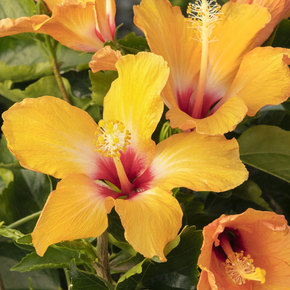
Hibiscus Red Dragon (Hibiscus rosa-sinensis 'Mongon') is a showstopping tropical evergreen shrub prized for its profusion of oversized, fully double, scarlet-red blooms that light up the landscape from early summer well into fall. Each ruffled flower, measuring up to 4 to 6 inches across, features layers of richly colored petals surrounding a bold, extended staminal column, creating a lush, almost camellia-like effect that few other flowering shrubs can rival. The blooms are elegantly set against dense, upright, well-branched growth clothed in glossy, deep green foliage that retains its tropical good looks year-round in warm climates. Reaching a mature height of 6 to 8 feet with a tidy spread of 3 to 4 feet, Red Dragon Hibiscus fits naturally into sunny shrub borders, foundation plantings, and tropical-themed garden designs, while also performing beautifully as a flowering hedge, accent specimen, or dramatic container plant on patios and decks. It thrives in the heat and sunshine of USDA Zones 10 to 11, and in cooler regions of Southern Oregon and Northern California it can be grown as a stunning patio container that overwinters indoors. Low-maintenance and heat tolerant, this vibrant cultivar reliably draws hummingbirds and butterflies with its nectar-rich flowers, making it as ecologically rewarding as it is visually spectacular.
Plant Description
Red Dragon Hibiscus is an upright, well-branched tropical evergreen shrub belonging to the Malvaceae family. It is botanically known as Hibiscus rosa-sinensis 'Mongon' and is celebrated for its spectacular fully double, scarlet-red flowers. Each bloom can reach 4 to 6 inches in diameter, with multiple layers of ruffled petals and a prominent, showy central staminal column. Unlike single-flowered hibiscus, the double blooms of Red Dragon have a luxuriously full, almost rose-like character that creates exceptional visual impact. While individual flowers last only a single day, the plant produces them in such continuous abundance that it remains in bloom throughout the entire growing season. The glossy, oval-shaped, dark green leaves are toothed along the margins and create a dense, lush backdrop that enhances the brilliance of the scarlet blooms. The overall habit is tidy and upright, making this an elegant and versatile landscape shrub.
Mature Size
| Attribute | Measurement |
|---|---|
| Mature Height | 6 to 8 feet |
| Mature Spread | 3 to 4 feet |
| Recommended Spacing | Approximately 48 inches on center |
| Growth Rate | Fast |
| Growth Habit | Upright, well-branched, dense |
| Plant Type | Broadleaf evergreen shrub |
Hardiness Zones and Climate
Red Dragon Hibiscus is rated for USDA Hardiness Zones 10 to 11, making it a true tropical that thrives where winters are mild and frost-free. It performs as a perennial landscape shrub in the warmest parts of Southern Oregon and Northern California, particularly in sheltered, south-facing microclimates. In areas that experience occasional light frost, it is best grown in a container so it can be brought indoors when cold temperatures threaten. It is notably heat tolerant and excels in warm, sunny climates. Indoors, it performs best with a minimum temperature of 50 degrees F. During periods of unusual cold, even in Zones 9 through 11, providing wind protection and a warm, sheltered location will help ensure plant survival and continued bloom production.
Sunlight Requirements
For the most prolific bloom display, plant Red Dragon Hibiscus in a location that receives full sun — a minimum of 6 hours of direct sunlight per day is ideal. In hotter, drier inland areas of Southern Oregon and Northern California, a site with morning sun and some afternoon shade can help protect the blooms from scorching and extend their color. Avoid deeply shaded locations, as insufficient light leads to sparse flowering, leggy growth, and overall poor plant health. When growing indoors or on a covered patio, position the plant within 3 feet of a bright south- or west-facing window to ensure adequate light for continuous blooming.
Soil and pH Preferences
Red Dragon Hibiscus grows best in moist, well-drained loamy soil with a slightly acidic to neutral pH, ideally between 6.0 and 7.0. Sandy loam is considered ideal, as it allows for excellent drainage while retaining enough moisture and nutrients to support vigorous growth and continuous flowering. Avoid heavy clay soils or sites prone to standing water, as waterlogged roots are a primary cause of plant stress, root rot, and decline. When planting in containers, use a high-quality, well-draining potting mix amended with perlite or coarse sand to improve drainage and prevent compaction over time. Incorporating a slow-release fertilizer or organic compost into the planting hole or potting mix at the time of planting will give the plant an excellent start.
Watering Guide
Consistent, even moisture is key to keeping Red Dragon Hibiscus healthy and blooming at its best throughout the growing season. During spring and summer, water thoroughly whenever the top inch of soil feels dry, and allow excess water to drain freely from the root zone. Avoid both drought stress and waterlogged conditions — both can cause bud drop, yellowing foliage, and reduced flowering. In fall and winter, significantly reduce watering frequency, particularly for container-grown plants that are overwintering indoors or in cooler conditions. Mulching around the base of in-ground plants with a 2- to 3-inch layer of organic mulch will help conserve soil moisture, regulate root temperature, and reduce watering frequency during hot summer months. Never allow the soil to dry out to the point of wilting, as severe moisture stress can trigger premature bud and leaf drop.
Fertilizing
Regular fertilizing during the growing season is essential for supporting the abundant blooming that Red Dragon Hibiscus is known for. Apply a balanced, water-soluble fertilizer every two weeks from spring through early fall. For maximum flower production, look for a formula with moderate phosphorus and slightly elevated potassium levels, as these nutrients specifically support bloom development and plant vigor. Avoid fertilizers that are excessively high in nitrogen, as too much nitrogen promotes lush vegetative growth at the expense of flowers. A slow-release granular fertilizer can also be worked into the soil or potting mix at the beginning of the growing season as a convenient base feeding. Discontinue fertilizing in late fall and through the winter months while the plant is in its slow-growth rest period. Container-grown plants benefit from more frequent feeding than those grown in the ground, as nutrients leach more quickly from pots with regular watering.
Pruning and Maintenance
Pruning Red Dragon Hibiscus improves its shape, stimulates vigorous new growth, and directly increases flower production — since blooms are borne on new wood, a well-pruned plant will flower more abundantly than one left unpruned. The best time to prune is in late winter or very early spring, just as new growth buds begin to swell. Use clean, sharp pruning shears to make cuts just above a leaf node or outward-facing bud. Removing up to one-third of the plant's overall size encourages a bushier, more compact habit with significantly more flowering branches. Thinning out the center of the plant improves air circulation, which helps reduce the risk of fungal issues. Throughout the growing season, deadheading spent blooms, while not strictly necessary, keeps the plant looking tidy. Remove any dead, damaged, or crossing branches as needed at any time of year. Avoid heavy pruning during the active blooming season, as this will delay and reduce flowering.
Planting Instructions
- Choose a planting location with full sun to partial afternoon shade and protection from strong winds, which can damage blooms and cause bud drop.
- Dig a planting hole two to three times wider than the root ball and approximately the same depth, ensuring the top of the root ball sits level with or slightly above the surrounding soil grade.
- Amend the backfill soil with compost or well-aged organic matter to improve drainage and fertility, particularly in heavy or sandy native soils.
- Place the plant in the hole, backfill with amended soil, and firm gently around the roots to eliminate air pockets.
- Water thoroughly at planting and keep the soil consistently moist during the establishment period of the first growing season.
- Apply a 2- to 3-inch layer of organic mulch around the base of the plant, keeping mulch a few inches away from the main stem to prevent crown rot.
- In cooler parts of Zone 9 and borderline frost areas, plant in a sheltered south-facing location or against a warm wall for added winter protection.
Container Growing
Red Dragon Hibiscus is an outstanding container plant and is especially well suited to container culture in Southern Oregon and Northern California gardens where winter frosts may occur. Choose a large container — at least 16 to 20 inches in diameter — with ample drainage holes. Use a rich, well-draining potting mix amended with perlite to prevent waterlogging. Container-grown plants will need more frequent watering than those grown in the ground, and regular fertilizing every two weeks during the growing season is important since nutrients deplete more rapidly in pots. Position containers in a sunny spot on a patio, deck, or entryway where the blooms can be fully appreciated. Before the first frost, move the container to a bright indoor location such as a sunroom, greenhouse, or large south-facing window. During winter, reduce watering and suspend fertilizing, resuming both in spring as new growth emerges. Repot every two to three years or when the plant becomes visibly root-bound, stepping up to the next container size to support continued vigorous growth.
Seasonal Interest
Red Dragon Hibiscus delivers its most dramatic display from early summer through fall, when the plant is continuously covered with large, double, scarlet-red blooms that add intense color to the garden over an exceptionally long season. In USDA Zones 10 to 11, flowering can continue virtually year-round in warm, protected locations. The rich, glossy dark green foliage remains attractive and evergreen throughout the year in frost-free climates, providing a lush tropical backdrop even when the plant is between bloom flushes. In cooler climates where the plant is grown as a seasonal container specimen, it provides spectacular patio color from spring through the first frost before being moved indoors to rest through the winter months. The bold, fiery blooms are particularly eye-catching against bright blue summer skies, making this one of the most visually impactful warm-season shrubs available.
Landscape Uses
- Bold specimen or accent plant in mixed tropical or exotic-themed garden borders
- Informal flowering hedge or privacy screen along property lines or fence lines
- Foundation planting beside entries, doorways, and architectural features
- Background shrub in mixed shrub borders paired with complementary foliage and flowering plants
- Dramatic focal point in courtyard, atrium, or Mediterranean-style garden designs
- Container specimen for patios, decks, pool surrounds, and outdoor entertaining areas
- Poolside planting for a lush, resort-style tropical atmosphere
- Seasonal patio anchor plant that can be moved indoors in frost-prone climates
Wildlife Value
Red Dragon Hibiscus is an exceptional plant for attracting wildlife to the garden. Its large, nectar-rich, scarlet-red double blooms are highly attractive to hummingbirds, which are drawn to the flower's tubular structure and vivid red color throughout the long blooming season. Butterflies of many species also visit the blooms regularly in search of nectar, making this shrub a valuable addition to any pollinator garden. The plant provides some structural habitat value as a dense shrub with cover for small garden birds. While hibiscus is generally not a preferred food source for deer and carries some deer-resistance, it is wise to provide protection in areas with high deer pressure, especially for newly established plants. The continuous bloom cycle from early summer through fall ensures an extended period of wildlife activity and interest throughout the warm season.
Companion Plants
Red Dragon Hibiscus pairs beautifully with other sun-loving tropical and subtropical plants that share its preference for warm temperatures, well-drained moist soil, and full sun. Consider these complementary companions for a cohesive and visually dynamic planting:
- Elephant Ears (Colocasia or Caladium): Bold, dramatic foliage in rich greens or variegated patterns provides lush textural contrast alongside the scarlet blooms.
- Canna Lily: Tropical form, bold foliage, and warm-colored blooms in orange, yellow, and red create a cohesive exotic palette.
- Sweet Potato Vine (Ipomoea batatas): Trailing habit works perfectly as a spiller in companion containers or as a weed-suppressing ground cover beneath the shrub.
- Lantana: Heat-loving, butterfly-attracting blooms in complementary warm tones echo the vibrancy of the Red Dragon's flowers.
- Bougainvillea: Vivid floral bracts in magenta or orange make a dramatic tropical backdrop or trellis companion in Zones 9 to 11.
- Mandevilla: Climbing tropical vines with large, bright blooms in pink or red complement the hibiscus in container groupings on patios and decks.
- Pentas: Low-growing, pollinator-friendly filler plants with star-shaped blooms in red or pink naturalize perfectly in front of taller hibiscus shrubs.
- Bigleaf Hydrangea (Hydrangea macrophylla): Mophead blooms in blue or purple create a striking cool-to-warm color contrast alongside the scarlet flowers of Red Dragon.
Pests and Diseases
Red Dragon Hibiscus is generally a robust and resilient plant when grown in appropriate conditions, but it can be affected by a range of common pests and fungal issues. Early detection and prompt treatment are the most effective strategies for keeping the plant healthy and blooming freely.
- Aphids: Small, soft-bodied insects that cluster on new growth and the undersides of leaves, causing leaf curl and distortion. Treat with a strong jet of water or insecticidal soap spray.
- Whiteflies: Tiny white insects that flutter up from leaves when disturbed. They feed on plant sap and excrete sticky honeydew. Control with insecticidal soap, neem oil, or yellow sticky traps.
- Spider Mites: Thrive in hot, dry conditions and produce fine webbing on the undersides of leaves. Increase humidity, improve air circulation, and treat with neem oil or miticide spray.
- Mealybugs: White, cottony masses at leaf joints and stem nodes. Treat with rubbing alcohol applied with a cotton swab or neem oil spray.
- Scale Insects: Armored or soft scales attach to stems and leaves, weakening the plant. Treat with horticultural oil or insecticidal soap.
- Thrips: Cause silver streaking and stippling on petals and leaves. Control with insecticidal soap or spinosad-based sprays.
- Powdery Mildew: A fungal condition appearing as white powder on leaf surfaces, typically triggered by poor air circulation and humidity fluctuations. Improve airflow and treat with a fungicidal spray if needed.
- Root Rot: Caused by overwatering or poorly drained soil. Ensure excellent drainage, allow soil to partially dry between waterings, and avoid planting in low-lying wet areas.
- Bud Drop: Often triggered by sudden changes in temperature, light, or moisture levels rather than a pest or disease. Maintain consistent watering and avoid moving the plant during active bud development.
- Spectacular scarlet-red, fully double blooms cover this vigorous tropical evergreen shrub from early summer all the way through fall, delivering nonstop fiery color in the landscape or on the patio.
- Lush, glossy, dark green oval foliage provides a rich, tropical backdrop that makes each ruffled bloom pop with dramatic intensity.
- A versatile performer suited to tropical garden beds, flowering hedges, and container growing — bringing bold, exotic flair to patios, decks, and entryways.
- A proven magnet for hummingbirds and butterflies, Red Dragon Hibiscus turns any sunny garden into a lively pollinator destination all season long.
Hibiscus Red Dragon (Hibiscus rosa-sinensis 'Mongon') is a showstopping tropical evergreen shrub prized for its profusion of oversized, fully double, scarlet-red blooms that light up the landscape from early summer well into fall. Each ruffled flower, measuring up to 4 to 6 inches across, features layers of richly colored petals surrounding a bold, extended staminal column, creating a lush, almost camellia-like effect that few other flowering shrubs can rival. The blooms are elegantly set against dense, upright, well-branched growth clothed in glossy, deep green foliage that retains its tropical good looks year-round in warm climates. Reaching a mature height of 6 to 8 feet with a tidy spread of 3 to 4 feet, Red Dragon Hibiscus fits naturally into sunny shrub borders, foundation plantings, and tropical-themed garden designs, while also performing beautifully as a flowering hedge, accent specimen, or dramatic container plant on patios and decks. It thrives in the heat and sunshine of USDA Zones 10 to 11, and in cooler regions of Southern Oregon and Northern California it can be grown as a stunning patio container that overwinters indoors. Low-maintenance and heat tolerant, this vibrant cultivar reliably draws hummingbirds and butterflies with its nectar-rich flowers, making it as ecologically rewarding as it is visually spectacular.
Plant Description
Red Dragon Hibiscus is an upright, well-branched tropical evergreen shrub belonging to the Malvaceae family. It is botanically known as Hibiscus rosa-sinensis 'Mongon' and is celebrated for its spectacular fully double, scarlet-red flowers. Each bloom can reach 4 to 6 inches in diameter, with multiple layers of ruffled petals and a prominent, showy central staminal column. Unlike single-flowered hibiscus, the double blooms of Red Dragon have a luxuriously full, almost rose-like character that creates exceptional visual impact. While individual flowers last only a single day, the plant produces them in such continuous abundance that it remains in bloom throughout the entire growing season. The glossy, oval-shaped, dark green leaves are toothed along the margins and create a dense, lush backdrop that enhances the brilliance of the scarlet blooms. The overall habit is tidy and upright, making this an elegant and versatile landscape shrub.
Mature Size
| Attribute | Measurement |
|---|---|
| Mature Height | 6 to 8 feet |
| Mature Spread | 3 to 4 feet |
| Recommended Spacing | Approximately 48 inches on center |
| Growth Rate | Fast |
| Growth Habit | Upright, well-branched, dense |
| Plant Type | Broadleaf evergreen shrub |
Hardiness Zones and Climate
Red Dragon Hibiscus is rated for USDA Hardiness Zones 10 to 11, making it a true tropical that thrives where winters are mild and frost-free. It performs as a perennial landscape shrub in the warmest parts of Southern Oregon and Northern California, particularly in sheltered, south-facing microclimates. In areas that experience occasional light frost, it is best grown in a container so it can be brought indoors when cold temperatures threaten. It is notably heat tolerant and excels in warm, sunny climates. Indoors, it performs best with a minimum temperature of 50 degrees F. During periods of unusual cold, even in Zones 9 through 11, providing wind protection and a warm, sheltered location will help ensure plant survival and continued bloom production.
Sunlight Requirements
For the most prolific bloom display, plant Red Dragon Hibiscus in a location that receives full sun — a minimum of 6 hours of direct sunlight per day is ideal. In hotter, drier inland areas of Southern Oregon and Northern California, a site with morning sun and some afternoon shade can help protect the blooms from scorching and extend their color. Avoid deeply shaded locations, as insufficient light leads to sparse flowering, leggy growth, and overall poor plant health. When growing indoors or on a covered patio, position the plant within 3 feet of a bright south- or west-facing window to ensure adequate light for continuous blooming.
Soil and pH Preferences
Red Dragon Hibiscus grows best in moist, well-drained loamy soil with a slightly acidic to neutral pH, ideally between 6.0 and 7.0. Sandy loam is considered ideal, as it allows for excellent drainage while retaining enough moisture and nutrients to support vigorous growth and continuous flowering. Avoid heavy clay soils or sites prone to standing water, as waterlogged roots are a primary cause of plant stress, root rot, and decline. When planting in containers, use a high-quality, well-draining potting mix amended with perlite or coarse sand to improve drainage and prevent compaction over time. Incorporating a slow-release fertilizer or organic compost into the planting hole or potting mix at the time of planting will give the plant an excellent start.
Watering Guide
Consistent, even moisture is key to keeping Red Dragon Hibiscus healthy and blooming at its best throughout the growing season. During spring and summer, water thoroughly whenever the top inch of soil feels dry, and allow excess water to drain freely from the root zone. Avoid both drought stress and waterlogged conditions — both can cause bud drop, yellowing foliage, and reduced flowering. In fall and winter, significantly reduce watering frequency, particularly for container-grown plants that are overwintering indoors or in cooler conditions. Mulching around the base of in-ground plants with a 2- to 3-inch layer of organic mulch will help conserve soil moisture, regulate root temperature, and reduce watering frequency during hot summer months. Never allow the soil to dry out to the point of wilting, as severe moisture stress can trigger premature bud and leaf drop.
Fertilizing
Regular fertilizing during the growing season is essential for supporting the abundant blooming that Red Dragon Hibiscus is known for. Apply a balanced, water-soluble fertilizer every two weeks from spring through early fall. For maximum flower production, look for a formula with moderate phosphorus and slightly elevated potassium levels, as these nutrients specifically support bloom development and plant vigor. Avoid fertilizers that are excessively high in nitrogen, as too much nitrogen promotes lush vegetative growth at the expense of flowers. A slow-release granular fertilizer can also be worked into the soil or potting mix at the beginning of the growing season as a convenient base feeding. Discontinue fertilizing in late fall and through the winter months while the plant is in its slow-growth rest period. Container-grown plants benefit from more frequent feeding than those grown in the ground, as nutrients leach more quickly from pots with regular watering.
Pruning and Maintenance
Pruning Red Dragon Hibiscus improves its shape, stimulates vigorous new growth, and directly increases flower production — since blooms are borne on new wood, a well-pruned plant will flower more abundantly than one left unpruned. The best time to prune is in late winter or very early spring, just as new growth buds begin to swell. Use clean, sharp pruning shears to make cuts just above a leaf node or outward-facing bud. Removing up to one-third of the plant's overall size encourages a bushier, more compact habit with significantly more flowering branches. Thinning out the center of the plant improves air circulation, which helps reduce the risk of fungal issues. Throughout the growing season, deadheading spent blooms, while not strictly necessary, keeps the plant looking tidy. Remove any dead, damaged, or crossing branches as needed at any time of year. Avoid heavy pruning during the active blooming season, as this will delay and reduce flowering.
Planting Instructions
- Choose a planting location with full sun to partial afternoon shade and protection from strong winds, which can damage blooms and cause bud drop.
- Dig a planting hole two to three times wider than the root ball and approximately the same depth, ensuring the top of the root ball sits level with or slightly above the surrounding soil grade.
- Amend the backfill soil with compost or well-aged organic matter to improve drainage and fertility, particularly in heavy or sandy native soils.
- Place the plant in the hole, backfill with amended soil, and firm gently around the roots to eliminate air pockets.
- Water thoroughly at planting and keep the soil consistently moist during the establishment period of the first growing season.
- Apply a 2- to 3-inch layer of organic mulch around the base of the plant, keeping mulch a few inches away from the main stem to prevent crown rot.
- In cooler parts of Zone 9 and borderline frost areas, plant in a sheltered south-facing location or against a warm wall for added winter protection.
Container Growing
Red Dragon Hibiscus is an outstanding container plant and is especially well suited to container culture in Southern Oregon and Northern California gardens where winter frosts may occur. Choose a large container — at least 16 to 20 inches in diameter — with ample drainage holes. Use a rich, well-draining potting mix amended with perlite to prevent waterlogging. Container-grown plants will need more frequent watering than those grown in the ground, and regular fertilizing every two weeks during the growing season is important since nutrients deplete more rapidly in pots. Position containers in a sunny spot on a patio, deck, or entryway where the blooms can be fully appreciated. Before the first frost, move the container to a bright indoor location such as a sunroom, greenhouse, or large south-facing window. During winter, reduce watering and suspend fertilizing, resuming both in spring as new growth emerges. Repot every two to three years or when the plant becomes visibly root-bound, stepping up to the next container size to support continued vigorous growth.
Seasonal Interest
Red Dragon Hibiscus delivers its most dramatic display from early summer through fall, when the plant is continuously covered with large, double, scarlet-red blooms that add intense color to the garden over an exceptionally long season. In USDA Zones 10 to 11, flowering can continue virtually year-round in warm, protected locations. The rich, glossy dark green foliage remains attractive and evergreen throughout the year in frost-free climates, providing a lush tropical backdrop even when the plant is between bloom flushes. In cooler climates where the plant is grown as a seasonal container specimen, it provides spectacular patio color from spring through the first frost before being moved indoors to rest through the winter months. The bold, fiery blooms are particularly eye-catching against bright blue summer skies, making this one of the most visually impactful warm-season shrubs available.
Landscape Uses
- Bold specimen or accent plant in mixed tropical or exotic-themed garden borders
- Informal flowering hedge or privacy screen along property lines or fence lines
- Foundation planting beside entries, doorways, and architectural features
- Background shrub in mixed shrub borders paired with complementary foliage and flowering plants
- Dramatic focal point in courtyard, atrium, or Mediterranean-style garden designs
- Container specimen for patios, decks, pool surrounds, and outdoor entertaining areas
- Poolside planting for a lush, resort-style tropical atmosphere
- Seasonal patio anchor plant that can be moved indoors in frost-prone climates
Wildlife Value
Red Dragon Hibiscus is an exceptional plant for attracting wildlife to the garden. Its large, nectar-rich, scarlet-red double blooms are highly attractive to hummingbirds, which are drawn to the flower's tubular structure and vivid red color throughout the long blooming season. Butterflies of many species also visit the blooms regularly in search of nectar, making this shrub a valuable addition to any pollinator garden. The plant provides some structural habitat value as a dense shrub with cover for small garden birds. While hibiscus is generally not a preferred food source for deer and carries some deer-resistance, it is wise to provide protection in areas with high deer pressure, especially for newly established plants. The continuous bloom cycle from early summer through fall ensures an extended period of wildlife activity and interest throughout the warm season.
Companion Plants
Red Dragon Hibiscus pairs beautifully with other sun-loving tropical and subtropical plants that share its preference for warm temperatures, well-drained moist soil, and full sun. Consider these complementary companions for a cohesive and visually dynamic planting:
- Elephant Ears (Colocasia or Caladium): Bold, dramatic foliage in rich greens or variegated patterns provides lush textural contrast alongside the scarlet blooms.
- Canna Lily: Tropical form, bold foliage, and warm-colored blooms in orange, yellow, and red create a cohesive exotic palette.
- Sweet Potato Vine (Ipomoea batatas): Trailing habit works perfectly as a spiller in companion containers or as a weed-suppressing ground cover beneath the shrub.
- Lantana: Heat-loving, butterfly-attracting blooms in complementary warm tones echo the vibrancy of the Red Dragon's flowers.
- Bougainvillea: Vivid floral bracts in magenta or orange make a dramatic tropical backdrop or trellis companion in Zones 9 to 11.
- Mandevilla: Climbing tropical vines with large, bright blooms in pink or red complement the hibiscus in container groupings on patios and decks.
- Pentas: Low-growing, pollinator-friendly filler plants with star-shaped blooms in red or pink naturalize perfectly in front of taller hibiscus shrubs.
- Bigleaf Hydrangea (Hydrangea macrophylla): Mophead blooms in blue or purple create a striking cool-to-warm color contrast alongside the scarlet flowers of Red Dragon.
Pests and Diseases
Red Dragon Hibiscus is generally a robust and resilient plant when grown in appropriate conditions, but it can be affected by a range of common pests and fungal issues. Early detection and prompt treatment are the most effective strategies for keeping the plant healthy and blooming freely.
- Aphids: Small, soft-bodied insects that cluster on new growth and the undersides of leaves, causing leaf curl and distortion. Treat with a strong jet of water or insecticidal soap spray.
- Whiteflies: Tiny white insects that flutter up from leaves when disturbed. They feed on plant sap and excrete sticky honeydew. Control with insecticidal soap, neem oil, or yellow sticky traps.
- Spider Mites: Thrive in hot, dry conditions and produce fine webbing on the undersides of leaves. Increase humidity, improve air circulation, and treat with neem oil or miticide spray.
- Mealybugs: White, cottony masses at leaf joints and stem nodes. Treat with rubbing alcohol applied with a cotton swab or neem oil spray.
- Scale Insects: Armored or soft scales attach to stems and leaves, weakening the plant. Treat with horticultural oil or insecticidal soap.
- Thrips: Cause silver streaking and stippling on petals and leaves. Control with insecticidal soap or spinosad-based sprays.
- Powdery Mildew: A fungal condition appearing as white powder on leaf surfaces, typically triggered by poor air circulation and humidity fluctuations. Improve airflow and treat with a fungicidal spray if needed.
- Root Rot: Caused by overwatering or poorly drained soil. Ensure excellent drainage, allow soil to partially dry between waterings, and avoid planting in low-lying wet areas.
- Bud Drop: Often triggered by sudden changes in temperature, light, or moisture levels rather than a pest or disease. Maintain consistent watering and avoid moving the plant during active bud development.