

Zoom the image with the mouse
Red Clumping Bamboo - 2 Gallon
SKU:
1880010
UPC:
014949290231
$62.99
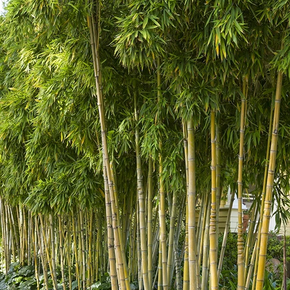
- Stunning non-invasive clumping bamboo featuring vibrant red culms that emerge bright green in late spring and mature into rich shades of red, then age gracefully to yellow for year-round color interest.
- Exceptionally cold hardy to -20°F (USDA Zones 5-9), making it one of the most frost-tolerant ornamental bamboos available for Pacific Northwest and mountain-region gardens.
- Upright, arching, fountain-like form with fine-textured, narrow gray-green foliage creates a dramatic yet elegant specimen, privacy screen, or windbreak without the invasive spreading of running bamboo types.
- Naturally deer resistant and low maintenance, thriving in full sun to partial shade with average moisture and adapting to a wide range of soil types including clay and loam.
Red Clumping Bamboo (Fargesia nitida 'Jiuzhaigou') is a showstopping, non-invasive ornamental bamboo prized for its breathtaking cane color progression — new culms emerge bright green in late spring, deepen to striking shades of red as the season progresses, and age to warm yellow tones over time, delivering a dynamic, ever-changing display throughout the year. Native to the mountainous regions of China, this elegant, clump-forming bamboo develops a graceful, arching fountain-like silhouette adorned with narrow, gray-green leaves up to 4 inches long that remain semi-evergreen through winter, with roughly one-third of the foliage turning golden and dropping in autumn to create an airy, feathery canopy. Unlike invasive running bamboo species, 'Jiuzhaigou' stays neatly in place by forming tight, well-behaved clumps with no underground runners, making it a safe and responsible choice for any residential or commercial landscape. Reaching a mature height of 8 to 12 feet with a spread of 4 to 6 feet, it excels as a privacy screen, sound barrier, windbreak, living fence, or striking standalone specimen. Exceptionally cold hardy to approximately -20°F, it performs reliably in USDA Hardiness Zones 5 through 9, and its preference for cooler summers makes it an ideal choice for Pacific Northwest gardens, higher elevations, and coastal climates throughout Southern Oregon and Northern California. Red Clumping Bamboo thrives in full sun to partial shade in organically rich, moist but well-drained soils, and once established, is notably drought tolerant, salt tolerant, and highly resistant to common foliar diseases.
Plant Description
Fargesia nitida 'Jiuzhaigou', commonly known as Red Clumping Bamboo, is a robust, elegant, evergreen to semi-evergreen bamboo belonging to the grass family Poaceae. It forms a naturally tidy, arching clump without underground runners, making it truly non-invasive. The plant is celebrated for its remarkable culm (cane) color transformation: new shoots emerge bright green in late spring, develop deep red coloration as they mature through the growing season, and gradually age to golden yellow on older canes — giving the plant a multi-toned, year-round visual appeal. The narrow, lance-shaped leaves are a muted gray-green on top and slightly paler beneath, measuring up to 4 inches long and less than 1 inch wide. They rustle softly in the breeze and create a graceful, feathery canopy. In autumn, approximately one-third of the leaves turn golden yellow and drop, leaving the colorful canes beautifully exposed through winter. The overall habit is upright with gracefully arching tops, reminiscent of a cascading fountain. Like all Fargesia species, 'Jiuzhaigou' flowers very infrequently — sometimes only once every several decades — and while plants may look ragged after flowering, they typically recover over a period of a few years.
Mature Size
| Attribute | Measurement |
|---|---|
| Mature Height | 8 - 12 feet |
| Mature Spread | 4 - 6 feet |
| Growth Habit | Upright, arching (fountain-like), clumping |
| Growth Rate | Moderate; slower to establish, faster once rooted |
| Recommended Spacing (for screening) | 5 - 6 feet on center |
Note that this bamboo grows most vigorously in its second and third years after planting, once the root system is well established. The first season is primarily dedicated to root development, so above-ground growth may appear slow initially — this is completely normal and expected.
Hardiness and Climate
Red Clumping Bamboo is among the hardiest ornamental bamboos available, tolerating winter temperatures as low as -20°F. It is rated for USDA Hardiness Zones 5a through 9b. This makes it exceptionally well-suited to the climates of Southern Oregon and Northern California, including higher elevations, inland valleys, and coastal zones. Unlike many bamboos that struggle in hot, humid summers, Fargesia nitida 'Jiuzhaigou' actually performs best in regions with cooler summers, thriving where temperatures do not regularly exceed 90°F. In areas with very hot, dry summers, providing afternoon shade and consistent moisture will help the plant perform its best. It is also noted for good heat tolerance when sited correctly and exhibits strong resistance to wind exposure.
Sunlight Requirements
Red Clumping Bamboo is adaptable to a range of light conditions but performs best in partial shade to full sun, depending on your climate:
- Partial Shade (2-6 hours of direct sun): Ideal in warmer summer climates. Afternoon shade protects the foliage from scorching and keeps the clump looking its most lush.
- Full Sun: Suitable in cooler summer regions such as the Pacific Northwest coast or higher elevation sites. In direct summer sun, leaves may curl slightly during peak heat — this is a self-protective response and does not indicate serious stress.
- Dappled Shade: Performs well under the high canopy of deciduous trees, making it an excellent choice for woodland garden settings.
Avoid deep, dense shade, as this will reduce vigor, limit culm coloration, and result in a thinner, weaker clump over time.
Soil and pH Preferences
One of the appealing qualities of Red Clumping Bamboo is its adaptability to a wide range of soil types and pH levels. However, it performs best when planted in fertile, organically rich soil with consistent moisture and good drainage.
- Soil Types: Loam, clay loam, or sandy loam all work well. Amending heavy clay with compost will significantly improve drainage and establishment speed.
- Soil pH: Adaptable to acidic (below 6.0), neutral (6.0-7.5), and slightly alkaline (above 7.5) soils. This wide pH tolerance makes it suitable for most garden settings without the need for pH adjustment.
- Drainage: Prefers moist, well-drained conditions. While it tolerates periodically wet areas and is even suitable for planting near ponds and water features, it does not thrive in permanently waterlogged soils.
- Organic Matter: Incorporating a generous amount of compost into the planting hole gives the plant an excellent start and supports the lush foliage and strong culm coloration this cultivar is known for.
Watering Guide
Consistent soil moisture is especially important during the establishment period (the first 1-2 growing seasons after planting). Once well-rooted, Red Clumping Bamboo develops notably improved drought tolerance.
- Newly Planted: Water deeply 2-3 times per week for the first growing season, allowing the soil to dry slightly between waterings. Avoid letting the root zone dry out completely.
- Established Plants: Water deeply once or twice per week during dry spells. During hot, dry summers in Southern Oregon and Northern California, more frequent watering may be needed to prevent leaf curling and tip browning.
- Mulching: Apply a 3-4 inch layer of organic mulch (bark chips, wood chips, or shredded leaves) around the base of the plant to retain soil moisture, moderate soil temperature, and reduce watering frequency. Keep mulch a few inches away from the base of the culms to prevent rot.
- Overwatering: While this bamboo tolerates moist soils, avoid chronic standing water around the root zone, which can promote root rot.
Fertilizing
Red Clumping Bamboo is a moderate feeder that responds well to annual fertilization, which supports vigorous growth, strong culm coloration, and dense, lush foliage.
- Timing: Apply fertilizer once in early spring as new growth begins, and optionally a second, lighter application in early summer for maximum performance.
- Fertilizer Type: A balanced, slow-release granular fertilizer (such as a 10-10-10 or similar) or a fertilizer formulated for ornamental grasses works well. High-nitrogen fertilizers can promote lush foliage but may slightly reduce culm color intensity.
- Application Rate: Follow package directions for the size and age of the plant. Avoid over-fertilizing, which can lead to excessive floppy growth and may stress the plant.
- Organic Options: Topdressing the root zone with well-aged compost each spring is an excellent organic alternative that feeds the plant slowly while improving soil structure.
- Avoid Late-Season Fertilizing: Do not fertilize after midsummer, as this can stimulate tender new growth that may be damaged by early frosts.
Pruning and Maintenance
Red Clumping Bamboo is a naturally low-maintenance plant that requires minimal pruning to look its best. A little annual grooming goes a long way toward keeping the clump healthy, attractive, and well-shaped.
- Annual Thinning: In early spring, before new culms emerge, remove any dead, damaged, discolored, or spindly canes at the base using loppers or a pruning saw. This opens the clump to better light and airflow and shows off the colorful canes to full effect.
- Height Control: If shorter growth is desired, the tops of culms can be trimmed, though this may result in a slightly bushier appearance. Cutting culms to the ground will not kill the plant but will remove that season's colored canes.
- Flowering Culms: On the rare occasions when flowering shoots appear, cut them out promptly at the base to discourage further flowering and help conserve the plant's energy.
- Leaf Cleanup: Some leaf drop occurs naturally in autumn. The fallen leaves can be left as natural mulch around the base of the plant or raked away for a tidier appearance.
- No Containment Needed: Because this is a true clumping bamboo, there is no need to install root barriers or perform aggressive containment measures — it stays where you plant it.
Planting Instructions
- Choose Your Site: Select a location with partial shade to full sun and well-drained soil. Consider the mature size of 8-12 feet tall and 4-6 feet wide and allow adequate space for the clump to develop.
- Timing: Spring and early summer are the best times to plant in Southern Oregon and Northern California, giving the plant a full warm season to establish roots before winter.
- Prepare the Soil: Dig a hole 2-3 times as wide as the root ball and approximately the same depth. Mix the removed soil with a generous amount of compost or other organic matter.
- Plant at the Right Depth: Set the plant so the top of the root ball is level with or very slightly above the surrounding soil grade. Planting too deep can lead to crown rot.
- Backfill and Firm: Fill the hole with the amended soil, gently firming it around the roots to eliminate air pockets. Do not pack the soil tightly.
- Water Thoroughly: Water deeply immediately after planting to settle the soil and hydrate the roots.
- Mulch: Apply a 3-4 inch layer of organic mulch around the planting area, keeping it a few inches away from the base of the culms.
- First Year Care: Monitor soil moisture closely through the first growing season. New culm emergence may be limited the first year as the plant focuses on root development — this is entirely normal.
Seasonal Interest
Red Clumping Bamboo delivers visual interest throughout all four seasons, making it one of the most rewarding year-round landscape plants available.
- Spring: Fresh new culms emerge bright green, offering a burst of lush, clean color. The plant begins its active growth phase and fills out noticeably each year.
- Summer: Maturing culms transition to their striking red tones, contrasting beautifully against the fine-textured gray-green foliage. The arching, fountain-like form is at its fullest and most dramatic.
- Autumn: Approximately one-third of the foliage turns golden yellow before dropping, creating a warm seasonal display. The exposed red and yellow culms become increasingly prominent as the canopy thins.
- Winter: Colorful red and yellow canes remain visible through the winter months, providing excellent structure, texture, and color in the off-season garden. The remaining evergreen foliage adds a feathery, airy quality to the winter landscape.
Landscape Uses
The combination of non-invasive habit, striking cane color, cold hardiness, and graceful form makes Red Clumping Bamboo a remarkably versatile landscape plant with a wide range of practical and ornamental applications:
- Privacy Screen and Living Fence: The dense, upright clumping form creates an effective visual and sound barrier when planted in a row spaced 5-6 feet apart.
- Windbreak: Excellent for buffering prevailing winds along property boundaries, driveways, or outdoor living areas.
- Specimen or Focal Point: A single plant makes a striking standalone specimen in a lawn, courtyard, or mixed border.
- Asian or Zen Garden: A natural fit for Japanese, Chinese, or minimalist garden styles.
- Water Features: Stunning when planted along the edges of ponds, streams, or water garden features.
- Erosion Control: The fibrous root system helps stabilize slopes and stream banks.
- Container Planting: Well-suited to large decorative containers on patios, decks, and in courtyard settings.
- Mixed Border: Adds height, texture, and year-round structure as a background plant in mixed perennial or shrub borders.
Container Growing
Red Clumping Bamboo adapts well to container culture, making it an outstanding choice for patios, rooftop gardens, balconies, and courtyard settings where a bold, architectural element is desired.
- Container Size: Choose a large, sturdy container — a minimum of 15-20 gallons is recommended for long-term growth. The larger the pot, the less frequent the watering and the more vigorous the plant will grow.
- Potting Mix: Use a high-quality, well-draining potting mix amended with compost. Avoid standard garden soil, which compacts in containers and impedes drainage.
- Watering: Containers dry out more quickly than garden beds — check soil moisture regularly and water when the top 1-2 inches of soil are dry. During hot summer weather, daily watering may be necessary.
- Fertilizing: Container-grown plants benefit from more frequent fertilization than in-ground plants. Apply a balanced slow-release fertilizer in spring and supplement with a diluted liquid fertilizer monthly through the growing season.
- Winter Protection: In areas at the colder end of the hardiness range, move containers to a sheltered location (such as an unheated garage or against a south-facing wall) during severe freezes to protect the roots from freezing solid in the pot.
- Repotting: Repot every 2-3 years or when the plant appears root-bound, stepping up to the next container size. Division at repotting time is a great way to propagate the plant.
Companion Plants
Red Clumping Bamboo pairs beautifully with plants that complement its fine texture, upright form, and cool-season color palette. Consider these companion planting combinations:
- Japanese Maples (Acer palmatum): The delicate, colorful foliage of Japanese maples creates a stunning contrast with the vertical bamboo culms in an Asian-inspired garden setting.
- Heavenly Bamboo (Nandina domestica): Shares a similar refined, upright character and offers complementary red seasonal color without competing in form.
- Ornamental Grasses (Miscanthus, Pennisetum, Hakonechloa): Grasses echo the fine-textured foliage of bamboo while offering contrasting colors and flower plumes for a layered, naturalistic effect.
- Hostas: Large-leaved hostas planted at the base of bamboo create a bold textural contrast and thrive in the partial shade cast by the clump.
- Ferns (Dryopteris, Polystichum): Evergreen ferns complement the bamboo's airy winter canopy and thrive in similar moist, partly shaded conditions.
- Hellebores (Helleborus spp.): Winter-blooming hellebores planted beneath or beside bamboo take advantage of the light shade and provide beautiful early-season color.
- Pieris japonica: The evergreen structure and spring flower interest of Pieris pairs elegantly with the bamboo's vertical culms in a woodland garden setting.
Wildlife Value
Red Clumping Bamboo offers several ecological benefits and is a valuable addition to wildlife-friendly garden designs:
- Bird Habitat: The dense clump provides excellent nesting cover and shelter for small songbirds. Birds frequently use bamboo groves as roosting sites, especially during winter months when other sheltering plants have lost their foliage.
- Deer Resistance: Red Clumping Bamboo is considered highly deer resistant, making it a reliable choice for gardens in areas with high deer pressure — a common concern throughout Southern Oregon and Northern California.
- Insect Habitat: The leaf litter and dense structure at the base of the clump provide habitat for beneficial ground-dwelling insects and invertebrates.
- Non-Invasive: The strictly clumping growth habit means this bamboo will never spread aggressively into natural areas, riparian zones, or neighboring properties — an important environmental consideration when selecting bamboo for landscapes near natural areas.
Pests and Diseases
Red Clumping Bamboo is notably tough and resistant to most common pests and diseases, making it a low-stress, low-intervention plant for the home garden.
- Slugs and Snails: The primary pest concern, particularly on young plants or in wet conditions. Slugs may feed on new shoots and young foliage. Use iron phosphate-based slug bait around the base of the plant as needed, or apply a coarse bark mulch to deter movement.
- Aphids and Mites: Occasionally found on tender new growth during hot, dry spells. A strong spray of water or an application of insecticidal soap will control most infestations.
- Fungal Diseases: Generally highly resistant to leaf spot, powdery mildew, and root rot. Ensure good airflow through the clump by thinning congested canes annually. Avoid overhead irrigation when possible to keep foliage dry.
- Honey Fungus (Armillaria): Fargesia nitida has reported resistance to honey fungus, making it suitable for sites where this soil-borne pathogen may be present.
- Root Rot: Can occur in poorly drained soils or with chronic overwatering. Ensure planting site has good drainage and avoid overwatering established plants.
- Leaf Scorch: Not a disease, but a cultural issue caused by too much direct sun during peak summer heat or drought stress. Provide afternoon shade and consistent moisture in hot climates to prevent this cosmetic problem.
- Stunning non-invasive clumping bamboo featuring vibrant red culms that emerge bright green in late spring and mature into rich shades of red, then age gracefully to yellow for year-round color interest.
- Exceptionally cold hardy to -20°F (USDA Zones 5-9), making it one of the most frost-tolerant ornamental bamboos available for Pacific Northwest and mountain-region gardens.
- Upright, arching, fountain-like form with fine-textured, narrow gray-green foliage creates a dramatic yet elegant specimen, privacy screen, or windbreak without the invasive spreading of running bamboo types.
- Naturally deer resistant and low maintenance, thriving in full sun to partial shade with average moisture and adapting to a wide range of soil types including clay and loam.
Red Clumping Bamboo (Fargesia nitida 'Jiuzhaigou') is a showstopping, non-invasive ornamental bamboo prized for its breathtaking cane color progression — new culms emerge bright green in late spring, deepen to striking shades of red as the season progresses, and age to warm yellow tones over time, delivering a dynamic, ever-changing display throughout the year. Native to the mountainous regions of China, this elegant, clump-forming bamboo develops a graceful, arching fountain-like silhouette adorned with narrow, gray-green leaves up to 4 inches long that remain semi-evergreen through winter, with roughly one-third of the foliage turning golden and dropping in autumn to create an airy, feathery canopy. Unlike invasive running bamboo species, 'Jiuzhaigou' stays neatly in place by forming tight, well-behaved clumps with no underground runners, making it a safe and responsible choice for any residential or commercial landscape. Reaching a mature height of 8 to 12 feet with a spread of 4 to 6 feet, it excels as a privacy screen, sound barrier, windbreak, living fence, or striking standalone specimen. Exceptionally cold hardy to approximately -20°F, it performs reliably in USDA Hardiness Zones 5 through 9, and its preference for cooler summers makes it an ideal choice for Pacific Northwest gardens, higher elevations, and coastal climates throughout Southern Oregon and Northern California. Red Clumping Bamboo thrives in full sun to partial shade in organically rich, moist but well-drained soils, and once established, is notably drought tolerant, salt tolerant, and highly resistant to common foliar diseases.
Plant Description
Fargesia nitida 'Jiuzhaigou', commonly known as Red Clumping Bamboo, is a robust, elegant, evergreen to semi-evergreen bamboo belonging to the grass family Poaceae. It forms a naturally tidy, arching clump without underground runners, making it truly non-invasive. The plant is celebrated for its remarkable culm (cane) color transformation: new shoots emerge bright green in late spring, develop deep red coloration as they mature through the growing season, and gradually age to golden yellow on older canes — giving the plant a multi-toned, year-round visual appeal. The narrow, lance-shaped leaves are a muted gray-green on top and slightly paler beneath, measuring up to 4 inches long and less than 1 inch wide. They rustle softly in the breeze and create a graceful, feathery canopy. In autumn, approximately one-third of the leaves turn golden yellow and drop, leaving the colorful canes beautifully exposed through winter. The overall habit is upright with gracefully arching tops, reminiscent of a cascading fountain. Like all Fargesia species, 'Jiuzhaigou' flowers very infrequently — sometimes only once every several decades — and while plants may look ragged after flowering, they typically recover over a period of a few years.
Mature Size
| Attribute | Measurement |
|---|---|
| Mature Height | 8 - 12 feet |
| Mature Spread | 4 - 6 feet |
| Growth Habit | Upright, arching (fountain-like), clumping |
| Growth Rate | Moderate; slower to establish, faster once rooted |
| Recommended Spacing (for screening) | 5 - 6 feet on center |
Note that this bamboo grows most vigorously in its second and third years after planting, once the root system is well established. The first season is primarily dedicated to root development, so above-ground growth may appear slow initially — this is completely normal and expected.
Hardiness and Climate
Red Clumping Bamboo is among the hardiest ornamental bamboos available, tolerating winter temperatures as low as -20°F. It is rated for USDA Hardiness Zones 5a through 9b. This makes it exceptionally well-suited to the climates of Southern Oregon and Northern California, including higher elevations, inland valleys, and coastal zones. Unlike many bamboos that struggle in hot, humid summers, Fargesia nitida 'Jiuzhaigou' actually performs best in regions with cooler summers, thriving where temperatures do not regularly exceed 90°F. In areas with very hot, dry summers, providing afternoon shade and consistent moisture will help the plant perform its best. It is also noted for good heat tolerance when sited correctly and exhibits strong resistance to wind exposure.
Sunlight Requirements
Red Clumping Bamboo is adaptable to a range of light conditions but performs best in partial shade to full sun, depending on your climate:
- Partial Shade (2-6 hours of direct sun): Ideal in warmer summer climates. Afternoon shade protects the foliage from scorching and keeps the clump looking its most lush.
- Full Sun: Suitable in cooler summer regions such as the Pacific Northwest coast or higher elevation sites. In direct summer sun, leaves may curl slightly during peak heat — this is a self-protective response and does not indicate serious stress.
- Dappled Shade: Performs well under the high canopy of deciduous trees, making it an excellent choice for woodland garden settings.
Avoid deep, dense shade, as this will reduce vigor, limit culm coloration, and result in a thinner, weaker clump over time.
Soil and pH Preferences
One of the appealing qualities of Red Clumping Bamboo is its adaptability to a wide range of soil types and pH levels. However, it performs best when planted in fertile, organically rich soil with consistent moisture and good drainage.
- Soil Types: Loam, clay loam, or sandy loam all work well. Amending heavy clay with compost will significantly improve drainage and establishment speed.
- Soil pH: Adaptable to acidic (below 6.0), neutral (6.0-7.5), and slightly alkaline (above 7.5) soils. This wide pH tolerance makes it suitable for most garden settings without the need for pH adjustment.
- Drainage: Prefers moist, well-drained conditions. While it tolerates periodically wet areas and is even suitable for planting near ponds and water features, it does not thrive in permanently waterlogged soils.
- Organic Matter: Incorporating a generous amount of compost into the planting hole gives the plant an excellent start and supports the lush foliage and strong culm coloration this cultivar is known for.
Watering Guide
Consistent soil moisture is especially important during the establishment period (the first 1-2 growing seasons after planting). Once well-rooted, Red Clumping Bamboo develops notably improved drought tolerance.
- Newly Planted: Water deeply 2-3 times per week for the first growing season, allowing the soil to dry slightly between waterings. Avoid letting the root zone dry out completely.
- Established Plants: Water deeply once or twice per week during dry spells. During hot, dry summers in Southern Oregon and Northern California, more frequent watering may be needed to prevent leaf curling and tip browning.
- Mulching: Apply a 3-4 inch layer of organic mulch (bark chips, wood chips, or shredded leaves) around the base of the plant to retain soil moisture, moderate soil temperature, and reduce watering frequency. Keep mulch a few inches away from the base of the culms to prevent rot.
- Overwatering: While this bamboo tolerates moist soils, avoid chronic standing water around the root zone, which can promote root rot.
Fertilizing
Red Clumping Bamboo is a moderate feeder that responds well to annual fertilization, which supports vigorous growth, strong culm coloration, and dense, lush foliage.
- Timing: Apply fertilizer once in early spring as new growth begins, and optionally a second, lighter application in early summer for maximum performance.
- Fertilizer Type: A balanced, slow-release granular fertilizer (such as a 10-10-10 or similar) or a fertilizer formulated for ornamental grasses works well. High-nitrogen fertilizers can promote lush foliage but may slightly reduce culm color intensity.
- Application Rate: Follow package directions for the size and age of the plant. Avoid over-fertilizing, which can lead to excessive floppy growth and may stress the plant.
- Organic Options: Topdressing the root zone with well-aged compost each spring is an excellent organic alternative that feeds the plant slowly while improving soil structure.
- Avoid Late-Season Fertilizing: Do not fertilize after midsummer, as this can stimulate tender new growth that may be damaged by early frosts.
Pruning and Maintenance
Red Clumping Bamboo is a naturally low-maintenance plant that requires minimal pruning to look its best. A little annual grooming goes a long way toward keeping the clump healthy, attractive, and well-shaped.
- Annual Thinning: In early spring, before new culms emerge, remove any dead, damaged, discolored, or spindly canes at the base using loppers or a pruning saw. This opens the clump to better light and airflow and shows off the colorful canes to full effect.
- Height Control: If shorter growth is desired, the tops of culms can be trimmed, though this may result in a slightly bushier appearance. Cutting culms to the ground will not kill the plant but will remove that season's colored canes.
- Flowering Culms: On the rare occasions when flowering shoots appear, cut them out promptly at the base to discourage further flowering and help conserve the plant's energy.
- Leaf Cleanup: Some leaf drop occurs naturally in autumn. The fallen leaves can be left as natural mulch around the base of the plant or raked away for a tidier appearance.
- No Containment Needed: Because this is a true clumping bamboo, there is no need to install root barriers or perform aggressive containment measures — it stays where you plant it.
Planting Instructions
- Choose Your Site: Select a location with partial shade to full sun and well-drained soil. Consider the mature size of 8-12 feet tall and 4-6 feet wide and allow adequate space for the clump to develop.
- Timing: Spring and early summer are the best times to plant in Southern Oregon and Northern California, giving the plant a full warm season to establish roots before winter.
- Prepare the Soil: Dig a hole 2-3 times as wide as the root ball and approximately the same depth. Mix the removed soil with a generous amount of compost or other organic matter.
- Plant at the Right Depth: Set the plant so the top of the root ball is level with or very slightly above the surrounding soil grade. Planting too deep can lead to crown rot.
- Backfill and Firm: Fill the hole with the amended soil, gently firming it around the roots to eliminate air pockets. Do not pack the soil tightly.
- Water Thoroughly: Water deeply immediately after planting to settle the soil and hydrate the roots.
- Mulch: Apply a 3-4 inch layer of organic mulch around the planting area, keeping it a few inches away from the base of the culms.
- First Year Care: Monitor soil moisture closely through the first growing season. New culm emergence may be limited the first year as the plant focuses on root development — this is entirely normal.
Seasonal Interest
Red Clumping Bamboo delivers visual interest throughout all four seasons, making it one of the most rewarding year-round landscape plants available.
- Spring: Fresh new culms emerge bright green, offering a burst of lush, clean color. The plant begins its active growth phase and fills out noticeably each year.
- Summer: Maturing culms transition to their striking red tones, contrasting beautifully against the fine-textured gray-green foliage. The arching, fountain-like form is at its fullest and most dramatic.
- Autumn: Approximately one-third of the foliage turns golden yellow before dropping, creating a warm seasonal display. The exposed red and yellow culms become increasingly prominent as the canopy thins.
- Winter: Colorful red and yellow canes remain visible through the winter months, providing excellent structure, texture, and color in the off-season garden. The remaining evergreen foliage adds a feathery, airy quality to the winter landscape.
Landscape Uses
The combination of non-invasive habit, striking cane color, cold hardiness, and graceful form makes Red Clumping Bamboo a remarkably versatile landscape plant with a wide range of practical and ornamental applications:
- Privacy Screen and Living Fence: The dense, upright clumping form creates an effective visual and sound barrier when planted in a row spaced 5-6 feet apart.
- Windbreak: Excellent for buffering prevailing winds along property boundaries, driveways, or outdoor living areas.
- Specimen or Focal Point: A single plant makes a striking standalone specimen in a lawn, courtyard, or mixed border.
- Asian or Zen Garden: A natural fit for Japanese, Chinese, or minimalist garden styles.
- Water Features: Stunning when planted along the edges of ponds, streams, or water garden features.
- Erosion Control: The fibrous root system helps stabilize slopes and stream banks.
- Container Planting: Well-suited to large decorative containers on patios, decks, and in courtyard settings.
- Mixed Border: Adds height, texture, and year-round structure as a background plant in mixed perennial or shrub borders.
Container Growing
Red Clumping Bamboo adapts well to container culture, making it an outstanding choice for patios, rooftop gardens, balconies, and courtyard settings where a bold, architectural element is desired.
- Container Size: Choose a large, sturdy container — a minimum of 15-20 gallons is recommended for long-term growth. The larger the pot, the less frequent the watering and the more vigorous the plant will grow.
- Potting Mix: Use a high-quality, well-draining potting mix amended with compost. Avoid standard garden soil, which compacts in containers and impedes drainage.
- Watering: Containers dry out more quickly than garden beds — check soil moisture regularly and water when the top 1-2 inches of soil are dry. During hot summer weather, daily watering may be necessary.
- Fertilizing: Container-grown plants benefit from more frequent fertilization than in-ground plants. Apply a balanced slow-release fertilizer in spring and supplement with a diluted liquid fertilizer monthly through the growing season.
- Winter Protection: In areas at the colder end of the hardiness range, move containers to a sheltered location (such as an unheated garage or against a south-facing wall) during severe freezes to protect the roots from freezing solid in the pot.
- Repotting: Repot every 2-3 years or when the plant appears root-bound, stepping up to the next container size. Division at repotting time is a great way to propagate the plant.
Companion Plants
Red Clumping Bamboo pairs beautifully with plants that complement its fine texture, upright form, and cool-season color palette. Consider these companion planting combinations:
- Japanese Maples (Acer palmatum): The delicate, colorful foliage of Japanese maples creates a stunning contrast with the vertical bamboo culms in an Asian-inspired garden setting.
- Heavenly Bamboo (Nandina domestica): Shares a similar refined, upright character and offers complementary red seasonal color without competing in form.
- Ornamental Grasses (Miscanthus, Pennisetum, Hakonechloa): Grasses echo the fine-textured foliage of bamboo while offering contrasting colors and flower plumes for a layered, naturalistic effect.
- Hostas: Large-leaved hostas planted at the base of bamboo create a bold textural contrast and thrive in the partial shade cast by the clump.
- Ferns (Dryopteris, Polystichum): Evergreen ferns complement the bamboo's airy winter canopy and thrive in similar moist, partly shaded conditions.
- Hellebores (Helleborus spp.): Winter-blooming hellebores planted beneath or beside bamboo take advantage of the light shade and provide beautiful early-season color.
- Pieris japonica: The evergreen structure and spring flower interest of Pieris pairs elegantly with the bamboo's vertical culms in a woodland garden setting.
Wildlife Value
Red Clumping Bamboo offers several ecological benefits and is a valuable addition to wildlife-friendly garden designs:
- Bird Habitat: The dense clump provides excellent nesting cover and shelter for small songbirds. Birds frequently use bamboo groves as roosting sites, especially during winter months when other sheltering plants have lost their foliage.
- Deer Resistance: Red Clumping Bamboo is considered highly deer resistant, making it a reliable choice for gardens in areas with high deer pressure — a common concern throughout Southern Oregon and Northern California.
- Insect Habitat: The leaf litter and dense structure at the base of the clump provide habitat for beneficial ground-dwelling insects and invertebrates.
- Non-Invasive: The strictly clumping growth habit means this bamboo will never spread aggressively into natural areas, riparian zones, or neighboring properties — an important environmental consideration when selecting bamboo for landscapes near natural areas.
Pests and Diseases
Red Clumping Bamboo is notably tough and resistant to most common pests and diseases, making it a low-stress, low-intervention plant for the home garden.
- Slugs and Snails: The primary pest concern, particularly on young plants or in wet conditions. Slugs may feed on new shoots and young foliage. Use iron phosphate-based slug bait around the base of the plant as needed, or apply a coarse bark mulch to deter movement.
- Aphids and Mites: Occasionally found on tender new growth during hot, dry spells. A strong spray of water or an application of insecticidal soap will control most infestations.
- Fungal Diseases: Generally highly resistant to leaf spot, powdery mildew, and root rot. Ensure good airflow through the clump by thinning congested canes annually. Avoid overhead irrigation when possible to keep foliage dry.
- Honey Fungus (Armillaria): Fargesia nitida has reported resistance to honey fungus, making it suitable for sites where this soil-borne pathogen may be present.
- Root Rot: Can occur in poorly drained soils or with chronic overwatering. Ensure planting site has good drainage and avoid overwatering established plants.
- Leaf Scorch: Not a disease, but a cultural issue caused by too much direct sun during peak summer heat or drought stress. Provide afternoon shade and consistent moisture in hot climates to prevent this cosmetic problem.