

Zoom the image with the mouse
Hollywood Juniper - 2 Gallon
SKU:
104995
$15.99
- Dramatic sculptural form with naturally twisted, spiraling branches that rise like living flames — no two plants are identical, making every specimen a one-of-a-kind garden focal point.
- Exceptionally tough and low-maintenance evergreen with outstanding tolerance for drought, heat, salt, urban air pollution, and a wide range of soil types including clay.
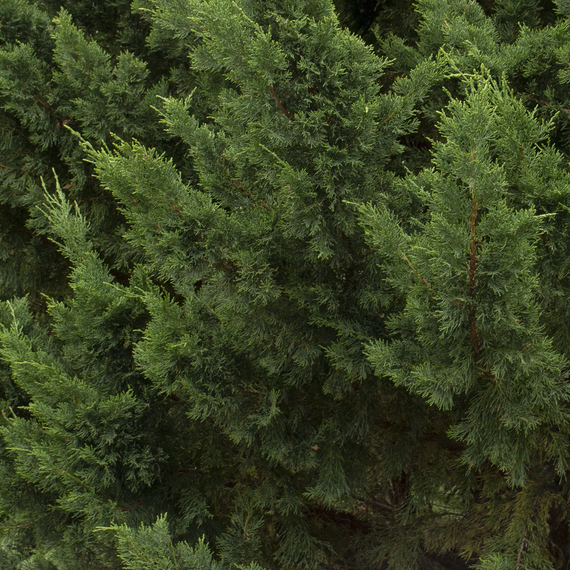
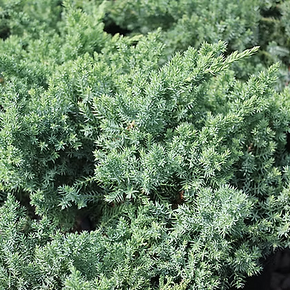
- Rich, vivid bluish-green scale foliage provides year-round color and texture, while peeling, reddish-brown bark on mature stems adds an additional layer of visual interest.
- Highly versatile in the landscape — ideal as a striking specimen, informal privacy screen, windbreak, or as the star of an Asian-inspired or contemporary garden design.
Hollywood Juniper (Juniperus chinensis 'Kaizuka') is a standout evergreen shrub or small tree celebrated for its arrestingly sculptural, windswept silhouette that sets it apart from every other conifer in the garden. Originally introduced to the United States from Japan in 1920, it earned its memorable common name from the countless specimens planted across Los Angeles, where its artistic, flame-like form perfectly matched the city's flair for the dramatic. Upright and irregular in habit, its branches twist and spiral skyward in unpredictable, organic patterns — the result resembling the work of a master sculptor or bonsai artist working at full scale. Dense clusters of bright, vivid bluish-green scale-type foliage clothe the twisted stems year-round, maintaining fresh color through summer heat and winter cold alike. Hardy in USDA Zones 4 through 9, this resilient evergreen thrives in full sun across a wide variety of well-drained soils and, once established, shrugs off drought, salt spray, and urban pollution with ease. Whether planted as a commanding lone specimen, massed into a naturalistic privacy hedge, used as a windbreak along a property line, or incorporated into a Japanese-style or contemporary garden, Hollywood Juniper delivers bold structure, year-round beauty, and remarkably low maintenance demand — making it one of the most rewarding landscape investments available for Southern Oregon and Northern California gardens.
Plant Description
Hollywood Juniper is an upright, irregularly shaped needled evergreen belonging to the cypress family (Cupressaceae). Its most defining characteristic is its naturally twisting, spiraling branch structure, which creates an organic, sculptural silhouette often compared to living flames or a master bonsai composition scaled to full size. The foliage is composed predominantly (90% or more) of tightly clustered, vivid bluish-green scale-type leaves arranged in four ranks along upright, slightly twisted shoots. Juvenile foliage may also display awl-shaped, needle-like leaves. On mature plants, the bark peels away in attractive reddish-brown strips, adding ornamental interest to the trunk and main branches. Female plants produce small, fleshy, berry-like seed cones that are initially glaucous whitish-blue and age to a violet-brown over two years. Because each plant's branching pattern develops slightly differently, no two Hollywood Junipers are ever exactly alike — each one is truly a unique specimen. The overall texture is medium, and the foliage retains its rich color and appeal throughout all four seasons.
Mature Size and Growth Rate
| Characteristic | Detail |
|---|---|
| Mature Height | 15 to 30 feet |
| Mature Spread | 10 to 15 feet |
| Growth Rate | Slow to moderate; typically 6 to 12 inches per year |
| Growth Habit | Upright, irregular, and open — varies from plant to plant |
| Plant Type | Evergreen shrub or small tree |
Because of its slow to moderate pace of growth, Hollywood Juniper is a long-term landscape investment that rewards patience. Its ultimate size can vary considerably depending on growing conditions and the individual specimen. Plants are rarely, if ever, sheared to control size, as the natural, unsheared form is the primary ornamental asset of this cultivar.
Hardiness Zones and Climate Tolerance
Hollywood Juniper is hardy in USDA Plant Hardiness Zones 4 through 9, tolerating minimum winter temperatures down to approximately -20 to -30 degrees Fahrenheit in the coldest zones. This wide range makes it suitable for landscapes from the Pacific Northwest coast all the way through the warmer regions of Southern California, including the full range of growing conditions found in Southern Oregon and Northern California. It performs exceptionally well in the heat and dryness of inland valleys and is equally at home in coastal gardens where salt air and wind are factors. In very cold northern climates, newly planted specimens may benefit from wind protection during their first winter until fully established.
Sunlight Requirements
Hollywood Juniper thrives in full sun and should receive a minimum of 6 to 8 hours of direct sunlight per day for the best growth, densest foliage, and most vibrant color. While it can tolerate partial shade, reduced light often leads to sparser foliage, a more open and less vigorous habit, and potential weakening of the plant over time. When siting Hollywood Juniper, always choose the sunniest available location. In Southern Oregon and Northern California's typically sunny climate, this plant is well-suited to most open, unshaded landscape positions.
Soil and pH Preferences
One of Hollywood Juniper's greatest landscape strengths is its adaptability to a wide range of soil types. It performs well in sandy, loamy, and even clay soils, provided drainage is adequate. The single non-negotiable requirement is that the soil must drain freely — this plant will not tolerate chronically wet or waterlogged conditions, which lead directly to root rot and decline. Ideal soil pH ranges from mildly acidic to mildly alkaline (approximately 5.5 to 8.0), and the plant is considered pH-adaptable overall. It tolerates poor, rocky, and shallow soils and shows notable resilience in coastal conditions where soils may be sandy and saline. Amending heavy clay soils with organic matter at planting time can improve drainage and give roots a better start.
Watering Guide
- Newly planted (Year 1-2): Water every 3 to 5 days during the first month to help the root system establish. Gradually reduce to once per week during the active growing season, adjusting based on rainfall and temperature.
- Established plants: Hollywood Juniper is drought-tolerant once established and generally only requires supplemental irrigation during prolonged dry spells or periods of extreme summer heat.
- Watering method: Deep, infrequent watering is strongly preferred over frequent shallow watering. Deep watering encourages robust root development. A soaker hose or drip irrigation placed at the drip line is ideal.
- Winter watering: Reduce irrigation significantly in winter. Overwatering during cool, wet months is a leading cause of root rot in junipers.
- Signs of overwatering: Yellowing or browning of inner or lower foliage, soft stems near the base, and a waterlogged soil smell.
- Signs of underwatering: Dry, brittle foliage, browning needle tips, and premature needle drop, especially during summer heat.
Fertilizing
Hollywood Juniper is not a heavy feeder and does not require frequent fertilization. A single application of a balanced, slow-release fertilizer formulated for evergreen trees and shrubs — such as a 10-10-10 granular product — applied once in early spring just as new growth begins is generally sufficient. Spread the fertilizer evenly around the tree's drip line (the area beneath the outermost branch tips) and water thoroughly after application to move nutrients into the root zone. Avoid fertilizing in late summer or fall, as this can stimulate a flush of soft new growth that is vulnerable to frost damage. For gardeners who prefer organic methods, a top-dressing of well-rotted compost or aged manure worked lightly into the soil around the base in early spring provides a gentle, slow-release nutrient boost without the risk of over-fertilization. Yellowing foliage not explained by overwatering or disease may indicate a nutrient deficiency; a soil test can help identify any specific deficiencies before supplementing.
Planting Instructions
- Select a site that receives at least 6 to 8 hours of full sun daily and has well-draining soil. Avoid low-lying areas or spots where water pools after rain.
- Dig a planting hole as deep as the root ball and approximately twice as wide to encourage lateral root expansion.
- Remove the plant from its container and gently tease apart or straighten any circling or girdling roots, which can strangle the trunk over time if left uncorrected.
- Set the plant in the hole so that the top of the root ball sits level with or very slightly above the surrounding soil grade. Planting too deeply can suffocate roots and cause decline.
- Backfill the hole with the native soil, amended with a modest amount of well-rotted compost if the existing soil is very poor or heavy clay. Tamp lightly as you fill to eliminate large air pockets.
- Water thoroughly and deeply immediately after planting to settle the soil around the roots.
- Apply a 2- to 3-inch layer of organic mulch (such as shredded bark or wood chips) over the root zone, keeping mulch a few inches away from the trunk to prevent moisture-related crown rot.
- If planting multiple specimens for a screen or hedge effect, space plants 5 to 8 feet apart to allow for their mature spread and proper air circulation.
Pruning and Maintenance
Hollywood Juniper is best appreciated when allowed to develop its natural, irregular, flame-like form without heavy shearing. Shearing destroys the very sculptural quality that makes this plant special and is strongly discouraged. Routine maintenance pruning should focus on the following:
- Timing: Late winter to early spring, just before new growth begins, is the ideal time for any structural pruning. Minor deadwood removal can be done at any time of year.
- Remove deadwood: Regularly inspect the plant and remove dead, diseased, or broken branches with clean, sharp bypass pruners or loppers.
- Remove crossing branches: Branches that rub together can create wounds susceptible to disease; these can be selectively removed to improve air circulation.
- Avoid cutting into old wood: Like most junipers, Hollywood Juniper does not reliably regenerate growth from old, woody stems that lack foliage. Always make cuts back to a live, foliage-bearing shoot.
- Tool hygiene: Sterilize cutting tools with rubbing alcohol between cuts, especially when removing diseased wood, to prevent the spread of fungal pathogens.
- Topiary and container shaping: If you wish to develop a topiary or bonsai-style form, light directional trimming during the growing season can guide new growth. This should be done with a light touch and creative vision rather than mechanical shearing.
Landscape Uses
Hollywood Juniper is one of the most versatile structural evergreens available for Western landscapes. Its bold, architectural form lends itself to a wide variety of design roles:
- Specimen or focal point: A single plant placed in a prominent location — at the end of a path, in a courtyard, or at the corner of a structure — commands immediate attention and provides year-round form.
- Privacy screen or hedge: When planted in a row 5 to 8 feet apart, Hollywood Junipers grow into a dense, informal screen with exceptional textural interest, far more visually engaging than a clipped formal hedge.
- Windbreak: Its upright, dense habit and wind tolerance make it well-suited as a windbreak for exposed sites, garden rooms, or agricultural edges.
- Foundation planting: Effective as a large-scale foundation plant at building corners, but should be placed at least 5 to 6 feet from any structure to allow for mature spread.
- Asian-inspired gardens: The naturally contorted branching is deeply evocative of classic Japanese and Chinese garden aesthetics, making it a natural fit in Zen-style, Japanese, or contemporary Asian-inspired landscapes.
- Erosion control: Established plants develop extensive root systems suitable for stabilizing slopes or banks.
- Coastal gardens: Salt tolerance and wind resilience make this an excellent choice for coastal and near-coastal landscapes in Northern California and Southern Oregon.
- Topiary and container growing: Its naturally artistic form can be further enhanced through selective pruning into topiary specimens, and it performs well in large containers for patio or entry use.
Companion Plants
Hollywood Juniper pairs beautifully with plants that complement its bold, upright structure and muted, blue-green foliage without competing visually for dominance. Consider the following companions for a cohesive, low-maintenance planting:
- Lavender (Lavandula spp.): The soft silver-purple texture and fragrance of lavender contrast beautifully at the feet of Hollywood Juniper while sharing similar drought-tolerant, full-sun preferences.
- Ornamental grasses (Muhlenbergia, Festuca, Pennisetum): Flowing, fine-textured grasses create a dynamic contrast with the juniper's rigid, sculptural branching.
- Salvia (Salvia spp.): Upright or mounding salvias provide seasonal flower color and complement the juniper's informal character.
- Creeping thyme (Thymus serpyllum): A low-growing groundcover that fills space beneath the canopy while echoing the aromatic quality of the juniper.
- Cistus (rock rose): Drought-tolerant and at home in well-drained, sun-baked sites, rock roses provide colorful blooms that soften the juniper's bold form.
- Boulders and decomposed granite: In dry garden and rock garden settings, pairing Hollywood Juniper with natural stone emphasizes its sculptural quality and suits the water-wise gardens of the Pacific Southwest.
- Other junipers and low conifers: Combining with low-spreading or ground-cover junipers creates a layered, cohesive evergreen composition with varied textures and forms.
Pests and Diseases
Hollywood Juniper is generally a robust, problem-resistant plant when properly sited and cared for. The following pests and diseases may occasionally be encountered:
- Aphids: Small, soft-bodied insects that cluster on new growth. Minor infestations on healthy plants are rarely serious. Treat with insecticidal soap or a strong stream of water if populations are high.
- Bagworms (Thyridopteryx ephemeraeformis): Caterpillars that construct small, spindle-shaped bags of plant debris on branches. Hand-pick bags in winter or apply Bacillus thuringiensis (Bt) when caterpillars are young in spring.
- Scale insects: Appear as small waxy or shell-like bumps on stems. Treat with horticultural oil applied during the dormant season or insecticidal soap during the crawler stage.
- Spider mites: More common during hot, dry weather. Symptoms include stippled, dull foliage. Treat with insecticidal soap, neem oil, or miticide; increase humidity around the plant if possible.
- Tip and needle blight (Phomopsis/Kabatina spp.): Fungal diseases that cause browning of branch tips. Improve air circulation through selective pruning, avoid overhead irrigation, and apply a copper-based fungicide if needed.
- Cedar-apple rust (Gymnosporangium juniperi-virginianae): A fungal disease that alternates between junipers and apple family plants. Manifests as orange, gelatinous galls on juniper branches. Remove galls when found and avoid planting near susceptible Rosaceae family plants.
- Root rot (Phytophthora spp.): Almost always caused by poorly drained or persistently wet soil. Ensure excellent drainage at planting; there is no effective cure once established — prevention is key.
- Canker: May attack bark or main stems, causing dieback. Remove affected wood with sterilized tools and dispose of cuttings away from the garden.
Hollywood Juniper is notably resistant to deer browsing, drought stress, salt, urban air pollution, and erosion. A healthy, well-sited plant will naturally resist most pest and disease pressure with minimal intervention.
Seasonal Interest and Wildlife Value
Hollywood Juniper delivers genuine four-season ornamental value, making it a reliable backbone plant in any landscape planting scheme:
- Spring: Fresh new growth emerges in bright green, adding a subtle seasonal contrast to the established foliage. An excellent time to evaluate the plant's structure and perform any light maintenance pruning.
- Summer: Rich, vivid bluish-green foliage is at its most lush. The bold, upright silhouette provides welcome vertical structure and shade interest during the hottest months.
- Fall: Foliage color remains consistent and attractive. On female plants, small fleshy cones may be maturing from glaucous blue toward violet-brown, adding a subtle but attractive fruiting display.
- Winter: Hollywood Juniper remains fully evergreen, providing structure, color, and privacy screening when deciduous plants are bare. The twisted branching is perhaps most visible and dramatic against a winter sky.
In terms of wildlife value, Hollywood Juniper is bird-friendly — the berry-like seed cones on female plants are a food source for songbirds and other wildlife. The dense branching also provides excellent nesting cover and year-round shelter for birds. Its deer resistance is an important practical benefit in rural and suburban areas of Southern Oregon and Northern California where deer pressure is common.
Container Growing
Hollywood Juniper can be grown successfully in containers, making it an outstanding option for patios, entryways, rooftop gardens, and other paved or confined spaces where in-ground planting is not possible. For container culture, keep the following guidelines in mind:
- Container size: Choose a large, sturdy container — a minimum of 18 to 24 inches in diameter and equal depth — to accommodate root development and provide stability for the plant's upright form. As the plant matures, plan to re-pot into progressively larger containers every few years.
- Potting mix: Use a high-quality, fast-draining potting mix formulated for trees and shrubs, or blend standard potting mix with perlite or coarse grit to ensure excellent drainage. Never use dense garden soil in containers.
- Drainage: Ensure the container has generous drainage holes. Elevating the pot on feet or a stand can further improve drainage and air circulation beneath the container.
- Watering: Container plants dry out faster than in-ground plants, especially in warm weather. Check soil moisture regularly and water when the top 1 to 2 inches of potting mix are dry. Do not allow the root ball to dry out completely.
- Fertilizing: Container-grown plants benefit from light, regular fertilization during the growing season using a slow-release granular evergreen fertilizer or a balanced liquid fertilizer applied at half strength every 4 to 6 weeks from spring through midsummer.
- Placement: Position in full sun for best foliage density and vigor. A south- or west-facing patio exposure is ideal in most Pacific Coast climates.
- Winter care in containers: In areas with cold winters, container roots are more exposed to freezing temperatures than in-ground plants. Move containers to a sheltered location or insulate the pot with burlap or bubble wrap during hard freezes.
Origin and History
Juniperus chinensis, the Chinese juniper, is native to a wide range of East Asian territories including China, Japan, Mongolia, and the Himalayas, where it grows in diverse habitats from rocky mountain slopes to coastal areas. The cultivar 'Kaizuka' was developed in Japan and introduced to the United States in 1920. Its artistic, contorted branching habit proved immediately popular in the warm, sunny climates of the American Southwest and California, where it was planted extensively across Los Angeles-area landscapes throughout the mid-twentieth century. This proliferation across the entertainment capital of the nation gave rise to its enduring common name: Hollywood Juniper. The cultivar name 'Kaizuka' is the correct, original Japanese name for this plant; an alternative cultivar name, 'Torulosa,' was applied in error and remains in common use today as an accepted trade name, though 'Kaizuka' is the botanically recognized designation. Its introduction from Japan also fits naturally into the long tradition of Japanese gardening aesthetics, where contorted, wind-sculptured conifers are prized as symbols of endurance, age, and natural beauty.
- Dramatic sculptural form with naturally twisted, spiraling branches that rise like living flames — no two plants are identical, making every specimen a one-of-a-kind garden focal point.
- Exceptionally tough and low-maintenance evergreen with outstanding tolerance for drought, heat, salt, urban air pollution, and a wide range of soil types including clay.
- Rich, vivid bluish-green scale foliage provides year-round color and texture, while peeling, reddish-brown bark on mature stems adds an additional layer of visual interest.
- Highly versatile in the landscape — ideal as a striking specimen, informal privacy screen, windbreak, or as the star of an Asian-inspired or contemporary garden design.
Hollywood Juniper (Juniperus chinensis 'Kaizuka') is a standout evergreen shrub or small tree celebrated for its arrestingly sculptural, windswept silhouette that sets it apart from every other conifer in the garden. Originally introduced to the United States from Japan in 1920, it earned its memorable common name from the countless specimens planted across Los Angeles, where its artistic, flame-like form perfectly matched the city's flair for the dramatic. Upright and irregular in habit, its branches twist and spiral skyward in unpredictable, organic patterns — the result resembling the work of a master sculptor or bonsai artist working at full scale. Dense clusters of bright, vivid bluish-green scale-type foliage clothe the twisted stems year-round, maintaining fresh color through summer heat and winter cold alike. Hardy in USDA Zones 4 through 9, this resilient evergreen thrives in full sun across a wide variety of well-drained soils and, once established, shrugs off drought, salt spray, and urban pollution with ease. Whether planted as a commanding lone specimen, massed into a naturalistic privacy hedge, used as a windbreak along a property line, or incorporated into a Japanese-style or contemporary garden, Hollywood Juniper delivers bold structure, year-round beauty, and remarkably low maintenance demand — making it one of the most rewarding landscape investments available for Southern Oregon and Northern California gardens.
Plant Description
Hollywood Juniper is an upright, irregularly shaped needled evergreen belonging to the cypress family (Cupressaceae). Its most defining characteristic is its naturally twisting, spiraling branch structure, which creates an organic, sculptural silhouette often compared to living flames or a master bonsai composition scaled to full size. The foliage is composed predominantly (90% or more) of tightly clustered, vivid bluish-green scale-type leaves arranged in four ranks along upright, slightly twisted shoots. Juvenile foliage may also display awl-shaped, needle-like leaves. On mature plants, the bark peels away in attractive reddish-brown strips, adding ornamental interest to the trunk and main branches. Female plants produce small, fleshy, berry-like seed cones that are initially glaucous whitish-blue and age to a violet-brown over two years. Because each plant's branching pattern develops slightly differently, no two Hollywood Junipers are ever exactly alike — each one is truly a unique specimen. The overall texture is medium, and the foliage retains its rich color and appeal throughout all four seasons.
Mature Size and Growth Rate
| Characteristic | Detail |
|---|---|
| Mature Height | 15 to 30 feet |
| Mature Spread | 10 to 15 feet |
| Growth Rate | Slow to moderate; typically 6 to 12 inches per year |
| Growth Habit | Upright, irregular, and open — varies from plant to plant |
| Plant Type | Evergreen shrub or small tree |
Because of its slow to moderate pace of growth, Hollywood Juniper is a long-term landscape investment that rewards patience. Its ultimate size can vary considerably depending on growing conditions and the individual specimen. Plants are rarely, if ever, sheared to control size, as the natural, unsheared form is the primary ornamental asset of this cultivar.
Hardiness Zones and Climate Tolerance
Hollywood Juniper is hardy in USDA Plant Hardiness Zones 4 through 9, tolerating minimum winter temperatures down to approximately -20 to -30 degrees Fahrenheit in the coldest zones. This wide range makes it suitable for landscapes from the Pacific Northwest coast all the way through the warmer regions of Southern California, including the full range of growing conditions found in Southern Oregon and Northern California. It performs exceptionally well in the heat and dryness of inland valleys and is equally at home in coastal gardens where salt air and wind are factors. In very cold northern climates, newly planted specimens may benefit from wind protection during their first winter until fully established.
Sunlight Requirements
Hollywood Juniper thrives in full sun and should receive a minimum of 6 to 8 hours of direct sunlight per day for the best growth, densest foliage, and most vibrant color. While it can tolerate partial shade, reduced light often leads to sparser foliage, a more open and less vigorous habit, and potential weakening of the plant over time. When siting Hollywood Juniper, always choose the sunniest available location. In Southern Oregon and Northern California's typically sunny climate, this plant is well-suited to most open, unshaded landscape positions.
Soil and pH Preferences
One of Hollywood Juniper's greatest landscape strengths is its adaptability to a wide range of soil types. It performs well in sandy, loamy, and even clay soils, provided drainage is adequate. The single non-negotiable requirement is that the soil must drain freely — this plant will not tolerate chronically wet or waterlogged conditions, which lead directly to root rot and decline. Ideal soil pH ranges from mildly acidic to mildly alkaline (approximately 5.5 to 8.0), and the plant is considered pH-adaptable overall. It tolerates poor, rocky, and shallow soils and shows notable resilience in coastal conditions where soils may be sandy and saline. Amending heavy clay soils with organic matter at planting time can improve drainage and give roots a better start.
Watering Guide
- Newly planted (Year 1-2): Water every 3 to 5 days during the first month to help the root system establish. Gradually reduce to once per week during the active growing season, adjusting based on rainfall and temperature.
- Established plants: Hollywood Juniper is drought-tolerant once established and generally only requires supplemental irrigation during prolonged dry spells or periods of extreme summer heat.
- Watering method: Deep, infrequent watering is strongly preferred over frequent shallow watering. Deep watering encourages robust root development. A soaker hose or drip irrigation placed at the drip line is ideal.
- Winter watering: Reduce irrigation significantly in winter. Overwatering during cool, wet months is a leading cause of root rot in junipers.
- Signs of overwatering: Yellowing or browning of inner or lower foliage, soft stems near the base, and a waterlogged soil smell.
- Signs of underwatering: Dry, brittle foliage, browning needle tips, and premature needle drop, especially during summer heat.
Fertilizing
Hollywood Juniper is not a heavy feeder and does not require frequent fertilization. A single application of a balanced, slow-release fertilizer formulated for evergreen trees and shrubs — such as a 10-10-10 granular product — applied once in early spring just as new growth begins is generally sufficient. Spread the fertilizer evenly around the tree's drip line (the area beneath the outermost branch tips) and water thoroughly after application to move nutrients into the root zone. Avoid fertilizing in late summer or fall, as this can stimulate a flush of soft new growth that is vulnerable to frost damage. For gardeners who prefer organic methods, a top-dressing of well-rotted compost or aged manure worked lightly into the soil around the base in early spring provides a gentle, slow-release nutrient boost without the risk of over-fertilization. Yellowing foliage not explained by overwatering or disease may indicate a nutrient deficiency; a soil test can help identify any specific deficiencies before supplementing.
Planting Instructions
- Select a site that receives at least 6 to 8 hours of full sun daily and has well-draining soil. Avoid low-lying areas or spots where water pools after rain.
- Dig a planting hole as deep as the root ball and approximately twice as wide to encourage lateral root expansion.
- Remove the plant from its container and gently tease apart or straighten any circling or girdling roots, which can strangle the trunk over time if left uncorrected.
- Set the plant in the hole so that the top of the root ball sits level with or very slightly above the surrounding soil grade. Planting too deeply can suffocate roots and cause decline.
- Backfill the hole with the native soil, amended with a modest amount of well-rotted compost if the existing soil is very poor or heavy clay. Tamp lightly as you fill to eliminate large air pockets.
- Water thoroughly and deeply immediately after planting to settle the soil around the roots.
- Apply a 2- to 3-inch layer of organic mulch (such as shredded bark or wood chips) over the root zone, keeping mulch a few inches away from the trunk to prevent moisture-related crown rot.
- If planting multiple specimens for a screen or hedge effect, space plants 5 to 8 feet apart to allow for their mature spread and proper air circulation.
Pruning and Maintenance
Hollywood Juniper is best appreciated when allowed to develop its natural, irregular, flame-like form without heavy shearing. Shearing destroys the very sculptural quality that makes this plant special and is strongly discouraged. Routine maintenance pruning should focus on the following:
- Timing: Late winter to early spring, just before new growth begins, is the ideal time for any structural pruning. Minor deadwood removal can be done at any time of year.
- Remove deadwood: Regularly inspect the plant and remove dead, diseased, or broken branches with clean, sharp bypass pruners or loppers.
- Remove crossing branches: Branches that rub together can create wounds susceptible to disease; these can be selectively removed to improve air circulation.
- Avoid cutting into old wood: Like most junipers, Hollywood Juniper does not reliably regenerate growth from old, woody stems that lack foliage. Always make cuts back to a live, foliage-bearing shoot.
- Tool hygiene: Sterilize cutting tools with rubbing alcohol between cuts, especially when removing diseased wood, to prevent the spread of fungal pathogens.
- Topiary and container shaping: If you wish to develop a topiary or bonsai-style form, light directional trimming during the growing season can guide new growth. This should be done with a light touch and creative vision rather than mechanical shearing.
Landscape Uses
Hollywood Juniper is one of the most versatile structural evergreens available for Western landscapes. Its bold, architectural form lends itself to a wide variety of design roles:
- Specimen or focal point: A single plant placed in a prominent location — at the end of a path, in a courtyard, or at the corner of a structure — commands immediate attention and provides year-round form.
- Privacy screen or hedge: When planted in a row 5 to 8 feet apart, Hollywood Junipers grow into a dense, informal screen with exceptional textural interest, far more visually engaging than a clipped formal hedge.
- Windbreak: Its upright, dense habit and wind tolerance make it well-suited as a windbreak for exposed sites, garden rooms, or agricultural edges.
- Foundation planting: Effective as a large-scale foundation plant at building corners, but should be placed at least 5 to 6 feet from any structure to allow for mature spread.
- Asian-inspired gardens: The naturally contorted branching is deeply evocative of classic Japanese and Chinese garden aesthetics, making it a natural fit in Zen-style, Japanese, or contemporary Asian-inspired landscapes.
- Erosion control: Established plants develop extensive root systems suitable for stabilizing slopes or banks.
- Coastal gardens: Salt tolerance and wind resilience make this an excellent choice for coastal and near-coastal landscapes in Northern California and Southern Oregon.
- Topiary and container growing: Its naturally artistic form can be further enhanced through selective pruning into topiary specimens, and it performs well in large containers for patio or entry use.
Companion Plants
Hollywood Juniper pairs beautifully with plants that complement its bold, upright structure and muted, blue-green foliage without competing visually for dominance. Consider the following companions for a cohesive, low-maintenance planting:
- Lavender (Lavandula spp.): The soft silver-purple texture and fragrance of lavender contrast beautifully at the feet of Hollywood Juniper while sharing similar drought-tolerant, full-sun preferences.
- Ornamental grasses (Muhlenbergia, Festuca, Pennisetum): Flowing, fine-textured grasses create a dynamic contrast with the juniper's rigid, sculptural branching.
- Salvia (Salvia spp.): Upright or mounding salvias provide seasonal flower color and complement the juniper's informal character.
- Creeping thyme (Thymus serpyllum): A low-growing groundcover that fills space beneath the canopy while echoing the aromatic quality of the juniper.
- Cistus (rock rose): Drought-tolerant and at home in well-drained, sun-baked sites, rock roses provide colorful blooms that soften the juniper's bold form.
- Boulders and decomposed granite: In dry garden and rock garden settings, pairing Hollywood Juniper with natural stone emphasizes its sculptural quality and suits the water-wise gardens of the Pacific Southwest.
- Other junipers and low conifers: Combining with low-spreading or ground-cover junipers creates a layered, cohesive evergreen composition with varied textures and forms.
Pests and Diseases
Hollywood Juniper is generally a robust, problem-resistant plant when properly sited and cared for. The following pests and diseases may occasionally be encountered:
- Aphids: Small, soft-bodied insects that cluster on new growth. Minor infestations on healthy plants are rarely serious. Treat with insecticidal soap or a strong stream of water if populations are high.
- Bagworms (Thyridopteryx ephemeraeformis): Caterpillars that construct small, spindle-shaped bags of plant debris on branches. Hand-pick bags in winter or apply Bacillus thuringiensis (Bt) when caterpillars are young in spring.
- Scale insects: Appear as small waxy or shell-like bumps on stems. Treat with horticultural oil applied during the dormant season or insecticidal soap during the crawler stage.
- Spider mites: More common during hot, dry weather. Symptoms include stippled, dull foliage. Treat with insecticidal soap, neem oil, or miticide; increase humidity around the plant if possible.
- Tip and needle blight (Phomopsis/Kabatina spp.): Fungal diseases that cause browning of branch tips. Improve air circulation through selective pruning, avoid overhead irrigation, and apply a copper-based fungicide if needed.
- Cedar-apple rust (Gymnosporangium juniperi-virginianae): A fungal disease that alternates between junipers and apple family plants. Manifests as orange, gelatinous galls on juniper branches. Remove galls when found and avoid planting near susceptible Rosaceae family plants.
- Root rot (Phytophthora spp.): Almost always caused by poorly drained or persistently wet soil. Ensure excellent drainage at planting; there is no effective cure once established — prevention is key.
- Canker: May attack bark or main stems, causing dieback. Remove affected wood with sterilized tools and dispose of cuttings away from the garden.
Hollywood Juniper is notably resistant to deer browsing, drought stress, salt, urban air pollution, and erosion. A healthy, well-sited plant will naturally resist most pest and disease pressure with minimal intervention.
Seasonal Interest and Wildlife Value
Hollywood Juniper delivers genuine four-season ornamental value, making it a reliable backbone plant in any landscape planting scheme:
- Spring: Fresh new growth emerges in bright green, adding a subtle seasonal contrast to the established foliage. An excellent time to evaluate the plant's structure and perform any light maintenance pruning.
- Summer: Rich, vivid bluish-green foliage is at its most lush. The bold, upright silhouette provides welcome vertical structure and shade interest during the hottest months.
- Fall: Foliage color remains consistent and attractive. On female plants, small fleshy cones may be maturing from glaucous blue toward violet-brown, adding a subtle but attractive fruiting display.
- Winter: Hollywood Juniper remains fully evergreen, providing structure, color, and privacy screening when deciduous plants are bare. The twisted branching is perhaps most visible and dramatic against a winter sky.
In terms of wildlife value, Hollywood Juniper is bird-friendly — the berry-like seed cones on female plants are a food source for songbirds and other wildlife. The dense branching also provides excellent nesting cover and year-round shelter for birds. Its deer resistance is an important practical benefit in rural and suburban areas of Southern Oregon and Northern California where deer pressure is common.
Container Growing
Hollywood Juniper can be grown successfully in containers, making it an outstanding option for patios, entryways, rooftop gardens, and other paved or confined spaces where in-ground planting is not possible. For container culture, keep the following guidelines in mind:
- Container size: Choose a large, sturdy container — a minimum of 18 to 24 inches in diameter and equal depth — to accommodate root development and provide stability for the plant's upright form. As the plant matures, plan to re-pot into progressively larger containers every few years.
- Potting mix: Use a high-quality, fast-draining potting mix formulated for trees and shrubs, or blend standard potting mix with perlite or coarse grit to ensure excellent drainage. Never use dense garden soil in containers.
- Drainage: Ensure the container has generous drainage holes. Elevating the pot on feet or a stand can further improve drainage and air circulation beneath the container.
- Watering: Container plants dry out faster than in-ground plants, especially in warm weather. Check soil moisture regularly and water when the top 1 to 2 inches of potting mix are dry. Do not allow the root ball to dry out completely.
- Fertilizing: Container-grown plants benefit from light, regular fertilization during the growing season using a slow-release granular evergreen fertilizer or a balanced liquid fertilizer applied at half strength every 4 to 6 weeks from spring through midsummer.
- Placement: Position in full sun for best foliage density and vigor. A south- or west-facing patio exposure is ideal in most Pacific Coast climates.
- Winter care in containers: In areas with cold winters, container roots are more exposed to freezing temperatures than in-ground plants. Move containers to a sheltered location or insulate the pot with burlap or bubble wrap during hard freezes.
Origin and History
Juniperus chinensis, the Chinese juniper, is native to a wide range of East Asian territories including China, Japan, Mongolia, and the Himalayas, where it grows in diverse habitats from rocky mountain slopes to coastal areas. The cultivar 'Kaizuka' was developed in Japan and introduced to the United States in 1920. Its artistic, contorted branching habit proved immediately popular in the warm, sunny climates of the American Southwest and California, where it was planted extensively across Los Angeles-area landscapes throughout the mid-twentieth century. This proliferation across the entertainment capital of the nation gave rise to its enduring common name: Hollywood Juniper. The cultivar name 'Kaizuka' is the correct, original Japanese name for this plant; an alternative cultivar name, 'Torulosa,' was applied in error and remains in common use today as an accepted trade name, though 'Kaizuka' is the botanically recognized designation. Its introduction from Japan also fits naturally into the long tradition of Japanese gardening aesthetics, where contorted, wind-sculptured conifers are prized as symbols of endurance, age, and natural beauty.
Related Products


