

Zoom the image with the mouse
Moonglow Juniper - 1 Gallon
SKU:
230765
$11.99
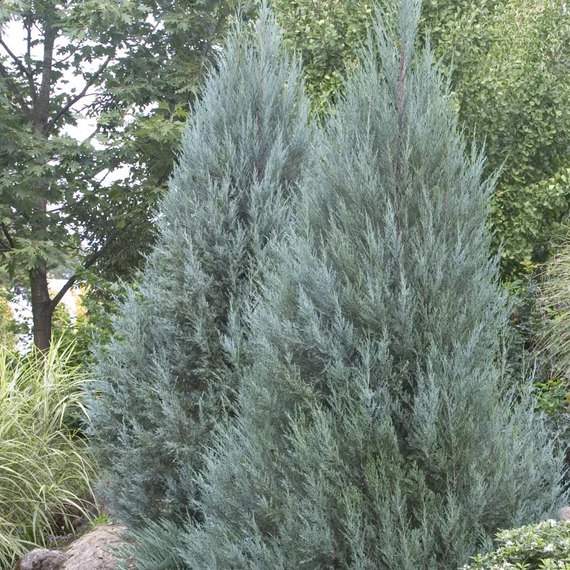
- Strikingly intense silvery-blue foliage holds its luminous color year-round, creating a moonlit glow that makes this evergreen a standout focal point in any landscape.
- Dense, broad pyramidal form grows 15-20 feet tall and 4-8 feet wide, delivering natural structure, privacy screening, and windbreak performance with minimal pruning required.
- Exceptionally tough and adaptable — thrives in drought, urban pollution, coastal salt spray, wind, and a wide range of soil types, and is reliably deer resistant.
- Hardy to USDA Zone 3, tolerating temperatures as low as -30°F, making it one of the most cold-hardy ornamental evergreens available for Western landscapes.
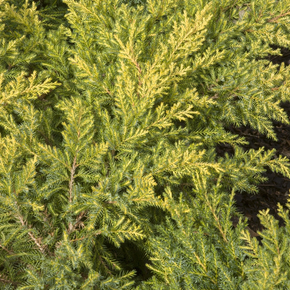
Moonglow Juniper (Juniperus scopulorum 'Moonglow') is a stunning Rocky Mountain native conifer cultivar prized for its exceptionally showy, silvery-blue foliage that seems to glow with a cool, moonlit radiance in any light — and especially at dusk. Growing in a dense, broad pyramidal form with tightly compact branching, this evergreen tree reaches a mature height of 15 to 20 feet with a spread of 4 to 8 feet, providing bold vertical structure and year-round color that few other conifers can match. The scale-like, silver-blue foliage does not fade or bronze in winter, maintaining its striking ornamental appeal throughout all four seasons. Exceptionally adaptable, Moonglow Juniper tolerates drought, wind, urban air pollution, coastal salt spray, clay or sandy soils, and alkaline conditions, making it an outstanding low-maintenance choice for Southern Oregon and Northern California landscapes. Whether used as a dramatic specimen, a formal privacy screen, a windbreak, or a repeated element in group plantings, this reliable workhorse of the landscape combines tough-as-nails performance with undeniable beauty.
Plant Description
Moonglow Juniper is a selected cultivar of Rocky Mountain Juniper (Juniperus scopulorum), a species native to the dry, rocky ridges of the eastern Rocky Mountains from Alberta south to Texas and west to British Columbia and eastern Oregon. The 'Moonglow' selection was chosen for its exceptionally intense silvery-blue foliage color, dense compact-branching habit, and naturally symmetrical broad pyramidal form. The foliage is composed of tightly appressed, scale-like needles that give the plant a soft yet full texture. Unlike many evergreens that lose their color or bronze out in cold weather, Moonglow maintains its vivid silver-blue tone throughout the year, providing a clean, luminous presence in the landscape regardless of the season. The plant's common name is no coincidence — the silvery foliage softly reflects surrounding light, creating a glowing effect that is particularly magical in the evening garden. It grows at a moderate rate of approximately 1 to 2 feet per year, eventually maturing into a stately, architectural specimen that requires very little intervention to maintain its natural shape.
Mature Size
| Characteristic | Measurement |
|---|---|
| Mature Height | 15 to 20 feet (occasionally to 20-25 feet in ideal conditions) |
| Mature Spread | 4 to 8 feet |
| Growth Rate | Moderate; approximately 1 to 2 feet per year |
| Growth Form | Dense, broad pyramidal to columnar |
| Years to Landscape Maturity | Approximately 2 to 3 years after planting |
| Lifespan | 70 years or more under suitable growing conditions |
Hardiness and Climate
Moonglow Juniper is one of the most cold-tolerant ornamental conifers available, rated hardy in USDA Zones 3 through 9. It can withstand temperatures as low as -30°F (-34°C), making it suitable for harsh, high-elevation, or inland climates where many other evergreens struggle. At the same time, its heat and drought tolerance also allows it to thrive comfortably in warmer Zone 8 and Zone 9 gardens across Southern Oregon and Northern California, provided drainage is adequate. It is native to dry, rocky, exposed ridges of the Rocky Mountain region, so it is naturally adapted to temperature extremes, temperature fluctuations, and low-moisture environments. In snowy regions, heavy ice or snow accumulation on branches can cause splaying; gently shaking off heavy buildup helps maintain the tight, upright form. It tolerates wind, urban pollution, and coastal salt spray with ease.
Sunlight Requirements
Moonglow Juniper performs best and develops its most vibrant silvery-blue foliage color when grown in full sun — defined as a minimum of 6 to 8 hours of direct sunlight per day. Full sun is strongly recommended for the most compact, dense growth habit and the most intense color display. While this juniper can tolerate partial sun (dappled light or 4 to 6 hours of direct sun), foliage color may become less vivid and the plant may develop a slightly looser growth habit. Full shade is not suitable and will negatively impact the health and appearance of the plant over time. When siting your Moonglow Juniper, choose the sunniest, most open location available for best results.
Soil and pH Preferences
Moonglow Juniper is highly adaptable to a wide range of soil types and is not considered fussy about growing conditions, with one critical requirement: excellent drainage. Standing water or consistently wet, soggy soil will cause root rot and decline. This plant performs well in:
- Sandy, gravelly, or rocky soils — its preferred natural habitat
- Loamy garden soils with good drainage
- Clay-based soils, as long as drainage is not impeded (amend with coarse sand or grit if needed)
- Lean, low-fertility soils where many other plants struggle
- Alkaline to slightly acidic soils — a pH range of approximately 4.5 to 8.5 is tolerated, with a preferred range of 6.0 to 7.5
When planting in heavy clay, consider raising the planting area slightly or incorporating coarse amendments to improve drainage around the root zone. Avoid low-lying areas where water naturally collects after rain.
Watering Guide
Moonglow Juniper is highly drought tolerant once established, but consistent moisture during the first one to two growing seasons is essential for successful establishment.
- First growing season: Water deeply once or twice per week during dry periods to encourage deep root development. Allow the soil to dry slightly between waterings — never allow the root zone to remain waterlogged.
- Second growing season: Reduce watering frequency as roots extend outward. Supplement rainfall only during extended dry stretches.
- Established plants: Once fully rooted in, Moonglow Juniper requires minimal supplemental irrigation. In Southern Oregon and Northern California, it typically thrives on natural rainfall alone during cooler months. During prolonged summer heat or drought, occasional deep watering is beneficial.
- Avoid overwatering: Excess moisture is the most common cause of decline in junipers. Always allow the soil to dry between irrigation cycles.
Fertilizing
Moonglow Juniper has modest fertility needs and does not require heavy feeding. In most garden soils, a light annual application is sufficient to maintain healthy growth and foliage color.
- When to fertilize: Apply fertilizer in early spring as new growth begins. Avoid fertilizing in late summer or fall, as this encourages tender new growth that may not harden off before cold weather arrives.
- What to use: A balanced, slow-release granular fertilizer formulated for trees and shrubs (such as a 10-10-10 or similar general-purpose formula) works well. Organic options such as compost, aged manure, or organic evergreen fertilizers are excellent choices that also improve soil structure and microbial health.
- How much: Follow label directions based on plant size. Less is more — avoid excess nitrogen, which can promote soft, lush growth at the expense of the plant's natural form and cold hardiness.
- Mulching: A 2- to 3-inch layer of organic mulch around the base (kept away from the trunk) helps conserve moisture, moderate soil temperature, and slowly feeds the plant as it breaks down.
Pruning and Maintenance
One of the great advantages of Moonglow Juniper is that it requires very little pruning to maintain its attractive natural pyramidal form. However, light grooming can help refine the shape or manage size over time.
- Best time to prune: Late winter to early spring, just before new growth emerges. Light shaping can also be done in early summer after the flush of new growth has extended and begun to harden.
- What to remove: Dead, damaged, or diseased branches can be removed at any time of year. Interior dead wood should be cleared out periodically to improve air circulation.
- Important caution: Do not cut back hard into old, bare wood. Junipers do not regenerate growth well from bare, woody stems. Always maintain some green foliage on any branch you trim.
- For hedges or formal screens: Trim the outer tips lightly with hand pruners rather than shearing, which can create a flat surface of brown stubble and reduces the natural texture of the foliage.
- Snow and ice: In heavy winter weather, gently brush or shake off accumulated snow and ice to prevent branch splaying and structural damage.
Planting Instructions
- Choose a planting location in full sun with well-drained soil. Avoid areas with standing water or heavy, poorly draining clay without amendment.
- Dig a planting hole two to three times as wide as the root ball and only as deep as the root ball height — the top of the root ball should sit level with or very slightly above the surrounding soil grade.
- If soil is especially poor or heavy clay, widen the hole and mix the removed soil with coarse sand, perlite, or a quality planting amendment at a ratio of roughly half-and-half to improve drainage.
- Remove the plant from its container and gently loosen any circling or compacted roots.
- Position the tree in the center of the hole with the most attractive side facing the primary viewing direction.
- Backfill with the native soil or amended mix, firming it gently in layers to eliminate air pockets. Do not bury the root crown.
- Build a shallow watering berm around the outside edge of the planting hole to direct irrigation water to the root zone.
- Apply 2 to 3 inches of organic mulch over the planting area, keeping it a few inches away from the trunk to prevent rot.
- Water deeply and thoroughly immediately after planting, and maintain a consistent watering schedule throughout the first growing season.
Spacing for screens or hedges: Plant 4 to 6 feet apart on center for a solid privacy screen. For individual specimens, allow 6 to 8 feet of spacing to let each tree develop its full natural pyramidal form.
Landscape Uses
Moonglow Juniper is one of the most versatile upright evergreens available for the Western garden. Its silvery-blue color, tight pyramidal form, and tough constitution make it suitable for a wide range of landscape applications:
- Specimen or focal point: Its luminous silver-blue foliage makes a dramatic standalone statement in mixed borders or open lawn areas.
- Privacy screen or hedge: Plant in rows 4 to 6 feet apart for a dense, year-round living screen that blocks views, noise, and wind.
- Windbreak: Excellent for property edges, farm borders, and exposed sites where wind protection is needed.
- Erosion control: The root system helps stabilize slopes and dry banks.
- Xeriscape and low-water gardens: Perfectly suited to drought-tolerant and water-wise landscape designs.
- Formal entry accents: A matched pair flanking a driveway or gate entry provides year-round symmetry and curb appeal.
- Bonsai and topiary: Its dense branching habit and fine-textured foliage make it a popular choice for bonsai culture and formal topiary training.
- Rock gardens: The silvery foliage and drought tolerance complement rocky, well-drained alpine-inspired plantings beautifully.
Companion Plants
The cool silvery-blue tones of Moonglow Juniper pair beautifully with plants that offer contrasting colors, textures, and forms. Consider the following companions for stunning combinations:
- Russian Sage (Perovskia atriplicifolia) — lavender-blue flower spikes echo the cool tones of the juniper's foliage while adding airy movement.
- Purple Coneflower (Echinacea purpurea) — bold warm-pink blooms provide eye-catching contrast against the silver-blue backdrop.
- Creeping Sedum — low-growing, drought-tolerant groundcover that fills in around the base without competing for resources.
- Lavender (Lavandula spp.) — shares the same full-sun, well-drained, drought-tolerant requirements while adding fragrance and soft purple color.
- Catmint (Nepeta spp.) — cascading blue-purple flowers complement the foliage tone and thrive in the same conditions.
- Feather Reed Grass (Calamagrostis x acutiflora) — upright warm-season grass provides textural contrast and softer movement alongside the rigid form of the juniper.
- Blanket Flower (Gaillardia spp.) — fiery orange and red blooms create a vibrant warm-cool contrast that is especially eye-catching in summer borders.
- Desert Marigold (Baileya multiradiata) — bright yellow flowers against the silver-blue foliage create a sunny, high-contrast pairing well suited to dry, sunny sites.
Avoid planting near apple, hawthorn, pear, or serviceberry trees, as junipers can serve as an alternate host for cedar-apple rust fungus, which may affect those nearby plants.
Pests and Diseases
Moonglow Juniper is generally quite pest and disease resistant, and established, healthy plants in suitable conditions rarely experience serious problems. Be aware of the following potential issues:
- Bagworm Caterpillars (Thyridopteryx ephemeraeformis): Spindle-shaped bags of woven foliage and silk may appear on branches in summer. Hand-pick and destroy bags when detected, or treat with Bacillus thuringiensis (Bt) when caterpillars are small and actively feeding.
- Juniper Webworm (Dichomeris marginella): Small caterpillars that web and brown out branch tips. Prune out infested tips and improve air circulation. Insecticidal soap or labeled insecticides can help with severe infestations.
- Spider Mites: More common during hot, dry weather. Leaves may appear faintly stippled or bronzed. Dislodge with a strong spray of water; apply horticultural oil or miticide if populations are severe.
- Scale Insects: Apply horticultural oil in early spring before growth begins to smother overwintering scales. Prune and dispose of heavily infested branches.
- Phomopsis Tip Blight (Phomopsis juniperovora): Causes browning and dieback of new shoot tips, especially in wet spring conditions. Prune infected growth 6 inches below the damaged area, sterilize tools between cuts, and improve air circulation. Avoid overhead irrigation.
- Cedar-Apple Rust (Gymnosporangium juniperi-virginianae): A fungal disease that requires both juniper and a rosaceous host (apple, hawthorn, or pear) to complete its life cycle. Orange gelatinous galls may appear on branches in spring. Remove visible galls and avoid planting near susceptible host trees to minimize risk.
- Root Rot: Not a pest but worth noting — planting in poorly draining soil or overwatering is the most common cause of decline in junipers. Ensure excellent drainage at planting time to prevent this entirely.
Wildlife Value
Moonglow Juniper provides meaningful habitat and food value for local wildlife, making it a rewarding choice for wildlife-friendly landscapes:
- Bird habitat: The dense, layered branching provides excellent shelter and nesting cover for a variety of songbirds and small birds, especially during winter months when other vegetation is bare.
- Bird food source: Female plants produce small, berry-like blue cones (technically modified seed cones called galbuli) that persist on the plant through winter, providing a valuable food source for cedar waxwings, robins, bluebirds, and other fruit-eating bird species. Cones can take 2 to 3 years to fully mature.
- Deer resistant: The aromatic, resinous foliage and dense branching habit make this plant highly resistant to deer browse, a significant advantage in areas with high deer pressure across Southern Oregon and Northern California.
- Small mammal shelter: The dense evergreen foliage also provides year-round cover for small mammals seeking protection from predators and harsh weather.
Note on toxicity: All parts of Juniperus scopulorum are considered toxic if ingested in quantity by humans, dogs, and cats. The berries should not be consumed. Plant in locations where pets and children are not likely to graze on the foliage or cones.
Seasonal Interest
Moonglow Juniper is a true four-season performer that earns its place in the landscape every month of the year:
- Spring: Fresh new growth emerges in the same bright silvery-blue tone as the mature foliage, refreshing the plant's appearance. Inconspicuous pollen cones may appear on male plants.
- Summer: The foliage deepens to a rich, consistent silver-blue that glows brilliantly in full summer sun. Dense form provides a cool visual counterpoint to the warm hues of summer-blooming companions.
- Fall: Maintains its full color while deciduous trees change and drop their leaves around it. The contrast of silver-blue against autumn foliage tones is particularly striking.
- Winter: Unlike many conifers that turn dull, bronze, or olive-green in cold weather, Moonglow holds its bright silvery-blue color through even the coldest months. The persistent blue-gray berry cones add further ornamental interest. The plant's luminous foliage is especially beautiful when touched by frost or a dusting of snow, and it glows softly in the low-angled winter light — a truly magical quality that inspired its name.
Container Growing
Moonglow Juniper can be grown in large containers for several seasons, making it a striking option for entry courtyards, patios, and other hardscaped areas. Keep the following guidelines in mind for success in containers:
- Container size: Choose a container at least 20 to 24 inches wide and deep with ample drainage holes. The pot must be large enough to accommodate healthy root development and provide stability for the tall, upright form of the tree.
- Potting mix: Use a high-quality, well-draining potting mix formulated for trees and shrubs. Add perlite or coarse sand to improve drainage if needed. Avoid dense, water-retentive mixes.
- Watering in containers: Container-grown plants dry out more quickly than in-ground plants. Check soil moisture regularly and water when the top inch or two of soil feels dry. Ensure water drains freely from the bottom of the pot — never allow the container to sit in standing water.
- Fertilizing in containers: Container-grown junipers benefit from a light application of slow-release fertilizer in early spring. Supplement with a liquid fertilizer at half-strength once or twice during the growing season if growth appears sluggish.
- Winter protection: In containers, roots are more exposed to temperature extremes. In colder areas, move containers to a sheltered location, wrap the pot in burlap or bubble wrap, or move to an unheated garage during the coldest weeks to protect the root ball from freezing solid.
- Bonsai use: Moonglow Juniper is also well-suited for bonsai culture, appreciated for its dense branching, scale-like foliage, and attractive silvery color in miniature form.
- Strikingly intense silvery-blue foliage holds its luminous color year-round, creating a moonlit glow that makes this evergreen a standout focal point in any landscape.
- Dense, broad pyramidal form grows 15-20 feet tall and 4-8 feet wide, delivering natural structure, privacy screening, and windbreak performance with minimal pruning required.
- Exceptionally tough and adaptable — thrives in drought, urban pollution, coastal salt spray, wind, and a wide range of soil types, and is reliably deer resistant.
- Hardy to USDA Zone 3, tolerating temperatures as low as -30°F, making it one of the most cold-hardy ornamental evergreens available for Western landscapes.
Moonglow Juniper (Juniperus scopulorum 'Moonglow') is a stunning Rocky Mountain native conifer cultivar prized for its exceptionally showy, silvery-blue foliage that seems to glow with a cool, moonlit radiance in any light — and especially at dusk. Growing in a dense, broad pyramidal form with tightly compact branching, this evergreen tree reaches a mature height of 15 to 20 feet with a spread of 4 to 8 feet, providing bold vertical structure and year-round color that few other conifers can match. The scale-like, silver-blue foliage does not fade or bronze in winter, maintaining its striking ornamental appeal throughout all four seasons. Exceptionally adaptable, Moonglow Juniper tolerates drought, wind, urban air pollution, coastal salt spray, clay or sandy soils, and alkaline conditions, making it an outstanding low-maintenance choice for Southern Oregon and Northern California landscapes. Whether used as a dramatic specimen, a formal privacy screen, a windbreak, or a repeated element in group plantings, this reliable workhorse of the landscape combines tough-as-nails performance with undeniable beauty.
Plant Description
Moonglow Juniper is a selected cultivar of Rocky Mountain Juniper (Juniperus scopulorum), a species native to the dry, rocky ridges of the eastern Rocky Mountains from Alberta south to Texas and west to British Columbia and eastern Oregon. The 'Moonglow' selection was chosen for its exceptionally intense silvery-blue foliage color, dense compact-branching habit, and naturally symmetrical broad pyramidal form. The foliage is composed of tightly appressed, scale-like needles that give the plant a soft yet full texture. Unlike many evergreens that lose their color or bronze out in cold weather, Moonglow maintains its vivid silver-blue tone throughout the year, providing a clean, luminous presence in the landscape regardless of the season. The plant's common name is no coincidence — the silvery foliage softly reflects surrounding light, creating a glowing effect that is particularly magical in the evening garden. It grows at a moderate rate of approximately 1 to 2 feet per year, eventually maturing into a stately, architectural specimen that requires very little intervention to maintain its natural shape.
Mature Size
| Characteristic | Measurement |
|---|---|
| Mature Height | 15 to 20 feet (occasionally to 20-25 feet in ideal conditions) |
| Mature Spread | 4 to 8 feet |
| Growth Rate | Moderate; approximately 1 to 2 feet per year |
| Growth Form | Dense, broad pyramidal to columnar |
| Years to Landscape Maturity | Approximately 2 to 3 years after planting |
| Lifespan | 70 years or more under suitable growing conditions |
Hardiness and Climate
Moonglow Juniper is one of the most cold-tolerant ornamental conifers available, rated hardy in USDA Zones 3 through 9. It can withstand temperatures as low as -30°F (-34°C), making it suitable for harsh, high-elevation, or inland climates where many other evergreens struggle. At the same time, its heat and drought tolerance also allows it to thrive comfortably in warmer Zone 8 and Zone 9 gardens across Southern Oregon and Northern California, provided drainage is adequate. It is native to dry, rocky, exposed ridges of the Rocky Mountain region, so it is naturally adapted to temperature extremes, temperature fluctuations, and low-moisture environments. In snowy regions, heavy ice or snow accumulation on branches can cause splaying; gently shaking off heavy buildup helps maintain the tight, upright form. It tolerates wind, urban pollution, and coastal salt spray with ease.
Sunlight Requirements
Moonglow Juniper performs best and develops its most vibrant silvery-blue foliage color when grown in full sun — defined as a minimum of 6 to 8 hours of direct sunlight per day. Full sun is strongly recommended for the most compact, dense growth habit and the most intense color display. While this juniper can tolerate partial sun (dappled light or 4 to 6 hours of direct sun), foliage color may become less vivid and the plant may develop a slightly looser growth habit. Full shade is not suitable and will negatively impact the health and appearance of the plant over time. When siting your Moonglow Juniper, choose the sunniest, most open location available for best results.
Soil and pH Preferences
Moonglow Juniper is highly adaptable to a wide range of soil types and is not considered fussy about growing conditions, with one critical requirement: excellent drainage. Standing water or consistently wet, soggy soil will cause root rot and decline. This plant performs well in:
- Sandy, gravelly, or rocky soils — its preferred natural habitat
- Loamy garden soils with good drainage
- Clay-based soils, as long as drainage is not impeded (amend with coarse sand or grit if needed)
- Lean, low-fertility soils where many other plants struggle
- Alkaline to slightly acidic soils — a pH range of approximately 4.5 to 8.5 is tolerated, with a preferred range of 6.0 to 7.5
When planting in heavy clay, consider raising the planting area slightly or incorporating coarse amendments to improve drainage around the root zone. Avoid low-lying areas where water naturally collects after rain.
Watering Guide
Moonglow Juniper is highly drought tolerant once established, but consistent moisture during the first one to two growing seasons is essential for successful establishment.
- First growing season: Water deeply once or twice per week during dry periods to encourage deep root development. Allow the soil to dry slightly between waterings — never allow the root zone to remain waterlogged.
- Second growing season: Reduce watering frequency as roots extend outward. Supplement rainfall only during extended dry stretches.
- Established plants: Once fully rooted in, Moonglow Juniper requires minimal supplemental irrigation. In Southern Oregon and Northern California, it typically thrives on natural rainfall alone during cooler months. During prolonged summer heat or drought, occasional deep watering is beneficial.
- Avoid overwatering: Excess moisture is the most common cause of decline in junipers. Always allow the soil to dry between irrigation cycles.
Fertilizing
Moonglow Juniper has modest fertility needs and does not require heavy feeding. In most garden soils, a light annual application is sufficient to maintain healthy growth and foliage color.
- When to fertilize: Apply fertilizer in early spring as new growth begins. Avoid fertilizing in late summer or fall, as this encourages tender new growth that may not harden off before cold weather arrives.
- What to use: A balanced, slow-release granular fertilizer formulated for trees and shrubs (such as a 10-10-10 or similar general-purpose formula) works well. Organic options such as compost, aged manure, or organic evergreen fertilizers are excellent choices that also improve soil structure and microbial health.
- How much: Follow label directions based on plant size. Less is more — avoid excess nitrogen, which can promote soft, lush growth at the expense of the plant's natural form and cold hardiness.
- Mulching: A 2- to 3-inch layer of organic mulch around the base (kept away from the trunk) helps conserve moisture, moderate soil temperature, and slowly feeds the plant as it breaks down.
Pruning and Maintenance
One of the great advantages of Moonglow Juniper is that it requires very little pruning to maintain its attractive natural pyramidal form. However, light grooming can help refine the shape or manage size over time.
- Best time to prune: Late winter to early spring, just before new growth emerges. Light shaping can also be done in early summer after the flush of new growth has extended and begun to harden.
- What to remove: Dead, damaged, or diseased branches can be removed at any time of year. Interior dead wood should be cleared out periodically to improve air circulation.
- Important caution: Do not cut back hard into old, bare wood. Junipers do not regenerate growth well from bare, woody stems. Always maintain some green foliage on any branch you trim.
- For hedges or formal screens: Trim the outer tips lightly with hand pruners rather than shearing, which can create a flat surface of brown stubble and reduces the natural texture of the foliage.
- Snow and ice: In heavy winter weather, gently brush or shake off accumulated snow and ice to prevent branch splaying and structural damage.
Planting Instructions
- Choose a planting location in full sun with well-drained soil. Avoid areas with standing water or heavy, poorly draining clay without amendment.
- Dig a planting hole two to three times as wide as the root ball and only as deep as the root ball height — the top of the root ball should sit level with or very slightly above the surrounding soil grade.
- If soil is especially poor or heavy clay, widen the hole and mix the removed soil with coarse sand, perlite, or a quality planting amendment at a ratio of roughly half-and-half to improve drainage.
- Remove the plant from its container and gently loosen any circling or compacted roots.
- Position the tree in the center of the hole with the most attractive side facing the primary viewing direction.
- Backfill with the native soil or amended mix, firming it gently in layers to eliminate air pockets. Do not bury the root crown.
- Build a shallow watering berm around the outside edge of the planting hole to direct irrigation water to the root zone.
- Apply 2 to 3 inches of organic mulch over the planting area, keeping it a few inches away from the trunk to prevent rot.
- Water deeply and thoroughly immediately after planting, and maintain a consistent watering schedule throughout the first growing season.
Spacing for screens or hedges: Plant 4 to 6 feet apart on center for a solid privacy screen. For individual specimens, allow 6 to 8 feet of spacing to let each tree develop its full natural pyramidal form.
Landscape Uses
Moonglow Juniper is one of the most versatile upright evergreens available for the Western garden. Its silvery-blue color, tight pyramidal form, and tough constitution make it suitable for a wide range of landscape applications:
- Specimen or focal point: Its luminous silver-blue foliage makes a dramatic standalone statement in mixed borders or open lawn areas.
- Privacy screen or hedge: Plant in rows 4 to 6 feet apart for a dense, year-round living screen that blocks views, noise, and wind.
- Windbreak: Excellent for property edges, farm borders, and exposed sites where wind protection is needed.
- Erosion control: The root system helps stabilize slopes and dry banks.
- Xeriscape and low-water gardens: Perfectly suited to drought-tolerant and water-wise landscape designs.
- Formal entry accents: A matched pair flanking a driveway or gate entry provides year-round symmetry and curb appeal.
- Bonsai and topiary: Its dense branching habit and fine-textured foliage make it a popular choice for bonsai culture and formal topiary training.
- Rock gardens: The silvery foliage and drought tolerance complement rocky, well-drained alpine-inspired plantings beautifully.
Companion Plants
The cool silvery-blue tones of Moonglow Juniper pair beautifully with plants that offer contrasting colors, textures, and forms. Consider the following companions for stunning combinations:
- Russian Sage (Perovskia atriplicifolia) — lavender-blue flower spikes echo the cool tones of the juniper's foliage while adding airy movement.
- Purple Coneflower (Echinacea purpurea) — bold warm-pink blooms provide eye-catching contrast against the silver-blue backdrop.
- Creeping Sedum — low-growing, drought-tolerant groundcover that fills in around the base without competing for resources.
- Lavender (Lavandula spp.) — shares the same full-sun, well-drained, drought-tolerant requirements while adding fragrance and soft purple color.
- Catmint (Nepeta spp.) — cascading blue-purple flowers complement the foliage tone and thrive in the same conditions.
- Feather Reed Grass (Calamagrostis x acutiflora) — upright warm-season grass provides textural contrast and softer movement alongside the rigid form of the juniper.
- Blanket Flower (Gaillardia spp.) — fiery orange and red blooms create a vibrant warm-cool contrast that is especially eye-catching in summer borders.
- Desert Marigold (Baileya multiradiata) — bright yellow flowers against the silver-blue foliage create a sunny, high-contrast pairing well suited to dry, sunny sites.
Avoid planting near apple, hawthorn, pear, or serviceberry trees, as junipers can serve as an alternate host for cedar-apple rust fungus, which may affect those nearby plants.
Pests and Diseases
Moonglow Juniper is generally quite pest and disease resistant, and established, healthy plants in suitable conditions rarely experience serious problems. Be aware of the following potential issues:
- Bagworm Caterpillars (Thyridopteryx ephemeraeformis): Spindle-shaped bags of woven foliage and silk may appear on branches in summer. Hand-pick and destroy bags when detected, or treat with Bacillus thuringiensis (Bt) when caterpillars are small and actively feeding.
- Juniper Webworm (Dichomeris marginella): Small caterpillars that web and brown out branch tips. Prune out infested tips and improve air circulation. Insecticidal soap or labeled insecticides can help with severe infestations.
- Spider Mites: More common during hot, dry weather. Leaves may appear faintly stippled or bronzed. Dislodge with a strong spray of water; apply horticultural oil or miticide if populations are severe.
- Scale Insects: Apply horticultural oil in early spring before growth begins to smother overwintering scales. Prune and dispose of heavily infested branches.
- Phomopsis Tip Blight (Phomopsis juniperovora): Causes browning and dieback of new shoot tips, especially in wet spring conditions. Prune infected growth 6 inches below the damaged area, sterilize tools between cuts, and improve air circulation. Avoid overhead irrigation.
- Cedar-Apple Rust (Gymnosporangium juniperi-virginianae): A fungal disease that requires both juniper and a rosaceous host (apple, hawthorn, or pear) to complete its life cycle. Orange gelatinous galls may appear on branches in spring. Remove visible galls and avoid planting near susceptible host trees to minimize risk.
- Root Rot: Not a pest but worth noting — planting in poorly draining soil or overwatering is the most common cause of decline in junipers. Ensure excellent drainage at planting time to prevent this entirely.
Wildlife Value
Moonglow Juniper provides meaningful habitat and food value for local wildlife, making it a rewarding choice for wildlife-friendly landscapes:
- Bird habitat: The dense, layered branching provides excellent shelter and nesting cover for a variety of songbirds and small birds, especially during winter months when other vegetation is bare.
- Bird food source: Female plants produce small, berry-like blue cones (technically modified seed cones called galbuli) that persist on the plant through winter, providing a valuable food source for cedar waxwings, robins, bluebirds, and other fruit-eating bird species. Cones can take 2 to 3 years to fully mature.
- Deer resistant: The aromatic, resinous foliage and dense branching habit make this plant highly resistant to deer browse, a significant advantage in areas with high deer pressure across Southern Oregon and Northern California.
- Small mammal shelter: The dense evergreen foliage also provides year-round cover for small mammals seeking protection from predators and harsh weather.
Note on toxicity: All parts of Juniperus scopulorum are considered toxic if ingested in quantity by humans, dogs, and cats. The berries should not be consumed. Plant in locations where pets and children are not likely to graze on the foliage or cones.
Seasonal Interest
Moonglow Juniper is a true four-season performer that earns its place in the landscape every month of the year:
- Spring: Fresh new growth emerges in the same bright silvery-blue tone as the mature foliage, refreshing the plant's appearance. Inconspicuous pollen cones may appear on male plants.
- Summer: The foliage deepens to a rich, consistent silver-blue that glows brilliantly in full summer sun. Dense form provides a cool visual counterpoint to the warm hues of summer-blooming companions.
- Fall: Maintains its full color while deciduous trees change and drop their leaves around it. The contrast of silver-blue against autumn foliage tones is particularly striking.
- Winter: Unlike many conifers that turn dull, bronze, or olive-green in cold weather, Moonglow holds its bright silvery-blue color through even the coldest months. The persistent blue-gray berry cones add further ornamental interest. The plant's luminous foliage is especially beautiful when touched by frost or a dusting of snow, and it glows softly in the low-angled winter light — a truly magical quality that inspired its name.
Container Growing
Moonglow Juniper can be grown in large containers for several seasons, making it a striking option for entry courtyards, patios, and other hardscaped areas. Keep the following guidelines in mind for success in containers:
- Container size: Choose a container at least 20 to 24 inches wide and deep with ample drainage holes. The pot must be large enough to accommodate healthy root development and provide stability for the tall, upright form of the tree.
- Potting mix: Use a high-quality, well-draining potting mix formulated for trees and shrubs. Add perlite or coarse sand to improve drainage if needed. Avoid dense, water-retentive mixes.
- Watering in containers: Container-grown plants dry out more quickly than in-ground plants. Check soil moisture regularly and water when the top inch or two of soil feels dry. Ensure water drains freely from the bottom of the pot — never allow the container to sit in standing water.
- Fertilizing in containers: Container-grown junipers benefit from a light application of slow-release fertilizer in early spring. Supplement with a liquid fertilizer at half-strength once or twice during the growing season if growth appears sluggish.
- Winter protection: In containers, roots are more exposed to temperature extremes. In colder areas, move containers to a sheltered location, wrap the pot in burlap or bubble wrap, or move to an unheated garage during the coldest weeks to protect the root ball from freezing solid.
- Bonsai use: Moonglow Juniper is also well-suited for bonsai culture, appreciated for its dense branching, scale-like foliage, and attractive silvery color in miniature form.