
Zoom the image with the mouse
Hachiya Japanese Persimmon - 7 Gallon
SKU:
2060465
UPC:
014949491386
$149.99
- Ornamental deciduous fruit tree with brilliant fall color and glowing orange-red fruit that clings into winter
- Classic Hachiya persimmon: astringent when firm, sweet when fully soft and jelly-like (spoonable)
- Self-pollinating and versatile—train as espalier or plant in groups for an edible privacy screen
- Moderate grower reaching 25–30 ft. tall and 12–16 ft. wide; thrives in full to partial sun
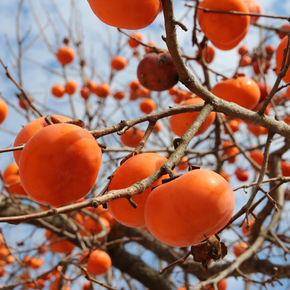
Hachiya Japanese Persimmon (Diospyros kaki ‘Hachiya’) is a striking, small upright deciduous tree prized for its glossy green foliage, brilliant orange fall color, and a bounty of bright orange-red fruit that hangs like ornaments on bare branches for a dramatic winter display. This classic astringent persimmon is best eaten only when fully ripe—firm fruit is mouth-puckering, but once the flesh becomes jelly-like it turns sweet and spoonable. Self-pollinating and easy to incorporate into the landscape, it can be trained as an espalier or planted in groups to form a beautiful edible screen with multi-season interest. Give it enriched, well-drained loam, protect it from harsh winds, and water consistently while it establishes for a long-lived, productive tree that looks as good as it tastes.
Plant Snapshot
A small, upright Japanese persimmon tree with a spreading canopy, grown for showy fall fruit and exceptional seasonal color.
- Botanical name: Diospyros kaki ‘Hachiya’
- Plant type: Deciduous fruit tree
- Growth rate: Moderate
Fruit: Flavor & Ripeness (Important!)
Hachiya is a classic astringent persimmon. It is astringent when firm, and becomes sweet only when fully ripe and very soft.
- When firm: Astringent (mouth-puckering)
- When ripe: Flesh becomes jelly-like and spoonable; sweet flavor
- Best use: Eat when fully soft; scoop with a spoon
Fruit Display & Seasonal Interest
Bright orange-red fruit ripens in fall and can remain on bare branches, creating a stunning winter accent after leaf drop.
- Fruit color: Bright orange-red
- Season: Fall fruit with winter interest on bare branches
- Special feature: Showy fruit + multi-season interest
Pollination
This variety is self-pollinating, making it a great choice when space is limited.
- Pollination: Self-pollinating
Size & Canopy
A moderate-growing, small upright tree with a spreading canopy—large enough to anchor a border, yet sized for many home landscapes.
- Mature height: 25–30 ft.
- Mature width: 12–16 ft.
- Form: Upright with spreading canopy
Light Requirements
Plant in full sun for best fruiting and fall color. Partial sun also works well in many gardens.
- Light: Full sun to partial sun
Watering Guidance
Water consistently while the tree establishes. Once established, reduce frequency while still providing deep watering during dry periods.
- When to water: Water when the top 2 inches of soil is dry
- Establishment: Water deeply and regularly during the first few growing seasons
- After establishment: Reduce frequency; water deeply as needed
Soil & Planting Site
Best performance comes from enriched, loamy, well-drained soil in a site protected from harsh wind.
- Soil: Enriched, loamy, well-drained
- Site tip: Shelter from harsh winds
Fertilizing
Feed in spring to support healthy growth and fruiting. Slow-release fertilizer is ideal for steady nutrition.
- Fertilizer: General purpose slow-release
- When to apply: Before new growth begins in spring
Flowers & Bloom Time
In spring, the tree produces inconspicuous but fragrant flowers before the fruit set begins.
- Bloom time: Spring
- Flower note: Inconspicuous and fragrant
- Flower color: White
Fall Color
Beyond the fruit, this persimmon also delivers a brilliant autumn show with orange fall foliage.
- Fall foliage color: Orange
- Special feature: Fall color
Training & Landscape Uses
Shape it to suit your space—train along a wall as an espalier or plant multiple trees to create an edible privacy screen.
- Landscape use: Espalier
- Landscape use: Privacy screen
- Design idea: Plant in groups to form an edible screen with multi-season interest
Chill Requirement
This variety needs winter chill to perform well, making it best suited to climates with a cool season.
- Winter chill requirement: 200 hours below 45°F
Hardiness & Where It Grows
A reliable choice for regions where it can receive adequate winter chill and a long enough season for fruit to mature.
- USDA zones: 7–10
- Deciduous: Yes
Botanical Details
Helpful identifiers for cataloging, search filters, and plant tags.
- Pronunciation: dy-oh-SPY-ros KAH-kee
- Ornamental deciduous fruit tree with brilliant fall color and glowing orange-red fruit that clings into winter
- Classic Hachiya persimmon: astringent when firm, sweet when fully soft and jelly-like (spoonable)
- Self-pollinating and versatile—train as espalier or plant in groups for an edible privacy screen
- Moderate grower reaching 25–30 ft. tall and 12–16 ft. wide; thrives in full to partial sun
Hachiya Japanese Persimmon (Diospyros kaki ‘Hachiya’) is a striking, small upright deciduous tree prized for its glossy green foliage, brilliant orange fall color, and a bounty of bright orange-red fruit that hangs like ornaments on bare branches for a dramatic winter display. This classic astringent persimmon is best eaten only when fully ripe—firm fruit is mouth-puckering, but once the flesh becomes jelly-like it turns sweet and spoonable. Self-pollinating and easy to incorporate into the landscape, it can be trained as an espalier or planted in groups to form a beautiful edible screen with multi-season interest. Give it enriched, well-drained loam, protect it from harsh winds, and water consistently while it establishes for a long-lived, productive tree that looks as good as it tastes.
Plant Snapshot
A small, upright Japanese persimmon tree with a spreading canopy, grown for showy fall fruit and exceptional seasonal color.
- Botanical name: Diospyros kaki ‘Hachiya’
- Plant type: Deciduous fruit tree
- Growth rate: Moderate
Fruit: Flavor & Ripeness (Important!)
Hachiya is a classic astringent persimmon. It is astringent when firm, and becomes sweet only when fully ripe and very soft.
- When firm: Astringent (mouth-puckering)
- When ripe: Flesh becomes jelly-like and spoonable; sweet flavor
- Best use: Eat when fully soft; scoop with a spoon
Fruit Display & Seasonal Interest
Bright orange-red fruit ripens in fall and can remain on bare branches, creating a stunning winter accent after leaf drop.
- Fruit color: Bright orange-red
- Season: Fall fruit with winter interest on bare branches
- Special feature: Showy fruit + multi-season interest
Pollination
This variety is self-pollinating, making it a great choice when space is limited.
- Pollination: Self-pollinating
Size & Canopy
A moderate-growing, small upright tree with a spreading canopy—large enough to anchor a border, yet sized for many home landscapes.
- Mature height: 25–30 ft.
- Mature width: 12–16 ft.
- Form: Upright with spreading canopy
Light Requirements
Plant in full sun for best fruiting and fall color. Partial sun also works well in many gardens.
- Light: Full sun to partial sun
Watering Guidance
Water consistently while the tree establishes. Once established, reduce frequency while still providing deep watering during dry periods.
- When to water: Water when the top 2 inches of soil is dry
- Establishment: Water deeply and regularly during the first few growing seasons
- After establishment: Reduce frequency; water deeply as needed
Soil & Planting Site
Best performance comes from enriched, loamy, well-drained soil in a site protected from harsh wind.
- Soil: Enriched, loamy, well-drained
- Site tip: Shelter from harsh winds
Fertilizing
Feed in spring to support healthy growth and fruiting. Slow-release fertilizer is ideal for steady nutrition.
- Fertilizer: General purpose slow-release
- When to apply: Before new growth begins in spring
Flowers & Bloom Time
In spring, the tree produces inconspicuous but fragrant flowers before the fruit set begins.
- Bloom time: Spring
- Flower note: Inconspicuous and fragrant
- Flower color: White
Fall Color
Beyond the fruit, this persimmon also delivers a brilliant autumn show with orange fall foliage.
- Fall foliage color: Orange
- Special feature: Fall color
Training & Landscape Uses
Shape it to suit your space—train along a wall as an espalier or plant multiple trees to create an edible privacy screen.
- Landscape use: Espalier
- Landscape use: Privacy screen
- Design idea: Plant in groups to form an edible screen with multi-season interest
Chill Requirement
This variety needs winter chill to perform well, making it best suited to climates with a cool season.
- Winter chill requirement: 200 hours below 45°F
Hardiness & Where It Grows
A reliable choice for regions where it can receive adequate winter chill and a long enough season for fruit to mature.
- USDA zones: 7–10
- Deciduous: Yes
Botanical Details
Helpful identifiers for cataloging, search filters, and plant tags.
- Pronunciation: dy-oh-SPY-ros KAH-kee