null Skip to main content
Sidebar

Posted by Grange Co-op on 31st Jan 2016

Getting honey bees You can fill your hive with honey bees either found in nature or by buying them. In the wild, clusters of bees are called swarms, which you can collect and introduce to your hive. As a first-time precaution, take an experienced bee keeper. Wear the appropriate protective gear if you move a swarm to your own apiary. You can find bees on tree limbs, fence posts, or other areas and you can capture them by brushing them i… Read more

Posted by Grange Co-op on 31st Jan 2016

GENERAL NEST BOX SUGGESTIONS: Boxes that face away from storms are more inviting to birds. Young birds will not become trapped in boxes that tilt forward at the top. Boxes should not have perches to help alleviate predator problems. Boxes should have ventilation and drainage holes. Clean and repair boxes at least once a year.… Read more

Posted by Grange Co-op on 30th Jan 2016

Enjoy the many benefits of beekeeping! We’ve all seen those unmistakable white stacked boxes in a field or yard while driving through the country. Full of honeybees, those boxes and the specialized work involved may have seemed interesting, but part of a job that you felt was too complicated, time-consuming, or dangerous. But actually, beekeeping – which is one of the world’s oldest occupations – is a relatively easy activity, inexpens… Read more

Posted by Grange Co-op on 29th Jan 2016

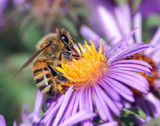
The process by which bees make honey is a fascinating natural wonder. Worker bees gather nectar and bring it to the hive. Hive bees continue breaking down the sugars before depositing it into a honeycomb cell. Hive bees use their wings to fan the transforming nectar to evaporate remaining water, thickening the nectar into honey. Finally, hive bees cap the beeswax cell to save the honey for eating later.Hazel ThomasWhen to start beekeeping Sp… Read more