Posted by Grange Co-op on 21st Feb 2016
Butterflies capture the attention and inspire the imagination of both young and old. Inviting these natural beauties into your garden is as easy as choosing the right plants and providing a few other creature comforts that butterflies require to flourish in a single location.
First, learn which butterfly species are native to our region. There are abundant resources online to help you identify and choose which native species you’d like to… Read more
Posted by Grange Co-op on 20th Feb 2016
Some flowers have established themselves as staples in botanical gardens. Pansies and Mums are no exception to this list. Some people admire these varieties for their vibrant colors. Meanwhile, others love these flowers because they grow really well when they are planted correctly.Information on Pansies
Botanically speaking, violas, pansies, and almost all violets are perennials belonging to the genus Viola. However, violas and pansies are u… Read more
Posted by Grange Co-op on 19th Feb 2016
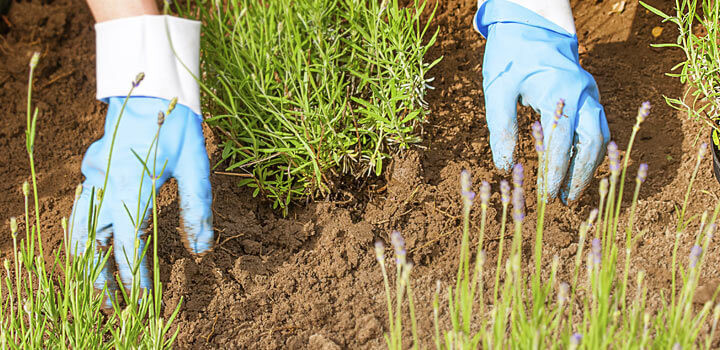
The name Lavender comes from the Latin word “lavare”, to wash. This harkens to historical uses for the lavender plant – as an antiseptic and for healing. During the Middle Ages lavender was considered an indispensible herb for its medicinal properties. In modern times, lavender fragrance has been discovered to have a calming effect, the florets have a number of culinary uses, the plant is insect repellent and in the garden it attracts benef… Read more
Posted by Grange Co-op on 18th Feb 2016
Flower Beds:
Allow foliage of spring-flowering bulbs to brown and die down before removing.
Plant gladioli, hardy transplants of alyssum, phlox, and marigolds.… Read more