
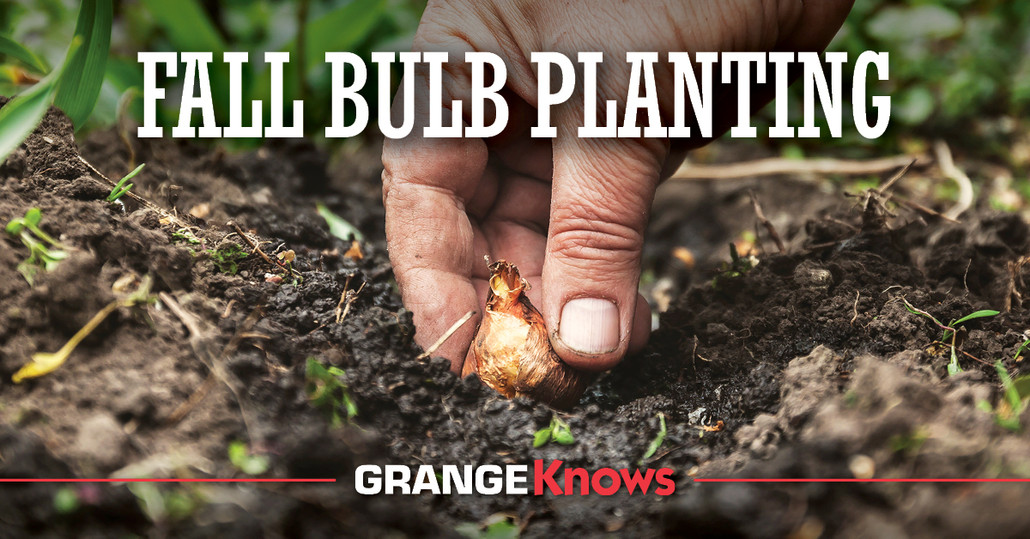
Fall Bulb Planting
Posted by Grange Co-op on 24th Sep 2025
As autumn's fiery reds and golden oranges paint the landscape, many of us are preparing for the winter slow-down. Yet, savvy gardeners are dreaming of daffodils, plotting tulip arrangements, and envisioning carpets of colorful crocuses. Whether you're a seasoned gardener or just starting your green-thumb journey, these four essential tips will set you up for spring success.
Tip 1 - It’s all about the bulb
The foundation of any show-stopping spring garden starts with choosing the right blossoms — giving you a diverse selection that will bloom from early March through late May.
Start by mixing early bloomers like snowdrops and crocuses with mid-season stars such as daffodils and hyacinths, then finish with late-season showstoppers like alliums and late tulips. This strategic timing creates a continuous display of color that extends your garden's wow factor for months.
Consider the visual you want to create. Are you drawn to a variety of colors—purple crocuses giving way to sunny daffodils, followed by vibrant tulips in every hue? Or does a sophisticated monochromatic theme appeal to you? Imagine a garden dressed entirely in shades of yellow, from pale primrose crocuses to golden daffodils and butter-colored tulips. Both approaches can be absolutely stunning.
Think about height and texture too. Mix low-growing bulbs like crocuses with taller ones like tulips, and combine different bloom shapes for visual interest.
When shopping, examine your bulbs carefully. Good bulbs should feel firm and have some weight to them. Avoid any with soft spots, mold, or bulbs that feel too light—if a bulb feels hollow like a ping pong ball, it's probably dried out and won't bloom.
Tip 2 - Prep for planting
Soil preparation and location make all the difference. Most spring bulbs need about six hours of sunlight and well-draining soil to thrive. Confirm that the area you've chosen to plant your bulbs gets lots of sun and the soil is in good condition.
Take time to prepare your planting area by removing weeds and loosening compacted soil. Work in any amendments before you plant. Drainage is crucial—bulbs will rot in waterlogged soil. If your soil doesn't drain well, work in some G&B Soil Building Conditioner to improve it. Adding bone meal is also beneficial, as it provides nutrients and helps develop strong roots.
Tip 3 - Timing is everything
You’ve planned, you’ve prepped and now the fun part, PLANTING! Southern Oregon and Northern California gardeners, at Grange Co-op we’ve carefully curated a selection of bulbs that are well suited for our unique climate and are ready to plant this fall. For gardeners in other areas of the country knowing your hardiness zone will tell you whether you can plant now or need to chill your bulbs for the winter.
If you are in zones 1-7, plan to plant 12-15 weeks before your first hard frost. The goal is to give your bulbs enough time to establish strong root systems before winter's deep freeze, but not so early that they start sprouting in warm fall weather. Nature provides helpful clues: when trees begin dropping their leaves and the evening cricket chorus fades to silence, frost is approaching.
Zones 8-11 Your winters might be too mild for proper bulb chilling. Many spring bulbs need a cold period to bloom properly. If your area doesn't naturally provide 12-16 weeks of temperatures below 45°F, you'll need to play Mother Nature. Store your bulbs in ventilated bags in the refrigerator from purchase time until late January or early February, then plant them for spring blooms.
Here's a crucial refrigerator tip: keep your bulbs away from fruits like apples and pears. These fruits release ethylene gas, which can damage the developing flower inside your precious bulbs.
Research your specific microzone using the USDA Hardiness Zone Map, as conditions can vary significantly even within the same region.
Tip 4 - Plant like a pro
When planting day arrives, check the depth requirements on your bulb packages—different varieties need different planting depths. A general rule is to plant bulbs at a depth three times their height. Many garden tools include measurements embossed on them to help you measure the depth, like this transplanter or this long handled bulb planter.
Plant in groups rather than straight lines for a more natural look. Cluster bulbs in odd numbers (groups of 5, 7, or 9) for better visual impact. Don’t forget to mix your late season, mid and early bloomers to ensure your continuous blooms.
Always plant with the pointy side up—that's where the shoot emerges. For root-style bulbs like peonies, soak them in water for 30 minutes before planting and position with growth eyes facing up.
Protect your bulbs from squirrels and other animals by covering planted areas with mulch. Then, for a finishing touch, add some pansies around your bulbs for some beautiful fall and winter color. Make sure to add a little bit of mulch around the pansies to help protect their roots from frost.
Your Spring Garden Awaits
Fall bulb planting requires some planning and some patience—you won't see results for months. But when spring arrives and those first shoots push through the soil, you'll be rewarded with weeks or even months of beautiful blooms.
Each bulb you plant this fall is an investment in next year's garden. So grab your notebook, choose your favorites, and start planning. Your spring garden is going to look great.