
Zoom the image with the mouse
Captain Dynamo Calla Lily - 2 Gallon
SKU:
2015235
UPC:
014949487747
$22.99
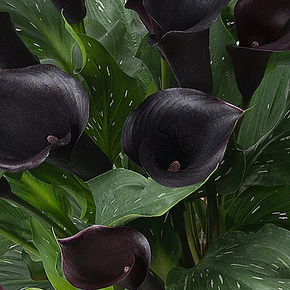
- Dramatically deep purple, near-black funnel-shaped spathes rise above lush, dark green foliage — a bold, exotic statement in any summer garden or patio container.
- Blooms from late spring through midsummer with long-lasting flowers that are exceptional for cutting and arrangements, staying fresh in a vase for up to two weeks.
- Thrives in full sun to partial shade and grows beautifully in borders, raised beds, or containers, making it a versatile choice for Southern Oregon and Northern California gardens.
- Hardy in USDA Zones 8a–10b as a tender perennial; rhizomes can be easily lifted and overwintered indoors in cooler climates for years of repeat enjoyment.
Zantedeschia 'Captain Dynamo' is a stunning calla lily hybrid that commands attention with its richly colored, deep purple to near-black trumpet-shaped spathes rising elegantly on upright stems above clumps of glossy, sword-shaped dark green foliage. A member of the Araceae family and native to southern Africa, this exotic tender perennial grows from dense rhizomes and delivers weeks of breathtaking color from late spring through midsummer, making it one of the most striking choices for summer cutting gardens, mixed borders, entryways, and patio containers. Captain Dynamo Calla Lily reaches approximately 18 to 24 inches tall with a spread of around 12 inches, forming a compact yet dramatic clump that works equally well as a standalone specimen or as a bold "thriller" element in mixed container plantings. Its striking spathe-and-spadix flower structure — a hallmark of the Zantedeschia genus — brings a distinctly tropical, sophisticated look to any landscape design. Easy to grow and low maintenance, this calla lily thrives in full sun to partial shade in rich, well-drained, consistently moist soil, and its remarkable cut flower quality makes it a perennial favorite for weddings, bouquets, and floral arrangements throughout the Pacific Coast region and beyond.
Plant Description
Captain Dynamo Calla Lily (Zantedeschia 'Captain Dynamo') is a hybrid tender perennial prized for its dramatic, deep purple to near-black funnel-shaped spathes that curl gracefully around a central spadix. The elegant blooms rise on sturdy, upright stems above a dense rosette of glossy, arrow-shaped dark green leaves. Like all calla lilies, the showy "flower" is technically a spathe — a large, modified leaf — that wraps around the true flowers clustered on the central spike-like spadix. The overall effect is one of bold, tropical sophistication, with a color intensity rarely seen in the summer garden. This cultivar is a compact hybrid, ideal for smaller spaces and containers, and grows from a flattened, disk-shaped rhizome that multiplies over time to produce an increasingly lush clump.
Mature Size
| Attribute | Measurement |
|---|---|
| Height | 18 to 24 inches |
| Spread | 10 to 12 inches |
| Growth Rate | Moderate to fast once established |
| Clump Spread Over Time | Rhizomes multiply; divide every 2 to 4 years |
Hardiness Zones and Climate
Captain Dynamo Calla Lily is rated for USDA Hardiness Zones 8a through 10b, making it an excellent perennial choice for much of Southern Oregon and Northern California. In these zones, established plants can be left in the ground year-round with a protective layer of mulch in winter. In areas that experience hard or repeated frosts — below approximately 25°F — the rhizomes should be lifted in fall and stored indoors until spring. Calla lilies prefer warm, sheltered conditions and perform best when protected from strong, cold winds. They will tolerate brief, light frosts once well-established but are not suited to prolonged freezing temperatures.
Sunlight Requirements
Captain Dynamo performs best in full sun to partial shade, receiving at least 4 to 6 hours of direct sunlight per day. In coastal and mild-summer climates like much of Northern California and Southern Oregon, full sun exposure produces the most vigorous growth and the richest bloom color. In areas with hot, intense afternoon sun, providing some afternoon shade will help prevent leaf scorch and keep the blooms looking their best for longer. When grown as a container plant on a patio or porch, it can be positioned to take advantage of morning sun and light afternoon shade. Avoid deep shade, as insufficient light leads to reduced flowering and weak, floppy foliage.
Soil and pH Preferences
- Prefers rich, humus-laden soil with excellent drainage — waterlogged conditions will quickly cause rhizome rot.
- Ideal soil pH range is slightly acidic to neutral, approximately 5.5 to 6.5.
- Amend heavy clay soils with generous amounts of compost or aged organic matter before planting to improve both drainage and fertility.
- For container growing, use a high-quality, peat-free all-purpose potting mix that retains moisture but drains freely.
- A loam-based mix enriched with organic matter is ideal for in-ground planting; avoid compacted or poorly draining sites.
Watering Guide
Consistent moisture is key to keeping Captain Dynamo Calla Lily thriving. Water regularly during the active growing season to keep the soil evenly moist but never waterlogged — soggy soil is the primary cause of rhizome rot. A good rule of thumb is to water when the top inch of soil begins to feel slightly dry, then water deeply. Container-grown plants dry out more quickly than those in the ground and will need more frequent monitoring. Apply a 2 to 3 inch layer of organic mulch around in-ground plants to help retain soil moisture, regulate soil temperature, and suppress weeds. As the plant begins to go dormant in fall, gradually reduce watering. During winter dormancy, withhold water almost entirely to prevent rot.
Fertilizing
To encourage the boldest blooms and lushest foliage, feed Captain Dynamo Calla Lily throughout the growing season. Apply a slow-release, balanced granular fertilizer at planting time in spring. Avoid high-nitrogen fertilizers, which promote excessive leafy growth at the expense of flowers. Once buds begin to form, switch to a potassium-rich fertilizer — such as a tomato or bloom-booster formula — applied every one to two weeks until flowering is complete. Container plants benefit most from regular feeding, as nutrients leach out of pots more quickly with regular watering. Foliar feeding with a diluted liquid fertilizer containing trace elements can also enhance flower color and vitality during the blooming period. Discontinue feeding as the plant begins to die back for winter dormancy.
Planting Instructions
- Choose a site with full sun to partial shade and well-draining, organically rich soil.
- Wait until all danger of frost has passed and soil has warmed to at least 60 to 65°F before planting outdoors.
- If planting from a nursery container, dig a hole slightly wider and deeper than the root ball and set the plant so the top of the root ball is level with the surrounding soil surface.
- If planting bare rhizomes, set them 2 to 3 inches deep with the growing side (slightly bumpy surface) facing up, spacing plants 10 to 12 inches apart.
- Backfill with amended soil, firm gently, and water in thoroughly.
- Water sparingly after initial planting until several leaves have emerged, then increase watering frequency as the plant becomes established.
- Apply a 2 to 3 inch layer of mulch around the base to conserve moisture and moderate soil temperature.
- For container planting, use a pot with adequate drainage holes and a rich, well-draining potting mix; keep containers slightly potbound to encourage more prolific flowering.
Bloom Time and Seasonal Interest
Captain Dynamo Calla Lily produces its spectacular deep purple-to-near-black blooms from late spring through midsummer, with individual spathes lasting several weeks on the plant. A single established clump typically flowers for 6 to 8 weeks or more during the season. The glossy, sword-shaped dark green foliage remains attractive and ornamental throughout the growing season even when the plant is not in flower, providing lush tropical texture in borders and containers. As temperatures cool in fall, the foliage begins to die back naturally as the plant prepares for its winter dormancy period. In mild winter climates (Zones 9 and 10), some plants may retain foliage year-round or experience only a brief rest.
Pruning and Maintenance
Captain Dynamo Calla Lily is a low-maintenance plant that requires minimal pruning. To encourage the formation of new flower stems and prolong the blooming season, remove spent flowers by grasping the stem firmly at its base and pulling it away from the plant — do not cut stems with shears, as pulling cleanly removes the entire flower stalk and stimulates new growth. Remove any yellowing, damaged, or dying foliage throughout the season as needed to maintain a tidy appearance and good airflow around the plant. In fall, allow the foliage to die back naturally before cutting it back to 1 to 2 inches above the ground. This natural die-back process allows the plant to redirect energy into the rhizome for the following season. In Zones 8 and below, dig the rhizomes after foliage dies back and store them in a cool, dry location for winter.
Overwintering and Dormancy
In USDA Zones 8a through 10b, Captain Dynamo Calla Lily rhizomes can typically remain in the ground over winter, especially with a 3 to 4 inch protective layer of mulch applied over the root zone. In colder regions (Zone 7 and below), or where prolonged freezes below 25°F are expected, dig the rhizomes in early fall before the first hard frost. Gently brush off excess soil and allow the rhizomes to cure in a cool, dry location for 2 to 3 days. Store them in a box or tray filled with slightly damp peat moss, sawdust, or pine shavings at a temperature of approximately 50 to 60°F in a cool, dark place such as an unheated basement, garage, or shed. Check stored rhizomes every few weeks to ensure they are not shriveling (too dry) or beginning to rot (too wet). Replant outdoors the following spring once frost danger has passed and soil has warmed.
Landscape Uses
- Outstanding focal point or specimen plant in mixed summer borders and tropical-themed garden beds.
- Excellent "thriller" element in mixed patio containers and large planters, paired with trailing and mounding companions.
- Superb cut flower — the deep purple spathes are a sophisticated addition to bouquets, wedding arrangements, and floral displays lasting up to 2 weeks in a vase.
- Dramatic accent near entryways, porches, pathways, and outdoor living spaces.
- Striking when planted along the edges of water features, ponds, and rain gardens where consistent moisture is available.
- Suitable for growing along slopes or hillsides for bold visual impact.
- Works beautifully as a potted houseplant in a bright, sunny indoor location.
Companion Plants
Captain Dynamo's deep, moody purple blooms and glossy dark foliage pair beautifully with a wide range of sun-loving, tropical-styled plants that share its preference for moist, well-drained soil and warmth. For a bold, high-contrast border, consider pairing it with the large, textured leaves of elephant ears (Colocasia or Alocasia), the fiery plumes of cannas in orange or red, and the architectural drama of ornamental bananas. Coleus varieties in lime green, chartreuse, or bright red echo the tropical mood while providing vivid color contrast to the deep purple spathes. In containers, try combining Captain Dynamo with trailing calibrachoa, creeping Jenny, or Mezoo Trailing Red Livingstone daisy for a layered, full arrangement. For a sophisticated and restrained palette, pair with silver-leafed plants such as dusty miller or white-blooming companions like white impatiens or begonias that allow the dark blooms to take center stage.
Container Growing
Captain Dynamo Calla Lily is an excellent container plant for patios, decks, entryways, and indoor spaces. Choose a container with adequate drainage holes and fill with a rich, well-draining potting mix. An important tip for maximizing flower production in containers is to keep the plant slightly potbound — a pot that is just large enough for the rhizome with a few inches of space on all sides encourages more blooming. Position the container in a spot that receives at least 4 to 6 hours of sunlight per day. Container plants dry out faster than those in the ground, so check soil moisture frequently and water when the top inch feels barely dry. Feed container plants every 1 to 2 weeks with a balanced or potassium-rich liquid fertilizer during the growing season. In fall, container plants can be moved indoors or to a sheltered, frost-free location and allowed to go dormant with minimal watering until the following spring.
Pests and Diseases
Captain Dynamo Calla Lily is relatively resistant to most pests and diseases when given proper growing conditions — particularly good drainage and adequate air circulation. However, gardeners should be aware of the following potential issues:
- Rhizome Rot: The most common problem, caused by overwatering or poorly draining soil. Prevent by ensuring excellent drainage and allowing slight drying between waterings.
- Bacterial Soft Rot (Erwinia): Causes mushy, foul-smelling decay at the base of stems and rhizomes; most common in warm, wet conditions. Remove and discard infected plant material promptly.
- Aphids: Small, soft-bodied insects that cluster on new growth; treat with a strong jet of water or insecticidal soap.
- Spider Mites: More common in hot, dry conditions; increase humidity and treat with insecticidal soap or neem oil.
- Thrips and Mealybugs: Occasional pests, especially on indoor or container plants; treat with neem oil or appropriate systemic insecticide.
- Leaf Spot and Gray Mold (Botrytis): Fungal issues favored by cool, wet weather and poor airflow; avoid overhead watering and remove affected foliage.
- Slugs and Snails: May feed on tender emerging foliage; use iron phosphate-based slug baits around the base of plants.
Toxicity Warning
All parts of Zantedeschia 'Captain Dynamo' — including the leaves, stems, flowers, roots, and rhizomes — are highly toxic if ingested by humans, dogs, or cats. The plant contains calcium oxalate crystals, which cause a severe burning sensation and swelling of the lips, tongue, and throat, and can cause stomach pain and gastrointestinal distress if swallowed. Contact with the plant's sap can also cause skin irritation in sensitive individuals. This plant is not recommended for households with small children or pets that may come into contact with or ingest plant material. If ingestion is suspected, contact Poison Control (US: 800-222-1222) or a veterinarian immediately. Wear gloves when handling the rhizomes or stems, and wash hands thoroughly after gardening.
Propagation
Captain Dynamo Calla Lily is most easily propagated by dividing the rhizomes in spring, just as new growth begins to emerge. Carefully dig up the clump and use a clean, sharp knife to separate the rhizome into sections, ensuring each division has at least one visible growing bud or shoot. Allow the cut surfaces to dry and callous for a day or two before replanting to reduce the risk of rot. Offsets (small daughter rhizomes) that develop around the mother plant can also be gently detached and replanted in late spring or early summer after flowering. Replant divisions at the same depth as the original plant — approximately 2 to 3 inches deep — in prepared, well-draining soil and water in well. Dividing clumps every 2 to 4 years also helps maintain vigorous growth and abundant flowering.
- Dramatically deep purple, near-black funnel-shaped spathes rise above lush, dark green foliage — a bold, exotic statement in any summer garden or patio container.
- Blooms from late spring through midsummer with long-lasting flowers that are exceptional for cutting and arrangements, staying fresh in a vase for up to two weeks.
- Thrives in full sun to partial shade and grows beautifully in borders, raised beds, or containers, making it a versatile choice for Southern Oregon and Northern California gardens.
- Hardy in USDA Zones 8a–10b as a tender perennial; rhizomes can be easily lifted and overwintered indoors in cooler climates for years of repeat enjoyment.
Zantedeschia 'Captain Dynamo' is a stunning calla lily hybrid that commands attention with its richly colored, deep purple to near-black trumpet-shaped spathes rising elegantly on upright stems above clumps of glossy, sword-shaped dark green foliage. A member of the Araceae family and native to southern Africa, this exotic tender perennial grows from dense rhizomes and delivers weeks of breathtaking color from late spring through midsummer, making it one of the most striking choices for summer cutting gardens, mixed borders, entryways, and patio containers. Captain Dynamo Calla Lily reaches approximately 18 to 24 inches tall with a spread of around 12 inches, forming a compact yet dramatic clump that works equally well as a standalone specimen or as a bold "thriller" element in mixed container plantings. Its striking spathe-and-spadix flower structure — a hallmark of the Zantedeschia genus — brings a distinctly tropical, sophisticated look to any landscape design. Easy to grow and low maintenance, this calla lily thrives in full sun to partial shade in rich, well-drained, consistently moist soil, and its remarkable cut flower quality makes it a perennial favorite for weddings, bouquets, and floral arrangements throughout the Pacific Coast region and beyond.
Plant Description
Captain Dynamo Calla Lily (Zantedeschia 'Captain Dynamo') is a hybrid tender perennial prized for its dramatic, deep purple to near-black funnel-shaped spathes that curl gracefully around a central spadix. The elegant blooms rise on sturdy, upright stems above a dense rosette of glossy, arrow-shaped dark green leaves. Like all calla lilies, the showy "flower" is technically a spathe — a large, modified leaf — that wraps around the true flowers clustered on the central spike-like spadix. The overall effect is one of bold, tropical sophistication, with a color intensity rarely seen in the summer garden. This cultivar is a compact hybrid, ideal for smaller spaces and containers, and grows from a flattened, disk-shaped rhizome that multiplies over time to produce an increasingly lush clump.
Mature Size
| Attribute | Measurement |
|---|---|
| Height | 18 to 24 inches |
| Spread | 10 to 12 inches |
| Growth Rate | Moderate to fast once established |
| Clump Spread Over Time | Rhizomes multiply; divide every 2 to 4 years |
Hardiness Zones and Climate
Captain Dynamo Calla Lily is rated for USDA Hardiness Zones 8a through 10b, making it an excellent perennial choice for much of Southern Oregon and Northern California. In these zones, established plants can be left in the ground year-round with a protective layer of mulch in winter. In areas that experience hard or repeated frosts — below approximately 25°F — the rhizomes should be lifted in fall and stored indoors until spring. Calla lilies prefer warm, sheltered conditions and perform best when protected from strong, cold winds. They will tolerate brief, light frosts once well-established but are not suited to prolonged freezing temperatures.
Sunlight Requirements
Captain Dynamo performs best in full sun to partial shade, receiving at least 4 to 6 hours of direct sunlight per day. In coastal and mild-summer climates like much of Northern California and Southern Oregon, full sun exposure produces the most vigorous growth and the richest bloom color. In areas with hot, intense afternoon sun, providing some afternoon shade will help prevent leaf scorch and keep the blooms looking their best for longer. When grown as a container plant on a patio or porch, it can be positioned to take advantage of morning sun and light afternoon shade. Avoid deep shade, as insufficient light leads to reduced flowering and weak, floppy foliage.
Soil and pH Preferences
- Prefers rich, humus-laden soil with excellent drainage — waterlogged conditions will quickly cause rhizome rot.
- Ideal soil pH range is slightly acidic to neutral, approximately 5.5 to 6.5.
- Amend heavy clay soils with generous amounts of compost or aged organic matter before planting to improve both drainage and fertility.
- For container growing, use a high-quality, peat-free all-purpose potting mix that retains moisture but drains freely.
- A loam-based mix enriched with organic matter is ideal for in-ground planting; avoid compacted or poorly draining sites.
Watering Guide
Consistent moisture is key to keeping Captain Dynamo Calla Lily thriving. Water regularly during the active growing season to keep the soil evenly moist but never waterlogged — soggy soil is the primary cause of rhizome rot. A good rule of thumb is to water when the top inch of soil begins to feel slightly dry, then water deeply. Container-grown plants dry out more quickly than those in the ground and will need more frequent monitoring. Apply a 2 to 3 inch layer of organic mulch around in-ground plants to help retain soil moisture, regulate soil temperature, and suppress weeds. As the plant begins to go dormant in fall, gradually reduce watering. During winter dormancy, withhold water almost entirely to prevent rot.
Fertilizing
To encourage the boldest blooms and lushest foliage, feed Captain Dynamo Calla Lily throughout the growing season. Apply a slow-release, balanced granular fertilizer at planting time in spring. Avoid high-nitrogen fertilizers, which promote excessive leafy growth at the expense of flowers. Once buds begin to form, switch to a potassium-rich fertilizer — such as a tomato or bloom-booster formula — applied every one to two weeks until flowering is complete. Container plants benefit most from regular feeding, as nutrients leach out of pots more quickly with regular watering. Foliar feeding with a diluted liquid fertilizer containing trace elements can also enhance flower color and vitality during the blooming period. Discontinue feeding as the plant begins to die back for winter dormancy.
Planting Instructions
- Choose a site with full sun to partial shade and well-draining, organically rich soil.
- Wait until all danger of frost has passed and soil has warmed to at least 60 to 65°F before planting outdoors.
- If planting from a nursery container, dig a hole slightly wider and deeper than the root ball and set the plant so the top of the root ball is level with the surrounding soil surface.
- If planting bare rhizomes, set them 2 to 3 inches deep with the growing side (slightly bumpy surface) facing up, spacing plants 10 to 12 inches apart.
- Backfill with amended soil, firm gently, and water in thoroughly.
- Water sparingly after initial planting until several leaves have emerged, then increase watering frequency as the plant becomes established.
- Apply a 2 to 3 inch layer of mulch around the base to conserve moisture and moderate soil temperature.
- For container planting, use a pot with adequate drainage holes and a rich, well-draining potting mix; keep containers slightly potbound to encourage more prolific flowering.
Bloom Time and Seasonal Interest
Captain Dynamo Calla Lily produces its spectacular deep purple-to-near-black blooms from late spring through midsummer, with individual spathes lasting several weeks on the plant. A single established clump typically flowers for 6 to 8 weeks or more during the season. The glossy, sword-shaped dark green foliage remains attractive and ornamental throughout the growing season even when the plant is not in flower, providing lush tropical texture in borders and containers. As temperatures cool in fall, the foliage begins to die back naturally as the plant prepares for its winter dormancy period. In mild winter climates (Zones 9 and 10), some plants may retain foliage year-round or experience only a brief rest.
Pruning and Maintenance
Captain Dynamo Calla Lily is a low-maintenance plant that requires minimal pruning. To encourage the formation of new flower stems and prolong the blooming season, remove spent flowers by grasping the stem firmly at its base and pulling it away from the plant — do not cut stems with shears, as pulling cleanly removes the entire flower stalk and stimulates new growth. Remove any yellowing, damaged, or dying foliage throughout the season as needed to maintain a tidy appearance and good airflow around the plant. In fall, allow the foliage to die back naturally before cutting it back to 1 to 2 inches above the ground. This natural die-back process allows the plant to redirect energy into the rhizome for the following season. In Zones 8 and below, dig the rhizomes after foliage dies back and store them in a cool, dry location for winter.
Overwintering and Dormancy
In USDA Zones 8a through 10b, Captain Dynamo Calla Lily rhizomes can typically remain in the ground over winter, especially with a 3 to 4 inch protective layer of mulch applied over the root zone. In colder regions (Zone 7 and below), or where prolonged freezes below 25°F are expected, dig the rhizomes in early fall before the first hard frost. Gently brush off excess soil and allow the rhizomes to cure in a cool, dry location for 2 to 3 days. Store them in a box or tray filled with slightly damp peat moss, sawdust, or pine shavings at a temperature of approximately 50 to 60°F in a cool, dark place such as an unheated basement, garage, or shed. Check stored rhizomes every few weeks to ensure they are not shriveling (too dry) or beginning to rot (too wet). Replant outdoors the following spring once frost danger has passed and soil has warmed.
Landscape Uses
- Outstanding focal point or specimen plant in mixed summer borders and tropical-themed garden beds.
- Excellent "thriller" element in mixed patio containers and large planters, paired with trailing and mounding companions.
- Superb cut flower — the deep purple spathes are a sophisticated addition to bouquets, wedding arrangements, and floral displays lasting up to 2 weeks in a vase.
- Dramatic accent near entryways, porches, pathways, and outdoor living spaces.
- Striking when planted along the edges of water features, ponds, and rain gardens where consistent moisture is available.
- Suitable for growing along slopes or hillsides for bold visual impact.
- Works beautifully as a potted houseplant in a bright, sunny indoor location.
Companion Plants
Captain Dynamo's deep, moody purple blooms and glossy dark foliage pair beautifully with a wide range of sun-loving, tropical-styled plants that share its preference for moist, well-drained soil and warmth. For a bold, high-contrast border, consider pairing it with the large, textured leaves of elephant ears (Colocasia or Alocasia), the fiery plumes of cannas in orange or red, and the architectural drama of ornamental bananas. Coleus varieties in lime green, chartreuse, or bright red echo the tropical mood while providing vivid color contrast to the deep purple spathes. In containers, try combining Captain Dynamo with trailing calibrachoa, creeping Jenny, or Mezoo Trailing Red Livingstone daisy for a layered, full arrangement. For a sophisticated and restrained palette, pair with silver-leafed plants such as dusty miller or white-blooming companions like white impatiens or begonias that allow the dark blooms to take center stage.
Container Growing
Captain Dynamo Calla Lily is an excellent container plant for patios, decks, entryways, and indoor spaces. Choose a container with adequate drainage holes and fill with a rich, well-draining potting mix. An important tip for maximizing flower production in containers is to keep the plant slightly potbound — a pot that is just large enough for the rhizome with a few inches of space on all sides encourages more blooming. Position the container in a spot that receives at least 4 to 6 hours of sunlight per day. Container plants dry out faster than those in the ground, so check soil moisture frequently and water when the top inch feels barely dry. Feed container plants every 1 to 2 weeks with a balanced or potassium-rich liquid fertilizer during the growing season. In fall, container plants can be moved indoors or to a sheltered, frost-free location and allowed to go dormant with minimal watering until the following spring.
Pests and Diseases
Captain Dynamo Calla Lily is relatively resistant to most pests and diseases when given proper growing conditions — particularly good drainage and adequate air circulation. However, gardeners should be aware of the following potential issues:
- Rhizome Rot: The most common problem, caused by overwatering or poorly draining soil. Prevent by ensuring excellent drainage and allowing slight drying between waterings.
- Bacterial Soft Rot (Erwinia): Causes mushy, foul-smelling decay at the base of stems and rhizomes; most common in warm, wet conditions. Remove and discard infected plant material promptly.
- Aphids: Small, soft-bodied insects that cluster on new growth; treat with a strong jet of water or insecticidal soap.
- Spider Mites: More common in hot, dry conditions; increase humidity and treat with insecticidal soap or neem oil.
- Thrips and Mealybugs: Occasional pests, especially on indoor or container plants; treat with neem oil or appropriate systemic insecticide.
- Leaf Spot and Gray Mold (Botrytis): Fungal issues favored by cool, wet weather and poor airflow; avoid overhead watering and remove affected foliage.
- Slugs and Snails: May feed on tender emerging foliage; use iron phosphate-based slug baits around the base of plants.
Toxicity Warning
All parts of Zantedeschia 'Captain Dynamo' — including the leaves, stems, flowers, roots, and rhizomes — are highly toxic if ingested by humans, dogs, or cats. The plant contains calcium oxalate crystals, which cause a severe burning sensation and swelling of the lips, tongue, and throat, and can cause stomach pain and gastrointestinal distress if swallowed. Contact with the plant's sap can also cause skin irritation in sensitive individuals. This plant is not recommended for households with small children or pets that may come into contact with or ingest plant material. If ingestion is suspected, contact Poison Control (US: 800-222-1222) or a veterinarian immediately. Wear gloves when handling the rhizomes or stems, and wash hands thoroughly after gardening.
Propagation
Captain Dynamo Calla Lily is most easily propagated by dividing the rhizomes in spring, just as new growth begins to emerge. Carefully dig up the clump and use a clean, sharp knife to separate the rhizome into sections, ensuring each division has at least one visible growing bud or shoot. Allow the cut surfaces to dry and callous for a day or two before replanting to reduce the risk of rot. Offsets (small daughter rhizomes) that develop around the mother plant can also be gently detached and replanted in late spring or early summer after flowering. Replant divisions at the same depth as the original plant — approximately 2 to 3 inches deep — in prepared, well-draining soil and water in well. Dividing clumps every 2 to 4 years also helps maintain vigorous growth and abundant flowering.