
Zoom the image with the mouse
Captain Beretta Calla Lily - 2 Gallon
SKU:
2015245
UPC:
019949480212
$22.99
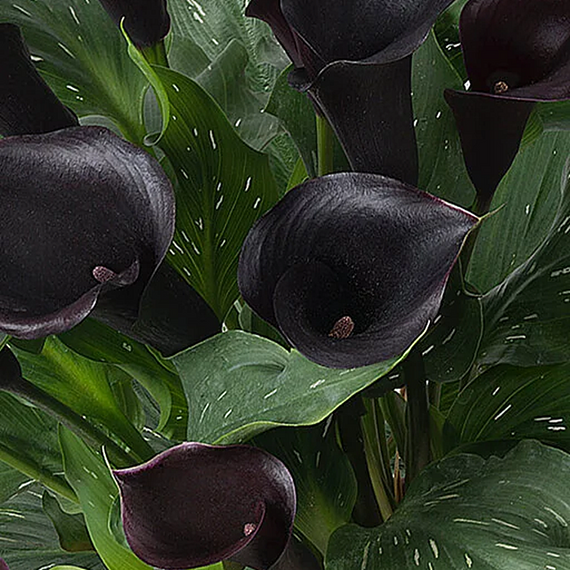
- Dramatically dark, near-black spathe flowers rise above lush, sword-like foliage from late spring through midsummer, delivering an exotic, tropical statement in the garden.
- Compact and fast-growing, reaching just 18 inches tall and wide — perfectly sized for containers, porch displays, poolside plantings, and mixed border accents.
- Outstanding cut flower with long-lasting blooms that remain fresh for up to two weeks in a vase, making it a showstopper in floral arrangements and bouquets.
- Naturally rabbit resistant and easy to care for, with adaptable moisture tolerance once established — a low-maintenance exotic for gardeners of all skill levels.
Zantedeschia 'Captain Beretta' is a captivating calla lily hybrid that brings bold drama and a touch of the tropics to summer gardens with its richly colored, near-black spathe flowers. Blooming from late spring through midsummer, the deep, velvety flowers rise elegantly on tall stems from a compact clump of thick, glossy, sword-shaped green foliage, creating a striking visual contrast that commands attention in any setting. Growing at a fast rate to a tidy 18 inches tall and wide, this frost-tender herbaceous perennial thrives in USDA Hardiness Zones 9 through 11, where it can be grown as a reliable returning perennial, and is easily overwintered indoors as a container specimen or stored as a dormant rhizome in cooler climates. Equally at home as a poolside accent, a patio container specimen, or a front-of-border focal point, Captain Beretta Calla Lily also excels as an extraordinary cut flower, lending sophisticated, moody elegance to fresh and arranged bouquets. Plant in enriched, well-drained soil in a full sun to partial sun location, keep the soil consistently moist but not waterlogged, and enjoy weeks of extraordinary blooms that few other summer-flowering plants can rival.
Plant Description
Zantedeschia 'Captain Beretta' is a hybrid calla lily grown from a tuberous rhizome, belonging to the family Araceae. It is a frost-tender herbaceous perennial most recognized for its dramatically dark, near-black spathe flowers — a modified funnel-shaped leaf that curls elegantly around a central spike called the spadix. The thick, upright, sword-like foliage forms a lush, architectural clump at the base. The overall habit is compact and symmetrical, making it as ornamental in or out of bloom. Like all Zantedeschia, it is not a true lily but is more closely related to caladiums and jack-in-the-pulpits within the Araceae family. All parts of the plant are considered toxic if ingested by humans or pets.
Mature Size
| Attribute | Measurement |
|---|---|
| Mature Height | 18 inches |
| Mature Width | 18 inches |
| Growth Rate | Fast |
| Plant Habit | Compact, upright clumping |
Hardiness Zones and Climate
Captain Beretta Calla Lily is rated for USDA Hardiness Zones 9 through 11, where it performs as a returning herbaceous perennial. In Zones 8 and colder, including much of Southern Oregon, it should be treated as an annual or overwintered by digging and storing the rhizomes indoors. The plant thrives in warm temperatures between 60 and 80 degrees F and will go dormant when temperatures drop below 50 degrees F. Rhizomes must not be allowed to freeze. In the mild-winter climates of Northern California, plants in protected locations may overwinter in the ground with a generous layer of mulch.
Sunlight Requirements
This calla lily grows best in a full sun to partial sun exposure. Full sun, meaning at least 6 hours of direct sunlight per day, produces the most vigorous growth and the greatest number of blooms. In regions with intense summer heat, such as inland Northern California, afternoon shade is beneficial to prevent leaf scorch and heat stress. Insufficient light will reduce flowering significantly, so avoid deep or dense shade. For container-grown plants, a south- or west-facing position provides ideal light conditions.
Soil and pH Preferences
'Captain Beretta' performs best in enriched, well-drained soil amended with organic matter such as compost or aged humus. While it adapts to varied soil moisture once established, soggy or waterlogged conditions can quickly lead to rhizome rot and should be avoided. Sandy soils benefit from added organic matter to improve moisture retention, while heavy clay soils require significant amendment or raised planting beds to ensure adequate drainage. The ideal soil pH range for calla lily hybrids is slightly acidic to neutral, between 5.5 and 6.5. A soil pH test before planting is recommended for best results.
Watering Guide
Keep the soil surface consistently moist but not soggy throughout the active growing and blooming season. After initial planting, water in well and then water sparingly until the first leaves emerge — overwatering before the plant is actively growing is a leading cause of rhizome rot. Once several leaves are established, increase watering frequency to maintain even soil moisture. During periods of summer heat or drought in Southern Oregon and Northern California, drip irrigation or soaker hoses are ideal for delivering consistent moisture at the root zone. As the plant finishes blooming and foliage begins to yellow in late summer or fall, taper watering to allow the plant to enter dormancy naturally. Avoid allowing water to pool in saucers beneath container-grown plants.
Fertilizing
For the best foliage and floral display, feed 'Captain Beretta' with a balanced, slow-release granular fertilizer at the time of planting or at the start of the growing season. During the active growing season, supplement with a liquid balanced fertilizer every two weeks to support healthy growth and abundant flowering. Avoid fertilizers with excessive nitrogen, as too much nitrogen encourages lush leafy growth at the expense of blooms and can also dull flower color. Stop fertilizing once the plant has finished blooming for the season, and do not fertilize during the dormant period.
Pruning and Maintenance
Captain Beretta Calla Lily requires minimal maintenance to look its best. Deadhead spent flower spathes by grasping the stalk near its base and pulling gently, or cutting it cleanly at the base — do not simply cut through the stem mid-length. This encourages the plant to direct energy toward new blooms rather than seed production. Remove any yellowing, damaged, or faded foliage at the base to keep the planting tidy and to improve air circulation. At the end of the season, once the foliage has died back naturally, cut all stems to just above ground level before digging rhizomes for winter storage or applying a protective mulch layer in milder climates.
Planting Instructions
- Select a planting site with full sun to partial shade and well-drained soil. Amend with compost or aged organic matter to a depth of 8 to 10 inches.
- Plant rhizomes 3 to 4 inches deep with the nubby, bumpy growing points facing upward and the smooth side facing down.
- Space multiple rhizomes 12 to 18 inches apart to allow for mature spread.
- Water in thoroughly after planting, then water sparingly until the first shoots emerge (approximately 2 weeks).
- Once foliage is established, increase watering to maintain consistent soil moisture.
- For container planting, use a high-quality, well-draining potting mix in a container large enough to accommodate root growth, with drainage holes to prevent waterlogging.
- Apply a 2- to 3-inch layer of mulch around in-ground plantings to conserve moisture and moderate soil temperature.
Seasonal Interest and Bloom Time
Captain Beretta Calla Lily delivers its most dramatic display from late spring through midsummer, when the extraordinary near-black spathe flowers are fully open and at their most striking. The flower color — a deep, rich, almost black-purple — is highly unusual in the garden world and creates a bold, moody focal point during the peak of the summer season. The lush, architectural foliage remains attractive and ornamental throughout the entire growing season, even when the plant is not in bloom. After blooming concludes, the foliage continues to provide a tropical green texture in borders and containers until it dies back with the arrival of cooler fall temperatures.
Landscape Uses
'Captain Beretta' is a versatile performer in a wide range of landscape and garden applications. Its compact form and dramatic flower color make it especially effective in the following settings:
- Container gardening: Excellent as a stand-alone specimen in a decorative pot on a porch, patio, or entryway.
- Mixed borders: Use as a front-to-mid-border focal point alongside summer-blooming perennials and annuals.
- Poolside plantings: The bold, tropical character pairs beautifully with water features and pool surrounds.
- Cutting garden: Grow in a dedicated cutting garden alongside dahlias and gladiolus for a continuous supply of exceptional, long-lasting cut flowers.
- Entryway and porch accents: The compact size and exotic appearance make it ideal for framing doorways or highlighting entry points.
- Tropical-themed gardens: Combine with cannas, elephant ears, and bananas for a bold, lush, tropical garden design.
Companion Plants
Captain Beretta Calla Lily pairs beautifully with a wide range of garden plants. The deep, near-black flower color creates a dramatic contrast against bold, bright, or cool-toned companions. Excellent choices include:
- Sweet Flag (Acorus): The linear, grass-like foliage of sweet flag complements the upright, sword-like leaves of the calla lily and thrives in similar moist conditions.
- Lady's Mantle (Alchemilla): Soft, chartreuse foliage and frothy flowers provide a striking color contrast with the dark blooms of 'Captain Beretta'.
- Bee Balm (Monarda): Vibrant summer flowers in reds and pinks create an energetic contrast with the near-black spathes.
- Dahlia (Dahlia): A natural pairing in both cutting gardens and borders, with dahlias offering complementary or contrasting color pops throughout summer.
- Siberian Iris (Iris sibirica): Sword-like foliage and elegant blooms echo the form of the calla lily while extending the overall season of interest.
- Ferns and Astilbe: Feathery textures in dappled shade settings provide a lush backdrop that highlights the architectural calla flower form.
Container Growing
'Captain Beretta' is exceptionally well suited to container cultivation, which also offers the practical advantage of easy overwintering in cold-climate regions. Use a large container with drainage holes and fill with a high-quality, rich, well-draining potting mix. Keep container-grown plants consistently moist during the active growing season and fertilize every two weeks with a balanced liquid fertilizer. Containers can be moved to take advantage of optimal sun positions throughout the season and brought indoors before the first frost in fall. To overwinter, cut foliage back once it yellows, reduce watering gradually, and store the pot in a cool, dark, frost-free location — such as an unheated garage or basement — at approximately 50 to 55 degrees F. Resume watering and bring back into the light in early spring to restart the growth cycle.
Overwintering and Winter Storage
In USDA Zones 9 to 11, 'Captain Beretta' can remain in the ground year-round, going dormant in winter and re-sprouting from the rhizomes in spring. In Zones 8 and colder (including many parts of Southern Oregon), the rhizomes must be protected from freezing temperatures. Follow these steps for successful overwintering:
- After the first frost or once foliage yellows and dies back naturally in fall, cut all stems to 1 to 2 inches above the soil surface.
- Carefully dig around the clump and lift the rhizomes from the soil. Brush off excess dirt gently.
- Bring indoors and allow the rhizomes to cure in a warm, dry location (60 to 70 degrees F) for 2 to 3 days.
- Pack the cured rhizomes in a box or bag filled with slightly moist sawdust, peat, or pine shavings.
- Store in a cool, dark, dry location at approximately 50 degrees F. Check every few weeks to ensure they are not shriveling (too dry) or rotting (too wet).
- In early spring, replant rhizomes outdoors after all danger of frost has passed and soil temperatures reach 65 degrees F or warmer.
Pests and Diseases
Captain Beretta Calla Lily is generally a robust and trouble-free plant when grown in the right conditions. However, gardeners should be aware of the following potential issues:
- Rhizome and root rot: The most common problem, caused by overwatering or poorly drained soils. Always ensure excellent drainage and avoid soggy conditions.
- Bacterial soft rot (Erwinia carotovora): Causes mushy, foul-smelling breakdown of the rhizome and lower stems, especially in warm, moist conditions. Remove and discard affected plant parts; do not compost.
- Powdery mildew and gray mold (Botrytis): Fungal issues that can develop in humid, crowded, or poorly ventilated plantings. Improve air circulation and avoid overhead watering.
- Aphids: May cluster on new growth and flower stems. Knock off with a strong stream of water or treat with insecticidal soap.
- Spider mites: Common in hot, dry conditions. Increase humidity and treat with miticide or neem oil if needed.
- Slugs and snails: Can damage foliage, especially in moist garden settings. Use iron phosphate bait or diatomaceous earth around plant bases.
- Japanese beetles and thrips: Monitor plants regularly and treat infestations promptly with appropriate organic or chemical controls.
Toxicity and Safety
All parts of Zantedeschia 'Captain Beretta', including the leaves, stems, flowers, and rhizomes, are considered toxic to both humans and animals if ingested. The plant contains calcium oxalate crystals and other compounds that can cause intense burning and irritation of the mouth, throat, and digestive system. Contact with the sap may also cause skin or eye irritation in sensitive individuals. Wear gloves when handling the plant, especially when dividing rhizomes or harvesting cut flowers, and wash hands thoroughly afterward. Keep this plant out of reach of children and away from pets, particularly dogs and cats. Contact a poison control center or veterinarian immediately if ingestion is suspected.
Cut Flower Use
'Captain Beretta' is prized as an outstanding cut flower, offering vase life of up to two weeks when harvested and handled properly. The near-black spathe flowers are distinctive and dramatic in fresh arrangements, wedding bouquets, centerpieces, and modern floral designs. To harvest blooms for cutting, grasp the stalk firmly near its base and pull gently upward in a smooth motion to remove the entire stalk cleanly from the plant — this method is preferred over cutting with shears and results in longer vase life. Place harvested stems immediately into clean, cool water. Change the vase water every 1 to 2 days and recut the stem base at an angle to maximize water uptake. For the longest vase life, keep arrangements away from direct sunlight, heat sources, and ripening fruit.
- Dramatically dark, near-black spathe flowers rise above lush, sword-like foliage from late spring through midsummer, delivering an exotic, tropical statement in the garden.
- Compact and fast-growing, reaching just 18 inches tall and wide — perfectly sized for containers, porch displays, poolside plantings, and mixed border accents.
- Outstanding cut flower with long-lasting blooms that remain fresh for up to two weeks in a vase, making it a showstopper in floral arrangements and bouquets.
- Naturally rabbit resistant and easy to care for, with adaptable moisture tolerance once established — a low-maintenance exotic for gardeners of all skill levels.
Zantedeschia 'Captain Beretta' is a captivating calla lily hybrid that brings bold drama and a touch of the tropics to summer gardens with its richly colored, near-black spathe flowers. Blooming from late spring through midsummer, the deep, velvety flowers rise elegantly on tall stems from a compact clump of thick, glossy, sword-shaped green foliage, creating a striking visual contrast that commands attention in any setting. Growing at a fast rate to a tidy 18 inches tall and wide, this frost-tender herbaceous perennial thrives in USDA Hardiness Zones 9 through 11, where it can be grown as a reliable returning perennial, and is easily overwintered indoors as a container specimen or stored as a dormant rhizome in cooler climates. Equally at home as a poolside accent, a patio container specimen, or a front-of-border focal point, Captain Beretta Calla Lily also excels as an extraordinary cut flower, lending sophisticated, moody elegance to fresh and arranged bouquets. Plant in enriched, well-drained soil in a full sun to partial sun location, keep the soil consistently moist but not waterlogged, and enjoy weeks of extraordinary blooms that few other summer-flowering plants can rival.
Plant Description
Zantedeschia 'Captain Beretta' is a hybrid calla lily grown from a tuberous rhizome, belonging to the family Araceae. It is a frost-tender herbaceous perennial most recognized for its dramatically dark, near-black spathe flowers — a modified funnel-shaped leaf that curls elegantly around a central spike called the spadix. The thick, upright, sword-like foliage forms a lush, architectural clump at the base. The overall habit is compact and symmetrical, making it as ornamental in or out of bloom. Like all Zantedeschia, it is not a true lily but is more closely related to caladiums and jack-in-the-pulpits within the Araceae family. All parts of the plant are considered toxic if ingested by humans or pets.
Mature Size
| Attribute | Measurement |
|---|---|
| Mature Height | 18 inches |
| Mature Width | 18 inches |
| Growth Rate | Fast |
| Plant Habit | Compact, upright clumping |
Hardiness Zones and Climate
Captain Beretta Calla Lily is rated for USDA Hardiness Zones 9 through 11, where it performs as a returning herbaceous perennial. In Zones 8 and colder, including much of Southern Oregon, it should be treated as an annual or overwintered by digging and storing the rhizomes indoors. The plant thrives in warm temperatures between 60 and 80 degrees F and will go dormant when temperatures drop below 50 degrees F. Rhizomes must not be allowed to freeze. In the mild-winter climates of Northern California, plants in protected locations may overwinter in the ground with a generous layer of mulch.
Sunlight Requirements
This calla lily grows best in a full sun to partial sun exposure. Full sun, meaning at least 6 hours of direct sunlight per day, produces the most vigorous growth and the greatest number of blooms. In regions with intense summer heat, such as inland Northern California, afternoon shade is beneficial to prevent leaf scorch and heat stress. Insufficient light will reduce flowering significantly, so avoid deep or dense shade. For container-grown plants, a south- or west-facing position provides ideal light conditions.
Soil and pH Preferences
'Captain Beretta' performs best in enriched, well-drained soil amended with organic matter such as compost or aged humus. While it adapts to varied soil moisture once established, soggy or waterlogged conditions can quickly lead to rhizome rot and should be avoided. Sandy soils benefit from added organic matter to improve moisture retention, while heavy clay soils require significant amendment or raised planting beds to ensure adequate drainage. The ideal soil pH range for calla lily hybrids is slightly acidic to neutral, between 5.5 and 6.5. A soil pH test before planting is recommended for best results.
Watering Guide
Keep the soil surface consistently moist but not soggy throughout the active growing and blooming season. After initial planting, water in well and then water sparingly until the first leaves emerge — overwatering before the plant is actively growing is a leading cause of rhizome rot. Once several leaves are established, increase watering frequency to maintain even soil moisture. During periods of summer heat or drought in Southern Oregon and Northern California, drip irrigation or soaker hoses are ideal for delivering consistent moisture at the root zone. As the plant finishes blooming and foliage begins to yellow in late summer or fall, taper watering to allow the plant to enter dormancy naturally. Avoid allowing water to pool in saucers beneath container-grown plants.
Fertilizing
For the best foliage and floral display, feed 'Captain Beretta' with a balanced, slow-release granular fertilizer at the time of planting or at the start of the growing season. During the active growing season, supplement with a liquid balanced fertilizer every two weeks to support healthy growth and abundant flowering. Avoid fertilizers with excessive nitrogen, as too much nitrogen encourages lush leafy growth at the expense of blooms and can also dull flower color. Stop fertilizing once the plant has finished blooming for the season, and do not fertilize during the dormant period.
Pruning and Maintenance
Captain Beretta Calla Lily requires minimal maintenance to look its best. Deadhead spent flower spathes by grasping the stalk near its base and pulling gently, or cutting it cleanly at the base — do not simply cut through the stem mid-length. This encourages the plant to direct energy toward new blooms rather than seed production. Remove any yellowing, damaged, or faded foliage at the base to keep the planting tidy and to improve air circulation. At the end of the season, once the foliage has died back naturally, cut all stems to just above ground level before digging rhizomes for winter storage or applying a protective mulch layer in milder climates.
Planting Instructions
- Select a planting site with full sun to partial shade and well-drained soil. Amend with compost or aged organic matter to a depth of 8 to 10 inches.
- Plant rhizomes 3 to 4 inches deep with the nubby, bumpy growing points facing upward and the smooth side facing down.
- Space multiple rhizomes 12 to 18 inches apart to allow for mature spread.
- Water in thoroughly after planting, then water sparingly until the first shoots emerge (approximately 2 weeks).
- Once foliage is established, increase watering to maintain consistent soil moisture.
- For container planting, use a high-quality, well-draining potting mix in a container large enough to accommodate root growth, with drainage holes to prevent waterlogging.
- Apply a 2- to 3-inch layer of mulch around in-ground plantings to conserve moisture and moderate soil temperature.
Seasonal Interest and Bloom Time
Captain Beretta Calla Lily delivers its most dramatic display from late spring through midsummer, when the extraordinary near-black spathe flowers are fully open and at their most striking. The flower color — a deep, rich, almost black-purple — is highly unusual in the garden world and creates a bold, moody focal point during the peak of the summer season. The lush, architectural foliage remains attractive and ornamental throughout the entire growing season, even when the plant is not in bloom. After blooming concludes, the foliage continues to provide a tropical green texture in borders and containers until it dies back with the arrival of cooler fall temperatures.
Landscape Uses
'Captain Beretta' is a versatile performer in a wide range of landscape and garden applications. Its compact form and dramatic flower color make it especially effective in the following settings:
- Container gardening: Excellent as a stand-alone specimen in a decorative pot on a porch, patio, or entryway.
- Mixed borders: Use as a front-to-mid-border focal point alongside summer-blooming perennials and annuals.
- Poolside plantings: The bold, tropical character pairs beautifully with water features and pool surrounds.
- Cutting garden: Grow in a dedicated cutting garden alongside dahlias and gladiolus for a continuous supply of exceptional, long-lasting cut flowers.
- Entryway and porch accents: The compact size and exotic appearance make it ideal for framing doorways or highlighting entry points.
- Tropical-themed gardens: Combine with cannas, elephant ears, and bananas for a bold, lush, tropical garden design.
Companion Plants
Captain Beretta Calla Lily pairs beautifully with a wide range of garden plants. The deep, near-black flower color creates a dramatic contrast against bold, bright, or cool-toned companions. Excellent choices include:
- Sweet Flag (Acorus): The linear, grass-like foliage of sweet flag complements the upright, sword-like leaves of the calla lily and thrives in similar moist conditions.
- Lady's Mantle (Alchemilla): Soft, chartreuse foliage and frothy flowers provide a striking color contrast with the dark blooms of 'Captain Beretta'.
- Bee Balm (Monarda): Vibrant summer flowers in reds and pinks create an energetic contrast with the near-black spathes.
- Dahlia (Dahlia): A natural pairing in both cutting gardens and borders, with dahlias offering complementary or contrasting color pops throughout summer.
- Siberian Iris (Iris sibirica): Sword-like foliage and elegant blooms echo the form of the calla lily while extending the overall season of interest.
- Ferns and Astilbe: Feathery textures in dappled shade settings provide a lush backdrop that highlights the architectural calla flower form.
Container Growing
'Captain Beretta' is exceptionally well suited to container cultivation, which also offers the practical advantage of easy overwintering in cold-climate regions. Use a large container with drainage holes and fill with a high-quality, rich, well-draining potting mix. Keep container-grown plants consistently moist during the active growing season and fertilize every two weeks with a balanced liquid fertilizer. Containers can be moved to take advantage of optimal sun positions throughout the season and brought indoors before the first frost in fall. To overwinter, cut foliage back once it yellows, reduce watering gradually, and store the pot in a cool, dark, frost-free location — such as an unheated garage or basement — at approximately 50 to 55 degrees F. Resume watering and bring back into the light in early spring to restart the growth cycle.
Overwintering and Winter Storage
In USDA Zones 9 to 11, 'Captain Beretta' can remain in the ground year-round, going dormant in winter and re-sprouting from the rhizomes in spring. In Zones 8 and colder (including many parts of Southern Oregon), the rhizomes must be protected from freezing temperatures. Follow these steps for successful overwintering:
- After the first frost or once foliage yellows and dies back naturally in fall, cut all stems to 1 to 2 inches above the soil surface.
- Carefully dig around the clump and lift the rhizomes from the soil. Brush off excess dirt gently.
- Bring indoors and allow the rhizomes to cure in a warm, dry location (60 to 70 degrees F) for 2 to 3 days.
- Pack the cured rhizomes in a box or bag filled with slightly moist sawdust, peat, or pine shavings.
- Store in a cool, dark, dry location at approximately 50 degrees F. Check every few weeks to ensure they are not shriveling (too dry) or rotting (too wet).
- In early spring, replant rhizomes outdoors after all danger of frost has passed and soil temperatures reach 65 degrees F or warmer.
Pests and Diseases
Captain Beretta Calla Lily is generally a robust and trouble-free plant when grown in the right conditions. However, gardeners should be aware of the following potential issues:
- Rhizome and root rot: The most common problem, caused by overwatering or poorly drained soils. Always ensure excellent drainage and avoid soggy conditions.
- Bacterial soft rot (Erwinia carotovora): Causes mushy, foul-smelling breakdown of the rhizome and lower stems, especially in warm, moist conditions. Remove and discard affected plant parts; do not compost.
- Powdery mildew and gray mold (Botrytis): Fungal issues that can develop in humid, crowded, or poorly ventilated plantings. Improve air circulation and avoid overhead watering.
- Aphids: May cluster on new growth and flower stems. Knock off with a strong stream of water or treat with insecticidal soap.
- Spider mites: Common in hot, dry conditions. Increase humidity and treat with miticide or neem oil if needed.
- Slugs and snails: Can damage foliage, especially in moist garden settings. Use iron phosphate bait or diatomaceous earth around plant bases.
- Japanese beetles and thrips: Monitor plants regularly and treat infestations promptly with appropriate organic or chemical controls.
Toxicity and Safety
All parts of Zantedeschia 'Captain Beretta', including the leaves, stems, flowers, and rhizomes, are considered toxic to both humans and animals if ingested. The plant contains calcium oxalate crystals and other compounds that can cause intense burning and irritation of the mouth, throat, and digestive system. Contact with the sap may also cause skin or eye irritation in sensitive individuals. Wear gloves when handling the plant, especially when dividing rhizomes or harvesting cut flowers, and wash hands thoroughly afterward. Keep this plant out of reach of children and away from pets, particularly dogs and cats. Contact a poison control center or veterinarian immediately if ingestion is suspected.
Cut Flower Use
'Captain Beretta' is prized as an outstanding cut flower, offering vase life of up to two weeks when harvested and handled properly. The near-black spathe flowers are distinctive and dramatic in fresh arrangements, wedding bouquets, centerpieces, and modern floral designs. To harvest blooms for cutting, grasp the stalk firmly near its base and pull gently upward in a smooth motion to remove the entire stalk cleanly from the plant — this method is preferred over cutting with shears and results in longer vase life. Place harvested stems immediately into clean, cool water. Change the vase water every 1 to 2 days and recut the stem base at an angle to maximize water uptake. For the longest vase life, keep arrangements away from direct sunlight, heat sources, and ripening fruit.