
Zoom the image with the mouse
Cannova Gold Leopard Canna Lily - 2 Gallon
SKU:
2155715
UPC:
014949063248
$29.99
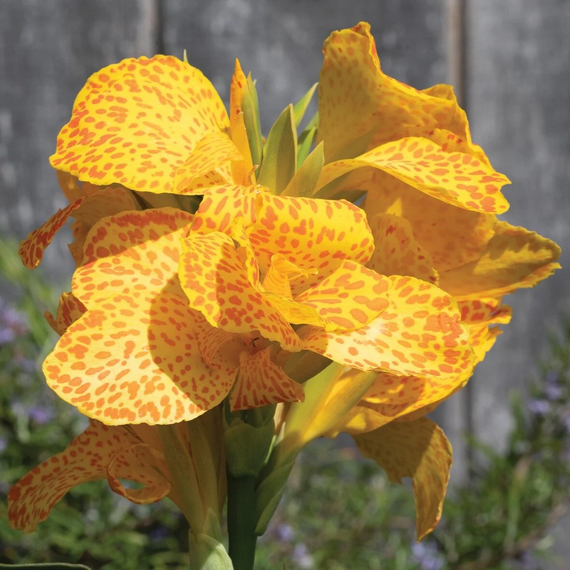
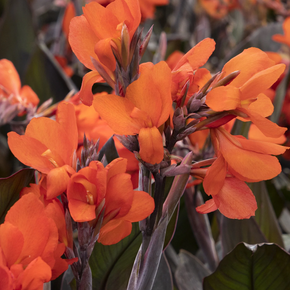
- Jaw-dropping golden yellow blooms dramatically spotted with orange-red leopard-print markings put on a bold, exotic show from early summer all the way through the first fall frost.
- A compact yet vigorous F1 hybrid from the award-winning Cannova Series, growing 30 to 48 inches tall with sturdy, wind-resistant stems and lush, broad sea-green tropical foliage.
- Exceptional heat tolerance and a non-stop blooming habit make it one of the lowest-maintenance, highest-impact plants you can add to sunny garden beds or patio containers.
- Irresistible to hummingbirds and butterflies, making it a standout performer for both ornamental impact and pollinator-friendly garden design.
Cannova Gold Leopard Canna Lily (Canna x generalis 'Cannova Gold Leopard') is a stunning tropical showstopper that brings an unmistakable exotic flair to Southern Oregon and Northern California gardens. Part of the industry-leading Cannova Series — the first-ever seed-grown F1 hybrid canna line, bred by Takii — this variety delivers bold, golden-yellow blooms richly freckled with vivid orange-red spots that truly mimic a leopard's coat, rising above wide, glossy sea-green foliage on strong, upright stems reaching 30 to 48 inches tall. Blooming continuously from late spring through the first hard frost with little to no deadheading required, Cannova Gold Leopard thrives in full sun and average to moist, well-draining soil, performing equally well as a dramatic garden bed focal point, a mass planting statement, or the commanding "thriller" in a mixed patio container. Its outstanding heat tolerance, easy-care nature, and season-long color make it a must-have for gardeners seeking reliable tropical drama without the fuss.
Plant Description
Cannova Gold Leopard is a vigorous, upright herbaceous canna featuring large, flag-like flowers in rich golden yellow, each petal boldly spotted and speckled with orange-red markings that give the blooms their signature leopard-print appearance. The flowers are held in open clusters atop tall, sturdy stems that rise above a base of wide, paddle-shaped, glossy sea-green leaves with a distinctly tropical, banana-plant quality. As a seed-grown F1 hybrid in the Cannova Series — the first of its kind developed by Takii breeders in Europe — this variety delivers exceptional uniformity, vigor, and color intensity compared to older rhizome-propagated types. It grows in a tightly upright, clumping form that reads as bold and architectural in the landscape, and it blooms repeatedly and reliably from late spring through fall without requiring frequent deadheading.
Mature Size
| Characteristic | Measurement |
|---|---|
| Mature Height | 30 to 48 inches (76 to 122 cm) |
| Mature Spread | 14 to 20 inches (36 to 51 cm) |
| Recommended Spacing (in-ground) | 12 to 18 inches apart |
| Habit | Rigidly upright, clumping |
| Height Category | Medium-Tall |
Hardiness and Climate
Cannova Gold Leopard is rated for USDA Hardiness Zones 8a through 11b as a perennial, meaning the rhizomes can survive winter in-ground across much of Southern Oregon and Northern California where hard freezes are not prolonged or severe. In these warmer regions, the rhizomes may be left in the ground year-round with a protective layer of mulch applied after the foliage dies back. The plant can withstand temperatures down to approximately 10 degrees F (-12.2 degrees C) at the rhizome level with adequate mulching. In Zone 7 and colder, or in areas with heavy, wet winter soils, rhizomes should be dug and stored indoors. This variety is widely grown as a warm-season annual in all zones, planted in spring after all frost danger has passed and soil has warmed to at least 60 degrees F. Its exceptional heat tolerance makes it perfectly suited to the hot, sunny summers of the Rogue Valley and the inland valleys of Northern California.
Sunlight Requirements
Cannova Gold Leopard performs best in full sun, receiving a minimum of 6 hours of direct sunlight per day. Full sun is essential for the richest bloom color, the most prolific flowering, and the sturdiest, most upright stem growth. While it can tolerate part sun (4 to 6 hours), flowering will be reduced and stems may become slightly more lax in shadier conditions. In the intense summer heat of Southern Oregon and Northern California, a location with bright morning sun and light afternoon shade can help maintain foliage quality, but a fully sunny, south- or west-facing exposure is ideal for peak performance. Avoid planting in deep or dappled shade, as this will significantly inhibit blooming.
Soil and pH Preferences
This canna thrives in rich, loose, fertile, and well-draining soil with consistent moisture retention. It is not particularly fussy about soil pH and will adapt to a moderately wide range, though it grows most vigorously in slightly acidic to neutral soil (pH 6.0 to 7.0). Heavy clay soils should be amended with generous amounts of compost or aged manure before planting to improve both drainage and fertility. Sandy soils benefit from organic matter additions to improve moisture retention. Avoid areas with standing water or consistently waterlogged soil, as soggy conditions promote rhizome rot. Incorporating a slow-release, balanced granular fertilizer or well-composted organic matter into the planting hole at the time of planting gives the rhizomes an excellent nutritional head start for the season.
Watering Guide
Cannova Gold Leopard is a moderately heavy water user that prefers consistently moist soil throughout the growing season. Water thoroughly once or twice per week, depending on heat, wind, and soil type, always soaking the root zone deeply rather than shallowly. Allow the top inch of soil to begin to dry between waterings, but do not allow the soil to dry out completely, as this can stress the plant and reduce flowering. Container-grown plants will require more frequent watering — sometimes daily in peak summer heat — since pots dry out faster than in-ground plantings. Drip irrigation or soaker hoses are excellent choices for in-ground plantings, delivering consistent moisture directly to the root zone while keeping foliage dry and reducing the risk of fungal disease. Reduce watering significantly in fall as the plant begins to die back at season's end.
Fertilizing
As a vigorous, fast-growing tropical plant with a long bloom season, Cannova Gold Leopard benefits greatly from regular feeding. Apply a balanced, water-soluble fertilizer (such as a 10-10-10 or 20-20-20 formulation) every two weeks throughout the active growing season from spring through late summer. Alternatively, a slow-release granular fertilizer worked into the soil at planting time, supplemented with monthly liquid feeding during peak growth, produces outstanding results. High-nitrogen fertilizer applied in early spring encourages lush, vigorous foliage and strong stem development. Once the plant is in active bloom, switch to a balanced or slightly phosphorus-rich formula to support continued flower production. Organic options such as compost, composted manure, or fish emulsion are also excellent and help build long-term soil health. Avoid over-fertilizing with nitrogen late in the season, which can promote excessive foliage at the expense of blooms.
Pruning and Maintenance
Cannova Gold Leopard is one of the most low-maintenance cannas available, largely due to its F1 hybrid vigor and its ability to continue blooming without mandatory deadheading. However, removing spent flower clusters as they fade does encourage faster re-blooming and keeps the plant looking tidy. Use clean, sharp pruners or scissors to cut the spent bloom stalk back to the next lateral bud or leaf node. If a stem has finished all of its blooms, cut it back to the base at soil level to encourage new shoots to emerge from the rhizome. In late fall, after frost has blackened the foliage in cooler areas, cut all stems back to 4 to 6 inches above the ground before either mulching over the bed for winter or digging the rhizomes for storage. In the mildest parts of Southern Oregon and Northern California where the ground does not freeze deeply, cannas can be cut back in place and mulched heavily, then allowed to re-sprout from the rhizomes the following spring.
Planting Instructions
- Choose a planting site in full sun with rich, well-drained, consistently moist soil.
- Wait until after the last frost date and soil has warmed to at least 60 degrees F before planting — typically April through June in Southern Oregon and Northern California.
- Prepare the bed by loosening soil to a depth of 12 inches and mixing in generous amounts of compost or aged manure.
- Dig a hole large enough to accommodate the root ball without crowding. If planting rhizomes, lay them horizontally with any visible eyes (buds) facing upward, covered by approximately 2 inches of soil.
- Space plants 12 to 18 inches apart for a lush, full look in borders, or 7 to 10 inches apart for a tighter mass planting effect.
- Water thoroughly after planting and keep the soil consistently moist as new growth emerges.
- Apply a 2 to 3 inch layer of mulch around the base of the plant to retain soil moisture, moderate soil temperature, and reduce weed competition. Keep mulch a few inches away from the main stem.
- For container planting, choose a pot at least 12 to 14 inches in diameter with drainage holes, filled with a high-quality, well-draining potting mix enriched with compost.
Bloom Time and Seasonal Interest
Cannova Gold Leopard puts on one of the longest floral displays of any summer annual or tropical perennial, typically beginning to bloom in late spring to early summer and continuing without interruption until the first hard frost of fall. In the mild climate of Southern Oregon and Northern California, this can mean five to six months or more of continuous color. The golden yellow flowers spotted with orange-red are produced in upright clusters (racemes) at the tops of the stems, with new buds continuously forming as older flowers fade. The broad, glossy sea-green tropical foliage provides bold textural interest even between bloom flushes. In warmer areas where the plant is treated as a perennial, it will re-emerge in spring from dormant rhizomes, often even more vigorous in its second and subsequent years as the rhizome clumps expand.
Landscape Uses
The bold tropical character and non-stop color of Cannova Gold Leopard make it one of the most versatile and impactful plants for the summer garden. Its upright form and striking blooms lend themselves to many uses, including:
- Focal Point or Specimen Plant: Plant singly or in small groups where a dramatic vertical accent is needed in a border or bed.
- Mass Planting: Use in large drifts for a sweeping, park-like tropical display that is impossible to ignore.
- Back-of-Border Plant: Its 3 to 4 foot height makes it ideal at the rear of a mixed perennial or annual border, providing a strong backdrop for shorter companion plants.
- Container Thriller: Acts as the commanding centerpiece in large patio pots, surrounded by trailing and mounding companion plants in a classic thriller-spiller-filler design.
- Poolside or Water Feature Planting: The lush tropical foliage and bold flowers are stunning near water features, reflecting ponds, or pools where a resort-like atmosphere is desired.
- Urban and Courtyard Gardens: Highly tolerant of urban conditions, heat, and pollution, making it an excellent choice for city gardens and enclosed patios.
Container Growing
Cannova Gold Leopard excels as a container plant and is one of the best "thriller" plants available for large mixed patio arrangements. Choose a sturdy container at least 12 to 14 inches in diameter and equally deep to accommodate the expanding rhizome system, and ensure it has adequate drainage holes. Fill with a premium, well-draining potting mix amended with compost for added fertility. Because of its compact Cannova Series genetics, it performs more reliably in containers than older, taller canna varieties. Position the container in the sunniest spot available — a south or west-facing patio or deck is ideal. Container plants require more frequent watering than in-ground plantings, potentially daily during hot summer weather; check soil moisture regularly and never allow the mix to dry out completely. Feed every two weeks with a balanced water-soluble fertilizer. In milder climates, container rhizomes can be overwintered by cutting the plant back, moving the entire container to a frost-free garage or shed, and keeping the soil barely moist until spring.
Wildlife Value
Cannova Gold Leopard is a notable wildlife-friendly plant that contributes meaningfully to garden biodiversity. The nectar-rich, tubular flowers are particularly attractive to hummingbirds, which are frequent visitors throughout the long blooming season. Butterflies — including swallowtails and skippers — are also strongly attracted to the blooms, making this canna an excellent addition to dedicated pollinator gardens or any landscape where wildlife activity is desired. Bees, both native and honey bees, visit the flowers for pollen and nectar as well. Note that while the plant is attractive to beneficial wildlife, it is not considered deer-resistant; in areas with heavy deer pressure, protective measures may be needed.
Overwintering Rhizomes
In Southern Oregon and Northern California (generally Zones 8 and above), Cannova Gold Leopard rhizomes can often be left in the ground over winter with protection. After frost kills the foliage, cut stems back to 4 to 6 inches above ground and apply 6 to 12 inches of mulch (straw, shredded leaves, or compost) over the bed to insulate the rhizomes from freezing temperatures. In colder pockets, heavier frost zones, or areas with wet winter soils, it is safer to dig and store the rhizomes:
- After the first light frost blackens the foliage, cut stems back to 4 to 6 inches above ground.
- Carefully loosen and lift the rhizome clumps with a spade, taking care to avoid cuts or bruises that invite rot.
- Shake off excess soil and allow the clumps to cure in a shaded, well-ventilated area for 7 to 10 days until the outer surface feels dry and slightly leathery.
- Remove and discard any soft, damaged, or moldy sections. Each saved rhizome should feel firm and contain at least one growing eye.
- Store the rhizomes in boxes, paper bags, or crates layered with barely moist peat moss, sawdust, or shredded newspaper in a cool, dark location where temperatures stay between 40 and 55 degrees F. A garage corner, basement, or crawl space often works well.
- Check monthly for rot or excessive drying; mist lightly if rhizomes begin to shrivel. Discard any that become soft or mushy.
- In early spring, 4 to 6 weeks before the last frost, pot rhizomes up indoors in a sunny window to get a head start on the season.
Pests and Diseases
Cannova Gold Leopard is generally quite resistant to serious pest and disease problems, especially when grown in appropriate conditions with good air circulation. Common issues to watch for include:
- Canna Leaf Roller (Calpodes ethlius): The larvae of this skipper butterfly roll and web canna leaves together to feed inside. Unroll affected leaves and remove caterpillars by hand, or apply a Bacillus thuringiensis (Bt) biological insecticide for heavier infestations.
- Japanese Beetles: Adults may skeletonize leaves in areas where they are present. Hand-pick adults in the morning and use neem oil or insecticidal soap for control.
- Aphids and Spider Mites: Occasional infestations, especially on stressed plants or in dry, hot conditions. Treat with a strong water spray, insecticidal soap, or neem oil.
- Canna Rust (Puccinia thaliae): A fungal disease that causes orange-brown pustules on leaf undersides. Improve air circulation, avoid overhead watering, and remove and dispose of infected foliage. Fungicide applications may be warranted in severe cases.
- Rhizome Rot: Caused by overwatering or poorly draining soil. Prevent by ensuring excellent drainage and avoiding waterlogged conditions. During storage, inspect rhizomes monthly and remove any soft, rotting sections immediately.
- Canna Mosaic Virus: Causes mottled, streaked, or distorted foliage. There is no cure; remove and destroy affected plants to prevent spread. Purchase disease-free plant material from reputable sources.
Companion Plants
The bold tropical character and warm golden-orange color palette of Cannova Gold Leopard pair beautifully with a wide variety of garden companions. For a cohesive tropical-inspired bed, combine it with:
- Elephant Ears (Colocasia or Alocasia): Their massive, dramatic foliage provides a bold, complementary tropical backdrop that enhances the canna's flowers.
- Purple Fountain Grass (Pennisetum setaceum 'Rubrum'): The deep burgundy, arching foliage creates a stunning color contrast with the golden yellow blooms.
- Lantana (Lantana camara): Low-growing, heat-loving, and available in warm orange and yellow tones that mirror the canna's color scheme while filling in at a lower level.
- Sweet Potato Vine (Ipomoea batatas): An ideal trailing "spiller" in containers; chartreuse or bronze varieties both complement the leopard-print blooms.
- Zinnia (Zinnia elegans): Cheerful mid-height companions in orange, yellow, and red that extend the warm color theme and attract additional pollinators.
- Pentas (Pentas lanceolata): Compact, hummingbird-attracting annuals in red or coral that anchor the base of taller cannas beautifully in both beds and containers.
- Salvia (Salvia splendens or S. guaranitica): Red or blue sages provide vivid color contrast and continue the wildlife-friendly, pollinator-rich theme.
- Jaw-dropping golden yellow blooms dramatically spotted with orange-red leopard-print markings put on a bold, exotic show from early summer all the way through the first fall frost.
- A compact yet vigorous F1 hybrid from the award-winning Cannova Series, growing 30 to 48 inches tall with sturdy, wind-resistant stems and lush, broad sea-green tropical foliage.
- Exceptional heat tolerance and a non-stop blooming habit make it one of the lowest-maintenance, highest-impact plants you can add to sunny garden beds or patio containers.
- Irresistible to hummingbirds and butterflies, making it a standout performer for both ornamental impact and pollinator-friendly garden design.
Cannova Gold Leopard Canna Lily (Canna x generalis 'Cannova Gold Leopard') is a stunning tropical showstopper that brings an unmistakable exotic flair to Southern Oregon and Northern California gardens. Part of the industry-leading Cannova Series — the first-ever seed-grown F1 hybrid canna line, bred by Takii — this variety delivers bold, golden-yellow blooms richly freckled with vivid orange-red spots that truly mimic a leopard's coat, rising above wide, glossy sea-green foliage on strong, upright stems reaching 30 to 48 inches tall. Blooming continuously from late spring through the first hard frost with little to no deadheading required, Cannova Gold Leopard thrives in full sun and average to moist, well-draining soil, performing equally well as a dramatic garden bed focal point, a mass planting statement, or the commanding "thriller" in a mixed patio container. Its outstanding heat tolerance, easy-care nature, and season-long color make it a must-have for gardeners seeking reliable tropical drama without the fuss.
Plant Description
Cannova Gold Leopard is a vigorous, upright herbaceous canna featuring large, flag-like flowers in rich golden yellow, each petal boldly spotted and speckled with orange-red markings that give the blooms their signature leopard-print appearance. The flowers are held in open clusters atop tall, sturdy stems that rise above a base of wide, paddle-shaped, glossy sea-green leaves with a distinctly tropical, banana-plant quality. As a seed-grown F1 hybrid in the Cannova Series — the first of its kind developed by Takii breeders in Europe — this variety delivers exceptional uniformity, vigor, and color intensity compared to older rhizome-propagated types. It grows in a tightly upright, clumping form that reads as bold and architectural in the landscape, and it blooms repeatedly and reliably from late spring through fall without requiring frequent deadheading.
Mature Size
| Characteristic | Measurement |
|---|---|
| Mature Height | 30 to 48 inches (76 to 122 cm) |
| Mature Spread | 14 to 20 inches (36 to 51 cm) |
| Recommended Spacing (in-ground) | 12 to 18 inches apart |
| Habit | Rigidly upright, clumping |
| Height Category | Medium-Tall |
Hardiness and Climate
Cannova Gold Leopard is rated for USDA Hardiness Zones 8a through 11b as a perennial, meaning the rhizomes can survive winter in-ground across much of Southern Oregon and Northern California where hard freezes are not prolonged or severe. In these warmer regions, the rhizomes may be left in the ground year-round with a protective layer of mulch applied after the foliage dies back. The plant can withstand temperatures down to approximately 10 degrees F (-12.2 degrees C) at the rhizome level with adequate mulching. In Zone 7 and colder, or in areas with heavy, wet winter soils, rhizomes should be dug and stored indoors. This variety is widely grown as a warm-season annual in all zones, planted in spring after all frost danger has passed and soil has warmed to at least 60 degrees F. Its exceptional heat tolerance makes it perfectly suited to the hot, sunny summers of the Rogue Valley and the inland valleys of Northern California.
Sunlight Requirements
Cannova Gold Leopard performs best in full sun, receiving a minimum of 6 hours of direct sunlight per day. Full sun is essential for the richest bloom color, the most prolific flowering, and the sturdiest, most upright stem growth. While it can tolerate part sun (4 to 6 hours), flowering will be reduced and stems may become slightly more lax in shadier conditions. In the intense summer heat of Southern Oregon and Northern California, a location with bright morning sun and light afternoon shade can help maintain foliage quality, but a fully sunny, south- or west-facing exposure is ideal for peak performance. Avoid planting in deep or dappled shade, as this will significantly inhibit blooming.
Soil and pH Preferences
This canna thrives in rich, loose, fertile, and well-draining soil with consistent moisture retention. It is not particularly fussy about soil pH and will adapt to a moderately wide range, though it grows most vigorously in slightly acidic to neutral soil (pH 6.0 to 7.0). Heavy clay soils should be amended with generous amounts of compost or aged manure before planting to improve both drainage and fertility. Sandy soils benefit from organic matter additions to improve moisture retention. Avoid areas with standing water or consistently waterlogged soil, as soggy conditions promote rhizome rot. Incorporating a slow-release, balanced granular fertilizer or well-composted organic matter into the planting hole at the time of planting gives the rhizomes an excellent nutritional head start for the season.
Watering Guide
Cannova Gold Leopard is a moderately heavy water user that prefers consistently moist soil throughout the growing season. Water thoroughly once or twice per week, depending on heat, wind, and soil type, always soaking the root zone deeply rather than shallowly. Allow the top inch of soil to begin to dry between waterings, but do not allow the soil to dry out completely, as this can stress the plant and reduce flowering. Container-grown plants will require more frequent watering — sometimes daily in peak summer heat — since pots dry out faster than in-ground plantings. Drip irrigation or soaker hoses are excellent choices for in-ground plantings, delivering consistent moisture directly to the root zone while keeping foliage dry and reducing the risk of fungal disease. Reduce watering significantly in fall as the plant begins to die back at season's end.
Fertilizing
As a vigorous, fast-growing tropical plant with a long bloom season, Cannova Gold Leopard benefits greatly from regular feeding. Apply a balanced, water-soluble fertilizer (such as a 10-10-10 or 20-20-20 formulation) every two weeks throughout the active growing season from spring through late summer. Alternatively, a slow-release granular fertilizer worked into the soil at planting time, supplemented with monthly liquid feeding during peak growth, produces outstanding results. High-nitrogen fertilizer applied in early spring encourages lush, vigorous foliage and strong stem development. Once the plant is in active bloom, switch to a balanced or slightly phosphorus-rich formula to support continued flower production. Organic options such as compost, composted manure, or fish emulsion are also excellent and help build long-term soil health. Avoid over-fertilizing with nitrogen late in the season, which can promote excessive foliage at the expense of blooms.
Pruning and Maintenance
Cannova Gold Leopard is one of the most low-maintenance cannas available, largely due to its F1 hybrid vigor and its ability to continue blooming without mandatory deadheading. However, removing spent flower clusters as they fade does encourage faster re-blooming and keeps the plant looking tidy. Use clean, sharp pruners or scissors to cut the spent bloom stalk back to the next lateral bud or leaf node. If a stem has finished all of its blooms, cut it back to the base at soil level to encourage new shoots to emerge from the rhizome. In late fall, after frost has blackened the foliage in cooler areas, cut all stems back to 4 to 6 inches above the ground before either mulching over the bed for winter or digging the rhizomes for storage. In the mildest parts of Southern Oregon and Northern California where the ground does not freeze deeply, cannas can be cut back in place and mulched heavily, then allowed to re-sprout from the rhizomes the following spring.
Planting Instructions
- Choose a planting site in full sun with rich, well-drained, consistently moist soil.
- Wait until after the last frost date and soil has warmed to at least 60 degrees F before planting — typically April through June in Southern Oregon and Northern California.
- Prepare the bed by loosening soil to a depth of 12 inches and mixing in generous amounts of compost or aged manure.
- Dig a hole large enough to accommodate the root ball without crowding. If planting rhizomes, lay them horizontally with any visible eyes (buds) facing upward, covered by approximately 2 inches of soil.
- Space plants 12 to 18 inches apart for a lush, full look in borders, or 7 to 10 inches apart for a tighter mass planting effect.
- Water thoroughly after planting and keep the soil consistently moist as new growth emerges.
- Apply a 2 to 3 inch layer of mulch around the base of the plant to retain soil moisture, moderate soil temperature, and reduce weed competition. Keep mulch a few inches away from the main stem.
- For container planting, choose a pot at least 12 to 14 inches in diameter with drainage holes, filled with a high-quality, well-draining potting mix enriched with compost.
Bloom Time and Seasonal Interest
Cannova Gold Leopard puts on one of the longest floral displays of any summer annual or tropical perennial, typically beginning to bloom in late spring to early summer and continuing without interruption until the first hard frost of fall. In the mild climate of Southern Oregon and Northern California, this can mean five to six months or more of continuous color. The golden yellow flowers spotted with orange-red are produced in upright clusters (racemes) at the tops of the stems, with new buds continuously forming as older flowers fade. The broad, glossy sea-green tropical foliage provides bold textural interest even between bloom flushes. In warmer areas where the plant is treated as a perennial, it will re-emerge in spring from dormant rhizomes, often even more vigorous in its second and subsequent years as the rhizome clumps expand.
Landscape Uses
The bold tropical character and non-stop color of Cannova Gold Leopard make it one of the most versatile and impactful plants for the summer garden. Its upright form and striking blooms lend themselves to many uses, including:
- Focal Point or Specimen Plant: Plant singly or in small groups where a dramatic vertical accent is needed in a border or bed.
- Mass Planting: Use in large drifts for a sweeping, park-like tropical display that is impossible to ignore.
- Back-of-Border Plant: Its 3 to 4 foot height makes it ideal at the rear of a mixed perennial or annual border, providing a strong backdrop for shorter companion plants.
- Container Thriller: Acts as the commanding centerpiece in large patio pots, surrounded by trailing and mounding companion plants in a classic thriller-spiller-filler design.
- Poolside or Water Feature Planting: The lush tropical foliage and bold flowers are stunning near water features, reflecting ponds, or pools where a resort-like atmosphere is desired.
- Urban and Courtyard Gardens: Highly tolerant of urban conditions, heat, and pollution, making it an excellent choice for city gardens and enclosed patios.
Container Growing
Cannova Gold Leopard excels as a container plant and is one of the best "thriller" plants available for large mixed patio arrangements. Choose a sturdy container at least 12 to 14 inches in diameter and equally deep to accommodate the expanding rhizome system, and ensure it has adequate drainage holes. Fill with a premium, well-draining potting mix amended with compost for added fertility. Because of its compact Cannova Series genetics, it performs more reliably in containers than older, taller canna varieties. Position the container in the sunniest spot available — a south or west-facing patio or deck is ideal. Container plants require more frequent watering than in-ground plantings, potentially daily during hot summer weather; check soil moisture regularly and never allow the mix to dry out completely. Feed every two weeks with a balanced water-soluble fertilizer. In milder climates, container rhizomes can be overwintered by cutting the plant back, moving the entire container to a frost-free garage or shed, and keeping the soil barely moist until spring.
Wildlife Value
Cannova Gold Leopard is a notable wildlife-friendly plant that contributes meaningfully to garden biodiversity. The nectar-rich, tubular flowers are particularly attractive to hummingbirds, which are frequent visitors throughout the long blooming season. Butterflies — including swallowtails and skippers — are also strongly attracted to the blooms, making this canna an excellent addition to dedicated pollinator gardens or any landscape where wildlife activity is desired. Bees, both native and honey bees, visit the flowers for pollen and nectar as well. Note that while the plant is attractive to beneficial wildlife, it is not considered deer-resistant; in areas with heavy deer pressure, protective measures may be needed.
Overwintering Rhizomes
In Southern Oregon and Northern California (generally Zones 8 and above), Cannova Gold Leopard rhizomes can often be left in the ground over winter with protection. After frost kills the foliage, cut stems back to 4 to 6 inches above ground and apply 6 to 12 inches of mulch (straw, shredded leaves, or compost) over the bed to insulate the rhizomes from freezing temperatures. In colder pockets, heavier frost zones, or areas with wet winter soils, it is safer to dig and store the rhizomes:
- After the first light frost blackens the foliage, cut stems back to 4 to 6 inches above ground.
- Carefully loosen and lift the rhizome clumps with a spade, taking care to avoid cuts or bruises that invite rot.
- Shake off excess soil and allow the clumps to cure in a shaded, well-ventilated area for 7 to 10 days until the outer surface feels dry and slightly leathery.
- Remove and discard any soft, damaged, or moldy sections. Each saved rhizome should feel firm and contain at least one growing eye.
- Store the rhizomes in boxes, paper bags, or crates layered with barely moist peat moss, sawdust, or shredded newspaper in a cool, dark location where temperatures stay between 40 and 55 degrees F. A garage corner, basement, or crawl space often works well.
- Check monthly for rot or excessive drying; mist lightly if rhizomes begin to shrivel. Discard any that become soft or mushy.
- In early spring, 4 to 6 weeks before the last frost, pot rhizomes up indoors in a sunny window to get a head start on the season.
Pests and Diseases
Cannova Gold Leopard is generally quite resistant to serious pest and disease problems, especially when grown in appropriate conditions with good air circulation. Common issues to watch for include:
- Canna Leaf Roller (Calpodes ethlius): The larvae of this skipper butterfly roll and web canna leaves together to feed inside. Unroll affected leaves and remove caterpillars by hand, or apply a Bacillus thuringiensis (Bt) biological insecticide for heavier infestations.
- Japanese Beetles: Adults may skeletonize leaves in areas where they are present. Hand-pick adults in the morning and use neem oil or insecticidal soap for control.
- Aphids and Spider Mites: Occasional infestations, especially on stressed plants or in dry, hot conditions. Treat with a strong water spray, insecticidal soap, or neem oil.
- Canna Rust (Puccinia thaliae): A fungal disease that causes orange-brown pustules on leaf undersides. Improve air circulation, avoid overhead watering, and remove and dispose of infected foliage. Fungicide applications may be warranted in severe cases.
- Rhizome Rot: Caused by overwatering or poorly draining soil. Prevent by ensuring excellent drainage and avoiding waterlogged conditions. During storage, inspect rhizomes monthly and remove any soft, rotting sections immediately.
- Canna Mosaic Virus: Causes mottled, streaked, or distorted foliage. There is no cure; remove and destroy affected plants to prevent spread. Purchase disease-free plant material from reputable sources.
Companion Plants
The bold tropical character and warm golden-orange color palette of Cannova Gold Leopard pair beautifully with a wide variety of garden companions. For a cohesive tropical-inspired bed, combine it with:
- Elephant Ears (Colocasia or Alocasia): Their massive, dramatic foliage provides a bold, complementary tropical backdrop that enhances the canna's flowers.
- Purple Fountain Grass (Pennisetum setaceum 'Rubrum'): The deep burgundy, arching foliage creates a stunning color contrast with the golden yellow blooms.
- Lantana (Lantana camara): Low-growing, heat-loving, and available in warm orange and yellow tones that mirror the canna's color scheme while filling in at a lower level.
- Sweet Potato Vine (Ipomoea batatas): An ideal trailing "spiller" in containers; chartreuse or bronze varieties both complement the leopard-print blooms.
- Zinnia (Zinnia elegans): Cheerful mid-height companions in orange, yellow, and red that extend the warm color theme and attract additional pollinators.
- Pentas (Pentas lanceolata): Compact, hummingbird-attracting annuals in red or coral that anchor the base of taller cannas beautifully in both beds and containers.
- Salvia (Salvia splendens or S. guaranitica): Red or blue sages provide vivid color contrast and continue the wildlife-friendly, pollinator-rich theme.
Related Products