

Zoom the image with the mouse
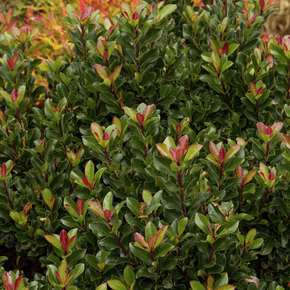
Breeze Dwarf Mat Rush - 1 Gallon
SKU:
2325120
UPC:
014949317846
$16.99
- Tough, evergreen Australian native forms a graceful, arching clump of fine, deep green strap-like foliage that stays attractive year-round with virtually no fuss.
- Exceptionally drought tolerant once established, and handles full sun to partial shade, poor soils, salt spray, and even occasional wet periods with ease.
- Fragrant, creamy yellow flower spikes emerge in late spring through summer, attracting bees and other beneficial pollinators to the garden.
- Deer resistant and low maintenance — an ideal choice for mass plantings, erosion control on slopes, water-wise landscapes, coastal gardens, and containers.
Breeze Dwarf Mat Rush (Lomandra longifolia 'LM300') is a refined, compact Australian native that brings effortless, year-round structure and soft texture to any garden in USDA zones 7-11. Selected in 1998 as a sport from Lomandra longifolia 'Katrinus' in New South Wales, Australia, this cultivar was prized for its notably finer, narrower, deep-green strap-shaped leaves with characteristically serrated, pinking-shear-cut tips that lend it a uniquely refined appearance compared to standard mat rush varieties. Forming a graceful, rounded clump typically reaching 2-3 feet tall and up to 2-4 feet wide, Breeze Dwarf Mat Rush earns its reputation as one of the most versatile and resilient ornamental grass alternatives available for gardens throughout Southern Oregon and Northern California. In late spring and summer it sends up spiny spikes adorned with small, sweetly honey-scented, creamy yellow flowers that draw in bees and beneficial insects. Once established, it thrives on minimal water, tolerates a wide range of soil types from sandy coastal soils to heavy clay, and shrugs off salt spray, making it a standout performer in challenging seaside and drought-prone landscapes. Whether used in sweeping mass plantings, as a border along walkways and driveways, for stabilizing slopes, or as a striking specimen in a container, Lomandra Breeze delivers a clean, modern aesthetic with almost no maintenance required.
Plant Description
Breeze Dwarf Mat Rush is an evergreen, clump-forming perennial that belongs to the subfamily Lomandroideae within the Asparagaceae family. Native to eastern Australia, where it grows naturally across a range of habitats from open woodlands to wetland margins, this cultivar was selected for its distinctly finer texture and deeper green color compared to the standard Lomandra longifolia species. Its long, narrow, strap-shaped leaves arch gracefully outward from a central crown, creating a soft, fountain-like mound. The leaf tips are uniquely serrated, as though cut with pinking shears, which is one of the most reliable ways to identify this particular plant. Unlike true ornamental grasses, Lomandra is a grass-like perennial that does not spread aggressively by runners; instead, it forms an orderly, non-invasive clump that expands slowly and steadily over time, making it one of the most well-behaved structural plants available for the landscape.
Mature Size
| Characteristic | Typical Range |
|---|---|
| Mature Height | 2 - 3 feet |
| Mature Spread | 2 - 4 feet |
| Growth Rate | Moderate; fills in noticeably in year 2 |
| Growth Habit | Clump-forming, arching, rounded mound |
| Leaf Width | Less than 1/2 inch (narrow, fine-textured) |
Note: Final size can vary based on climate, soil fertility, and irrigation. Plants grown in cooler coastal conditions with regular moisture tend toward the larger end of the range, while those grown in hotter, drier inland settings or under tree canopy competition typically remain more compact. The first growing season is primarily a root-establishment period; the most dramatic size increase generally occurs in the second and third years.
Hardiness Zones and Temperature Tolerance
Breeze Dwarf Mat Rush is recommended for USDA Hardiness Zones 7 through 11, making it well suited to the climates of Southern Oregon and Northern California. It tolerates temperatures down to approximately 15-20 degrees Fahrenheit, and there are documented reports of established plants surviving brief dips to 14 degrees Fahrenheit with minimal damage. In the event of a hard frost, leaf tips may brown, but established plants typically rebound vigorously as temperatures warm. In climates that regularly experience temperatures below 15 degrees Fahrenheit, growing Breeze in a container that can be moved to a sheltered location during winter is a practical option. It performs exceptionally well in the hot, dry summers and mild winters characteristic of much of the Pacific Coast and inland valleys of the Pacific Northwest and California.
Sunlight Requirements
Breeze Dwarf Mat Rush is highly adaptable when it comes to light exposure, thriving in a range of conditions from full sun to moderate shade. For the most dense, well-rounded clump and the richest green foliage color, a site receiving at least 6 hours of direct sunlight per day is ideal. In the hotter inland areas of Southern Oregon and Northern California, afternoon shade or filtered light can help prevent any leaf tip scorch during peak summer heat. Along the coast, this plant handles full sun exposure particularly well, even in the presence of salt-laden winds. In partial to moderate shade, growth may be slightly less dense, but the plant remains attractive and healthy. Deep, heavy shade should be avoided, as it tends to thin the plant out and diminish its naturally tidy, rounded form.
Soil and pH Preferences
One of the most appreciated qualities of Breeze Dwarf Mat Rush is its remarkable soil adaptability. It grows successfully in sandy, loamy, and heavy clay soils, and it tolerates a wide soil pH range of approximately 4.5 to 9.0, meaning it is equally comfortable in acidic and moderately alkaline conditions. The single non-negotiable requirement is adequate drainage — water should be able to percolate through rather than pool around the crown. In heavy clay soils, incorporating organic compost and planting the crown slightly above the surrounding soil grade will significantly improve performance and help prevent crown rot. This plant has also demonstrated moderate tolerance to saline soils and irrigation with reclaimed water, which adds to its usefulness in coastal landscapes and regions where water quality is a concern.
Watering Guide
Proper watering during the establishment phase is the single most important factor in long-term success with Breeze Dwarf Mat Rush. Follow these general guidelines:
- Weeks 1-2 after planting: Water regularly to keep the root zone evenly moist but not waterlogged. Check soil moisture every 2-3 days.
- Weeks 3-8: Begin allowing the top inch of soil to dry slightly between deep, thorough waterings to encourage deep root development.
- After establishment (typically 3-6 months): Reduce watering frequency significantly. Deep, infrequent watering — allowing the soil to dry between sessions — produces the strongest, most drought-resilient plants.
- Established plants in drought conditions: Once fully rooted in, this plant can endure extended dry periods with little to no supplemental irrigation, particularly in coastal or partially shaded settings.
- Containers: Potted plants dry out more quickly and will need more consistent watering than in-ground specimens. Always check soil moisture before watering, and never allow containers to sit in standing water.
Overwatering is one of the most common issues with this plant. Soggy soil over extended periods can lead to root rot, yellowing foliage, and crown problems. When in doubt, water less rather than more on established plants.
Fertilizing
Breeze Dwarf Mat Rush is a light feeder and does not require heavy fertilization. In average garden soil, plants often thrive with little to no added fertilizer once established. For best results and to encourage healthy, dense growth, consider the following approach:
- Apply a balanced, slow-release granular fertilizer (such as a 10-10-10 or similar formulation) once in early spring to support the flush of new growth.
- A second light application in early fall can help maintain vigor heading into the cooler season, though this is optional in mild climates.
- Newly planted specimens benefit from a diluted liquid fertilizer applied monthly during the first growing season to support root establishment.
- Avoid excessive nitrogen, which can produce overly lush, floppy growth that is out of character for this tidy plant.
- In rich garden beds that receive regular top-dressing with compost, additional fertilizer is usually unnecessary.
Planting Instructions
- Choose the right time: Spring and fall are the best planting seasons, when moderate temperatures allow roots to establish without the stress of summer heat or winter cold.
- Prepare the site: Loosen the soil in the planting area to a depth of at least 12 inches. Amend heavy clay soils with compost to improve drainage and soil structure.
- Dig the hole: Make the hole approximately twice as wide as the root ball and no deeper than the root ball's height.
- Set the crown high: Position the plant so the crown sits slightly above the surrounding soil grade. This critical detail helps water drain away from the crown and greatly reduces the risk of crown rot.
- Backfill and firm: Fill in with the native soil, gently firming it around the roots to eliminate air pockets.
- Water in thoroughly: Give the newly planted specimen a deep, thorough watering immediately after planting.
- Mulch the area: Apply 2-3 inches of organic mulch around the plant, keeping it pulled back several inches from the base to prevent crown rot and pest harborage.
- Spacing for mass plantings: Space plants 18-24 inches apart for a quick-fill mass planting, or 24-30 inches apart for a border where individual clumps will be more distinct.
Pruning and Maintenance
Breeze Dwarf Mat Rush is one of the lowest-maintenance plants you can add to a landscape. It does not require regular pruning to remain attractive, though a light annual tidy-up will keep it looking its sharpest.
- Annual tidy-up: In late winter to early spring, before new growth pushes strongly, run your fingers through the clump to pull out any loose, dead, or yellowed blades. This freshens the plant's appearance and allows sunlight to reach the base.
- Trimming brown tips: If wind, frost, or heat causes leaf tip browning, trim the tips with shears held vertically and angle slightly to mimic the natural taper of the leaves. This avoids a blunt, unnatural-looking cut.
- Frost damage cleanup: After a hard frost, wait until the coldest weather has passed before removing damaged foliage. New growth will emerge from the base as temperatures warm.
- Rejuvenation: Every 3-5 years, clumps that have become overly dense or are thinning in the center can be cut back to approximately 6 inches from the ground in early spring, or divided and replanted. This resets the plant's vigor and extends its productive life in the garden.
- Avoid scalping: Never cut into the crown when performing a hard cutback. Always leave a low mound of foliage rather than cutting the plant flat to the ground.
Seasonal Interest
Breeze Dwarf Mat Rush earns its keep in the garden in every season, making it an exceptional year-round asset in the Pacific Coast landscape:
- Spring: Fresh, bright green growth emerges as temperatures warm. The plant begins building toward its full, arching form. Flower spikes begin developing in late spring.
- Summer: Creamy yellow, honey-scented flower spikes appear, rising just below the leaf tips. These delicate blooms attract bees and beneficial insects. The deep green foliage is at its most lush and full during this season.
- Fall: Spent flower spikes develop into small brown seed capsules that add subtle textural interest. The foliage remains deep green and attractive.
- Winter: In the mild climates of Southern Oregon and Northern California, Breeze Mat Rush remains fully evergreen and holds its form and color throughout the winter months, providing structure and green color when many other plants have gone dormant.
Landscape Uses
The versatility of Breeze Dwarf Mat Rush makes it one of the most widely used ornamental grass alternatives in Western landscapes. Its clean, modern texture suits a broad range of design styles and applications:
- Mass plantings and groundcover: When planted en masse, it creates a flowing, uniform carpet of fine green texture that is visually striking and highly effective at suppressing weeds.
- Border and edging plant: Its naturally tidy, rounded habit makes it ideal for defining borders along walkways, driveways, and garden beds without the need for frequent trimming.
- Slope stabilization and erosion control: Its fibrous root system holds soil effectively on slopes and banks, while the attractive foliage makes it a far more ornamental solution than traditional erosion-control plants.
- Coastal and seaside gardens: Exceptional salt spray tolerance makes it a top choice for gardens near the ocean, where few plants survive long term.
- Water-wise and xeriscape gardens: Its low water requirements after establishment make it a cornerstone plant in drought-tolerant landscape designs.
- Rock gardens and gravel landscapes: The fine-textured foliage provides a soft, natural contrast against hard stone and gravel surfaces.
- Poolside plantings: Tolerant of reflected heat and occasional splash, it is well suited to pool surrounds where drainage is typically excellent.
- Under Eucalyptus and other challenging tree understories: Notably tolerant of the difficult root competition and soil conditions found beneath established Eucalyptus groves and similar trees.
- Containers and planters: Grows beautifully in large containers, where its arching form spills gracefully over the edges for an elegant, finished look.
Container Growing
Breeze Dwarf Mat Rush adapts very well to life in containers and planters, making it an excellent choice for patios, entryways, rooftop gardens, and any space where in-ground planting is not possible. Keep the following tips in mind for success:
- Select a container that is at least 12-16 inches in diameter with drainage holes in the bottom. Larger containers retain moisture more evenly and require less frequent watering.
- Use a quality, well-draining potting mix. Avoid dense, peat-heavy mixes that can stay waterlogged. Adding perlite or coarse sand improves drainage in heavier mixes.
- Container plants dry out faster than in-ground plants, especially in hot or windy locations. Check soil moisture regularly and water thoroughly when the top inch feels dry.
- Apply a diluted balanced liquid fertilizer once a month during the spring and summer growing season to compensate for nutrients that leach out with regular watering.
- In regions where winter temperatures may drop below 15 degrees Fahrenheit, containers can be moved to a sheltered garage or covered patio to protect the root zone from freezing.
- Repot every 2-3 years or when roots begin to circle heavily at the bottom of the container, stepping up one pot size to maintain vigor.
Companion Plants
The fine, arching green texture of Breeze Dwarf Mat Rush pairs beautifully with a wide range of plants, particularly those with bold forms, contrasting leaf shapes, or strong seasonal color. Consider these companion combinations for the Pacific Coast garden:
- Agave and Aloe: The bold, architectural forms of agave and aloe provide dramatic contrast against the soft, fine-textured foliage of Lomandra, creating a striking modern composition.
- Lavender (Lavandula spp.): The silvery foliage and fragrant purple spikes of lavender make a beautiful color and texture contrast, and both plants share similar low-water, well-drained-soil preferences.
- Ornamental Salvias: The vertical flower spikes of salvia cultivars in blue, purple, and red add vibrant seasonal color above the grassy mounds of Lomandra.
- Rockrose (Cistus spp.): Equally drought tolerant, rockrose provides a burst of flower color in spring alongside Lomandra's fresh growth, with both plants thriving in lean, well-drained soils.
- Flax (Phormium tenax): The upright, sword-like form of New Zealand flax creates a bold vertical accent that contrasts beautifully with the lower, arching habit of Breeze Mat Rush.
- Ornamental grasses such as Blue Oat Grass (Helictotrichon sempervirens): The cool blue-grey tone of blue oat grass provides attractive color contrast while sharing similar cultural requirements.
- Grevillea and Westringia: These Australian native shrubs are natural companions to Lomandra, sharing drought tolerance, low maintenance, and a similar affinity for the Mediterranean-style climate of the Pacific Coast.
Pests and Diseases
Breeze Dwarf Mat Rush is notably resistant to most common pests and diseases, which is a major reason for its popularity in low-maintenance landscapes. However, gardeners should be aware of the following occasional issues:
- Aphids: Occasionally found clustering on new growth or undersides of leaves, particularly on container-grown plants. A strong jet of water from a garden hose is usually sufficient to dislodge them. Neem oil or insecticidal soap can be applied for persistent infestations.
- Mealybugs: Can appear on containerized plants, particularly in warm, sheltered indoor conditions. Treat with neem oil or by manually removing insects with a cotton swab dipped in rubbing alcohol.
- Scale insects: In rare cases, scale may colonize the leaf bases. Treat with horticultural oil during the appropriate time of year.
- Fungal rust: Orange or brown pustules on the leaf surface can occasionally develop in humid, poorly ventilated conditions. Remove and dispose of affected leaves promptly and avoid overhead watering. Improve air circulation where possible.
- Crown rot: The most serious threat to this plant, almost always caused by planting too deep, poor drainage, or mulch piled against the crown. Prevent it by planting slightly high, ensuring good drainage, and keeping mulch pulled back from the base of the plant.
- Deer damage: This plant is considered deer resistant, as deer generally find the tough, strap-like foliage unappealing. Newly installed plants may occasionally be sampled, particularly if deer pressure is high.
Wildlife Value
Despite its reputation as a utilitarian, low-maintenance plant, Breeze Dwarf Mat Rush provides meaningful value to local wildlife and beneficial insects, making it an ecologically conscious choice for Pacific Coast gardens:
- Pollinators: The honey-scented, creamy yellow flower spikes attract bees and beetles during the summer blooming period. The strong-smelling nectar is particularly appealing to native bee species.
- Beneficial insects: The dense foliage provides shelter and habitat for ground-dwelling beneficial insects, including predatory beetles that help control garden pest populations.
- Birds: The seed capsules that develop after flowering can attract seed-eating birds, particularly smaller finch species.
- Butterflies and hummingbirds: While not a primary nectar source, the plant's flowers can attract butterflies and occasionally hummingbirds, particularly when planted in mass groupings near other nectar-rich species.
- Erosion and habitat stabilization: In naturalistic plantings and on slopes, the dense clumps provide soil stability and low-growing structure that supports a diversity of ground-level insects and small beneficial fauna.
- Tough, evergreen Australian native forms a graceful, arching clump of fine, deep green strap-like foliage that stays attractive year-round with virtually no fuss.
- Exceptionally drought tolerant once established, and handles full sun to partial shade, poor soils, salt spray, and even occasional wet periods with ease.
- Fragrant, creamy yellow flower spikes emerge in late spring through summer, attracting bees and other beneficial pollinators to the garden.
- Deer resistant and low maintenance — an ideal choice for mass plantings, erosion control on slopes, water-wise landscapes, coastal gardens, and containers.
Breeze Dwarf Mat Rush (Lomandra longifolia 'LM300') is a refined, compact Australian native that brings effortless, year-round structure and soft texture to any garden in USDA zones 7-11. Selected in 1998 as a sport from Lomandra longifolia 'Katrinus' in New South Wales, Australia, this cultivar was prized for its notably finer, narrower, deep-green strap-shaped leaves with characteristically serrated, pinking-shear-cut tips that lend it a uniquely refined appearance compared to standard mat rush varieties. Forming a graceful, rounded clump typically reaching 2-3 feet tall and up to 2-4 feet wide, Breeze Dwarf Mat Rush earns its reputation as one of the most versatile and resilient ornamental grass alternatives available for gardens throughout Southern Oregon and Northern California. In late spring and summer it sends up spiny spikes adorned with small, sweetly honey-scented, creamy yellow flowers that draw in bees and beneficial insects. Once established, it thrives on minimal water, tolerates a wide range of soil types from sandy coastal soils to heavy clay, and shrugs off salt spray, making it a standout performer in challenging seaside and drought-prone landscapes. Whether used in sweeping mass plantings, as a border along walkways and driveways, for stabilizing slopes, or as a striking specimen in a container, Lomandra Breeze delivers a clean, modern aesthetic with almost no maintenance required.
Plant Description
Breeze Dwarf Mat Rush is an evergreen, clump-forming perennial that belongs to the subfamily Lomandroideae within the Asparagaceae family. Native to eastern Australia, where it grows naturally across a range of habitats from open woodlands to wetland margins, this cultivar was selected for its distinctly finer texture and deeper green color compared to the standard Lomandra longifolia species. Its long, narrow, strap-shaped leaves arch gracefully outward from a central crown, creating a soft, fountain-like mound. The leaf tips are uniquely serrated, as though cut with pinking shears, which is one of the most reliable ways to identify this particular plant. Unlike true ornamental grasses, Lomandra is a grass-like perennial that does not spread aggressively by runners; instead, it forms an orderly, non-invasive clump that expands slowly and steadily over time, making it one of the most well-behaved structural plants available for the landscape.
Mature Size
| Characteristic | Typical Range |
|---|---|
| Mature Height | 2 - 3 feet |
| Mature Spread | 2 - 4 feet |
| Growth Rate | Moderate; fills in noticeably in year 2 |
| Growth Habit | Clump-forming, arching, rounded mound |
| Leaf Width | Less than 1/2 inch (narrow, fine-textured) |
Note: Final size can vary based on climate, soil fertility, and irrigation. Plants grown in cooler coastal conditions with regular moisture tend toward the larger end of the range, while those grown in hotter, drier inland settings or under tree canopy competition typically remain more compact. The first growing season is primarily a root-establishment period; the most dramatic size increase generally occurs in the second and third years.
Hardiness Zones and Temperature Tolerance
Breeze Dwarf Mat Rush is recommended for USDA Hardiness Zones 7 through 11, making it well suited to the climates of Southern Oregon and Northern California. It tolerates temperatures down to approximately 15-20 degrees Fahrenheit, and there are documented reports of established plants surviving brief dips to 14 degrees Fahrenheit with minimal damage. In the event of a hard frost, leaf tips may brown, but established plants typically rebound vigorously as temperatures warm. In climates that regularly experience temperatures below 15 degrees Fahrenheit, growing Breeze in a container that can be moved to a sheltered location during winter is a practical option. It performs exceptionally well in the hot, dry summers and mild winters characteristic of much of the Pacific Coast and inland valleys of the Pacific Northwest and California.
Sunlight Requirements
Breeze Dwarf Mat Rush is highly adaptable when it comes to light exposure, thriving in a range of conditions from full sun to moderate shade. For the most dense, well-rounded clump and the richest green foliage color, a site receiving at least 6 hours of direct sunlight per day is ideal. In the hotter inland areas of Southern Oregon and Northern California, afternoon shade or filtered light can help prevent any leaf tip scorch during peak summer heat. Along the coast, this plant handles full sun exposure particularly well, even in the presence of salt-laden winds. In partial to moderate shade, growth may be slightly less dense, but the plant remains attractive and healthy. Deep, heavy shade should be avoided, as it tends to thin the plant out and diminish its naturally tidy, rounded form.
Soil and pH Preferences
One of the most appreciated qualities of Breeze Dwarf Mat Rush is its remarkable soil adaptability. It grows successfully in sandy, loamy, and heavy clay soils, and it tolerates a wide soil pH range of approximately 4.5 to 9.0, meaning it is equally comfortable in acidic and moderately alkaline conditions. The single non-negotiable requirement is adequate drainage — water should be able to percolate through rather than pool around the crown. In heavy clay soils, incorporating organic compost and planting the crown slightly above the surrounding soil grade will significantly improve performance and help prevent crown rot. This plant has also demonstrated moderate tolerance to saline soils and irrigation with reclaimed water, which adds to its usefulness in coastal landscapes and regions where water quality is a concern.
Watering Guide
Proper watering during the establishment phase is the single most important factor in long-term success with Breeze Dwarf Mat Rush. Follow these general guidelines:
- Weeks 1-2 after planting: Water regularly to keep the root zone evenly moist but not waterlogged. Check soil moisture every 2-3 days.
- Weeks 3-8: Begin allowing the top inch of soil to dry slightly between deep, thorough waterings to encourage deep root development.
- After establishment (typically 3-6 months): Reduce watering frequency significantly. Deep, infrequent watering — allowing the soil to dry between sessions — produces the strongest, most drought-resilient plants.
- Established plants in drought conditions: Once fully rooted in, this plant can endure extended dry periods with little to no supplemental irrigation, particularly in coastal or partially shaded settings.
- Containers: Potted plants dry out more quickly and will need more consistent watering than in-ground specimens. Always check soil moisture before watering, and never allow containers to sit in standing water.
Overwatering is one of the most common issues with this plant. Soggy soil over extended periods can lead to root rot, yellowing foliage, and crown problems. When in doubt, water less rather than more on established plants.
Fertilizing
Breeze Dwarf Mat Rush is a light feeder and does not require heavy fertilization. In average garden soil, plants often thrive with little to no added fertilizer once established. For best results and to encourage healthy, dense growth, consider the following approach:
- Apply a balanced, slow-release granular fertilizer (such as a 10-10-10 or similar formulation) once in early spring to support the flush of new growth.
- A second light application in early fall can help maintain vigor heading into the cooler season, though this is optional in mild climates.
- Newly planted specimens benefit from a diluted liquid fertilizer applied monthly during the first growing season to support root establishment.
- Avoid excessive nitrogen, which can produce overly lush, floppy growth that is out of character for this tidy plant.
- In rich garden beds that receive regular top-dressing with compost, additional fertilizer is usually unnecessary.
Planting Instructions
- Choose the right time: Spring and fall are the best planting seasons, when moderate temperatures allow roots to establish without the stress of summer heat or winter cold.
- Prepare the site: Loosen the soil in the planting area to a depth of at least 12 inches. Amend heavy clay soils with compost to improve drainage and soil structure.
- Dig the hole: Make the hole approximately twice as wide as the root ball and no deeper than the root ball's height.
- Set the crown high: Position the plant so the crown sits slightly above the surrounding soil grade. This critical detail helps water drain away from the crown and greatly reduces the risk of crown rot.
- Backfill and firm: Fill in with the native soil, gently firming it around the roots to eliminate air pockets.
- Water in thoroughly: Give the newly planted specimen a deep, thorough watering immediately after planting.
- Mulch the area: Apply 2-3 inches of organic mulch around the plant, keeping it pulled back several inches from the base to prevent crown rot and pest harborage.
- Spacing for mass plantings: Space plants 18-24 inches apart for a quick-fill mass planting, or 24-30 inches apart for a border where individual clumps will be more distinct.
Pruning and Maintenance
Breeze Dwarf Mat Rush is one of the lowest-maintenance plants you can add to a landscape. It does not require regular pruning to remain attractive, though a light annual tidy-up will keep it looking its sharpest.
- Annual tidy-up: In late winter to early spring, before new growth pushes strongly, run your fingers through the clump to pull out any loose, dead, or yellowed blades. This freshens the plant's appearance and allows sunlight to reach the base.
- Trimming brown tips: If wind, frost, or heat causes leaf tip browning, trim the tips with shears held vertically and angle slightly to mimic the natural taper of the leaves. This avoids a blunt, unnatural-looking cut.
- Frost damage cleanup: After a hard frost, wait until the coldest weather has passed before removing damaged foliage. New growth will emerge from the base as temperatures warm.
- Rejuvenation: Every 3-5 years, clumps that have become overly dense or are thinning in the center can be cut back to approximately 6 inches from the ground in early spring, or divided and replanted. This resets the plant's vigor and extends its productive life in the garden.
- Avoid scalping: Never cut into the crown when performing a hard cutback. Always leave a low mound of foliage rather than cutting the plant flat to the ground.
Seasonal Interest
Breeze Dwarf Mat Rush earns its keep in the garden in every season, making it an exceptional year-round asset in the Pacific Coast landscape:
- Spring: Fresh, bright green growth emerges as temperatures warm. The plant begins building toward its full, arching form. Flower spikes begin developing in late spring.
- Summer: Creamy yellow, honey-scented flower spikes appear, rising just below the leaf tips. These delicate blooms attract bees and beneficial insects. The deep green foliage is at its most lush and full during this season.
- Fall: Spent flower spikes develop into small brown seed capsules that add subtle textural interest. The foliage remains deep green and attractive.
- Winter: In the mild climates of Southern Oregon and Northern California, Breeze Mat Rush remains fully evergreen and holds its form and color throughout the winter months, providing structure and green color when many other plants have gone dormant.
Landscape Uses
The versatility of Breeze Dwarf Mat Rush makes it one of the most widely used ornamental grass alternatives in Western landscapes. Its clean, modern texture suits a broad range of design styles and applications:
- Mass plantings and groundcover: When planted en masse, it creates a flowing, uniform carpet of fine green texture that is visually striking and highly effective at suppressing weeds.
- Border and edging plant: Its naturally tidy, rounded habit makes it ideal for defining borders along walkways, driveways, and garden beds without the need for frequent trimming.
- Slope stabilization and erosion control: Its fibrous root system holds soil effectively on slopes and banks, while the attractive foliage makes it a far more ornamental solution than traditional erosion-control plants.
- Coastal and seaside gardens: Exceptional salt spray tolerance makes it a top choice for gardens near the ocean, where few plants survive long term.
- Water-wise and xeriscape gardens: Its low water requirements after establishment make it a cornerstone plant in drought-tolerant landscape designs.
- Rock gardens and gravel landscapes: The fine-textured foliage provides a soft, natural contrast against hard stone and gravel surfaces.
- Poolside plantings: Tolerant of reflected heat and occasional splash, it is well suited to pool surrounds where drainage is typically excellent.
- Under Eucalyptus and other challenging tree understories: Notably tolerant of the difficult root competition and soil conditions found beneath established Eucalyptus groves and similar trees.
- Containers and planters: Grows beautifully in large containers, where its arching form spills gracefully over the edges for an elegant, finished look.
Container Growing
Breeze Dwarf Mat Rush adapts very well to life in containers and planters, making it an excellent choice for patios, entryways, rooftop gardens, and any space where in-ground planting is not possible. Keep the following tips in mind for success:
- Select a container that is at least 12-16 inches in diameter with drainage holes in the bottom. Larger containers retain moisture more evenly and require less frequent watering.
- Use a quality, well-draining potting mix. Avoid dense, peat-heavy mixes that can stay waterlogged. Adding perlite or coarse sand improves drainage in heavier mixes.
- Container plants dry out faster than in-ground plants, especially in hot or windy locations. Check soil moisture regularly and water thoroughly when the top inch feels dry.
- Apply a diluted balanced liquid fertilizer once a month during the spring and summer growing season to compensate for nutrients that leach out with regular watering.
- In regions where winter temperatures may drop below 15 degrees Fahrenheit, containers can be moved to a sheltered garage or covered patio to protect the root zone from freezing.
- Repot every 2-3 years or when roots begin to circle heavily at the bottom of the container, stepping up one pot size to maintain vigor.
Companion Plants
The fine, arching green texture of Breeze Dwarf Mat Rush pairs beautifully with a wide range of plants, particularly those with bold forms, contrasting leaf shapes, or strong seasonal color. Consider these companion combinations for the Pacific Coast garden:
- Agave and Aloe: The bold, architectural forms of agave and aloe provide dramatic contrast against the soft, fine-textured foliage of Lomandra, creating a striking modern composition.
- Lavender (Lavandula spp.): The silvery foliage and fragrant purple spikes of lavender make a beautiful color and texture contrast, and both plants share similar low-water, well-drained-soil preferences.
- Ornamental Salvias: The vertical flower spikes of salvia cultivars in blue, purple, and red add vibrant seasonal color above the grassy mounds of Lomandra.
- Rockrose (Cistus spp.): Equally drought tolerant, rockrose provides a burst of flower color in spring alongside Lomandra's fresh growth, with both plants thriving in lean, well-drained soils.
- Flax (Phormium tenax): The upright, sword-like form of New Zealand flax creates a bold vertical accent that contrasts beautifully with the lower, arching habit of Breeze Mat Rush.
- Ornamental grasses such as Blue Oat Grass (Helictotrichon sempervirens): The cool blue-grey tone of blue oat grass provides attractive color contrast while sharing similar cultural requirements.
- Grevillea and Westringia: These Australian native shrubs are natural companions to Lomandra, sharing drought tolerance, low maintenance, and a similar affinity for the Mediterranean-style climate of the Pacific Coast.
Pests and Diseases
Breeze Dwarf Mat Rush is notably resistant to most common pests and diseases, which is a major reason for its popularity in low-maintenance landscapes. However, gardeners should be aware of the following occasional issues:
- Aphids: Occasionally found clustering on new growth or undersides of leaves, particularly on container-grown plants. A strong jet of water from a garden hose is usually sufficient to dislodge them. Neem oil or insecticidal soap can be applied for persistent infestations.
- Mealybugs: Can appear on containerized plants, particularly in warm, sheltered indoor conditions. Treat with neem oil or by manually removing insects with a cotton swab dipped in rubbing alcohol.
- Scale insects: In rare cases, scale may colonize the leaf bases. Treat with horticultural oil during the appropriate time of year.
- Fungal rust: Orange or brown pustules on the leaf surface can occasionally develop in humid, poorly ventilated conditions. Remove and dispose of affected leaves promptly and avoid overhead watering. Improve air circulation where possible.
- Crown rot: The most serious threat to this plant, almost always caused by planting too deep, poor drainage, or mulch piled against the crown. Prevent it by planting slightly high, ensuring good drainage, and keeping mulch pulled back from the base of the plant.
- Deer damage: This plant is considered deer resistant, as deer generally find the tough, strap-like foliage unappealing. Newly installed plants may occasionally be sampled, particularly if deer pressure is high.
Wildlife Value
Despite its reputation as a utilitarian, low-maintenance plant, Breeze Dwarf Mat Rush provides meaningful value to local wildlife and beneficial insects, making it an ecologically conscious choice for Pacific Coast gardens:
- Pollinators: The honey-scented, creamy yellow flower spikes attract bees and beetles during the summer blooming period. The strong-smelling nectar is particularly appealing to native bee species.
- Beneficial insects: The dense foliage provides shelter and habitat for ground-dwelling beneficial insects, including predatory beetles that help control garden pest populations.
- Birds: The seed capsules that develop after flowering can attract seed-eating birds, particularly smaller finch species.
- Butterflies and hummingbirds: While not a primary nectar source, the plant's flowers can attract butterflies and occasionally hummingbirds, particularly when planted in mass groupings near other nectar-rich species.
- Erosion and habitat stabilization: In naturalistic plantings and on slopes, the dense clumps provide soil stability and low-growing structure that supports a diversity of ground-level insects and small beneficial fauna.