

Zoom the image with the mouse
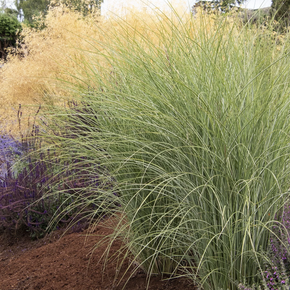
Blue Dune Lyme Grass - 1 Gallon
SKU:
2325115
UPC:
014949319413
$16.99
- Unmatched steel-blue foliage delivers bold, season-long color that pairs brilliantly with purple, maroon, and burgundy plants in the landscape.
- Exceptionally tough and adaptable — tolerates drought, salt spray, sandy soils, heat, and coastal conditions with minimal care once established.
- Spreading rhizomes make it a powerhouse groundcover for erosion control on slopes, hillsides, and embankments.
- Deer resistant, rabbit resistant, and nearly pest-free — a truly low-maintenance, high-impact ornamental grass for zones 4-9.
Blue Dune Lyme Grass (Leymus arenarius 'Blue Dune') is a striking cool-season ornamental grass prized for its intensely bright, steel-blue foliage that holds its vivid color throughout the entire growing season, making it one of the bluest ornamental grasses available in cultivation today. A semi-evergreen to deciduous perennial in the grass family Poaceae, it forms arching, broadly linear, flat blue-gray blades reaching up to 24 inches in length, growing in an upright-to-spreading clump that typically matures between 2 and 4 feet tall. In late spring through early summer, stiff, erect flower stalks rise 8 to 12 inches above the foliage, bearing narrow blue-green spike-like racemes that gradually dry to a soft, buff-tan color, adding a second season of ornamental interest. As cooler fall temperatures arrive, the foliage takes on warm golden and rosy tones before settling into its winter character. Spreading vigorously by underground rhizomes, Blue Dune Lyme Grass naturalizes readily and serves as a superb large-scale groundcover for erosion-prone slopes, coastal dunes, dry sunny banks, and difficult urban sites. Its extraordinary tolerance of drought, salt spray, sandy soils, heat, and poor fertility makes it an invaluable landscape plant for coastal gardens, rock gardens, xeriscape designs, and anywhere a bold splash of cool color is desired. Native to the coastal sand dunes of northern and western Europe and hardy from USDA zones 4 through 9, this reliable, long-lived perennial is equally at home planted in masses, used as a striking container specimen, or woven through mixed borders for architectural appeal and vivid color contrast.
Plant Description
Blue Dune Lyme Grass is a semi-evergreen to deciduous cool-season perennial ornamental grass in the family Poaceae. It is one of the most intensely blue ornamental grasses available, displaying arching, broadly linear, flat, pale steel-blue blades that can reach up to 24 inches in length. The 'Blue Dune' cultivar is noted for being even more vividly blue than the parent species. The plant forms a loose, densely tufted clump with an upright-to-spreading habit and spreads laterally by vigorous underground rhizomes, quickly filling in large areas when left unrestricted. In late spring and early summer, stiff, erect flower stalks emerge above the foliage bearing narrow spike-like racemes of blue-green spikelets that gradually turn a warm buff to tan as the season progresses. As autumn temperatures cool, the foliage transitions to golden yellow and soft rose tones before dying back in colder climates. In mild winter areas, the plant may retain much of its blue color through the winter months, giving it effective near-evergreen character. Also known by the common names Blue Lyme Grass, Blue Wild Rye, European Dune Grass, Sea Lyme Grass, and Sand Ryegrass, this is a plant originally native to the coastal sand dunes and sandy habitats of northern and western Europe.
Mature Size
| Characteristic | Typical Range |
|---|---|
| Foliage Height | 2 to 3 feet |
| Height in Bloom | 3 to 4 feet (flower spikes rise 8 to 12 inches above foliage) |
| Clump Width | 2 to 3 feet initially; spreads further by rhizomes over time |
| Leaf Length | Up to 24 inches |
| Flower Spike Size | Approximately 8 to 12 inches tall by 1 inch wide |
| Growth Rate | Moderate to fast; spreads vigorously via rhizomes |
| Texture | Coarse, bold, architectural |
Hardiness Zones
Blue Dune Lyme Grass is reliably hardy in USDA Plant Hardiness Zones 4 through 9, tolerating winter low temperatures down to approximately -30°F. This remarkably wide cold tolerance makes it one of the most adaptable ornamental grasses for American gardens, performing well from the frigid upper Midwest and New England clear through the warm summers of the South and Pacific Coast. In zones 4 through 6, the foliage dies back fully in winter and re-emerges vigorously in spring. In zones 7 through 9, the plant is semi-evergreen and may retain much of its blue-gray foliage color through the cooler months. It thrives across a broad range of climates, from continental interiors to coastal regions, and is equally at home in the heat and drought of southern summers as it is in the cold winters of northern gardens.
Sunlight Requirements
Blue Dune Lyme Grass performs best in full sun, defined as a minimum of 6 hours of direct sunlight per day, which encourages the most vivid and saturated blue foliage color and the strongest, most upright growth habit. It will also grow satisfactorily in partial shade or light shade, receiving 2 to 6 hours of direct sun daily, though foliage color may be slightly less intense and the plant's spread slightly less vigorous. In hot inland climates like Southern Oregon and Northern California, a location with morning sun and light afternoon shade can help protect foliage from excessive heat scorch during the most intense summer periods. Avoid deep shade, which leads to floppy, weak growth and greatly diminished color.
Soil and pH Preferences
- Soil Type: Highly adaptable to clay, loam, silt, and sandy soils. Performs exceptionally well in sandy and poor soils where other ornamental grasses struggle. Less aggressive spreader in dry clay soils.
- Drainage: Requires well-drained to dry soil. Does not tolerate constantly wet or waterlogged conditions, which can cause root rot and decline.
- Soil pH: Adaptable to a wide range from acid (below 6.0) through neutral (6.0 to 8.0) to alkaline (above 8.0). Soil pH of 5.0 to 7.5 is the typical recommended sweet spot for best performance.
- Fertility: Grows well in average to low fertility soils. Overly rich soils can promote excessive lush growth that may flop and can actually reduce the plant's drought tolerance.
- Soil Prep Tip: Amending heavy clay soils with sand or fine gravel improves drainage and reduces the plant's spreading tendency, making it easier to manage in smaller garden spaces.
Watering Guide
During the establishment period — typically the first growing season after planting — water Blue Dune Lyme Grass deeply once or twice per week to encourage a strong, deep root system. Deep, infrequent watering is always preferable to frequent shallow watering, as it promotes greater drought resilience over time. Once fully established, this grass is remarkably drought tolerant and typically requires supplemental watering only during extended dry spells or extreme heat. In the hot dry summers of Southern Oregon and Northern California, a thorough deep watering every one to two weeks during the hottest months will keep the plant looking its best. Avoid overwatering at all stages, as this grass is sensitive to waterlogged or consistently saturated conditions and will decline in poorly drained soils. Where possible, use drip irrigation or a soaker hose to deliver water at the soil level, keeping foliage dry to minimize any risk of fungal issues.
Fertilizing
Blue Dune Lyme Grass is a moderate feeder that benefits from light, strategic fertilization rather than heavy annual applications. Over-fertilizing can produce excessive, floppy growth and may actually reduce the plant's desirable drought-tolerance characteristics. A recommended approach:
- Spring: Apply a slow-release fertilizer with a 3-1-2 nitrogen-phosphorus-potassium ratio (such as a 15-5-10 formulation) in early spring as new growth begins, at a rate of approximately 10 pounds per 1,000 square feet. This supports healthy foliage development and strong blue color through the growing season.
- Early Fall: An optional second application using a 2-1-2 ratio fertilizer (such as a 10-5-10) can be applied in early fall to encourage root development and improve cold hardiness going into winter.
- Organic Option: A top-dressing of compost or well-aged manure worked lightly into the soil in spring is an effective organic alternative that gradually improves soil structure and fertility.
- Avoid: High-nitrogen fertilizers that push excessive lush top growth at the expense of root strength and drought tolerance.
Pruning and Maintenance
Blue Dune Lyme Grass is a low-maintenance perennial with straightforward seasonal care needs:
- Late Winter / Early Spring Cut-Back: The most important maintenance task is cutting the entire plant back to near ground level — roughly 2 to 3 inches above the soil — in late winter or very early spring (around March to early April in most climates) before new growth begins. This removes the previous season's dead or tatty foliage and makes way for a fresh, vibrant flush of new blue growth.
- Post-Bloom Trim: After the flower spikes have finished and begin to look tired, trimming them back can encourage a fresh crop of new blue foliage growth in late summer and fall.
- Division: Every 2 to 3 years, or whenever the clump becomes overcrowded or begins to die out in the center, dig and divide the clump in early spring or early fall. Replant vigorous outer sections and discard the spent center growth.
- Containment: Because this grass spreads aggressively by rhizomes, consider installing a root barrier at planting time if you wish to restrict its spread. Regular monitoring and removal of outlying rhizomes along the planting perimeter is the simplest management approach.
- Winter: In colder zones, leave the dried foliage standing through winter — it provides visual texture and offers some crown protection from harsh cold winds. Cut back in early spring as described above.
Planting Instructions
- Choose the right site: Select a location in full sun to partial shade with well-drained to dry soil. Account for the plant's spreading habit by providing ample room to grow, or plan to install a root barrier to contain it.
- Prepare the soil: Loosen the planting area to a depth of 8 to 12 inches. If planting in compacted clay, incorporate coarse sand or fine gravel to improve drainage. Organic matter such as compost can be lightly worked in, though it is not required for success.
- Dig the planting hole: Dig a hole approximately twice as wide as and equal in depth to the root ball of the plant.
- Position the plant: Set the plant in the hole so the crown sits at or slightly above the surrounding soil level to ensure good drainage away from the crown. Avoid planting too deep.
- Backfill and firm: Backfill the hole with the removed soil, gently firming it around the roots to eliminate air pockets. Do not over-compact.
- Water thoroughly: Water deeply immediately after planting to settle the soil around the roots.
- Spacing: For mass plantings or groundcover use, space plants approximately 24 to 36 inches apart. For quicker coverage of large slopes, spacing as close as 12 to 18 inches apart will accelerate fill-in.
- Mulch: Apply a 1 to 2 inch layer of organic mulch around the plant — keeping it away from the crown — to retain moisture during establishment and moderate soil temperature.
- Establish: Water regularly during the first growing season. Once established, the grass is highly self-sufficient.
Seasonal Interest
| Season | Ornamental Character |
|---|---|
| Spring | Fresh flush of intensely bright steel-blue foliage emerges vigorously. One of the most vivid blue color displays in the garden at this time of year. |
| Early Summer | Stiff, upright flower spikes rise above the foliage, beginning as blue-green and maturing to an attractive straw or buff color. Foliage remains full and vividly blue. |
| Late Summer | Foliage maintains its strong blue-gray color. Dried buff seed heads add textural contrast. A post-bloom trim can encourage a fresh flush of blue growth. |
| Fall | Foliage transitions to warm tones of golden yellow and soft rose as temperatures cool, adding a second season of color interest before winter dormancy. |
| Winter | In colder zones, dried foliage and seed heads provide visual texture and structure in the winter garden. In mild climates (zones 7-9), the grass may remain semi-evergreen with retained blue-gray color through the winter months. |
Landscape Uses
- Erosion Control: The vigorous, wide-spreading rhizome system makes Blue Dune Lyme Grass exceptionally effective at stabilizing slopes, hillsides, embankments, roadside cuts, and sandy dunes.
- Groundcover: Spreads to form a striking, low-maintenance groundcover for large areas, particularly in dry, difficult-to-maintain sites where traditional lawns or groundcovers struggle.
- Mass Planting: Planted in bold drifts or swaths, the intense blue foliage creates a sea-like effect that is visually dramatic when combined with purple, maroon, red, or chartreuse-foliaged plants nearby.
- Mixed Border Accent: Use as an architectural accent or bold focal point among flowering perennials to provide vertical structure, textural contrast, and cool blue color throughout the season.
- Rock Garden: The drought tolerance and preference for sandy, well-drained soils makes it a natural fit among boulders and rocky outcroppings in the landscape.
- Coastal Garden: Extraordinary tolerance of salt spray, sandy soils, and wind makes this the ideal ornamental grass for seashore, bay-front, or coastal landscape settings.
- Xeriscape / Drought-Tolerant Garden: A standout performer in low-water and water-wise garden designs throughout Southern Oregon and Northern California.
- Container Planting: Can be grown effectively in large containers on patios and decks, where containment also prevents unwanted spread. Makes a bold, dramatic container specimen.
- Cut and Dried Arrangements: The long blue-gray blades are excellent for fresh-cut floral arrangements, while the dried buff seed head spikes add beautiful texture and interest to dried arrangements.
- Parking Lot Islands and Urban Sites: Tolerates heat, drought, compacted soils, pollution, and reflected heat from paving, making it well-suited to challenging urban landscape applications.
Companion Plants
Blue Dune Lyme Grass pairs beautifully with plants that complement or dramatically contrast its intense steel-blue foliage. The following are excellent companion plant choices:
- Purple and violet-flowered perennials: Salvia, catmint (Nepeta), lavender, and agapanthus create a stunning blue-on-purple color echo that is one of the most celebrated combinations for this grass.
- Maroon and burgundy-foliaged shrubs: Purple smokebush (Cotinus), burgundy barberry, and dark-leaved ninebark (such as Summer Wine) create bold foliage color contrasts.
- Red and orange daylilies: Hemerocallis cultivars with warm red, orange, or gold blooms provide vivid complementary color contrast against the cool blue blades.
- Coneflower (Echinacea): Purple, pink, and bicolor coneflowers bloom through summer alongside the grass for a classic prairie-style pairing.
- Foxglove (Digitalis): The vertical, cool-toned spikes of foxglove work in pleasing harmony with the bold blue blades, particularly purple and pink varieties.
- Ornamental grasses with contrasting texture: Feather Reed Grass (Calamagrostis x acutiflora 'Karl Foerster') and Maiden Grass (Miscanthus sinensis 'Morning Light') provide upright or arching contrasts in mixed grass plantings.
- Sedum and stonecrop: Low-growing sedums complement the upright blue blades in rock garden and dry slope settings.
- Dianthus: The bright pink or red blooms of dianthus pop vibrantly against the cool blue foliage in border or rock garden combinations.
Pests and Diseases
Blue Dune Lyme Grass is notably resistant to most pests and diseases, making it one of the easier ornamental grasses to maintain. However, the following occasional issues may arise:
- Aphids: Small soft-bodied insects may occasionally cluster on foliage, particularly in spring. A strong spray of water or an application of insecticidal soap will control them effectively without harming the plant.
- Spider Mites: In hot, dry conditions, spider mites can occasionally infest foliage. Overhead irrigation or insecticidal soap can reduce populations. Ensure adequate air circulation to discourage mite activity.
- Fungal Diseases / Rust: Rarely a problem when plants are sited in well-drained soil with good air circulation. Avoid overhead irrigation and do not plant in areas of poor drainage. If rust or fungal spots appear, remove affected foliage and apply a fungicide only if necessary.
- Root Rot: The most common cultural problem with this grass — almost always caused by overwatering or poor drainage rather than a true pathogen. Plant in well-drained soil and avoid waterlogged conditions.
- Deer and Rabbits: Blue Dune Lyme Grass is resistant to browsing by both deer and rabbits — a significant advantage for gardens in Southern Oregon and Northern California where deer pressure is common.
- Verticillium Wilt: This grass has been noted as resistant to verticillium wilt, making it suitable for planting in soils where this soilborne fungal disease may be present.
Container Growing
Blue Dune Lyme Grass is an excellent candidate for container culture, where it delivers bold blue color and dramatic architectural texture on patios, decks, and entryways. Growing in a container also offers the significant practical benefit of containing this grass's vigorous spreading habit, making it an ideal approach for gardeners who want the visual impact without unlimited rhizome spread.
- Container Size: Choose a large, sturdy container — at least 14 to 18 inches in diameter and depth — to accommodate the root system and allow for some rhizome expansion. Heavier ceramic or concrete pots help anchor the tall, arching foliage against wind.
- Potting Mix: Use a well-draining potting mix. Blending standard potting soil with coarse perlite or horticultural sand in a roughly 2:1 ratio improves drainage and discourages root rot.
- Watering in Containers: Container-grown plants dry out more quickly than in-ground plants and will require more frequent watering — especially during summer. Water thoroughly when the top inch of soil feels dry, but never allow the pot to sit in standing water.
- Fertilizing in Containers: Apply a slow-release balanced fertilizer at the beginning of spring. A light liquid fertilizer can be applied monthly during the active growing season to compensate for nutrients lost through regular container watering.
- Winter Container Care: In colder zones (4-6), move containers to a sheltered location or unheated garage during the coldest winter months to protect the pot from freeze-thaw cracking. The plant itself is highly cold-hardy, but the container can be damaged.
- Dividing: Divide container-grown plants every 1 to 2 years in spring when roots become pot-bound or the clump begins to crowd the container.
Wildlife Value
While Blue Dune Lyme Grass is primarily valued for its ornamental qualities, it offers several notable benefits to local wildlife and garden ecology:
- Butterfly Larval Host: This grass serves as a larval host plant for certain butterfly species, supporting local butterfly populations in the landscape.
- Butterfly Habitat: The dense, arching foliage and upright flower spikes attract butterflies as foraging habitat.
- Seed Heads for Birds: The buff-colored seed heads produced in late summer and fall can provide a food source for seed-eating birds. Leaving the spent seed heads standing through the winter season maximizes this benefit.
- Cover and Shelter: The dense spreading clumps provide low-level cover and shelter for small ground-dwelling birds and beneficial insects.
- Deer and Rabbit Resistant: Unlike many ornamental grasses, Blue Dune Lyme Grass is reliably resistant to browsing by deer and rabbits, meaning it contributes stable, long-lived habitat structure in gardens with significant wildlife pressure.
- Pollinator Neutral: The wind-pollinated, spike-like flower heads are not a significant nectar source for bees but contribute to the overall texture and structural diversity that supports a healthy garden ecosystem.
- Unmatched steel-blue foliage delivers bold, season-long color that pairs brilliantly with purple, maroon, and burgundy plants in the landscape.
- Exceptionally tough and adaptable — tolerates drought, salt spray, sandy soils, heat, and coastal conditions with minimal care once established.
- Spreading rhizomes make it a powerhouse groundcover for erosion control on slopes, hillsides, and embankments.
- Deer resistant, rabbit resistant, and nearly pest-free — a truly low-maintenance, high-impact ornamental grass for zones 4-9.
Blue Dune Lyme Grass (Leymus arenarius 'Blue Dune') is a striking cool-season ornamental grass prized for its intensely bright, steel-blue foliage that holds its vivid color throughout the entire growing season, making it one of the bluest ornamental grasses available in cultivation today. A semi-evergreen to deciduous perennial in the grass family Poaceae, it forms arching, broadly linear, flat blue-gray blades reaching up to 24 inches in length, growing in an upright-to-spreading clump that typically matures between 2 and 4 feet tall. In late spring through early summer, stiff, erect flower stalks rise 8 to 12 inches above the foliage, bearing narrow blue-green spike-like racemes that gradually dry to a soft, buff-tan color, adding a second season of ornamental interest. As cooler fall temperatures arrive, the foliage takes on warm golden and rosy tones before settling into its winter character. Spreading vigorously by underground rhizomes, Blue Dune Lyme Grass naturalizes readily and serves as a superb large-scale groundcover for erosion-prone slopes, coastal dunes, dry sunny banks, and difficult urban sites. Its extraordinary tolerance of drought, salt spray, sandy soils, heat, and poor fertility makes it an invaluable landscape plant for coastal gardens, rock gardens, xeriscape designs, and anywhere a bold splash of cool color is desired. Native to the coastal sand dunes of northern and western Europe and hardy from USDA zones 4 through 9, this reliable, long-lived perennial is equally at home planted in masses, used as a striking container specimen, or woven through mixed borders for architectural appeal and vivid color contrast.
Plant Description
Blue Dune Lyme Grass is a semi-evergreen to deciduous cool-season perennial ornamental grass in the family Poaceae. It is one of the most intensely blue ornamental grasses available, displaying arching, broadly linear, flat, pale steel-blue blades that can reach up to 24 inches in length. The 'Blue Dune' cultivar is noted for being even more vividly blue than the parent species. The plant forms a loose, densely tufted clump with an upright-to-spreading habit and spreads laterally by vigorous underground rhizomes, quickly filling in large areas when left unrestricted. In late spring and early summer, stiff, erect flower stalks emerge above the foliage bearing narrow spike-like racemes of blue-green spikelets that gradually turn a warm buff to tan as the season progresses. As autumn temperatures cool, the foliage transitions to golden yellow and soft rose tones before dying back in colder climates. In mild winter areas, the plant may retain much of its blue color through the winter months, giving it effective near-evergreen character. Also known by the common names Blue Lyme Grass, Blue Wild Rye, European Dune Grass, Sea Lyme Grass, and Sand Ryegrass, this is a plant originally native to the coastal sand dunes and sandy habitats of northern and western Europe.
Mature Size
| Characteristic | Typical Range |
|---|---|
| Foliage Height | 2 to 3 feet |
| Height in Bloom | 3 to 4 feet (flower spikes rise 8 to 12 inches above foliage) |
| Clump Width | 2 to 3 feet initially; spreads further by rhizomes over time |
| Leaf Length | Up to 24 inches |
| Flower Spike Size | Approximately 8 to 12 inches tall by 1 inch wide |
| Growth Rate | Moderate to fast; spreads vigorously via rhizomes |
| Texture | Coarse, bold, architectural |
Hardiness Zones
Blue Dune Lyme Grass is reliably hardy in USDA Plant Hardiness Zones 4 through 9, tolerating winter low temperatures down to approximately -30°F. This remarkably wide cold tolerance makes it one of the most adaptable ornamental grasses for American gardens, performing well from the frigid upper Midwest and New England clear through the warm summers of the South and Pacific Coast. In zones 4 through 6, the foliage dies back fully in winter and re-emerges vigorously in spring. In zones 7 through 9, the plant is semi-evergreen and may retain much of its blue-gray foliage color through the cooler months. It thrives across a broad range of climates, from continental interiors to coastal regions, and is equally at home in the heat and drought of southern summers as it is in the cold winters of northern gardens.
Sunlight Requirements
Blue Dune Lyme Grass performs best in full sun, defined as a minimum of 6 hours of direct sunlight per day, which encourages the most vivid and saturated blue foliage color and the strongest, most upright growth habit. It will also grow satisfactorily in partial shade or light shade, receiving 2 to 6 hours of direct sun daily, though foliage color may be slightly less intense and the plant's spread slightly less vigorous. In hot inland climates like Southern Oregon and Northern California, a location with morning sun and light afternoon shade can help protect foliage from excessive heat scorch during the most intense summer periods. Avoid deep shade, which leads to floppy, weak growth and greatly diminished color.
Soil and pH Preferences
- Soil Type: Highly adaptable to clay, loam, silt, and sandy soils. Performs exceptionally well in sandy and poor soils where other ornamental grasses struggle. Less aggressive spreader in dry clay soils.
- Drainage: Requires well-drained to dry soil. Does not tolerate constantly wet or waterlogged conditions, which can cause root rot and decline.
- Soil pH: Adaptable to a wide range from acid (below 6.0) through neutral (6.0 to 8.0) to alkaline (above 8.0). Soil pH of 5.0 to 7.5 is the typical recommended sweet spot for best performance.
- Fertility: Grows well in average to low fertility soils. Overly rich soils can promote excessive lush growth that may flop and can actually reduce the plant's drought tolerance.
- Soil Prep Tip: Amending heavy clay soils with sand or fine gravel improves drainage and reduces the plant's spreading tendency, making it easier to manage in smaller garden spaces.
Watering Guide
During the establishment period — typically the first growing season after planting — water Blue Dune Lyme Grass deeply once or twice per week to encourage a strong, deep root system. Deep, infrequent watering is always preferable to frequent shallow watering, as it promotes greater drought resilience over time. Once fully established, this grass is remarkably drought tolerant and typically requires supplemental watering only during extended dry spells or extreme heat. In the hot dry summers of Southern Oregon and Northern California, a thorough deep watering every one to two weeks during the hottest months will keep the plant looking its best. Avoid overwatering at all stages, as this grass is sensitive to waterlogged or consistently saturated conditions and will decline in poorly drained soils. Where possible, use drip irrigation or a soaker hose to deliver water at the soil level, keeping foliage dry to minimize any risk of fungal issues.
Fertilizing
Blue Dune Lyme Grass is a moderate feeder that benefits from light, strategic fertilization rather than heavy annual applications. Over-fertilizing can produce excessive, floppy growth and may actually reduce the plant's desirable drought-tolerance characteristics. A recommended approach:
- Spring: Apply a slow-release fertilizer with a 3-1-2 nitrogen-phosphorus-potassium ratio (such as a 15-5-10 formulation) in early spring as new growth begins, at a rate of approximately 10 pounds per 1,000 square feet. This supports healthy foliage development and strong blue color through the growing season.
- Early Fall: An optional second application using a 2-1-2 ratio fertilizer (such as a 10-5-10) can be applied in early fall to encourage root development and improve cold hardiness going into winter.
- Organic Option: A top-dressing of compost or well-aged manure worked lightly into the soil in spring is an effective organic alternative that gradually improves soil structure and fertility.
- Avoid: High-nitrogen fertilizers that push excessive lush top growth at the expense of root strength and drought tolerance.
Pruning and Maintenance
Blue Dune Lyme Grass is a low-maintenance perennial with straightforward seasonal care needs:
- Late Winter / Early Spring Cut-Back: The most important maintenance task is cutting the entire plant back to near ground level — roughly 2 to 3 inches above the soil — in late winter or very early spring (around March to early April in most climates) before new growth begins. This removes the previous season's dead or tatty foliage and makes way for a fresh, vibrant flush of new blue growth.
- Post-Bloom Trim: After the flower spikes have finished and begin to look tired, trimming them back can encourage a fresh crop of new blue foliage growth in late summer and fall.
- Division: Every 2 to 3 years, or whenever the clump becomes overcrowded or begins to die out in the center, dig and divide the clump in early spring or early fall. Replant vigorous outer sections and discard the spent center growth.
- Containment: Because this grass spreads aggressively by rhizomes, consider installing a root barrier at planting time if you wish to restrict its spread. Regular monitoring and removal of outlying rhizomes along the planting perimeter is the simplest management approach.
- Winter: In colder zones, leave the dried foliage standing through winter — it provides visual texture and offers some crown protection from harsh cold winds. Cut back in early spring as described above.
Planting Instructions
- Choose the right site: Select a location in full sun to partial shade with well-drained to dry soil. Account for the plant's spreading habit by providing ample room to grow, or plan to install a root barrier to contain it.
- Prepare the soil: Loosen the planting area to a depth of 8 to 12 inches. If planting in compacted clay, incorporate coarse sand or fine gravel to improve drainage. Organic matter such as compost can be lightly worked in, though it is not required for success.
- Dig the planting hole: Dig a hole approximately twice as wide as and equal in depth to the root ball of the plant.
- Position the plant: Set the plant in the hole so the crown sits at or slightly above the surrounding soil level to ensure good drainage away from the crown. Avoid planting too deep.
- Backfill and firm: Backfill the hole with the removed soil, gently firming it around the roots to eliminate air pockets. Do not over-compact.
- Water thoroughly: Water deeply immediately after planting to settle the soil around the roots.
- Spacing: For mass plantings or groundcover use, space plants approximately 24 to 36 inches apart. For quicker coverage of large slopes, spacing as close as 12 to 18 inches apart will accelerate fill-in.
- Mulch: Apply a 1 to 2 inch layer of organic mulch around the plant — keeping it away from the crown — to retain moisture during establishment and moderate soil temperature.
- Establish: Water regularly during the first growing season. Once established, the grass is highly self-sufficient.
Seasonal Interest
| Season | Ornamental Character |
|---|---|
| Spring | Fresh flush of intensely bright steel-blue foliage emerges vigorously. One of the most vivid blue color displays in the garden at this time of year. |
| Early Summer | Stiff, upright flower spikes rise above the foliage, beginning as blue-green and maturing to an attractive straw or buff color. Foliage remains full and vividly blue. |
| Late Summer | Foliage maintains its strong blue-gray color. Dried buff seed heads add textural contrast. A post-bloom trim can encourage a fresh flush of blue growth. |
| Fall | Foliage transitions to warm tones of golden yellow and soft rose as temperatures cool, adding a second season of color interest before winter dormancy. |
| Winter | In colder zones, dried foliage and seed heads provide visual texture and structure in the winter garden. In mild climates (zones 7-9), the grass may remain semi-evergreen with retained blue-gray color through the winter months. |
Landscape Uses
- Erosion Control: The vigorous, wide-spreading rhizome system makes Blue Dune Lyme Grass exceptionally effective at stabilizing slopes, hillsides, embankments, roadside cuts, and sandy dunes.
- Groundcover: Spreads to form a striking, low-maintenance groundcover for large areas, particularly in dry, difficult-to-maintain sites where traditional lawns or groundcovers struggle.
- Mass Planting: Planted in bold drifts or swaths, the intense blue foliage creates a sea-like effect that is visually dramatic when combined with purple, maroon, red, or chartreuse-foliaged plants nearby.
- Mixed Border Accent: Use as an architectural accent or bold focal point among flowering perennials to provide vertical structure, textural contrast, and cool blue color throughout the season.
- Rock Garden: The drought tolerance and preference for sandy, well-drained soils makes it a natural fit among boulders and rocky outcroppings in the landscape.
- Coastal Garden: Extraordinary tolerance of salt spray, sandy soils, and wind makes this the ideal ornamental grass for seashore, bay-front, or coastal landscape settings.
- Xeriscape / Drought-Tolerant Garden: A standout performer in low-water and water-wise garden designs throughout Southern Oregon and Northern California.
- Container Planting: Can be grown effectively in large containers on patios and decks, where containment also prevents unwanted spread. Makes a bold, dramatic container specimen.
- Cut and Dried Arrangements: The long blue-gray blades are excellent for fresh-cut floral arrangements, while the dried buff seed head spikes add beautiful texture and interest to dried arrangements.
- Parking Lot Islands and Urban Sites: Tolerates heat, drought, compacted soils, pollution, and reflected heat from paving, making it well-suited to challenging urban landscape applications.
Companion Plants
Blue Dune Lyme Grass pairs beautifully with plants that complement or dramatically contrast its intense steel-blue foliage. The following are excellent companion plant choices:
- Purple and violet-flowered perennials: Salvia, catmint (Nepeta), lavender, and agapanthus create a stunning blue-on-purple color echo that is one of the most celebrated combinations for this grass.
- Maroon and burgundy-foliaged shrubs: Purple smokebush (Cotinus), burgundy barberry, and dark-leaved ninebark (such as Summer Wine) create bold foliage color contrasts.
- Red and orange daylilies: Hemerocallis cultivars with warm red, orange, or gold blooms provide vivid complementary color contrast against the cool blue blades.
- Coneflower (Echinacea): Purple, pink, and bicolor coneflowers bloom through summer alongside the grass for a classic prairie-style pairing.
- Foxglove (Digitalis): The vertical, cool-toned spikes of foxglove work in pleasing harmony with the bold blue blades, particularly purple and pink varieties.
- Ornamental grasses with contrasting texture: Feather Reed Grass (Calamagrostis x acutiflora 'Karl Foerster') and Maiden Grass (Miscanthus sinensis 'Morning Light') provide upright or arching contrasts in mixed grass plantings.
- Sedum and stonecrop: Low-growing sedums complement the upright blue blades in rock garden and dry slope settings.
- Dianthus: The bright pink or red blooms of dianthus pop vibrantly against the cool blue foliage in border or rock garden combinations.
Pests and Diseases
Blue Dune Lyme Grass is notably resistant to most pests and diseases, making it one of the easier ornamental grasses to maintain. However, the following occasional issues may arise:
- Aphids: Small soft-bodied insects may occasionally cluster on foliage, particularly in spring. A strong spray of water or an application of insecticidal soap will control them effectively without harming the plant.
- Spider Mites: In hot, dry conditions, spider mites can occasionally infest foliage. Overhead irrigation or insecticidal soap can reduce populations. Ensure adequate air circulation to discourage mite activity.
- Fungal Diseases / Rust: Rarely a problem when plants are sited in well-drained soil with good air circulation. Avoid overhead irrigation and do not plant in areas of poor drainage. If rust or fungal spots appear, remove affected foliage and apply a fungicide only if necessary.
- Root Rot: The most common cultural problem with this grass — almost always caused by overwatering or poor drainage rather than a true pathogen. Plant in well-drained soil and avoid waterlogged conditions.
- Deer and Rabbits: Blue Dune Lyme Grass is resistant to browsing by both deer and rabbits — a significant advantage for gardens in Southern Oregon and Northern California where deer pressure is common.
- Verticillium Wilt: This grass has been noted as resistant to verticillium wilt, making it suitable for planting in soils where this soilborne fungal disease may be present.
Container Growing
Blue Dune Lyme Grass is an excellent candidate for container culture, where it delivers bold blue color and dramatic architectural texture on patios, decks, and entryways. Growing in a container also offers the significant practical benefit of containing this grass's vigorous spreading habit, making it an ideal approach for gardeners who want the visual impact without unlimited rhizome spread.
- Container Size: Choose a large, sturdy container — at least 14 to 18 inches in diameter and depth — to accommodate the root system and allow for some rhizome expansion. Heavier ceramic or concrete pots help anchor the tall, arching foliage against wind.
- Potting Mix: Use a well-draining potting mix. Blending standard potting soil with coarse perlite or horticultural sand in a roughly 2:1 ratio improves drainage and discourages root rot.
- Watering in Containers: Container-grown plants dry out more quickly than in-ground plants and will require more frequent watering — especially during summer. Water thoroughly when the top inch of soil feels dry, but never allow the pot to sit in standing water.
- Fertilizing in Containers: Apply a slow-release balanced fertilizer at the beginning of spring. A light liquid fertilizer can be applied monthly during the active growing season to compensate for nutrients lost through regular container watering.
- Winter Container Care: In colder zones (4-6), move containers to a sheltered location or unheated garage during the coldest winter months to protect the pot from freeze-thaw cracking. The plant itself is highly cold-hardy, but the container can be damaged.
- Dividing: Divide container-grown plants every 1 to 2 years in spring when roots become pot-bound or the clump begins to crowd the container.
Wildlife Value
While Blue Dune Lyme Grass is primarily valued for its ornamental qualities, it offers several notable benefits to local wildlife and garden ecology:
- Butterfly Larval Host: This grass serves as a larval host plant for certain butterfly species, supporting local butterfly populations in the landscape.
- Butterfly Habitat: The dense, arching foliage and upright flower spikes attract butterflies as foraging habitat.
- Seed Heads for Birds: The buff-colored seed heads produced in late summer and fall can provide a food source for seed-eating birds. Leaving the spent seed heads standing through the winter season maximizes this benefit.
- Cover and Shelter: The dense spreading clumps provide low-level cover and shelter for small ground-dwelling birds and beneficial insects.
- Deer and Rabbit Resistant: Unlike many ornamental grasses, Blue Dune Lyme Grass is reliably resistant to browsing by deer and rabbits, meaning it contributes stable, long-lived habitat structure in gardens with significant wildlife pressure.
- Pollinator Neutral: The wind-pollinated, spike-like flower heads are not a significant nectar source for bees but contribute to the overall texture and structural diversity that supports a healthy garden ecosystem.