

Zoom the image with the mouse
Porcupine Grass - 1 Gallon
SKU:
2060485
UPC:
014949615515
$16.99
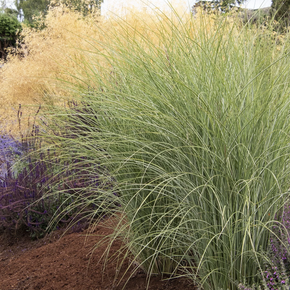
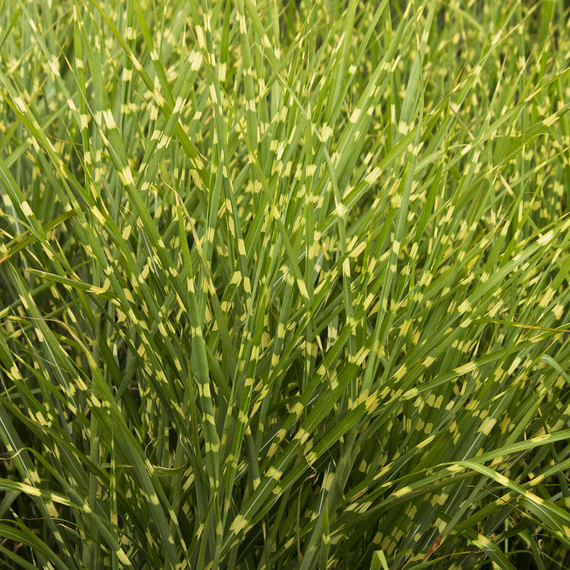
- Striking upright clumps of stiff, green blades adorned with bold horizontal golden-yellow bands give Porcupine Grass its distinctive, eye-catching texture in the landscape.
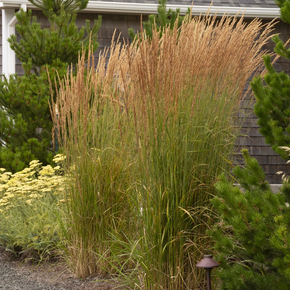
- Spectacular pinkish-copper plumes emerge in early fall, rising above the foliage and maturing to silvery seed heads that provide exceptional winter interest through the coldest months.
- Exceptionally low-maintenance and adaptable, this ornamental grass thrives in a wide range of soils from sandy loam to heavy clay, tolerating drought, salt, deer, and urban pollution once established.
- A recipient of the Royal Horticultural Society's Award of Garden Merit, Porcupine Grass shines as a bold specimen, privacy screen, mass planting, or dramatic focal point in borders and prairie-style gardens.
Porcupine Grass (Miscanthus sinensis 'Strictus') is a showstopping warm-season ornamental grass that commands attention throughout every season of the year. Distinguished from its close relative 'Zebrinus' by its remarkably upright, stiff habit, this award-winning cultivar forms dense, vertical clumps of narrow green blades that appear to reach skyward like porcupine quills — the inspiration behind its memorable name. The foliage is dramatically highlighted by irregular, horizontal bands of soft golden yellow that seem to glow when backlit by morning or late-afternoon sun, giving the planting a perpetual dappled-light effect. In late summer to early fall, showy pinkish-copper plumes emerge on tall stems well above the foliage, gradually transitioning to fluffy silvery seed heads that persist through winter alongside the warm tan, brick-red tinted foliage. Fully cold-hardy in USDA Zones 4 through 9, Porcupine Grass grows at a moderate rate, adapts to nearly any soil type, and requires very little ongoing care, making it an outstanding landscape investment for gardeners of all skill levels. Its combination of bold texture, year-round ornamental value, and tough constitutionhas made it a go-to choice for specimen plantings, naturalized meadows, screening hedges, coastal gardens, and mixed perennial borders alike.
Plant Description
Porcupine Grass is a warm-season, deciduous ornamental grass belonging to the Miscanthus genus within the family Poaceae. The cultivar name 'Strictus' refers to its notably stiff, upright growth habit — a key characteristic that sets it apart from the more relaxed, arching form of the similar 'Zebrinus' zebra grass. Its narrow, rigid leaf blades stretch nearly straight upward, creating a strongly vertical silhouette. The foliage is bright green adorned with distinctive horizontal bands of creamy to golden yellow spaced irregularly along the blade length, a variegation pattern sometimes described as mimicking horizontal rings on porcupine quills. When backlit by direct sun, these bands appear to glow with a warm luminescence. In late summer, tall flowering stems rise well above the foliage bearing feathery plumes that open pinkish-copper and age to silvery white as the seeds mature. As temperatures cool in fall, the foliage shifts toward warm shades of tan, pale brown, and brick red before winter. This plant has received the prestigious Royal Horticultural Society Award of Garden Merit in recognition of its exceptional ornamental qualities and reliability in cultivation.
Mature Size
| Attribute | Measurement |
|---|---|
| Mature Height (foliage) | 4 to 6 feet |
| Height including plumes | Up to 6 to 8 feet |
| Mature Spread | 3 to 5 feet |
| Recommended Spacing | 48 to 72 inches (4 to 6 feet) on center |
| Growth Rate | Medium |
| Typical Lifespan | Approximately 20 years under ideal conditions |
Hardiness Zones
Porcupine Grass is reliably cold-hardy in USDA Plant Hardiness Zones 4 through 9, with some sources citing Zone 5 as a more conservative lower limit. It thrives across a wide range of climates, from cooler temperate regions to warmer southern areas. In Zone 9 and warmer parts of Zone 8, providing some afternoon shade during the hottest summer months can prevent leaf scorch and keep the foliage looking its best. As a warm-season grass, it goes dormant in winter, dying back to the crown, and re-emerges vigorously each spring as temperatures warm. In Southern Oregon and Northern California, it is an excellent year-round performer suited to a broad range of microclimates including inland valleys, coastal foothills, and higher-elevation gardens in the warmer hardiness bands.
Sunlight Requirements
Porcupine Grass performs best in full sun, requiring a minimum of 6 or more hours of direct sunlight per day. Full sun exposure encourages the most upright, sturdy growth habit, the most vivid golden banding on the foliage, and the best flowering response. In warmer inland climates (Zones 8-9), light afternoon shade can be beneficial to prevent excessive heat stress. While the plant can tolerate partial shade (4 to 6 hours of direct sun), reduced light levels may cause the stems to become slightly less rigid and the variegation to appear less pronounced. For the most dramatic visual impact and abundant plume production, choose the sunniest available location in the garden. This grass requires long days and warm growing temperatures to develop its full ornamental potential, particularly for flower production.
Soil and pH Preferences
One of Porcupine Grass's great strengths is its remarkable adaptability to a wide variety of soil types and conditions. It will grow well in chalk, clay, loam, and sandy soils, and does not require excellent drainage to thrive — it can even tolerate occasional flooding. Moderately fertile soil with consistent moisture is ideal, but the plant also performs acceptably in poor soils. Regarding soil pH, it adapts to acidic, neutral, and mildly alkaline conditions, with an optimal range of approximately 5.8 to 6.5 for best nutrient availability. Despite its broad tolerance, it does not appreciate waterlogged, permanently saturated conditions or excessively dry, droughty soils for extended periods during its establishment phase. It is also notably salt-tolerant once established, making it suitable for urban settings and roadsides, though planting in coastal areas with heavy direct salt spray is generally not recommended.
Watering Guide
Porcupine Grass has average to consistent water needs. During the establishment period (the first one to two growing seasons), regular watering is essential — the soil should remain evenly moist but not waterlogged. Allow the top inch or two of soil to dry slightly between waterings, but do not allow the root zone to dry out completely. Once established, the plant develops moderate drought tolerance, though it looks and performs best with regular irrigation during dry spells, especially in the hot summers typical of Southern Oregon and Northern California. Deep, infrequent watering that encourages deep root development is preferable to frequent, shallow irrigation. During active summer growth, supplemental water during extended dry periods will help maintain lush, healthy foliage and support strong plume development. Reduce watering in fall as the plant approaches dormancy, and little to no irrigation is needed through winter.
Fertilizing
Porcupine Grass is generally not a heavy feeder in the landscape and can thrive without regular fertilization once established in average garden soil. However, a modest feeding program supports healthy, vigorous growth and vibrant foliage color. Apply a balanced, slow-release granular fertilizer (such as a 10-10-10 or similar formulation) once in early spring just as new growth begins to emerge from the crown. Avoid high-nitrogen fertilizers, which can promote overly lush, floppy growth that detracts from the plant's signature upright habit. In very poor soils, a light top-dressing of compost each spring can supplement fertility naturally. Do not fertilize in late summer or fall, as this can stimulate tender new growth that may be damaged by early frosts. Container-grown plants may benefit from a monthly liquid feed during the growing season due to the more limited nutrient reservoir in containerized media.
Pruning and Maintenance
Porcupine Grass is a low-maintenance plant that requires very little attention beyond one annual cutback. The most important maintenance task is cutting the entire clump back hard to the ground in late winter to early spring, just before new growth begins to emerge from the crown — typically late February through March in Southern Oregon and Northern California. Cut stems down to about 4 to 6 inches above ground level. This annual renewal removes the previous year's dried foliage and allows you to enjoy the flush of fresh, vibrant new growth without it appearing tangled in old brown blades. Avoid cutting back in fall or early winter, as the dried foliage and plumes provide excellent winter garden interest, wildlife habitat, and insulation for the crown. Do not disturb the crown during late winter cleanup, as new growth points may not yet be visible. Every 3 to 5 years, or when the center of the clump begins to die out, divide the plant in early spring to rejuvenate it and produce additional plants.
Planting Instructions
For best results, plant Porcupine Grass in spring or early summer when soil temperatures are warming and the plant can establish its root system before winter. Choose a location that receives full sun and has well-drained to moderately moist soil. Follow these steps for successful establishment:
- Dig a planting hole two to three times the width of the root ball and the same depth as the root ball height.
- Amend heavy clay soils with compost to improve drainage and aeration. In sandy soils, incorporate compost to improve moisture retention.
- Remove the plant from its container and gently loosen any circling or tightly bound roots.
- Set the plant in the hole so the crown sits at the same depth it was growing in the container — neither too deep nor too high. Planting the crown too deeply can cause rot and poor establishment.
- Backfill with the native soil, firming gently around the roots to eliminate air pockets.
- Water thoroughly at planting and apply a 2- to 3-inch layer of mulch around the base, keeping it a few inches away from the crown itself, to conserve moisture and moderate soil temperature.
- For mass plantings or screening, space plants 4 to 6 feet apart on center.
- Water consistently through the first growing season until the plant is fully established.
Seasonal Interest
Porcupine Grass delivers remarkable ornamental value across three full seasons and into a fourth, making it one of the hardest-working plants in the landscape:
- Spring: Fresh, bright green blades with golden horizontal banding emerge from the crown, growing quickly once warm temperatures arrive and bringing clean, vibrant color to the garden after winter.
- Summer: The bold, upright clump of richly banded foliage is at its peak. The golden variegation catches and reflects sunlight beautifully, especially in the low light of morning and evening hours.
- Fall: Spectacular pinkish-copper feathery plumes rise well above the foliage in early fall, putting on an impressive floral display. These plumes gradually shift to fluffy silver-white as seeds mature, and the foliage transitions to warm tones of pale tan, gold, and brick red.
- Winter: The dried, honey-tan foliage and persistent silvery seed heads remain standing through winter, providing structural interest, movement in the breeze, and valuable wildlife habitat until the spring cutback.
Landscape Uses
Porcupine Grass is one of the most versatile ornamental grasses available for the landscape. Its strongly upright form, bold texture, and multi-season appeal make it useful in a wide variety of design applications:
- Specimen or focal point: A single clump makes a dramatic statement in a mixed border or as a standalone garden feature.
- Mass planting: Groups of three or more create a bold, cohesive sweep of texture and color across a larger area.
- Privacy screen or hedge: Dense, upright growth can function as a soft but substantial visual barrier along property lines, patios, or garden rooms.
- Perennial borders: Provides bold vertical structure and textural contrast among flowering perennials.
- Prairie and meadow gardens: Blends beautifully with native wildflowers and other ornamental grasses in naturalistic plantings.
- Pond and water feature edges: Tolerates occasional wet conditions and adds graceful movement near water.
- Rain gardens: Adaptable to periodic flooding and variable moisture, making it suitable for bioswales and rain garden edges.
- Coastal and urban gardens: Salt tolerance and pollution resistance make it a practical choice for challenging sites.
- Large containers: Can be grown as a bold patio specimen in a substantial container.
Companion Plants
Porcupine Grass pairs beautifully with plants that share its preference for full sun and provide contrasting flower color, form, or texture. Consider these excellent companion plants for a dynamic, season-long display:
- Rudbeckia fulgida (Black-Eyed Susan): Golden-yellow daisy flowers in summer and fall echo the golden banding of the grass foliage.
- Echinacea (Coneflower): Purple, pink, or white flowers provide bold color contrast and attract pollinators through summer.
- Sedum 'Autumn Fire' or 'Autumn Joy': Succulent rosettes and deep rosy flower heads complement the fall plumes beautifully.
- Salvia yangii (Russian Sage): Airy lavender-blue spikes add a soft, feathery texture and cool color contrast.
- Helenium (Sneezeweed): Rich orange, red, and yellow daisy-like blooms coincide with the grass's early fall plumes for a spectacular combination.
- Aster: Violet to purple fall-blooming daisies create a stunning contrast against the silvery plumes and warm foliage tones.
- Crocosmia 'Lucifer': Vivid red-orange arching flower spikes in midsummer provide strong color contrast with the variegated blades.
- Agastache (Giant Hyssop): Tall spikes of blue, purple, or orange flowers attract hummingbirds and pollinators through summer and into fall.
- Verbena bonariensis: Tall, airy stems with purple flower clusters weave gracefully through and around the base of the grass clump.
Pests and Diseases
Porcupine Grass is generally considered pest- and disease-resistant, making it a very reliable and carefree landscape plant. Under normal growing conditions, it rarely requires intervention from the home gardener. However, the following occasional issues are worth being aware of:
- Rust fungus (Puccinia miscanthi): The most common foliar issue, rust presents as small orange-brown pustules on the leaves. While unsightly, it rarely threatens the overall health or vigor of the plant. Improve air circulation by not overcrowding plants, and remove heavily infected foliage during the annual spring cutback.
- Miscanthus blight (Leptosphaeria sp.): Occasional fungal leaf spotting can occur in very humid conditions. Good air circulation and the annual cutback to remove old material help prevent recurrence.
- Aphids and scale insects: Rarely problematic; scout occasionally and treat with a strong water spray or insecticidal soap if populations become significant.
- Deer and rabbits: This plant is notably deer and rabbit resistant, an important advantage in areas with high wildlife pressure.
- Root rot: Only a concern in permanently waterlogged or poorly drained soils. Ensure adequate drainage at the planting site to avoid this issue entirely.
Wildlife Value
Porcupine Grass offers meaningful ecological value to backyard wildlife, particularly during the fall and winter months when other food and shelter sources become scarce. The fluffy seed heads that persist through winter are a valuable food source for seed-eating birds including finches, sparrows, juncos, and chickadees, which cling to the stems to extract seeds on cold days. The dense clumps of upright foliage provide protective cover and nesting habitat for small birds and beneficial insects. The dried standing stems shelter overwintering beneficial insects, including native bees that use hollow stems for nesting. The foliage itself is resistant to browsing by deer and rabbits, allowing it to remain intact and functional as wildlife habitat throughout the season. Leaving the plant standing through winter rather than cutting it back in fall maximizes these wildlife benefits before the recommended late-winter cleanup.
Container Growing
Porcupine Grass can be grown successfully as a bold container specimen on patios, decks, entryways, or rooftop gardens where its upright form and variegated foliage make an impressive architectural statement. For best results in containers, observe the following guidelines:
- Select a large, sturdy container — at least 18 to 24 inches in diameter and equivalent depth — to accommodate the root system and provide stability for the tall plant.
- Use a high-quality, well-draining commercial potting mix. Ensure the container has adequate drainage holes.
- Container-grown plants dry out more quickly than in-ground plants; monitor soil moisture closely and water when the top inch of soil is dry, being careful not to let it dry out completely.
- Feed container plants monthly during the growing season with a balanced liquid fertilizer to replenish nutrients leached by regular watering.
- In colder climates (Zones 5-6), containerized plants are more vulnerable to freeze damage than in-ground specimens. Move containers to an unheated but frost-protected garage or shed for winter, or insulate the pot with burlap and mulch.
- Divide and repot every 2 to 3 years in spring when the plant outgrows its container or the center begins to die out.
Invasive Potential and Responsible Planting
It is important for gardeners to be aware that the species form of Miscanthus sinensis has been identified as invasive in portions of the eastern and midwestern United States, where it can escape cultivation and outcompete native vegetation. Porcupine Grass ('Strictus') is an ornamental cultivar, and its invasive potential is generally considered lower than the straight species; however, as with all Miscanthus cultivars, some degree of self-seeding is possible under the right conditions. In Southern Oregon and Northern California, the plant has not been listed as an invasive species of concern, and it is widely used safely in the landscape. To minimize any risk of unwanted spread, gardeners can monitor for and remove seedlings that appear outside the desired planting area, deadhead or remove the seed heads before they fully mature and disperse, and avoid planting near natural areas, waterways, or wildlands where escaped seedlings could establish. Dividing the plant and propagating it vegetatively rather than allowing seed set is the most responsible long-term management approach.
- Striking upright clumps of stiff, green blades adorned with bold horizontal golden-yellow bands give Porcupine Grass its distinctive, eye-catching texture in the landscape.
- Spectacular pinkish-copper plumes emerge in early fall, rising above the foliage and maturing to silvery seed heads that provide exceptional winter interest through the coldest months.
- Exceptionally low-maintenance and adaptable, this ornamental grass thrives in a wide range of soils from sandy loam to heavy clay, tolerating drought, salt, deer, and urban pollution once established.
- A recipient of the Royal Horticultural Society's Award of Garden Merit, Porcupine Grass shines as a bold specimen, privacy screen, mass planting, or dramatic focal point in borders and prairie-style gardens.
Porcupine Grass (Miscanthus sinensis 'Strictus') is a showstopping warm-season ornamental grass that commands attention throughout every season of the year. Distinguished from its close relative 'Zebrinus' by its remarkably upright, stiff habit, this award-winning cultivar forms dense, vertical clumps of narrow green blades that appear to reach skyward like porcupine quills — the inspiration behind its memorable name. The foliage is dramatically highlighted by irregular, horizontal bands of soft golden yellow that seem to glow when backlit by morning or late-afternoon sun, giving the planting a perpetual dappled-light effect. In late summer to early fall, showy pinkish-copper plumes emerge on tall stems well above the foliage, gradually transitioning to fluffy silvery seed heads that persist through winter alongside the warm tan, brick-red tinted foliage. Fully cold-hardy in USDA Zones 4 through 9, Porcupine Grass grows at a moderate rate, adapts to nearly any soil type, and requires very little ongoing care, making it an outstanding landscape investment for gardeners of all skill levels. Its combination of bold texture, year-round ornamental value, and tough constitutionhas made it a go-to choice for specimen plantings, naturalized meadows, screening hedges, coastal gardens, and mixed perennial borders alike.
Plant Description
Porcupine Grass is a warm-season, deciduous ornamental grass belonging to the Miscanthus genus within the family Poaceae. The cultivar name 'Strictus' refers to its notably stiff, upright growth habit — a key characteristic that sets it apart from the more relaxed, arching form of the similar 'Zebrinus' zebra grass. Its narrow, rigid leaf blades stretch nearly straight upward, creating a strongly vertical silhouette. The foliage is bright green adorned with distinctive horizontal bands of creamy to golden yellow spaced irregularly along the blade length, a variegation pattern sometimes described as mimicking horizontal rings on porcupine quills. When backlit by direct sun, these bands appear to glow with a warm luminescence. In late summer, tall flowering stems rise well above the foliage bearing feathery plumes that open pinkish-copper and age to silvery white as the seeds mature. As temperatures cool in fall, the foliage shifts toward warm shades of tan, pale brown, and brick red before winter. This plant has received the prestigious Royal Horticultural Society Award of Garden Merit in recognition of its exceptional ornamental qualities and reliability in cultivation.
Mature Size
| Attribute | Measurement |
|---|---|
| Mature Height (foliage) | 4 to 6 feet |
| Height including plumes | Up to 6 to 8 feet |
| Mature Spread | 3 to 5 feet |
| Recommended Spacing | 48 to 72 inches (4 to 6 feet) on center |
| Growth Rate | Medium |
| Typical Lifespan | Approximately 20 years under ideal conditions |
Hardiness Zones
Porcupine Grass is reliably cold-hardy in USDA Plant Hardiness Zones 4 through 9, with some sources citing Zone 5 as a more conservative lower limit. It thrives across a wide range of climates, from cooler temperate regions to warmer southern areas. In Zone 9 and warmer parts of Zone 8, providing some afternoon shade during the hottest summer months can prevent leaf scorch and keep the foliage looking its best. As a warm-season grass, it goes dormant in winter, dying back to the crown, and re-emerges vigorously each spring as temperatures warm. In Southern Oregon and Northern California, it is an excellent year-round performer suited to a broad range of microclimates including inland valleys, coastal foothills, and higher-elevation gardens in the warmer hardiness bands.
Sunlight Requirements
Porcupine Grass performs best in full sun, requiring a minimum of 6 or more hours of direct sunlight per day. Full sun exposure encourages the most upright, sturdy growth habit, the most vivid golden banding on the foliage, and the best flowering response. In warmer inland climates (Zones 8-9), light afternoon shade can be beneficial to prevent excessive heat stress. While the plant can tolerate partial shade (4 to 6 hours of direct sun), reduced light levels may cause the stems to become slightly less rigid and the variegation to appear less pronounced. For the most dramatic visual impact and abundant plume production, choose the sunniest available location in the garden. This grass requires long days and warm growing temperatures to develop its full ornamental potential, particularly for flower production.
Soil and pH Preferences
One of Porcupine Grass's great strengths is its remarkable adaptability to a wide variety of soil types and conditions. It will grow well in chalk, clay, loam, and sandy soils, and does not require excellent drainage to thrive — it can even tolerate occasional flooding. Moderately fertile soil with consistent moisture is ideal, but the plant also performs acceptably in poor soils. Regarding soil pH, it adapts to acidic, neutral, and mildly alkaline conditions, with an optimal range of approximately 5.8 to 6.5 for best nutrient availability. Despite its broad tolerance, it does not appreciate waterlogged, permanently saturated conditions or excessively dry, droughty soils for extended periods during its establishment phase. It is also notably salt-tolerant once established, making it suitable for urban settings and roadsides, though planting in coastal areas with heavy direct salt spray is generally not recommended.
Watering Guide
Porcupine Grass has average to consistent water needs. During the establishment period (the first one to two growing seasons), regular watering is essential — the soil should remain evenly moist but not waterlogged. Allow the top inch or two of soil to dry slightly between waterings, but do not allow the root zone to dry out completely. Once established, the plant develops moderate drought tolerance, though it looks and performs best with regular irrigation during dry spells, especially in the hot summers typical of Southern Oregon and Northern California. Deep, infrequent watering that encourages deep root development is preferable to frequent, shallow irrigation. During active summer growth, supplemental water during extended dry periods will help maintain lush, healthy foliage and support strong plume development. Reduce watering in fall as the plant approaches dormancy, and little to no irrigation is needed through winter.
Fertilizing
Porcupine Grass is generally not a heavy feeder in the landscape and can thrive without regular fertilization once established in average garden soil. However, a modest feeding program supports healthy, vigorous growth and vibrant foliage color. Apply a balanced, slow-release granular fertilizer (such as a 10-10-10 or similar formulation) once in early spring just as new growth begins to emerge from the crown. Avoid high-nitrogen fertilizers, which can promote overly lush, floppy growth that detracts from the plant's signature upright habit. In very poor soils, a light top-dressing of compost each spring can supplement fertility naturally. Do not fertilize in late summer or fall, as this can stimulate tender new growth that may be damaged by early frosts. Container-grown plants may benefit from a monthly liquid feed during the growing season due to the more limited nutrient reservoir in containerized media.
Pruning and Maintenance
Porcupine Grass is a low-maintenance plant that requires very little attention beyond one annual cutback. The most important maintenance task is cutting the entire clump back hard to the ground in late winter to early spring, just before new growth begins to emerge from the crown — typically late February through March in Southern Oregon and Northern California. Cut stems down to about 4 to 6 inches above ground level. This annual renewal removes the previous year's dried foliage and allows you to enjoy the flush of fresh, vibrant new growth without it appearing tangled in old brown blades. Avoid cutting back in fall or early winter, as the dried foliage and plumes provide excellent winter garden interest, wildlife habitat, and insulation for the crown. Do not disturb the crown during late winter cleanup, as new growth points may not yet be visible. Every 3 to 5 years, or when the center of the clump begins to die out, divide the plant in early spring to rejuvenate it and produce additional plants.
Planting Instructions
For best results, plant Porcupine Grass in spring or early summer when soil temperatures are warming and the plant can establish its root system before winter. Choose a location that receives full sun and has well-drained to moderately moist soil. Follow these steps for successful establishment:
- Dig a planting hole two to three times the width of the root ball and the same depth as the root ball height.
- Amend heavy clay soils with compost to improve drainage and aeration. In sandy soils, incorporate compost to improve moisture retention.
- Remove the plant from its container and gently loosen any circling or tightly bound roots.
- Set the plant in the hole so the crown sits at the same depth it was growing in the container — neither too deep nor too high. Planting the crown too deeply can cause rot and poor establishment.
- Backfill with the native soil, firming gently around the roots to eliminate air pockets.
- Water thoroughly at planting and apply a 2- to 3-inch layer of mulch around the base, keeping it a few inches away from the crown itself, to conserve moisture and moderate soil temperature.
- For mass plantings or screening, space plants 4 to 6 feet apart on center.
- Water consistently through the first growing season until the plant is fully established.
Seasonal Interest
Porcupine Grass delivers remarkable ornamental value across three full seasons and into a fourth, making it one of the hardest-working plants in the landscape:
- Spring: Fresh, bright green blades with golden horizontal banding emerge from the crown, growing quickly once warm temperatures arrive and bringing clean, vibrant color to the garden after winter.
- Summer: The bold, upright clump of richly banded foliage is at its peak. The golden variegation catches and reflects sunlight beautifully, especially in the low light of morning and evening hours.
- Fall: Spectacular pinkish-copper feathery plumes rise well above the foliage in early fall, putting on an impressive floral display. These plumes gradually shift to fluffy silver-white as seeds mature, and the foliage transitions to warm tones of pale tan, gold, and brick red.
- Winter: The dried, honey-tan foliage and persistent silvery seed heads remain standing through winter, providing structural interest, movement in the breeze, and valuable wildlife habitat until the spring cutback.
Landscape Uses
Porcupine Grass is one of the most versatile ornamental grasses available for the landscape. Its strongly upright form, bold texture, and multi-season appeal make it useful in a wide variety of design applications:
- Specimen or focal point: A single clump makes a dramatic statement in a mixed border or as a standalone garden feature.
- Mass planting: Groups of three or more create a bold, cohesive sweep of texture and color across a larger area.
- Privacy screen or hedge: Dense, upright growth can function as a soft but substantial visual barrier along property lines, patios, or garden rooms.
- Perennial borders: Provides bold vertical structure and textural contrast among flowering perennials.
- Prairie and meadow gardens: Blends beautifully with native wildflowers and other ornamental grasses in naturalistic plantings.
- Pond and water feature edges: Tolerates occasional wet conditions and adds graceful movement near water.
- Rain gardens: Adaptable to periodic flooding and variable moisture, making it suitable for bioswales and rain garden edges.
- Coastal and urban gardens: Salt tolerance and pollution resistance make it a practical choice for challenging sites.
- Large containers: Can be grown as a bold patio specimen in a substantial container.
Companion Plants
Porcupine Grass pairs beautifully with plants that share its preference for full sun and provide contrasting flower color, form, or texture. Consider these excellent companion plants for a dynamic, season-long display:
- Rudbeckia fulgida (Black-Eyed Susan): Golden-yellow daisy flowers in summer and fall echo the golden banding of the grass foliage.
- Echinacea (Coneflower): Purple, pink, or white flowers provide bold color contrast and attract pollinators through summer.
- Sedum 'Autumn Fire' or 'Autumn Joy': Succulent rosettes and deep rosy flower heads complement the fall plumes beautifully.
- Salvia yangii (Russian Sage): Airy lavender-blue spikes add a soft, feathery texture and cool color contrast.
- Helenium (Sneezeweed): Rich orange, red, and yellow daisy-like blooms coincide with the grass's early fall plumes for a spectacular combination.
- Aster: Violet to purple fall-blooming daisies create a stunning contrast against the silvery plumes and warm foliage tones.
- Crocosmia 'Lucifer': Vivid red-orange arching flower spikes in midsummer provide strong color contrast with the variegated blades.
- Agastache (Giant Hyssop): Tall spikes of blue, purple, or orange flowers attract hummingbirds and pollinators through summer and into fall.
- Verbena bonariensis: Tall, airy stems with purple flower clusters weave gracefully through and around the base of the grass clump.
Pests and Diseases
Porcupine Grass is generally considered pest- and disease-resistant, making it a very reliable and carefree landscape plant. Under normal growing conditions, it rarely requires intervention from the home gardener. However, the following occasional issues are worth being aware of:
- Rust fungus (Puccinia miscanthi): The most common foliar issue, rust presents as small orange-brown pustules on the leaves. While unsightly, it rarely threatens the overall health or vigor of the plant. Improve air circulation by not overcrowding plants, and remove heavily infected foliage during the annual spring cutback.
- Miscanthus blight (Leptosphaeria sp.): Occasional fungal leaf spotting can occur in very humid conditions. Good air circulation and the annual cutback to remove old material help prevent recurrence.
- Aphids and scale insects: Rarely problematic; scout occasionally and treat with a strong water spray or insecticidal soap if populations become significant.
- Deer and rabbits: This plant is notably deer and rabbit resistant, an important advantage in areas with high wildlife pressure.
- Root rot: Only a concern in permanently waterlogged or poorly drained soils. Ensure adequate drainage at the planting site to avoid this issue entirely.
Wildlife Value
Porcupine Grass offers meaningful ecological value to backyard wildlife, particularly during the fall and winter months when other food and shelter sources become scarce. The fluffy seed heads that persist through winter are a valuable food source for seed-eating birds including finches, sparrows, juncos, and chickadees, which cling to the stems to extract seeds on cold days. The dense clumps of upright foliage provide protective cover and nesting habitat for small birds and beneficial insects. The dried standing stems shelter overwintering beneficial insects, including native bees that use hollow stems for nesting. The foliage itself is resistant to browsing by deer and rabbits, allowing it to remain intact and functional as wildlife habitat throughout the season. Leaving the plant standing through winter rather than cutting it back in fall maximizes these wildlife benefits before the recommended late-winter cleanup.
Container Growing
Porcupine Grass can be grown successfully as a bold container specimen on patios, decks, entryways, or rooftop gardens where its upright form and variegated foliage make an impressive architectural statement. For best results in containers, observe the following guidelines:
- Select a large, sturdy container — at least 18 to 24 inches in diameter and equivalent depth — to accommodate the root system and provide stability for the tall plant.
- Use a high-quality, well-draining commercial potting mix. Ensure the container has adequate drainage holes.
- Container-grown plants dry out more quickly than in-ground plants; monitor soil moisture closely and water when the top inch of soil is dry, being careful not to let it dry out completely.
- Feed container plants monthly during the growing season with a balanced liquid fertilizer to replenish nutrients leached by regular watering.
- In colder climates (Zones 5-6), containerized plants are more vulnerable to freeze damage than in-ground specimens. Move containers to an unheated but frost-protected garage or shed for winter, or insulate the pot with burlap and mulch.
- Divide and repot every 2 to 3 years in spring when the plant outgrows its container or the center begins to die out.
Invasive Potential and Responsible Planting
It is important for gardeners to be aware that the species form of Miscanthus sinensis has been identified as invasive in portions of the eastern and midwestern United States, where it can escape cultivation and outcompete native vegetation. Porcupine Grass ('Strictus') is an ornamental cultivar, and its invasive potential is generally considered lower than the straight species; however, as with all Miscanthus cultivars, some degree of self-seeding is possible under the right conditions. In Southern Oregon and Northern California, the plant has not been listed as an invasive species of concern, and it is widely used safely in the landscape. To minimize any risk of unwanted spread, gardeners can monitor for and remove seedlings that appear outside the desired planting area, deadhead or remove the seed heads before they fully mature and disperse, and avoid planting near natural areas, waterways, or wildlands where escaped seedlings could establish. Dividing the plant and propagating it vegetatively rather than allowing seed set is the most responsible long-term management approach.