Zoom the image with the mouse
Bird's Nest Spruce - 1 Gallon
SKU:
2048100
UPC:
651469526824
$12.99
- Distinctive dwarf conifer with a signature bird's nest depression at its crown, forming a dense, broadly rounded, flat-topped mound of refreshing light green needles that adds year-round structure to any landscape.
- Exceptionally slow-growing and low-maintenance, gaining only 3-6 inches per year, making it ideal for rock gardens, foundation plantings, containers, and border edges without the need for frequent pruning.
- Remarkably cold-hardy down to USDA Zone 3 and tolerant of deer, rabbits, wind, air pollution, and drought once established, offering long-lasting dependability in tough conditions.
- A Royal Horticultural Society Award of Garden Merit recipient with a proven century-long track record in horticulture, this cultivar is as reliable as it is beautiful throughout all four seasons.
Bird's Nest Spruce (Picea abies 'Nidiformis') is a classic dwarf evergreen conifer that has earned its place as one of the most beloved small shrubs in the landscape. A cultivar of the Norway Spruce introduced in the early 1900s, this symmetrical, flat-topped mounding spruce is instantly recognizable by the characteristic nest-like depression that forms at the center of its crown as it matures. Dense, horizontal layers of outward-spreading branches are tightly clothed in short, sharp, refreshing light green to gray-green needles, creating a texture-rich presence in the garden throughout every season of the year. Growing at a leisurely pace of just 3 to 6 inches annually, Bird's Nest Spruce eventually reaches a mature size of approximately 3 to 4 feet tall and 6 to 8 feet wide, making it an exceptionally manageable, space-conscious choice for a wide range of landscape applications. Its adaptability to clay, loam, or sandy soils, combined with impressive cold hardiness to USDA Zone 3, tolerance of wind and air pollution, and resistance to deer and rabbits, makes this recipient of the Royal Horticultural Society's Award of Garden Merit a standout performer for Southern Oregon and Northern California gardens. Whether used as a striking specimen, massed in a shrub border, planted along walkways, incorporated into a rock or alpine garden, or featured in a container display, Bird's Nest Spruce delivers effortless, enduring beauty with minimal upkeep.
Plant Description
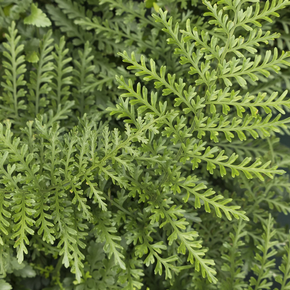
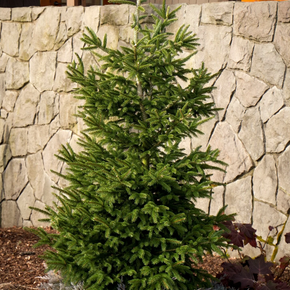
Bird's Nest Spruce (Picea abies 'Nidiformis') is a dwarf, needled evergreen shrub belonging to the Pinaceae family. It is a cultivar of the Norway Spruce, a species native to Europe, and has been in continuous cultivation since it was first discovered at a nursery in Sasselheide, Germany around 1904. The plant is named for the shallow, concave depression that develops over time in the center of its flat crown, resembling a bird's nest from above. Its broadly rounded, symmetrical form is produced by dense, horizontal to slightly ascending layers of branches densely covered with short, stiff needles measuring approximately 7 to 10 millimeters in length. The foliage is a refreshing light green color, brightening noticeably with the emergence of soft, chartreuse-tinted new growth each spring. The crushed needles emit a pleasant, resinous fragrance. This cultivar is a recognized recipient of the Royal Horticultural Society's prestigious Award of Garden Merit, a testament to its outstanding garden performance and reliability.
Mature Size
| Attribute | Measurement |
|---|---|
| Mature Height | 3 to 4 feet (approximately 90 to 120 cm) |
| Mature Spread | 6 to 8 feet (approximately 180 to 240 cm) |
| Annual Growth Rate | 3 to 6 inches per year (dwarf classification) |
| Size After 10 Years | Typically 1 to 2 feet tall and 3 to 4 feet wide |
| Growth Habit | Broadly rounded, flat-topped, spreading; wider than tall at maturity |
| Recommended Spacing | 6 to 8 feet on center for mass plantings |
Hardiness and Climate
Bird's Nest Spruce is an exceptionally cold-hardy plant, rated for USDA Hardiness Zones 3 through 8, with some references noting optimal performance through Zone 7. It is well suited to the climate of Southern Oregon and Northern California, particularly in areas with cool winters and moderate summers. Like all Norway Spruce selections, it performs best in cool to temperate climates and may struggle with prolonged heat and humidity. In hotter inland areas, providing afternoon shade and consistent moisture during summer heat waves will help maintain plant health and vigor. It is notably wind-tolerant and handles air pollution well, making it suitable for urban and suburban settings. It is not considered invasive in the Pacific Northwest region.
Sunlight Requirements
Bird's Nest Spruce grows best in full sun, defined as a minimum of 6 hours of direct sunlight per day. Full sun exposure encourages the most compact, dense growth habit and the best overall form. The plant will tolerate partial shade, though reduced light may result in slightly looser, less symmetrical branching over time. In hotter summer climates, light afternoon shade can be beneficial in preventing needle scorch and stress during peak summer heat. For gardens in Southern Oregon and Northern California's hotter interior valleys, a location with morning sun and dappled afternoon shade is a practical compromise that supports healthy growth.
Soil and pH Preferences
- Soil Type: Adaptable to a wide range of soil types including clay, loam, and sand. Thrives in rocky soils, making it an excellent candidate for rock gardens and gravel beds.
- Drainage: Requires well-drained soil. Bird's Nest Spruce does not tolerate waterlogged or consistently wet "wet feet" conditions, which can lead to root rot and decline.
- Soil pH: Prefers slightly acidic to neutral soils, ideally in the pH range of 5.5 to 7.0. Slightly acidic conditions are optimal for nutrient uptake.
- Organic Matter: Incorporating compost into the planting hole improves drainage in clay soils and moisture retention in sandy soils, benefiting establishment.
- Root System: Shallow-rooted; avoid deep cultivation around the base of the plant to prevent root disturbance.
Watering Guide
Consistent moisture is important during the establishment period, which typically spans the first one to two growing seasons after planting. Water newly planted shrubs deeply and regularly, approximately once per week, to encourage deep root development. Once established, Bird's Nest Spruce develops moderate drought tolerance and can handle short dry periods without significant stress. However, during periods of extreme heat or prolonged drought, which are common in Southern Oregon and Northern California summers, supplemental weekly watering is recommended to prevent needle browning and decline. Container-grown specimens require more frequent watering than in-ground plants, as pots dry out more quickly, and should be monitored closely during warm weather. Avoid overwatering or allowing water to pool at the base, as soggy soil conditions are detrimental to this plant.
Fertilizing
Bird's Nest Spruce has modest fertilizer needs. Feed once in early spring, just as new growth begins to emerge, using a balanced, slow-release granular fertilizer formulated for evergreen conifers or acid-loving plants. A fertilizer with an N-P-K ratio such as 10-10-10 or one specifically labeled for conifers works well. Avoid over-fertilizing, as excessive nitrogen can promote overly lush, leggy growth that detracts from the plant's naturally tidy, compact habit and may reduce its overall hardiness. Container-grown plants may benefit from a second light application in midsummer to replenish nutrients that leach from the potting mix with regular watering. Do not fertilize in late summer or fall, as this can stimulate tender new growth that may be damaged by early frosts.
Pruning and Maintenance
One of the great virtues of Bird's Nest Spruce is its naturally neat, self-maintaining form, which rarely requires pruning under normal circumstances. The plant's slow growth rate and inherently symmetrical habit mean that formal shaping is generally unnecessary. If light shaping or size control is desired, prune in late winter to early spring before new growth emerges, or during the "candle" stage in late spring when the soft new growth tips can be pinched back by one-third to encourage denser branching. Remove any dead, broken, or diseased branches at any time of year with clean, sharp pruning tools. Avoid cutting back into old, bare wood, as spruce do not regenerate well from leafless stems. Container plants should be repotted into fresh, well-draining potting mix every two to three years as the root ball fills the container.
Planting Instructions
- Select a planting site with full sun and well-drained soil. Avoid low-lying areas where water collects after rain.
- Dig a hole two to three times as wide as the root ball and the same depth, ensuring the top of the root ball sits level with or very slightly above the surrounding soil grade.
- Amend the backfill soil with compost if working with heavy clay or very sandy native soil, mixing at a ratio of roughly one part compost to two parts native soil.
- Remove the plant from its container, gently loosen any circling roots, and set the root ball in the center of the hole.
- Backfill around the root ball, tamping lightly to eliminate air pockets, and water thoroughly to settle the soil.
- Apply a 2 to 3-inch layer of organic mulch, such as wood chips or bark, in a ring extending to the drip line but keeping mulch pulled back a few inches from the trunk to prevent moisture-related disease.
- Water weekly for the first growing season to support establishment. Gradually reduce watering frequency as the plant matures and roots extend into the surrounding soil.
Seasonal Interest
Bird's Nest Spruce provides genuine four-season garden interest. In spring, a flush of bright, soft, chartreuse-tipped new growth emerges at the ends of each branch, providing a vivid color contrast against the darker mature foliage and injecting vibrant life into the garden after winter. Through summer, the dense, rich green canopy remains attractive and lush, offering textural contrast among flowering perennials and broad-leaved shrubs. In fall, the deep evergreen foliage stands out as surrounding deciduous plants begin to change color and drop their leaves. In winter, the compact mounded form and persistent needled foliage provide structural presence and green color in the garden during the dormant season, and the distinctive nest-like crown catches snow beautifully, adding to its ornamental character during cold months.
Landscape Uses
- Foundation Planting: Its slow growth and compact size make it an ideal low-maintenance foundation shrub that will not outgrow its space for many years.
- Rock and Alpine Gardens: The tight, mounding form and tolerance of rocky, well-drained soils make Bird's Nest Spruce a natural fit for rock garden compositions.
- Specimen or Accent Plant: Used as a standalone focal point in a lawn, courtyard, or mixed border, where its distinctive nest-form crown draws the eye.
- Border Edging: Effective planted along walkways, pathways, and garden bed edges, providing a tidy, formal outline.
- Mass Plantings: Groups of three or more plants create a striking, uniform groundcover effect on slopes, hillsides, or open lawn areas.
- Container Planting: An excellent long-term container subject for patios, decks, and entryways, providing year-round evergreen structure.
- Slope and Erosion Control: The spreading root system and low, wide habit make it useful on sloping terrain and exposed, wind-prone hillsides.
- Asian and Gravel Garden Styles: Its architectural, sculptural form complements Japanese-inspired, Zen, and gravel garden designs beautifully.
Companion Plants
Bird's Nest Spruce pairs beautifully with a wide range of plants that complement its texture, form, and color. Consider combining it with other dwarf conifers of contrasting habit, such as the columnar Blue Arrow Juniper or the weeping Blue Star Juniper, for dynamic textural contrast. Ornamental grasses like Karl Foerster Feather Reed Grass or Blue Oat Grass create a soft, flowing counterpoint to the spruce's rigid structure. Low-growing flowering perennials such as Sedum, Creeping Phlox, or Catmint work well planted in front of or around Bird's Nest Spruce, providing seasonal color at its base. Heathers and heaths share similar soil pH preferences and create naturalistic, cottage-style compositions. For a bold foliage contrast, pair with broad-leaved evergreens such as compact rhododendrons, dwarf Japanese hollies, or Bergenia. In rock gardens, alpines like Armeria (Sea Thrift), Aubrieta, and Dianthus make excellent low companions that thrive in the same well-drained conditions.
Container Growing
Bird's Nest Spruce is an outstanding container plant and can thrive for many years in a generously sized pot or planter. Choose a container with ample drainage holes and a capacity of at least 15 to 20 gallons to allow adequate root room as the plant matures. Use a high-quality, well-draining potting mix formulated for conifers or acid-loving plants, or blend standard potting soil with perlite or coarse sand to improve drainage. Container plants dry out more quickly than in-ground plantings and should be checked regularly, watering thoroughly when the top inch of soil feels dry to the touch. Fertilize lightly in spring and early summer with a slow-release conifer fertilizer. Repot every two to three years into a slightly larger container with fresh potting mix to replenish nutrients and prevent the plant from becoming root-bound. In cold winter climates, move containers to a sheltered location to protect roots from freeze-thaw damage, as container roots are more exposed than in-ground roots.
Pests and Diseases
Bird's Nest Spruce is generally a robust, trouble-free plant when grown in appropriate conditions, but it can be affected by several common conifer pests and diseases.
- Aphids (including Spruce Gall Adelgids): Small sap-sucking insects that may cause distorted growth or galls at branch tips. Treat with insecticidal soap, neem oil, or a registered insecticide if populations are high.
- Conifer Red Spider Mites: Can cause stippled, bronzed, or faded foliage, particularly during hot, dry conditions. Increase humidity and apply miticide or horticultural oil sprays as needed.
- Bagworms and Budworms: Caterpillar pests that can consume foliage. Hand-remove bagworm cases and treat active infestations with Bacillus thuringiensis (Bt) or a registered insecticide.
- Cytospora Canker: A fungal disease causing branch dieback, particularly on stressed plants. Prune out infected wood with sterilized tools and avoid overwatering.
- Needle Cast: Fungal diseases that cause needle browning and premature needle drop. Improve air circulation and apply a registered fungicide in spring if needed.
- Root Rot: Results from poorly drained or consistently wet soils. Prevent by ensuring excellent drainage at the planting site and avoiding overwatering.
Maintaining optimal growing conditions, including proper drainage, adequate sunlight, and appropriate watering, is the most effective strategy for preventing most pest and disease problems.
Wildlife Value
Bird's Nest Spruce offers meaningful wildlife value in the garden. Its dense, low-branching evergreen form provides protective cover and nesting habitat for small birds and ground-nesting wildlife. The plant's tight canopy offers shelter from wind, rain, and predators, and the characteristic nest-shaped depression at its crown can literally attract nesting birds. Small birds, including wrens, sparrows, and thrushes, favor dense conifers for roosting during cold winters. The spruce's seeds, though produced infrequently on this dwarf cultivar, are a food source for seed-eating birds and small mammals. Notably, Bird's Nest Spruce is resistant to browsing by both deer and rabbits, making it a reliable choice for gardens in areas where these animals are prevalent. It does not have significant value to pollinators, as conifers are wind-pollinated, but its year-round structure supports broader garden biodiversity.
- Distinctive dwarf conifer with a signature bird's nest depression at its crown, forming a dense, broadly rounded, flat-topped mound of refreshing light green needles that adds year-round structure to any landscape.
- Exceptionally slow-growing and low-maintenance, gaining only 3-6 inches per year, making it ideal for rock gardens, foundation plantings, containers, and border edges without the need for frequent pruning.
- Remarkably cold-hardy down to USDA Zone 3 and tolerant of deer, rabbits, wind, air pollution, and drought once established, offering long-lasting dependability in tough conditions.
- A Royal Horticultural Society Award of Garden Merit recipient with a proven century-long track record in horticulture, this cultivar is as reliable as it is beautiful throughout all four seasons.
Bird's Nest Spruce (Picea abies 'Nidiformis') is a classic dwarf evergreen conifer that has earned its place as one of the most beloved small shrubs in the landscape. A cultivar of the Norway Spruce introduced in the early 1900s, this symmetrical, flat-topped mounding spruce is instantly recognizable by the characteristic nest-like depression that forms at the center of its crown as it matures. Dense, horizontal layers of outward-spreading branches are tightly clothed in short, sharp, refreshing light green to gray-green needles, creating a texture-rich presence in the garden throughout every season of the year. Growing at a leisurely pace of just 3 to 6 inches annually, Bird's Nest Spruce eventually reaches a mature size of approximately 3 to 4 feet tall and 6 to 8 feet wide, making it an exceptionally manageable, space-conscious choice for a wide range of landscape applications. Its adaptability to clay, loam, or sandy soils, combined with impressive cold hardiness to USDA Zone 3, tolerance of wind and air pollution, and resistance to deer and rabbits, makes this recipient of the Royal Horticultural Society's Award of Garden Merit a standout performer for Southern Oregon and Northern California gardens. Whether used as a striking specimen, massed in a shrub border, planted along walkways, incorporated into a rock or alpine garden, or featured in a container display, Bird's Nest Spruce delivers effortless, enduring beauty with minimal upkeep.
Plant Description
Bird's Nest Spruce (Picea abies 'Nidiformis') is a dwarf, needled evergreen shrub belonging to the Pinaceae family. It is a cultivar of the Norway Spruce, a species native to Europe, and has been in continuous cultivation since it was first discovered at a nursery in Sasselheide, Germany around 1904. The plant is named for the shallow, concave depression that develops over time in the center of its flat crown, resembling a bird's nest from above. Its broadly rounded, symmetrical form is produced by dense, horizontal to slightly ascending layers of branches densely covered with short, stiff needles measuring approximately 7 to 10 millimeters in length. The foliage is a refreshing light green color, brightening noticeably with the emergence of soft, chartreuse-tinted new growth each spring. The crushed needles emit a pleasant, resinous fragrance. This cultivar is a recognized recipient of the Royal Horticultural Society's prestigious Award of Garden Merit, a testament to its outstanding garden performance and reliability.
Mature Size
| Attribute | Measurement |
|---|---|
| Mature Height | 3 to 4 feet (approximately 90 to 120 cm) |
| Mature Spread | 6 to 8 feet (approximately 180 to 240 cm) |
| Annual Growth Rate | 3 to 6 inches per year (dwarf classification) |
| Size After 10 Years | Typically 1 to 2 feet tall and 3 to 4 feet wide |
| Growth Habit | Broadly rounded, flat-topped, spreading; wider than tall at maturity |
| Recommended Spacing | 6 to 8 feet on center for mass plantings |
Hardiness and Climate
Bird's Nest Spruce is an exceptionally cold-hardy plant, rated for USDA Hardiness Zones 3 through 8, with some references noting optimal performance through Zone 7. It is well suited to the climate of Southern Oregon and Northern California, particularly in areas with cool winters and moderate summers. Like all Norway Spruce selections, it performs best in cool to temperate climates and may struggle with prolonged heat and humidity. In hotter inland areas, providing afternoon shade and consistent moisture during summer heat waves will help maintain plant health and vigor. It is notably wind-tolerant and handles air pollution well, making it suitable for urban and suburban settings. It is not considered invasive in the Pacific Northwest region.
Sunlight Requirements
Bird's Nest Spruce grows best in full sun, defined as a minimum of 6 hours of direct sunlight per day. Full sun exposure encourages the most compact, dense growth habit and the best overall form. The plant will tolerate partial shade, though reduced light may result in slightly looser, less symmetrical branching over time. In hotter summer climates, light afternoon shade can be beneficial in preventing needle scorch and stress during peak summer heat. For gardens in Southern Oregon and Northern California's hotter interior valleys, a location with morning sun and dappled afternoon shade is a practical compromise that supports healthy growth.
Soil and pH Preferences
- Soil Type: Adaptable to a wide range of soil types including clay, loam, and sand. Thrives in rocky soils, making it an excellent candidate for rock gardens and gravel beds.
- Drainage: Requires well-drained soil. Bird's Nest Spruce does not tolerate waterlogged or consistently wet "wet feet" conditions, which can lead to root rot and decline.
- Soil pH: Prefers slightly acidic to neutral soils, ideally in the pH range of 5.5 to 7.0. Slightly acidic conditions are optimal for nutrient uptake.
- Organic Matter: Incorporating compost into the planting hole improves drainage in clay soils and moisture retention in sandy soils, benefiting establishment.
- Root System: Shallow-rooted; avoid deep cultivation around the base of the plant to prevent root disturbance.
Watering Guide
Consistent moisture is important during the establishment period, which typically spans the first one to two growing seasons after planting. Water newly planted shrubs deeply and regularly, approximately once per week, to encourage deep root development. Once established, Bird's Nest Spruce develops moderate drought tolerance and can handle short dry periods without significant stress. However, during periods of extreme heat or prolonged drought, which are common in Southern Oregon and Northern California summers, supplemental weekly watering is recommended to prevent needle browning and decline. Container-grown specimens require more frequent watering than in-ground plants, as pots dry out more quickly, and should be monitored closely during warm weather. Avoid overwatering or allowing water to pool at the base, as soggy soil conditions are detrimental to this plant.
Fertilizing
Bird's Nest Spruce has modest fertilizer needs. Feed once in early spring, just as new growth begins to emerge, using a balanced, slow-release granular fertilizer formulated for evergreen conifers or acid-loving plants. A fertilizer with an N-P-K ratio such as 10-10-10 or one specifically labeled for conifers works well. Avoid over-fertilizing, as excessive nitrogen can promote overly lush, leggy growth that detracts from the plant's naturally tidy, compact habit and may reduce its overall hardiness. Container-grown plants may benefit from a second light application in midsummer to replenish nutrients that leach from the potting mix with regular watering. Do not fertilize in late summer or fall, as this can stimulate tender new growth that may be damaged by early frosts.
Pruning and Maintenance
One of the great virtues of Bird's Nest Spruce is its naturally neat, self-maintaining form, which rarely requires pruning under normal circumstances. The plant's slow growth rate and inherently symmetrical habit mean that formal shaping is generally unnecessary. If light shaping or size control is desired, prune in late winter to early spring before new growth emerges, or during the "candle" stage in late spring when the soft new growth tips can be pinched back by one-third to encourage denser branching. Remove any dead, broken, or diseased branches at any time of year with clean, sharp pruning tools. Avoid cutting back into old, bare wood, as spruce do not regenerate well from leafless stems. Container plants should be repotted into fresh, well-draining potting mix every two to three years as the root ball fills the container.
Planting Instructions
- Select a planting site with full sun and well-drained soil. Avoid low-lying areas where water collects after rain.
- Dig a hole two to three times as wide as the root ball and the same depth, ensuring the top of the root ball sits level with or very slightly above the surrounding soil grade.
- Amend the backfill soil with compost if working with heavy clay or very sandy native soil, mixing at a ratio of roughly one part compost to two parts native soil.
- Remove the plant from its container, gently loosen any circling roots, and set the root ball in the center of the hole.
- Backfill around the root ball, tamping lightly to eliminate air pockets, and water thoroughly to settle the soil.
- Apply a 2 to 3-inch layer of organic mulch, such as wood chips or bark, in a ring extending to the drip line but keeping mulch pulled back a few inches from the trunk to prevent moisture-related disease.
- Water weekly for the first growing season to support establishment. Gradually reduce watering frequency as the plant matures and roots extend into the surrounding soil.
Seasonal Interest
Bird's Nest Spruce provides genuine four-season garden interest. In spring, a flush of bright, soft, chartreuse-tipped new growth emerges at the ends of each branch, providing a vivid color contrast against the darker mature foliage and injecting vibrant life into the garden after winter. Through summer, the dense, rich green canopy remains attractive and lush, offering textural contrast among flowering perennials and broad-leaved shrubs. In fall, the deep evergreen foliage stands out as surrounding deciduous plants begin to change color and drop their leaves. In winter, the compact mounded form and persistent needled foliage provide structural presence and green color in the garden during the dormant season, and the distinctive nest-like crown catches snow beautifully, adding to its ornamental character during cold months.
Landscape Uses
- Foundation Planting: Its slow growth and compact size make it an ideal low-maintenance foundation shrub that will not outgrow its space for many years.
- Rock and Alpine Gardens: The tight, mounding form and tolerance of rocky, well-drained soils make Bird's Nest Spruce a natural fit for rock garden compositions.
- Specimen or Accent Plant: Used as a standalone focal point in a lawn, courtyard, or mixed border, where its distinctive nest-form crown draws the eye.
- Border Edging: Effective planted along walkways, pathways, and garden bed edges, providing a tidy, formal outline.
- Mass Plantings: Groups of three or more plants create a striking, uniform groundcover effect on slopes, hillsides, or open lawn areas.
- Container Planting: An excellent long-term container subject for patios, decks, and entryways, providing year-round evergreen structure.
- Slope and Erosion Control: The spreading root system and low, wide habit make it useful on sloping terrain and exposed, wind-prone hillsides.
- Asian and Gravel Garden Styles: Its architectural, sculptural form complements Japanese-inspired, Zen, and gravel garden designs beautifully.
Companion Plants
Bird's Nest Spruce pairs beautifully with a wide range of plants that complement its texture, form, and color. Consider combining it with other dwarf conifers of contrasting habit, such as the columnar Blue Arrow Juniper or the weeping Blue Star Juniper, for dynamic textural contrast. Ornamental grasses like Karl Foerster Feather Reed Grass or Blue Oat Grass create a soft, flowing counterpoint to the spruce's rigid structure. Low-growing flowering perennials such as Sedum, Creeping Phlox, or Catmint work well planted in front of or around Bird's Nest Spruce, providing seasonal color at its base. Heathers and heaths share similar soil pH preferences and create naturalistic, cottage-style compositions. For a bold foliage contrast, pair with broad-leaved evergreens such as compact rhododendrons, dwarf Japanese hollies, or Bergenia. In rock gardens, alpines like Armeria (Sea Thrift), Aubrieta, and Dianthus make excellent low companions that thrive in the same well-drained conditions.
Container Growing
Bird's Nest Spruce is an outstanding container plant and can thrive for many years in a generously sized pot or planter. Choose a container with ample drainage holes and a capacity of at least 15 to 20 gallons to allow adequate root room as the plant matures. Use a high-quality, well-draining potting mix formulated for conifers or acid-loving plants, or blend standard potting soil with perlite or coarse sand to improve drainage. Container plants dry out more quickly than in-ground plantings and should be checked regularly, watering thoroughly when the top inch of soil feels dry to the touch. Fertilize lightly in spring and early summer with a slow-release conifer fertilizer. Repot every two to three years into a slightly larger container with fresh potting mix to replenish nutrients and prevent the plant from becoming root-bound. In cold winter climates, move containers to a sheltered location to protect roots from freeze-thaw damage, as container roots are more exposed than in-ground roots.
Pests and Diseases
Bird's Nest Spruce is generally a robust, trouble-free plant when grown in appropriate conditions, but it can be affected by several common conifer pests and diseases.
- Aphids (including Spruce Gall Adelgids): Small sap-sucking insects that may cause distorted growth or galls at branch tips. Treat with insecticidal soap, neem oil, or a registered insecticide if populations are high.
- Conifer Red Spider Mites: Can cause stippled, bronzed, or faded foliage, particularly during hot, dry conditions. Increase humidity and apply miticide or horticultural oil sprays as needed.
- Bagworms and Budworms: Caterpillar pests that can consume foliage. Hand-remove bagworm cases and treat active infestations with Bacillus thuringiensis (Bt) or a registered insecticide.
- Cytospora Canker: A fungal disease causing branch dieback, particularly on stressed plants. Prune out infected wood with sterilized tools and avoid overwatering.
- Needle Cast: Fungal diseases that cause needle browning and premature needle drop. Improve air circulation and apply a registered fungicide in spring if needed.
- Root Rot: Results from poorly drained or consistently wet soils. Prevent by ensuring excellent drainage at the planting site and avoiding overwatering.
Maintaining optimal growing conditions, including proper drainage, adequate sunlight, and appropriate watering, is the most effective strategy for preventing most pest and disease problems.
Wildlife Value
Bird's Nest Spruce offers meaningful wildlife value in the garden. Its dense, low-branching evergreen form provides protective cover and nesting habitat for small birds and ground-nesting wildlife. The plant's tight canopy offers shelter from wind, rain, and predators, and the characteristic nest-shaped depression at its crown can literally attract nesting birds. Small birds, including wrens, sparrows, and thrushes, favor dense conifers for roosting during cold winters. The spruce's seeds, though produced infrequently on this dwarf cultivar, are a food source for seed-eating birds and small mammals. Notably, Bird's Nest Spruce is resistant to browsing by both deer and rabbits, making it a reliable choice for gardens in areas where these animals are prevalent. It does not have significant value to pollinators, as conifers are wind-pollinated, but its year-round structure supports broader garden biodiversity.
Related Products