
Zoom the image with the mouse
Heritage Birch - 7 Gallon
SKU:
195225
UPC:
757316233072
$109.99
- Stunning exfoliating bark peels in papery layers to reveal a mosaic of cream, salmon, orange, and pinkish tan — delivering dramatic four-season visual interest
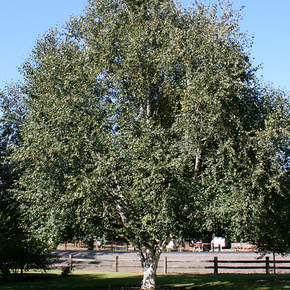
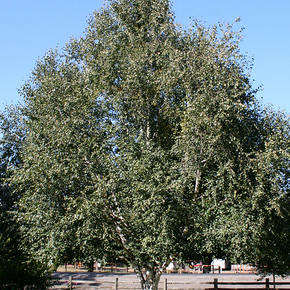
- Vigorous, fast-growing deciduous shade tree reaching up to 40 feet tall with a broadly pyramidal form and large, glossy, light green summer foliage
- Highly resistant to bronze birch borer and leaf spot diseases, making it one of the toughest and most reliable birches for home landscapes
- Exceptionally adaptable — thrives in wet, clay, or periodically flooded soils and tolerates heat, urban conditions, and a wide range of climates from USDA Zones 4 through 9
Heritage River Birch (Betula nigra 'Cully') is a standout deciduous shade tree prized by homeowners and landscape professionals alike for its breathtaking exfoliating bark, vigorous growth, and exceptional toughness. A select cultivar of the native River Birch, Heritage was discovered in the 1970s and quickly earned its reputation as a superior ornamental selection thanks to its larger, glossier foliage and lighter, more dramatically colored bark than typical River Birch seedlings. Throughout the year, the trunk and branches peel back in papery layers to expose rich, multi-toned patches of cream, salmon, orange, and pinkish tan — a living tapestry that makes Heritage Birch one of the most visually captivating trees in any landscape, especially during the bare winter months. Come spring, bright light-green, diamond-shaped leaves emerge alongside slender drooping catkins, filling out into a lush, broadly pyramidal canopy that delivers generous shade through summer. Fall brings a warm golden-yellow foliage display before the leaves drop to reveal the spectacular bark once again. Unlike many ornamental birches, Heritage is notably resistant to the bronze birch borer and performs beautifully across a wide range of challenging site conditions — wet soils, clay, compacted urban ground, and high heat — making it a reliable, low-maintenance investment for Pacific Northwest and Northern California gardens seeking bold year-round structure, shade, and wildlife value.
Plant Description
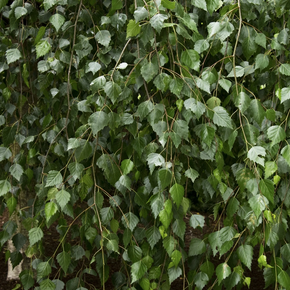
Heritage River Birch is a vigorous, broadleaf deciduous tree selected for its superior ornamental qualities over the standard species. It grows in a broadly pyramidal shape when young, gradually developing a more open, irregular crown with gracefully arching branches at maturity. The standout feature is its exfoliating bark, which peels year-round in curling, papery layers to reveal a stunning patchwork of cream, salmon, orange, and pinkish tan tones underneath. Leaves are larger and glossier than the straight species, with a diamond to ovate shape, doubly serrated margins, and 7 to 9 prominent veins on the undersides. In early spring, slender drooping staminate catkins 2 to 3 inches long emerge before the leaves, adding subtle seasonal interest. The cultivar name is 'Cully', and it was introduced in 1979 after being discovered in a St. Louis suburb by Earl Cully of Jacksonville, Illinois.
Mature Size
| Characteristic | Measurement |
|---|---|
| Mature Height | 40 to 50 feet (can reach up to 70 feet in ideal conditions) |
| Mature Spread | 30 to 40 feet |
| Growth Rate | Fast — typically 2 to 3 feet per year in optimal conditions |
| Form | Broadly pyramidal when young; open and irregular at maturity |
| Trunk Style | Available as single-trunk or multi-trunk/clump specimens |
Hardiness Zones
Heritage River Birch is hardy in USDA Zones 4 through 9, making it one of the most cold-hardy and heat-tolerant birches available. It tolerates winter temperatures down to approximately -20 to -30 degrees Fahrenheit (Zone 4) and performs well in the warm summers of Zones 8 and 9 — a range that few other ornamental birches can match. It is particularly well suited to the climate of Southern Oregon and Northern California, where it adapts comfortably across a broad range of elevations and microclimates. It is also rated for AHS Heat Zones 1 through 9.
Sunlight Requirements
Heritage Birch performs best in full sun, receiving at least 6 hours of direct sunlight per day. It will tolerate partial shade (2 to 6 hours of direct sun daily), though full sun produces the richest foliage color, most vigorous growth, and best overall form. When sited in shadier locations, the canopy may become more open and growth slightly slower. For the most striking bark display and golden fall color, choose the sunniest appropriate spot on your property.
Soil and pH Preferences
Heritage Birch is remarkably adaptable to a wide range of soil types, including sandy loam, clay, and silty soils. It naturally thrives along streambanks and in floodplains, so it is well suited to consistently moist or periodically wet sites. For best performance, aim for moist, well-drained to moisture-retentive, slightly acidic soil. Key soil considerations include:
- Ideal soil pH: 5.0 to 6.5 (mildly to moderately acidic)
- Soil types tolerated: Sandy loam, clay, silt, and even compacted urban soils
- Drainage: Tolerates moist, poorly drained, and occasionally flooded soils; also adapts to well-drained sites once established
- Alkaline soils: May cause iron chlorosis (yellowing leaves with green veins); amend with sulfur or apply acidifying fertilizer if soil pH exceeds 7.0
Watering Guide
Heritage Birch prefers consistently moist soil, especially during its first two to three years in the ground while it establishes a robust root system. Follow these watering guidelines for best results:
- Newly planted trees: Water deeply at planting, then once or twice per week for the first growing season. Keep the root zone consistently moist but not waterlogged.
- Established trees: Water deeply once per week during prolonged dry or hot periods. Established Heritage Birch has moderate drought tolerance, though it thrives with reliable moisture.
- Mulching: Apply 2 to 3 inches of organic mulch in a wide ring around the base of the tree (keeping mulch a few inches away from the trunk) to conserve soil moisture, moderate soil temperature, and reduce competition from grass and weeds.
- Signs of drought stress: Premature leaf drop and inner leaf shedding during summer are common stress responses — increase watering frequency if these symptoms appear.
Fertilizing
Heritage Birch benefits from light, consistent feeding to support its rapid growth and maintain healthy, dark green foliage:
- When to fertilize: Apply fertilizer once in early spring just as new growth begins, before leaves fully emerge.
- What to use: A balanced, slow-release granular fertilizer (such as 10-10-10) works well for most sites. In acidic soils where the tree is thriving, fertilizing may be minimal.
- Alkaline soil correction: If soil pH is high, use an acidifying fertilizer or apply elemental sulfur to lower pH and prevent iron chlorosis. Chelated iron products can provide a faster, direct remedy for yellowing leaves caused by iron deficiency.
- Avoid over-fertilizing: Excessive nitrogen encourages overly lush, weak growth that can be more susceptible to pests and environmental stress. Follow label directions carefully.
Pruning and Maintenance
Heritage Birch is considered a relatively self-maintaining tree that naturally sheds weak or damaged wood, reducing the frequency of intervention needed. When pruning is required, timing and technique are critical:
- Best time to prune: Late summer through fall or during full winter dormancy. Avoid pruning in late winter through early spring when sap is actively flowing, as cuts will bleed heavily.
- Avoid late spring and early summer pruning: Bronze birch borers are most active during this period and are attracted to fresh wounds, so pruning during these months should be avoided even though Heritage is resistant to borers.
- What to remove: Focus on crossing or rubbing branches, dead or damaged wood, and any branches growing directly vertical from the trunk (water sprouts), which form weak attachments prone to breakage.
- Preserve the canopy: Never remove more than 25% of the live canopy in a single season to avoid stressing the tree.
- General maintenance: Rake and remove fallen catkins and leaf litter periodically. Note that this tree naturally drops small twigs and debris — situate it away from gutters and high-maintenance paved areas where possible.
Planting Instructions
- Choose your site: Select a location with full sun to partial shade and access to consistent moisture. Avoid planting directly against the house or over gutters, as falling twigs and catkins can accumulate.
- Timing: Plant in early spring or early fall for best root establishment. Avoid planting during the heat of summer unless supplemental irrigation is readily available.
- Dig the hole: Dig a hole two to three times as wide as the root ball and no deeper than the root ball itself. The top of the root ball should sit level with or very slightly above the surrounding soil grade.
- Backfill: Use the native soil removed from the hole to backfill. Amend with organic compost if soil is poor or heavily compacted. In alkaline soils, incorporate sulfur or acidifying amendments at planting.
- Water in thoroughly: Soak the root zone deeply immediately after planting to eliminate air pockets and begin the establishment process.
- Mulch: Spread 2 to 3 inches of organic mulch in a wide ring around the base, keeping mulch pulled back several inches from the trunk to prevent rot.
- Spacing: Allow at least 20 to 30 feet of spacing from structures, utilities, and other large trees to accommodate the mature spread. When planting in groups or clumps, spacing trunks 4 to 6 feet apart creates a naturalistic multi-stem effect.
Seasonal Interest
One of Heritage Birch's greatest attributes is its genuine four-season ornamental appeal — there is always something beautiful to observe no matter the time of year:
- Spring: Slender, drooping catkins dangle in clusters before the leaves emerge, providing early-season interest. Fresh, bright light-green foliage unfurls quickly, and small cone-like seed clusters develop through late spring.
- Summer: Large, glossy, deep green leaves create a dense, broadly pyramidal canopy that casts cool shade. The peeling bark is partially visible through the foliage.
- Fall: Foliage transitions to rich golden yellow before dropping cleanly, often earlier than many other deciduous trees.
- Winter: The bare tree reveals its most dramatic feature — the exfoliating, multi-toned bark in shades of cream, salmon, orange, and pinkish tan that practically glows in low winter light. This is Heritage Birch at its most spectacular.
Landscape Uses
Heritage Birch is an exceptionally versatile landscape tree suited to a wide variety of applications:
- Specimen tree: Its stunning bark and graceful form make it a focal point in any lawn or garden bed, especially when underplanted with shade-tolerant perennials or groundcovers.
- Multi-stem clump: Planting two to three trunks together creates a dramatic, naturalistic clump that maximizes the bark display effect — a popular design choice for modern and cottage-style landscapes.
- Shade tree: Its fast growth and spreading canopy make it an efficient provider of summer shade for patios, play areas, and lawns.
- Rain garden and wet areas: One of the best trees for low-lying, wet, or periodically flooded spots where few other ornamental trees will thrive.
- Erosion control: Excellent for stabilizing streambanks, pond edges, and slopes prone to runoff.
- Naturalized and riparian settings: Blends beautifully into woodland edges, creek corridors, and natural areas.
- Winter garden: A standout in winter interest gardens where the exfoliating bark creates strong visual impact against dark soil or snow.
- Screening: Can be used in rows or informal groupings to create seasonal privacy or soften property lines.
Wildlife Value
Heritage Birch is a significant ecological asset in any garden, supporting a wide range of wildlife throughout the year:
- Butterflies and moths: Serves as a larval host plant for the Mourning Cloak butterfly (Nymphalis antiopa), the Dreamy Duskywing (Erynnis icelus), and the Eastern Tiger Swallowtail (Papilio glaucus).
- Birds: Seeds are eaten by finches, chickadees, grouse, wild turkeys, and many small songbirds. The tree also provides excellent nesting sites and cover for breeding birds.
- Small mammals: Squirrels and other small mammals feed on the seeds and protein-rich male catkins, particularly in late winter and early spring when other food sources are scarce.
- Pollinators: Early-emerging catkins provide a pollen source for bees and other early pollinators before many other trees and flowers have opened.
- Deer resistance: Moderately resistant to deer browsing, though young saplings benefit from protection in areas with high deer pressure.
Pests and Diseases
Heritage Birch was selected in part for its improved pest and disease resistance compared to other birch species and seedling-grown River Birches. Here is what to watch for and how to respond:
- Bronze Birch Borer (Agrilus anxius): Heritage Birch has high resistance to this serious pest that devastates many white-barked birches. Its resistance is one of the primary reasons it is recommended over species such as European White Birch in warmer climates.
- Birch Leafminer: Larvae tunnel inside leaves, creating brown, papery patches. Typically not fatal but can be unsightly. Control with systemic insecticides or tolerate as a cosmetic issue; natural predators often provide adequate control.
- Aphids (including Spiny Witch Hazel Gall Aphid): May cause puckered, curled, or distorted leaves. Rarely serious; beneficial insects such as ladybugs and lacewings usually manage populations naturally without intervention.
- Birch Lace Bug / Alder Lace Bug: Can cause stippled, pale foliage on the upper leaf surface. Treat with insecticidal soap or horticultural oil if infestations are severe.
- Leaf Spot Diseases: Heritage has good resistance to leaf spot, but wet springs may occasionally trigger premature defoliation. The tree typically rebounds with fresh growth once conditions dry out.
- Iron Chlorosis: Not a disease but a nutrient-uptake issue caused by overly alkaline soil. Yellowing leaves with green veins indicate a high soil pH. Correct with soil acidification or chelated iron treatments.
- Root Rot: Can occur in sites with chronic standing water and poor drainage. Ensure that planting sites, while moist, do not experience permanent waterlogging around the root flare.
Companion Plants
Heritage Birch pairs beautifully with plants that enjoy similar moist, slightly acidic conditions and that complement its airy, light-filtering canopy. Consider these companions for planting beneath or alongside Heritage Birch:
- Hostas: Bold, shade-tolerant foliage that thrives under the dappled light of a birch canopy and provides textural contrast.
- Astilbe: Feathery plumes in shades of white, pink, and red love the moist, part-shade conditions created beneath Heritage Birch.
- Hakone Grass (Hakonechloa macra): Graceful, arching ornamental grass with a luminous quality that complements the tree's golden fall color.
- Ferns (Athyrium, Dryopteris, Osmunda): Native and ornamental ferns thrive in the moist, humus-rich soil around birches and enhance the naturalistic feel.
- Native sedges (Carex spp.): Low-maintenance, moisture-loving groundcovers that fill in beautifully under the canopy.
- Red Twig Dogwood (Cornus sericea): Provides brilliant red winter stem color that pairs dramatically with Heritage Birch's exfoliating bark.
- Winterberry Holly (Ilex verticillata): Thrives in wet soils and provides vivid red berry clusters that complement the tree's winter bark tones.
- Serviceberry (Amelanchier spp.): A fellow native tree with spring bloom, summer berries, and outstanding fall color — a naturalistic pairing for woodland garden settings.
- Stunning exfoliating bark peels in papery layers to reveal a mosaic of cream, salmon, orange, and pinkish tan — delivering dramatic four-season visual interest
- Vigorous, fast-growing deciduous shade tree reaching up to 40 feet tall with a broadly pyramidal form and large, glossy, light green summer foliage
- Highly resistant to bronze birch borer and leaf spot diseases, making it one of the toughest and most reliable birches for home landscapes
- Exceptionally adaptable — thrives in wet, clay, or periodically flooded soils and tolerates heat, urban conditions, and a wide range of climates from USDA Zones 4 through 9
Heritage River Birch (Betula nigra 'Cully') is a standout deciduous shade tree prized by homeowners and landscape professionals alike for its breathtaking exfoliating bark, vigorous growth, and exceptional toughness. A select cultivar of the native River Birch, Heritage was discovered in the 1970s and quickly earned its reputation as a superior ornamental selection thanks to its larger, glossier foliage and lighter, more dramatically colored bark than typical River Birch seedlings. Throughout the year, the trunk and branches peel back in papery layers to expose rich, multi-toned patches of cream, salmon, orange, and pinkish tan — a living tapestry that makes Heritage Birch one of the most visually captivating trees in any landscape, especially during the bare winter months. Come spring, bright light-green, diamond-shaped leaves emerge alongside slender drooping catkins, filling out into a lush, broadly pyramidal canopy that delivers generous shade through summer. Fall brings a warm golden-yellow foliage display before the leaves drop to reveal the spectacular bark once again. Unlike many ornamental birches, Heritage is notably resistant to the bronze birch borer and performs beautifully across a wide range of challenging site conditions — wet soils, clay, compacted urban ground, and high heat — making it a reliable, low-maintenance investment for Pacific Northwest and Northern California gardens seeking bold year-round structure, shade, and wildlife value.
Plant Description
Heritage River Birch is a vigorous, broadleaf deciduous tree selected for its superior ornamental qualities over the standard species. It grows in a broadly pyramidal shape when young, gradually developing a more open, irregular crown with gracefully arching branches at maturity. The standout feature is its exfoliating bark, which peels year-round in curling, papery layers to reveal a stunning patchwork of cream, salmon, orange, and pinkish tan tones underneath. Leaves are larger and glossier than the straight species, with a diamond to ovate shape, doubly serrated margins, and 7 to 9 prominent veins on the undersides. In early spring, slender drooping staminate catkins 2 to 3 inches long emerge before the leaves, adding subtle seasonal interest. The cultivar name is 'Cully', and it was introduced in 1979 after being discovered in a St. Louis suburb by Earl Cully of Jacksonville, Illinois.
Mature Size
| Characteristic | Measurement |
|---|---|
| Mature Height | 40 to 50 feet (can reach up to 70 feet in ideal conditions) |
| Mature Spread | 30 to 40 feet |
| Growth Rate | Fast — typically 2 to 3 feet per year in optimal conditions |
| Form | Broadly pyramidal when young; open and irregular at maturity |
| Trunk Style | Available as single-trunk or multi-trunk/clump specimens |
Hardiness Zones
Heritage River Birch is hardy in USDA Zones 4 through 9, making it one of the most cold-hardy and heat-tolerant birches available. It tolerates winter temperatures down to approximately -20 to -30 degrees Fahrenheit (Zone 4) and performs well in the warm summers of Zones 8 and 9 — a range that few other ornamental birches can match. It is particularly well suited to the climate of Southern Oregon and Northern California, where it adapts comfortably across a broad range of elevations and microclimates. It is also rated for AHS Heat Zones 1 through 9.
Sunlight Requirements
Heritage Birch performs best in full sun, receiving at least 6 hours of direct sunlight per day. It will tolerate partial shade (2 to 6 hours of direct sun daily), though full sun produces the richest foliage color, most vigorous growth, and best overall form. When sited in shadier locations, the canopy may become more open and growth slightly slower. For the most striking bark display and golden fall color, choose the sunniest appropriate spot on your property.
Soil and pH Preferences
Heritage Birch is remarkably adaptable to a wide range of soil types, including sandy loam, clay, and silty soils. It naturally thrives along streambanks and in floodplains, so it is well suited to consistently moist or periodically wet sites. For best performance, aim for moist, well-drained to moisture-retentive, slightly acidic soil. Key soil considerations include:
- Ideal soil pH: 5.0 to 6.5 (mildly to moderately acidic)
- Soil types tolerated: Sandy loam, clay, silt, and even compacted urban soils
- Drainage: Tolerates moist, poorly drained, and occasionally flooded soils; also adapts to well-drained sites once established
- Alkaline soils: May cause iron chlorosis (yellowing leaves with green veins); amend with sulfur or apply acidifying fertilizer if soil pH exceeds 7.0
Watering Guide
Heritage Birch prefers consistently moist soil, especially during its first two to three years in the ground while it establishes a robust root system. Follow these watering guidelines for best results:
- Newly planted trees: Water deeply at planting, then once or twice per week for the first growing season. Keep the root zone consistently moist but not waterlogged.
- Established trees: Water deeply once per week during prolonged dry or hot periods. Established Heritage Birch has moderate drought tolerance, though it thrives with reliable moisture.
- Mulching: Apply 2 to 3 inches of organic mulch in a wide ring around the base of the tree (keeping mulch a few inches away from the trunk) to conserve soil moisture, moderate soil temperature, and reduce competition from grass and weeds.
- Signs of drought stress: Premature leaf drop and inner leaf shedding during summer are common stress responses — increase watering frequency if these symptoms appear.
Fertilizing
Heritage Birch benefits from light, consistent feeding to support its rapid growth and maintain healthy, dark green foliage:
- When to fertilize: Apply fertilizer once in early spring just as new growth begins, before leaves fully emerge.
- What to use: A balanced, slow-release granular fertilizer (such as 10-10-10) works well for most sites. In acidic soils where the tree is thriving, fertilizing may be minimal.
- Alkaline soil correction: If soil pH is high, use an acidifying fertilizer or apply elemental sulfur to lower pH and prevent iron chlorosis. Chelated iron products can provide a faster, direct remedy for yellowing leaves caused by iron deficiency.
- Avoid over-fertilizing: Excessive nitrogen encourages overly lush, weak growth that can be more susceptible to pests and environmental stress. Follow label directions carefully.
Pruning and Maintenance
Heritage Birch is considered a relatively self-maintaining tree that naturally sheds weak or damaged wood, reducing the frequency of intervention needed. When pruning is required, timing and technique are critical:
- Best time to prune: Late summer through fall or during full winter dormancy. Avoid pruning in late winter through early spring when sap is actively flowing, as cuts will bleed heavily.
- Avoid late spring and early summer pruning: Bronze birch borers are most active during this period and are attracted to fresh wounds, so pruning during these months should be avoided even though Heritage is resistant to borers.
- What to remove: Focus on crossing or rubbing branches, dead or damaged wood, and any branches growing directly vertical from the trunk (water sprouts), which form weak attachments prone to breakage.
- Preserve the canopy: Never remove more than 25% of the live canopy in a single season to avoid stressing the tree.
- General maintenance: Rake and remove fallen catkins and leaf litter periodically. Note that this tree naturally drops small twigs and debris — situate it away from gutters and high-maintenance paved areas where possible.
Planting Instructions
- Choose your site: Select a location with full sun to partial shade and access to consistent moisture. Avoid planting directly against the house or over gutters, as falling twigs and catkins can accumulate.
- Timing: Plant in early spring or early fall for best root establishment. Avoid planting during the heat of summer unless supplemental irrigation is readily available.
- Dig the hole: Dig a hole two to three times as wide as the root ball and no deeper than the root ball itself. The top of the root ball should sit level with or very slightly above the surrounding soil grade.
- Backfill: Use the native soil removed from the hole to backfill. Amend with organic compost if soil is poor or heavily compacted. In alkaline soils, incorporate sulfur or acidifying amendments at planting.
- Water in thoroughly: Soak the root zone deeply immediately after planting to eliminate air pockets and begin the establishment process.
- Mulch: Spread 2 to 3 inches of organic mulch in a wide ring around the base, keeping mulch pulled back several inches from the trunk to prevent rot.
- Spacing: Allow at least 20 to 30 feet of spacing from structures, utilities, and other large trees to accommodate the mature spread. When planting in groups or clumps, spacing trunks 4 to 6 feet apart creates a naturalistic multi-stem effect.
Seasonal Interest
One of Heritage Birch's greatest attributes is its genuine four-season ornamental appeal — there is always something beautiful to observe no matter the time of year:
- Spring: Slender, drooping catkins dangle in clusters before the leaves emerge, providing early-season interest. Fresh, bright light-green foliage unfurls quickly, and small cone-like seed clusters develop through late spring.
- Summer: Large, glossy, deep green leaves create a dense, broadly pyramidal canopy that casts cool shade. The peeling bark is partially visible through the foliage.
- Fall: Foliage transitions to rich golden yellow before dropping cleanly, often earlier than many other deciduous trees.
- Winter: The bare tree reveals its most dramatic feature — the exfoliating, multi-toned bark in shades of cream, salmon, orange, and pinkish tan that practically glows in low winter light. This is Heritage Birch at its most spectacular.
Landscape Uses
Heritage Birch is an exceptionally versatile landscape tree suited to a wide variety of applications:
- Specimen tree: Its stunning bark and graceful form make it a focal point in any lawn or garden bed, especially when underplanted with shade-tolerant perennials or groundcovers.
- Multi-stem clump: Planting two to three trunks together creates a dramatic, naturalistic clump that maximizes the bark display effect — a popular design choice for modern and cottage-style landscapes.
- Shade tree: Its fast growth and spreading canopy make it an efficient provider of summer shade for patios, play areas, and lawns.
- Rain garden and wet areas: One of the best trees for low-lying, wet, or periodically flooded spots where few other ornamental trees will thrive.
- Erosion control: Excellent for stabilizing streambanks, pond edges, and slopes prone to runoff.
- Naturalized and riparian settings: Blends beautifully into woodland edges, creek corridors, and natural areas.
- Winter garden: A standout in winter interest gardens where the exfoliating bark creates strong visual impact against dark soil or snow.
- Screening: Can be used in rows or informal groupings to create seasonal privacy or soften property lines.
Wildlife Value
Heritage Birch is a significant ecological asset in any garden, supporting a wide range of wildlife throughout the year:
- Butterflies and moths: Serves as a larval host plant for the Mourning Cloak butterfly (Nymphalis antiopa), the Dreamy Duskywing (Erynnis icelus), and the Eastern Tiger Swallowtail (Papilio glaucus).
- Birds: Seeds are eaten by finches, chickadees, grouse, wild turkeys, and many small songbirds. The tree also provides excellent nesting sites and cover for breeding birds.
- Small mammals: Squirrels and other small mammals feed on the seeds and protein-rich male catkins, particularly in late winter and early spring when other food sources are scarce.
- Pollinators: Early-emerging catkins provide a pollen source for bees and other early pollinators before many other trees and flowers have opened.
- Deer resistance: Moderately resistant to deer browsing, though young saplings benefit from protection in areas with high deer pressure.
Pests and Diseases
Heritage Birch was selected in part for its improved pest and disease resistance compared to other birch species and seedling-grown River Birches. Here is what to watch for and how to respond:
- Bronze Birch Borer (Agrilus anxius): Heritage Birch has high resistance to this serious pest that devastates many white-barked birches. Its resistance is one of the primary reasons it is recommended over species such as European White Birch in warmer climates.
- Birch Leafminer: Larvae tunnel inside leaves, creating brown, papery patches. Typically not fatal but can be unsightly. Control with systemic insecticides or tolerate as a cosmetic issue; natural predators often provide adequate control.
- Aphids (including Spiny Witch Hazel Gall Aphid): May cause puckered, curled, or distorted leaves. Rarely serious; beneficial insects such as ladybugs and lacewings usually manage populations naturally without intervention.
- Birch Lace Bug / Alder Lace Bug: Can cause stippled, pale foliage on the upper leaf surface. Treat with insecticidal soap or horticultural oil if infestations are severe.
- Leaf Spot Diseases: Heritage has good resistance to leaf spot, but wet springs may occasionally trigger premature defoliation. The tree typically rebounds with fresh growth once conditions dry out.
- Iron Chlorosis: Not a disease but a nutrient-uptake issue caused by overly alkaline soil. Yellowing leaves with green veins indicate a high soil pH. Correct with soil acidification or chelated iron treatments.
- Root Rot: Can occur in sites with chronic standing water and poor drainage. Ensure that planting sites, while moist, do not experience permanent waterlogging around the root flare.
Companion Plants
Heritage Birch pairs beautifully with plants that enjoy similar moist, slightly acidic conditions and that complement its airy, light-filtering canopy. Consider these companions for planting beneath or alongside Heritage Birch:
- Hostas: Bold, shade-tolerant foliage that thrives under the dappled light of a birch canopy and provides textural contrast.
- Astilbe: Feathery plumes in shades of white, pink, and red love the moist, part-shade conditions created beneath Heritage Birch.
- Hakone Grass (Hakonechloa macra): Graceful, arching ornamental grass with a luminous quality that complements the tree's golden fall color.
- Ferns (Athyrium, Dryopteris, Osmunda): Native and ornamental ferns thrive in the moist, humus-rich soil around birches and enhance the naturalistic feel.
- Native sedges (Carex spp.): Low-maintenance, moisture-loving groundcovers that fill in beautifully under the canopy.
- Red Twig Dogwood (Cornus sericea): Provides brilliant red winter stem color that pairs dramatically with Heritage Birch's exfoliating bark.
- Winterberry Holly (Ilex verticillata): Thrives in wet soils and provides vivid red berry clusters that complement the tree's winter bark tones.
- Serviceberry (Amelanchier spp.): A fellow native tree with spring bloom, summer berries, and outstanding fall color — a naturalistic pairing for woodland garden settings.
Related Products