
Zoom the image with the mouse
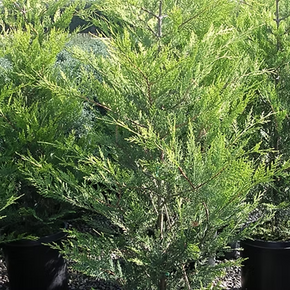
Siberian Carpet Cypress - 2 Gallon
SKU:
193145
$15.99
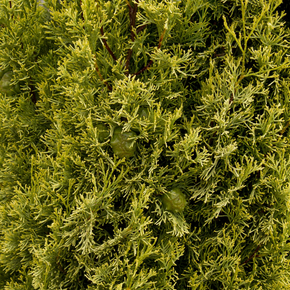
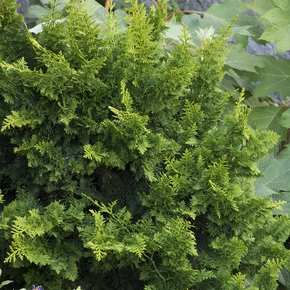
- Feathery, soft-textured, scale-like foliage emerges vivid green in spring and transforms to a rich coppery bronze-purple in fall and winter, providing year-round visual interest.
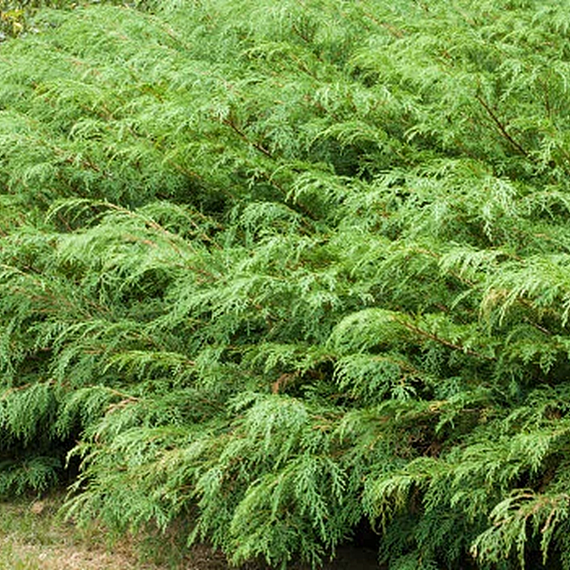
- Exceptionally cold-hardy and low-maintenance evergreen ground cover that spreads up to 12 feet wide while staying just 6 to 18 inches tall, forming a dense, weed-suppressing carpet.
- More shade-tolerant than traditional creeping junipers, making it a versatile choice for slopes, banks, rock gardens, and partially shaded foundation plantings.
- Naturally deer-resistant and highly tolerant of erosion, poor soils, and cold winters — a tough yet elegant problem-solver for challenging landscape areas.
Siberian Carpet Cypress (Microbiota decussata) is a remarkable dwarf evergreen conifer native to the Sikhote-Alin mountains of far-eastern Russia, where it thrives above the timberline on exposed, windswept peaks. Belonging to the cypress family (Cupressaceae) and the sole species in its genus, this low-growing, mat-forming ground cover is prized for its feathery, fan-like sprays of soft, scale-like foliage that closely resemble arborvitae (Thuja) in texture while mirroring the spreading, prostrate habit of creeping junipers. What sets it apart is its gracefully nodding branch tips, which arch downward in a distinctive, elegant manner, and its stunning seasonal color shift — the foliage transitions from bright, fresh green in spring and summer to warm shades of bronze-purple, copper, and reddish brown through fall and winter, then revives to green again each spring. Spreading gradually but reliably to fill spaces 6 to 12 feet wide at a mature height of just 6 to 18 inches, it creates a luxurious living carpet that suppresses weeds, controls erosion on slopes and banks, and delivers four-season landscape interest with minimal upkeep. Its award-winning performance — including recognition with the Royal Horticultural Society's Award of Garden Merit — reflects its outstanding reliability and beauty in cool-climate gardens. Whether used as a specimen in a rock garden, massed along a hillside, planted beneath taller shrubs, or incorporated into a mixed border, Siberian Carpet Cypress is a sophisticated and extraordinarily hardy alternative to conventional ground cover junipers.
Plant Description
Siberian Carpet Cypress (Microbiota decussata) is a prostrate, mat-forming, dwarf evergreen conifer and the sole member of its genus within the cypress family (Cupressaceae). Its foliage is arranged in flat, fan-like sprays composed of soft, overlapping scale-like leaves measuring 2 to 4 mm in length, occasionally awl-shaped, giving the plant an incredibly fine, feathery texture. Unlike creeping junipers, whose branch tips tend to point upward toward the sun, the branch tips of Siberian Carpet Cypress nod gracefully downward, making identification straightforward. The foliage color is bright, vivid green in spring, deepening to dark green through summer, then shifting to bronze-purple, coppery brown, or reddish tones in fall and winter before returning to green in spring. Tiny, spherical, berry-like seed cones approximately 1/4 inch in diameter develop in fall, with woody scales visible up close. First discovered near Vladivostok, Russia in 1921, this unique plant was hidden from the wider horticultural world for nearly 50 years due to political secrecy in the former Soviet Union, finally gaining global recognition and eventually earning the Royal Horticultural Society's prestigious Award of Garden Merit.
Mature Size
| Attribute | Measurement |
|---|---|
| Mature Height | 6 to 18 inches |
| Mature Spread | 6 to 12 feet |
| Growth Rate | Medium |
| Plant Form | Prostrate, mat-forming, spreading |
| Recommended Spacing | 3 to 6 feet apart for ground cover use; up to 5 feet apart for mass plantings |
Hardiness Zones
Siberian Carpet Cypress is reliably cold-hardy in USDA Hardiness Zones 3 through 7, with some sources noting hardiness as far as Zone 2 due to its origins above the timberline in the mountains of far-eastern Russia. It is exceptionally tolerant of harsh winters, heavy snowfall, and frigid temperatures, and actually overwinters beautifully beneath a blanket of snow. Performance is best in cool-summer climates. In zones 8 and 9 (such as parts of Northern California and Southern Oregon), the plant can survive but must be sited in full shade and protected from prolonged summer heat, as it is intolerant of hot, humid summers and intense direct sunlight in warm regions.
Sunlight Requirements
This plant thrives in full sun to partial shade, making it more versatile than many ground cover conifers. In cool-summer climates, it performs well in full sun (6 or more hours of direct sunlight per day) and develops its most vibrant color. In warmer regions or during periods of summer heat, partial shade (2 to 6 hours of direct sun) is strongly preferred and helps prevent stress. It is one of the most shade-tolerant conifers available for ground cover use, outperforming traditional creeping junipers in shadier conditions. While it can survive in full shade, some direct sunlight promotes better density, color, and overall plant vigor.
Soil and pH Preferences
- Prefers moist, well-drained soils — good drainage is critical and non-negotiable for healthy root development.
- Adaptable to a wide range of soil types including clay, loam, and sandy soils, as well as poor, thin, or nutrient-deficient soils.
- Grows best in slightly acidic to neutral soil pH (below 6.0 to neutral 6.0–8.0), but demonstrates tolerance of mildly alkaline conditions.
- Absolutely intolerant of poorly drained or waterlogged soils, which quickly lead to root rot and plant decline.
- Rock garden soils with excellent drainage are ideal, reflecting its natural mountain habitat in Russia.
- Incorporating organic matter such as compost into heavy clay soils at planting time improves both drainage and moisture retention for young plants.
Watering Guide
During the first growing season, water regularly and deeply to help Siberian Carpet Cypress establish a strong, extensive root system. The goal is to keep the soil consistently moist but never waterlogged. A slow, deep watering method — such as a soaker hose — works best, allowing moisture to permeate 6 inches into the soil. Water only when the soil surface has dried out, then soak thoroughly. Once established, this plant becomes quite drought-tolerant, as its spreading root system is capable of drawing moisture from deeper soil layers. In hot summer climates, ensure adequate moisture and shade during peak heat. Avoid overhead watering, which can encourage fungal issues, and never allow water to pond around the root zone. Applying a 2 to 3 inch layer of mulch around the base of the plant helps retain soil moisture, regulate soil temperature, and reduce watering frequency.
Fertilizing
Siberian Carpet Cypress is notably tolerant of low-nutrient soils and generally does not require regular fertilization once established. If desired, fertilize once in early spring before new growth begins to green up. Use a balanced, slow-release granular fertilizer formulated for conifers or general woody shrubs, applied according to package directions and spread evenly around the drip line of the plant. Avoid high-nitrogen formulas that encourage excessive, soft growth. Skip fertilizing altogether if your existing soil is moderately rich in organic matter, as over-fertilizing can be more harmful than no feeding at all. In nutrient-poor soils, an annual light application in early spring can support healthy color and moderate spread.
Pruning and Maintenance
One of the key appeals of Siberian Carpet Cypress is its very low maintenance requirements — it essentially cares for itself once established. However, a light annual pruning in early spring, just before new growth begins to emerge, is beneficial to encourage a bushier, denser growth habit. Focus pruning efforts on the tips of branches rather than making hard cuts into older wood. To keep the plant within its intended growing area, trim back any outward-spreading stems as needed throughout the growing season. Always use clean, sharp pruning shears to make precise cuts, and avoid mechanical tools such as weed trimmers or edgers, which can shred stems and create entry points for disease. No deadheading or winter pruning is necessary. Remove any winter-damaged stems in early spring once the plant has resumed greening up.
Planting Instructions
- Choose a site with well-drained soil and appropriate light exposure — full sun in cool climates, or partial shade in warmer areas.
- Prepare the planting area by loosening the soil to a depth of 12 inches and incorporating organic compost if working with compacted or heavy clay soils.
- Dig a hole twice as wide as the root ball and equal in depth, ensuring the top of the root ball sits level with or very slightly above the surrounding soil grade.
- Remove the plant from its container and gently loosen any circling roots before placing it in the hole.
- Backfill with the native soil, firming it lightly around the base to eliminate air pockets, then water thoroughly to settle the soil.
- Apply a 2 to 3 inch layer of organic mulch such as wood chips or shredded bark around the plant, keeping mulch a few inches away from the base of the stem to prevent rot.
- Space plants 3 to 5 feet apart when planting en masse for ground cover, allowing room for their natural spread to eventually fill in the area.
- Water consistently during the first growing season to promote deep root establishment before reducing frequency as the plant matures.
Seasonal Interest
| Season | Ornamental Interest |
|---|---|
| Spring | Foliage transitions back to vivid, fresh bright green as temperatures warm; dramatic color revival after winter bronze |
| Summer | Dense, deep green, feathery foliage forms a lush, textural carpet; tiny cones begin to develop |
| Fall | Foliage shifts to striking coppery bronze, bronze-purple, and reddish tones; small berry-like seed cones ripen to brown |
| Winter | Retains rich bronze-purple coloration throughout the cold season; evergreen structure provides year-round landscape presence even under snow |
Landscape Uses
- Ground Cover: Spreads to fill large areas beneath trees, along pathways, or across open beds with a dense, weed-suppressing carpet.
- Slopes and Erosion Control: Excellent for stabilizing hillsides, banks, and steep slopes where mowing or other maintenance is impractical.
- Rock Gardens: A natural fit for rock garden designs, reflecting its native mountain habitat and thriving in the excellent drainage these settings provide.
- Foundation Plantings: Low profile and spreading habit make it well-suited for planting along building foundations and low walls.
- Shrub Borders: Provides fine textural contrast and seasonal color at the front or edge of mixed shrub borders.
- Specimen Plant: Can be used as a single focal point to showcase its unique nodding branch tips and seasonal foliage transformation.
- Mass Plantings: Highly effective when planted en masse as a lawn alternative or large-scale ground cover in parks and commercial landscapes.
- Cottage and Winter Gardens: A standout addition to winter garden designs, where its bronze-purple winter color offers warmth and contrast against snow or dormant perennials.
Companion Plants
Siberian Carpet Cypress pairs beautifully with plants that share its preference for cool climates, well-drained soils, and low maintenance care. Consider the following companions to create layered, multi-season interest:
- Ornamental grasses such as Blue Oat Grass (Helictotrichon sempervirens) or Blue Fescue (Festuca glauca) — complement the fine-textured foliage with contrasting form and color.
- Dwarf conifers such as Dwarf Alberta Spruce (Picea glauca 'Conica') or Globe Blue Spruce (Picea pungens 'Globosa') — provide vertical and rounded forms that contrast the spreading carpet habit.
- Spreading junipers such as Blue Rug Juniper (Juniperus horizontalis 'Wiltonii') — similar habits but contrasting blue-green foliage tones; Siberian Carpet Cypress performs better in shade.
- Hardy perennials such as Hosta, Hellebore, or Siberian Iris — combine well in partially shaded beds, offering bold foliar contrast.
- Deciduous flowering shrubs such as Forsythia or Spirea — the bright spring color of these shrubs beautifully offsets the fresh green revival of Siberian Carpet Cypress in early spring.
- Boulders and natural stone — while not plants, incorporating large rocks into the planting replicates its native mountain habitat and dramatically enhances its appearance.
Pests and Diseases
Siberian Carpet Cypress is remarkably pest- and disease-resistant, making it one of the most trouble-free conifers available for landscape use. The following are the primary concerns to be aware of:
- Root Rot (Phytophthora and fungal pathogens): The most significant risk, caused by poorly drained or waterlogged soils. Ensure excellent drainage at planting time and avoid overwatering to prevent this issue entirely.
- Deer Browse: Generally avoided by deer, which prefer other plants. However, during harsh winters with limited food sources, deer may occasionally nibble on exposed foliage. Damage is typically minor and the plant recovers well.
- Rodents: Mice and voles may burrow beneath the dense mat of foliage for shelter. This is a habitat concern rather than direct plant damage, though root gnawing by voles can occasionally occur in severe infestations.
- Bacterial Infection: Only a very minor concern in cases of significant physical damage to the base of the plant. Practicing good pruning hygiene — using clean, sharp tools — minimizes this risk.
No insecticide or fungicide programs are routinely necessary for this plant when it is sited and cared for appropriately.
Wildlife Value
While Siberian Carpet Cypress is not a major wildlife food source, it does contribute positively to garden ecosystems in several ways. The dense, spreading mat of foliage provides excellent low-level cover and shelter for small birds, beneficial insects, and ground-dwelling wildlife. The tiny seed cones that ripen in fall may occasionally attract small seed-eating birds. Its deer-resistant nature makes it valuable in landscapes where deer pressure is a challenge, allowing it to serve as a reliable structural planting without the need for protective measures. The dense mat also serves as beneficial insect habitat, providing overwintering shelter for ground beetles and other beneficial predatory insects that help control garden pests naturally.
Container Growing
While Siberian Carpet Cypress is primarily grown as a landscape ground cover, it can be grown successfully in large containers on patios, decks, or terraces in appropriate climates. Choose a wide, shallow container with generous drainage holes to accommodate its naturally spreading, low-growing habit. Use a well-draining potting mix formulated for conifers or blend standard potting soil with perlite or coarse grit to ensure rapid drainage. Water consistently to keep the growing medium evenly moist but never saturated, and allow the surface to dry slightly between waterings. Container-grown plants are more vulnerable to temperature extremes than those in the ground — in USDA zones at the warm edge of its range, move containers to a shaded location during summer heat waves. In cold climates, containers may need to be moved to a sheltered, unheated location such as a garage during the harshest winter months to protect the root zone from freeze-thaw damage. Fertilize lightly in early spring with a slow-release granular fertilizer for conifers. The plant's beautiful bronze winter color makes it a striking container specimen for fall and winter patio displays.
- Feathery, soft-textured, scale-like foliage emerges vivid green in spring and transforms to a rich coppery bronze-purple in fall and winter, providing year-round visual interest.
- Exceptionally cold-hardy and low-maintenance evergreen ground cover that spreads up to 12 feet wide while staying just 6 to 18 inches tall, forming a dense, weed-suppressing carpet.
- More shade-tolerant than traditional creeping junipers, making it a versatile choice for slopes, banks, rock gardens, and partially shaded foundation plantings.
- Naturally deer-resistant and highly tolerant of erosion, poor soils, and cold winters — a tough yet elegant problem-solver for challenging landscape areas.
Siberian Carpet Cypress (Microbiota decussata) is a remarkable dwarf evergreen conifer native to the Sikhote-Alin mountains of far-eastern Russia, where it thrives above the timberline on exposed, windswept peaks. Belonging to the cypress family (Cupressaceae) and the sole species in its genus, this low-growing, mat-forming ground cover is prized for its feathery, fan-like sprays of soft, scale-like foliage that closely resemble arborvitae (Thuja) in texture while mirroring the spreading, prostrate habit of creeping junipers. What sets it apart is its gracefully nodding branch tips, which arch downward in a distinctive, elegant manner, and its stunning seasonal color shift — the foliage transitions from bright, fresh green in spring and summer to warm shades of bronze-purple, copper, and reddish brown through fall and winter, then revives to green again each spring. Spreading gradually but reliably to fill spaces 6 to 12 feet wide at a mature height of just 6 to 18 inches, it creates a luxurious living carpet that suppresses weeds, controls erosion on slopes and banks, and delivers four-season landscape interest with minimal upkeep. Its award-winning performance — including recognition with the Royal Horticultural Society's Award of Garden Merit — reflects its outstanding reliability and beauty in cool-climate gardens. Whether used as a specimen in a rock garden, massed along a hillside, planted beneath taller shrubs, or incorporated into a mixed border, Siberian Carpet Cypress is a sophisticated and extraordinarily hardy alternative to conventional ground cover junipers.
Plant Description
Siberian Carpet Cypress (Microbiota decussata) is a prostrate, mat-forming, dwarf evergreen conifer and the sole member of its genus within the cypress family (Cupressaceae). Its foliage is arranged in flat, fan-like sprays composed of soft, overlapping scale-like leaves measuring 2 to 4 mm in length, occasionally awl-shaped, giving the plant an incredibly fine, feathery texture. Unlike creeping junipers, whose branch tips tend to point upward toward the sun, the branch tips of Siberian Carpet Cypress nod gracefully downward, making identification straightforward. The foliage color is bright, vivid green in spring, deepening to dark green through summer, then shifting to bronze-purple, coppery brown, or reddish tones in fall and winter before returning to green in spring. Tiny, spherical, berry-like seed cones approximately 1/4 inch in diameter develop in fall, with woody scales visible up close. First discovered near Vladivostok, Russia in 1921, this unique plant was hidden from the wider horticultural world for nearly 50 years due to political secrecy in the former Soviet Union, finally gaining global recognition and eventually earning the Royal Horticultural Society's prestigious Award of Garden Merit.
Mature Size
| Attribute | Measurement |
|---|---|
| Mature Height | 6 to 18 inches |
| Mature Spread | 6 to 12 feet |
| Growth Rate | Medium |
| Plant Form | Prostrate, mat-forming, spreading |
| Recommended Spacing | 3 to 6 feet apart for ground cover use; up to 5 feet apart for mass plantings |
Hardiness Zones
Siberian Carpet Cypress is reliably cold-hardy in USDA Hardiness Zones 3 through 7, with some sources noting hardiness as far as Zone 2 due to its origins above the timberline in the mountains of far-eastern Russia. It is exceptionally tolerant of harsh winters, heavy snowfall, and frigid temperatures, and actually overwinters beautifully beneath a blanket of snow. Performance is best in cool-summer climates. In zones 8 and 9 (such as parts of Northern California and Southern Oregon), the plant can survive but must be sited in full shade and protected from prolonged summer heat, as it is intolerant of hot, humid summers and intense direct sunlight in warm regions.
Sunlight Requirements
This plant thrives in full sun to partial shade, making it more versatile than many ground cover conifers. In cool-summer climates, it performs well in full sun (6 or more hours of direct sunlight per day) and develops its most vibrant color. In warmer regions or during periods of summer heat, partial shade (2 to 6 hours of direct sun) is strongly preferred and helps prevent stress. It is one of the most shade-tolerant conifers available for ground cover use, outperforming traditional creeping junipers in shadier conditions. While it can survive in full shade, some direct sunlight promotes better density, color, and overall plant vigor.
Soil and pH Preferences
- Prefers moist, well-drained soils — good drainage is critical and non-negotiable for healthy root development.
- Adaptable to a wide range of soil types including clay, loam, and sandy soils, as well as poor, thin, or nutrient-deficient soils.
- Grows best in slightly acidic to neutral soil pH (below 6.0 to neutral 6.0–8.0), but demonstrates tolerance of mildly alkaline conditions.
- Absolutely intolerant of poorly drained or waterlogged soils, which quickly lead to root rot and plant decline.
- Rock garden soils with excellent drainage are ideal, reflecting its natural mountain habitat in Russia.
- Incorporating organic matter such as compost into heavy clay soils at planting time improves both drainage and moisture retention for young plants.
Watering Guide
During the first growing season, water regularly and deeply to help Siberian Carpet Cypress establish a strong, extensive root system. The goal is to keep the soil consistently moist but never waterlogged. A slow, deep watering method — such as a soaker hose — works best, allowing moisture to permeate 6 inches into the soil. Water only when the soil surface has dried out, then soak thoroughly. Once established, this plant becomes quite drought-tolerant, as its spreading root system is capable of drawing moisture from deeper soil layers. In hot summer climates, ensure adequate moisture and shade during peak heat. Avoid overhead watering, which can encourage fungal issues, and never allow water to pond around the root zone. Applying a 2 to 3 inch layer of mulch around the base of the plant helps retain soil moisture, regulate soil temperature, and reduce watering frequency.
Fertilizing
Siberian Carpet Cypress is notably tolerant of low-nutrient soils and generally does not require regular fertilization once established. If desired, fertilize once in early spring before new growth begins to green up. Use a balanced, slow-release granular fertilizer formulated for conifers or general woody shrubs, applied according to package directions and spread evenly around the drip line of the plant. Avoid high-nitrogen formulas that encourage excessive, soft growth. Skip fertilizing altogether if your existing soil is moderately rich in organic matter, as over-fertilizing can be more harmful than no feeding at all. In nutrient-poor soils, an annual light application in early spring can support healthy color and moderate spread.
Pruning and Maintenance
One of the key appeals of Siberian Carpet Cypress is its very low maintenance requirements — it essentially cares for itself once established. However, a light annual pruning in early spring, just before new growth begins to emerge, is beneficial to encourage a bushier, denser growth habit. Focus pruning efforts on the tips of branches rather than making hard cuts into older wood. To keep the plant within its intended growing area, trim back any outward-spreading stems as needed throughout the growing season. Always use clean, sharp pruning shears to make precise cuts, and avoid mechanical tools such as weed trimmers or edgers, which can shred stems and create entry points for disease. No deadheading or winter pruning is necessary. Remove any winter-damaged stems in early spring once the plant has resumed greening up.
Planting Instructions
- Choose a site with well-drained soil and appropriate light exposure — full sun in cool climates, or partial shade in warmer areas.
- Prepare the planting area by loosening the soil to a depth of 12 inches and incorporating organic compost if working with compacted or heavy clay soils.
- Dig a hole twice as wide as the root ball and equal in depth, ensuring the top of the root ball sits level with or very slightly above the surrounding soil grade.
- Remove the plant from its container and gently loosen any circling roots before placing it in the hole.
- Backfill with the native soil, firming it lightly around the base to eliminate air pockets, then water thoroughly to settle the soil.
- Apply a 2 to 3 inch layer of organic mulch such as wood chips or shredded bark around the plant, keeping mulch a few inches away from the base of the stem to prevent rot.
- Space plants 3 to 5 feet apart when planting en masse for ground cover, allowing room for their natural spread to eventually fill in the area.
- Water consistently during the first growing season to promote deep root establishment before reducing frequency as the plant matures.
Seasonal Interest
| Season | Ornamental Interest |
|---|---|
| Spring | Foliage transitions back to vivid, fresh bright green as temperatures warm; dramatic color revival after winter bronze |
| Summer | Dense, deep green, feathery foliage forms a lush, textural carpet; tiny cones begin to develop |
| Fall | Foliage shifts to striking coppery bronze, bronze-purple, and reddish tones; small berry-like seed cones ripen to brown |
| Winter | Retains rich bronze-purple coloration throughout the cold season; evergreen structure provides year-round landscape presence even under snow |
Landscape Uses
- Ground Cover: Spreads to fill large areas beneath trees, along pathways, or across open beds with a dense, weed-suppressing carpet.
- Slopes and Erosion Control: Excellent for stabilizing hillsides, banks, and steep slopes where mowing or other maintenance is impractical.
- Rock Gardens: A natural fit for rock garden designs, reflecting its native mountain habitat and thriving in the excellent drainage these settings provide.
- Foundation Plantings: Low profile and spreading habit make it well-suited for planting along building foundations and low walls.
- Shrub Borders: Provides fine textural contrast and seasonal color at the front or edge of mixed shrub borders.
- Specimen Plant: Can be used as a single focal point to showcase its unique nodding branch tips and seasonal foliage transformation.
- Mass Plantings: Highly effective when planted en masse as a lawn alternative or large-scale ground cover in parks and commercial landscapes.
- Cottage and Winter Gardens: A standout addition to winter garden designs, where its bronze-purple winter color offers warmth and contrast against snow or dormant perennials.
Companion Plants
Siberian Carpet Cypress pairs beautifully with plants that share its preference for cool climates, well-drained soils, and low maintenance care. Consider the following companions to create layered, multi-season interest:
- Ornamental grasses such as Blue Oat Grass (Helictotrichon sempervirens) or Blue Fescue (Festuca glauca) — complement the fine-textured foliage with contrasting form and color.
- Dwarf conifers such as Dwarf Alberta Spruce (Picea glauca 'Conica') or Globe Blue Spruce (Picea pungens 'Globosa') — provide vertical and rounded forms that contrast the spreading carpet habit.
- Spreading junipers such as Blue Rug Juniper (Juniperus horizontalis 'Wiltonii') — similar habits but contrasting blue-green foliage tones; Siberian Carpet Cypress performs better in shade.
- Hardy perennials such as Hosta, Hellebore, or Siberian Iris — combine well in partially shaded beds, offering bold foliar contrast.
- Deciduous flowering shrubs such as Forsythia or Spirea — the bright spring color of these shrubs beautifully offsets the fresh green revival of Siberian Carpet Cypress in early spring.
- Boulders and natural stone — while not plants, incorporating large rocks into the planting replicates its native mountain habitat and dramatically enhances its appearance.
Pests and Diseases
Siberian Carpet Cypress is remarkably pest- and disease-resistant, making it one of the most trouble-free conifers available for landscape use. The following are the primary concerns to be aware of:
- Root Rot (Phytophthora and fungal pathogens): The most significant risk, caused by poorly drained or waterlogged soils. Ensure excellent drainage at planting time and avoid overwatering to prevent this issue entirely.
- Deer Browse: Generally avoided by deer, which prefer other plants. However, during harsh winters with limited food sources, deer may occasionally nibble on exposed foliage. Damage is typically minor and the plant recovers well.
- Rodents: Mice and voles may burrow beneath the dense mat of foliage for shelter. This is a habitat concern rather than direct plant damage, though root gnawing by voles can occasionally occur in severe infestations.
- Bacterial Infection: Only a very minor concern in cases of significant physical damage to the base of the plant. Practicing good pruning hygiene — using clean, sharp tools — minimizes this risk.
No insecticide or fungicide programs are routinely necessary for this plant when it is sited and cared for appropriately.
Wildlife Value
While Siberian Carpet Cypress is not a major wildlife food source, it does contribute positively to garden ecosystems in several ways. The dense, spreading mat of foliage provides excellent low-level cover and shelter for small birds, beneficial insects, and ground-dwelling wildlife. The tiny seed cones that ripen in fall may occasionally attract small seed-eating birds. Its deer-resistant nature makes it valuable in landscapes where deer pressure is a challenge, allowing it to serve as a reliable structural planting without the need for protective measures. The dense mat also serves as beneficial insect habitat, providing overwintering shelter for ground beetles and other beneficial predatory insects that help control garden pests naturally.
Container Growing
While Siberian Carpet Cypress is primarily grown as a landscape ground cover, it can be grown successfully in large containers on patios, decks, or terraces in appropriate climates. Choose a wide, shallow container with generous drainage holes to accommodate its naturally spreading, low-growing habit. Use a well-draining potting mix formulated for conifers or blend standard potting soil with perlite or coarse grit to ensure rapid drainage. Water consistently to keep the growing medium evenly moist but never saturated, and allow the surface to dry slightly between waterings. Container-grown plants are more vulnerable to temperature extremes than those in the ground — in USDA zones at the warm edge of its range, move containers to a shaded location during summer heat waves. In cold climates, containers may need to be moved to a sheltered, unheated location such as a garage during the harshest winter months to protect the root zone from freeze-thaw damage. Fertilize lightly in early spring with a slow-release granular fertilizer for conifers. The plant's beautiful bronze winter color makes it a striking container specimen for fall and winter patio displays.